Different weekends across the region
In Dubai the weekend is Saturday and Sunday, since the UAE changed its working week in 2022. In Tel Aviv it is Friday and Saturday, and Sunday is a normal working day. In Istanbul it is the same weekend as Europe. Small details like that tell you how varied this part of the world is. The Middle East on this board is not one region but several: the Turkish coast, the Gulf cities, Israel, and the old cities of the Levant and Iran, each with a very different life to offer.
Tel Aviv at the top
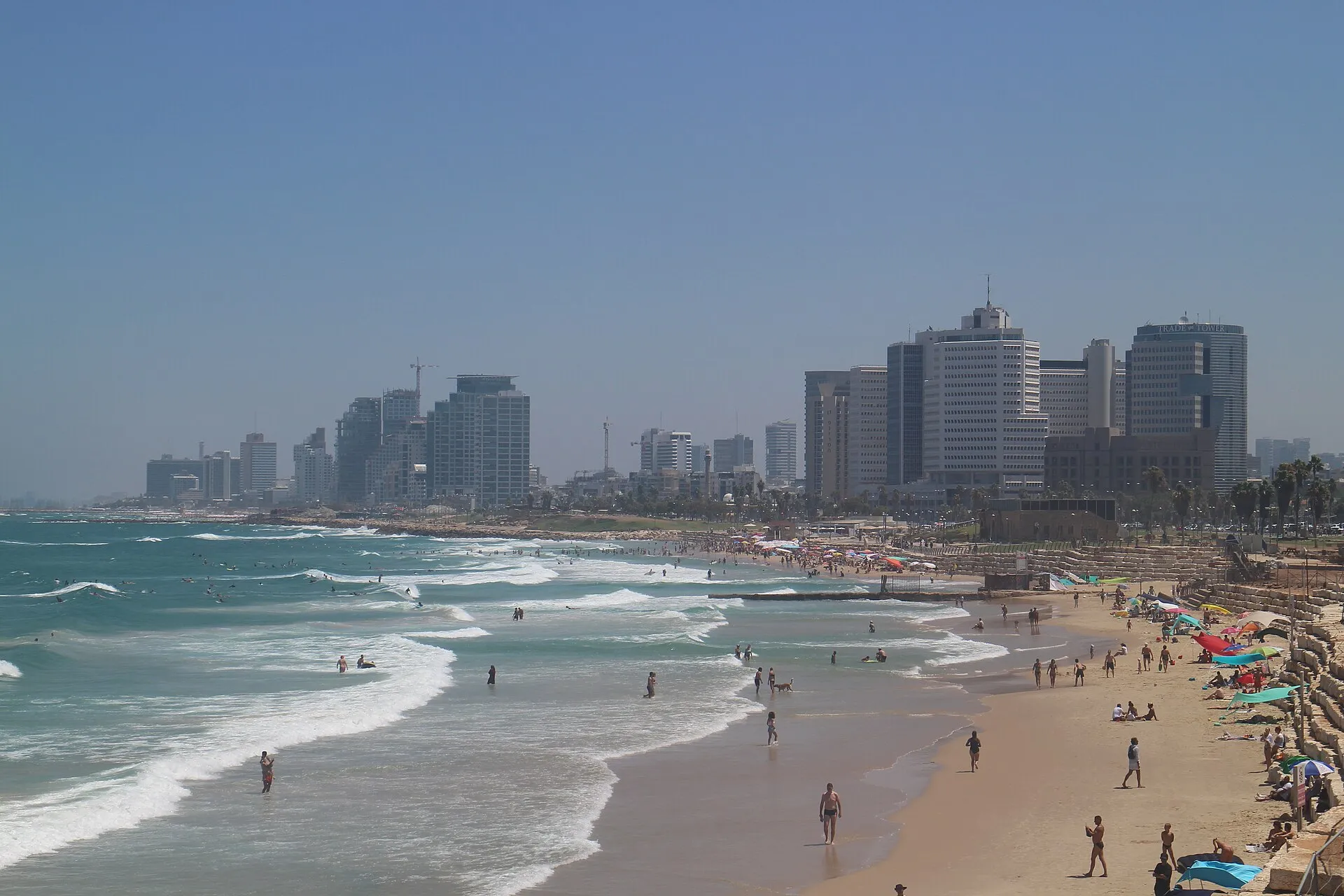
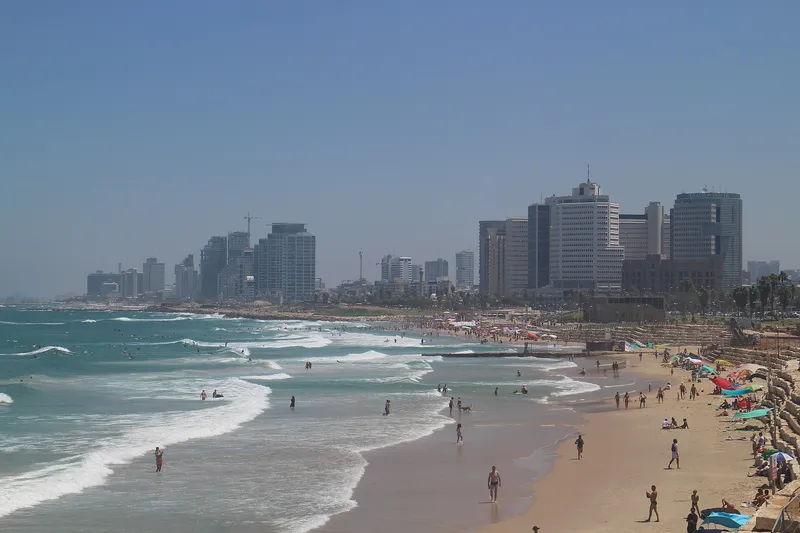
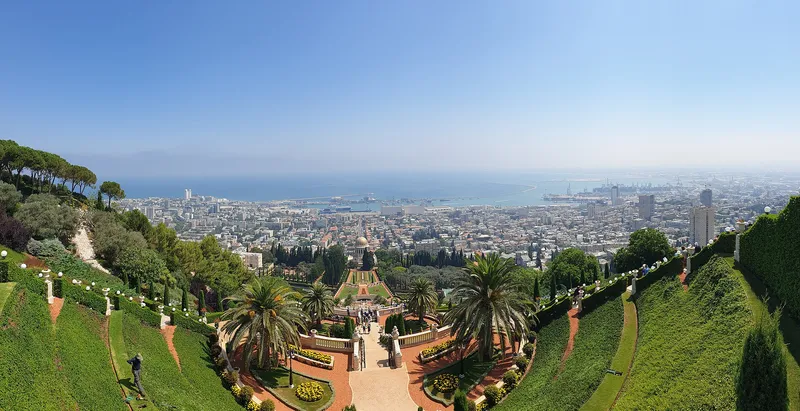
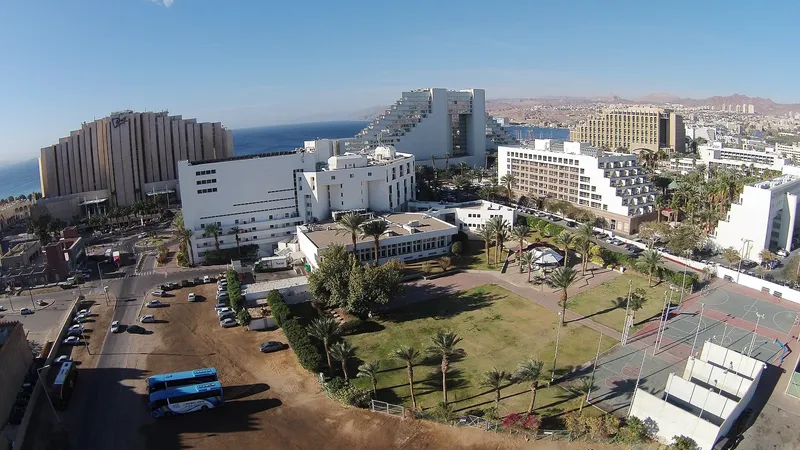
Tel Aviv leads on the strength of its tech industry, its long city beach and its Bauhaus centre, a city where the startup scene and the café terraces overlap. It is also one of the most expensive cities in the region. Since October 2023, war has shaped daily life and flight schedules, so plans there carry more uncertainty than anywhere else on this board.
The Turkish coast fills the B row
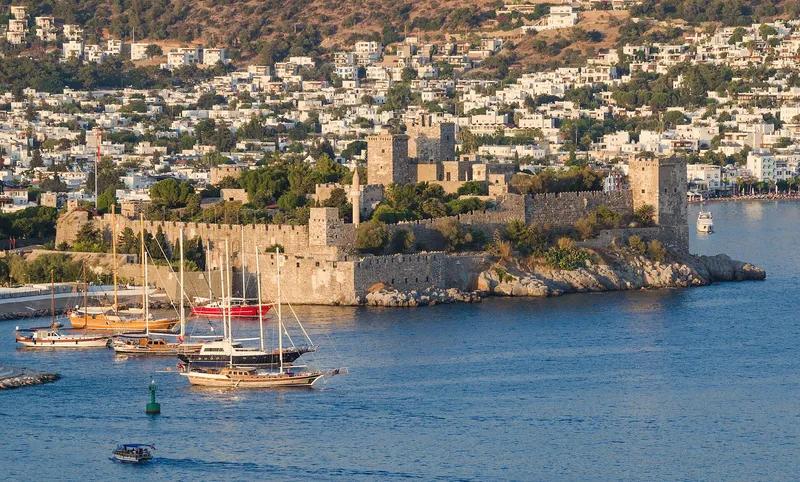
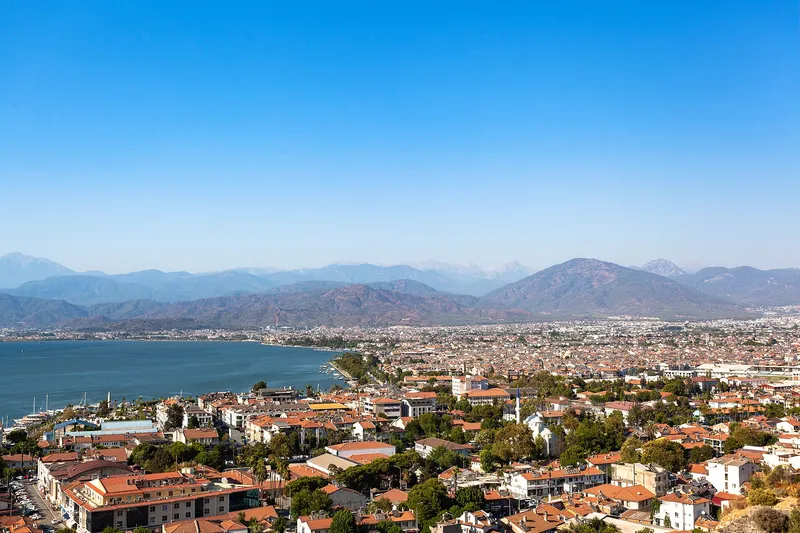
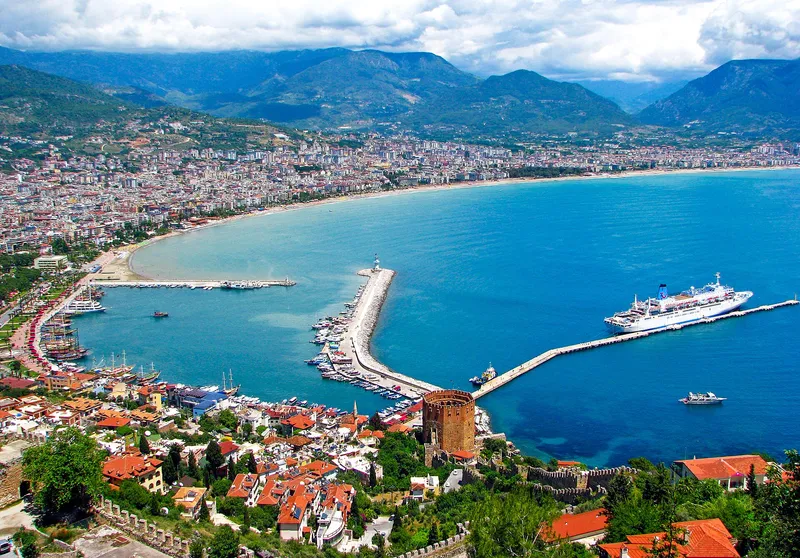
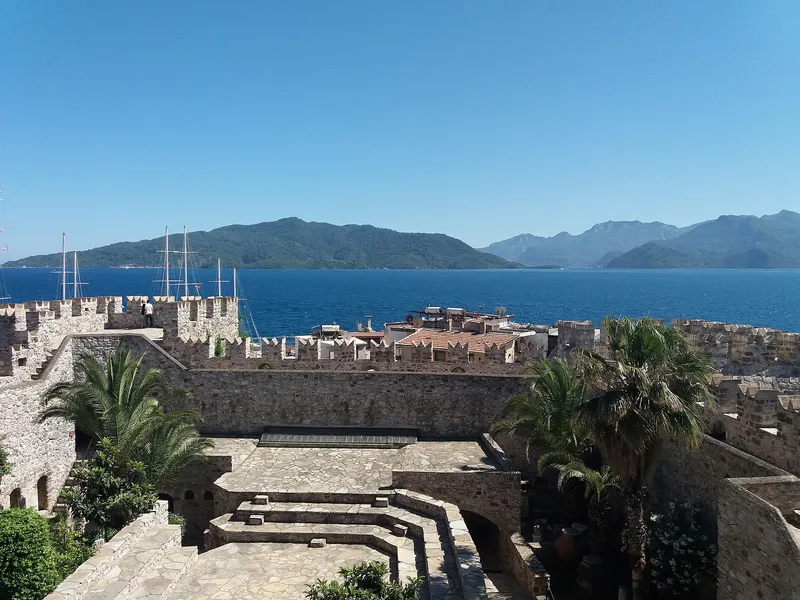
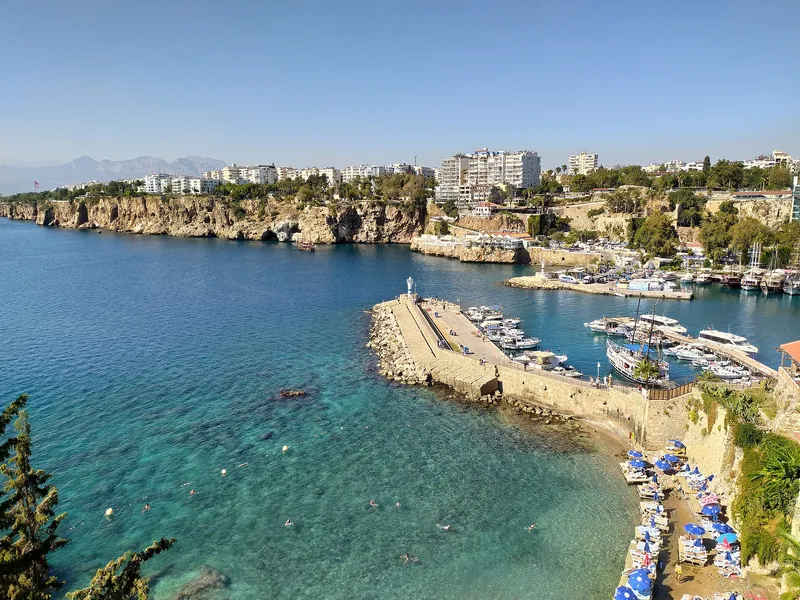
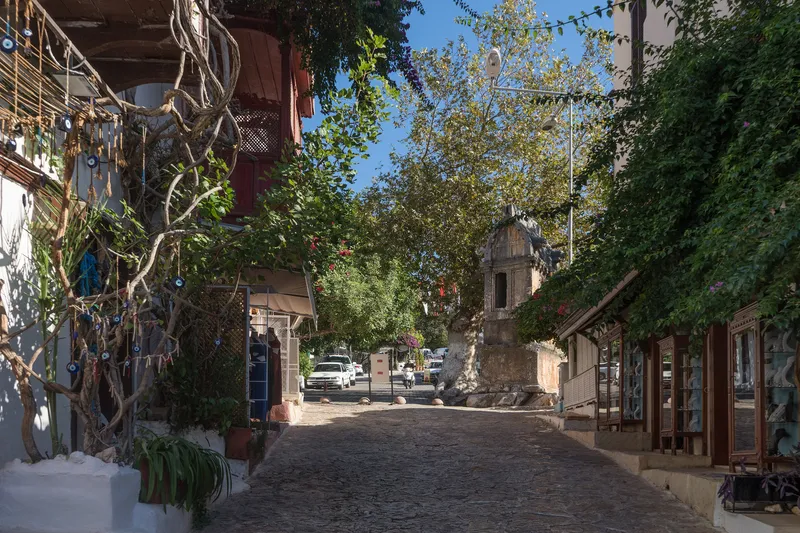
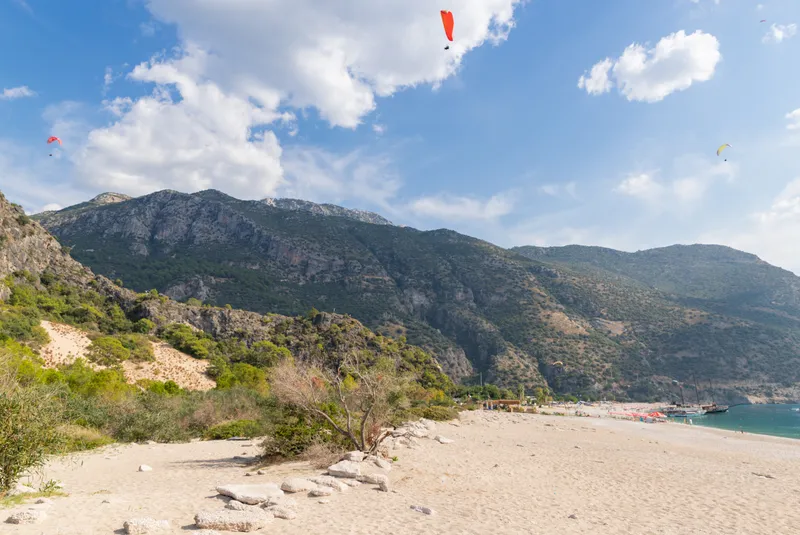
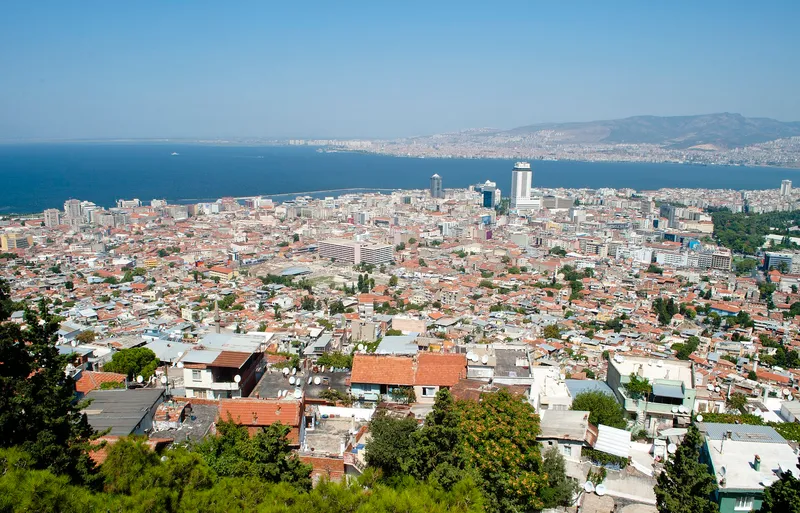
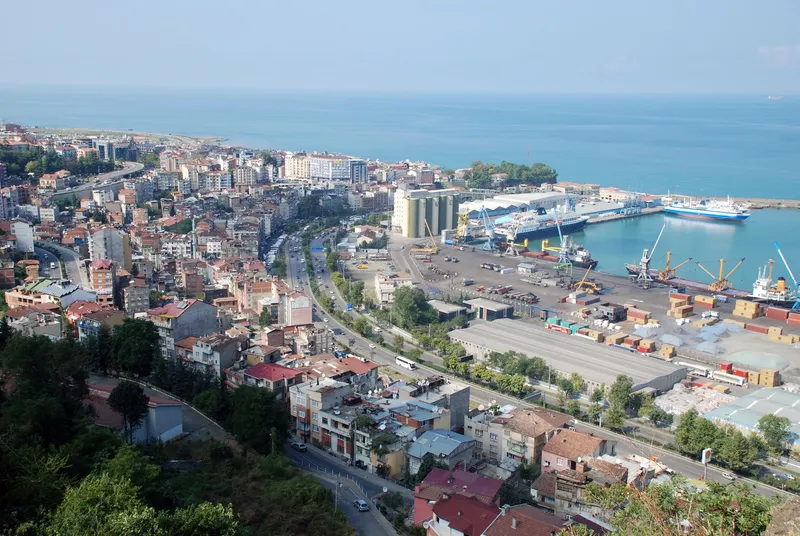
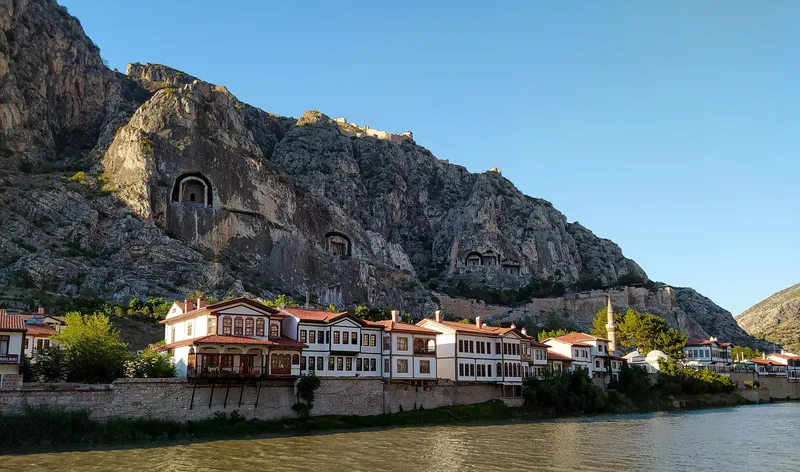
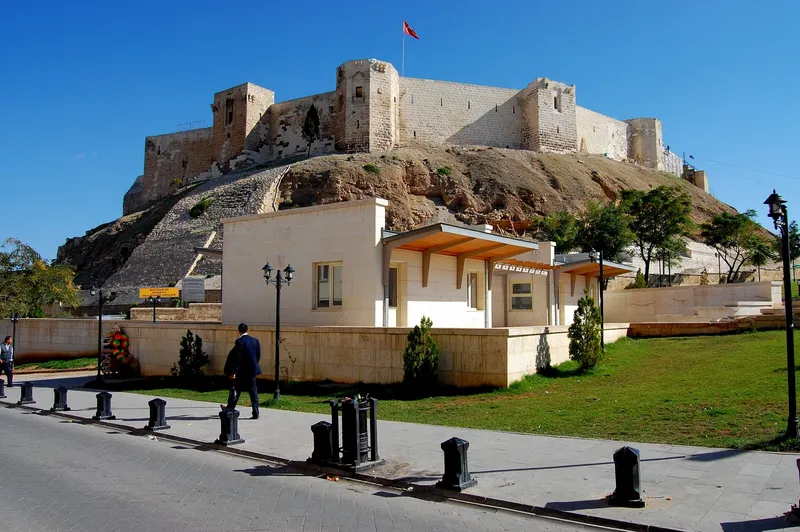
Most of the B tier is Turkey, and for good reason. Fethiye sits on a bay of islands, with paragliders launching from Babadağ above the lagoon at Ölüdeniz. Kaş is a small whitewashed town with some of the clearest diving water in the Mediterranean. Antalya pairs the old harbour of Kaleiçi with an international airport, and Bodrum, Marmaris and Alanya each have their castles, marinas and long seasons of sun. Turkey's high inflation in recent years means prices change often, so a figure from last year can be well out of date.
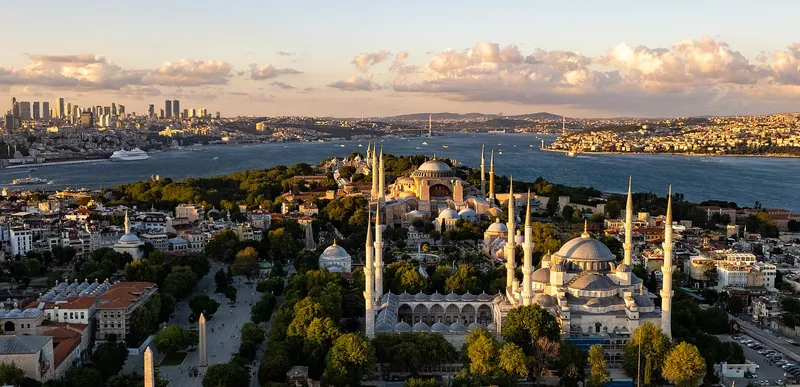
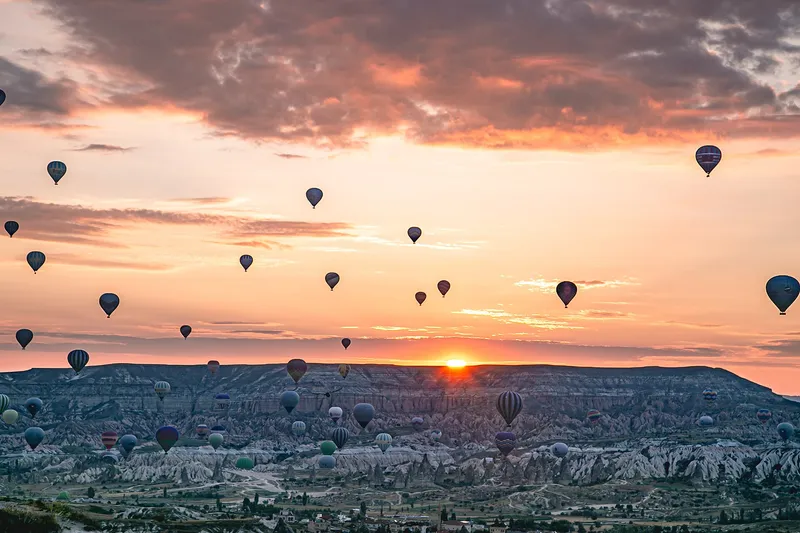
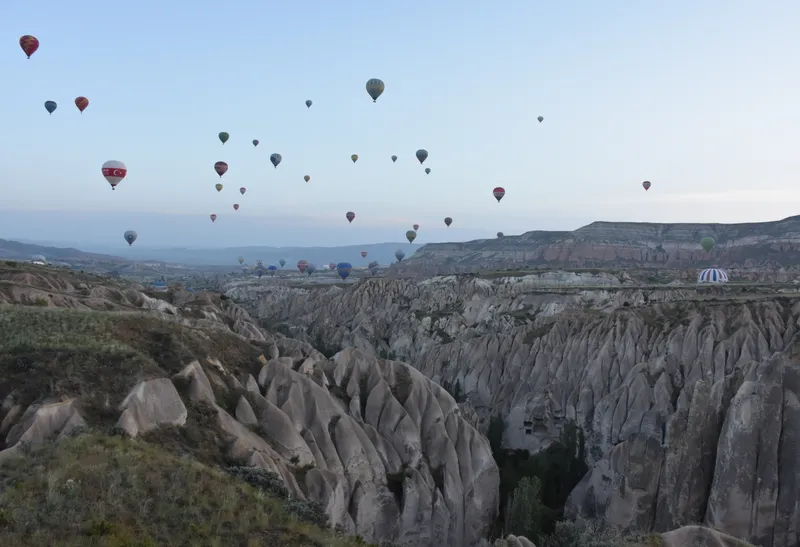
Istanbul is in a class of its own, a city on two continents where ferries cross the Bosphorus between Europe and Asia for the price of a bus ride, with an endless food scene and a growing remote-work community in neighbourhoods like Kadıköy and Cihangir. Cappadocia offers fairy-chimney valleys and dawn balloon flights, wonderful for a month and quiet in winter.
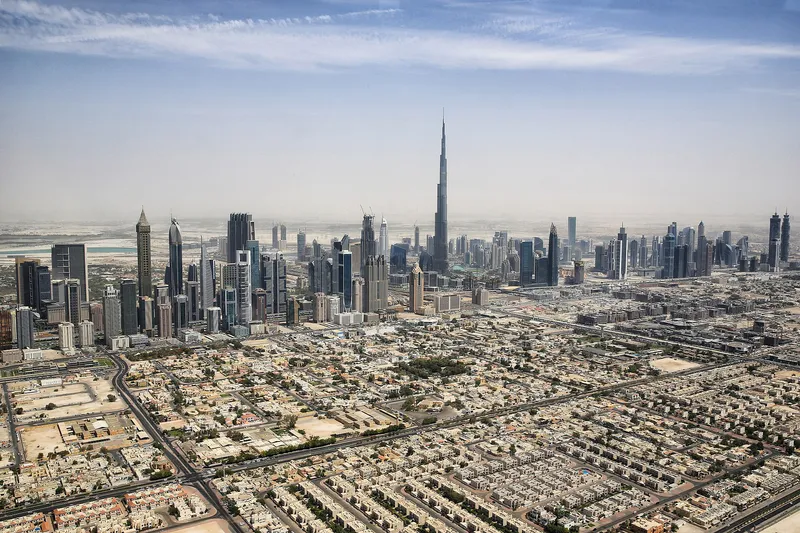
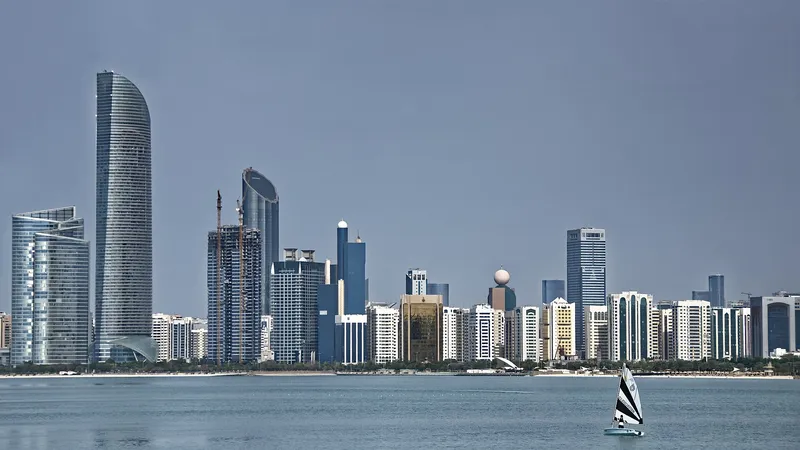
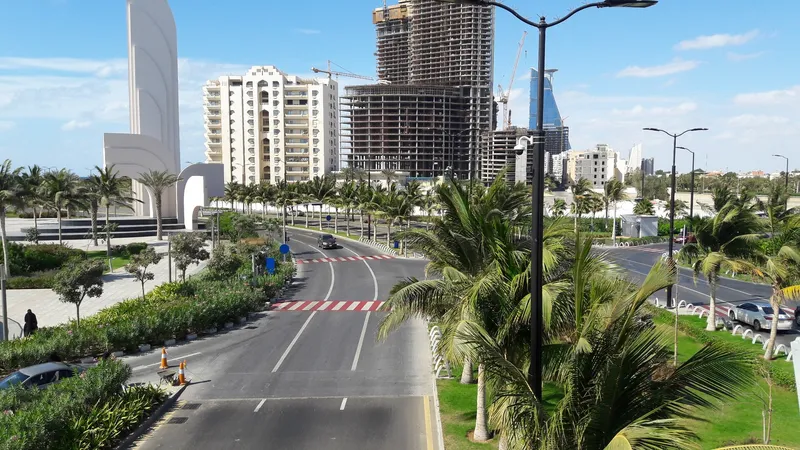
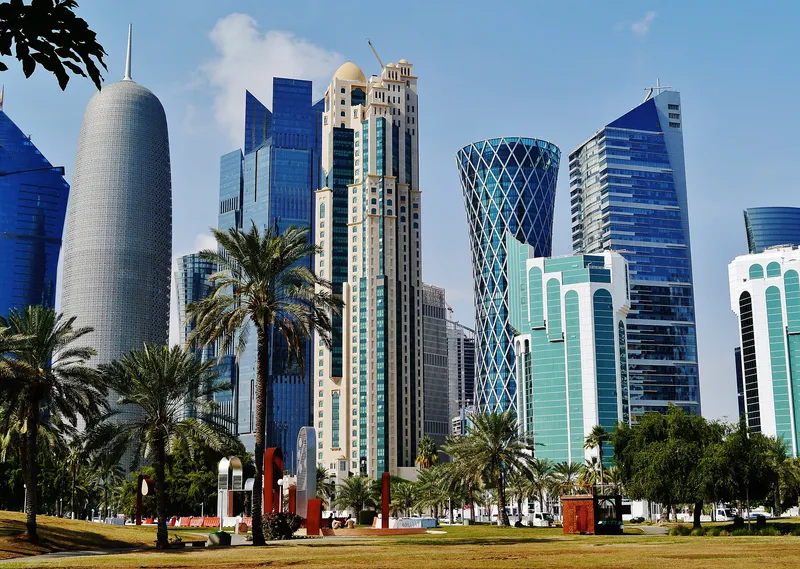
Dubai sits in the same row for different reasons: excellent infrastructure, flights to everywhere, no income tax, and a one-year remote work visa for people earning around $3,500 a month. The summer heat, often above 40C, and the cost of living keep it from rising higher.
The lower rows
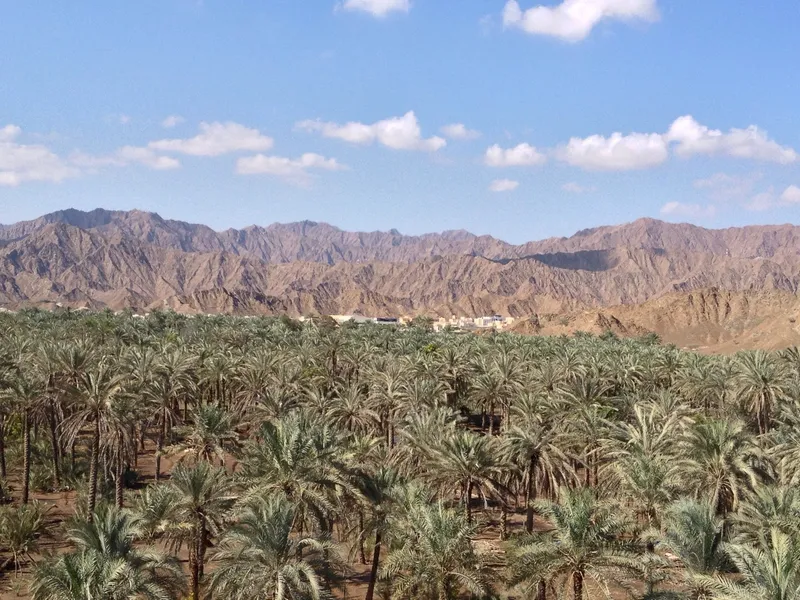
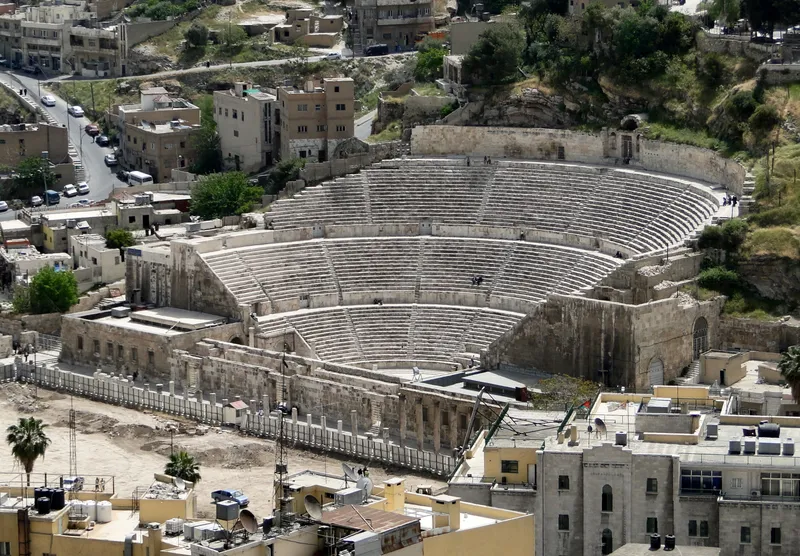
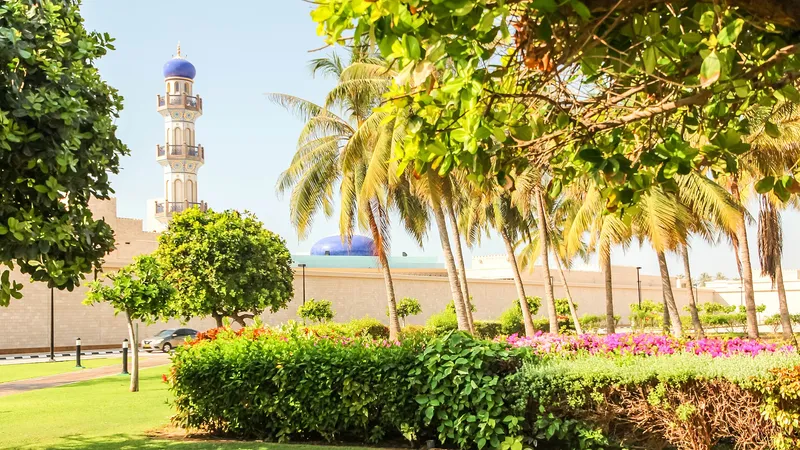
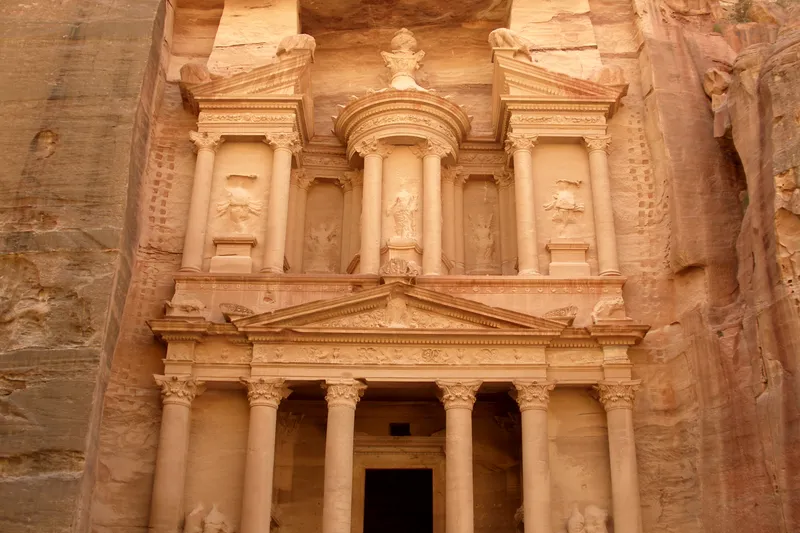
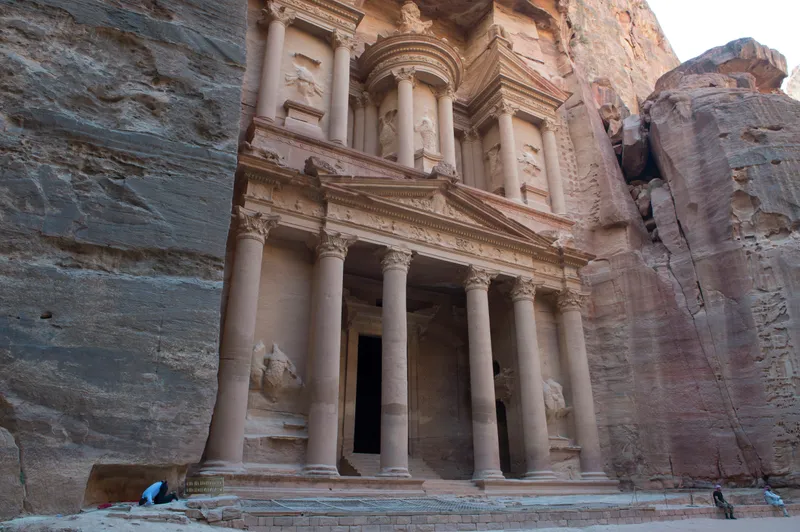
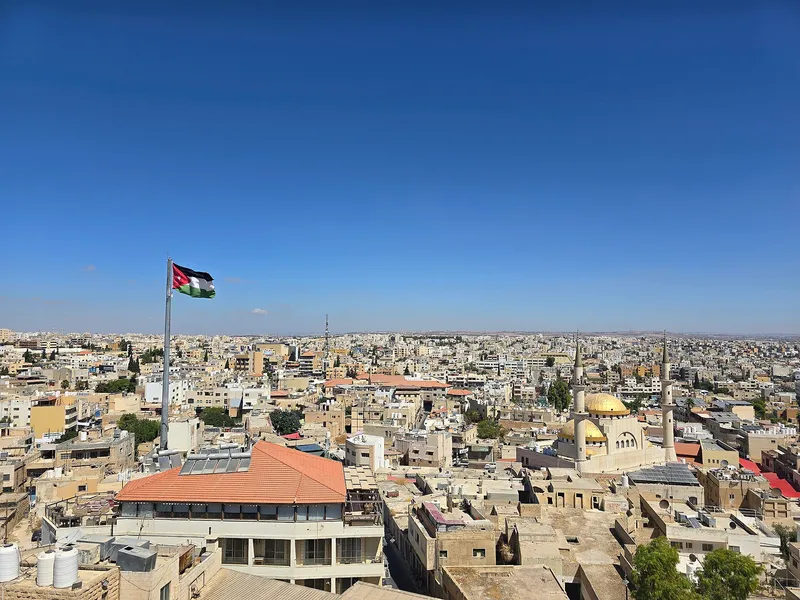
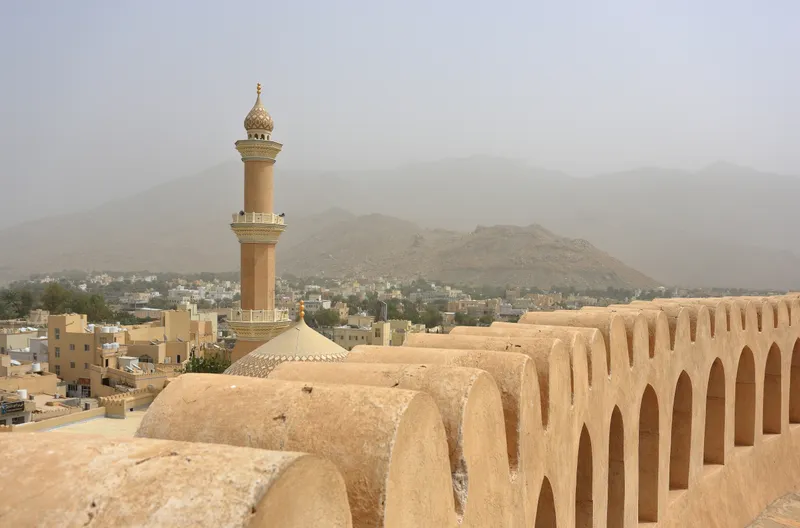
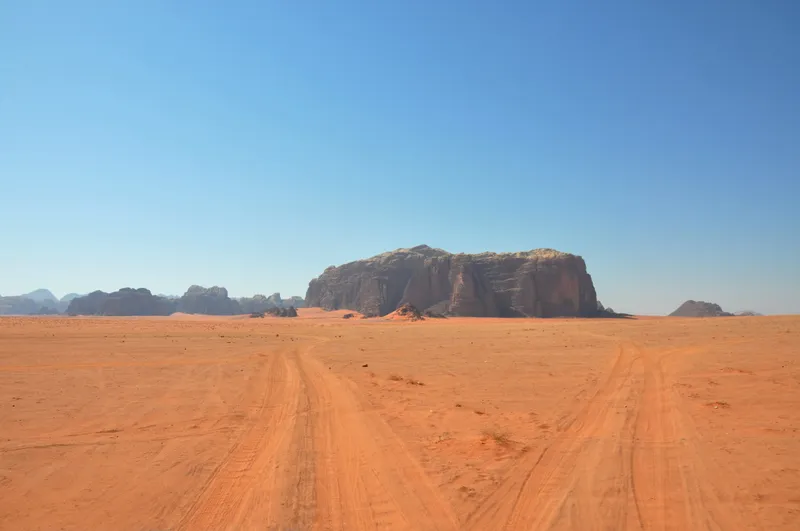
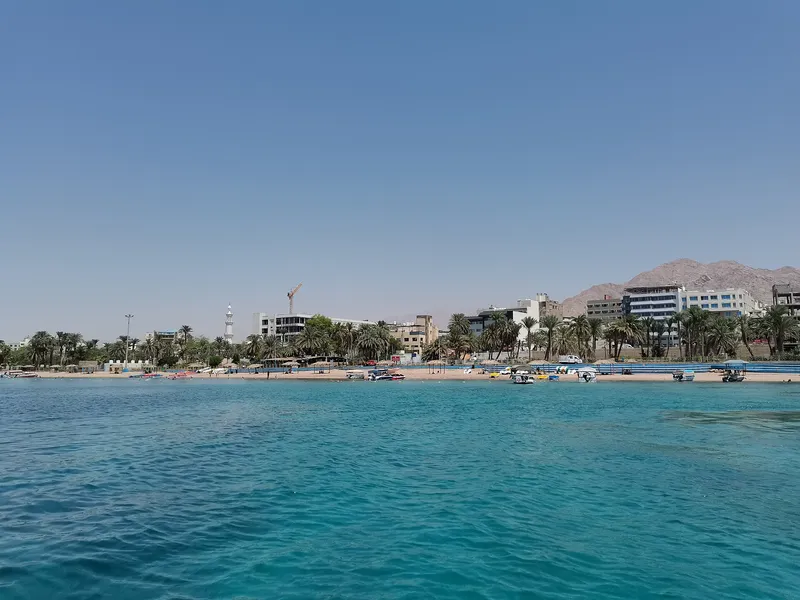
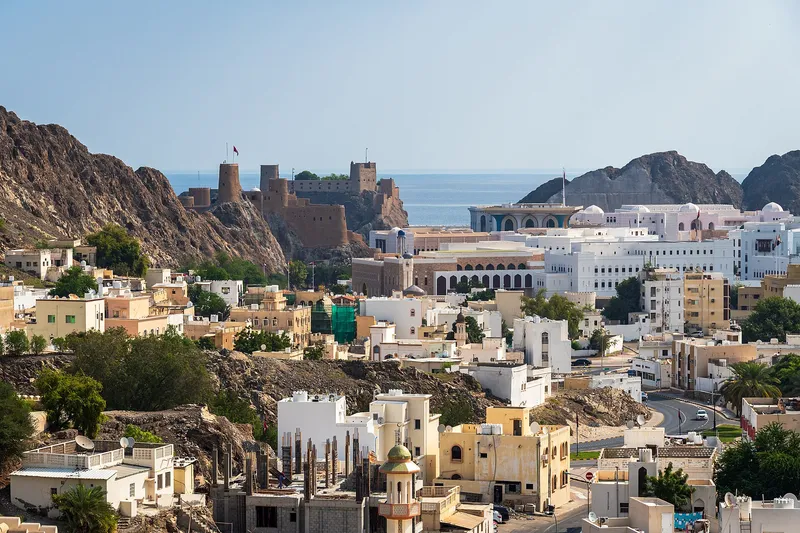
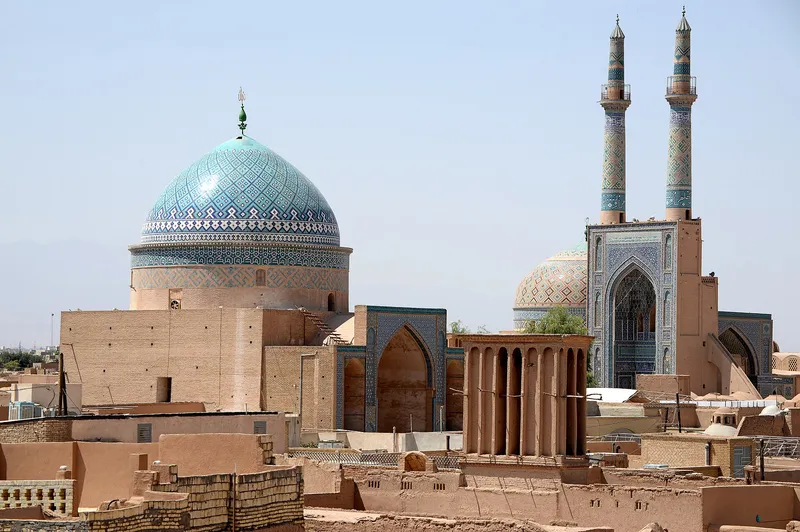
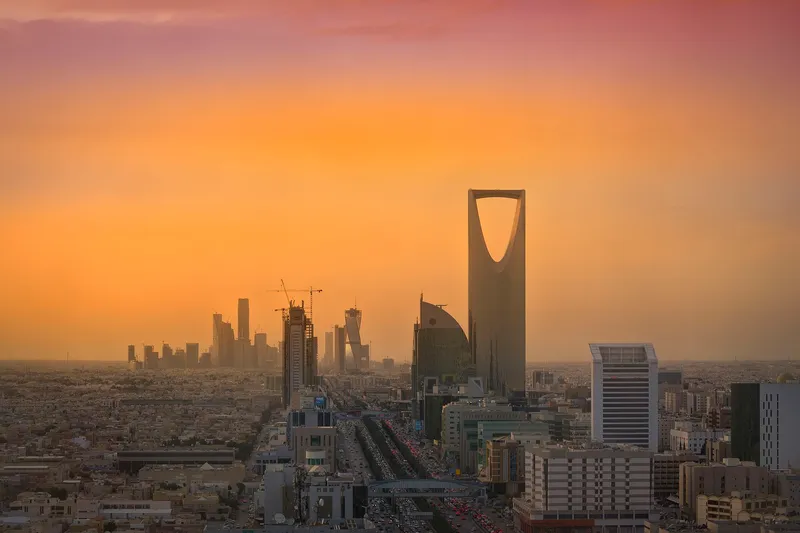
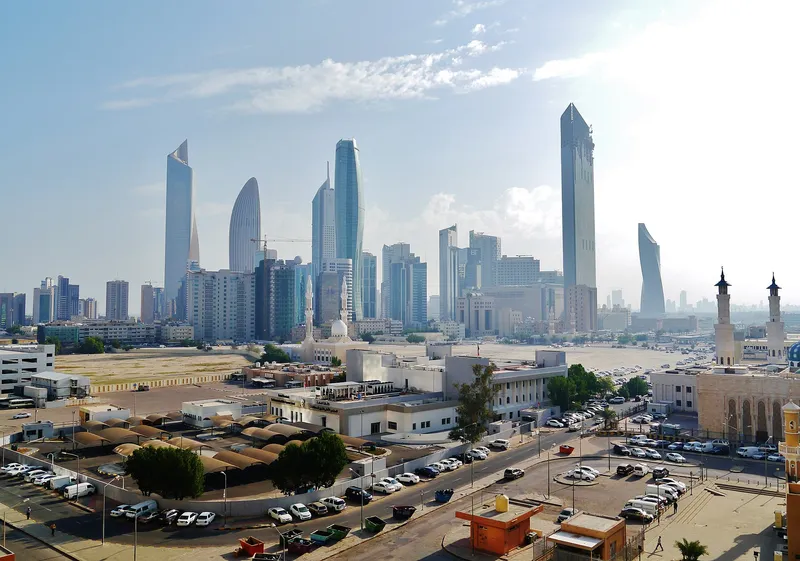
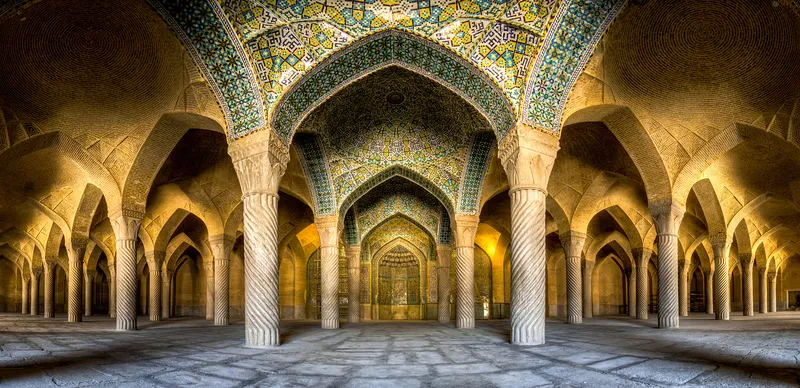
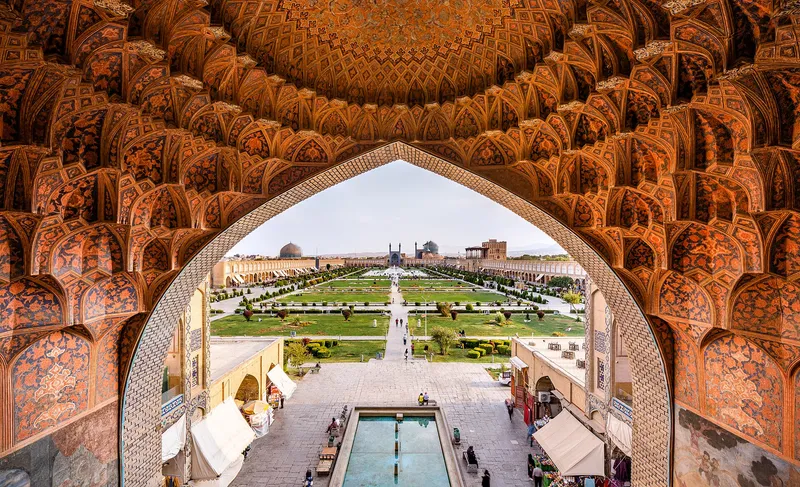
Amman is the gateway to Petra and Wadi Rum and a friendly, hilly city to live in, with fewer remote workers. Salalah in southern Oman turns green during the khareef monsoon from June to September, when the rest of the Gulf is at its hottest. The Gulf capitals lower down, like Riyadh and Kuwait City, are built around their local economies rather than visitors, and in Iran international bank cards do not work because of sanctions, which makes a longer stay hard to arrange.
The Middle East ranking puts these cities side by side on cost, wifi and community, and the nomad visa comparison covers the remote work visas of Dubai and the rest of the region.