Cost of Living in Mardin
Where this figure comes from. No cost survey covers Mardin, so the $700 a month above is our own estimate rather than a measurement. On 416 of our 999 city guides the figure is built from a published Numbeo basket, a one-bedroom rent in the centre plus one person's monthly costs without rent, converted to USD; this city is not one of them. How we source everything.
Mardin is one of the most affordable bases in Turkey, and prices sit well below Istanbul or the coastal resorts. A frugal nomad can live comfortably on roughly 600 to 900 USD a month, while 1,000 to 1,200 USD buys a boutique stone apartment, frequent restaurant meals and weekend trips to Dara and the monasteries. Rents in the new town of Yenisehir are cheaper than a restored house in the old town, where character comes at a small premium. Southeastern cuisine is generous and inexpensive, and local markets are excellent value. Lira volatility means every figure here is an editorial estimate. Restored houses in the historic quarter keep cool through summer behind thick limestone walls with little help, so the bill that surprises people is winter heating in one, a question to put to the landlord before signing for December. Flats in the new town, in ordinary concrete blocks, cost less to heat as well as less to rent.
- Budget living: about 600 to 900 USD per month.
- Comfortable living: about 1,000 to 1,200 USD per month.
- A restored old-town stone flat costs more than a modern Yenisehir apartment.
- Meals, produce and local transport are all very cheap by European standards.
Where to Work in Mardin
Mardin has no established coworking scene, so your office will be a cafe or a hotel terrace. The good news is that the boutique stone hotels carved into the old town, and the cafes along the main bazaar street, generally offer decent wifi and unforgettable views over the Mesopotamian plain. Connections can wobble during outages, so buy a local SIM the day you arrive: Turkcell and Vodafone have the best coverage in the southeast, and mobile data is a reliable backup. Be realistic about the terrain. The old town is a cascade of steep stepped lanes, so a rooftop terrace with a strong signal beats hunting across town with a laptop bag in the heat.
- Boutique stone hotels and terrace cafes are the most laptop-friendly spots.
- Get a Turkcell or Vodafone SIM for dependable mobile data.
- Yenisehir has more modern cafes and quieter, flatter workspaces.
- Keep a mobile hotspot ready in case cafe wifi drops.
Getting Around Mardin
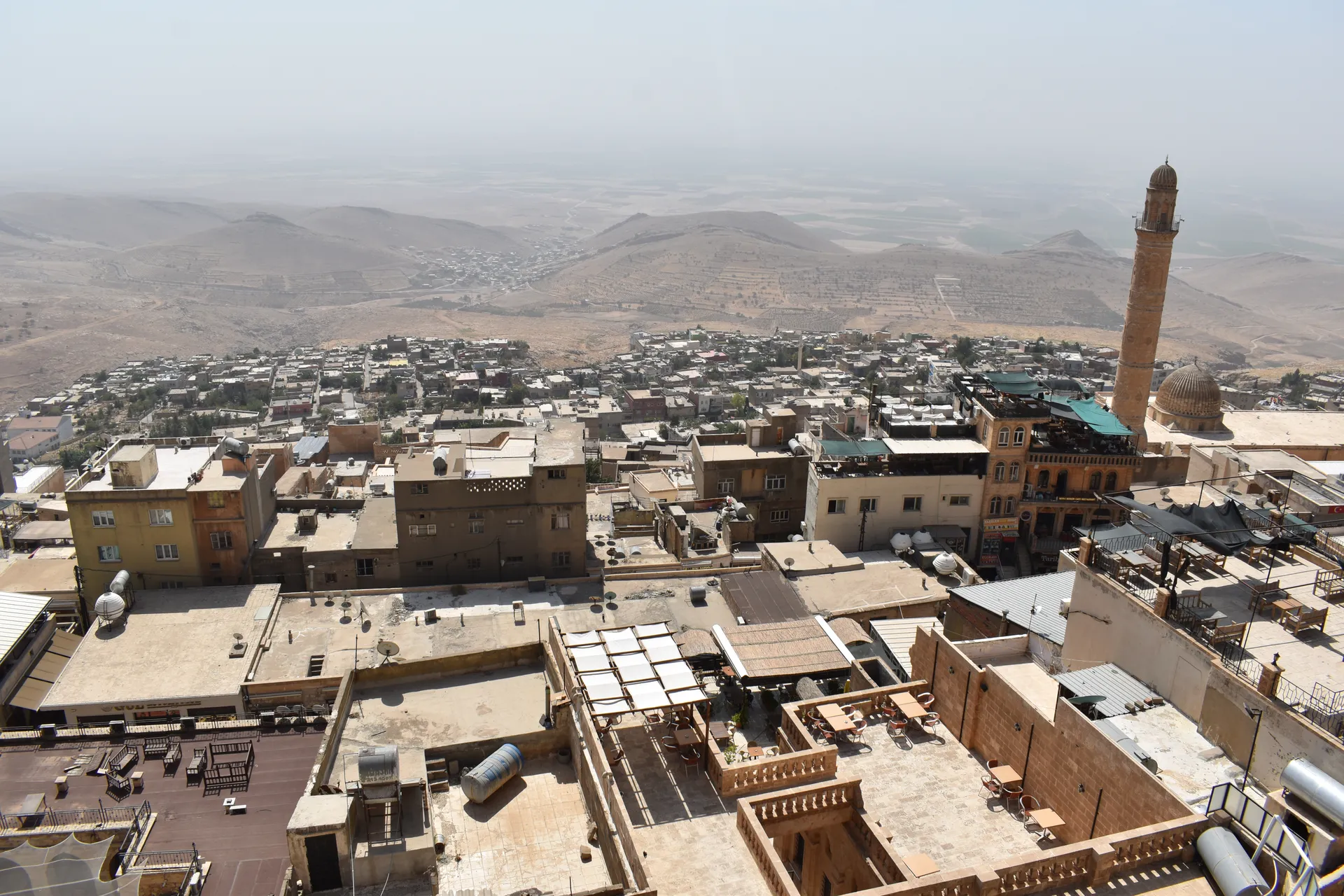
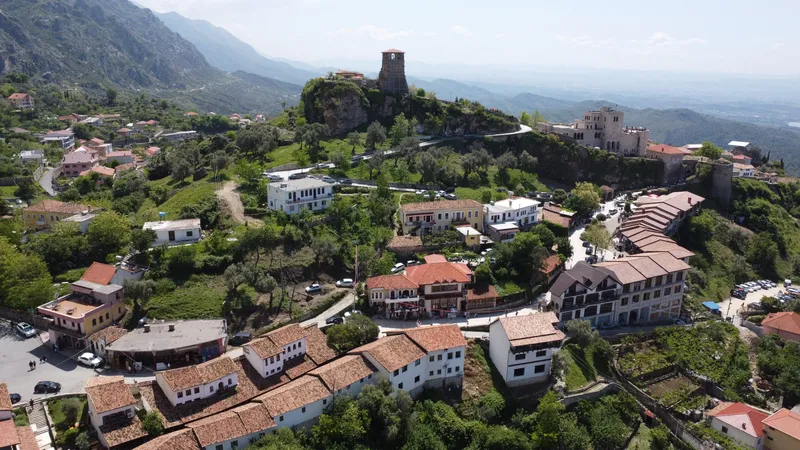
The old town, Eski Mardin, is made for walking and only for walking. Its terraced lanes climb and drop by stone steps below the citadel, which is spectacular but hard on wheeled luggage, strollers and tired knees, so pack light and wear grippy shoes. Between the old town and the newer district of Yenisehir, shared dolmus minibuses and cheap taxis run frequently. For anything beyond the city, Mardin airport (MQM) connects to Istanbul and Ankara, and intercity buses reach Diyarbakir, Gaziantep, Sanliurfa and further afield. A rental car or a hired driver makes the ancient city of Dara and the Deyrulzafaran and Mor Gabriel monasteries far easier to reach at your own pace. The airport sits about 20 kilometres southwest of the old town, so a flight in still ends with a taxi ride, most easily arranged through the guesthouse. Midyat, roughly an hour east, is the day trip that repays the effort, with its Syriac stone mansions and churches, and minibuses run there from the city.
- Explore the old town on foot; the stepped lanes defeat wheels.
- Dolmus minibuses and taxis link Eski Mardin and Yenisehir.
- Mardin airport (MQM) flies mainly to Istanbul and Ankara.
- Buses connect to Diyarbakir, Gaziantep and Sanliurfa.
- A car or driver is best for Dara and the outlying monasteries.
Sorting transport? Book an airport transfer, or compare car rental on Auto Europe and QEEQ.
Visas for Mardin
Mardin follows Turkey's national rules, so there is nothing city-specific about entry. Many nationalities enter visa-free or with a quick online e-Visa, typically for stays of up to 90 days within any 180-day period, though your exact allowance depends on your passport. Nomads who want to stay longer usually apply for a short-term residence permit (ikamet) once in the country, which involves paperwork, an address and health insurance. Mardin lies in the southeast near the Syrian border, and government travel advisories for the region have shifted over the years. The UK Foreign Office advises against all travel within ten kilometres of the border with Syria. That line leaves the old town outside it but takes in Nusaybin, the border town on the road east that faces Qamishli across the frontier, and a British travel policy is usually void wherever the Foreign Office says not to go, so a day trip south should be planned with the map open.
- Many visitors get visa-free or e-Visa entry, often up to 90 days per 180.
- Longer stays typically require a short-term residence permit (ikamet).
- Best approached with patience and flexibility.
Best Time to Visit Mardin
Mardin has a hot, dry climate shaped by its perch above the Mesopotamian plain, so timing matters. Spring, from April to June, is the sweet spot: warm days, wildflowers on the plain and comfortable light for photography across the honey-coloured stone. Autumn, from September to November, is the other ideal window, with heat easing and clear evenings on the terraces. High summer is punishing, with temperatures on the plain often soaring and the old town's stone radiating warmth well into the night, so plan indoor or early-morning work. Winters are cool rather than freezing and can bring mist that drapes the terraces in atmosphere, though some days turn grey and damp. The two religious holidays, Ramazan Bayramı and Kurban Bayramı, bring a wave of Turkish visitors to the old town and fill the boutique hotels quickly, so a stay that overlaps either one needs booking well ahead. Both follow the lunar calendar, so their dates arrive roughly a week and a half sooner every year.
- April to June: warm, green and ideal for exploring on foot.
- September to November: pleasant heat and clear terrace evenings.
- Summer: very hot on the plain; work early and rest through midday.
- Winter: cool, sometimes misty and damp, but rarely severe.
Pros and Cons of Mardin
Mardin is a place you choose with your heart. Few cities anywhere match the drama of its terraced limestone old town, its Artuqid madrasas and mosques, and the layered Kurdish, Arab, Syriac and Turkish heritage that flavours everything from the architecture to the food. Costs are low, the southeastern cuisine is extraordinary, and the atmosphere is genuinely rare. The trade-offs are real, though. English is limited, so daily life leans on patience and translation apps. There is little nightlife and almost no nomad community, summers are fierce, and the border-region location means you should keep an eye on travel advisories. Treat it as a cultural base rather than a plug-and-play digital-nomad hub.
- Pros: breathtaking stone heritage, rich multi-ethnic culture, superb food, very low cost.
- Cons: limited English, thin nightlife, small nomad scene, hot summers.
- Consideration: a southeastern border location that warrants checking advisories.
Who Mardin Is For
Mardin suits the culturally curious independent worker far more than the nomad who wants a ready-made social scene. If you are drawn to history, architecture, photography and food, and you are happy to build your own routine around a terrace, a good SIM and a slower pace, this city will reward you deeply. It is a strong fit for writers, researchers, photographers and anyone wanting an immersive base in southeastern Anatolia. It is a weaker fit for those who need reliable coworking, a lively international crowd, a nightlife calendar or absolute certainty about regional stability. Come with flexibility, some Turkish phrases, a tolerance for heat and steps, and Mardin becomes one of the most memorable bases in the country.
- Great for culture lovers, photographers, writers and slow travellers.
- Great for nomads who value atmosphere over amenities.
- Less suited to those needing coworking, nightlife or a big social scene.
- Best approached with patience and flexibility.