Visa data derived from the open Passport Index dataset (CC BY-SA 4.0); "nomad visa" flags are our own editorial list. Tourist-entry status only, not work authorization.
Understanding visas as a digital nomad
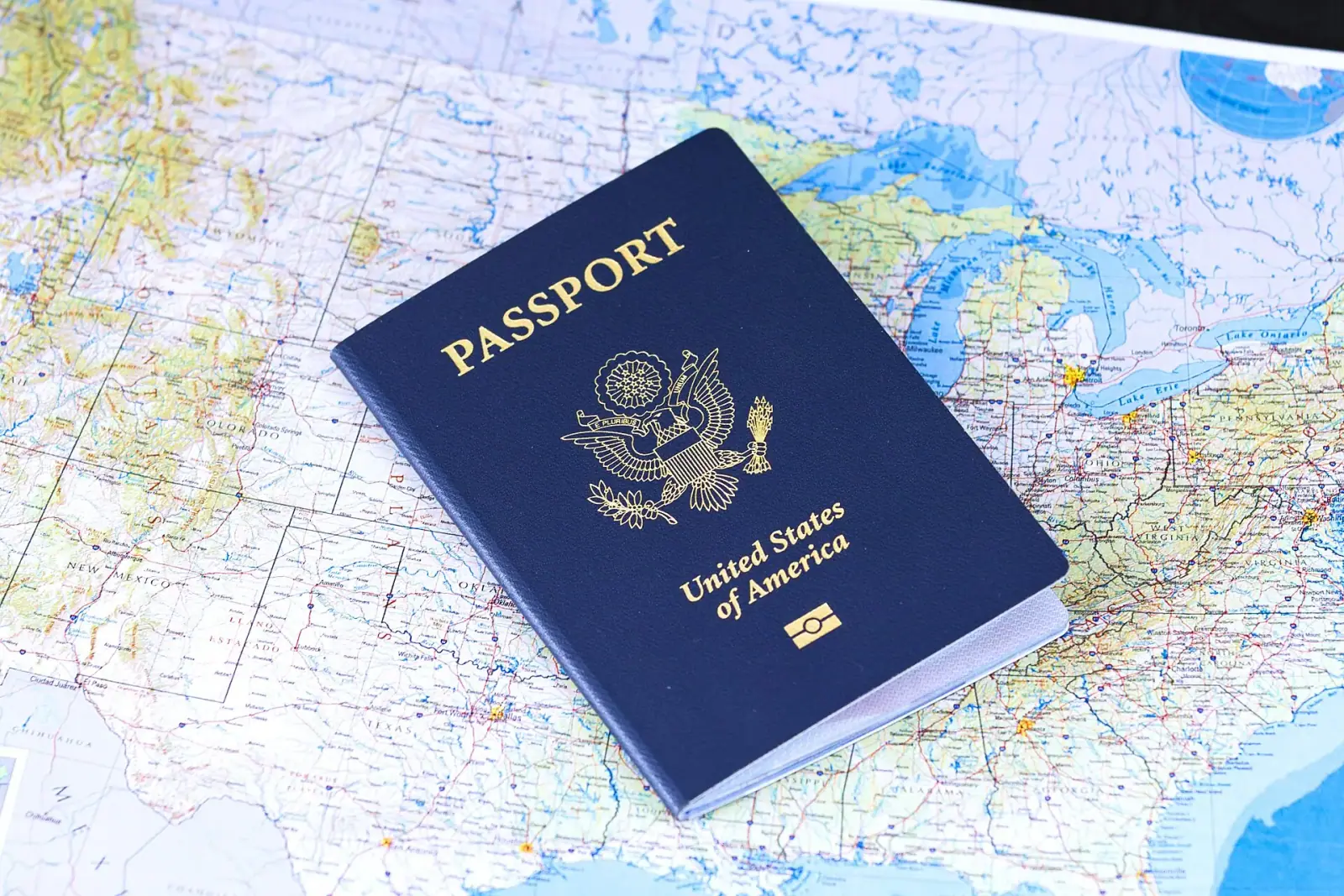
Where your passport can take you shapes everything else about the nomad life. This finder turns a messy question into a clear one: pick your passport and see, for every city we cover, whether you can enter visa-free, get a visa on arrival, need an e-visa, or need a full visa in advance, plus which countries now offer a dedicated digital nomad visa for staying longer.
Where popular passports go visa-free
Visa-free for US passports
Lisbon, Barcelona, Porto, Paros, San Sebastián, Split, Tokyo, Vancouver, Naxos, Las Palmas. Full US passport list →
Visa-free for UK passports
Lisbon, Barcelona, Porto, Paros, San Sebastián, Split, Tokyo, Naxos, Las Palmas, Singapore. Full UK passport list →
Visa-free for German passports
Lisbon, Barcelona, Porto, Paros, San Sebastián, Split, Tokyo, Naxos, Las Palmas, Singapore. Full German passport list →
Visa-free for Australian passports
Lisbon, Barcelona, Porto, Paros, Wellington, San Sebastián, Split, Tokyo, Naxos, Las Palmas. Full Australian passport list →
How it works
The entry data is derived from the open Passport Index dataset, which tracks tourist-entry requirements between every pair of countries. We show visa-free stays with their day limits, so you know whether you get 30, 90 or 180 days. The "nomad visa" flags are our own editorial list of countries that have launched a remote-work or digital-nomad residence permit.
Frequently asked questions
What is a digital nomad visa?
It is a residence permit that lets you live in a country for six months to a few years while working remotely for clients or an employer abroad, usually with a minimum income requirement. Dozens of countries now offer one, from Portugal and Spain to Indonesia, Costa Rica and the UAE.
What is the difference between visa-free and visa on arrival?
Visa-free means you can just show up and enter for a set number of days with no paperwork. Visa on arrival means you get the visa at the border, usually for a fee. An e-visa or ETA must be applied for online before you travel.
Does visa-free entry mean I can work there?
No. Almost all visa-free and tourist entries are for tourism only and do not permit local employment. Working remotely for clients outside the country sits in a grey area in many places; a proper digital nomad visa is the clean way to stay and work legally.
How long can I stay visa-free?
It depends on your passport and the destination, from 14 days up to 180. The finder shows the exact day limit on each visa-free result.