Colombia's mountain valleys
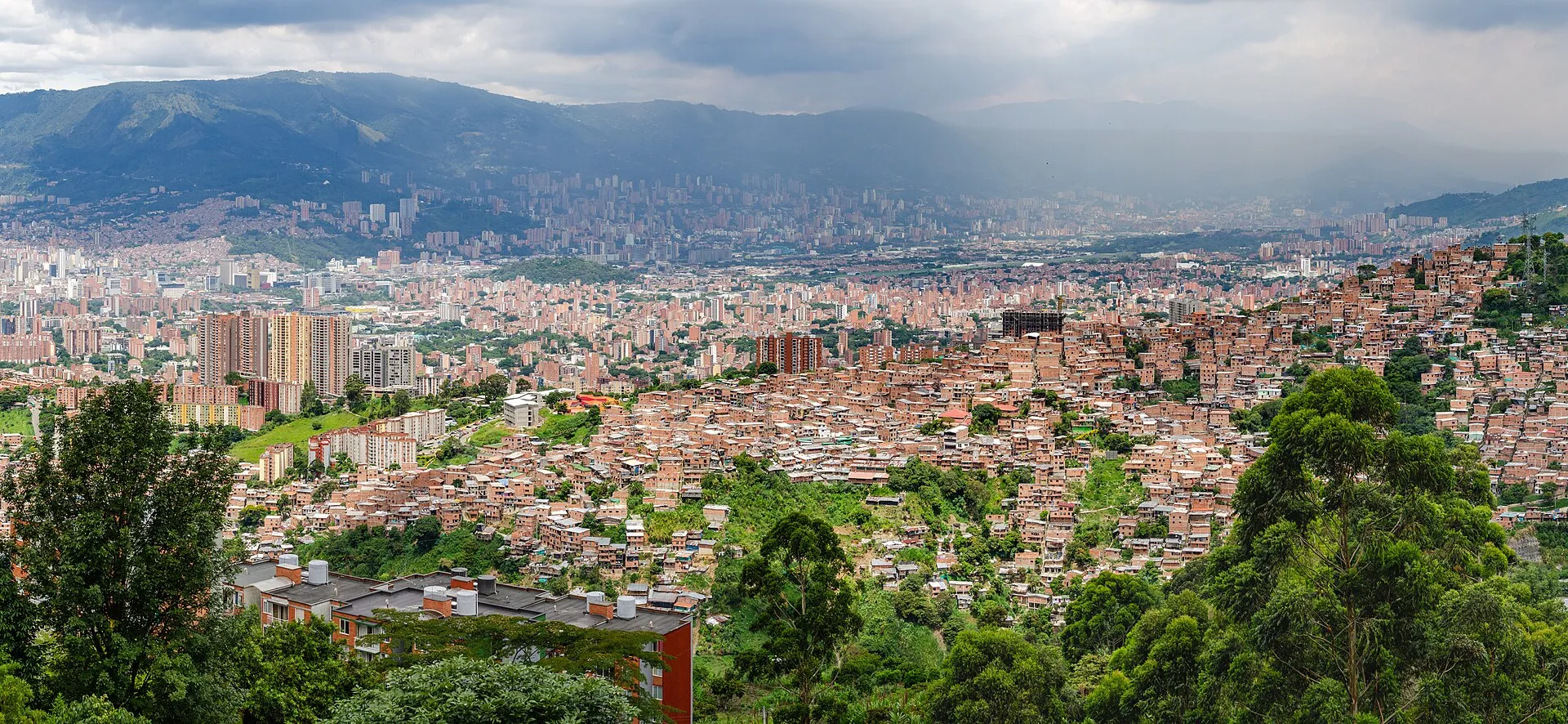
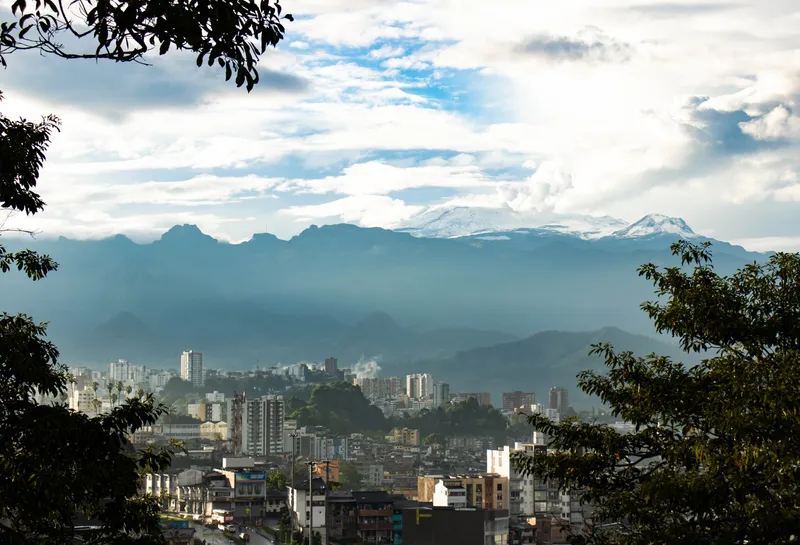
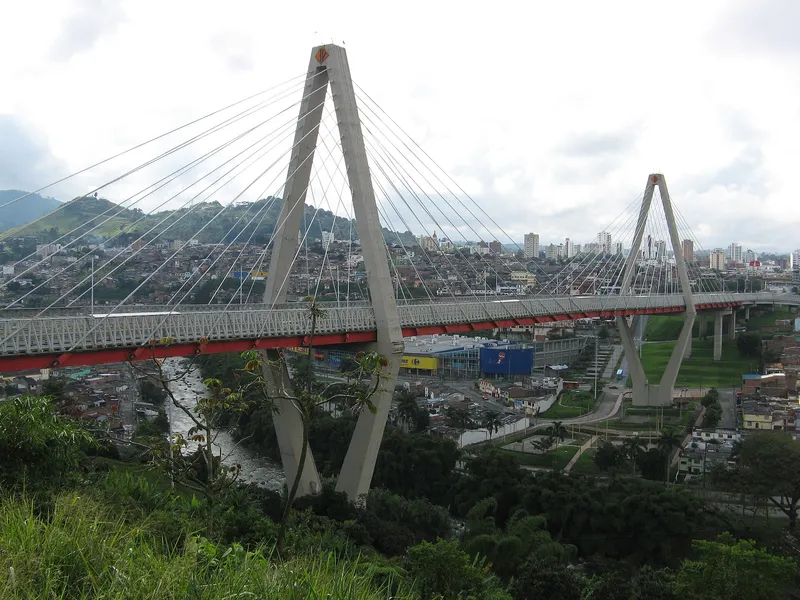
Three ranges of the Andes run up through Colombia like the fingers of a hand, and most of its cities sit in the valleys between them. That geography shapes everything on this board. A city at 1,500 metres, like Medellín, has the famous eternal spring. One at 2,600 metres, like Bogotá, is cool, grey and often drizzly. One at sea level, like Cartagena, is hot and humid all year. Before you choose a Colombian city, it helps to choose an altitude.
Medellín
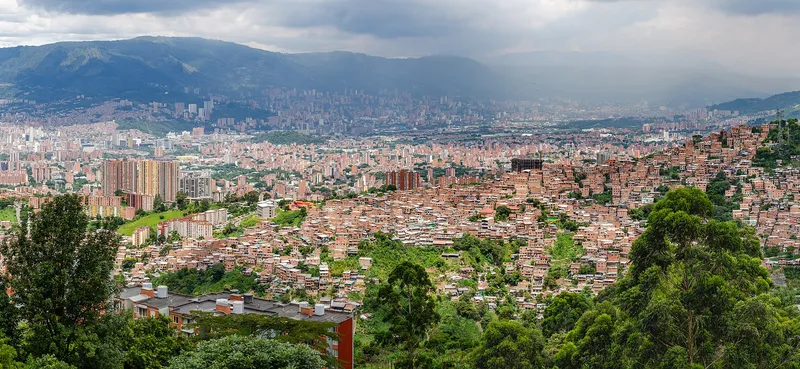
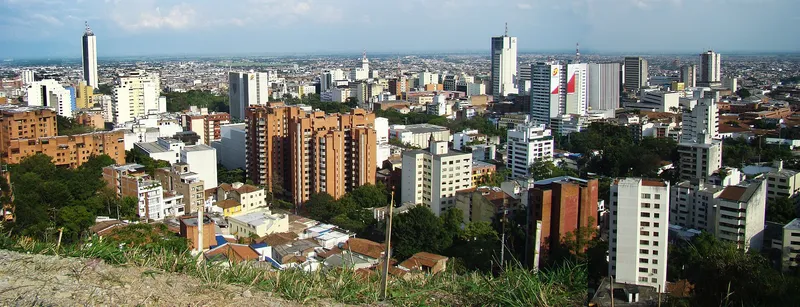
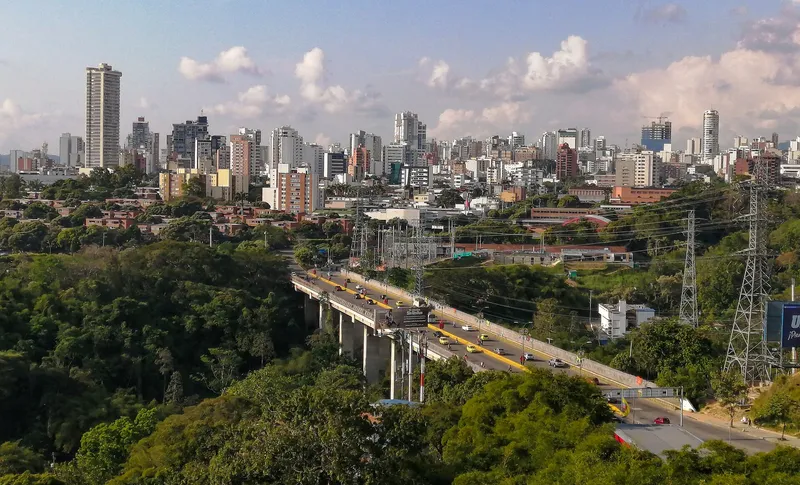
Medellín leads for good reasons. The climate is mild every month, the metro and its cable cars connect the city to the hillside neighbourhoods, and the remote-work community is one of the largest in Latin America, spread across leafy Laureles and the busier streets of El Poblado. A month costs around $1,800. The trade-offs are real: English is less common than you might expect, and petty theft and scams aimed at foreigners are a known problem, so the usual city sense applies, especially at night and on dating apps.
The B row
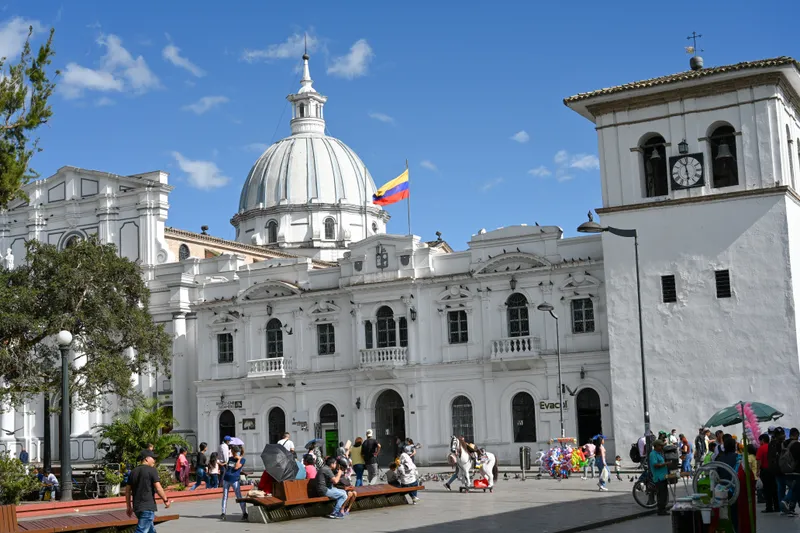
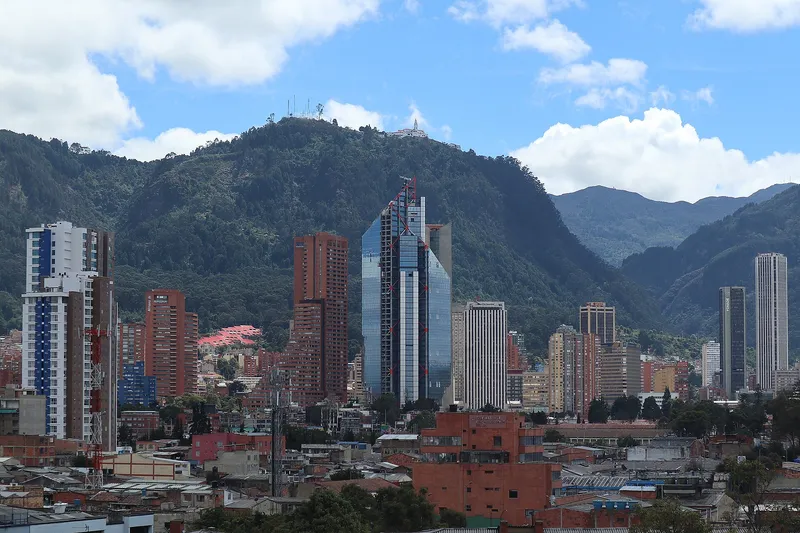
Bogotá is Colombia's biggest and most serious city, with universities, museums, a large business community and neighbourhoods like Chapinero and Usaquén where a remote worker can settle comfortably. Its altitude makes it cool and changeable, and its safety varies a great deal from one district to the next. Popayán is a smaller surprise, a colonial city painted almost entirely white, with a calm pace, mild weather and costs around $900 a month. Few foreigners live there, which is part of its appeal.
What a week can look like
A Medellín week tends to have a shape. You might work from a café on one of the tree-lined streets of Laureles in the morning, eat a set lunch of soup, rice, beans and plantain for a few dollars, and finish the day riding the Metrocable up over the hillside neighbourhoods. One line climbs all the way to Parque Arví, a forest park above the city where the air is noticeably cooler. At the weekend, Guatapé and the coffee farms are within reach by bus.
Bogotá has its own ritual. Every Sunday and on public holidays, more than a hundred kilometres of the city's main roads close to cars for the Ciclovía, and the streets fill with cyclists, runners and families until early afternoon. It is the best way to see how big, and how lived in, the capital really is, and a good reason to give Bogotá more than the two days most people allow it.
The C row
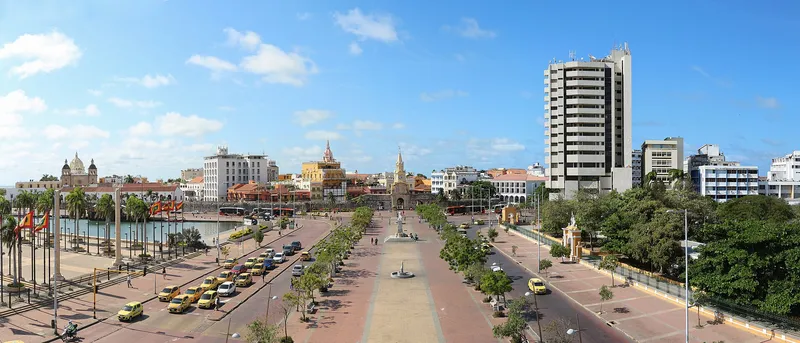
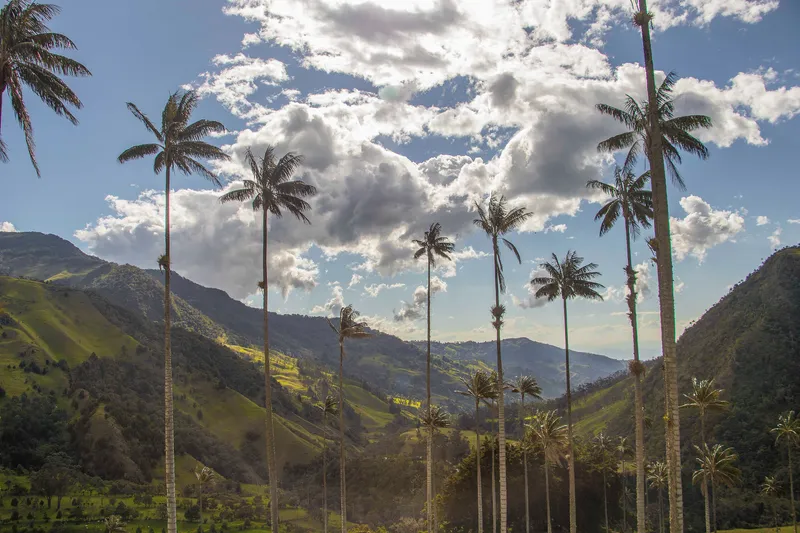
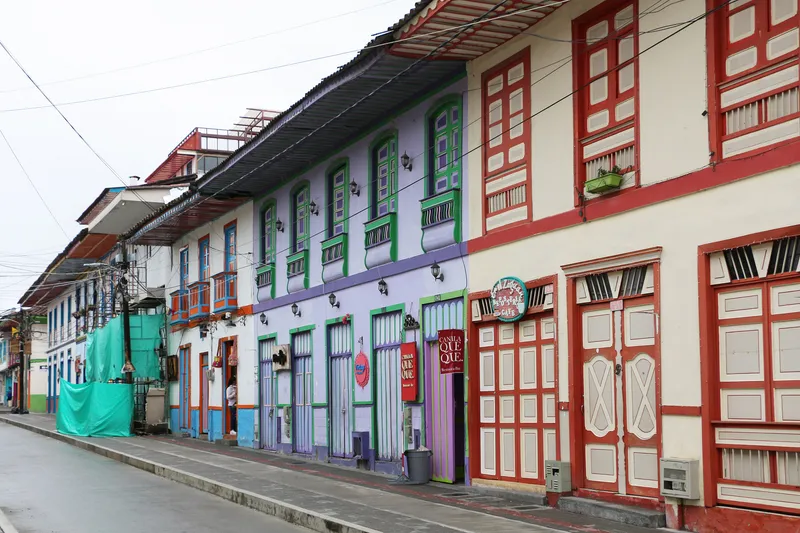
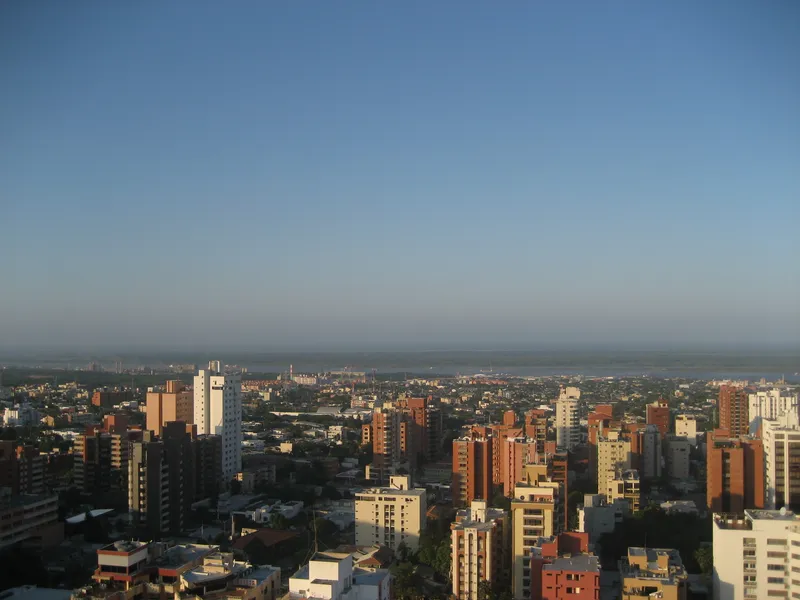
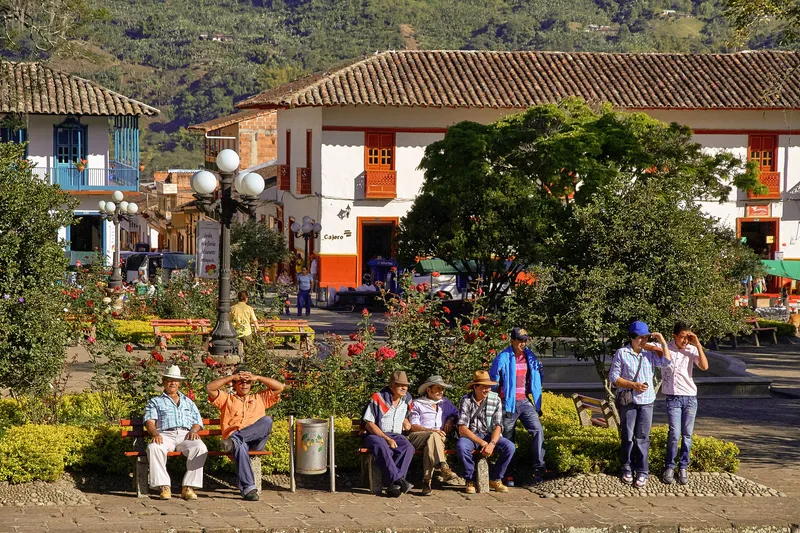
Most of Colombia's other cities sit here, and almost all of them are lovely. Cartagena has a walled old town of balconies and bougainvillea on the Caribbean, but the heat is relentless and prices in and around the centre are high. Cali is the salsa capital, warm and full of energy, with stronger safety concerns than Medellín. The coffee region, Salento, Filandia, Manizales and Pereira, offers green hills, wax palms in the Cocora valley and very low costs, with small foreign communities and slower internet in the villages.
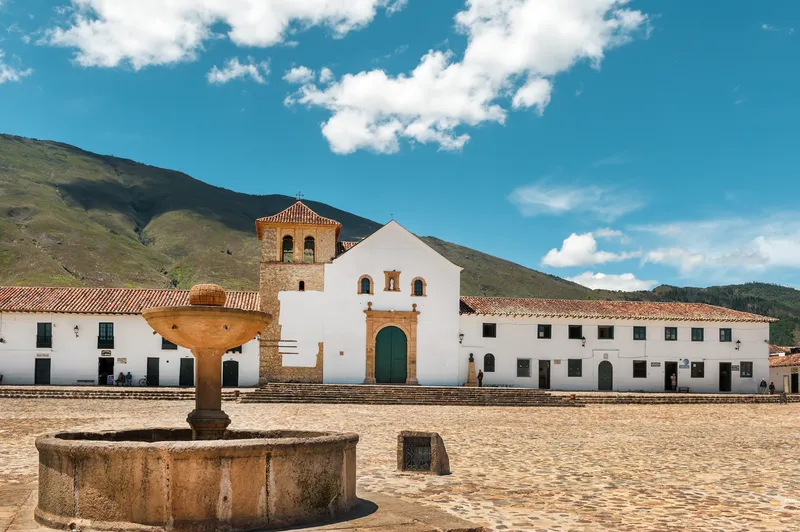
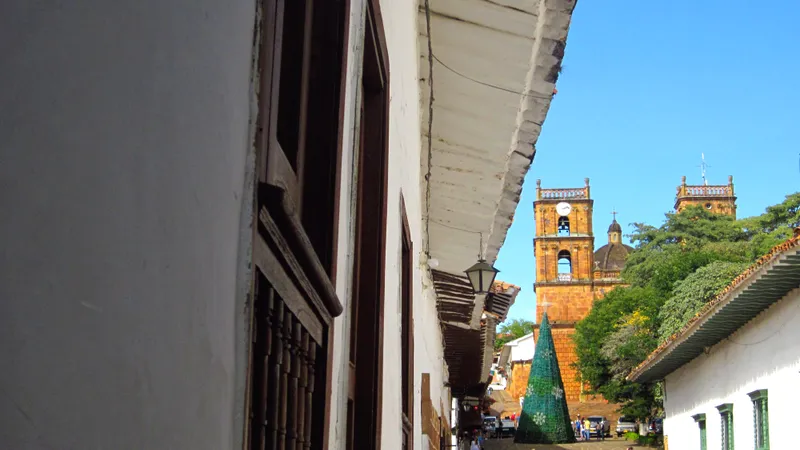
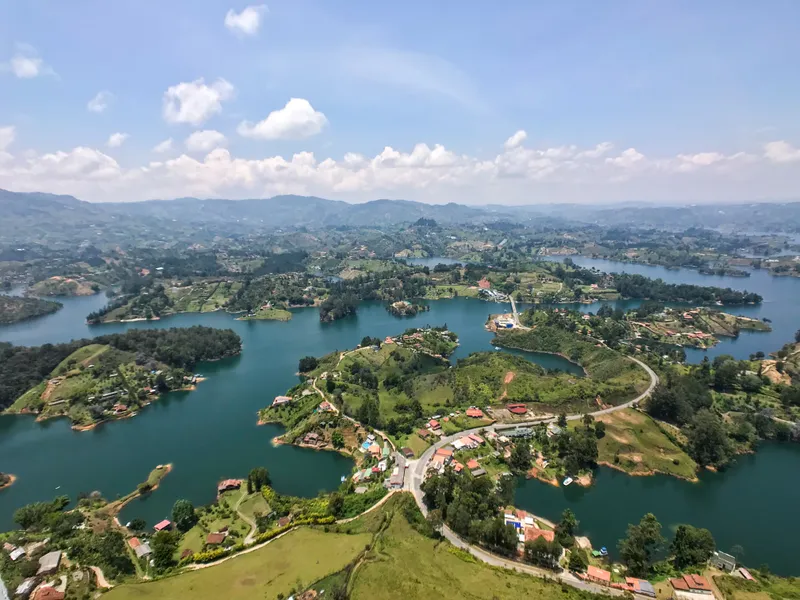
Closer to Bogotá, Villa de Leyva and Barichara are perfectly preserved colonial towns of whitewashed walls and stone streets, peaceful to the point of silence. Guatapé, with its colourful houses and the huge rock of El Peñol, is a favourite weekend trip from Medellín more than a place to base yourself.
The lower rows
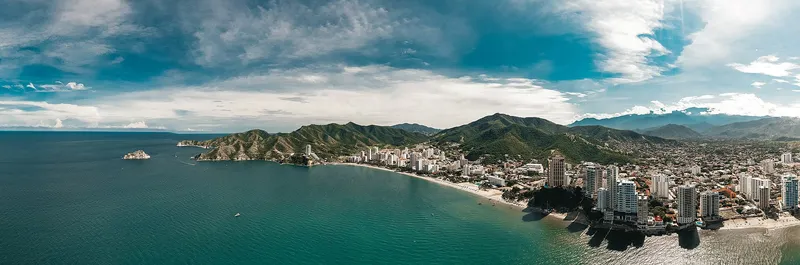
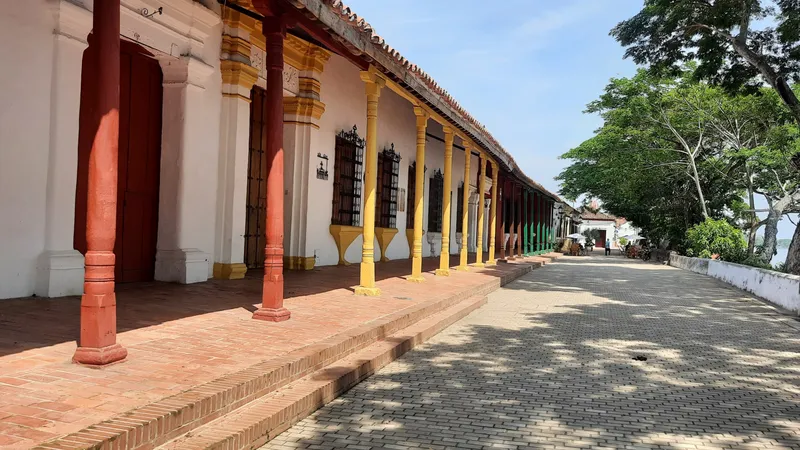
Santa Marta is the gateway to Tayrona National Park and the Sierra Nevada, but the city itself has struggled with water supply, heat and safety, and most people enjoy it more as a stop than a base. Mompóx is a remote river town of colonial beauty that takes real effort to reach.
Staying longer
Many visitors get 90 days on arrival, extendable to 180 in a calendar year, and Colombia also offers a digital nomad visa for remote workers earning at least three times the local minimum wage. The nomad visa comparison explains the requirements, and the Colombia ranking lines these cities up on cost, wifi and community.