Why Italy has no S tier
Order an espresso standing at the bar in almost any Italian town and you will have it in your hand within a minute, for a price that is still small change. That small daily pleasure is everywhere, and so is almost everything else people love about Italy: the food, the light, the old squares that fill up at seven for the evening walk. What is not everywhere is the thing a remote worker leans on most, which is other people doing the same. Outside a handful of cities, you will be the only person in town working from a laptop, and that, more than anything, is why no Italian city reaches the top row here.
Trento
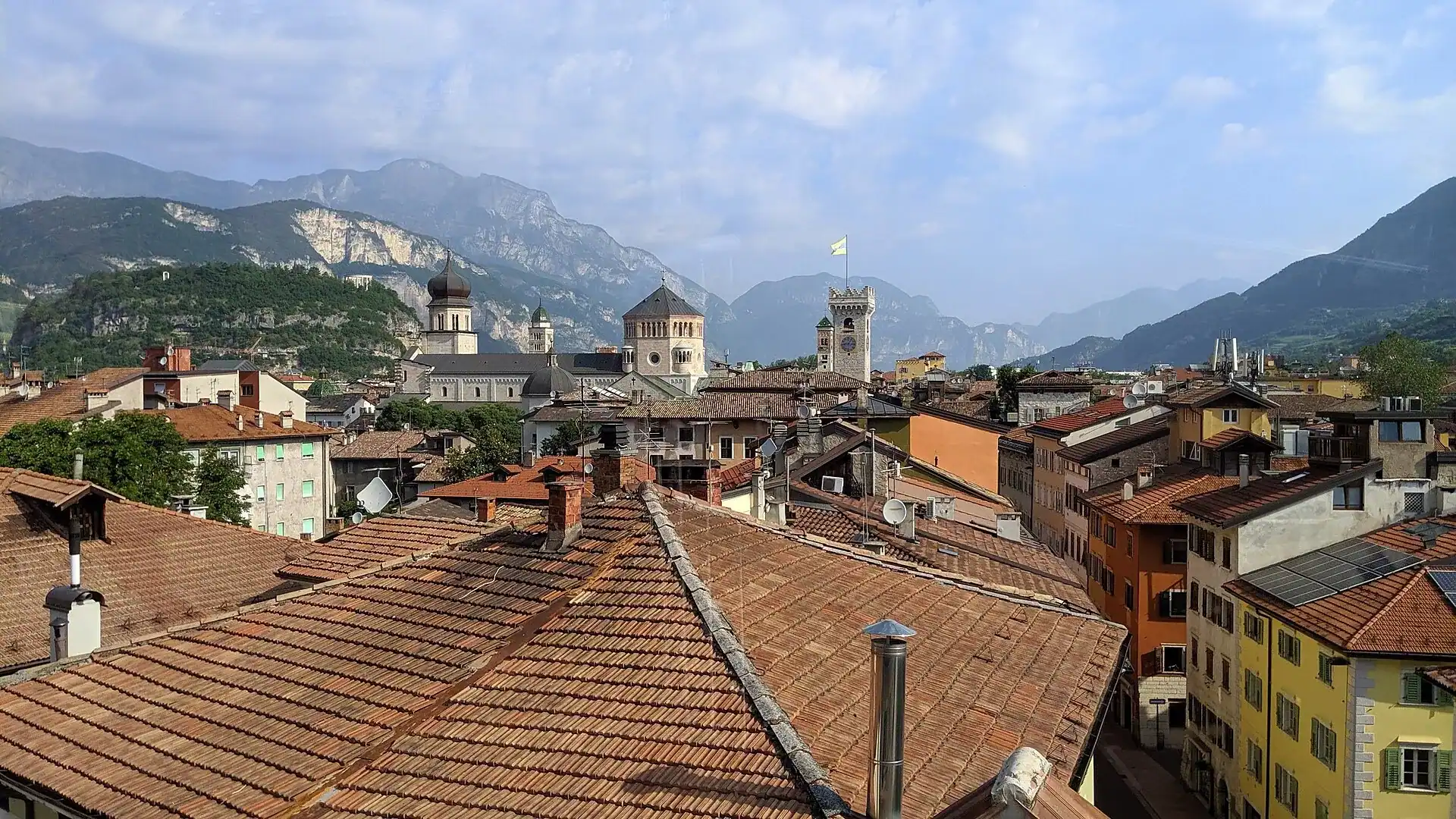
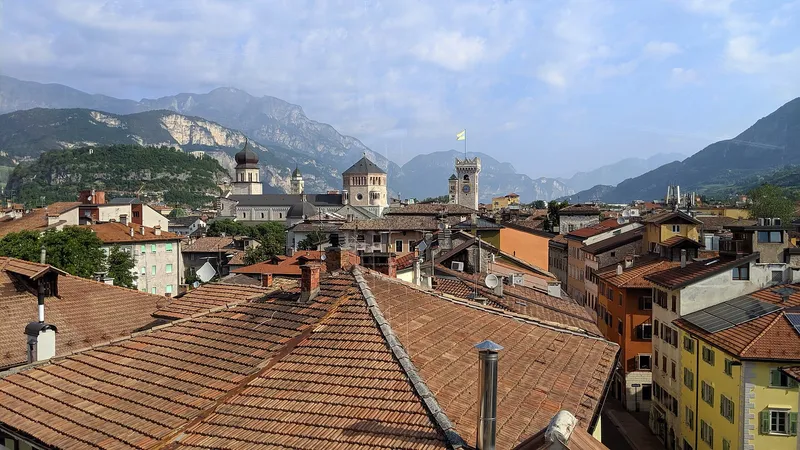
Trento leads the board, and it surprises people. It is a tidy, prosperous city in a valley of the Dolomites, regularly near the top of Italy's own quality-of-life rankings, where you can finish work and be on a mountain trail within half an hour. It is safe, clean and well run, with Lake Garda an easy trip south, and a month costs around $1,900. The honest trade-off is that it is calm to the point of quiet, with a small foreign community and evenings that end early.
The B row
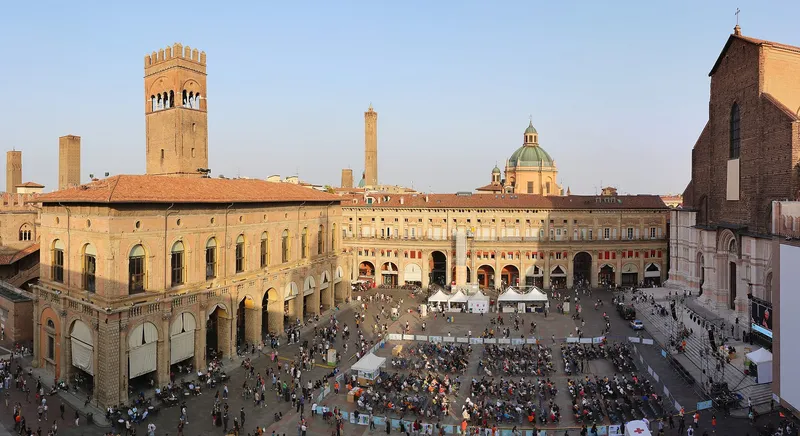
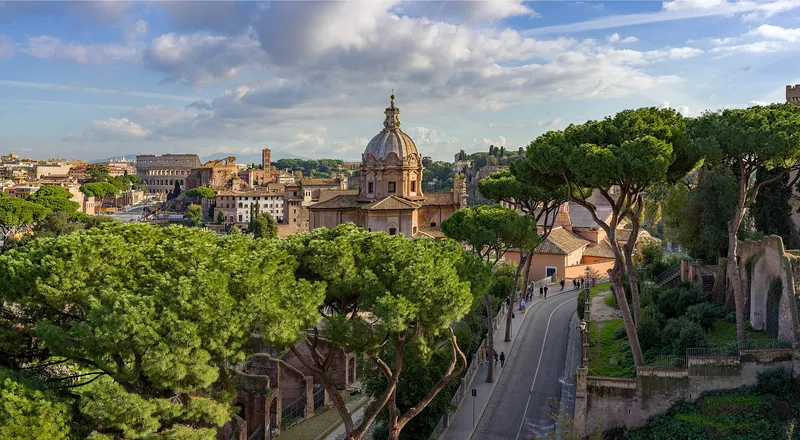
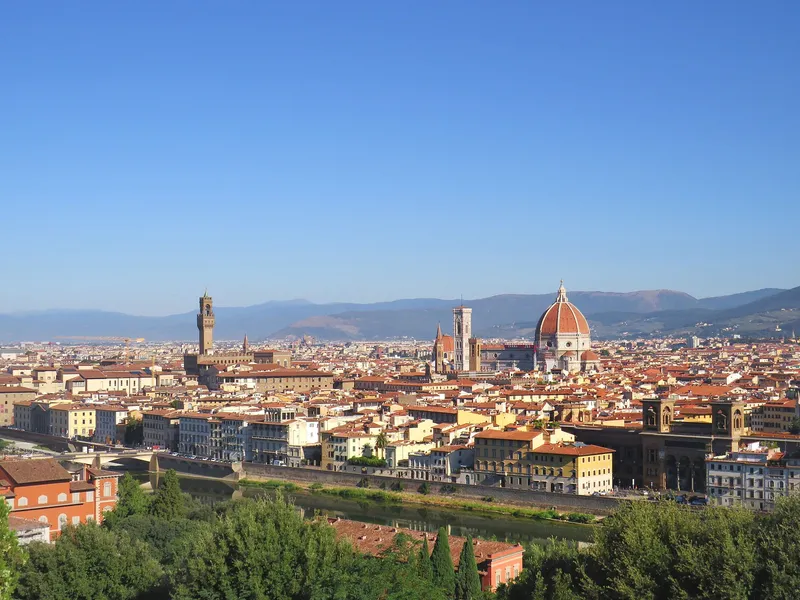
This is where the famous names sit, each with a reason it is not higher. Rome and Florence have food and culture beyond anything else on this page, and also crowds, short-let pressure on rents, and prices that climb every year, around $3,000 and $2,800 a month. Bologna is the one many long-stayers settle on: a university city wrapped in nearly forty kilometres of covered porticoes, with what many Italians consider the country's best food and a young, lively centre. It is not cheap, and there is no sea or mountain on the doorstep, but day to day it simply works.
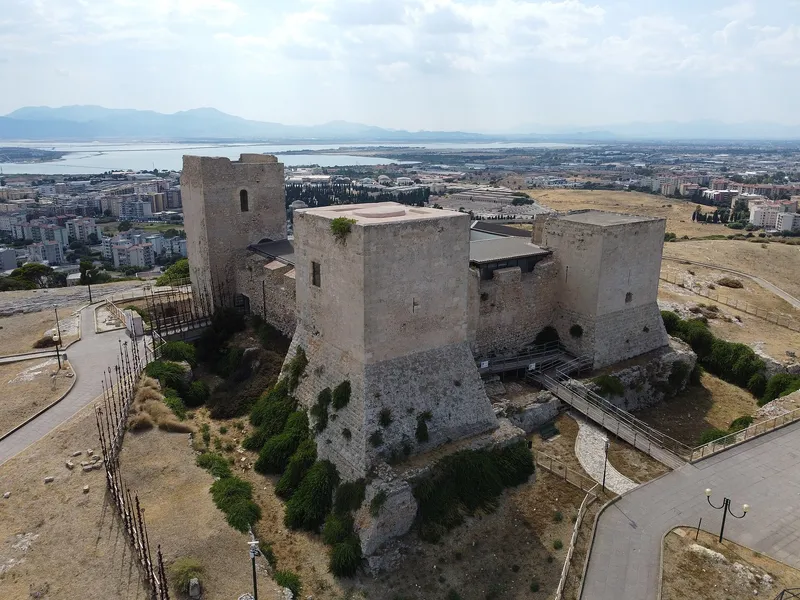
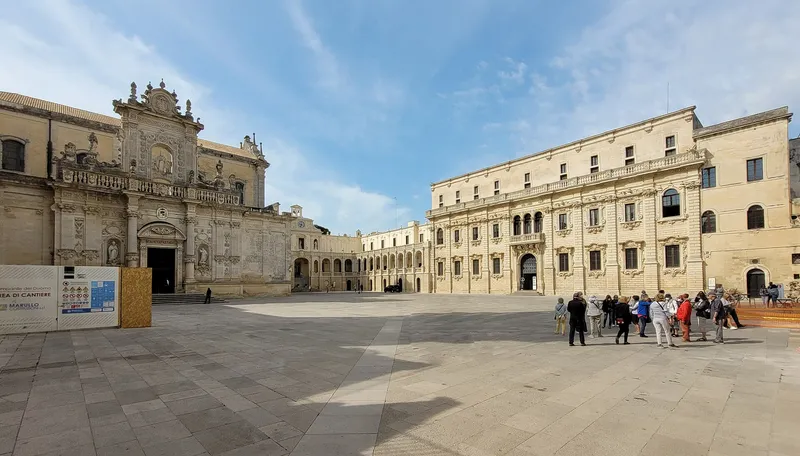
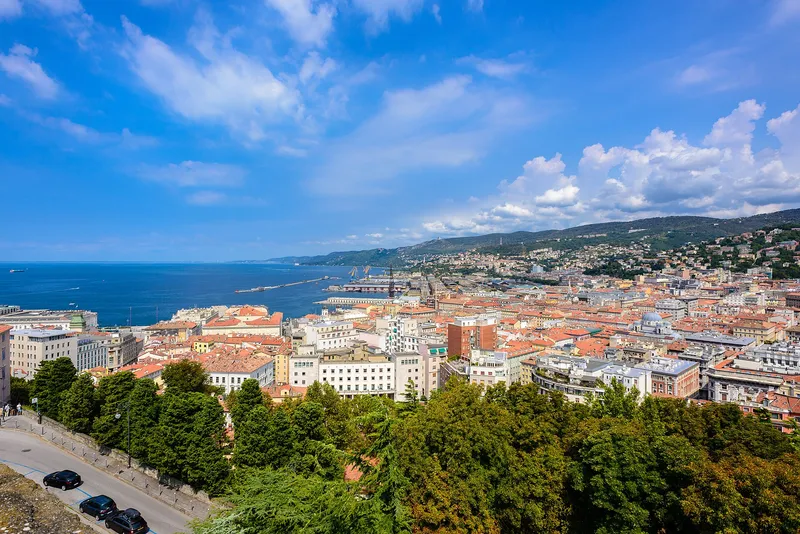
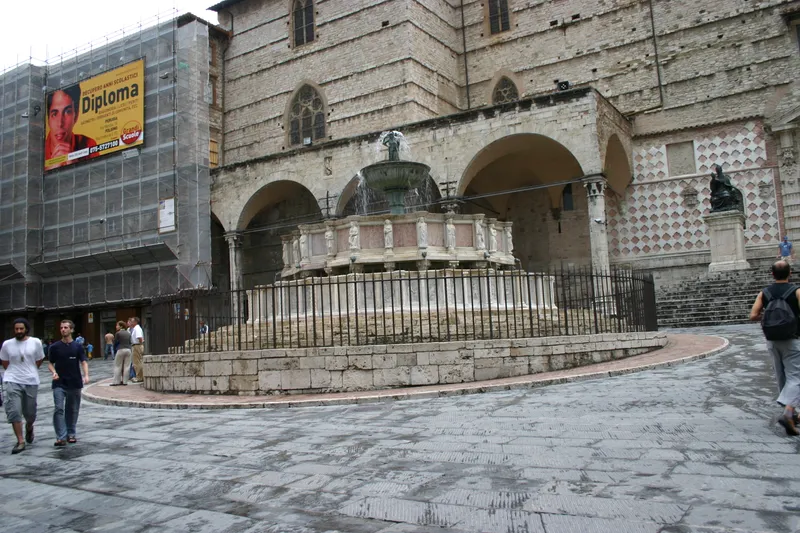
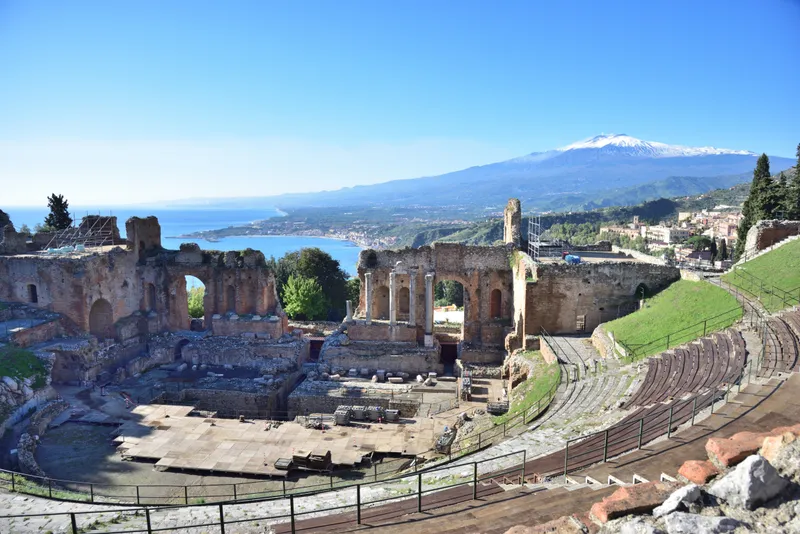
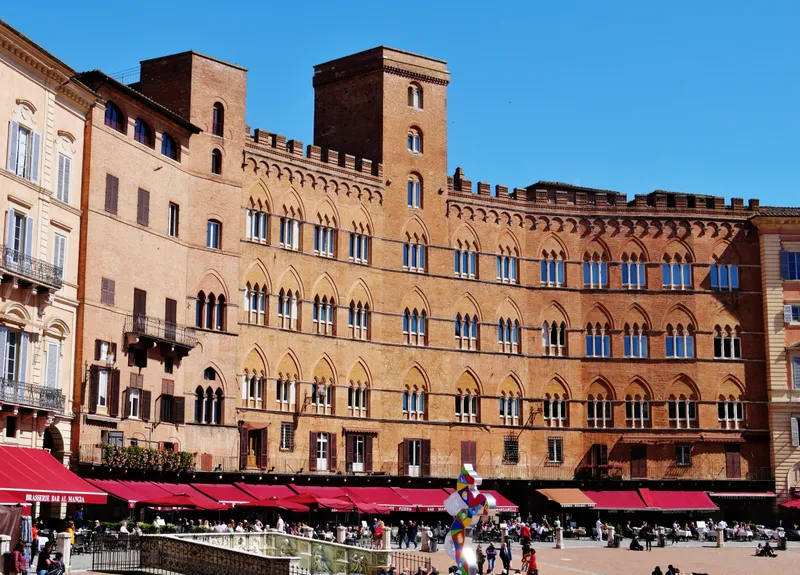
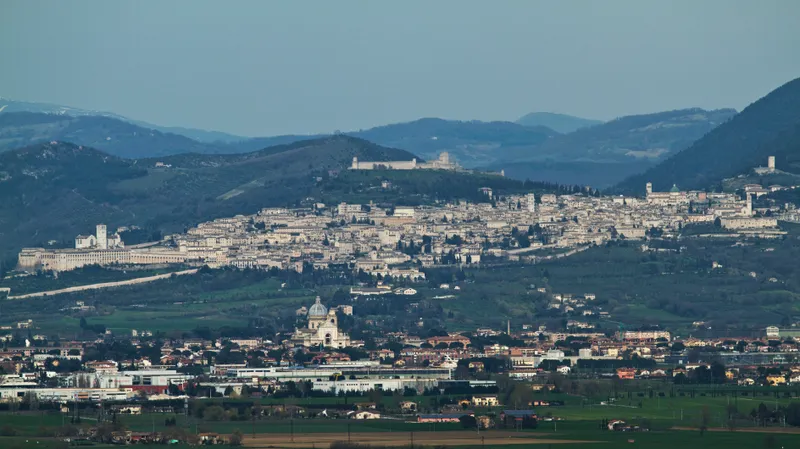
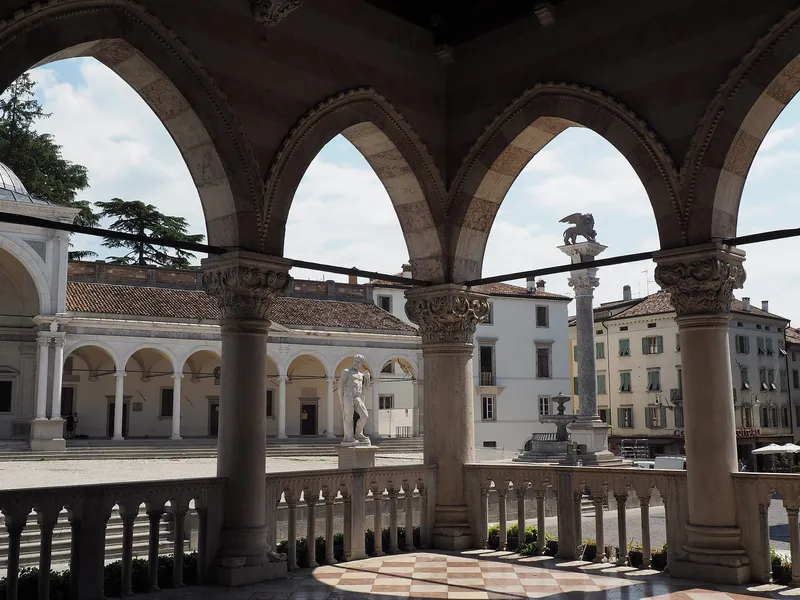
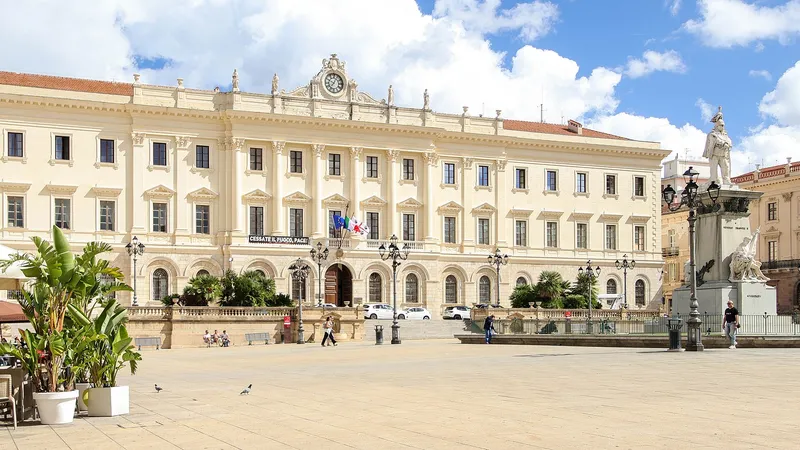
Further south, Lecce is a city of honey-coloured baroque stone with the beaches of the Salento on both sides, and Cagliari gives you a Sardinian capital with the long Poetto beach and flamingos wading in the lagoon at the edge of town. In the northeast, Trieste is the odd one out, a Habsburg port with grand cafés and the cold bora wind, more Central European than Italian in feel. Smaller towns like Perugia, Siena, Assisi and Udine are lovely and affordable, and in all of them you will need some Italian.
The C row, including Milan
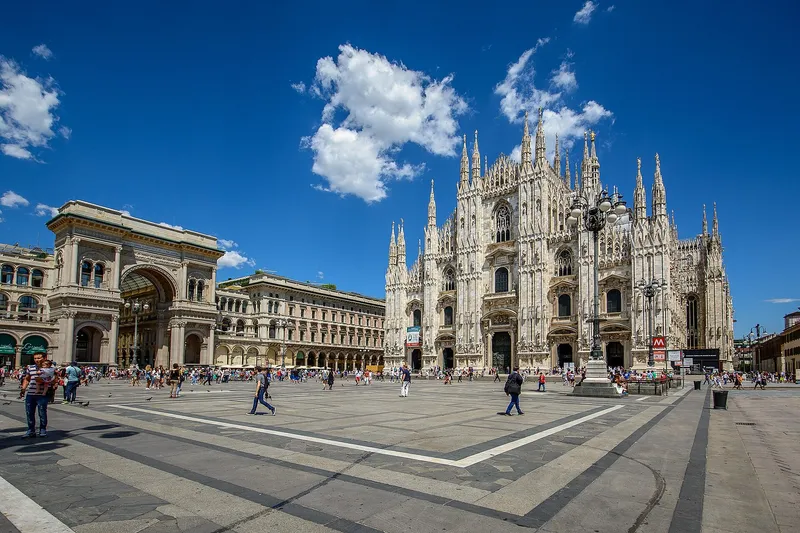
Milan is Italy's most international city, with its business district, fast trains and the largest pool of English speakers in the country. It sits low here because a comfortable month costs around $3,500, the winters are grey and foggy in the Po valley, and much of its pull is aimed at people with an office to go to. If your work is in fashion, design or finance it may still be the right choice; as a place simply to live and work remotely, many cities further down the map give more for less.
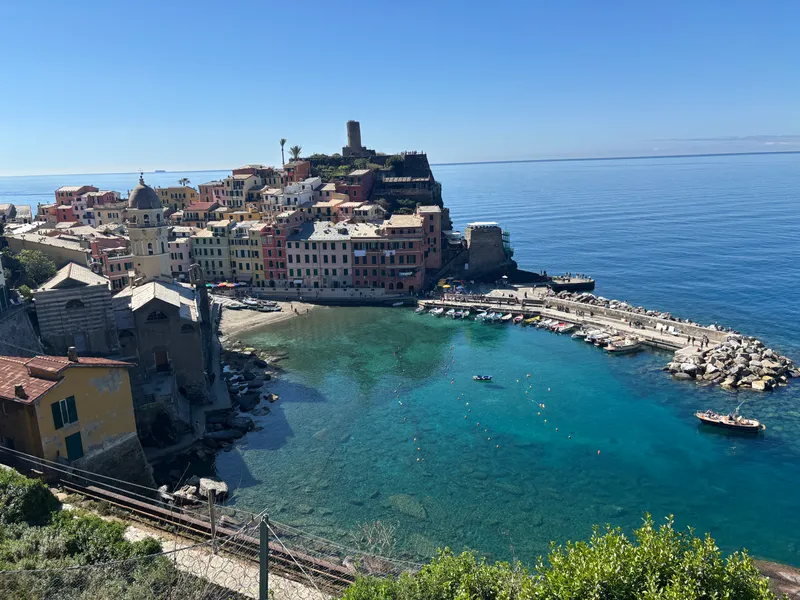
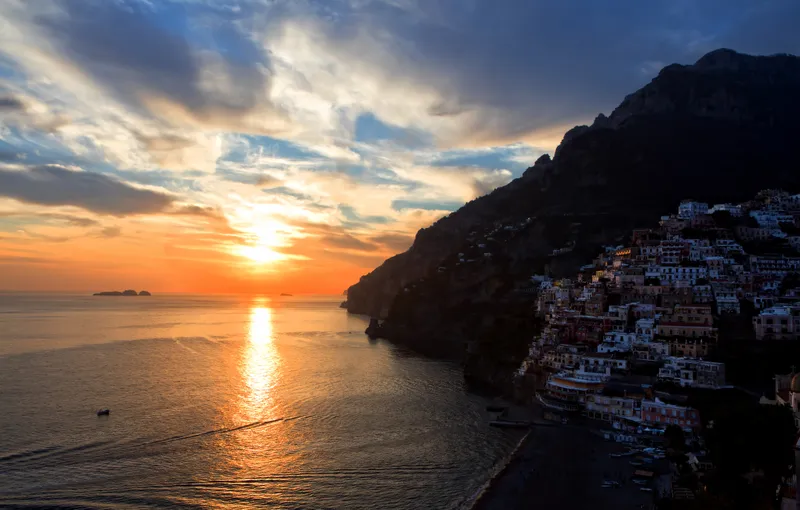
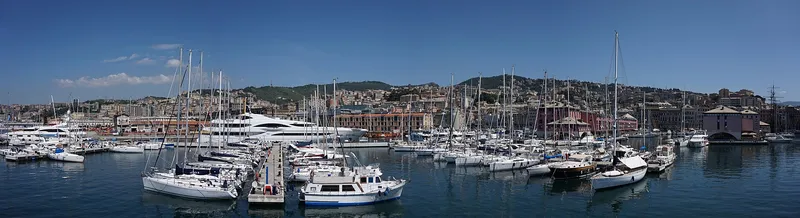
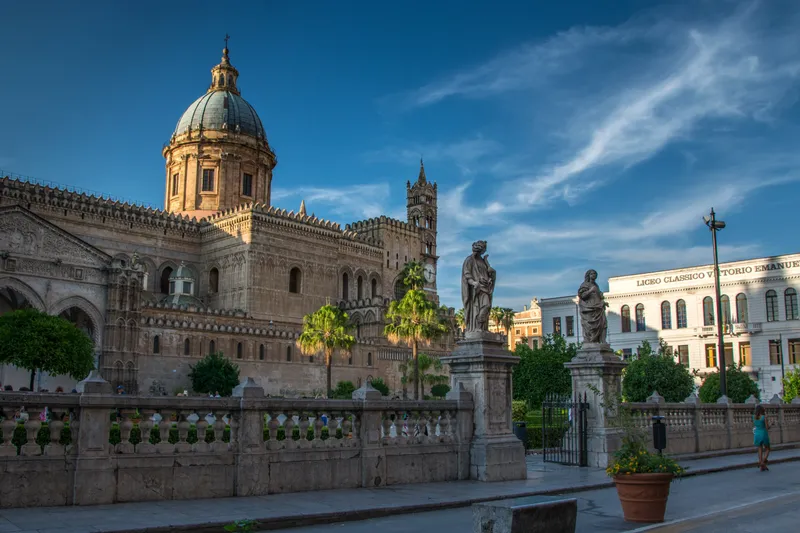
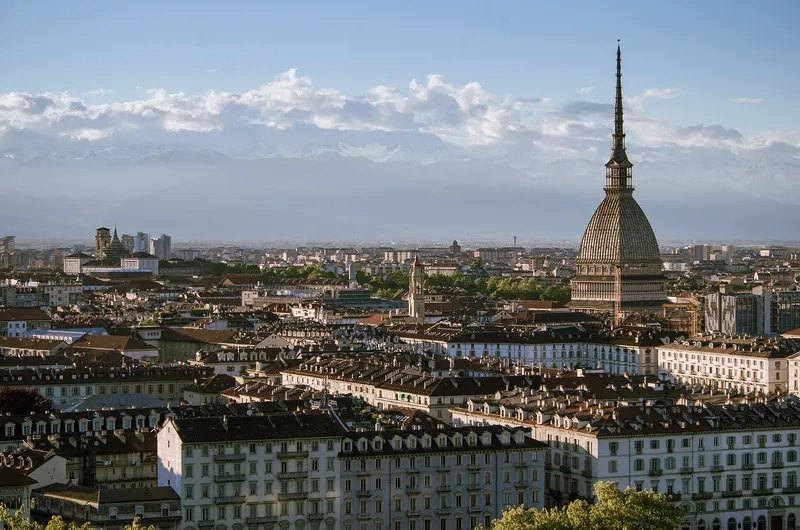
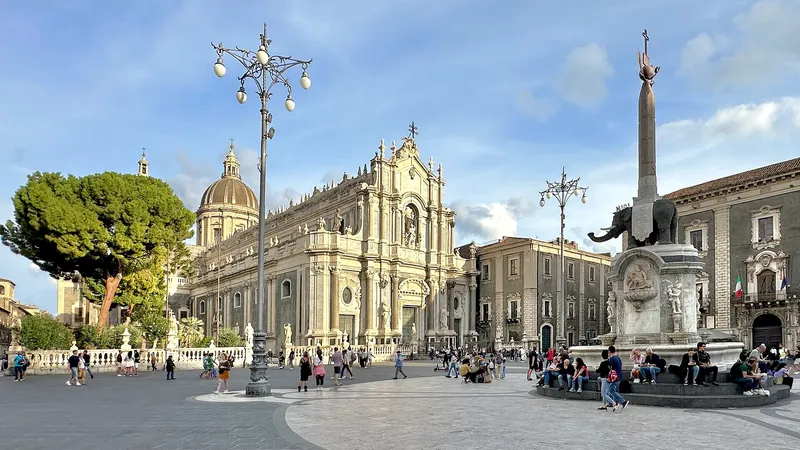
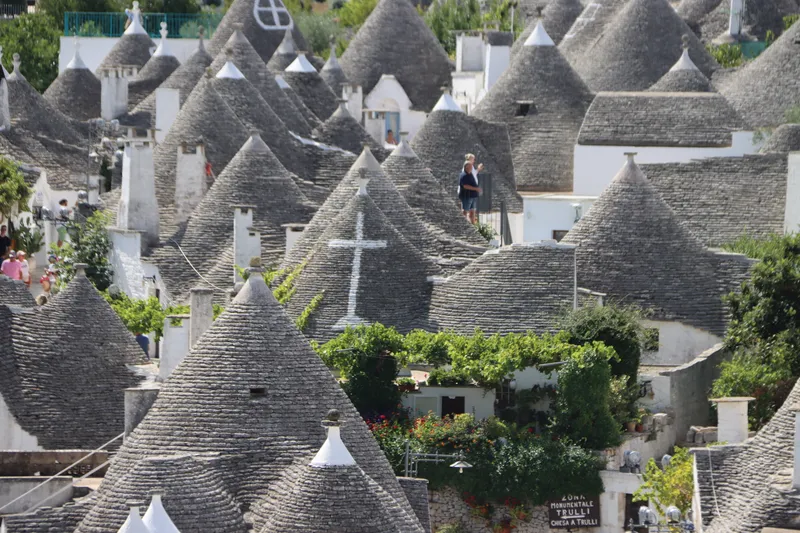
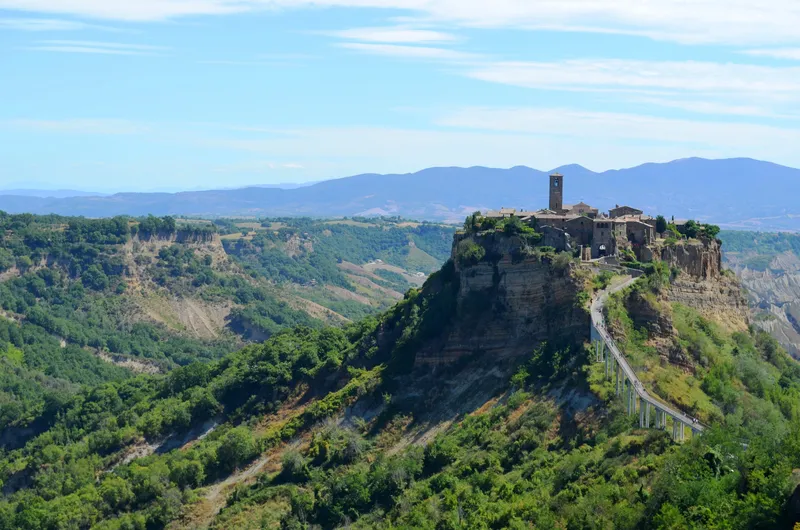
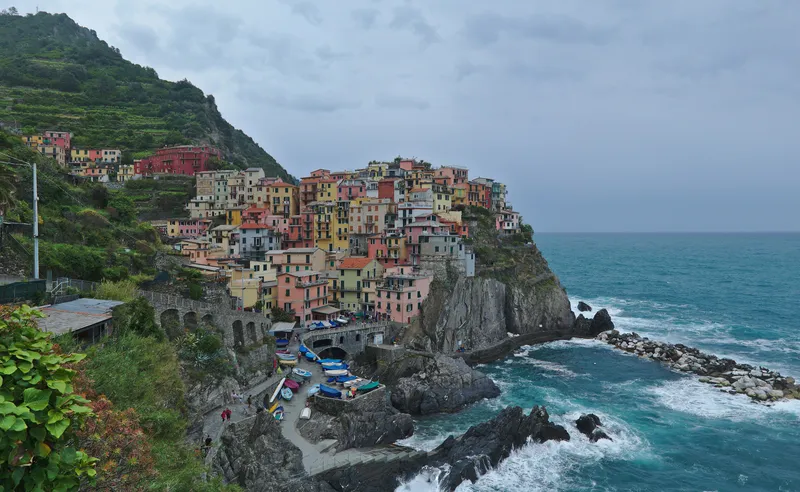
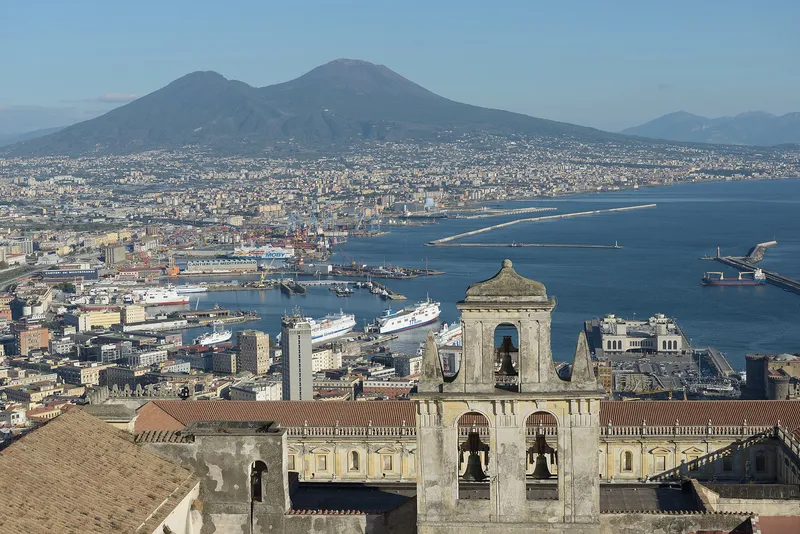
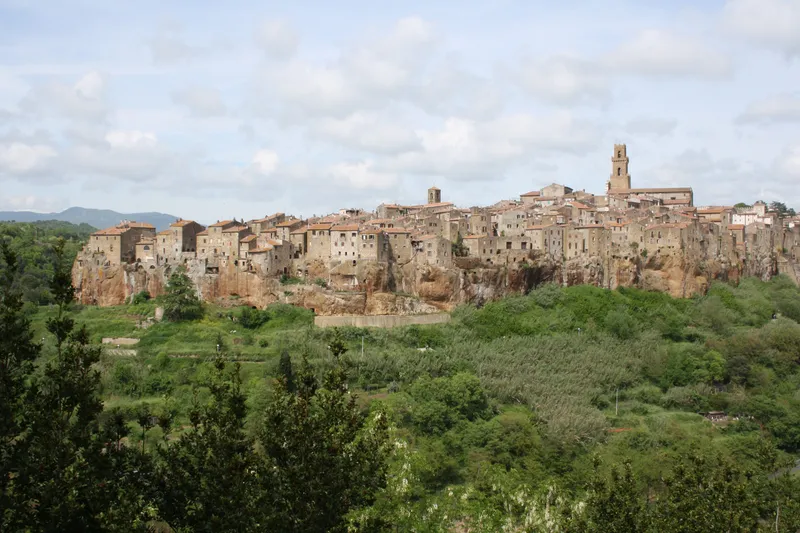
The rest of the row splits two ways. Naples, Palermo, Turin and Genoa are real, complicated cities with great food and character and thin remote-work scenes, and the first two take some getting used to. Then there are the postcard places: Positano, Vernazza, Manarola, Alberobello, Civita di Bagnoregio. They are unforgettable for a week and difficult for a month, with day-trippers by the busload, few services, and in some cases no proper supermarket.
The Italian year
Italian cities move to a seasonal rhythm that catches newcomers out. Around Ferragosto in mid-August, much of the country goes on holiday at once: shops, restaurants and even some offices in Milan, Bologna and Rome close for one or two weeks, while the beaches are full. Spring and autumn are the sweet spots, warm enough to eat outside, with the summer crowds gone from Florence and the coast.
Practical things to know before you choose
Internet speed in Italy depends more on the building than the city. A modern flat on the edge of town may have fibre while a beautiful apartment inside thick medieval walls struggles, so ask for a speed test before you sign. The same old walls keep homes cool in summer and cold in winter, and many older flats rely on a single gas boiler and expensive electricity.
For a stay beyond the 90 Schengen days, Italy introduced a digital nomad visa in 2024 that asks for a yearly income of around $30,000 and health insurance. The nomad visa comparison sets it beside Spain's and Portugal's, and the Italy ranking lines up these cities on cost, wifi and community.