Altitude in Mexico
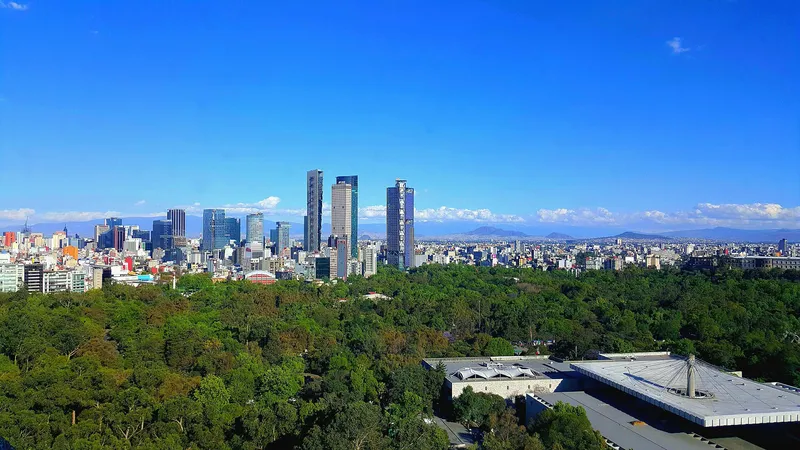
Fly into Mexico City and you land at around 2,240 metres, in a valley where afternoons are warm, nights are cool and a light jacket is useful most of the year. Fly into Cancún instead and you step out into the wet heat of the Caribbean. The same country, the same week, two climates. Much of this board follows that line: the highland colonial cities offer spring-like weather and old stone streets, the coasts offer beaches and humidity, and a remote worker can move between the two with a cheap domestic flight.
The top of the list
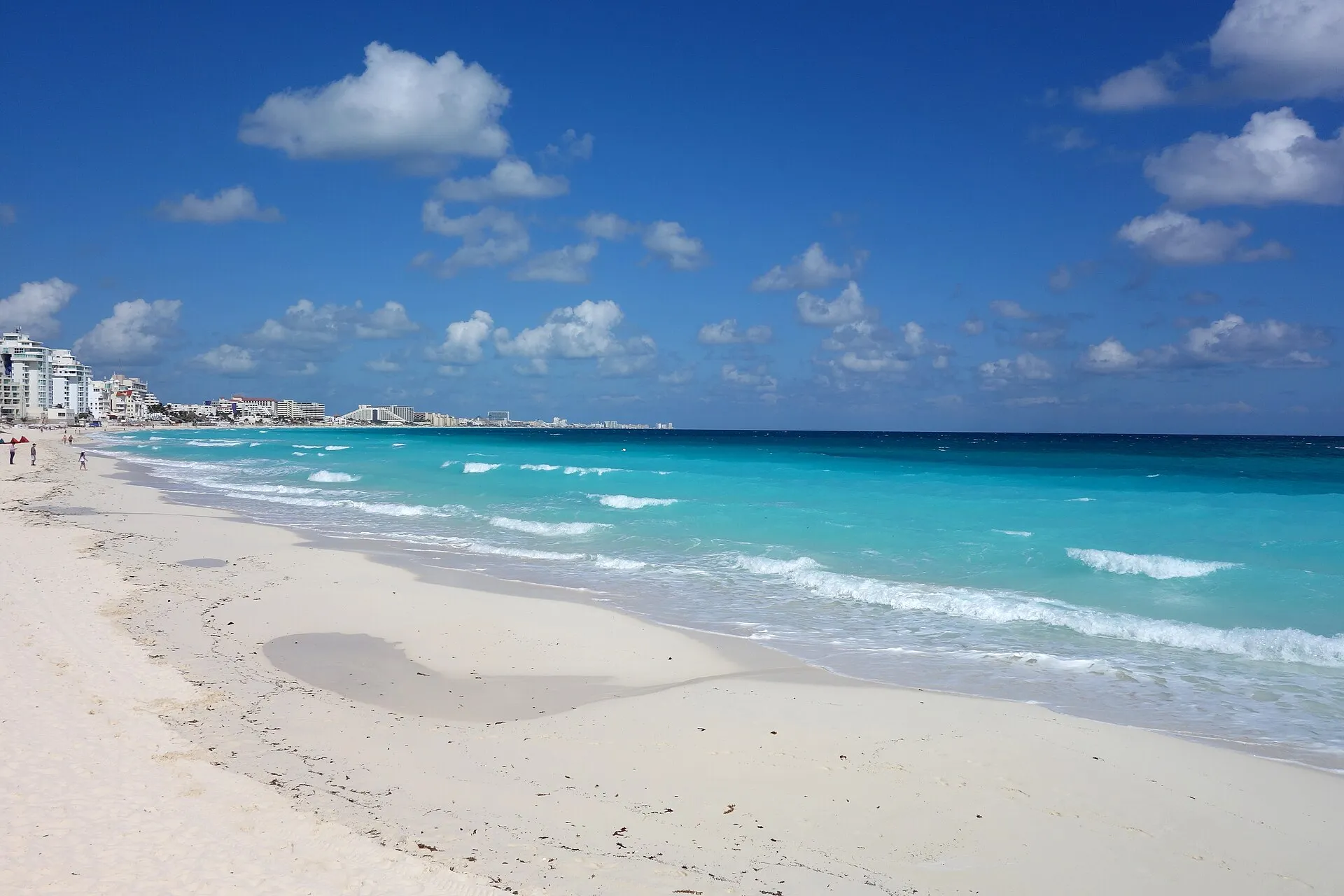
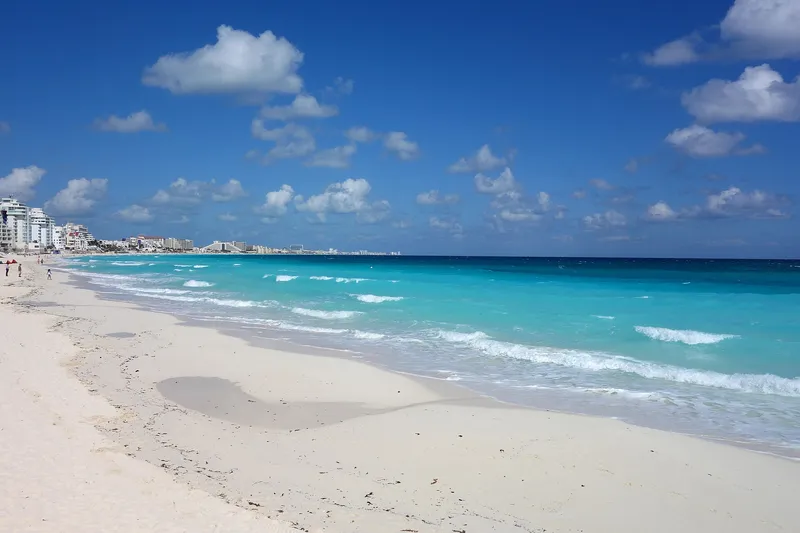
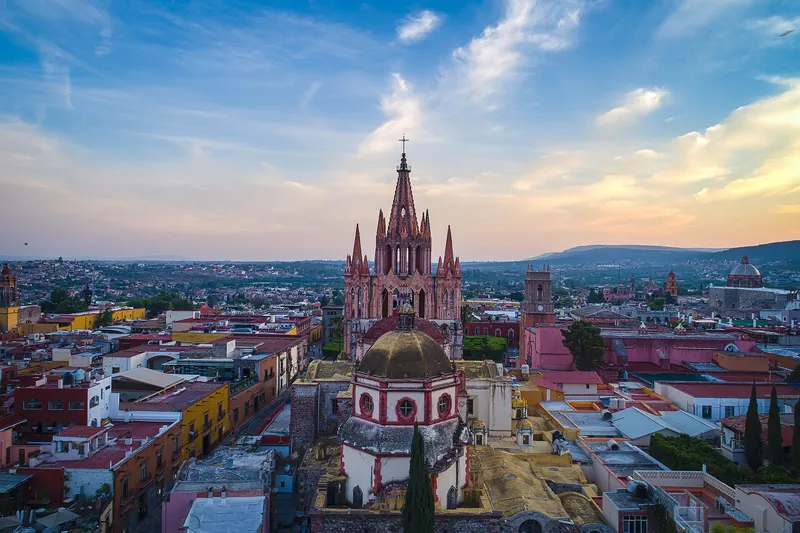
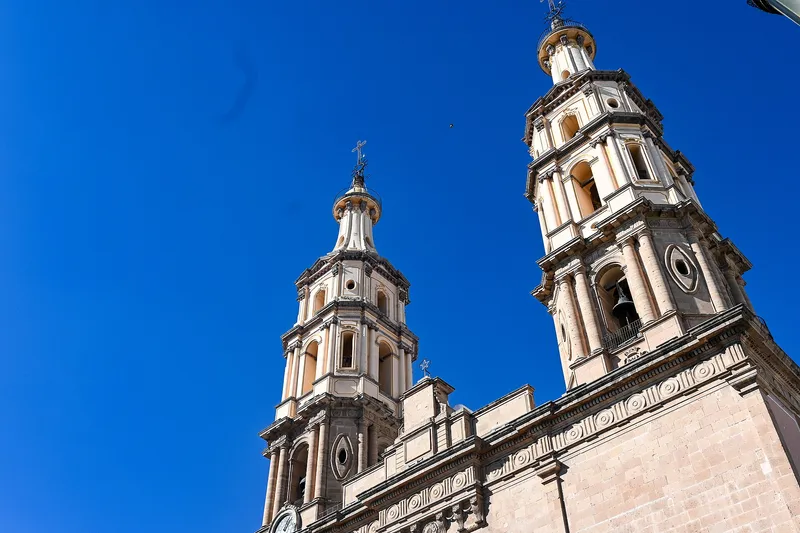
Cancún leads, which surprises people who know it only as a resort strip. Away from the hotel zone it is a working city with Mexico's second busiest airport, direct flights to much of the Americas and Europe, modern apartments and reliable internet, and the Caribbean is never far. San Miguel de Allende is its opposite: a colonial town of ochre and terracotta houses in the highlands, with a pink neo-Gothic parish church at its heart, galleries and a large, long-established foreign community. Both cost around $2,200 a month, and both are easy places to arrive.
The B row
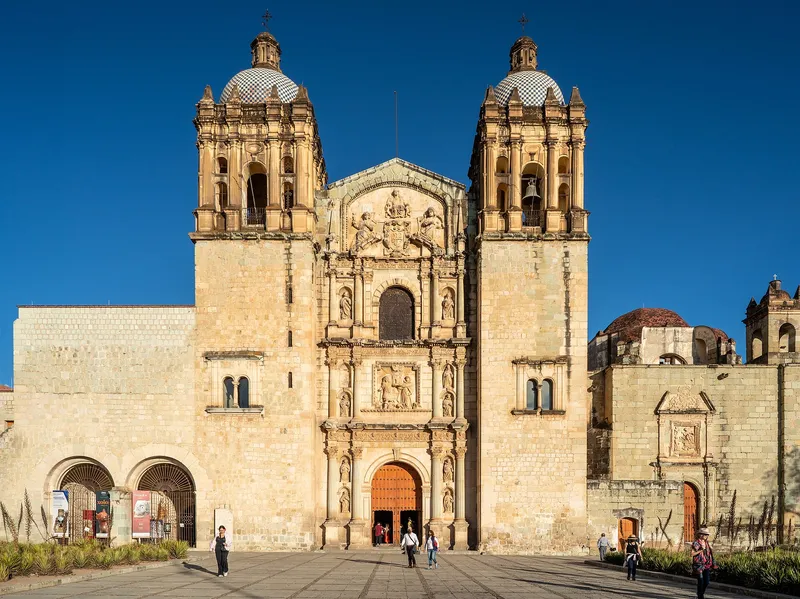
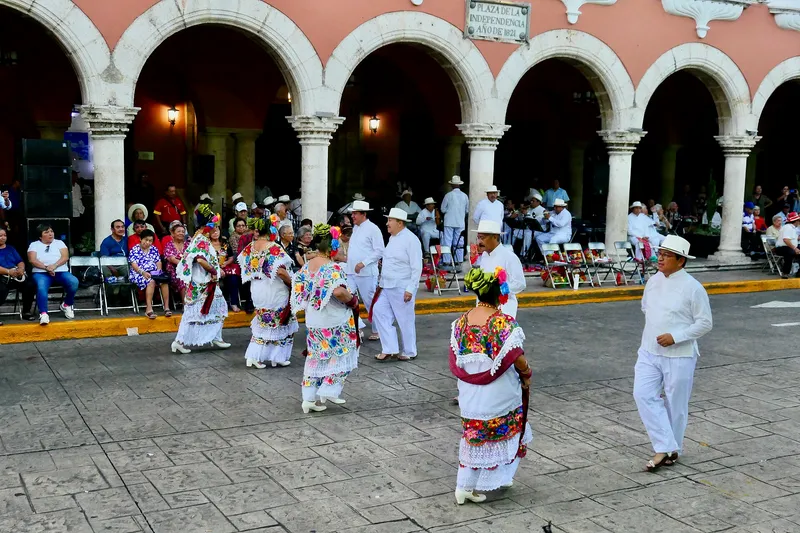
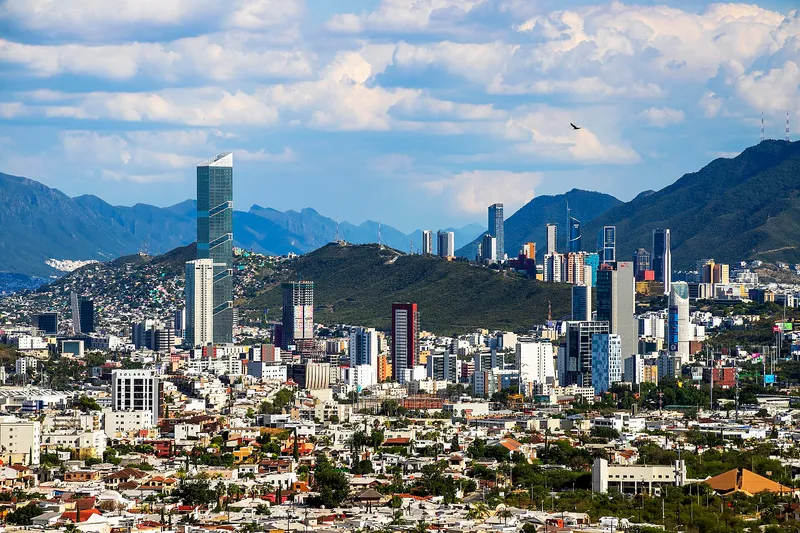
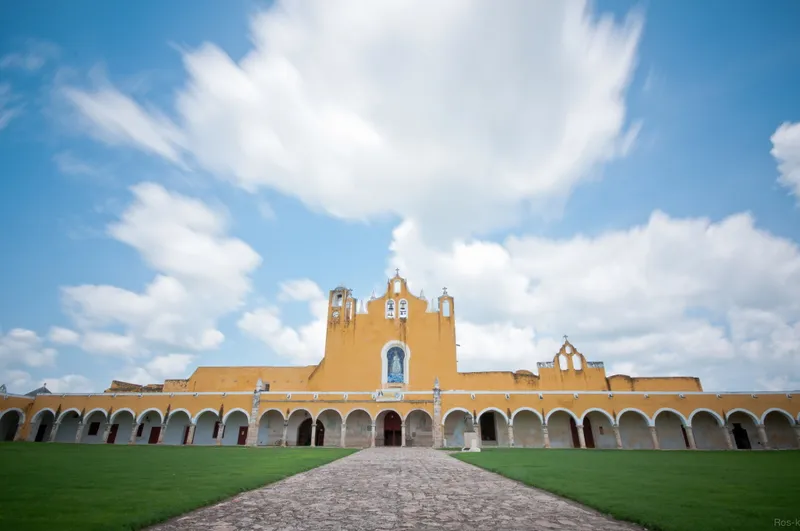
This row is where Mexico pulls ahead of most countries. Mexico City is one of the great cities of the world, with leafy neighbourhoods like Roma and Condesa, a food scene from street tacos to world-class tasting menus, and museums enough for a year. The altitude, the air on bad days and the sheer size are the trade-offs. Oaxaca is the food capital of the south, with mole, mezcal and markets, at around $1,600 a month. Mérida is a calm, safe, colourful city in the Yucatán, with a heat that takes some adjusting to from April to June.
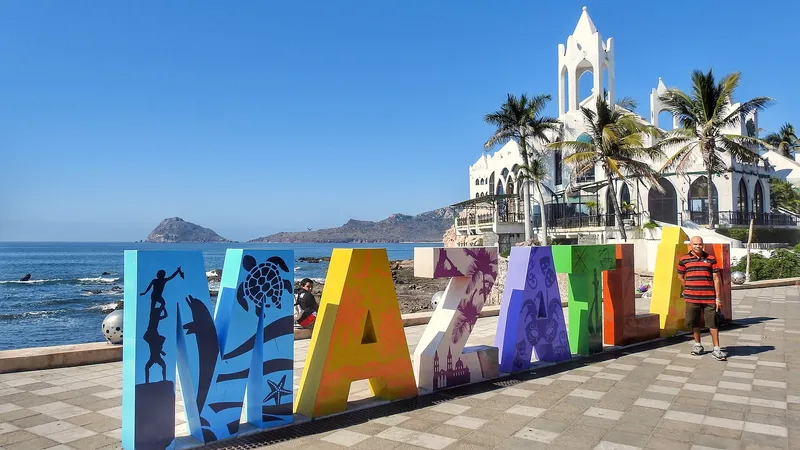
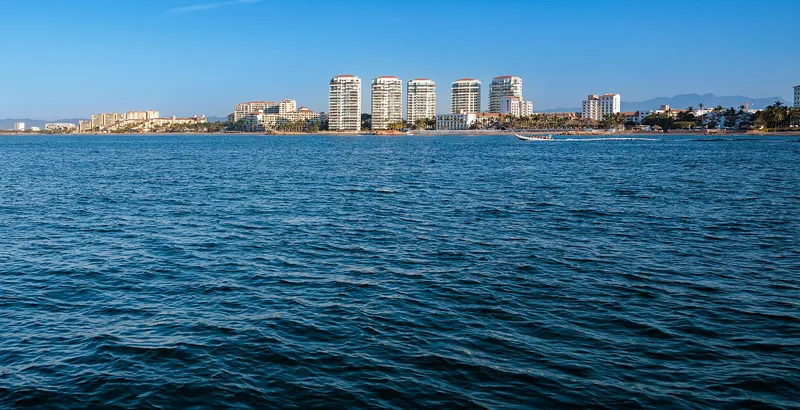
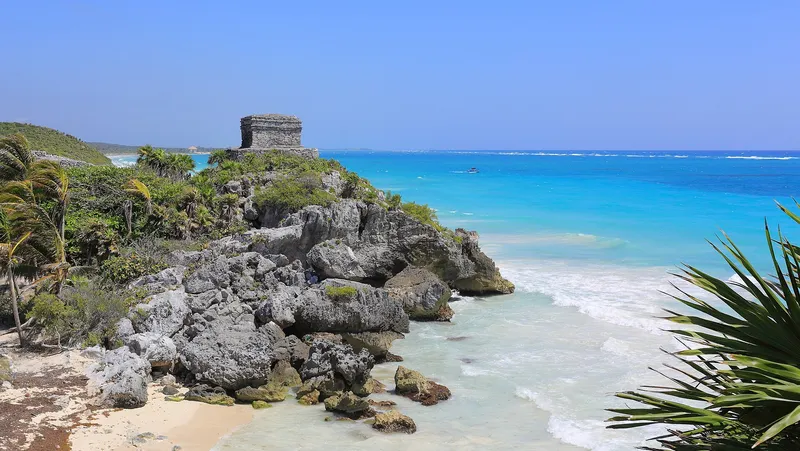
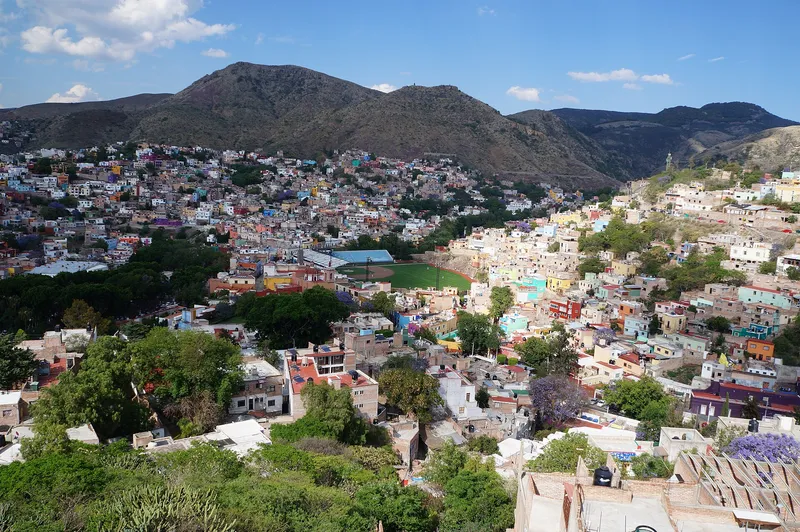
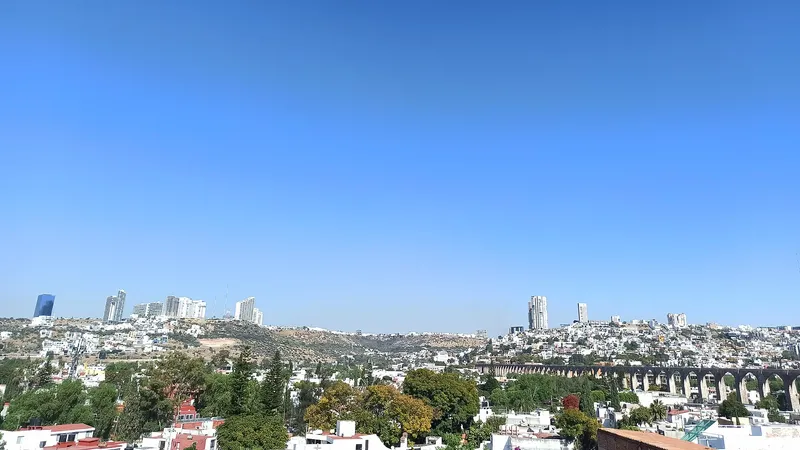
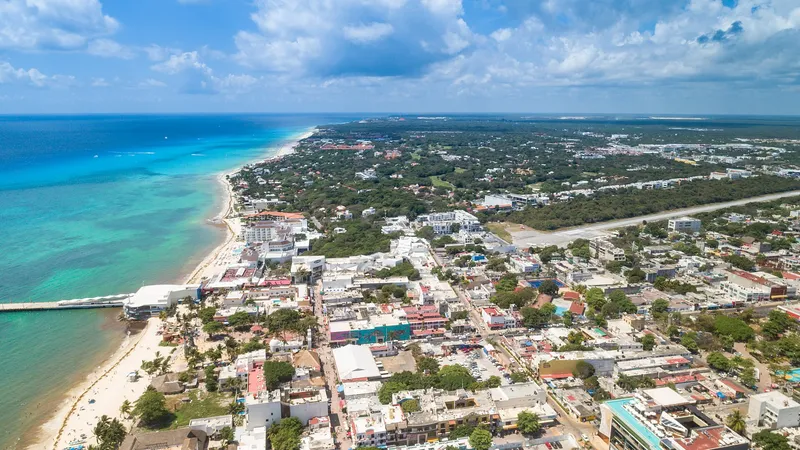
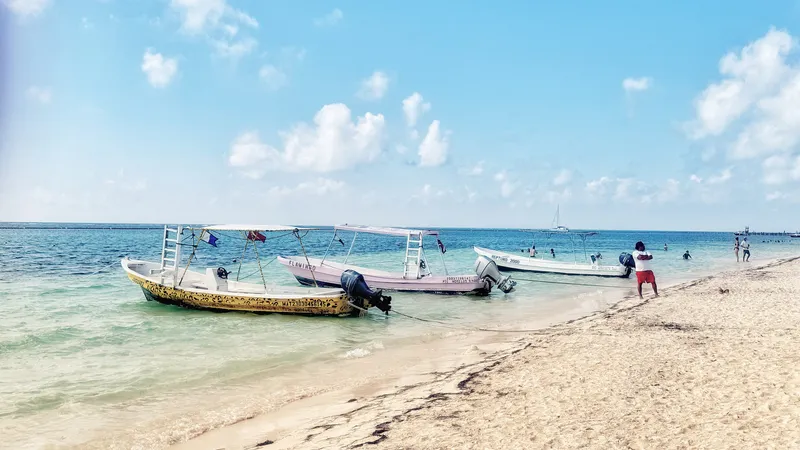
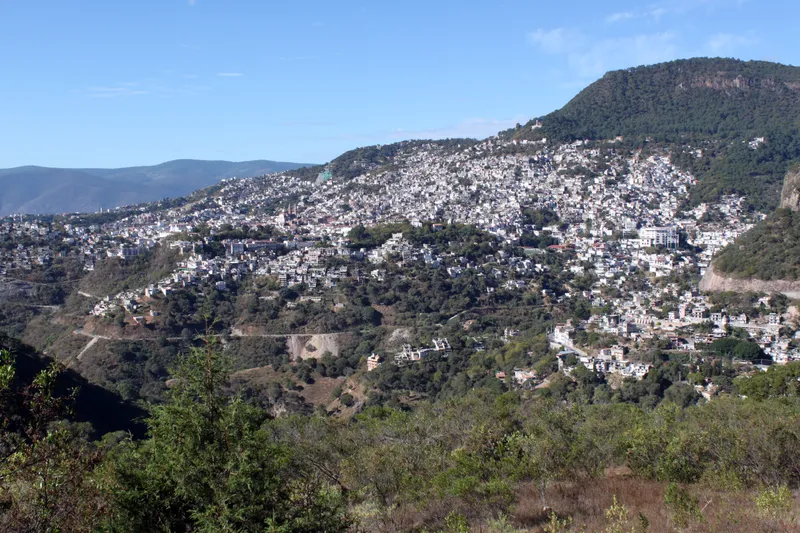
On the Pacific, Puerto Vallarta pairs a real old town with mountains falling into the bay, and Mazatlán offers a long seafront promenade and a restored historic centre for less. Tulum and Playa del Carmen sit on the Caribbean, with beaches and cenotes and a large international crowd; Tulum is the more expensive at around $2,800, and both coasts receive seasonal sargassum seaweed in spring and summer. In the highlands, Guanajuato is a university town of coloured houses folded into a ravine, and Querétaro a prosperous, orderly city with good connections.
The Mexican year
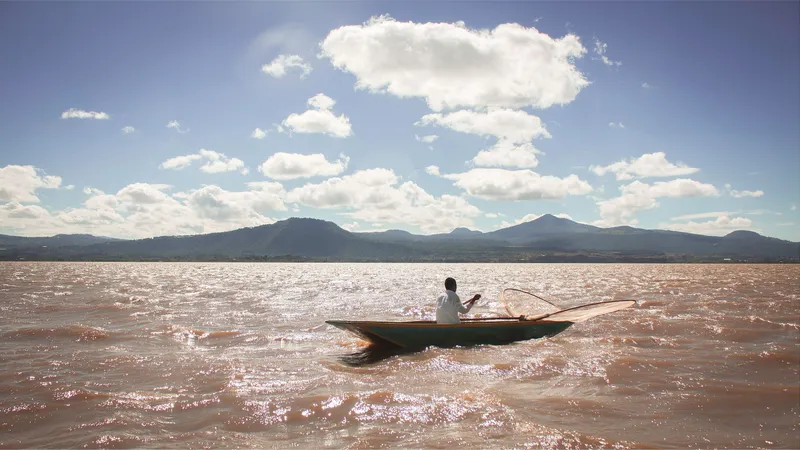
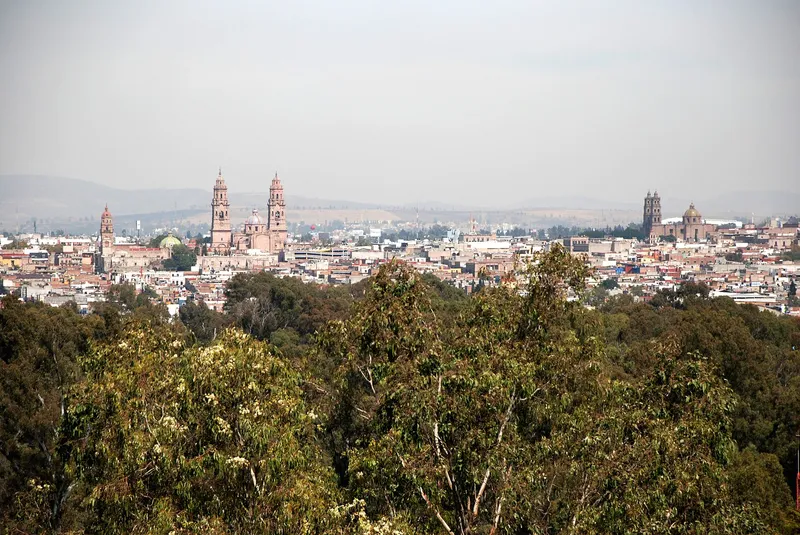
Mexico City is at its best on Sunday mornings, when part of the grand Paseo de la Reforma closes to cars and fills with cyclists, skaters and families. Around the start of November, the whole country turns to the Day of the Dead, with marigold altars in homes and cemeteries, and Oaxaca and Pátzcuaro become two of the most moving places to see it. In July, Oaxaca hosts the Guelaguetza, a festival of regional dances from across the state.
The weather has a calendar too. The highlands have a dry season from roughly November to May, with clear skies and cool nights, and a rainy season when afternoon storms arrive almost on schedule. The coasts are hottest and most humid from June to September, which is also hurricane season, so many people spend those months in the highlands and the winter by the sea.
The C row and the small places
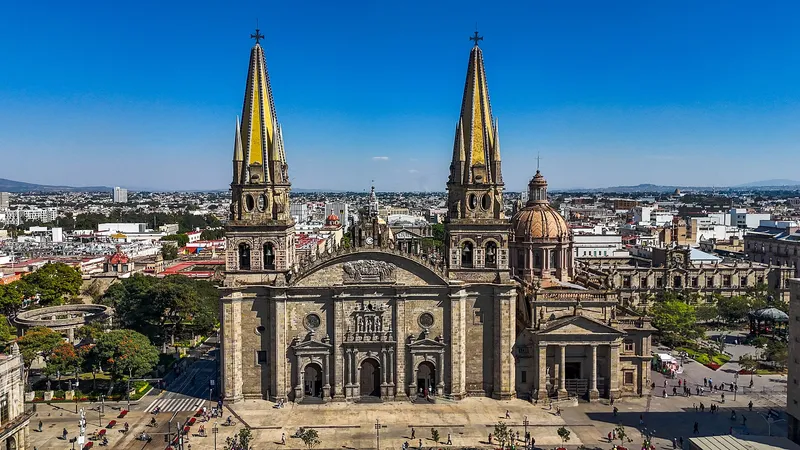
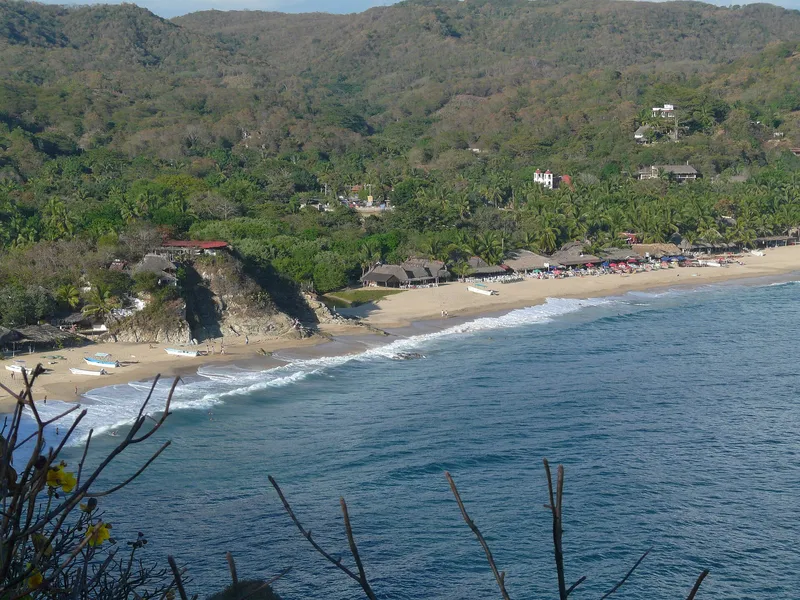
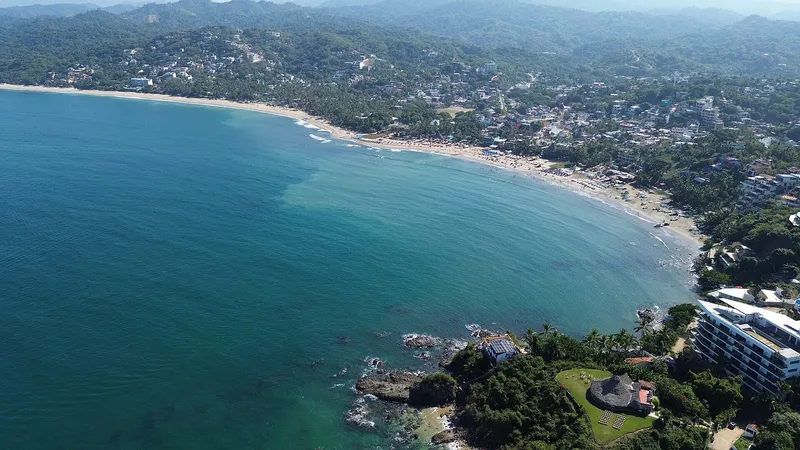
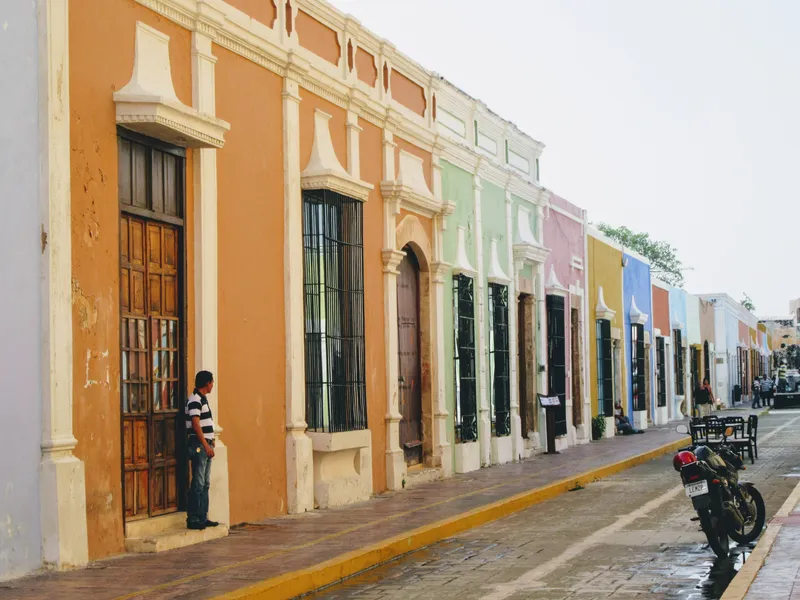
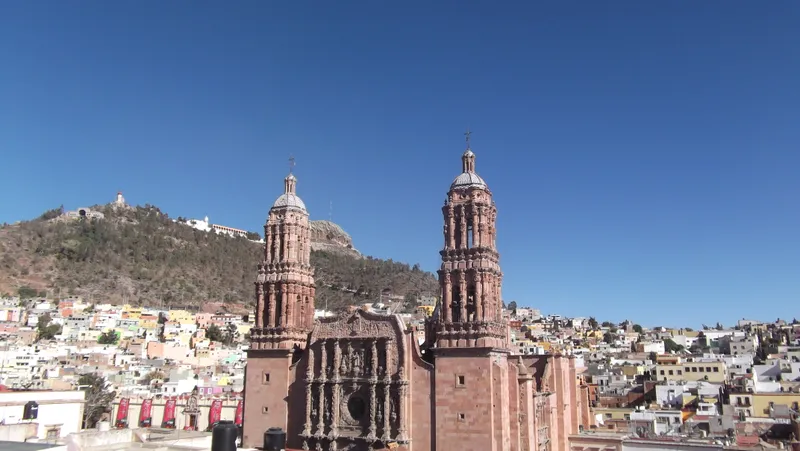
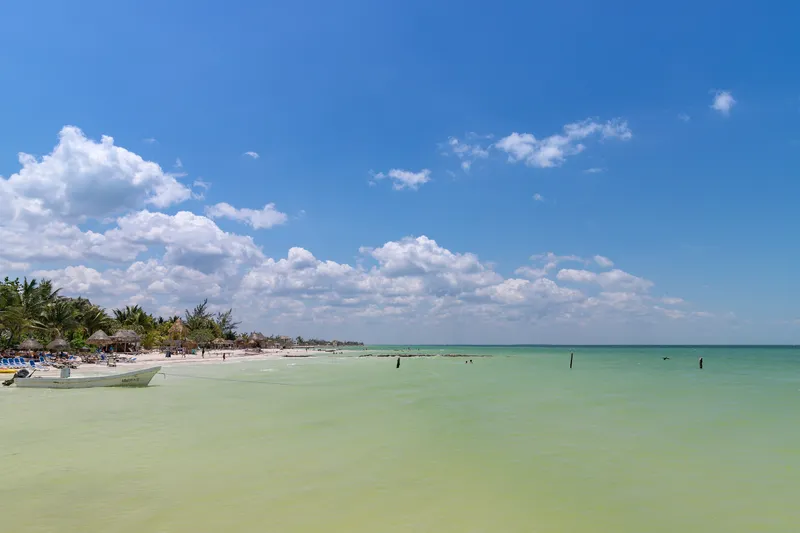
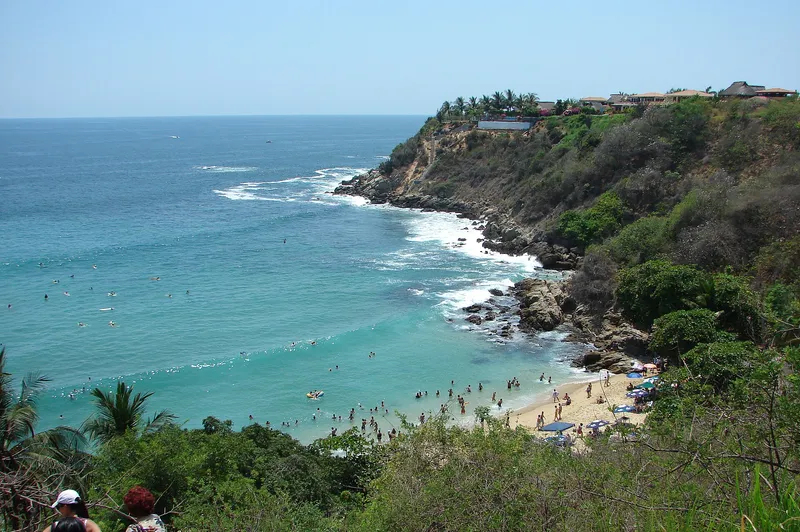
Guadalajara has a strong tech industry and plenty to do, with fewer remote workers in the mix than you might expect. The beach villages, Sayulita, Mazunte, Puerto Escondido and Holbox, are wonderful for surfing, swimming and slowing down, but their internet, power and services can be fragile, and Holbox has no cars at all. Colonial towns such as Pátzcuaro, Campeche and Zacatecas are beautiful and inexpensive, at around $800 a month, with very few foreigners.
Two practical points
Safety in Mexico varies sharply by state and even by neighbourhood, more than in most countries. The cities on this list are established places to live, but the roads between them are not all equal: the US State Department, for one, rates each Mexican state separately, from normal precautions to do not travel.
Most Western visitors are admitted for up to 180 days on arrival, at the officer's discretion, and longer stays go through a temporary residence visa applied for at a Mexican consulate. The nomad visa comparison explains the route, and the Mexico ranking sets these cities side by side on cost, wifi and community.
Before choosing from this board, it helps to decide between the highlands and the coasts, which our guide to Mexico for digital nomads walks through.