Cost of Living in Bodrum
Real market data
Source: Numbeo · September 2026
$1,050/moSolo nomad1-bed centre + living costs
$1,390/moCoupleshared 1-bed + costs
$840/moLean / localcheaper area + costs
- 1-bed rent, city centre$630₺30,000
- 1-bed rent, outside centre$420₺20,000
- Monthly costs excl. rent (1 person)$420₺20,049
- Meal, inexpensive restaurant$11₺500
- Buy price, per m² (centre)$3,050₺145,000
Prices are from Numbeo (September 2026), converted to USD at $1 = ₺47.54 (01 Aug 2026). The monthly living-costs figure is our transparent one-person basket, groceries, a few meals out, utilities, phone, internet, transport and essentials, priced from those figures. Solo adds central rent; couple and lean are estimates from the same numbers. The guide below quotes its own monthly range, which is a different measurement rather than a competing one: this table prices a defined basket at the figures above, while that range is a judgement about how somebody actually lives here.
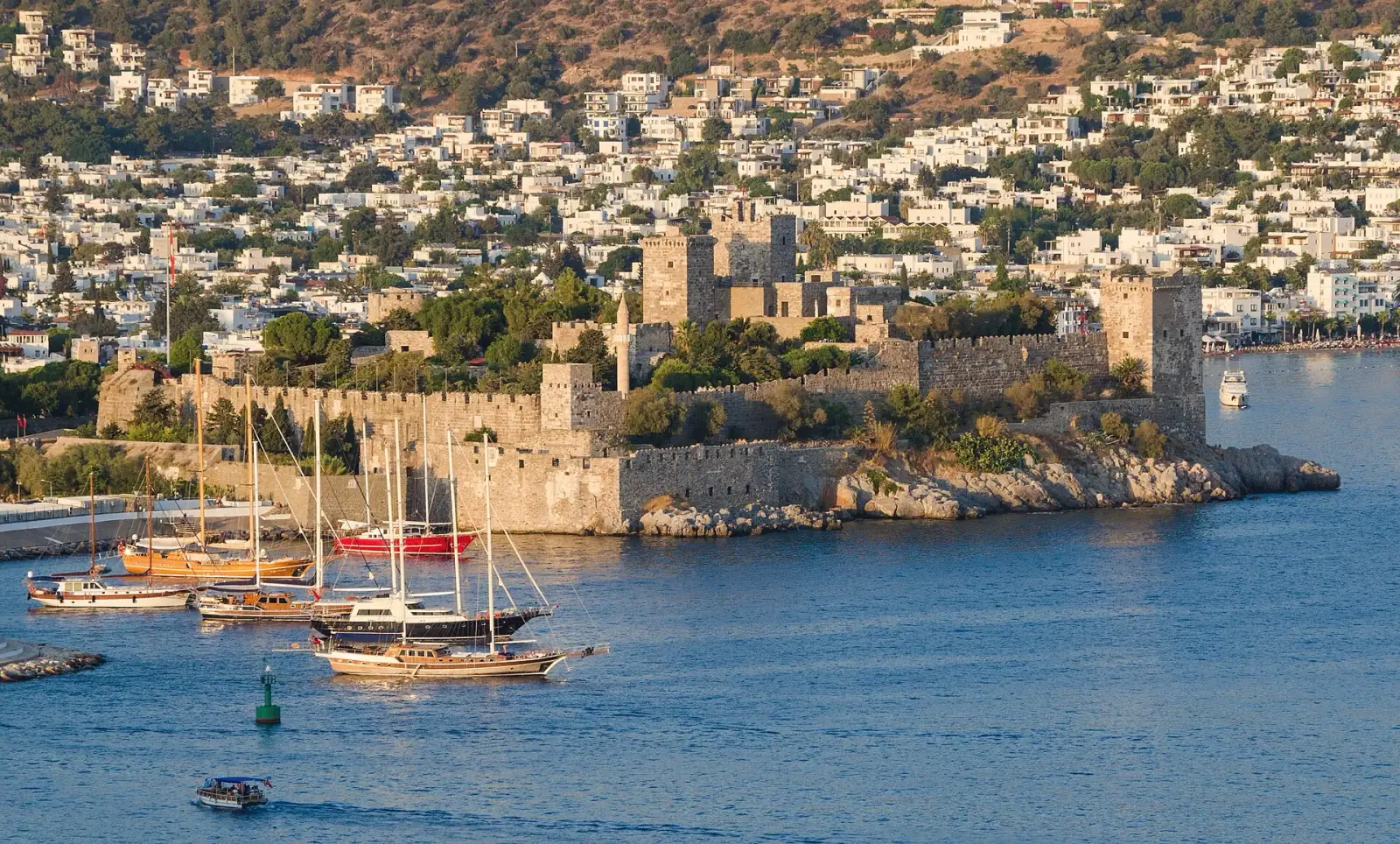
Bodrum is a resort town with a wealthy domestic and international crowd, so summer prices, short-term rents above all, run higher than the year-round averages in the cost table below. Expect to pay more here than in Istanbul's outer neighborhoods or in cities like Izmir or Fethiye.
For housing, a one-bedroom apartment in the city center averages about $630/month on Numbeo's August 2026 data. Outside the center the average is about $420/month; Konacik, Bitez and Ortakent are the usual inland places to look. Short-term furnished rentals during peak summer months can be significantly higher.
- Rent (central, 1BR): about $630
- Rent (outside the center, 1BR): about $420
- Groceries (local market shopping): $84-125
- Eating out (local lokanta lunch): $3-5.50 per meal
- Eating out (mid-range restaurant dinner): $13-25
- Coworking hot-desk: about $210/month plus VAT at CoBodrum
- Local transport (dolmus): $1-1.50 per trip
- Mobile data SIM (10GB): ~$8.50/month
Realistic monthly total: a budget-conscious nomad staying outside the center can manage on around $1,100-1,400. Staying in the center and eating out regularly pushes closer to $2,000-2,500. Avoid peak season (July-August) if you want to lock in longer-term rental prices without resort-season markups.
Where to Work
Bodrum has a small but functional coworking scene. CoBodrum (Hoca Ahmet Yesevi Sk., Bodrum center) is the most established option for nomads, with hot-desks, private offices, fast fiber WiFi, and a community-oriented setup catering to freelancers and remote teams. Its own price list puts a day pass at about $42 and a month at about $210, both before VAT. Cosmo Office on Cumhuriyet Caddesi offers private offices and a dedicated SilentRoom for focused work.
Cafe culture in Bodrum is pleasant but inconsistent for work. Cafe Cafen, located near the marina entrance, is the most consistently mentioned laptop-friendly cafe: good WiFi, long hours, decent food. Cafes in the tourist center often have patchy connections during busy season when dozens of people share the same router. Your most reliable setup is a Turkish SIM from Turkcell or Vodafone with a 4G data plan, which performs well across the peninsula and acts as a reliable backup.
Everyday WiFi in Bodrum is adequate for video calls but not ideal for large uploads. Dedicated coworking spaces offer noticeably faster and more stable connections.
Getting Around
The Bodrum peninsula is not particularly walkable beyond the immediate city center. The center itself, around the marina, castle, and main bazaar streets, is compact enough to cover on foot, but reaching Gumbet, Bitez, Konacik, or Yalikavak requires transport.
Dolmus minibuses are the backbone of local transport. They run frequently to most parts of the peninsula from the central bus station in Bodrum center, which kept the local and inter-district routes when intercity coaches moved to a new terminal at Torba in 2021. Fares run around $0.50-1 depending on distance. Municipal buses run to a schedule on major routes and require a Kent card. Taxis are available but expensive for anything beyond short trips, and you should agree on a price for inter-resort journeys before getting in.
For longer stays, renting a scooter or small car gives you far more freedom. Daily car hire runs roughly $29-35. The peninsula has some good cycling paths in lower-traffic areas.
The Milas-Bodrum Airport (BJV) sits about 36 kilometers from Bodrum center. Havas airport buses depart after each arriving flight and cost around $0.50-1 to the city bus terminal, taking around 45 minutes. Taxis from the airport to Bodrum center cost approximately $8.50-13 and take 30-40 minutes.
Sorting transport? Book an airport transfer, or compare car rental on Auto Europe and QEEQ.
Visas and Staying Long-Term
Turkey operates its own 90-day-in-180-day rule, entirely separate from the Schengen system. Most Western passport holders, including citizens of the USA, UK, and EU countries, can enter Turkey visa-free for up to 90 days within any 180-day rolling window. Check the Turkish Ministry of Foreign Affairs for your specific passport, as rules vary.
There is no straightforward tourist residence permit path any more: tourism is still a legal ground for a short-term permit, but since 2022 migration offices have refused most first-time tourism applications. If you want to stay beyond 90 days, your main options are the Turkey Digital Nomad Visa (available to citizens of 36 countries, ages 21-55, with a university degree and at least $3,000 a month in income from a foreign employer or clients), or a short-term residence permit applied for at the Provincial Directorate of Migration Administration. A trip to a Greek island such as Kos does not reset your Turkish clock, because the 180-day window is rolling: every day in Turkey within any 180 days still counts. The days on the island also count toward your Schengen 90 days, since Greece is in Schengen.
Best Time to Visit
Bodrum has a classic Mediterranean climate: long, hot summers and short, mild winters. For remote work comfort, the sweet spots are April-June and September-October. Temperatures sit between 20-27 degrees Celsius, the sea is warm or warming, crowds are manageable, and accommodation prices are lower than peak season.
July and August are intensely hot (regularly 35+ degrees), extremely crowded, and significantly more expensive for accommodation. The nomad community in town also swells, which can be good for meeting people but tough on finding quiet working spots. WiFi congestion in cafes worsens noticeably in high summer.
November through March sees temperatures drop to 10-15 degrees with some rain. Many tourist-facing businesses close or run reduced hours, which limits cafe options considerably. On the upside, rent is at its cheapest and the town has a quieter, more authentic feel. Winter suits people who are comfortable working from a coworking space rather than rotating through cafes.
Pros and Cons
Pros
- Stunning coastline and outdoor lifestyle: sea, sailing, hiking
- English widely spoken in tourist areas, easy day-to-day navigation
- Good international food scene alongside authentic Turkish cooking
- Vibrant social scene with a mix of local, expat, and nomad residents
- Digital Nomad Visa available for eligible nationalities
- Ferry access to Greek islands for day trips
- Safer than many Mediterranean party destinations, low violent crime
Cons
- Noticeably pricier than most Turkish cities, especially in peak season
- Everyday WiFi is slow; coworking spaces help but add cost
- Limited coworking infrastructure compared to cities like Istanbul or Izmir
- Very seasonal: some cafes and businesses close in winter, summer is chaotic
- Getting around without a car or scooter is inconvenient beyond the center
- Petty theft in crowded marina and nightlife areas during summer
Who Bodrum Is Best For
Bodrum works best for nomads who want an active Mediterranean lifestyle alongside their work: morning swims, afternoon sessions at a coworking space, evenings at a waterfront restaurant. It suits people with a mid-range or higher budget who prioritize quality of life and don't need to squeeze every dollar. Those eligible for the Turkey Digital Nomad Visa will find it a genuinely appealing long-stay base with legal clarity.
It also suits nomads who enjoy a lively social scene, access to sailing and outdoor activities, and easy ferry hops to Greek islands. Shoulder season (May-June, September-October) is the sweet spot for combining good weather, reasonable prices, and productive working conditions.
Skip Bodrum if you are on a tight budget and need to minimize costs, rely heavily on fast public WiFi, or want a large dedicated nomad coworking community. Those wanting a more immersive Turkish cultural experience will find the heavily tourist-oriented center feels less authentic than cities like Izmir or Ankara. Winter visitors who need cafe variety for working should also look elsewhere.