Cost of Living in Petra
Where this figure comes from. No cost survey covers Petra, so the $1,000 a month above is our own estimate rather than a measurement. On 416 of our 999 city guides the figure is built from a published Numbeo basket, a one-bedroom rent in the centre plus one person's monthly costs without rent, converted to USD; this city is not one of them. How we source everything.
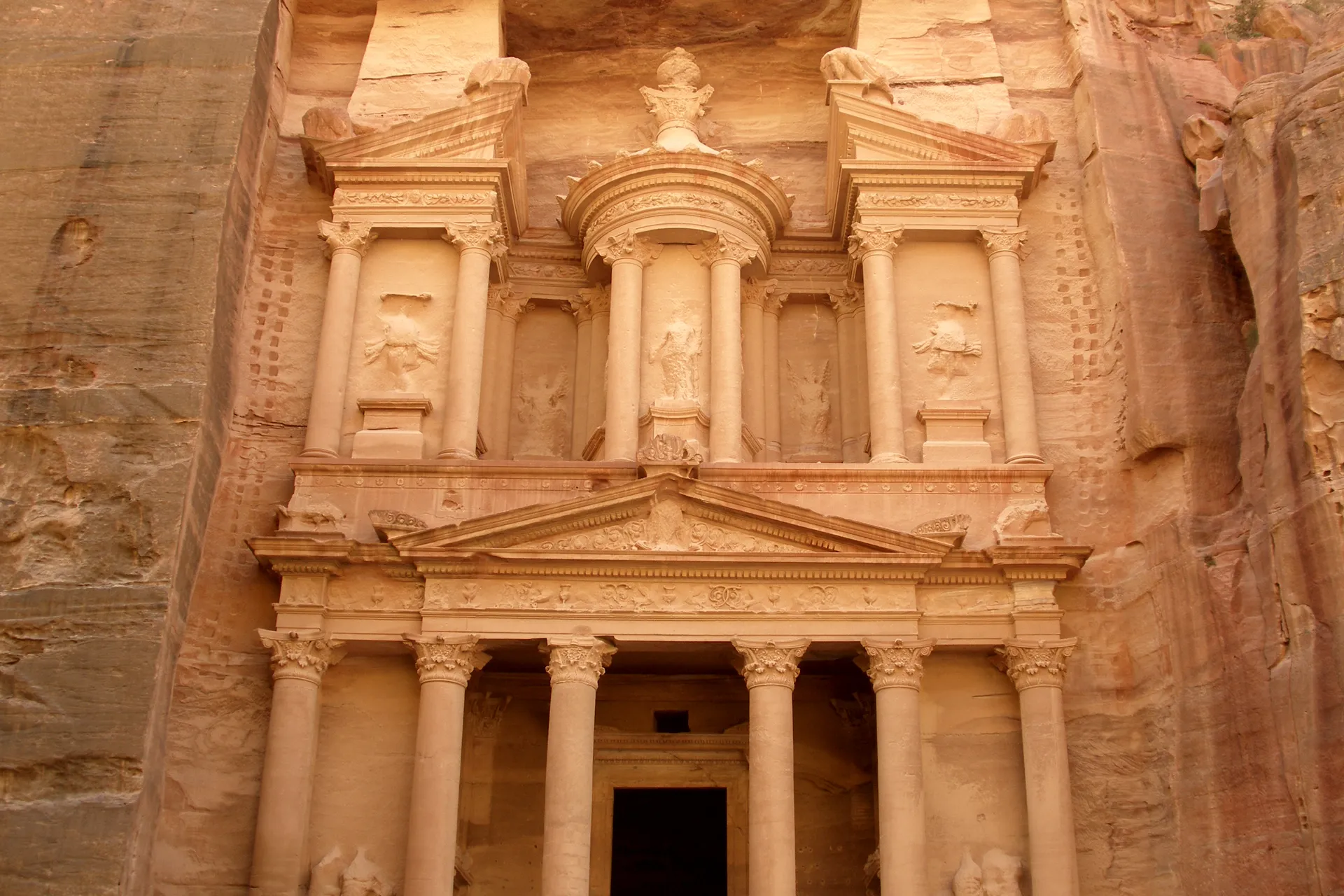
Petra itself is an archaeological site; the town where you actually live is Wadi Musa, on the hillside above the entrance. It is moderately priced by Jordanian standards, kept a little higher by its tourist economy. A comfortable single-person budget runs roughly $800 to $1,300 a month. A furnished apartment or long-stay room in Wadi Musa costs about $350 to $600, and local Jordanian food is cheap, while tourist-facing restaurants charge more. These are our editorial estimates in US dollars; because so much revolves around visitors, eating and shopping where locals do keeps costs down. A budget here is shaped by two national facts. This is among the most water-scarce countries on earth, mains supply reaches most homes once a week into a rooftop tank, and running out mid-month means paying for a tanker, so ask how a flat is supplied and how big its tank is. Electricity is also expensive by regional standards and there is no cheap heating, which matters at this elevation in January. Against both, the site pass bought before arrival covers the entry fee and the visa together and pays for itself on the second day.
- Furnished room or apartment in Wadi Musa: roughly $350 to $600 a month
- Plate of maqluba or mansaf at a local spot: roughly $4 to $8
- Jordan Pass (visa waiver plus Petra entry): a worthwhile one-off
- JETT bus to Amman: a modest fare
Where to Work in Petra
Wadi Musa is a small tourist town built around Petra, not a remote-work destination, so infrastructure is basic. Internet in hotels and apartments is available but can be slow and inconsistent, so test any accommodation's connection carefully and keep a Zain, Orange or Umniah SIM with a data plan as backup before relying on it for calls. There is no coworking scene, and cafes are geared to passing tourists rather than laptop workers. Petra suits someone with light connectivity needs using the town as a base to explore the site and Jordan, rather than anyone tied to constant video meetings. The working week here runs Sunday to Thursday, with Friday and Saturday as the weekend, which sounds trivial and reshapes everything: banks, offices and many shops close on a Friday morning, and a European counterpart's Monday is your second working day. Most people adopt the local pattern rather than fighting it. Local time is three hours off Greenwich, putting a comfortable overlap with Europe in your afternoon. Inside the site itself there is no usable signal in the canyon, so a day of walking is a day genuinely offline, which most visitors end up appreciating.
Getting Around Petra
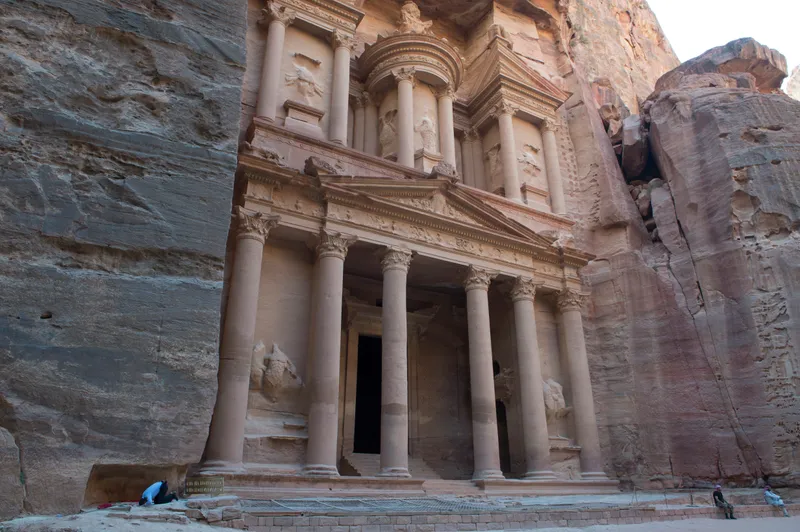
Wadi Musa is compact but hilly, and most people walk or take short taxi rides between their accommodation and the Petra visitor centre at the bottom of the hill. Petra itself is explored entirely on foot, over many kilometres of trails, with horses, carts and donkeys available inside. For getting around Jordan, the JETT bus and minibuses connect Wadi Musa to Amman, roughly three and a half hours north, and to Wadi Rum and Aqaba to the south. A rental car gives the most freedom for the Desert Highway and the King's Highway sights. The nearest airports are Amman and Aqaba. A few things about the site that catch people out. The walk from the gate to the Treasury is around two kilometres before you have seen anything, the Monastery is another eight hundred steps beyond that, and a full day is fifteen kilometres or more on stone. Start early. The animal rides offered inside have been the subject of long-running welfare criticism from international organisations, which is worth knowing before accepting one. In the town, the hill between the upper hotels and the gate is steep enough that the walk down is easy and the walk back is not.
Sorting transport? Book an airport transfer, or compare car rental on Auto Europe and QEEQ.
Visas for Petra
Most visitors enter Jordan with a visa on arrival, and the widely used Jordan Pass, bought online before you travel, waives the visa fee if you stay at least two whole nights and also includes entry to Petra and many other sites, making it excellent value. For longer stays, extensions are handled through the local police or authorities, with paperwork. Jordan does not have a dedicated digital nomad visa. Staying more than 14 days means reporting to a police station, and staying beyond 30 days requires an HIV test. That pass carries a condition that is easy to trip over: it does not cover arrival by sea or by certain land crossings, which catches travellers coming from the west, and the airport counter will not sell it to you on landing. Separately, there is a departure tax when leaving overland that is not included in anything, payable in local currency at the border, so keep enough cash back for it.
Best Time to Visit Petra
Wadi Musa sits at altitude on the edge of the desert, so it has bigger seasonal swings than you might expect. The best times to visit are spring, from March to May, and autumn, from September to November, when days are warm and comfortable for the long walks around Petra and evenings are pleasant. Summer, from June to August, is hot and sunny, demanding early starts and plenty of water at the site. Winter, from December to February, is cold, with chilly nights and the occasional rain or even snow at this elevation. Aim for the shoulder seasons. A winter warning that matters more than the cold: the canyon that forms the entrance is a natural drain, and heavy rain on the plateau above sends water through it fast enough that the authorities close the site without notice. It happens several times most winters. The candlelit evening opening runs on a fixed few nights a week year-round and is worth building a week around rather than hoping to catch. During the fasting month, opening hours shift and many restaurants in the town close through the day, which is worth checking against your dates.
Pros and Cons of Petra
Petra offers a once-in-a-lifetime wonder on your doorstep, with the limits of a small, remote tourist town. The thing worth understanding is that the wonder and the town are two separate propositions. The site is genuinely inexhaustible: a multi-day pass and a pair of boots will keep you finding new tombs, trails and viewpoints for a fortnight, and almost nobody who stays longer than a day trip regrets it. The town above it exists to process visitors in and out, which means a strip of hotels, a strip of restaurants, high prices for both, and very little that is not aimed at someone leaving tomorrow. There is no local social life a foreigner can easily join, no other remote workers, and after three weeks you will know every menu. The Bedouin community with long ties to the site is the exception, and time spent with it is what turns a visit into something else. Come for a month, not a year, and go in with the site as the entire point.
- Pros: living beside one of the New Seven Wonders of the World, spectacular desert and canyon scenery, easy access to Wadi Rum and Aqaba, a safe and hospitable Jordanian welcome, and reasonable local costs.
- Cons: a small, tourism-focused town with little beyond the site, weak and inconsistent internet, no nomad community, a remote location, hot summers and cold winters, and limited nightlife or amenities. It suits a short, exploratory stay more than a long work base.
Who Petra Is For
Petra suits the traveller who wants to wake up beside one of the world's great archaeological wonders and use it as a base to explore Jordan's deserts and history, and who can work comfortably with light connectivity. Lovers of ancient sites, hiking and desert scenery will be in their element, with Wadi Rum and the Red Sea within reach. It works best for a shorter, adventure-focused stay rather than a long-term remote-work base. It is a poor fit for those who need fast, reliable internet, a nomad community, or city amenities and nightlife. Base yourself in Wadi Musa, get the Jordan Pass, and let Petra and the desert lead. Build the stay around a circuit rather than a single address. A fortnight or so here, then the desert valley to the south, then the Dead Sea and the capital, works far better than a month in one place, and the distances in this country are small enough that none of it costs much. Anyone travelling alone should know that a small town like this is safe and friendly and also conspicuous, so a woman on her own will attract attention that is more persistent than threatening. Hiring a local guide for a day early on is the single best money you will spend.