Cost of Living in Al Ula
Where this figure comes from. No cost survey covers Al Ula, so the $1,800 a month above is our own estimate rather than a measurement. On 416 of our 999 city guides the figure is built from a published Numbeo basket, a one-bedroom rent in the centre plus one person's monthly costs without rent, converted to USD; this city is not one of them. How we source everything.
Budget around $1,800 a month as a solo remote worker in Al Ula, which is high for the region and reflects a place built around premium tourism rather than around residents. Accommodation is the problem: the valley's stock runs from a handful of mid-range guesthouses to Banyan Tree and Habitas at resort rates, and long-term rentals aimed at outsiders barely exist outside the staff housing attached to the Royal Commission's projects. Food is far cheaper than the room, with local restaurants at ordinary Saudi prices and imported goods marked up for the distance. There is no alcohol anywhere in the country, which removes a line most budgets carry. This figure is our own estimate rather than a reconciliation against measured data. Prices move with the season rather than sitting flat: a room in February can cost twice what the same room costs in June, and the cheap months are the ones nobody wants to be outside in. There is no rental market to speak of, so a month here is priced as thirty nights of accommodation rather than as rent, which is what makes the arithmetic so different from anywhere else on this site.
Where to Work in Al Ula
Al Ula has no coworking scene in any meaningful sense. The hotels are where remote work actually happens, and the better ones have business-grade connections because the destination is built for international visitors. Saudi mobile data is fast and cheap by any standard, with 5G across the built-up parts of the valley and the main tourist sites, and a local SIM is the practical answer for anyone not staying somewhere with reliable fibre. Coverage thins quickly in the desert beyond the oasis, which matters if the plan involves working from the rock formations. The town is small enough that the same handful of cafes serve everybody, so expect familiarity rather than choice. Sunday to Thursday is the week here, so a Gulf client and a European one pull it in opposite directions, while the three-hour offset from GMT puts a European morning comfortably inside the afternoon. Many places still pause around the prayer calls, a twenty minute interruption several times a day rather than a serious obstacle, though it does shape where you sit and when.
Getting Around Al Ula
Al Ula is a strip of oasis along a valley, and the distances between the old town, the modern centre and the archaeological sites are too great to walk in the heat. A car is close to essential, though the destination runs a shuttle between the main sites and hotels that covers most visitor needs. Hegra itself can only be entered on a guided tour using the site's own transport, which is a rule rather than a suggestion. AlUla airport sits twenty minutes from the centre with connections to Riyadh and Jeddah and a seasonal handful of international routes. Taxis exist but thin out considerably outside the winter season. Hiring a car is straightforward with an international permit, and the roads are new, empty and well surfaced, which makes the drives between sites the easy part of the day. The old Hejaz Railway station in the valley is part of the archaeological area rather than a working one: the line that ran from Damascus to Medina was cut during the First World War and never rebuilt. Medina is about three hours south by road.
Sorting transport? Book an airport transfer, or compare car rental on Auto Europe and QEEQ.
Visas for Al Ula
Saudi Arabia has no digital nomad visa. The eVisa covers around sixty nationalities, is valid a year for multiple entries and allows ninety days per stay up to a hundred and eighty in the year, which is the route almost every visitor uses. It is a tourist permission and does not authorise work for a Saudi employer; remote work for a foreign one sits in the same unaddressed space it does across the Gulf. Longer stays run through employer sponsorship or the Premium Residency programme, which carries a substantial fee. Rules here have changed quickly and repeatedly since the country opened to tourism. The eVisa price includes a compulsory insurance policy, bundled rather than optional. Foreign women have not been required to wear an abaya since 2019, though modest dress covering shoulders and knees is expected, enforced by social pressure rather than by police. Unmarried couples sharing a room, once a genuine obstacle, stopped being a practical problem under the same set of changes.
Best Time to Visit Al Ula
October to April is the only sensible window. Winter days sit in the low twenties with cold desert nights that drop close to freezing in January, which is exactly the weather the destination was built around. The Winter at Tantora season and the concert programme at the Maraya mirrored hall fall in these months and are when the valley is busiest and priciest. Summer from June to September pushes past forty degrees and the archaeological sites become genuinely unpleasant by mid-morning, which is why most of the tourism infrastructure quietens down. February and March are the best balance of open sites and thinner crowds. Ramadan moves about eleven days earlier each year and changes the rhythm of everything while it runs: daytime eating in public is not done, restaurants open after sunset, and the working day shortens. The desert nights are properly dark and the valley has made something of that, with observatory programmes and night tours. Rain is rare enough to count as an event, but it arrives as flash flooding in the wadis when it does, which is why sites close rather than drain.
Pros and Cons of Al Ula
Al Ula holds Hegra, the Nabataean city that became Saudi Arabia's first UNESCO World Heritage site, with more than a hundred tombs carved into sandstone outcrops and almost none of the crowds that Petra carries three hundred kilometres north. The landscape around it is extraordinary and the air is clean. This is a managed destination rather than a city at all: there is no nomad community, no nightlife of any kind, no alcohol, and the cost of staying is set by hotels rather than by a rental market. Everything is a drive away. It is a place to spend a remarkable few weeks, not a base. Maraya, the concert hall out in the valley, is clad entirely in mirror and is recognised as the largest mirrored building anywhere, disappearing into the rock face from a distance, which is the point of it. The whole valley is being developed to a plan that runs to 2035, so anything written about the place has a short shelf life and the version you arrive to will not be the version in last year's account.
Who Al Ula Is For
A stretch of desert quiet with genuinely world-class archaeology outside the door, and a budget that absorbs resort pricing. A short concentrated block of work slotted between site visits is the shape that fits, and the winter season, when the cultural programming runs, is when to do it. Company, nightlife, a rental market and a walkable city are four things this place has not been built to provide, and the accommodation arithmetic defeats a tight budget before anything else gets a chance to. Women travelling alone find it easier than the country's reputation suggests, though local norms still apply. Archaeologists and heritage professionals are the one group with a working reason to be here, and there are more of them around than the visitor numbers suggest, since the excavation and conservation programmes run all year. Anyone else is a visitor with a laptop. Two or three weeks is the natural length, long enough to see the sites properly and short enough that the absence of a rental market never becomes the problem it would be at three months.
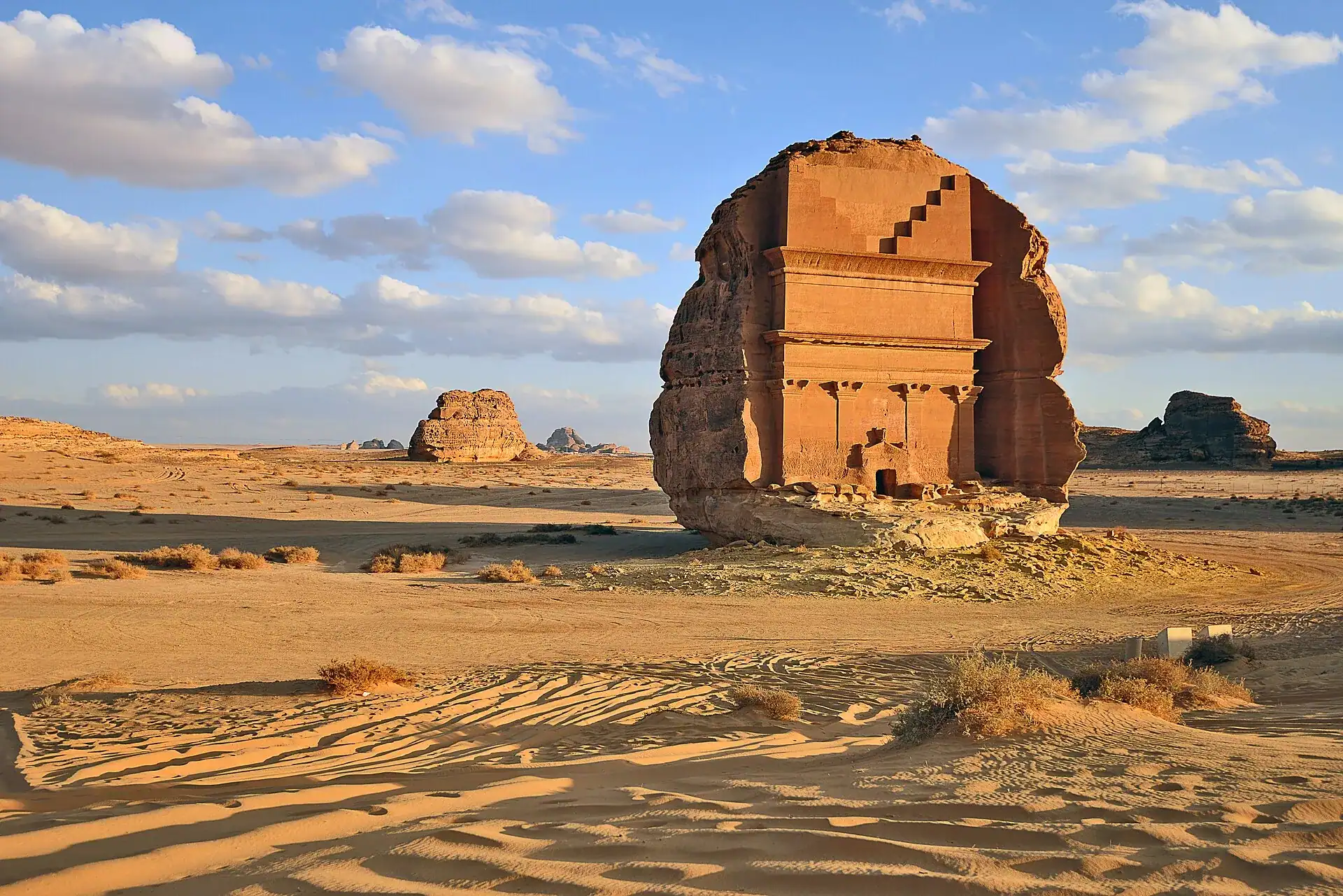 Photo: Ahmad AlHasanat / Wikimedia Commons (CC BY-SA 4.0)