Cost of Living in Isfahan
Where this figure comes from. No cost survey covers Isfahan, so the $600 a month above is our own estimate rather than a measurement. On 416 of our 999 city guides the figure is built from a published Numbeo basket, a one-bedroom rent in the centre plus one person's monthly costs without rent, converted to USD; this city is not one of them. How we source everything.
Isfahan is extraordinarily cheap for a foreigner because the rial trades on a parallel market far weaker than any official rate, and $600 a month is comfortable rather than tight. Money must be brought in as physical euros or dollars and exchanged locally, since foreign cards do not function. A furnished one-bedroom apartment near Chahar Bagh, Julfa or the Si-o-se-pol area costs $150 to $350 a month, with older local apartments cheaper still. Food is the biggest bargain: $100 to $180 covers groceries and frequent restaurant meals, with a kebab plate or dizi under $4 and even a good traditional restaurant on Naqsh-e Jahan square rarely exceeding $10. An Irancell or Hamrahe Aval SIM with data costs $5 to $12. Formal coworking, where it exists, runs $40 to $90. Utilities are heavily subsidised at $15 to $40. Transport is under $30. Value is exceptional, access is the problem. Fuel is subsidised to a degree that has no equivalent anywhere, so a tank of petrol costs a couple of dollars and a domestic flight across the country costs less than a short taxi ride in Europe. Internal travel is effectively free once you are inside the borders. Bus and rail fares sit on the same scale, so distance stops being a budget consideration at all.
Where to Work in Isfahan
The Julfa quarter, the historic Armenian district around Vank Cathedral, is the most pleasant base: walkable, full of specialty cafes with reliable wifi, and close to the Zayanderud bridges. The Chahar Bagh Abbasi axis and the streets north of Naqsh-e Jahan square are more central and better connected. Isfahan has a genuine startup and university scene tied to Isfahan University of Technology and the Isfahan Science and Technology Town, which hosts incubators and shared workspaces, but public coworking aimed at foreigners barely exists. Cafes are the default office and the local cafe culture is strong. The critical caveat is the internet. Iran filters aggressively: WhatsApp, Telegram, YouTube, Instagram, X, most Google services and many Western sites are blocked or throttled, so a working VPN installed and tested before arrival is mandatory. Speeds are modest, with international routing slow and periodic nationwide slowdowns or shutdowns during unrest. The river the city was built around now runs dry for most of the year, diverted upstream to steel mills and farmland, and the great bridges stand over sand. The water question is the single biggest constraint on the local economy and a live political grievance rather than a curiosity for visitors.
Getting Around Isfahan
Isfahan is one of Iran's most walkable large cities, with the historic core around Naqsh-e Jahan square, the bazaar, the Jameh Mosque and the river bridges all covered on foot. Snapp is the ride-hailing app everyone uses and it is startlingly cheap: most trips across the city cost $0.50 to $2, though registration requires an Iranian phone number, so buy a SIM on arrival. Tapsi is the main alternative. Street taxis operate as shared services along fixed corridors for pennies, and private hire is negotiated. A single metro line runs north to south through the centre and a bus rapid transit network fills gaps, with fares of a few cents. Isfahan Shahid Beheshti airport lies about 25 kilometres northeast, roughly 30 minutes by Snapp for a few dollars, though most visitors arrive by domestic flight or by the comfortable overnight train and bus links from Tehran and Shiraz. No car is needed.
Sorting transport? Book an airport transfer, or compare car rental on Auto Europe and QEEQ.
Visas for Isfahan
Iran requires a visa in advance for nearly all Western nationals, obtained through an authorisation code process: an application is submitted, typically via an Iranian travel agency, the Ministry of Foreign Affairs issues a reference or authorisation code, and the visa is then collected at an Iranian consulate or, for many nationalities, at the airport on arrival. Tourist visas are usually 30 days, extendable once or twice inside Iran at a provincial police immigration office, including in Isfahan, for a total of up to 90 days. Two hard rules dominate. Citizens of the United States, the United Kingdom and Canada cannot travel independently: they must book a guided tour or a licensed private guide accompanying them throughout, and the itinerary forms part of the visa application. Second, international sanctions mean Visa, Mastercard and foreign ATM cards do not work anywhere in Iran, so all money must be carried in cash or loaded onto a prepaid Iranian tourist debit card on arrival. No digital nomad visa exists.
Best Time to Visit Isfahan
Isfahan sits at roughly 1,570 metres on the arid central plateau, so the climate is dry with wide daily temperature swings and four distinct seasons. April and May are the best months, with highs of 22 to 30 Celsius, blossom in the gardens and the pleasantest conditions for walking the old city. October and early November are equally good, warm by day and cool at night. Summer, June through August, is hot and very dry at 35 to 40 Celsius, though low humidity and cool evenings make it more tolerable than Gulf heat; midday is still lost to the shade. Winter, December to February, is cold, with frost, occasional snow and highs near 8 to 12 Celsius, and poorly heated buildings. Nowruz, the Persian new year around 21 March, is the biggest holiday: everything is booked and crowded for two weeks. Ramadan closes daytime restaurants and requires visible discretion about eating in public.
Pros and Cons of Isfahan
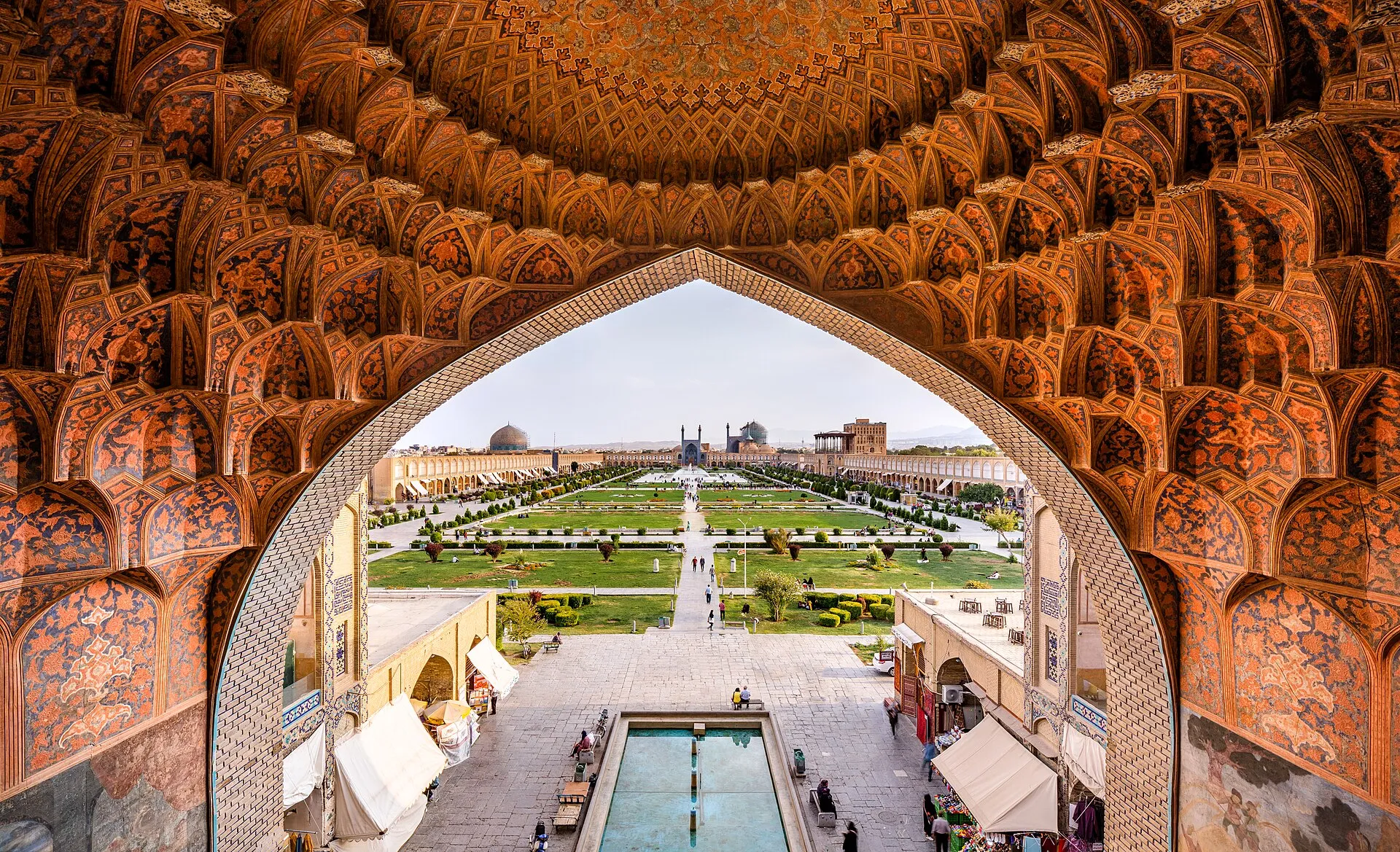
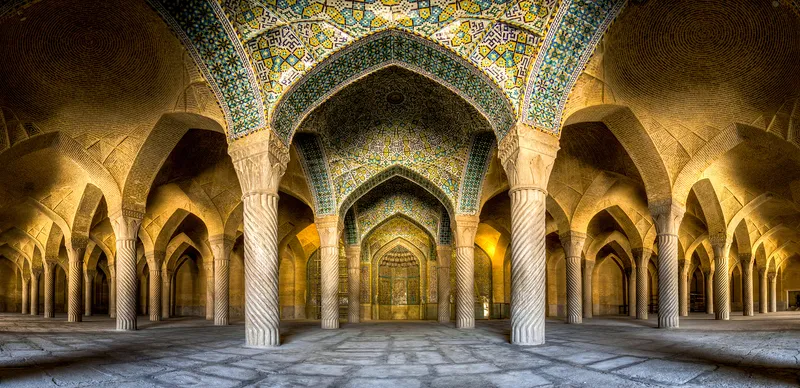
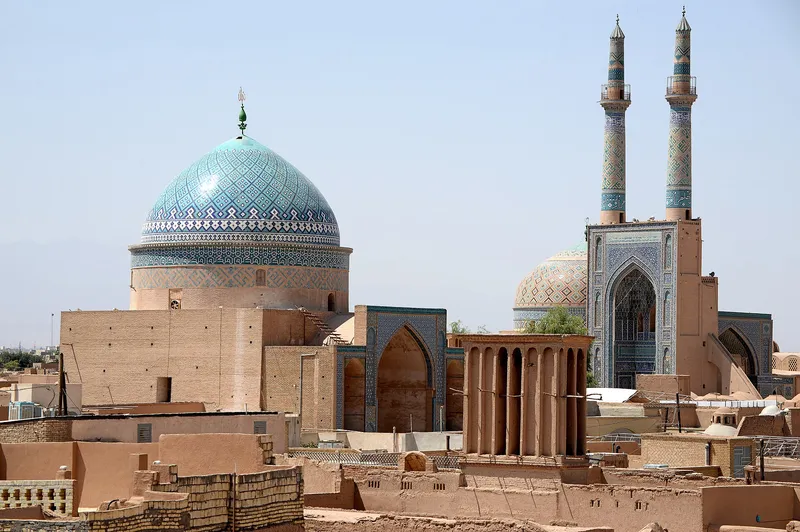
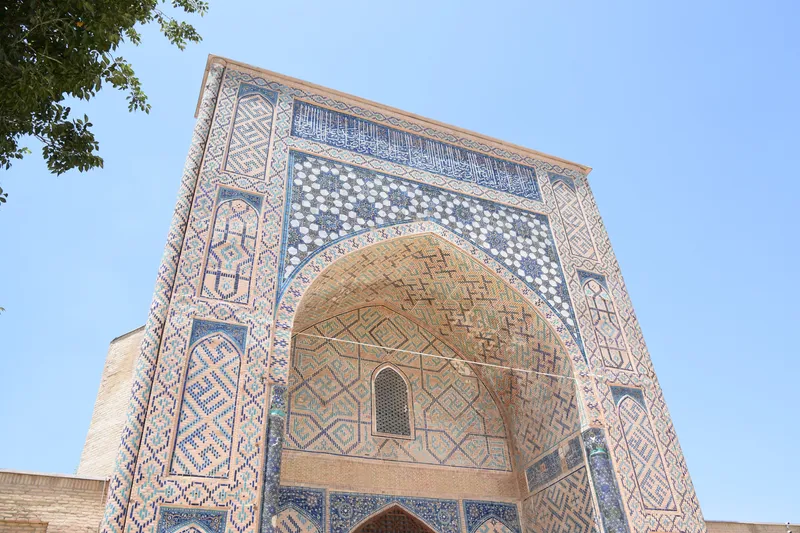
Isfahan is one of the great historic cities of the world, with Naqsh-e Jahan square, the Sheikh Lotfollah and Shah mosques, the covered bazaar, the Safavid bridges and the Armenian quarter all within walking distance, and Iranian hospitality toward foreign visitors is genuinely exceptional. Costs are among the lowest anywhere for a comparable quality of urban life, food is superb, crime against foreigners is very rare, and the city is calm and orderly. The drawbacks are severe for a working nomad. The internet is filtered, slow internationally and occasionally cut entirely, which makes client-facing work precarious. No foreign bank card, payment app or international service functions, so income cannot be accessed locally and cash must be imported. There is no nomad community whatsoever. Dress codes and headscarf rules are enforced for women, alcohol is illegal, dual nationals face real detention risk, and geopolitical volatility can close airspace without warning.
Who Isfahan Is For
Isfahan makes sense for the culturally motivated traveller rather than the conventional remote worker: someone spending weeks on Islamic architecture, Persian language study, carpets, miniature painting or regional history, who can front-load their income and work in low-bandwidth bursts. It rewards experienced independent travellers comfortable with cash economies, conservative social codes and unfamiliar bureaucracy, and it is a strong stop on an overland route through Tehran, Kashan, Yazd and Shiraz. Anyone whose work depends on stable video calls, cloud tools, foreign payment rails or predictable connectivity should not attempt to base here, and US, UK and Canadian passport holders face the additional cost and rigidity of a mandatory guide. Women unwilling to observe mandatory hijab, travellers who want nightlife or alcohol, dual Iranian nationals, and anyone who needs the reassurance of consular support should choose elsewhere entirely.