Cost of Living in Aqaba
Where this figure comes from. No cost survey covers Aqaba, so the $1,130 a month above is our own estimate rather than a measurement. On 416 of our 999 city guides the figure is built from a published Numbeo basket, a one-bedroom rent in the centre plus one person's monthly costs without rent, converted to USD; this city is not one of them. How we source everything.
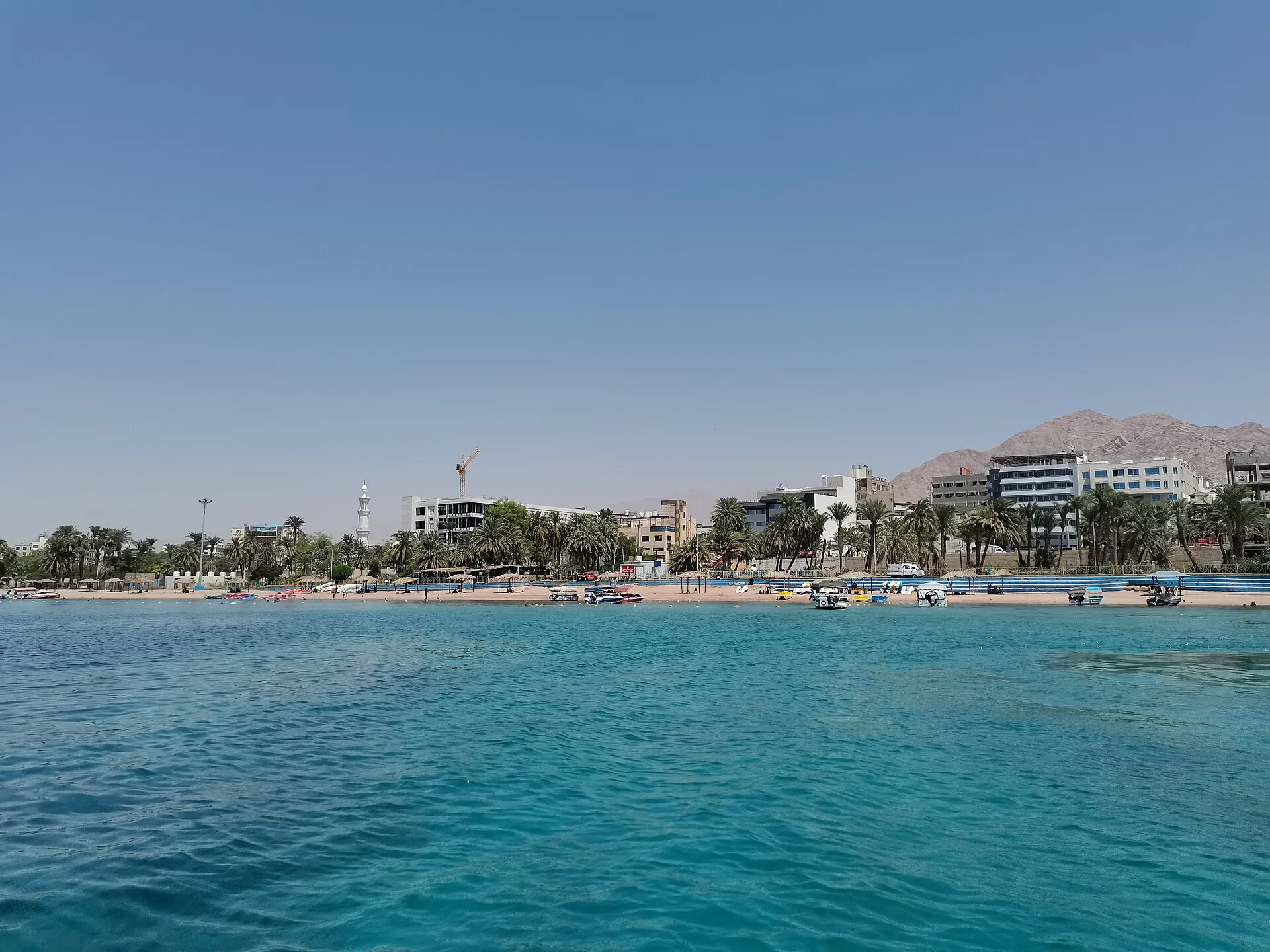
Aqaba is one of Jordan's more affordable cities, with a noticeable gap between the tourist resort zone and the ordinary city neighborhoods where locals and longer-stay expats actually rent.
- Rent, central apartment (1BR): $425-565/month
- Rent, cheaper residential area: $255-365/month
- Groceries (one person): $85-125/month from local markets and supermarkets
- Eating out, inexpensive local meal: $4-7
- Eating out, mid-range restaurant for two: $35-56
- Coworking hot desk: roughly $135-195/month at Hakaia Community, the main option in the city
- Local transport (taxis, daily): $3-7/day; monthly transport pass around $35
Realistic monthly total: A solo remote worker living modestly, cooking at home, and renting outside the center can manage on $985-1,270/month. Living centrally with daily restaurant meals and a coworking membership pushes closer to $1,550-1,970/month. Alcohol is expensive and sold mainly at hotel bars and a handful of licensed restaurants, so that can add up quickly if you drink regularly.
Where to Work
Aqaba's remote work infrastructure is thin compared to Amman, but it is improving.
Coworking
Hakaia Community on King Talal Street downtown is the clearest dedicated coworking option in the city. It operates as a hostel-coworking hybrid targeting digital nomads and backpackers, with desks, a shared kitchen, outdoor terrace, and reliable WiFi. It relocated to a larger space in late 2025. Monthly rates run around $135-195. If you need a private office or a formal serviced workspace, you will likely need to use a hotel business center or look toward Amman.
Cafe Work Culture
Aqaba's cafe scene has grown with the Ayla Oasis marina development, and several spots tolerate laptop workers, especially on weekdays when they are quieter. V60 Specialty Coffee Roasters on Al Sa'ada Street is the most commonly cited laptop-friendly option in the downtown core. The Ayla marina cafes have decent WiFi but seating fills up evenings and weekends with social groups.
WiFi Reality
4G coverage from Zain and Orange Jordan is strong across the city and a solid backup if cafe or coworking WiFi disappoints. Hotel business centers at larger properties like the Hyatt Regency Ayla or Kempinski can work in a pinch if you need a video-call-safe environment and are staying there.
Getting Around
Within the City
The downtown core is walkable, and you can reach most restaurants, the waterfront promenade, and local shops on foot from a central apartment. The Ayla Oasis development to the north is a 15-20 minute cab ride from downtown and harder to walk to conveniently. Aqaba's taxis are green and blue (the ASEZA colors) rather than Jordan's standard yellow. Careem and Uber do not operate in Aqaba, so you flag taxis on the street or negotiate a fixed fare. Rides within the city typically cost $3-5.50. Local minibuses exist but routes are limited and schedules unreliable.
Airport
King Hussein International Airport (AQJ) sits about 10 km from the city center, roughly a 10-15 minute taxi ride. Expect to pay $14-21 for a cab from the terminal. There is no public bus connection. Some hotels run shuttle services for incoming guests.
Leaving Aqaba
JETT buses connect Aqaba to Amman (4-5 hours, around $14). There are also land crossings into Israel (Wadi Araba crossing) and Saudi Arabia (Al Durra crossing), plus a passenger ferry to Nuweiba, Egypt. The ferry and the Israel crossing make Aqaba a useful regional hub for border runners looking to reset their visa.
Sorting transport? Book an airport transfer, or compare car rental on Auto Europe and QEEQ.
Visas and Staying Long-Term
Jordan offers a visa on arrival for most Western and many other passports. Arrivals specifically through Aqaba, whether by air, sea, or land crossing, receive this visa free of charge under the ASEZA special economic zone rules. The standard duration is 30 days.
You must register with ASEZA within 48 hours of arrival or face a daily fine of $2. Extensions are handled at the ASEZA office in Aqaba, not at a police station. Extensions of up to three months are possible, typically at a fee of around $56. Note: if you entered via Aqaba but exit through a different border, you will pay a $14 land exit tax.
Jordan does not currently offer a dedicated digital nomad visa. For stays beyond three months, most nomads do a border run to reset their entry. There is no official freelancer or remote worker residence program as of mid-2026.
Best Time to Visit
Aqaba has a hot desert climate with almost zero rainfall year-round, so timing is mostly about temperature.
Best window for remote work: October through April. Daytime highs sit between 20-29C (68-84F), evenings are pleasant, the Red Sea is warm enough to snorkel, and the city is less crowded than summer. November and December offer particularly good value with lower hotel prices. March and April bring mild conditions ideal for working mornings and exploring afternoons.
Avoid June through September if you can. July and August highs routinely reach 38-42C (100-108F), making outdoor movement before late afternoon miserable. The tourist season peaks in summer despite the heat, which drives prices up at resort properties. Working remotely through a Jordanian summer is entirely possible if you have good air conditioning, but it reduces the appeal of the setting significantly.
Ramadan brings quieter streets and reduced restaurant hours during the day. It can be a peaceful time to work, but plan meals accordingly.
Pros and Cons
- Low cost: Affordable rent, cheap taxis, and inexpensive local food stretch a moderate budget far
- Red Sea access: World-class snorkeling and diving literally minutes from downtown
- Mild winters: Warm, sunny weather from October to April when most of Europe and North America are cold
- Safe and easy to navigate: Low petty crime, compact city, locals generally welcoming to foreigners
- Good connectivity for the region: Direct flights from several European cities; easy crossing to Israel and Egypt
- Free visa on arrival for most passports: No advance visa appointment or fee for most travelers entering via Aqaba
- Limited coworking: Hakaia Community is essentially the only dedicated option; cafe work culture is thin
- Small expat and nomad community: Networking and social life require more effort than in Amman
- No dedicated nomad visa: Stays longer than a few months require repeated border runs or extension paperwork
- Brutal summers: Four to five months of extreme heat significantly limits outdoor quality of life
- Alcohol availability is limited: Licensed restaurants and hotel bars only; prices are high
- Limited English in some areas: Tourist zone is fine, but daily errands in residential areas can need basic Arabic
Who Aqaba Is Best For
Aqaba suits you well if you are a diver or snorkeler who wants easy Red Sea access as a daily reward for finishing your work, or if you are traveling a slow circuit through the Middle East and want a warm, affordable stop between Jordan's major sights and Egypt or Israel. It works particularly well for solo nomads who are comfortable in smaller cities and do not need a buzzing coworking community around them. Writers, developers, and designers who work independently and only need a reliable internet connection and a decent cafe will find Aqaba easy to settle into for a month or two, especially between October and April.
Skip Aqaba if you need a deep pool of coworking spaces, regular in-person networking, or a lively digital nomad social scene. It is also not the right choice if you plan to visit during summer and rely on outdoor exploration to balance sedentary work days. Amman offers significantly more infrastructure for longer stays and those who need reliable, varied coworking options. Aqaba rewards the traveler who wants a quieter, nature-focused working holiday more than the nomad who needs urban coworking energy.