Cost of Living in Tel Aviv
Real market data
Source: Numbeo · September 2026
$3,560/moSolo nomad1-bed centre + living costs
$4,650/moCoupleshared 1-bed + costs
$2,990/moLean / localcheaper area + costs
- 1-bed rent, city centre$2,190₪6,696
- 1-bed rent, outside centre$1,620₪4,966
- Monthly costs excl. rent (1 person)$1,370₪4,174
- Meal, inexpensive restaurant$26₪80
- Monthly transit pass$100₪315
- Buy price, per m² (centre)$20,110₪61,500
Prices are from Numbeo (September 2026), converted to USD at $1 = ₪3.06 (01 Aug 2026). The monthly living-costs figure is our transparent one-person basket, groceries, a few meals out, utilities, phone, internet, transport and essentials, priced from those figures. Solo adds central rent; couple and lean are estimates from the same numbers.
There is no gentle way to put this: Tel Aviv is one of the most expensive cities in the world, and it will stretch most nomad budgets hard. Rent is the big one. A one-bedroom apartment in a central neighborhood typically runs $2,290 to $3,920 per month, while moving to a cheaper area or an older building further from the center can bring a one-bedroom down to $1,770 to $2,290. Short-term and furnished lets cost noticeably more, and most long leases expect a Hebrew-speaking guarantor, so many nomads land on sublets or rooms.
Beyond rent, expect the following rough monthly figures for one person:
- Groceries: $390 to $590, lower if you shop discount chains like Rami Levy or Victory and the open-air shuks.
- Eating out: a simple meal is around $26, a mid-range dinner for two around $130, and a cappuccino is now $4.50 to $5.
- Coworking hot desk: roughly $260 to $490 per month, or about $38 for a day pass.
- Local transport: a Rav-Kav monthly pass covering greater Tel Aviv is about $74.
Add utilities, a local SIM, and a little social life, and a realistic all-in total for a single person lands around $3,270 to $5,230 per month. You can go lower with a shared flat and disciplined cooking, but Tel Aviv is not a place to come if you are trying to save.
Where to Work
Tel Aviv is a genuine tech capital, and it shows in the work culture. Coworking is everywhere and well run. Mindspace has design-heavy branches on Rothschild, Ahad Ha'am, and Herzl, with day passes and short memberships aimed at remote workers. WeWork runs several sites including Sarona and the Midtown tower, and its All Access pass lets you hop between locations. Both offer fast WiFi, meeting rooms, phone booths, and a steady stream of startup events if you want to plug into the scene.
Cafe work is also part of the DNA here. Plenty of spots welcome laptops for a long stretch, and the connectivity is excellent: Israel has some of the fastest broadband in the world, mobile data is cheap and reliable, and you will rarely fight for a signal. If your work depends on solid uptime, this is one of the easier cities to trust. The one caveat is that cafes and many coworking desks fill up, so arrive early and always carry a backup plan for calls.
Getting Around
The core payment tool is the Rav-Kav, a rechargeable smart card (also available as an app) that works on buses, trains, and the light rail. Load pay-as-you-go credit or a monthly pass and tap on. Buses are the workhorse of the network and reach almost everywhere. The Red Line light rail, running from Petah Tikva through central Tel Aviv down to Bat Yam, has been reliable since opening and is a fast way to cross the city, with more lines under construction.
Tel Aviv is also flat, compact, and very walkable, and cycling is popular thanks to bike lanes and shared e-bikes and scooters. For most trips within the center you may not need transit at all.
One thing to plan around: Shabbat. From Friday afternoon until Saturday evening, most buses, trains, and the light rail stop running. Tel Aviv now runs limited weekend bus routes along some corridors, but service is thin, so on Shabbat you will lean on walking, cycling, taxis, or ride apps. For the airport, the train from Ben Gurion (TLV) Terminal 3 to central stations like HaShalom takes about 15 minutes and costs around $4.50, running roughly every 30 minutes on weekdays. That train also pauses for Shabbat, so a taxi or shared transfer is the fallback then.
Sorting transport? Book an airport transfer, or compare car rental on Auto Europe and QEEQ.
Visas and Staying Long-Term
Citizens of many countries, including the US, UK, Canada, Australia, and most of the EU, can enter visa-free as tourists for up to 90 days. Since January 2025, though, most visa-exempt travelers must obtain an ETA-IL (Electronic Travel Authorization) online before boarding. It costs about $8, is typically approved within 72 hours, and allows multiple entries over two years, each stay capped at 90 days.
The ETA-IL covers tourism and business only, not employment or study, and a tourist stamp does not grant the right to work locally. Extensions beyond 90 days are handled through the Population and Immigration Authority and are not guaranteed.
Best Time to Visit
Tel Aviv summers (roughly June through September) are hot and very humid, with sticky nights that make long working days uncomfortable without air conditioning. Winters (December through February) are mild and can be rainy but rarely cold. The sweet spot for remote work is the shoulder seasons: April to early June and September to November, when the weather is warm, the sea is swimmable, and the city is at its most pleasant for balancing work and beach time.
Pros and Cons
Pros:
- World-class tech scene, coworking, and startup networking.
- Excellent, fast, reliable internet almost everywhere.
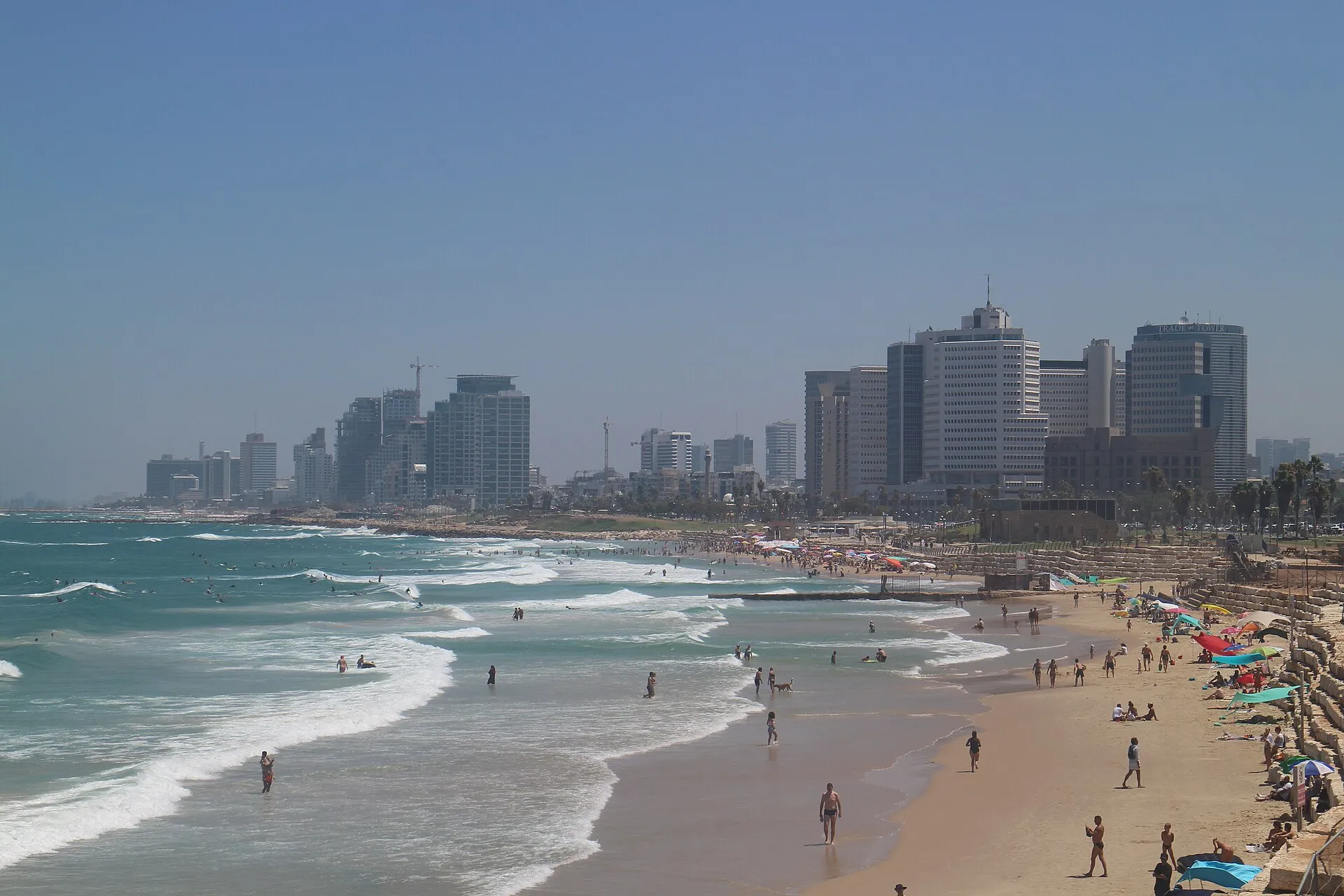
- Beach-city lifestyle: walkable, flat, cyclable, and warm most of the year.
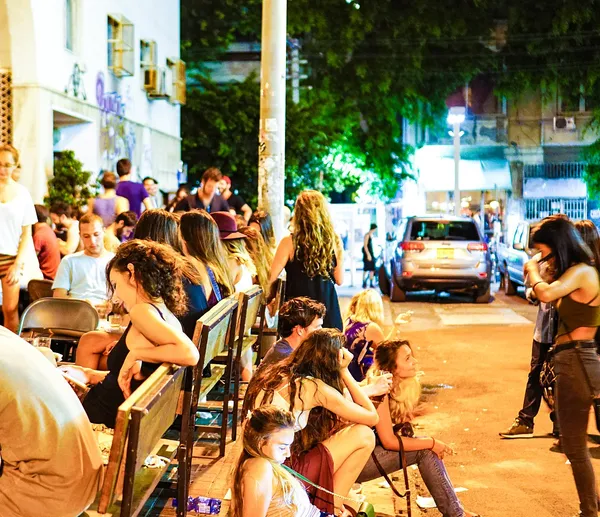
- Outstanding food, cafe culture, and nightlife.
Cons:
- Very high cost of living, especially rent.
- Regional security situation can shift quickly; check advisories.
- Shabbat shuts down most transit and many services each week.
- Long leases are hard for short-term visitors, and summer humidity is draining.
Who Tel Aviv Is Best For
Tel Aviv suits well-funded nomads and founders who want to be inside a serious tech and startup ecosystem, value fast infrastructure, and can absorb a high cost of living without flinching. If you thrive on a dense, social, beachside city and want top-tier food and events, you will love it here.
Skip it if you are on a tight budget, need cheap long-term housing, or want somewhere calm and predictable. Travelers who are uneasy about the regional security picture, or who cannot work around weekly Shabbat closures, will likely find other Mediterranean bases a better fit.