
Thailand's seasons and air
Every year, from roughly February to April, a haze settles over northern Thailand. Farmers burn their fields, forest fires add to it, and the mountains around Chiang Mai fade into a white smudge. On the worst days the city's air ranks among the dirtiest in the world. A few hundred kilometres south, on the islands, people are diving in clear water under a blue sky. That contrast explains more of this board than any single city does. Thailand is easy, cheap and welcoming almost everywhere; where you should be depends on the month and on what you are willing to breathe.
Why a small island leads
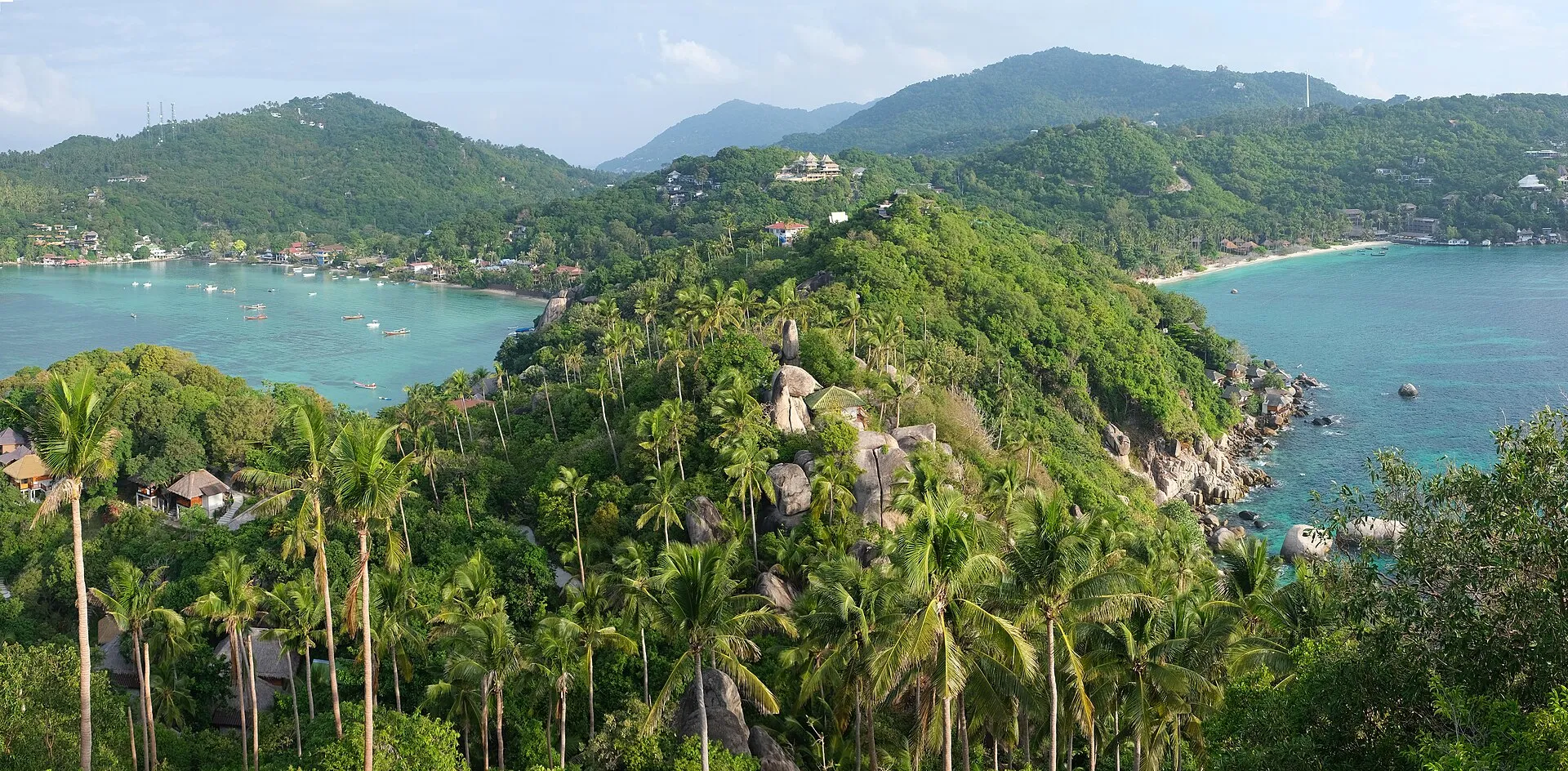
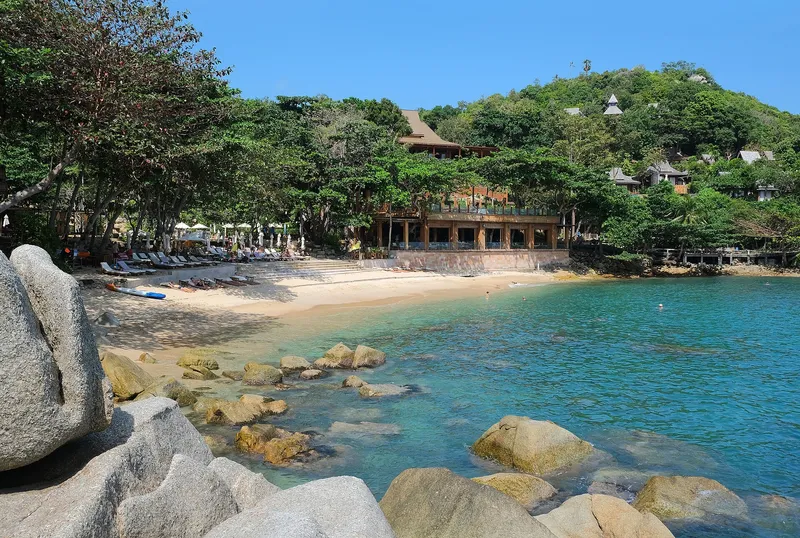
Koh Tao sits on top because it does a few simple things very well. It is one of the cheapest places in the world to learn to dive, the island is small enough to cross on a scooter in twenty minutes, life is outdoors, and a month costs around $1,000. Internet has improved enough for most video calls. It is not for everyone: the island is quiet in the evenings outside the dive bars, and the nearest hospital worth the name is a boat ride away.
The B row: the classic bases
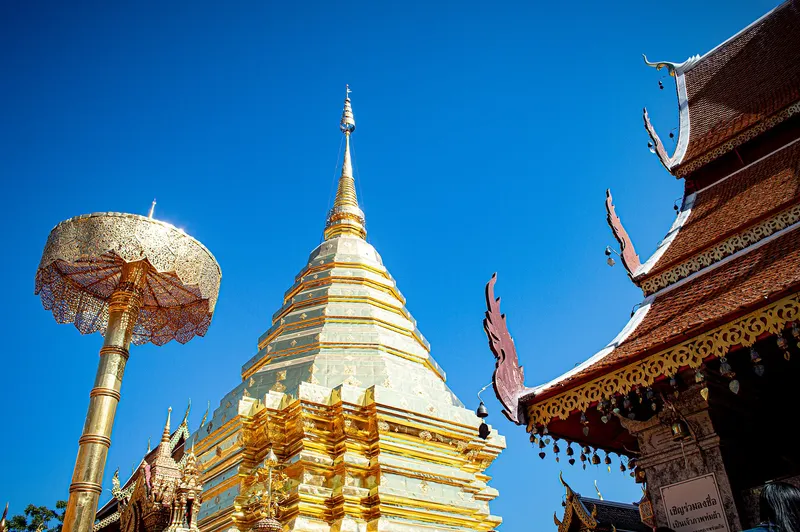
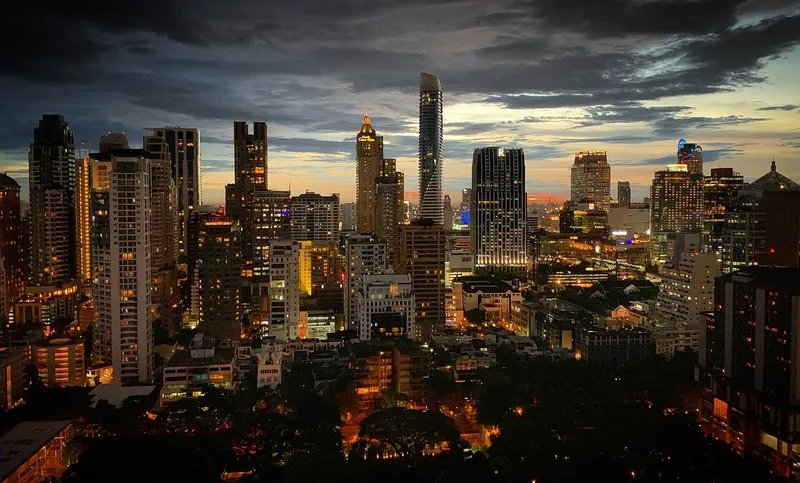
Chiang Mai is the city that put Thailand on the remote-work map, and for eight or nine months of the year it deserves every bit of its reputation: a walled old town full of temples, cafés built for laptops, a huge community and very low costs. The burning season is the reason it is not higher, and many long-stayers simply leave from February to April. Bangkok is the opposite kind of place, a vast, humid capital with the Skytrain gliding over gridlocked roads, street food on every corner and the best hospitals in the region. It costs more, around $2,200 a month, and the heat never really lets up.
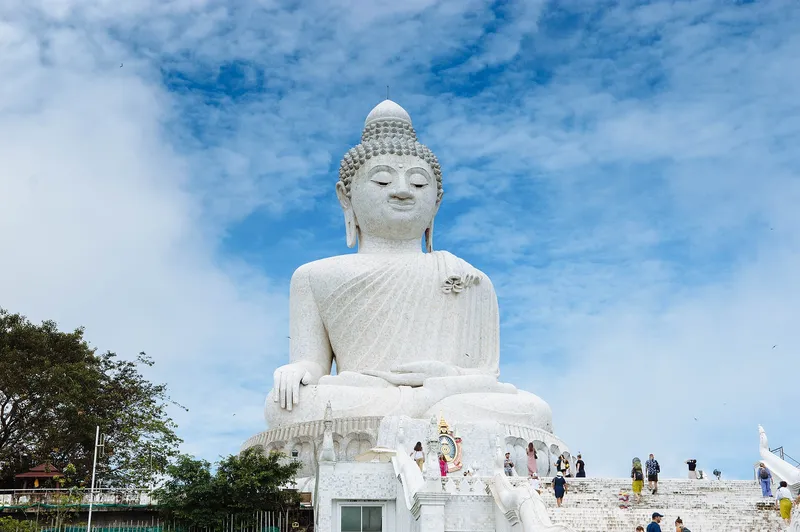
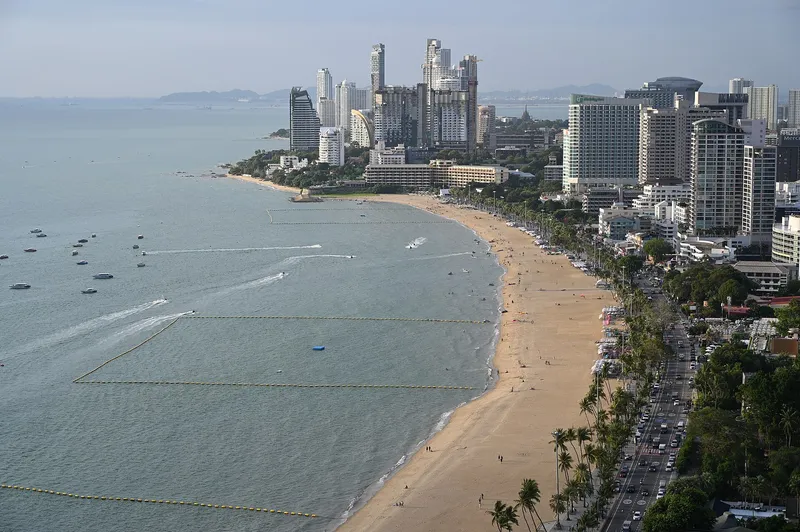
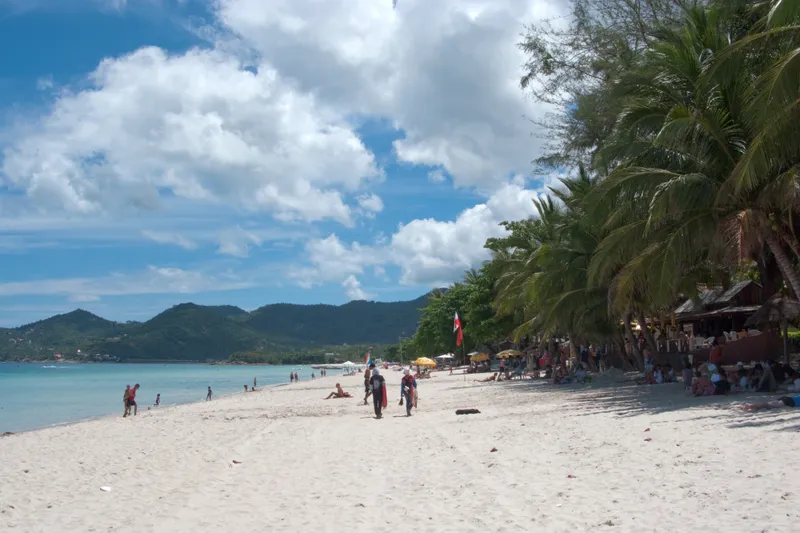
The islands and coast fill the rest of the row. Phuket has the infrastructure and the international schools, and prices to match. Koh Phangan has become a base for yoga, wellness and remote work away from the Full Moon parties it is famous for. Koh Lanta is the gentle option, a long island of sunset beaches with a small, loyal coworking scene, and Chiang Rai is a calmer, cheaper version of Chiang Mai with the same burning season. Pattaya is a city most people have already formed an opinion about; its newer neighbourhoods towards Jomtien are quieter and good value.
The lower rows
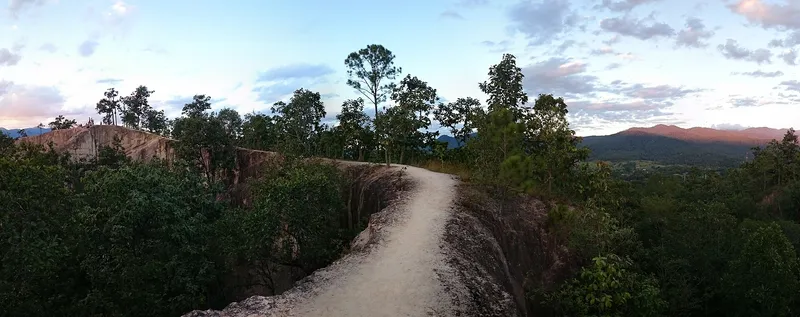
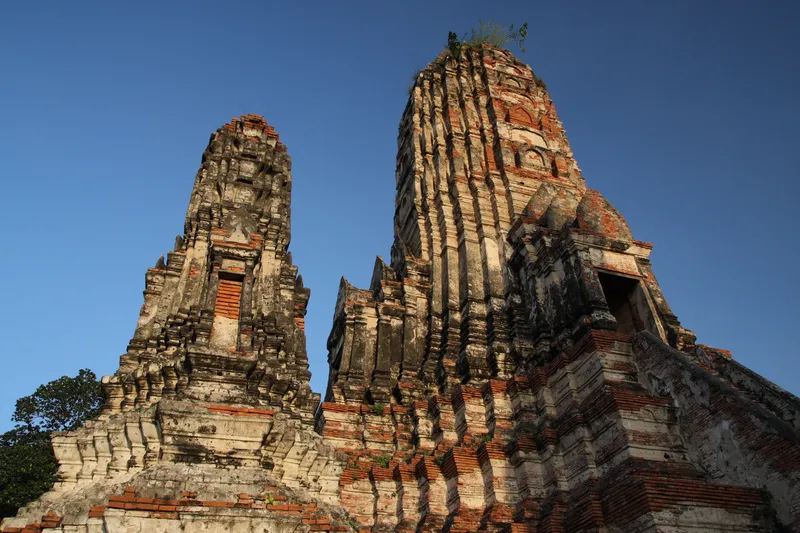
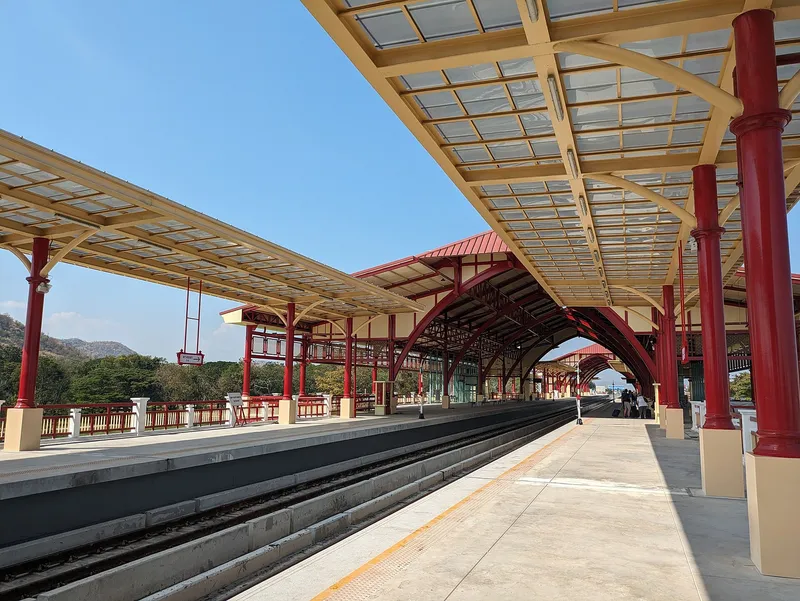
Pai is a backpacker valley that many people love for a week, but it is small, its connections are slow, and it sits squarely in the smoke from February. Koh Samui and Krabi have beautiful beaches and are built mostly around holidays rather than working weeks. Hua Hin, the old royal beach town, is pleasant but quiet, with a crowd that skews older and few people working remotely. Ayutthaya and Udon Thani are inexpensive and very Thai, which is exactly why they suit people who want to step outside the circuit.
Festivals that change the city
Two festivals are worth planning around. In mid-April, Songkran, the Thai new year, turns whole cities into a water fight: you will not get across Chiang Mai's old town or Bangkok's Silom Road without being soaked, and many businesses close for several days. In November, Chiang Mai celebrates Yi Peng alongside Loy Krathong, releasing paper lanterns into the night sky and floating small candlelit offerings on the river, one of the most beautiful evenings anywhere in Asia.
The everyday rhythm matters just as much. In Chiang Mai, most remote workers gravitate to the cafés and coworking spaces around Nimman Road, while in Bangkok they tend to choose neighbourhoods along the Skytrain such as Ari or Thonglor, where a short walk replaces the city's famous traffic.
Before you book
The monsoon arrives on the Andaman side, Phuket, Krabi and Koh Lanta, from around May to October, while the Gulf islands of Koh Samui, Koh Phangan and Koh Tao get their heaviest rain later, from about October to December. Moving between the two coasts with the seasons is the oldest trick for staying in Thailand all year.
For staying longer, the Destination Thailand Visa launched in 2024 lets remote workers stay up to 180 days per entry over five years, on proof of savings. The nomad visa comparison covers the details, and the Thailand ranking puts these cities side by side on cost, wifi and community.
Each of these cities has its bad months, and they rarely overlap. Our guide to Thailand for digital nomads sets out the seasons, along with the visa.