Cost of Living in Gaziantep
Real market data
Source: Numbeo · September 2026
$620/moSolo nomad1-bed centre + living costs
$850/moCoupleshared 1-bed + costs
$510/moLean / localcheaper area + costs
- 1-bed rent, city centre$330₺15,535
- 1-bed rent, outside centre$230₺10,699
- Monthly costs excl. rent (1 person)$290₺13,752
- Meal, inexpensive restaurant$5₺235
- Buy price, per m² (centre)$960₺45,667
Prices are from Numbeo (September 2026), converted to USD at $1 = ₺47.54 (01 Aug 2026). The monthly living-costs figure is our transparent one-person basket, groceries, a few meals out, utilities, phone, internet, transport and essentials, priced from those figures. Solo adds central rent; couple and lean are estimates from the same numbers.
Budget around $620 a month as a solo remote worker in Gaziantep, which makes it one of the cheaper large cities in Turkey and considerably below Istanbul or the coastal resorts. A one-bedroom apartment runs roughly $200 to $400 depending on district. Food is the great bargain here: this is a city that takes eating seriously and does it at prices that are trivial by European standards, with a full kebab meal a few dollars. Turkish inflation has been high for several years, so any figure should be rechecked close to travel, and for anyone earning in a hard currency the effective cost keeps falling. Fibre runs about $10 to $20 a month at good speeds and coworking $60 to $120. The lira's decline has been the dominant economic fact of the past several years, and while it makes a foreign income go remarkably far, it also means rents quoted in lira can be renegotiated upward mid-lease, which is a normal Turkish practice rather than a landlord being difficult. Baklava from one of the established Gaziantep houses is a few dollars a portion and is the thing the city is known for worldwide.
Where to Work in Gaziantep
Gaziantep is a substantial industrial and commercial city with real infrastructure, and fixed fibre in the central and newer districts is fast and cheap by any measure. Mobile data is reliable and inexpensive. Formal coworking exists but is limited and oriented towards local businesses rather than foreigners. The recurring practical issue in Turkey is regulatory rather than technical: access to specific platforms is periodically restricted, and a reliable VPN is standard equipment for anyone working here. The city's universities and its large manufacturing sector mean business-grade connections are available if you need one. Turkey sits three hours ahead of GMT year-round since it abandoned daylight saving in 2016, which gives a full European overlap and a workable early-afternoon window with the American east coast. The city's industrial base in textiles, food processing and machinery is substantial enough that Gaziantep exports more than most Turkish provinces, and the business infrastructure reflects that rather than the tourism sector.
Getting Around Gaziantep
Gaziantep has a tram line and an extensive bus network, both cheap, and dolmus minibuses fill the gaps. The historic core around the castle, the copper bazaar and the Zeugma museum is walkable, though the city as a whole is large and spread out. Taxis are inexpensive. The airport has good domestic connections and some international routes. Driving standards are poor and traffic is heavy, which is the main daily hazard. The city sits close to the Syrian border, which shapes its recent history and its population, and travel south of it is restricted. Zeugma is about an hour east near Belkis on the Euphrates, and the museum in the city holds the mosaics rescued before the Birecik dam flooded the site in 2000, including the Gypsy Girl. Halfeti, where part of an Ottoman village sits half-submerged by the same reservoir, is a boat trip from there and one of the stranger landscapes in Turkey. Rumkale, a fortress on a rock promontory where the Euphrates meets the Merzimen, is reached only by boat and is among the most striking sites in the southeast.
Sorting transport? Book an airport transfer, or compare car rental on Auto Europe and QEEQ.
Visas for Gaziantep
Turkey sits outside both the European Union and the Schengen area, so time spent here does not count against a Schengen allowance, which is the main structural advantage for anyone cycling through Europe. Most Western nationals enter visa-free or on an e-visa for up to 90 days within any 180-day period under Turkey's own separate rules. Turkey does offer a Digital Nomad Visa: citizens of 36 listed countries, the EU apart from Cyprus, the UK, the US and Canada among them, who are 21 to 55, hold a degree and earn $3,000 a month from outside Turkey can get a Digital Nomad Identification Certificate online and then apply for the visa at a consulate. Longer stays require a short-term residence permit, the ikamet, which has become considerably harder to obtain in recent years and is refused in districts where the foreign population share exceeds a government cap. The residence permit cap is the practical obstacle worth researching first: the interior ministry has closed a large number of neighbourhoods across Turkey to new foreign registrations where foreigners exceed a set share of residents, and the list changes, so an address that qualifies this month may not next.
Best Time to Visit Gaziantep
April to early June and September to October are the comfortable seasons, with warm dry days and cool nights. Spring brings the surrounding countryside into flower and is the best time for the region's archaeological sites. Summer from late June to August is genuinely hot, regularly above thirty-five and sometimes past forty, with very low humidity and cold nights that take the edge off. Winter is cold for the latitude, with January nights near or below freezing and occasional snow, and the city sits high enough that this surprises people expecting a Mediterranean pattern. Rain falls mostly in winter and spring. The February 2023 earthquakes were centred not far from here and Gaziantep, while less damaged than Antakya or Kahramanmaras, lost buildings and took in very large numbers of displaced people. Reconstruction across the region is ongoing and shapes both the housing market and the character of the city. The pistachio harvest runs through September and the region around the city produces the small, intensely flavoured Antep variety that the baklava depends on.
Pros and Cons of Gaziantep
Gaziantep is a UNESCO City of Gastronomy and the claim is not decorative: this is one of the great food cities of the region, from the pistachio baklava to the copper bazaars where the pots are still made. The Zeugma museum holds Roman mosaics of the first rank, the castle anchors a real old town, and the cost of living is very low. English is barely spoken, there is no foreign community at all, alcohol is less available than on the coast, and the city's proximity to the Syrian border and its 2023 earthquake damage are part of the current context. Gaziantep also has one of the largest Syrian populations of any Turkish city, which has reshaped its food, its commerce and its politics over the past decade, and is part of why the city feels less like the rest of Turkey than its size would suggest.
Who Gaziantep Is For
The food and the archaeology bring people, and being the only foreigner in most rooms is the condition, eased by some Turkish or the willingness to acquire it. A large, functioning, genuinely local Turkish city at very low cost is the whole offer, and the one condition attached is not needing a scene to arrive into. English will not get a visitor through a day, evenings here revolve around food rather than bars, and no international community has settled in the city. The regional situation is the larger question. Anyone considering a longer stay should look closely at the current residence permit position, since Gaziantep's status can change. Humanitarian and development work explains this city better than anything else does. The concentration of international organisations running the Syrian response turned Gaziantep into an unlikely hub for that sector, and the jobs are genuinely here rather than in Ankara or Istanbul. Measured against Antalya or Izmir, Gaziantep offers none of the coastal expatriate infrastructure and considerably more of the country.
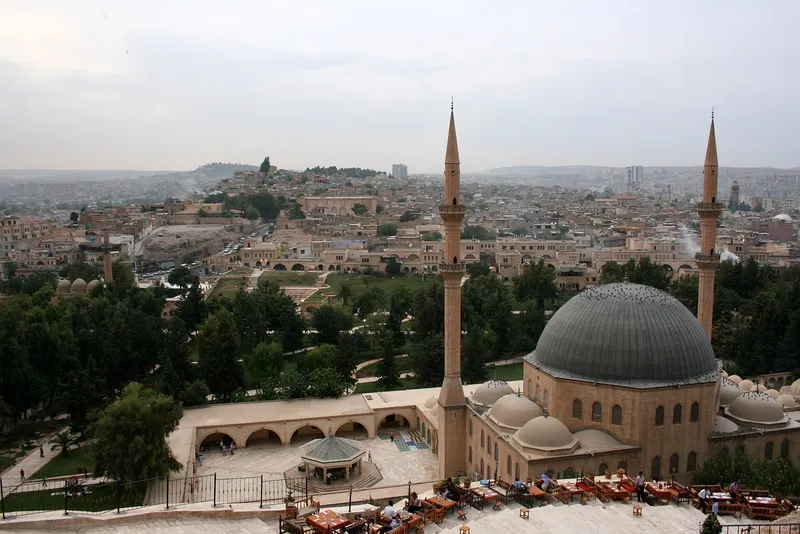
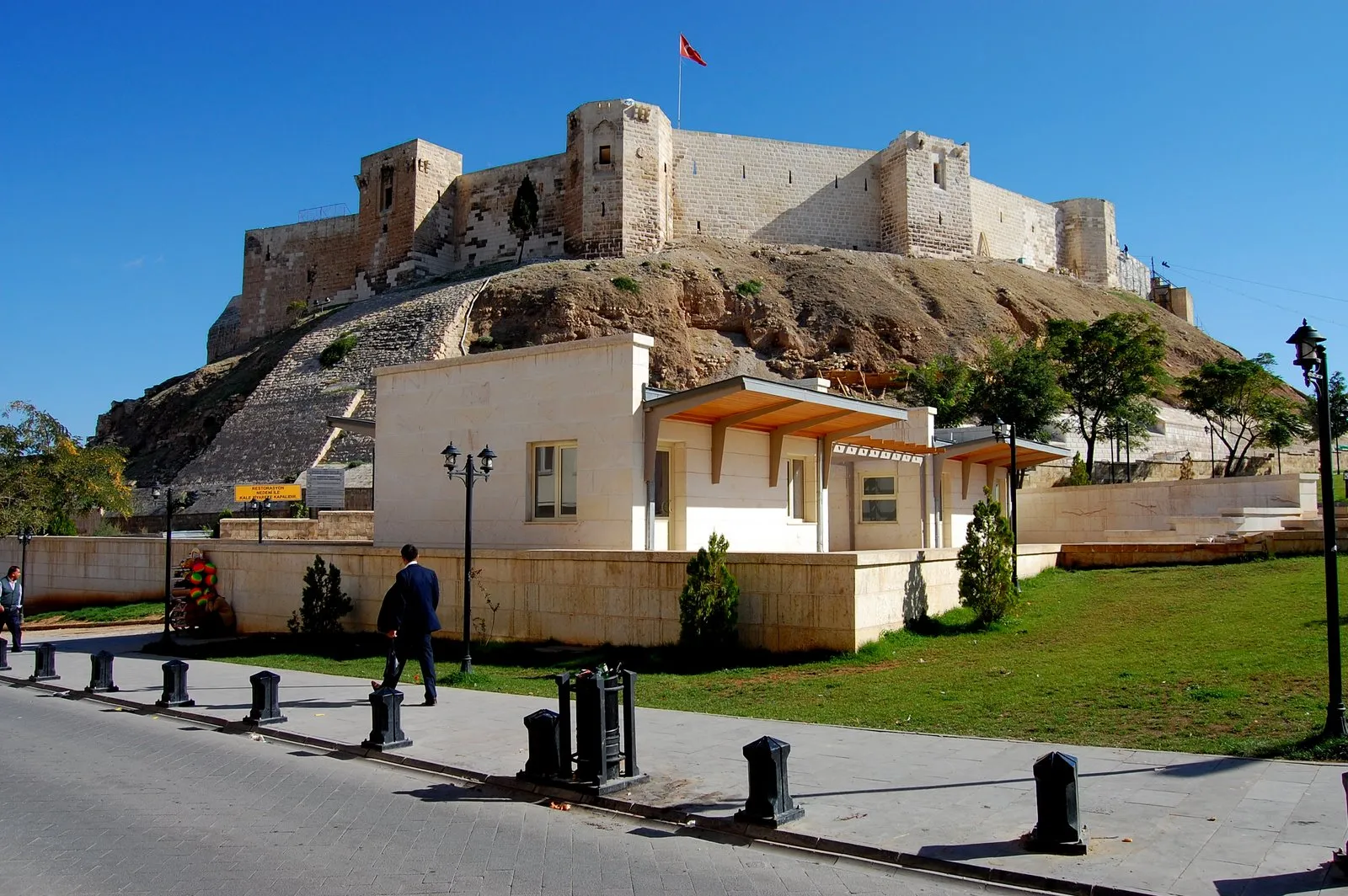 Photo: Mxcil / Wikimedia Commons (CC BY-SA 3.0)