How Portugal's cities rank
Take the Alfa Pendular from Lisbon's Santa Apolónia and you are in Porto in under three hours, with eucalyptus, vineyards and the lagoons around Aveiro sliding past the window. That ride is a fair summary of this whole list. Portugal is small, the trains and motorways are good, and almost every city above sits close enough to another that choosing one is never a life sentence. The real question is not which city is best, but what kind of month you want to have.
Lisbon and Porto
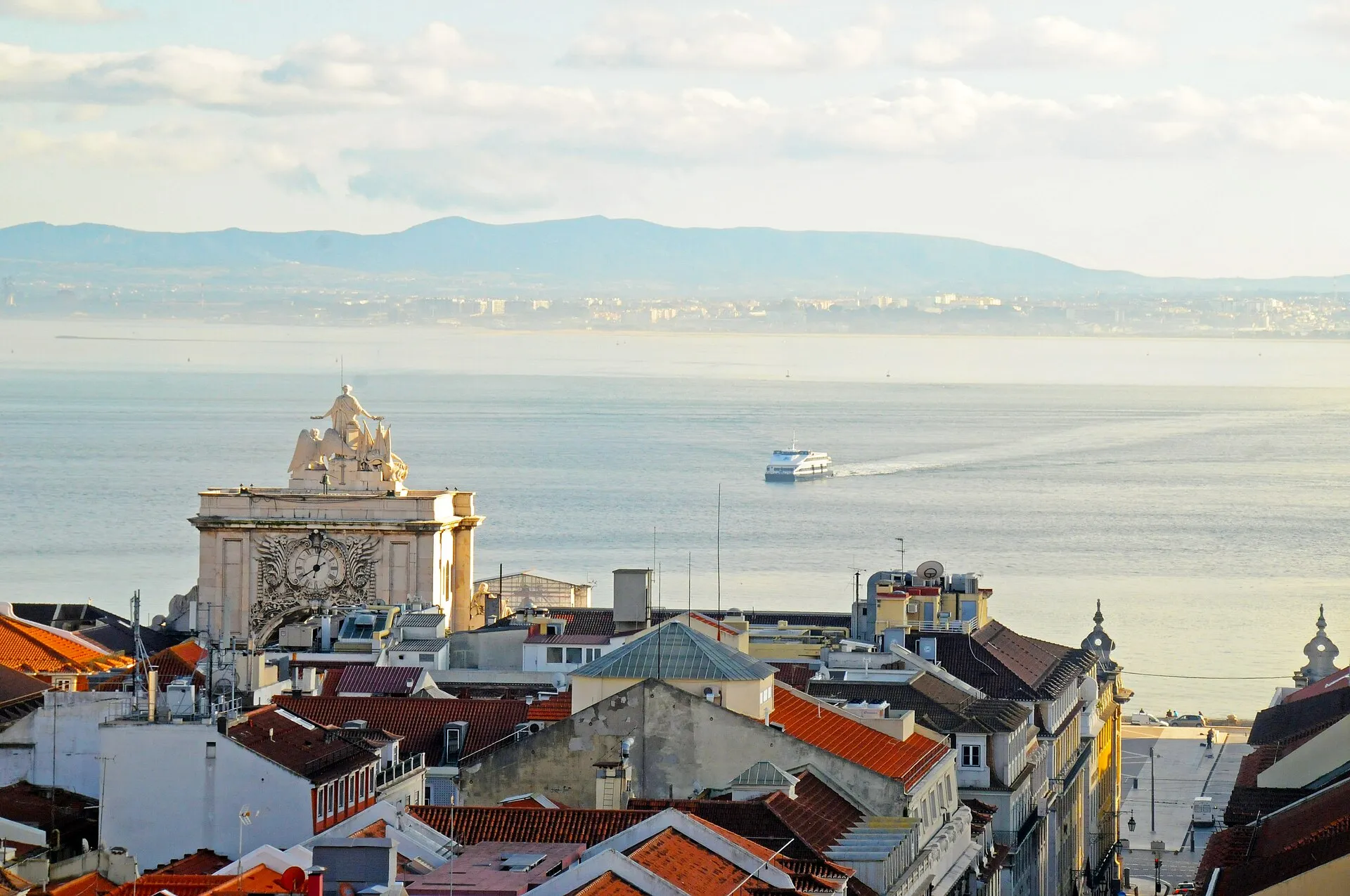
Lisbon is the only place in the country where remote work is a scene rather than a choice you make alone. There are coworking spaces in old warehouses and market halls, meetups most evenings, and enough foreigners that you will never be the only person in the café with a laptop. Add the light that bounces off the river, the yellow trams grinding up through Alfama and Graça, and winters that rarely feel like winter, and it is easy to see the pull. The catch is money. Rents climbed hard through the last decade, and a comfortable month here now costs around $3,500, a figure many Lisbon locals do not earn.
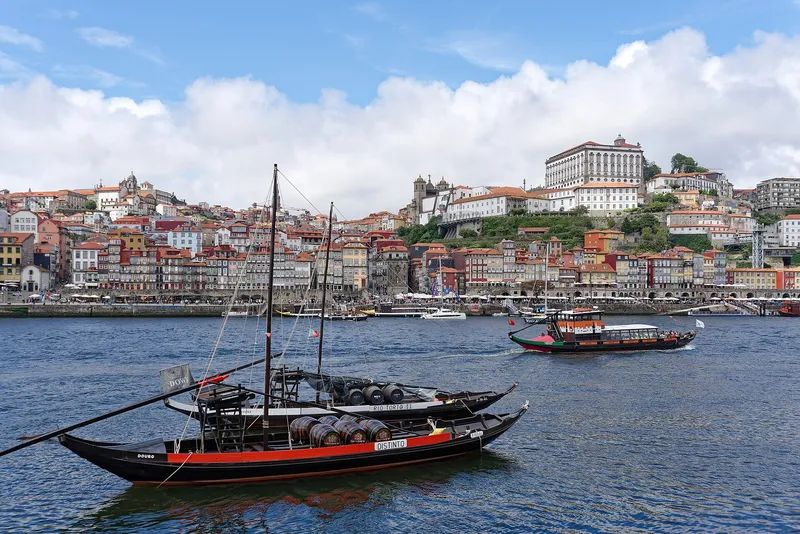
Porto is the answer people reach for once they have done that sum. It is smaller and steeper, built in granite rather than limestone, with the tiled hall of São Bento station and the double-decker iron bridge over the Douro doing what the trams do in Lisbon. You get most of the capital's infrastructure for less, around $2,800 a month, and a city that still feels lived in by the people who were born there. What you give up is weather: Porto's winters are noticeably wetter and greyer, and from November to March you will spend more evenings inside.
The coast just outside the capital
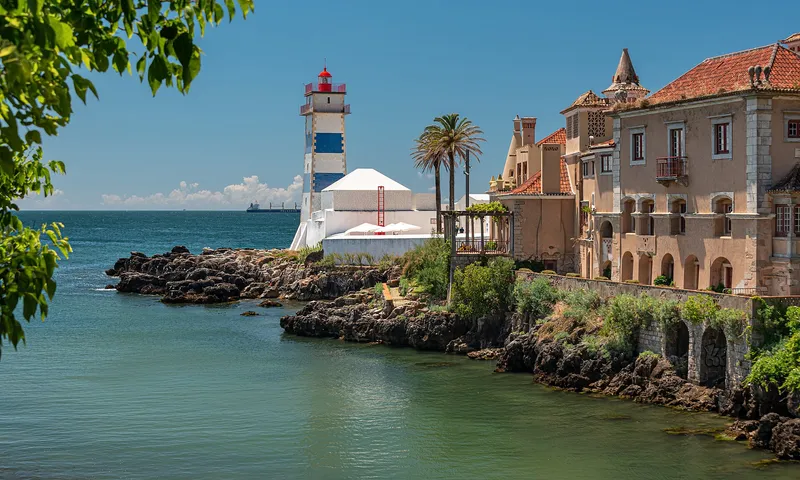
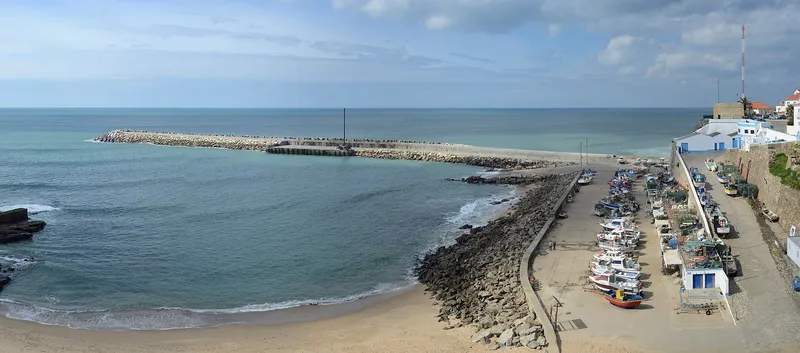
Four of the A-tier places are really ways of living near Lisbon without living in it. Cascais is the polished version, a seaside town at the end of the coastal train line from Cais do Sodré, with a marina, clean beaches and prices to match. Ericeira is the surfer's version: Europe's first World Surf Reserve, a whitewashed fishing village above the waves, and a nomad community that has grown large enough to fill several coworking spaces of its own. If you want to work in the morning and be in the water by four, this is the one.
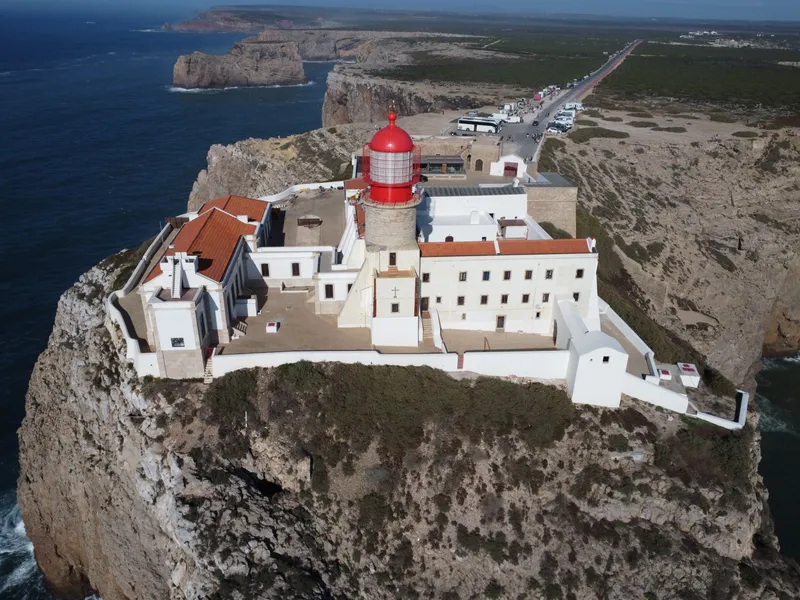
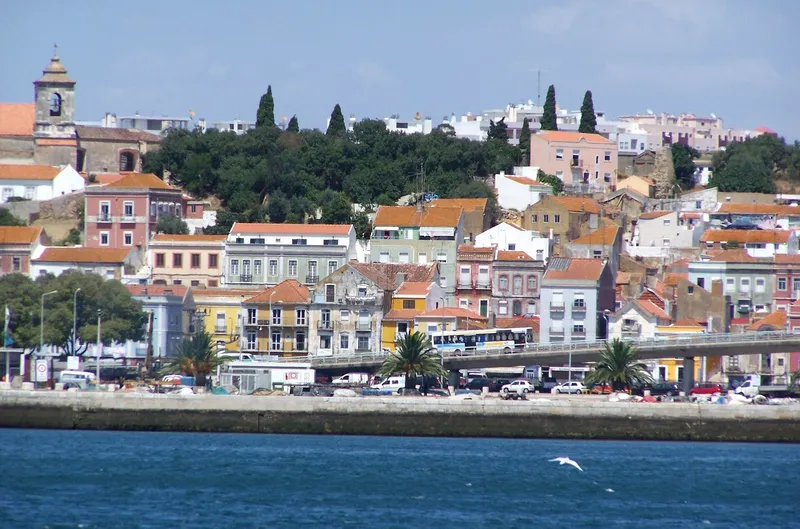
Setúbal is the quiet surprise. It is a working port across the Sado estuary, where a resident pod of bottlenose dolphins lives, with the limestone cliffs of the Arrábida hills dropping into turquoise water a short drive away. It is roughly half the price of Lisbon, and the local speciality, fried cuttlefish eaten at plastic tables by the harbour, tells you everything about its lack of pretension. Sagres, at the far southwestern tip of the country, is wilder still: a small village between two coastlines, a fortress on the headland and the Cabo de São Vicente lighthouse a few kilometres on, with surf on whichever side the wind allows. It suits people who want very little nightlife and a great deal of horizon.
The B tier
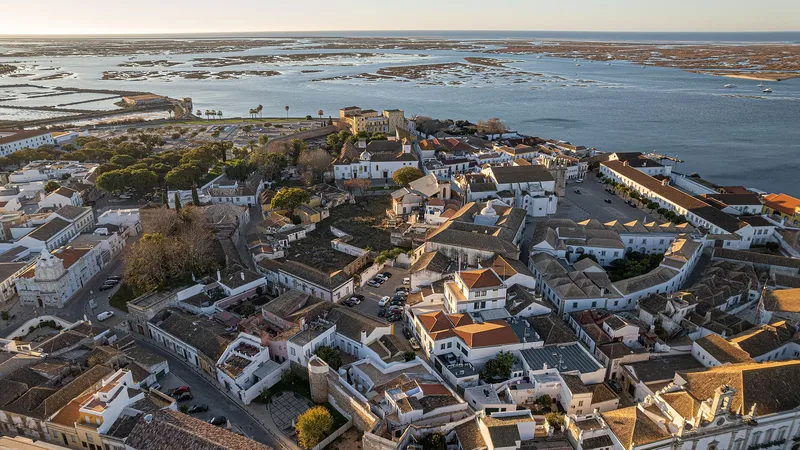
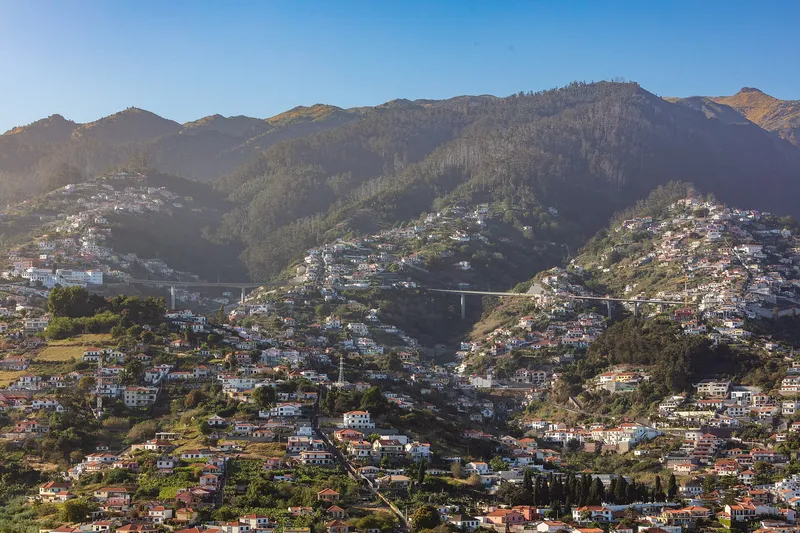
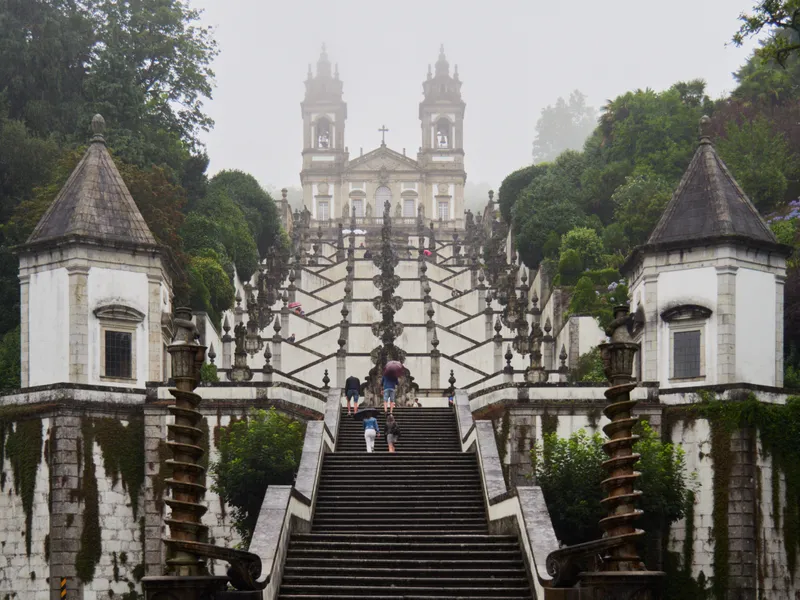
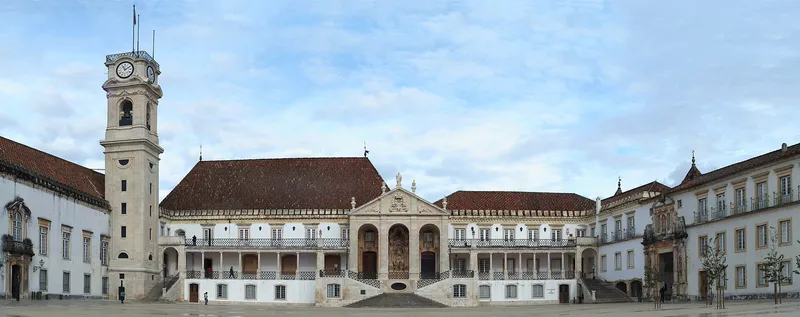
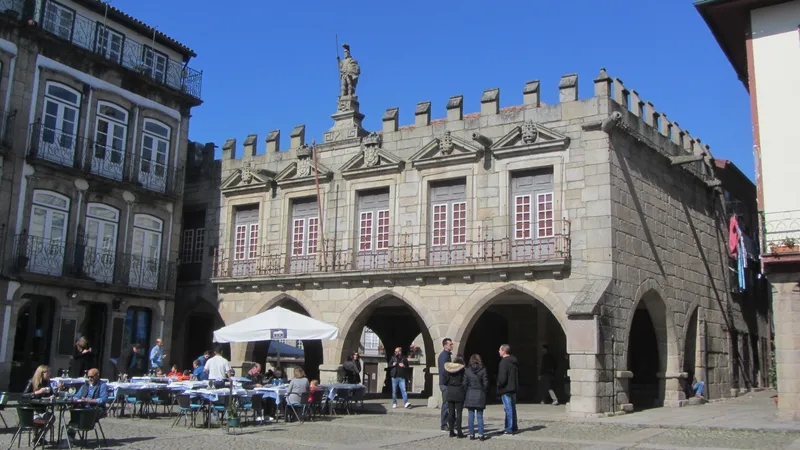
The long middle row is full of cities that do one thing exceptionally well and accept a trade-off somewhere else. Funchal on Madeira has spring weather most of the year and the levadas, old irrigation channels you can walk for hours along the mountainsides. Faro is the practical Algarve base, with its own airport and the Ria Formosa lagoon on the doorstep, though the coast around it goes very quiet in winter. Coimbra, Braga and Guimarães are old university and church towns in the north and centre, cheaper, greener and more Portuguese in rhythm, with fewer people working the way you do.
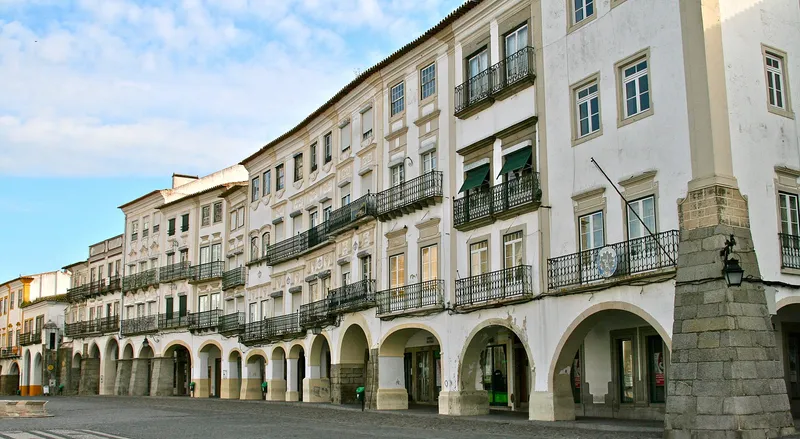
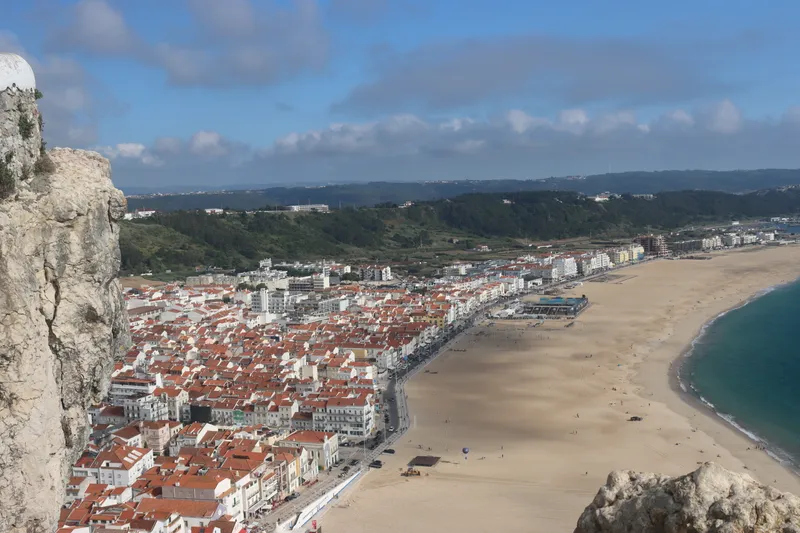
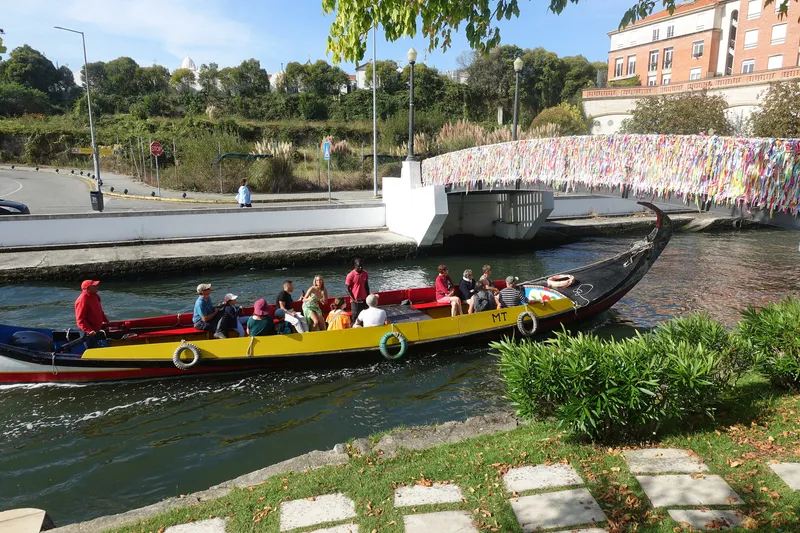
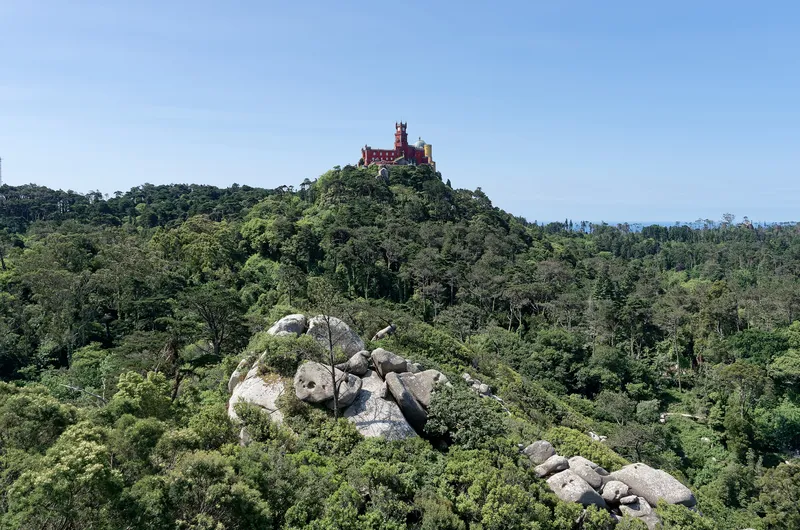
Évora deserves a special word. Its Roman temple stands at the top of a walled old town that has been inhabited since Roman times, and a month here costs about $1,050. The price of that calm is an Alentejo summer, when afternoons pass 35C and the streets empty until evening. Nazaré, Aveiro and Sintra round out the row: the first for the giant winter waves off Praia do Norte, the second for its canals and easy pace, the third for the palaces and forest, though Sintra's famous mist makes its houses damp for much of the year.
The C tier
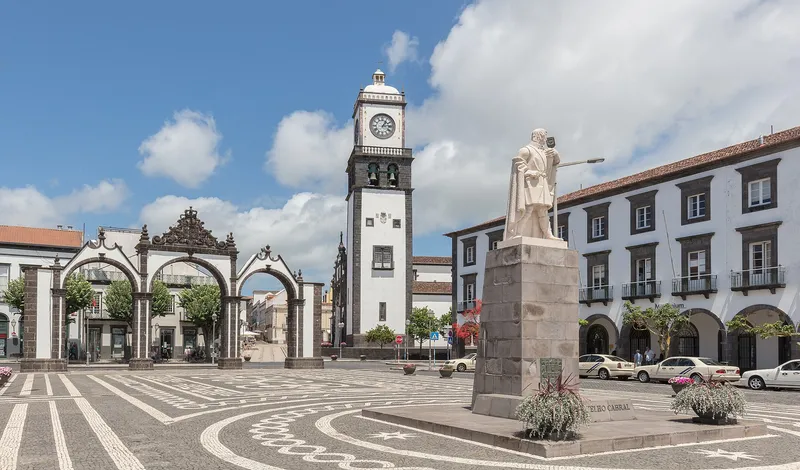
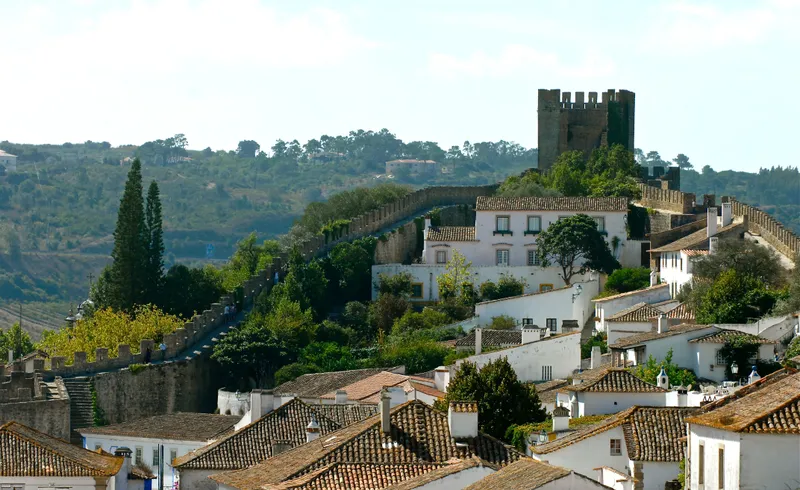
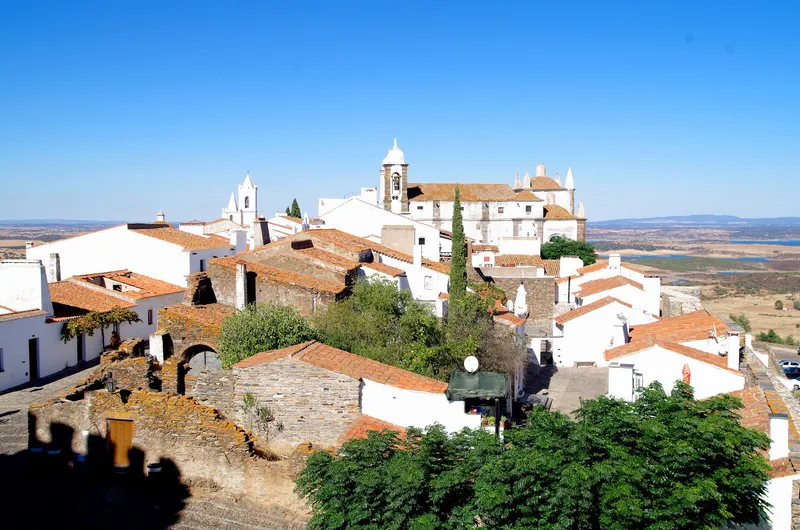
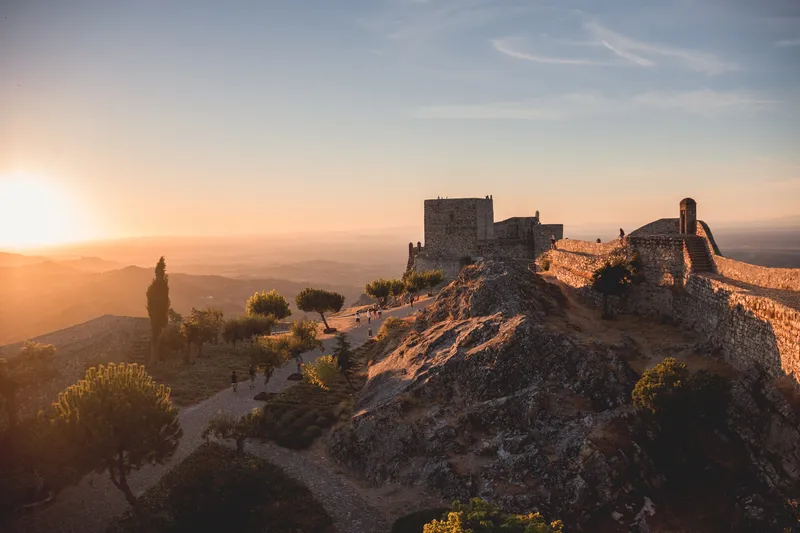
Óbidos, Monsaraz and Marvão are among the most beautiful places in the country, walled villages on hilltops where the evenings are silent and the views run for miles. They sit lower here simply because they are tiny. There is no coworking, little to do after dinner, and you will need a car. Ponta Delgada on São Miguel in the Azores has the most spectacular nature on the whole board, crater lakes and whale watching included, but also the smallest remote-work community and the longest journey home. All four make wonderful second stops after a month somewhere bigger.
Two practical points
Portuguese homes are built for summer. Central heating is rare, insulation is thin, and a flat that feels perfect in June can be cold and damp in January, in Lisbon as much as in Porto. When you book a winter stay, ask about heating and dehumidifiers before you ask about the view.
If you want to stay longer than the 90 days of a Schengen visit, Portugal's digital nomad visa asks for a remote income of roughly four times the national minimum wage. Our guide to the Portugal digital nomad visa walks through the paperwork, and the Portugal ranking sets the same cities side by side on cost, wifi and community.
This list ranks the cities. For the regions, the winters and the visa behind them, read our guide to Portugal for digital nomads.