Cost of Living in Fujairah
Real market data
Source: Numbeo · June 2026
$1,190/moSolo nomad1-bed centre + living costs
$1,660/moCoupleshared 1-bed + costs
$1,130/moLean / localcheaper area + costs
- 1-bed rent, city centre$590AED 2,167
- 1-bed rent, outside centre$530AED 1,950
- Monthly costs excl. rent (1 person)$600AED 2,191
- Meal, inexpensive restaurant$7AED 28
- Monthly transit pass$41AED 150
Prices are from Numbeo (June 2026), converted to USD at $1 = AED3.67 (01 Aug 2026). The monthly living-costs figure is our transparent one-person basket, groceries, a few meals out, utilities, phone, internet, transport and essentials, priced from those figures. Solo adds central rent; couple and lean are estimates from the same numbers.
Budget around $1,190 a month as a solo remote worker in Fujairah, which is well below Dubai and Abu Dhabi while still being the UAE. A one-bedroom flat runs roughly $600 to $950 depending on how close it sits to the corniche, and the gap against Dubai rents is the main reason anyone chooses to live on this coast. Groceries are broadly Gulf standard, meaning imported goods carry a premium and local produce does not. Alcohol is available in hotels and licensed outlets and is expensive everywhere in the country. The figure is built from Numbeo prices for Fujairah: a one-bedroom in the centre plus a one-person basket of food, transport and bills. Fibre runs about $80 to $150 a month, which is high for the speed and reflects a duopoly. Housing is normally paid in one to four cheques covering the year rather than monthly, which front-loads the cost substantially and is the arrangement most newcomers are unprepared for. A car is the other fixed cost, with hire from about $350 a month and fuel cheap by any standard. Rents on the corniche carry a premium of around a third over the inland streets, and the difference buys a sea view rather than better building.
Where to Work in Fujairah
Fujairah has a small coworking presence relative to Dubai's, mostly attached to the free zone and serving the port and shipping businesses that drive the local economy. Internet across the UAE is fast and well built, with fibre widely available and comprehensive 5G, though prices are high and the country's blocking of most voice-over-internet services still catches people out; a VPN is standard practice among remote workers here. The port at Fujairah is one of the world's largest bunkering hubs, which gives the emirate a professional layer beyond its size. Dubai is ninety minutes away for anything the local network cannot supply. Fujairah's free zone offers company licensing at a fraction of mainland Dubai's cost and comes with a residence visa, which is the substantive reason some small consultancies register on this coast and work from anywhere in the country. The UAE moved to a Saturday and Sunday weekend in 2022, aligning with most of the world. Most professional and social life still happens in Dubai, and a good number of residents here drive over for a day or two each week rather than relocating.
Getting Around Fujairah
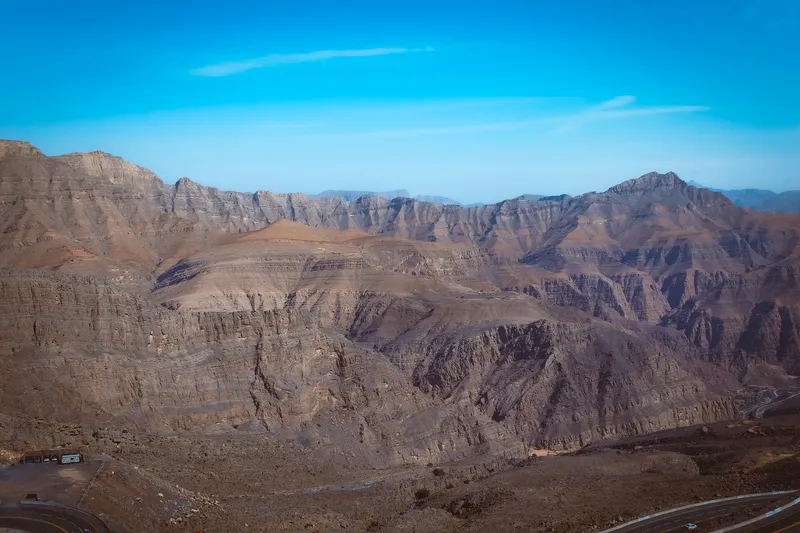
Fujairah is spread along the coast between the Hajar mountains and the Gulf of Oman, and like most of the UAE it assumes a car. The corniche and the area immediately around it are walkable, but everything else, including the dive sites north towards Dibba and the mountain roads inland, needs driving. There is no metro and the bus network is limited. Taxis and ride-hailing work in town. Dubai is about ninety minutes by road through the mountains, which is a genuinely good drive, and Fujairah has its own small international airport with a handful of regional routes. The road over the Hajar mountains from Dubai climbs through Masafi and is one of the better drives in the country. Snoopy Island off Sandy Beach is a shore dive reached by swimming out from the sand, which is unusual in the Gulf and is why the site is as busy as it is at weekends.
Sorting transport? Book an airport transfer, or compare car rental on Auto Europe and QEEQ.
Visas for Fujairah
The UAE has one of the region's few real remote work visas: a one-year permit for people employed outside the country, requiring proof of around $3,500 a month in income, an employment contract of at least a year and health insurance valid in the country. It is renewable and can be applied for from abroad. Short visits run on visa on arrival for most Western nationalities, typically thirty or ninety days depending on passport. There is also the Golden Visa for longer horizons and defined categories. The remote work route is administratively straightforward by regional standards, which is a real point in the country's favour. The income threshold is checked against bank statements rather than a contract alone, so anyone with variable freelance income should look closely at how the last six months read. Emirates ID and a medical follow the visa and take a couple of weeks. Residence also unlocks a local bank account, which almost everything administrative in the country assumes you hold.
Best Time to Visit Fujairah
November to March is the comfortable half of the year, with daytime temperatures in the mid twenties, warm sea and the conditions that make the east coast diving worth the trip. This is also when the mountain wadis are at their best. Summer from June to September pushes past forty degrees with heavy humidity on the coast, and outdoor life effectively stops between mid-morning and evening. The east coast is marginally cooler and less humid than Dubai on the other side of the mountains, which is a difference locals notice, but it is still a Gulf summer and not somewhere to arrive unprepared. Ramadan reshapes the emirate's rhythm entirely, with daytime eating restricted in public, shortened working hours and social life moving to after sunset, and it moves earlier by about eleven days each year. The wadis inland fill and flow after the winter rains, which is brief and unpredictable and is the one time the mountains behind the coast look green.
Pros and Cons of Fujairah
Fujairah is the only emirate entirely on the Gulf of Oman, which gives it mountains directly behind the beach, the best diving in the country around Snoopy Island and Dibba, and the oldest mosque in the UAE at Al Bidyah. It costs meaningfully less than Dubai while keeping the same infrastructure, safety and visa options. You would be the only remote worker in town, the place is quiet enough to bore anyone used to a city, and the summer here is genuinely brutal. Most social and professional life still happens ninety minutes away on the other coast. Al Bidyah mosque dates to around 1446 and is built of stone and mud brick with four domes on a single central pillar, and it remains in use rather than being preserved as a monument.
Who Fujairah Is For
The remote work visa, the safety and the connectivity of the Emirates without Dubai rents, and a beach with mountains behind it rather than a skyline. Divers in particular get more here than anywhere else in the country. It works as a winter block rather than a full year, given what the summer does to the coast. A community, a scene and a professional network are all things that mean driving to Dubai, and the drive is long enough that most people who need them regularly end up living there instead. Anyone without a car will find the emirate hard work from the first day. Shipping and bunkering are the exception to everything said above. This is the second-largest bunkering port in the world after Singapore, and the professional network around that trade runs genuinely deep for so small an emirate. Compared with Ras Al Khaimah, Fujairah has the better diving and the worse road access, and both sit well under Dubai on price.
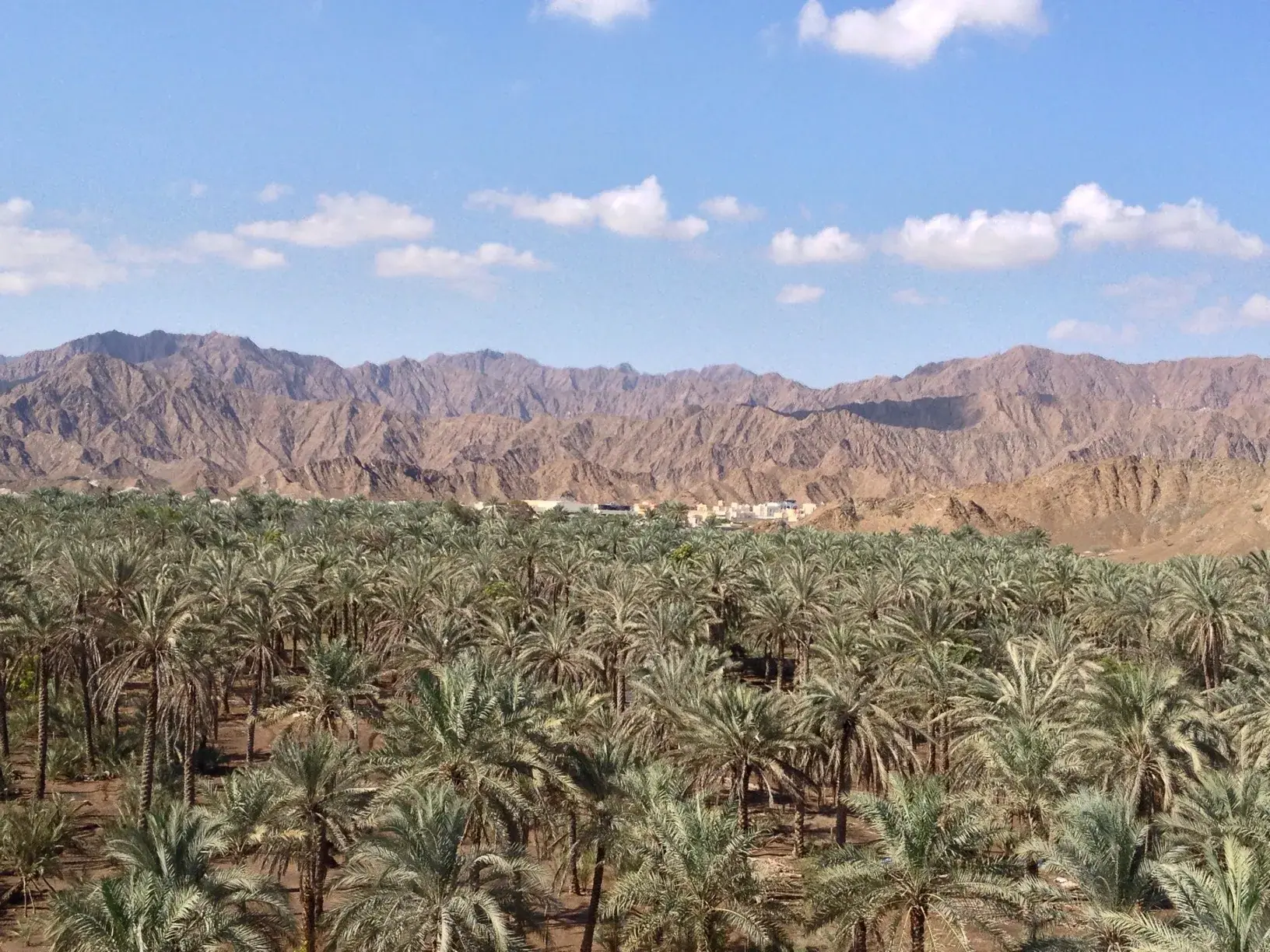 Photo: Aumars / Wikimedia Commons (CC BY-SA 4.0)