Cost of Living in Safranbolu
Where this figure comes from. No cost survey covers Safranbolu, so the $700 a month above is our own estimate rather than a measurement. On 416 of our 999 city guides the figure is built from a published Numbeo basket, a one-bedroom rent in the centre plus one person's monthly costs without rent, converted to USD; this city is not one of them. How we source everything.
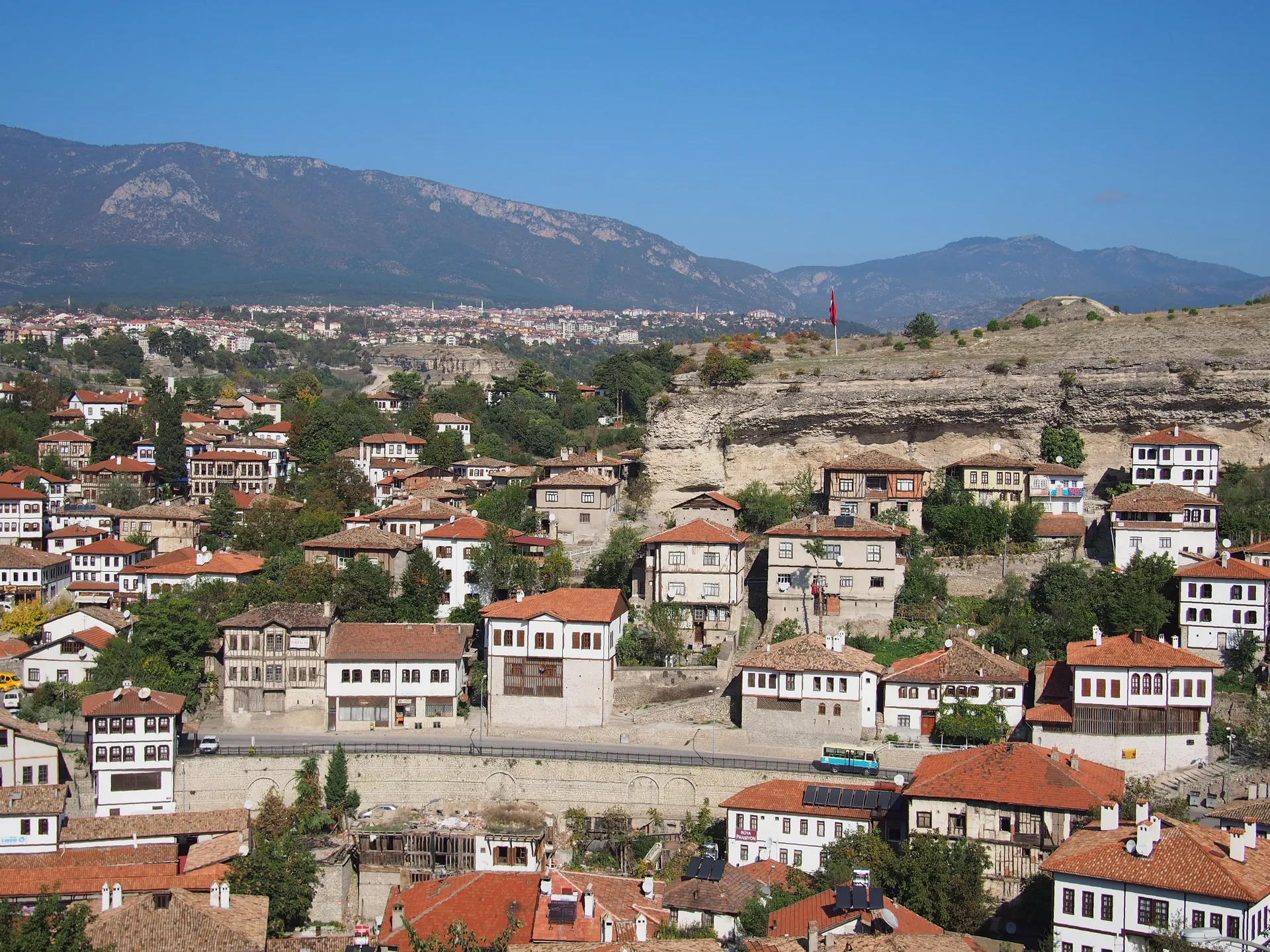
Safranbolu is one of the more affordable bases in Turkey, largely because it is a small provincial town rather than a big city. A frugal nomad can live comfortably on a modest budget, with rooms in restored Ottoman guesthouses or simple flats costing far less than in Istanbul or Antalya. Meals at local lokantas, fresh produce from the market and homemade Turkish delight are all cheap. The main costs are heating through the cold, snowy winter and occasional taxis or intercity buses, since much of daily life is walkable. These figures are editorial estimates and shift with season and the exchange rate. The currency is the single biggest variable and it moves fast. The lira has shed most of its value in dollar terms across the past several years, which has made the country far better value for a foreign income while local prices have chased the fall, so a monthly figure written even a year ago is unreliable in both directions. Check the rate the week you book. On heating, a restored timber mansion is heated by stove rather than by anything central, which means buying wood or coal by the load and learning to bank a fire; a modern flat in the newer district is far cheaper to keep warm and far less photogenic.
- Monthly budget: roughly $600 to $1,000 depending on comfort and season.
- Simple flat or long-stay guesthouse room: often the largest single expense.
- Local lokanta meal: a few dollars; cooking at home is cheaper still.
- Winter heating and warm bedding: budget extra from November to March.
Where to Work in Safranbolu
Do not expect a dedicated coworking space or a busy digital-nomad scene here; Safranbolu is a quiet heritage town, and remote work happens mostly from cafes, guesthouse rooms and your own flat. Several atmospheric cafes and tea houses around the Carsi old town and the newer Kirankoy district offer wifi, tables and endless glasses of tea, which suits a slow, focused morning of work. Internet is limited but generally workable for calls and everyday tasks, though you should test the connection before committing and keep a mobile data plan as backup. For serious video-heavy days, a well-connected guesthouse is your safest bet. A timekeeping detail is worth knowing: this country abolished the seasonal clock change some years ago and stays on a single offset all year, three hours ahead of Greenwich. The practical effect is that your overlap with Europe moves twice a year without your own clock touching it, so a standing meeting drifts unless somebody notices. On the local side, heavy snow does take the power out here for a few hours most winters, and the older timber houses have wiring to match, so a charged laptop and a phone with data are the sensible insurance between December and February.
Getting Around Safranbolu
Safranbolu is small and best explored on foot, especially the old town, where cobbled lanes wind steeply between timber konak mansions and the covered Arasta bazaar. Be ready for hills and uneven stone underfoot. The historic Carsi sits in a valley, while Kirankoy and the Baglar summer-house district climb the surrounding slopes, so a short taxi or dolmus (shared minibus) is handy between neighbourhoods or up to viewpoints. Karabuk, the nearest larger town with the train station, is a short bus ride away. Intercity buses link Safranbolu to Ankara in about two hours and onward toward the Black Sea coast. The buses are the whole network here, and they work differently from what you may expect. The intercity coaches in this country are unusually good, with assigned seats, a steward and tea on board, and they are booked online rather than at the station; the seat beside you is allocated by gender unless you travel as a pair, which nobody warns visitors about. Locally, the shared minibuses run set routes without a timetable and you pay the driver, passing the fare forward along the row if you are sitting at the back. In snow, the hill routes between the districts stop before the main roads do.
Sorting transport? Book an airport transfer, or compare car rental on Auto Europe and QEEQ.
Visas for Safranbolu
Safranbolu follows Turkey's national visa rules, so your entry depends on nationality rather than the town itself. Many nationalities enjoy visa-free entry for stays of up to 90 days within a 180-day period, while others can apply quickly online for an e-visa before travelling. For longer stays, some nomads pursue a short-term residence permit, though the process takes patience and paperwork. Turkey does run a Digital Nomad Visa, but it starts with a Digital Nomad Identification Certificate from the GoTürkiye platform and ends with a consulate application, so most short-stay visitors to Safranbolu still simply use tourist entry and plan around the 90-day limit. The back-to-back tourist entry that people used for years is the part that has changed. The authorities tightened enforcement of the ninety-day allowance some years ago, and travellers who had been living here on a rolling series of entries found themselves refused or fined, so treat it as a hard limit rather than a formality. The residence route is not difficult but it is slow: an online appointment, private health insurance valid locally, a registered address and a wait measured in weeks. Starting it from a small town is easier than from a big one, because the local office is not overwhelmed.
Best Time to Visit Safranbolu
Safranbolu has a continental climate with warm summers and cold, sometimes snowy winters, so timing matters. Late spring, from May into June, and early autumn, in September and October, are the sweet spots: mild days, fewer crowds and the wooded hillsides at their greenest or turning gold. Summer is warm and lively but busiest with domestic tourists, particularly at weekends. Winter is quiet and genuinely cold, yet the snow-dusted Ottoman roofs are magical if you do not mind bundling up and paying for heating. The saffron harvest and autumn light give October a special charm for a slower, atmospheric stay. The crowding pattern here is domestic and weekly rather than international and seasonal. Coach parties from the big cities arrive on Saturday and Sunday and fill the old quarter, then leave, so a Tuesday in high summer is quieter than a Saturday in March. Anyone working here should simply plan around that. The two religious holidays each year, whose dates move through the calendar, empty the cities into towns like this one and fill every room for a week, so check them against your dates. The saffron itself is harvested over a few weeks in late autumn, and the fields are worth the short drive out.
Pros and Cons of Safranbolu
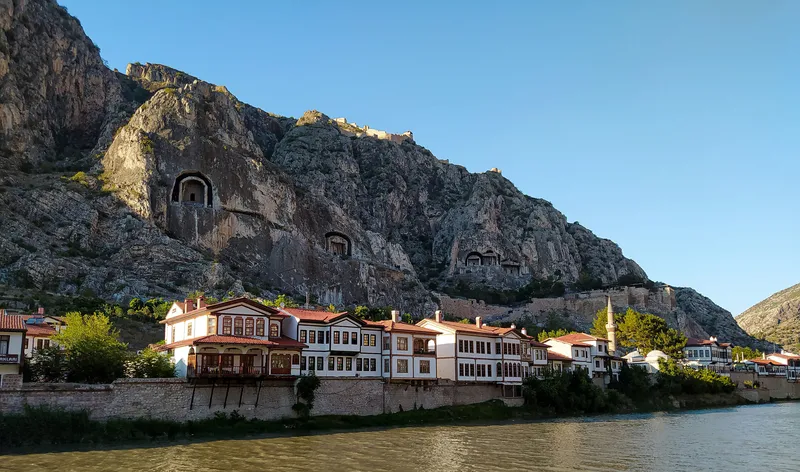
Safranbolu rewards a very particular kind of traveller. Its strengths are atmosphere, affordability and calm: a genuinely beautiful UNESCO town where you can wake to red-tiled roofs, work a quiet morning and wander history-soaked lanes by afternoon. The trade-offs are equally clear. This is a small town, not a city, so the nomad community is tiny, nightlife is minimal, English is limited and the internet, while usable, is not fast fibre everywhere. If you crave a scenic, low-cost slow base and are self-sufficient, the pros win easily; if you need buzz, coworking and a crowd, look elsewhere. A point belongs in that weighing and is easy to miss. What is preserved here is not a monument but a town plan and a building method: several hundred timber-framed houses, whitewashed and cantilevered over the lanes, still lived in by families rather than converted wholesale into hotels. That is much rarer than a preserved castle and it is why the place is listed. It also means the preservation rules are strict, that a house cannot be altered freely, and that the guesthouse you stay in is somebody's inheritance rather than a business built for you. Treating it that way changes how the town receives you.
- Pros: stunning UNESCO Ottoman townscape; low cost of living; safe and calm; warm local hospitality; walkable and photogenic.
- Cons: tiny nomad community; limited nightlife; patchy or slower internet; little English spoken; cold, expensive-to-heat winters.
Who Safranbolu Is For
Safranbolu suits the nomad who treats a place as a retreat rather than a hub. It is ideal for writers, designers, researchers and anyone whose work needs focus more than fast fibre or a crowd of peers. If you love history, craft, quiet mornings and long walks through living heritage, you will feel at home. It works best as a scenic slow base for a few weeks, perhaps paired with livelier stops in Istanbul or Ankara. It is a poor fit for party-seekers, coworking devotees or those who need a big English-speaking social scene. Come for calm, character and cost, not for buzz. Three or four weeks is the honest recommendation. The old quarter can be walked in a morning and known in a week, and what sustains a longer stay is the country around it: the canyon walks, the forest, the coast two hours north, none of which reach you without a car or a willingness to use the minibuses. Anyone staying through winter should take the modern district rather than the old one, for heat and for the shops. And learn the numbers and the greetings at minimum, because the welcome here is warm and a little effort goes a long way with it.