Cost of Living in Wadi Musa
Where this figure comes from. No cost survey covers Wadi Musa, so the $1,100 a month above is our own estimate rather than a measurement. On 416 of our 999 city guides the figure is built from a published Numbeo basket, a one-bedroom rent in the centre plus one person's monthly costs without rent, converted to USD; this city is not one of them. How we source everything.
Wadi Musa is a tourism-service town, so prices sit a notch above what its size suggests, and much of your budget is really about how much of Petra you want to see. A modest but comfortable monthly range runs roughly $900 to $1,700 for a solo slow traveler, depending on season and whether you rent a small apartment or stay in a mid-range hotel with breakfast. Local meals of hummus, falafel and mansaf are cheap, while tourist-facing restaurants cost more. The big line item is Petra itself: single-day entry is expensive, so most visitors buy the Jordan Pass, which bundles the visa waiver with multi-day Petra tickets and pays for itself quickly. The site's own price list rewards sleeping in town. A foreigner who stays overnight anywhere in Jordan pays about $71 for one day inside, and about $85 buys three consecutive days. A day tripper who has not spent a night in the country pays about $127 for a single visit, which is the strongest argument for a base here rather than a day trip from Aqaba or Amman.
- Budget stay plus local food: around $900 to $1,100 per month
- Mid-range hotel with breakfast: roughly $1,300 to $1,700 per month
- Jordan Pass (visa waiver plus multi-day Petra entry) is the smart buy
- Bottled water, taxis and a rental car or tours add up quickly
Where to Work in Wadi Musa
There is no dedicated coworking space in Wadi Musa, so your office is a hotel lobby, a rooftop terrace or a laptop-friendly cafe. Wifi is generally fine for email, calls and light remote work in hotels and better cafes, though speeds vary and you should expect the occasional drop, so download what you need offline. Many mid-range and upper hotels have reliable connections, comfortable seating and coffee, and staff are used to guests lingering. The town is quiet during the day when most visitors are inside the archaeological site, which makes mornings and early afternoons a calm window to focus before the evening buzz returns.
- Hotel lobbies and rooftop terraces are the most reliable work spots
- Bring a local SIM with data as a backup for video calls
- Work mornings while crowds are inside Petra, explore late afternoon
Getting Around Wadi Musa
Wadi Musa climbs steep hillsides and spreads out along winding roads, so getting around on foot is tiring, especially the long downhill walk to the Petra visitor center and the much harder climb back up. Taxis are cheap and plentiful, and a rental car gives real freedom for day trips. For longer hauls, JETT buses and shared minibuses connect the town to Amman in about three hours, plus Aqaba and Wadi Rum to the south. The scenic King's Highway threads north past Shobak and Dana, while the faster Desert Highway suits time-pressed travelers. Agree taxi fares before you set off. Siq al-Barid, about eight kilometres north past the Bedouin village of Umm Sayhoun, costs nothing to enter, and its Painted Biclinium holds the most complete Nabataean painted scene yet found, vines and cherubs on a ceiling some 2,000 years old. From the end of its canyon an unmarked six-kilometre path leads to the Monastery inside the main site, a walk that needs a guide and a valid ticket for the main site.
- Taxis are inexpensive; confirm the price before the ride
- A rental car is ideal for Wadi Rum, the Dead Sea and Little Petra
- JETT and minibuses reach Amman (~3hr), Aqaba and Wadi Rum
- The Petra visitor center is a steep walk down and a hard climb back
Sorting transport? Book an airport transfer, or compare car rental on Auto Europe and QEEQ.
Visas for Wadi Musa
Most visitors reach Wadi Musa on Jordan's standard tourist entry, and many nationalities can obtain a visa on arrival at the main airports and land borders. The practical choice for anyone visiting Petra is the Jordan Pass, bought online before arrival: it waives the tourist visa fee (as long as you stay at least two whole nights) and includes multi-day entry to Petra and dozens of other sites, which usually works out cheaper than paying separately. Choose the pass by the number of days you actually want inside: the Jordan Wanderer, at about $99, includes one day at the site, and the Jordan Expert, at about $113, includes three. Those site days must run consecutively, so a plan to go in on a Monday and again on Friday needs a separate ticket for the second visit.
- Many nationalities get a visa on arrival; confirm for your passport
- The Jordan Pass bundles the visa waiver with multi-day Petra entry
- Buy the Jordan Pass online before you arrive in Jordan
Best Time to Visit Wadi Musa
Spring, from March to May, and autumn, from September to November, are the sweet spots for Wadi Musa, with warm days, comfortable walking weather and manageable crowds for long hours inside the archaeological site. Summers are hot and dry, and exploring Petra's exposed canyons at midday can be draining, so start early and carry plenty of water. Winter brings cold nights, chilly days, occasional snow and a real flash-flood risk in the narrow Siq, which can close sections of the site after heavy rain. Because this is a conservative, largely dry area, dress modestly with covered shoulders and knees out of respect, and bring layers for cool evenings year round.
- Spring (Mar to May) and autumn (Sep to Nov) are ideal
- Summers are hot and dry; start Petra visits at dawn
- Winter can bring snow and flash-flood closures in the Siq
- Dress modestly; this is a conservative area
Pros and Cons of Wadi Musa
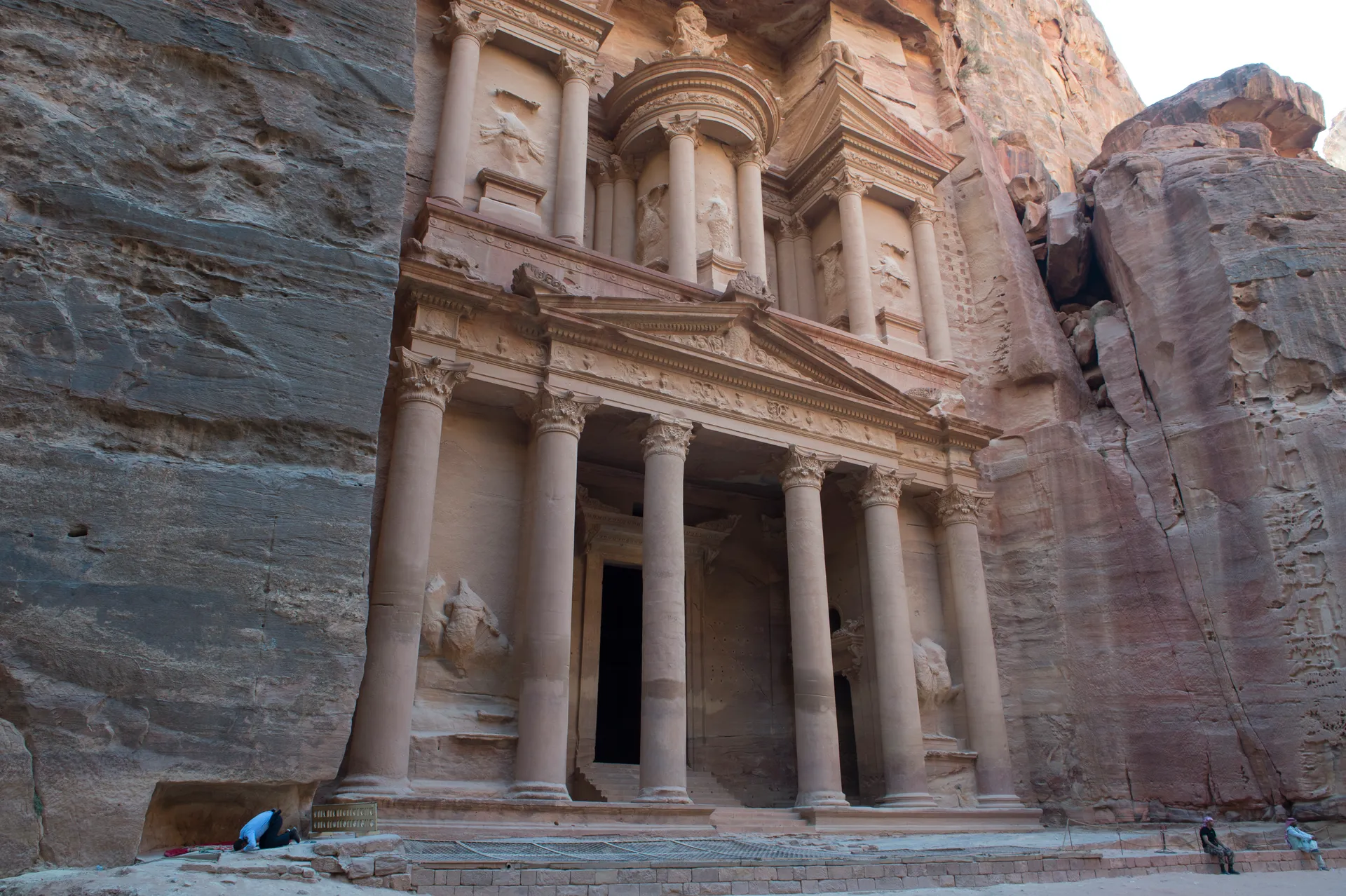
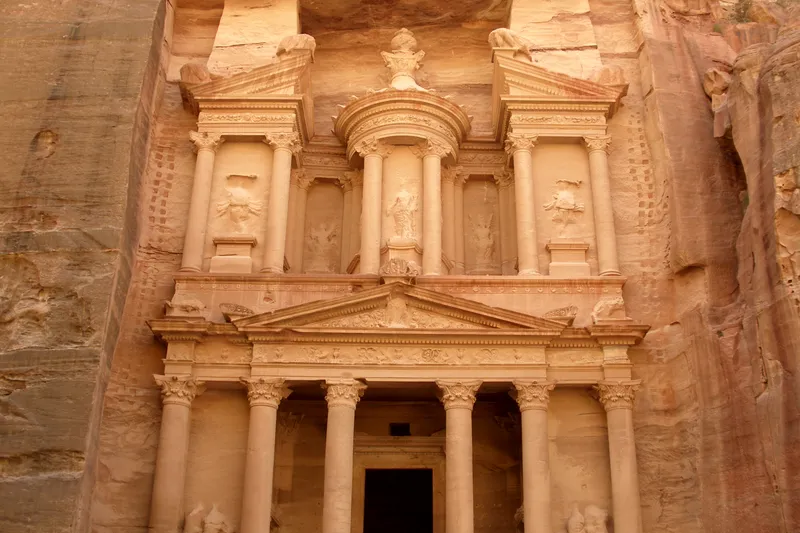
Wadi Musa's headline draw is unbeatable: you wake up minutes from Petra, one of the world's great archaeological wonders, with the Treasury, the Monastery, the Royal Tombs and the atmospheric Petra by Night show on your doorstep. Jordan is famously safe and welcoming, English is widely spoken in tourism, and the desert landscapes are stunning. The trade-offs are real, though. This is a small tourism town whose entire economy revolves around the site, so nightlife is minimal and largely dry, the expat community is tiny, infrastructure is modest, and prices feel inflated once Petra tickets are added. It suits focused slow travel far better than a long-term work base.
- Pros: Petra on your doorstep, strong safety, warm hospitality, great English
- Pros: striking desert scenery and easy access to Wadi Rum and the Dead Sea
- Cons: near-zero nightlife, tiny expat scene, modest infrastructure
- Cons: costs inflated by Petra tickets; a car or tours really help
Who Wadi Musa Is For
Wadi Musa is for the Petra-obsessed slow traveler, the history and archaeology lover who wants more than a rushed day trip, and the remote worker happy to trade nightlife and coworking buzz for early mornings among Nabataean ruins. It rewards people who plan multi-day visits, hike the back trails to the Monastery, and use the town as a launchpad for Wadi Rum, the Dead Sea and the King's Highway. It is not the place for anyone chasing a lively social scene, a big digital-nomad community or polished city infrastructure. Come with a car or a tour plan, respect the conservative local culture, and treat it as a memorable base rather than a permanent one. Evenings here are better than the town's quiet suggests: the candlelit night visit now runs Sunday to Thursday from 8:30, a two-hour walk down a Siq lit by some 2,000 candles to the Treasury, with projection mapping and narration added. It costs about $42 on top of any day ticket.
- Ideal for Petra-focused slow travelers and history lovers
- Great as a launchpad for Wadi Rum, the Dead Sea and the King's Highway
- Not for those wanting nightlife, big expat scenes or city infrastructure