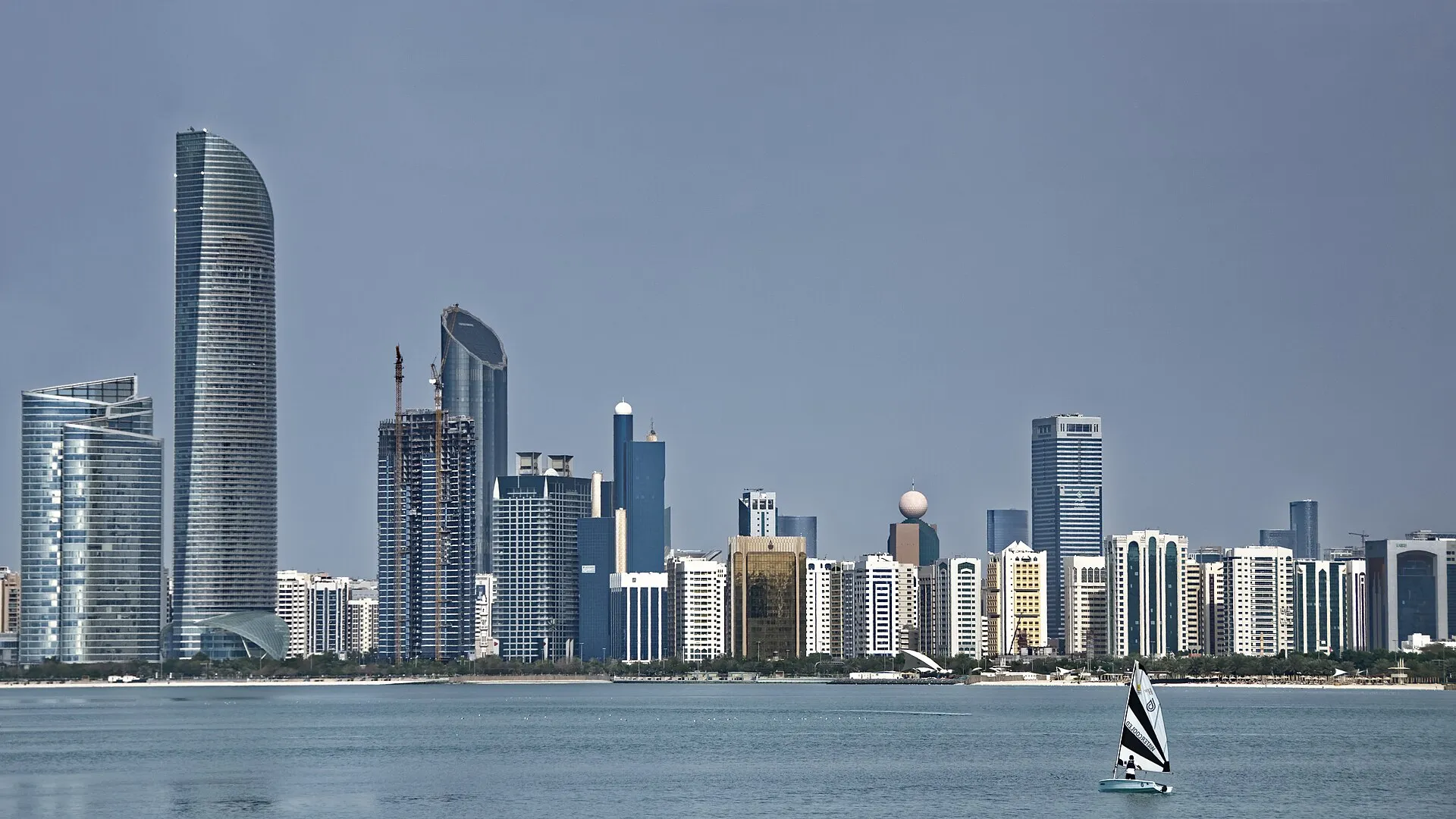
Cost of Living in Abu Dhabi
Real market data
Source: Numbeo · August 2026
$2,700/moSolo nomad1-bed centre + living costs
$3,290/moCoupleshared 1-bed + costs
$2,050/moLean / localcheaper area + costs
- 1-bed rent, city centre$1,960AED 7,201
- 1-bed rent, outside centre$1,310AED 4,821
- Monthly costs excl. rent (1 person)$740AED 2,709
- Meal, inexpensive restaurant$9AED 35
- Monthly transit pass$26AED 95
- Buy price, per m² (centre)$4,860AED 17,841
Prices are from Numbeo (August 2026), converted to USD at $1 = AED3.67 (01 Aug 2026). The monthly living-costs figure is our transparent one-person basket, groceries, a few meals out, utilities, phone, internet, transport and essentials, priced from those figures. Solo adds central rent; couple and lean are estimates from the same numbers. The guide below quotes its own monthly range, which is a different measurement rather than a competing one: this table prices a defined basket at the figures above, while that range is a judgement about how somebody actually lives here.
Abu Dhabi sits at the expensive end of the Gulf spectrum. Expect to spend significantly more than in Southeast Asia or Eastern Europe, though you get serious infrastructure and zero income tax in return.
Rent: A one-bedroom in central areas like Al Maryah Island, Corniche, or Al Khalidiya runs $1,770-2,450/month. Moving further out to Al Nahyan, Mushrif, or Khalifa City drops that to $1,090-1,500/month.
Groceries: Shopping at Lulu or Carrefour costs roughly $270-325/month if you buy local and regional brands. Imported Western products push costs noticeably higher.
Eating out: A meal at a mid-range restaurant costs $14-27. Budget shawarma or cafeteria meals run $4-8. Business lunches are generally reasonable at $16-25.
Coworking hot-desk: $135-270/month for a dedicated hot desk membership.
Local transport: Public buses cost $0.50-1.50 per ride. Taxis and ride-hailing apps run $4-11 per trip depending on distance. Most nomads rely on taxis or a car.
Total monthly range: $2,450-4,900/month covers a comfortable nomad setup with mid-range housing. Budget-conscious choices bring this closer to $2,040; a more comfortable lifestyle climbs to $5,450+.
Where to Work
Abu Dhabi has a solid and growing coworking scene, though it is smaller than Dubai's. The main options are concentrated around Al Maryah Island, Al Khalidiya, Reem Island, and Yas Island.
Haibu Space at Abu Dhabi Mall is one of the largest, with a 30,000 sq ft facility, daily passes from $26, and monthly memberships from $260. Cloud Spaces at Yas Mall offers a quieter environment starting at $33/day. Altspace in Al Khalidiya's Shining Towers is a premium 24/7 option with gym access. WeWork operates at Hub71 on Al Maryah Island, suited to those wanting a more corporate feel. GlassQube on Reem Island and at the ADGM is popular with finance and tech workers.
Cafe work culture exists but is more limited than in Bali or Bangkok. Staff at most cafes tolerate laptops, but you will rarely find a packed "laptop cafe" scene. Good options include Joud Coffee (Al Muntazah), Coffee Architecture (Saadiyat), and The Third Place Cafe (Corniche Road).
WiFi in coworking spaces is reliably fast. Hotel lobbies and malls also have decent connectivity. Note that VoIP calls (WhatsApp, FaceTime) over public networks are technically restricted in the UAE, so a VPN is standard practice for video calls.
Getting Around
Abu Dhabi is not a walking city. Distances between key areas are long, summer heat makes outdoor walking impractical for most of the year, and pavements are patchy outside the Corniche and central grid. Plan your life around transport.
Buses run on an extensive network using the Hafilat smart card, with most rides costing $0.50-1.50. They are air-conditioned and reliable but slow due to infrequent stops and traffic.
Taxis are plentiful and regulated, identifiable by silver bodies and yellow roofs. Careem and InDriver also operate ride-hailing in the city. Taxis are the practical default for most nomads.
Car rental or ownership is common among long-term residents. Roads are good and parking is generally free or cheap outside malls.
There is no metro in Abu Dhabi yet. A metro system is planned but not operational as of 2026.
Airport: Abu Dhabi International Airport (AUH) is around 30-40 minutes from the city center by taxi ($16-25). No direct metro connection exists currently. The new Terminal A opened in late 2023 and significantly improved the airport experience.
Sorting transport? Book an airport transfer, or compare car rental on Auto Europe and QEEQ.
Visas and Staying Long-Term
US, UK, Canadian, Australian, New Zealand and most EU passport holders get a free visit stamp on arrival that covers 90 days within any 180, and that allowance cannot be extended. Ireland is the main Western exception: Irish citizens get 30 days, which can be extended from inside the UAE.
The UAE offers a dedicated Remote Work Visa (sometimes called the digital nomad visa), administered by Abu Dhabi. It grants one-year residency without a UAE employer or local sponsor. Requirements include proof of employment by a company outside the UAE, a minimum average monthly income of $3,500, and valid health insurance covering your stay. The entry visa through the federal ICP costs about $80 and takes about two days; the residence permit that follows, the medical test and the Emirates ID are charged separately. It is renewable for a second year.
The UAE also offers a Golden Visa for investors, highly skilled professionals, and exceptional talent, granting 10-year residency. Requirements and costs vary.
Best Time to Visit
Abu Dhabi has one of the harshest summer climates of any major city. From late May through September, temperatures routinely hit 40-45°C (104-113°F) with high humidity. These months are survivable only because the city is entirely air-conditioned, but outdoor life essentially stops. Expect sky-high electricity bills if renting, and limited motivation to leave your apartment.
The sweet spot for remote workers is November through March. Daytime temperatures sit at a pleasant 22-28°C (72-82°F), evenings are cool, and the Corniche and outdoor areas are actually enjoyable. This is peak tourist season so hotel rates rise, but for longer-term stays you get full access to what the city has to offer.
April-May and September-October are shoulder months: warm but manageable, with fewer crowds and slightly lower rents. July and August are the most brutal months and best avoided unless you have a compelling reason to be there.
Pros and Cons
- Zero income tax on personal earnings for residents
- Excellent infrastructure: fast internet, modern facilities, reliable utilities
- Very safe: crime rates are among the lowest of any major global city
- Strong English: virtually all services, signs, and business is conducted in English
- Good flight connections: Etihad hub with direct routes across Europe, Asia, and the US
- Diverse food scene: exceptional Indian, Filipino, Pakistani, Levantine, and international cuisine
- High cost of living: one of the more expensive cities in the Middle East
- Car-dependent: hard to live well without a car or frequent taxis
- Summer is brutal: outdoor life shuts down for four to five months
- VoIP restrictions: WhatsApp and FaceTime calls require a VPN to work reliably
- Alcohol is restricted to licensed venues (hotels, licensed restaurants), and buying it requires navigating licensed bottle shops
- Small nomad community compared to Dubai; less of a co-nomad social scene
Who Abu Dhabi Is Best For
Abu Dhabi works well for remote workers who value safety, stability, and strong infrastructure above all else. If you earn in USD or EUR and want a tax-free base with excellent flight connections, fast internet, and a genuinely cosmopolitan lifestyle, the city delivers. It suits people who prefer a calmer, less chaotic pace than Dubai while still having access to world-class restaurants, cultural venues like the Louvre Abu Dhabi, and beach access on Saadiyat Island.
It is also a good fit for remote professionals who travel frequently for work, given Etihad's strong hub connections, and for anyone who wants to use the UAE Remote Work Visa to establish legal residency in a low-tax jurisdiction.
Skip Abu Dhabi if you are on a tight budget, hate car dependency, want a vibrant street-level nomad scene with packed cafes and spontaneous community events, or if the summer heat will genuinely trap you indoors for months. Dubai offers more social infrastructure for nomads; Southeast Asia offers a fraction of the cost. Abu Dhabi sits in a specific niche and rewards those who fit it.