Cost of Living in Trabzon
Where this figure comes from. No cost survey covers Trabzon, so the $750 a month above is our own estimate rather than a measurement. On 416 of our 999 city guides the figure is built from a published Numbeo basket, a one-bedroom rent in the centre plus one person's monthly costs without rent, converted to USD; this city is not one of them. How we source everything.
Budget roughly $750 a month as a solo remote worker in Trabzon, which makes Turkey's Black Sea coast one of the cheapest places to live anywhere with this much green. A one-bedroom apartment near the centre or in Yomra runs about $250 to $380, and the districts up the slopes drop that to $190 to $280. Groceries land around $170 to $220, helped by a coast that grows its own tea, hazelnuts and maize. A pide or a plate of hamsi is $4 to $6, a restaurant dinner $12 to $18, and a glass of Black Sea tea, which people drink all day, about $0.30. A monthly transit pass is roughly $20. Utilities add $60 to $130, higher in a wet winter.
Where to Work in Trabzon
Trabzon has very little coworking infrastructure; the city's economy is trade, tea, hazelnuts and a large university rather than services. Most remote workers here work from an apartment. Turkish fixed-line internet is fast and inexpensive and reaches the city properly, and mobile data is cheap with good coverage along the coastal strip, though it drops in the valleys inland. Karadeniz Technical University keeps a student population of around 60,000 and supports a good supply of cafes, though few are set up for laptop work. The recurring practical problem for foreigners is Turkey's handset registration rule, which cuts off an unregistered foreign phone after 120 days. The port is a transit gateway rather than a local one, moving cargo on towards the Caucasus and beyond, and the trading houses that handle it are the nearest thing the city has to an international business class. Tea and hazelnuts are processed along this coast under a state enterprise that is among the largest employers in the region. For a foreigner the practical point is that none of it hires from outside, so the work you do here is the work you brought with you, and the city is somewhere to live cheaply while doing it.
Getting Around Trabzon
Trabzon is strung along a narrow coastal shelf with steep slopes behind, so the centre around Atatürk Alanı is walkable while anything uphill is a climb. Dolmuş minibuses run constantly along the coast road and up the valleys, cost under a dollar and stop wherever you flag them; they are how almost everyone moves. Taxis are metered and cheap. Trabzon airport is 6km from the centre with frequent flights to Istanbul and Ankara and a growing list of Gulf and Russian routes, which makes the city far better connected than its position suggests. The Sumela monastery, the Zigana pass and the Kaçkar mountains are all reachable by road inland. The coast road was built out on reclaimed land and it cut the city off from its own shoreline, which is the single most resented piece of infrastructure along here and the reason the sea is something you drive beside rather than walk to. East along it the border with Georgia is about three hours, and crossing on foot there is routine. Inland the valley roads close after heavy rain more often than anyone admits, and a landslide can add half a day to a trip that was planned as an afternoon.
Sorting transport? Book an airport transfer, or compare car rental on Auto Europe and QEEQ.
Visas for Trabzon
Turkey grants most Western passports 90 days in any 180-day period, with EU, UK and Canadian citizens entering visa-free and some nationalities needing an e-Visa bought online. There is a Turkish Digital Nomad Visa, and the route into it starts online: a Digital Nomad Identification Certificate from the GoTürkiye platform, open to citizens of the EU except Cyprus, the UK, Switzerland, the US, Canada and a few others aged 21 to 55 with a degree and $3,000 a month from a foreign employer or clients, is what the consulate asks to see. Longer stays run through the short-term residence permit, the kısa dönem ikamet, applied for online through the e-ikamet system with proof of address, health insurance and funds. Turkey has restricted new residence registrations in neighbourhoods where the foreign population exceeds a threshold, and several districts in larger cities are closed; check the status of a specific address before signing a lease. Trabzon has generally been less affected than Istanbul or Antalya. A tax number is the first document to get and takes minutes online, because the bank account, the lease and the insurance all ask for it before anything else will move. The lease has to be notarised for the permit application, which means the landlord attending with you rather than signing a paper at the flat. Refusals on first applications made for no reason other than wanting to live here have risen sharply in recent years, and an appeal takes months, so a route with a job, a school or a family tie behind it is far safer.
Best Time to Visit Trabzon
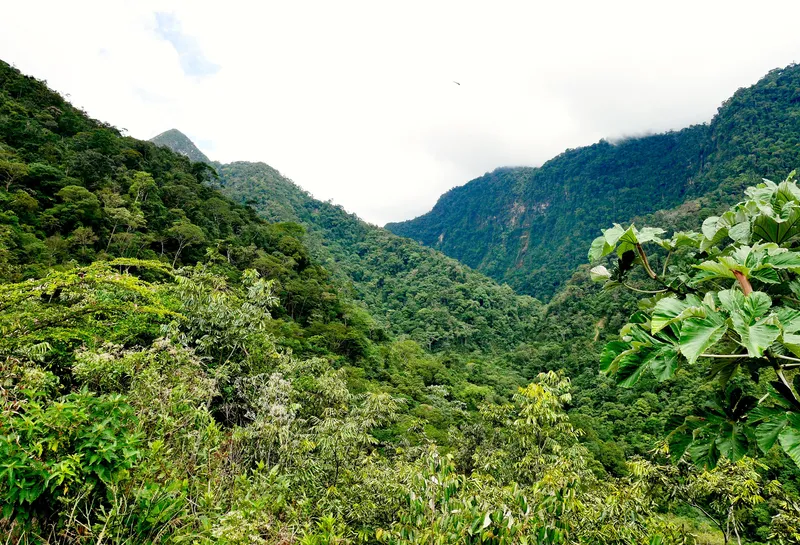
May, June and September are the best months in Trabzon. This is the wettest region of Turkey by a wide margin, with rain spread through the year rather than concentrated in a season, and the reward is a coast that is green in a way the rest of the country is not. Summer is warm and humid rather than hot, in the mid to high twenties, and July and August bring a large influx of Gulf visitors drawn by exactly that greenness, which fills the yaylas, the high summer pastures, and pushes hotel prices up. Autumn is mild and quieter. Winter is cool and very wet at sea level, around 10 degrees, with heavy snow in the mountains behind. The anchovy season is the one this coast actually organises itself around, running from November into the depths of winter, when the boats work every night and the fish turns up in everything including the bread and, improbably, the dessert. The high pastures hold their own festivals in midsummer, family gatherings rather than performances, and reaching one means a long climb on a bad road. Snow closes the inland passes for days at a time, which matters because they are the way south to the rest of the country.
Pros and Cons of Trabzon
Trabzon offers a green, mountainous, genuinely different Turkey at some of the lowest prices in this index, with the Kaçkar range behind it, the Sumela monastery glued to a cliff nearby, and a food culture built on anchovies, cornbread and butter that has nothing to do with the Aegean. The airport is close and well connected, healthcare is good and cheap, and the university keeps the city young. Rain is the defining fact of the climate here. English is very limited, more so than in western Turkey, and there is no foreign or nomad community to speak of. The city is functional rather than attractive, and Turkish inflation makes budgeting in lira unpredictable.
Who Trabzon Is For
Living in Turkey properly, working in Turkish or through a translation app, and drawn to mountains and rain rather than beaches and sun. Hikers have the Kaçkars and the yaylas within reach, and this coast carries a Pontic Greek and Ottoman history that most of Turkey does not. For anybody choosing on cost alone, the arithmetic here ends the discussion quickly. Being comfortable in your own company is close to a requirement, and anybody who is not will notice within a fortnight. English gets a visitor almost nowhere here, no foreign community has settled, this is the wettest corner of Turkey, and the nomad scene consists of whoever else happens to be passing. Antalya and Izmir are the Turkish cities with all of that, at two to three times the rent.
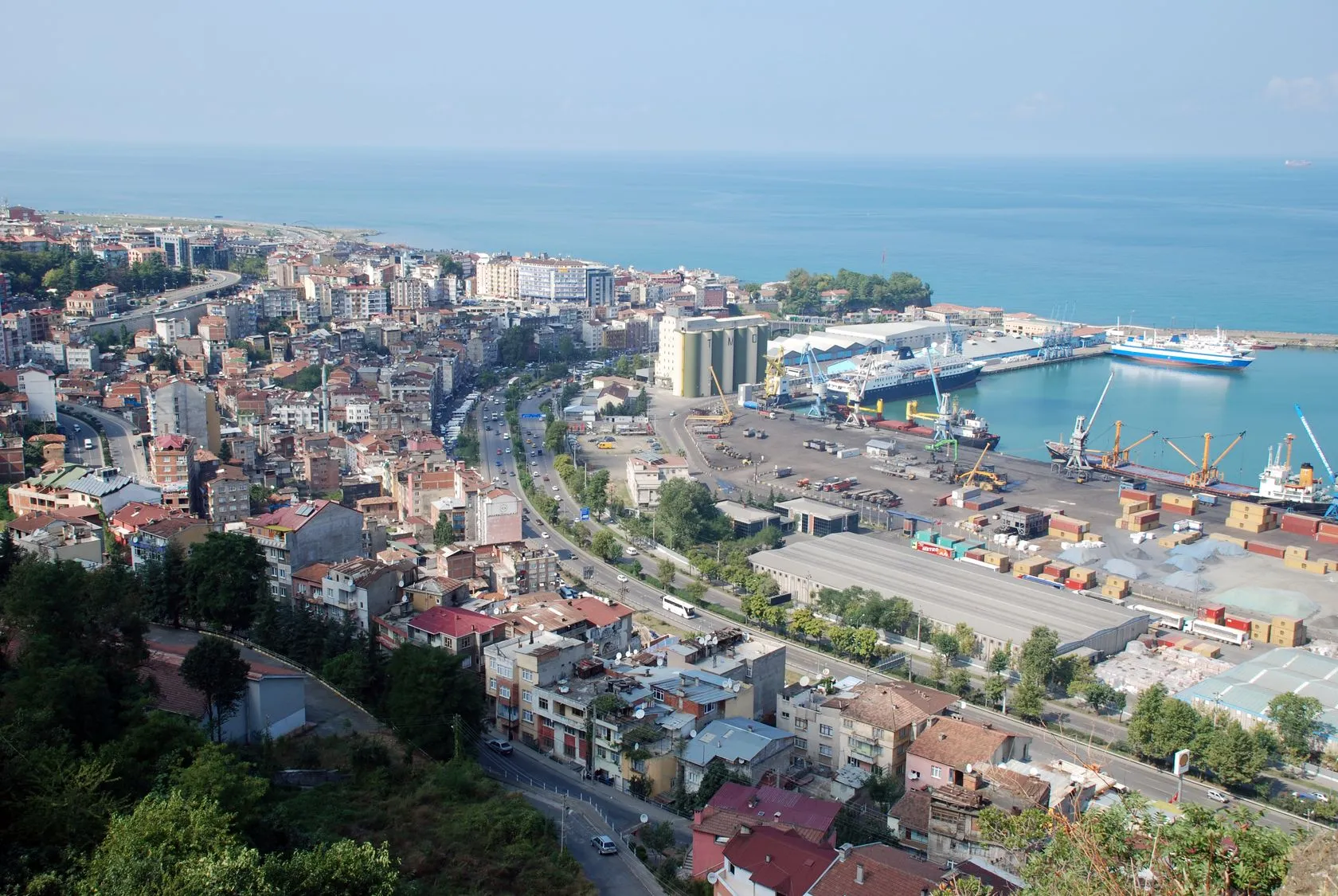 Photo: Bertramz / Wikimedia Commons (CC BY-SA 3.0)