Bali and the rest of Indonesia
On a map of Bali, Canggu and Ubud look like neighbours. In the afternoon, the ride between them on a scooter can take well over an hour, through roads built for rice farmers and now carrying a good share of the world's remote workers. That small fact explains why the top of this board is so crowded with Bali names. Bali is not one place; each of its bases is a different way of living, and once you choose one, you will mostly stay in it.
Bali and its bases
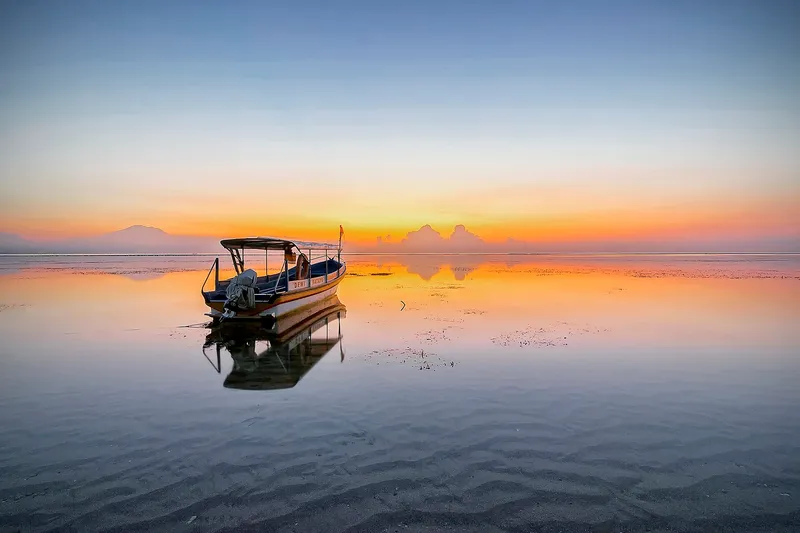
The top entry, Bali, stands for the island as a whole, the reason Indonesia is on most remote workers' lists at all: rice terraces and surf breaks, temples with offerings on every doorstep, cheap and excellent food, and an infrastructure of coworking spaces, cafés and short-term villas built specifically for people like you. Below it, the individual bases each have their own character.
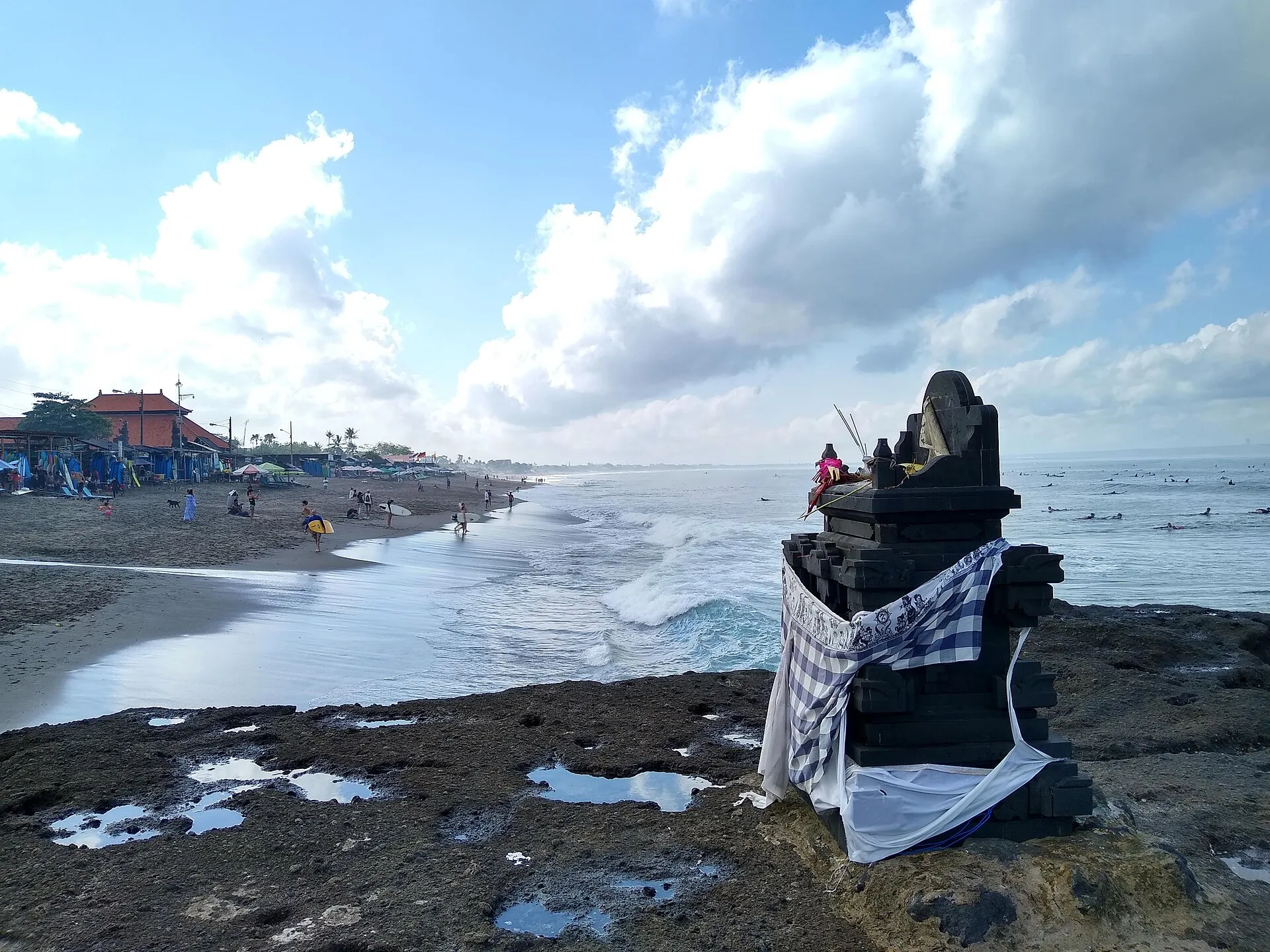
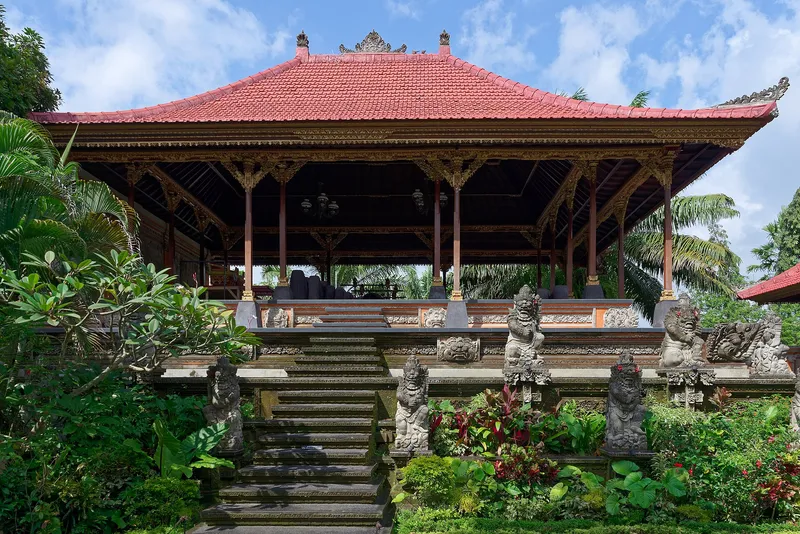
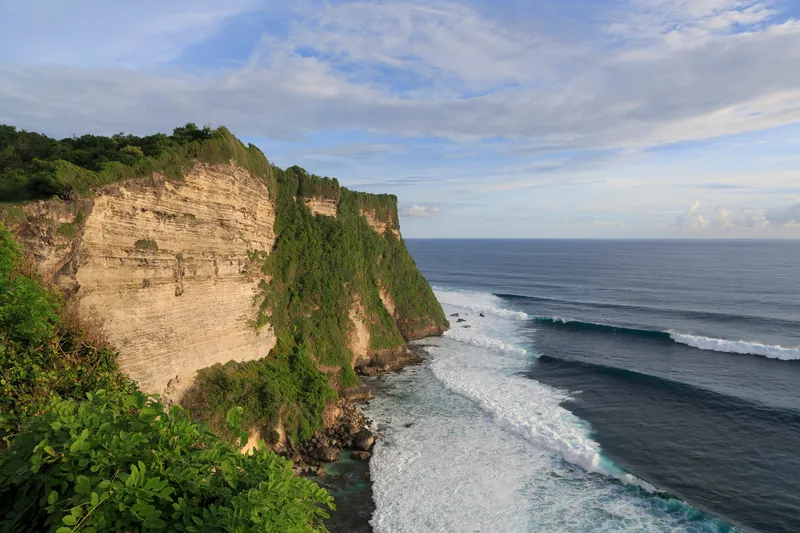
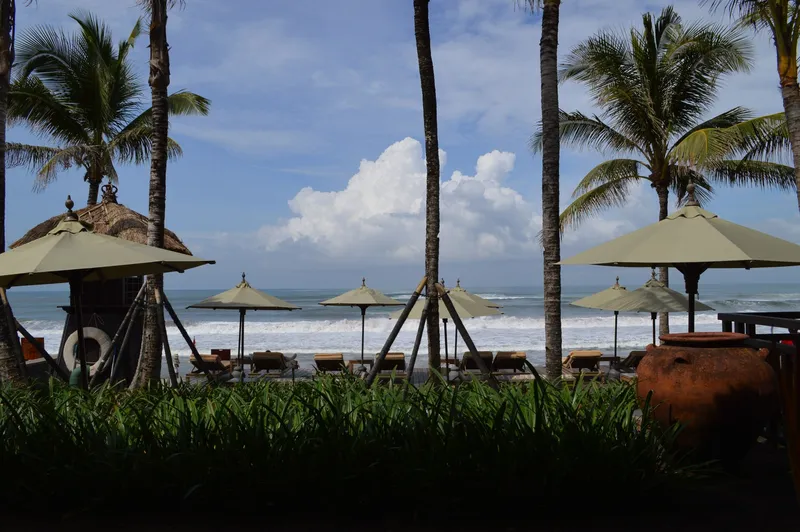
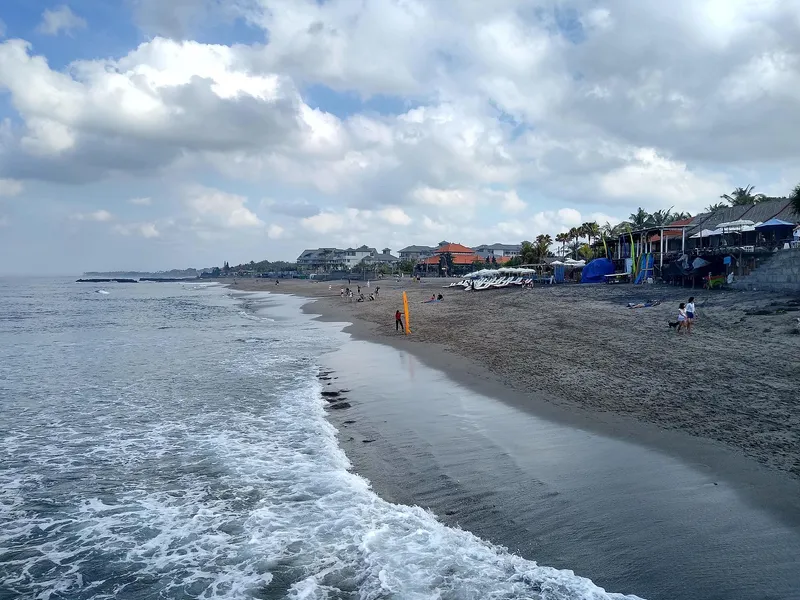
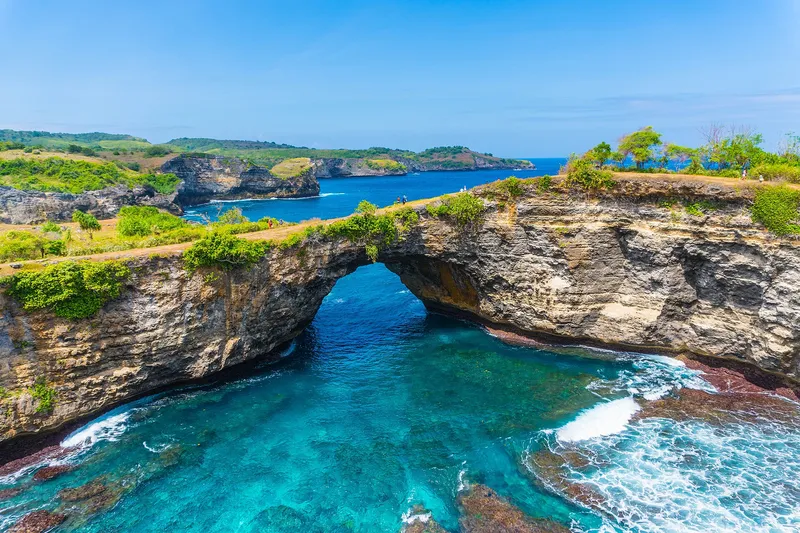
Ubud is the inland, green one, surrounded by rice fields and jungle, with yoga studios and a quieter, more spiritual crowd. Uluwatu sits on the limestone cliffs of the Bukit peninsula, above some of the best surf breaks in Asia, with sunsets at the temple on the cliff edge. Canggu is the busiest and most social, the heart of the scene and also the most crowded and built-up. Seminyak is more polished, with boutiques and beach clubs, and Sanur is the calm, family-friendly coast with a long seafront path. All of them cost roughly $1,700 to $2,200 a month.
Living on Bali's calendar
Bali runs on a Hindu calendar of its own, and it shapes daily life more than visitors expect. Ceremonies happen constantly, roads close for processions, and women in sarongs leave small palm-leaf offerings of flowers and rice on doorsteps, shop counters and scooter seats every morning. You will step around them on the pavement within your first hour.
Once a year, for Nyepi, the Day of Silence, the whole island stops for twenty-four hours. No one is allowed on the streets, lights stay low, mobile data has been cut across the island in recent years, and even the airport closes. The night before, giant papier-mâché demons called ogoh-ogoh are paraded through every village and burned. If your stay falls across it, plan your work around a day with no connection at all; many people come to treasure it.
Beyond Bali
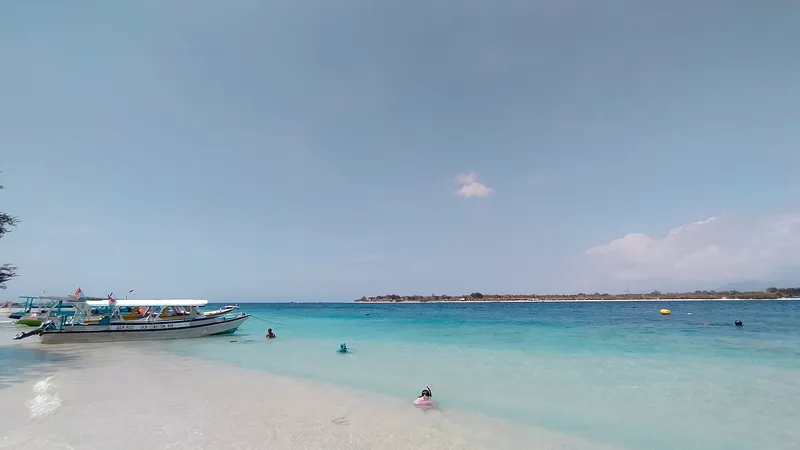
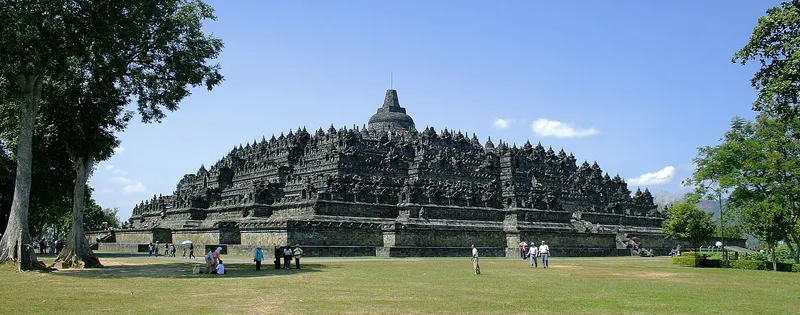
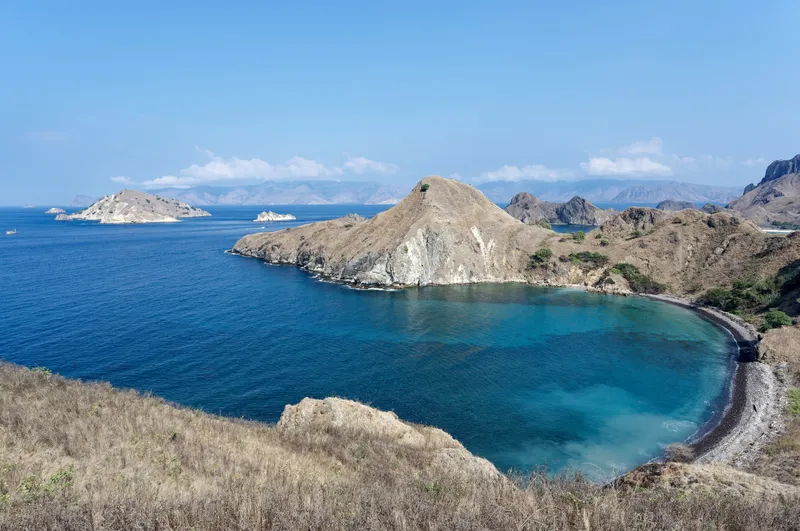
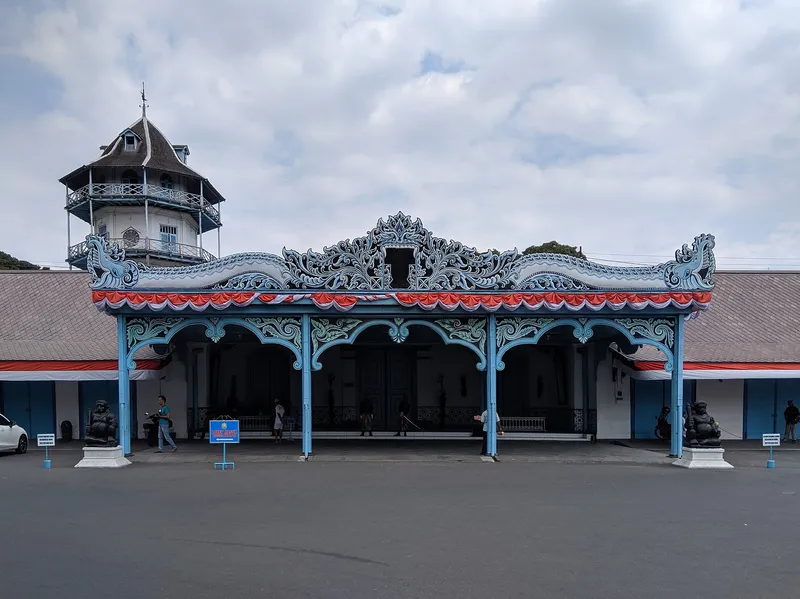
The Gili Islands, off Lombok, have no cars, clear water and turtles, and slower internet than Bali. Yogyakarta on Java is Indonesia's cultural capital, with Borobudur and Prambanan within reach, a big student population and very low costs, though few remote workers. Labuan Bajo on Flores is the gateway to Komodo National Park, with some of the best diving in the world and limited everything else.
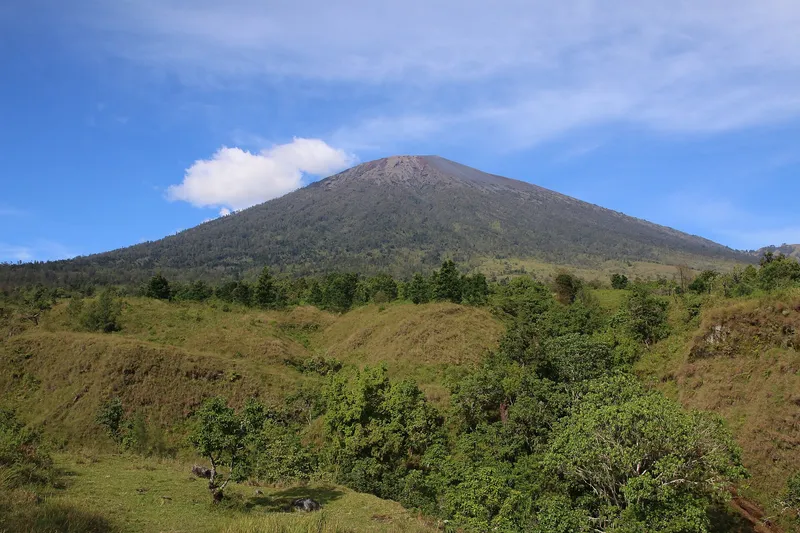
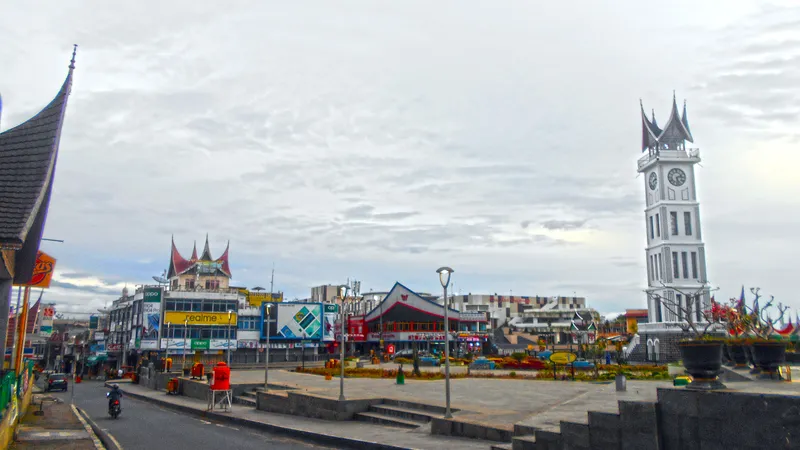
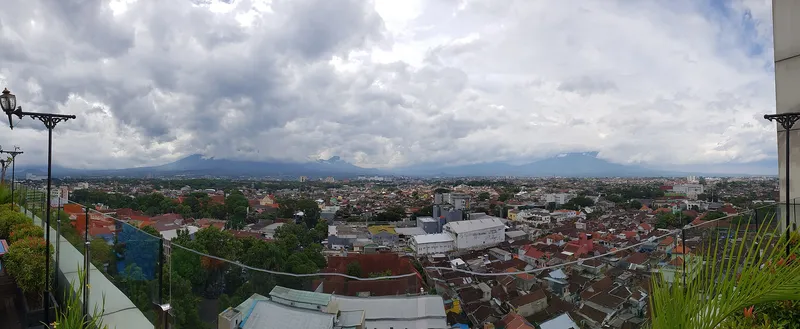
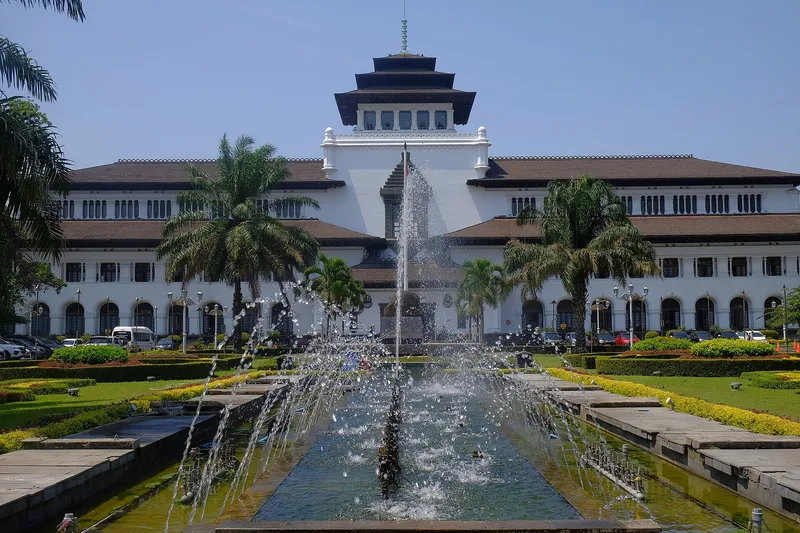
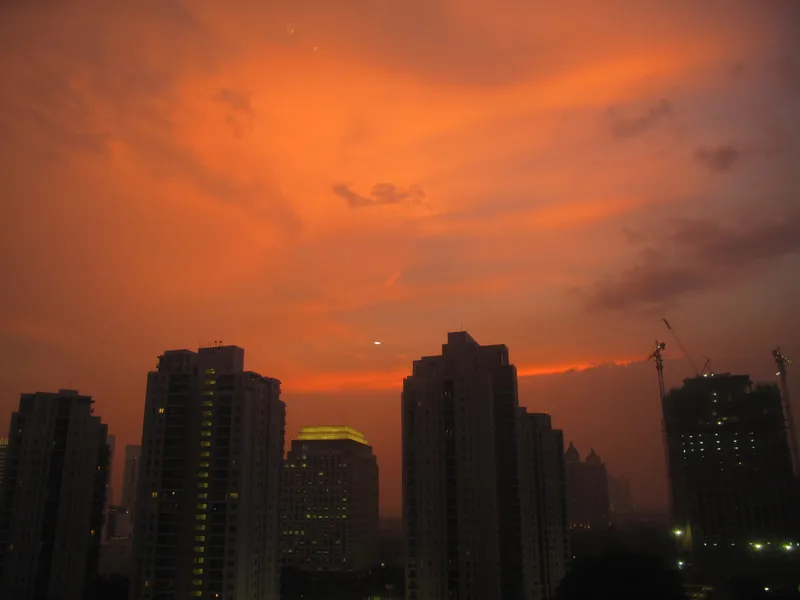
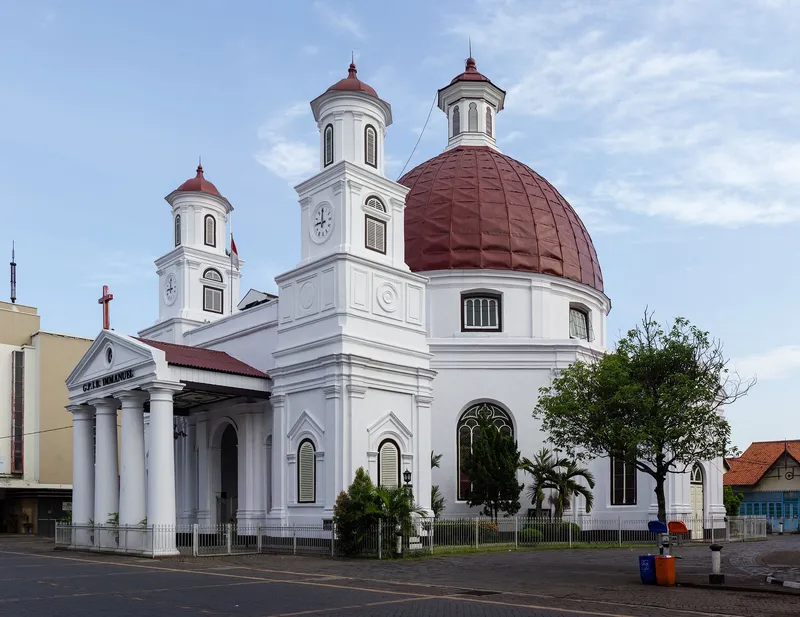
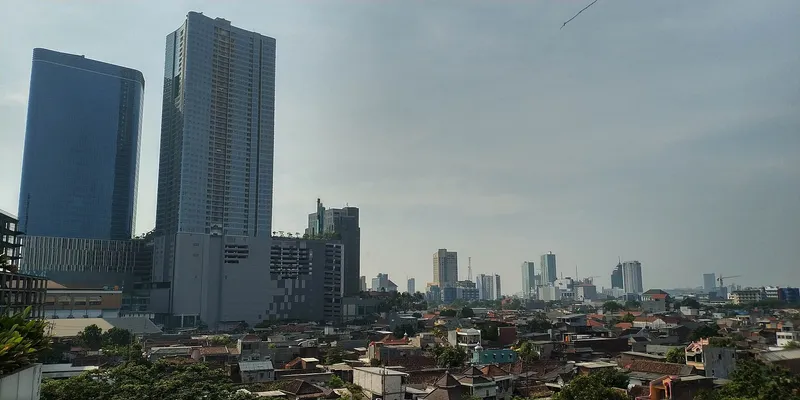
Lower down the board, Lombok has beaches and Mount Rinjani with a fraction of Bali's crowds and far less infrastructure. The large cities, Jakarta, Bandung and Surabaya, are where Indonesians build careers, and they come with heavy traffic, air pollution and almost no nature on the doorstep.
Before you go
Bali's wet season runs from about November to March, with heavy afternoon rain and some flooding on its busier roads, while the dry months from April to October are the high season. Many people rent a scooter; an international driving permit is required, and police checks are common.
Most Western visitors can buy a 30-day visa on arrival, extendable once, and the E33G remote worker visa allows a year for people earning around $60,000 a year from outside Indonesia. The nomad visa comparison covers both, and the Indonesia ranking lines these places up on cost, wifi and community.