Cost of Living in Ras Al Khaimah
Real market data
Source: Numbeo · September 2026
$1,540/moSolo nomad1-bed centre + living costs
$2,170/moCoupleshared 1-bed + costs
$1,430/moLean / localcheaper area + costs
- 1-bed rent, city centre$760AED 2,807
- 1-bed rent, outside centre$650AED 2,378
- Monthly costs excl. rent (1 person)$780AED 2,861
- Meal, inexpensive restaurant$14AED 50
- Monthly transit pass$110AED 418
- Buy price, per m² (centre)$4,910AED 18,030
Prices are from Numbeo (September 2026), converted to USD at $1 = AED3.67 (01 Aug 2026). The monthly living-costs figure is our transparent one-person basket, groceries, a few meals out, utilities, phone, internet, transport and essentials, priced from those figures. Solo adds central rent; couple and lean are estimates from the same numbers.
Budget around $1,540 a month as a solo remote worker in Ras Al Khaimah, which is substantially below Dubai for a comparable standard and is the main financial argument for the emirate. A one-bedroom apartment runs roughly $700 to $1,100, against roughly double that in Dubai Marina. Groceries are moderate, with a wide range of imports at reasonable prices. Utilities are the surprise: air conditioning through the summer is a real expense. Alcohol is available with a licence and heavily taxed. There is no personal income tax, which changes the arithmetic for anyone comparing net rather than gross. Housing is normally paid in a small number of cheques covering the year rather than monthly, which front-loads the cost in a way newcomers rarely plan for. Coworking desks run about $200 to $350 a month, well under Dubai, and a car is the other fixed cost: fuel is cheap by any standard but insurance, tolls on the Dubai road and parking add up. Health insurance is mandatory for residents and is a real line rather than an optional one.
Where to Work in Ras Al Khaimah
Connectivity in the Emirates is excellent, with fast fibre widely available and comprehensive 5G, and Ras Al Khaimah shares that infrastructure fully. Several free zones operate here and provide business licensing and office space at lower cost than Dubai, which is part of the emirate's positioning. Formal coworking exists but is limited compared with Dubai or Abu Dhabi. The recurring practical issue is that VoIP calling on some services has historically been restricted in the UAE, so check what your work depends on and expect to need a paid VPN or an approved business calling service. The free zone route is the substantive difference from Dubai: a licence here costs a fraction of a mainland Dubai equivalent and comes with a residence visa, which is why a good number of small consultancies register in Ras Al Khaimah and work from anywhere in the country. The emirate runs on the UAE weekend, Saturday and Sunday, aligned with most of the world since the 2022 change, and sits four hours ahead of GMT, which gives a comfortable European morning overlap.
Getting Around Ras Al Khaimah
Ras Al Khaimah is spread out and built for driving; there is no metro and the bus network is limited, so a car is close to essential for daily life. Distances between the corniche, the free zones, the beach hotels and Jebel Jais are substantial. Taxis and ride apps work and are reasonably priced. Dubai is about an hour and a quarter by road and Dubai International is the practical airport for long-haul, though Ras Al Khaimah has its own with regional connections. The mountain road up Jebel Jais is a genuine drive and one of the region's few. Driving standards on the E11 are the main hazard and the road between the emirates carries heavy lorry traffic at speed. Car hire runs about $350 a month for something small, which is the realistic alternative to buying. Jebel Jais reaches nearly 1,900 metres and is ten to fifteen degrees cooler than the coast, which makes the drive up a genuine escape in the shoulder months rather than merely a view.
Sorting transport? Book an airport transfer, or compare car rental on Auto Europe and QEEQ.
Visas for Ras Al Khaimah
The UAE offers a one-year remote work visa for people employed outside the country, requiring proof of a monthly income above a set threshold, valid health insurance and a contract of at least a year. It is one of the more straightforward nomad routes anywhere and comes with no personal income tax. Most Western nationals also receive visa-free entry or a visa on arrival for thirty to ninety days depending on nationality. The Golden Visa covers longer commitments for investors and specified professionals. Free zone company formation is another common route and is cheaper in Ras Al Khaimah than in Dubai. The income threshold for the remote work visa sits at $3,500 a month and is checked against bank statements rather than a contract alone, so freelancers with variable income should look closely at how the last six months read. Emirates ID and a medical test follow the visa and take a fortnight or so. Residence also unlocks a local bank account, which is otherwise difficult and which almost everything administrative here assumes you have.
Best Time to Visit Ras Al Khaimah
November to March is the season, with daytime temperatures in the twenties, low humidity, warm sea and comfortable evenings. This is when the emirate is genuinely pleasant and when Jebel Jais, which is cool enough at altitude to need a jacket, is at its best. April and October are transitional and hot. Summer from May to September is severe, regularly above forty with high coastal humidity, and outdoor life effectively stops between mid-morning and evening. Rain is negligible, falling occasionally in winter. Anyone planning a summer arrival should understand the heat is a structural constraint rather than a discomfort. Ramadan shifts the whole rhythm of the emirate: daytime eating in public is restricted, working hours shorten, and much of the social life moves to after sunset. It moves earlier by about eleven days each year, so check where it falls before booking a long stay. The winter months are also when the hotel rates on the beach strip double, since this is the season the European charter market arrives.
Pros and Cons of Ras Al Khaimah
Ras Al Khaimah gives you the Emirates without Dubai's prices: real beaches, the country's highest mountain with a proper road up it, excellent infrastructure, no income tax and a workable remote-work visa. It is safe, orderly and well connected. The summer is genuinely punishing, the emirate is car-dependent with no public transport worth the name at all, alcohol is restricted and expensive, and the cultural offer is thin compared with the region's older cities. Anyone who cares about press freedom, labour conditions or personal liberties should read about the UAE before deciding. The emirate has also been building a tourism economy deliberately, with the world's longest zipline on Jebel Jais and a casino resort under construction on Al Marjan Island, the first in the country, which will change the character of the place considerably when it opens.
Who Ras Al Khaimah Is For
The Emirates tax position and infrastructure without Dubai rents, particularly on the remote work visa or through a free zone company. It works for people who drive, who want beach and mountain within half an hour of each other, and who will be elsewhere for the summer. Without a car this emirate does not function, walkability was never part of the plan, and the cultural scene is thin compared with Dubai an hour down the road. Four months of the year are spent indoors whether or not that was the intention. Running a business rather than being employed by one changes the calculation entirely, since the free zone licensing here is cheap, quick, and comes with residency attached to it. It is also a reasonable base for anyone whose work spans Europe and Asia, since the four-hour offset from GMT catches a European morning and an East Asian afternoon in the same working day.
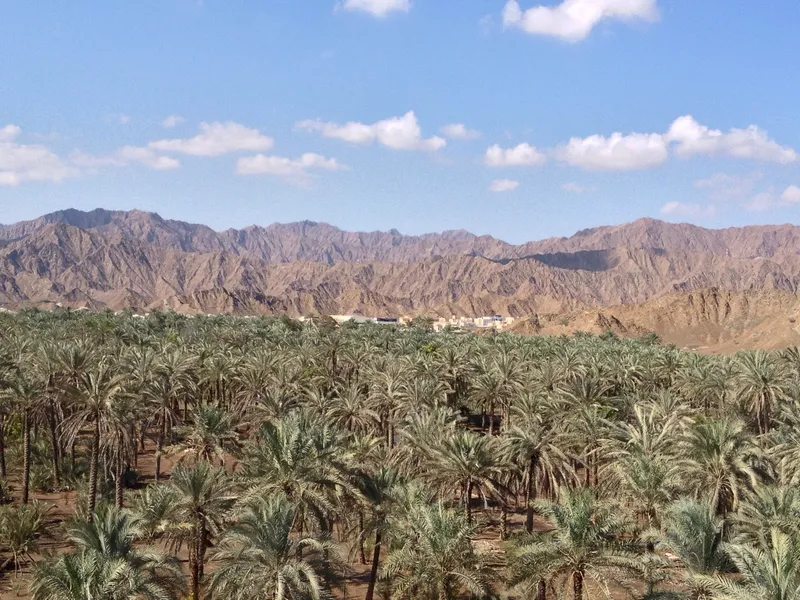
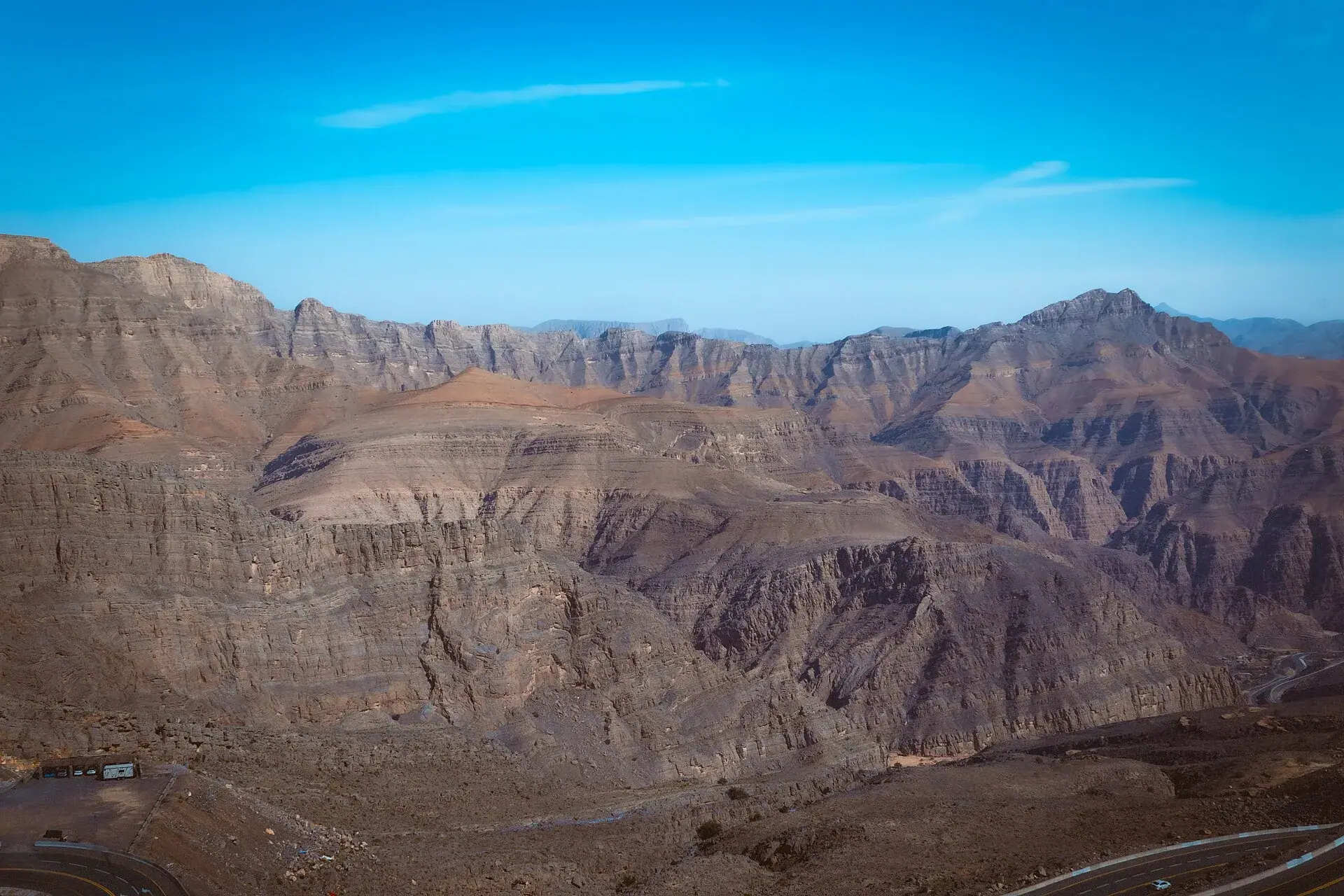 Photo: Tashmetova808 / Wikimedia Commons (CC BY-SA 4.0)