Cost of Living in Riyadh
Real market data
Source: Numbeo · August 2026
$1,780/moSolo nomad1-bed centre + living costs
$2,250/moCoupleshared 1-bed + costs
$1,440/moLean / localcheaper area + costs
- 1-bed rent, city centre$1,200SAR 4,497
- 1-bed rent, outside centre$860SAR 3,214
- Monthly costs excl. rent (1 person)$580SAR 2,191
- Meal, inexpensive restaurant$8SAR 30
- Monthly transit pass$37SAR 140
- Buy price, per m² (centre)$2,970SAR 11,129
Prices are from Numbeo (August 2026), converted to USD at $1 = SAR3.75 (01 Aug 2026). The monthly living-costs figure is our transparent one-person basket, groceries, a few meals out, utilities, phone, internet, transport and essentials, priced from those figures. Solo adds central rent; couple and lean are estimates from the same numbers. The guide below quotes its own monthly range, which is a different measurement rather than a competing one: this table prices a defined basket at the figures above, while that range is a judgement about how somebody actually lives here.
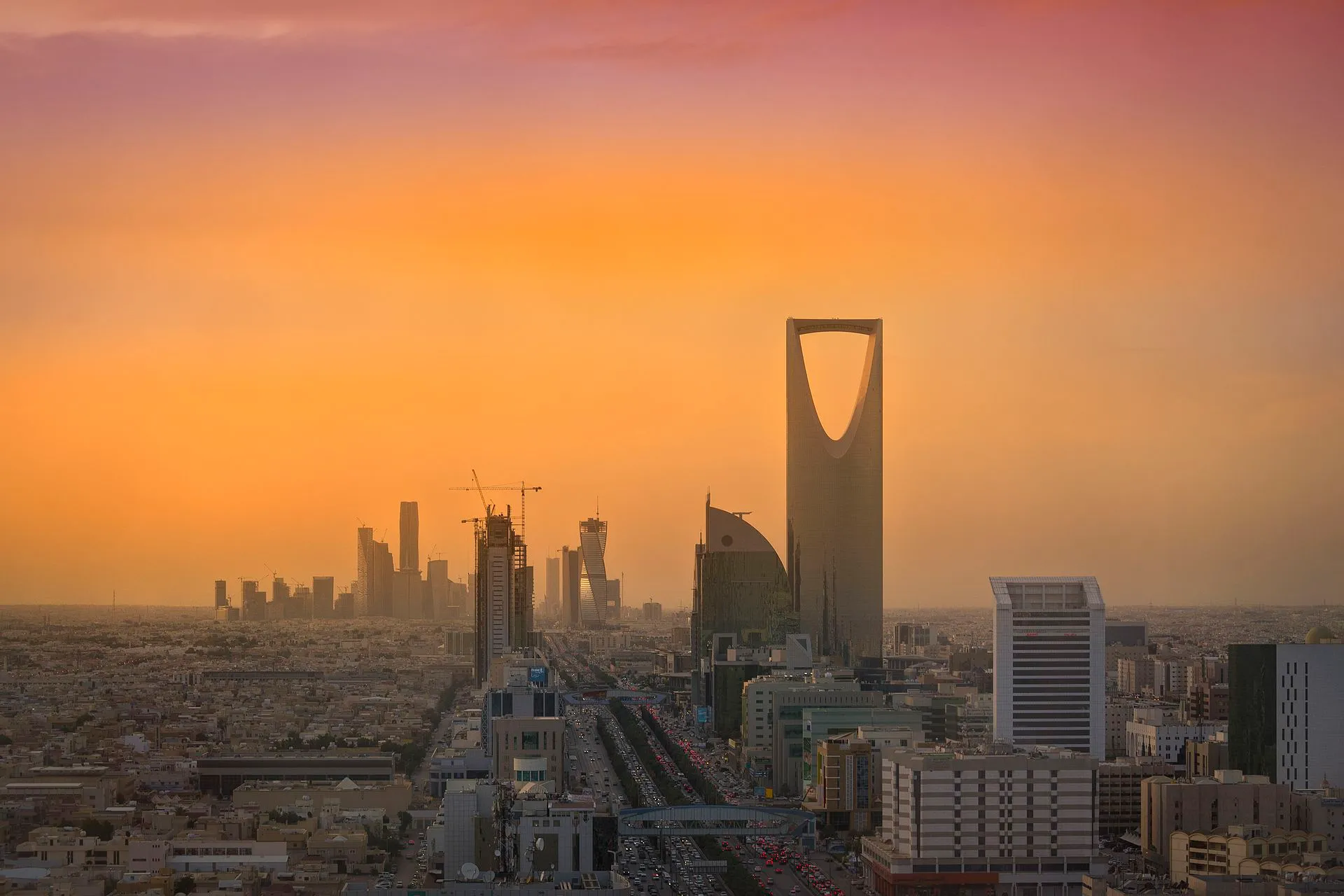
Riyadh sits in a middle tier for the Gulf: pricier than Southeast Asia but noticeably cheaper than Dubai. You can live comfortably on a budget that scales significantly depending on how central you want to be.
- Rent, central (Al Olaya, KAFD area): $935-1,870/month for a furnished one-bedroom
- Rent, cheaper areas (Al Rayan, Qurtubah, outer districts): $535-935/month
- Groceries (cooking at home): $185-320/month for a single person shopping at local supermarkets; costs rise if you rely on imported Western brands
- Eating out: $8-13 for a casual meal, $27-53 for a mid-range restaurant for two, $67+ ($67+) at upscale spots
- Coworking hot desk: $160-320/month; day passes from $27-48
- Local transport (metro + Uber/Careem): $80-160/month; metro monthly pass costs $37
- Total realistic range: $1,600-3,200/month depending on lifestyle and location
There is no personal income tax in Saudi Arabia. Alcohol is prohibited throughout the country, which removes one cost category entirely. Utilities and internet are reasonable, with a 60+ Mbps home broadband plan running around $70/month.
Where to Work
Riyadh's coworking scene has expanded fast under Vision 2030, and the city now has genuine options for remote workers.
Coworking Spaces
AstroLabs is the most established name, with a location in Al Malqa and a newer space inside the King Abdullah Financial District (KAFD). It attracts tech founders and offers month-to-month memberships from $200/month. Spaces at Riyadh Park Mall offers a polished European-style environment with strong community management, coworking from $180/month. Garagena in Al Rayan is a startup-focused space, open 24/7 and well-regarded in the local tech scene. Regus operates multiple locations including Kingdom Centre, covering all budgets.
Cafe Work Culture
Cafe culture is genuinely strong. Specialty coffee shops are everywhere, many open 24 hours, and laptop workers are a normal sight. Ashjar Cafe in Ar Rabi, FOCUS in Namar, and O'PO Specialty Coffee in Al Maliha are among the best-known spots for focused work. Namq Cafe and Cacti both run 24 hours with multiple locations, useful for flexible schedules or late-night sessions.
WiFi Reality
Fixed broadband and mobile data are both fast. Cafes and coworking spaces routinely offer high-speed connections. Video calls and large file transfers are not an issue in the city. The weak link is if you rely on hotel WiFi in budget accommodation, where speeds can be inconsistent.
Getting Around
Riyadh is a large, car-centric city by design, but the transport situation improved significantly in early 2025.
Riyadh Metro
The metro reached full operation on six lines in January 2025, covering 176 km across 85 stations. It is driverless, clean, and air-conditioned. A single journey costs $1, a monthly pass $37. The metro connects many business districts but does not cover all residential areas, so you will still need Uber or Careem for last-mile trips.
Ride-Hailing
Uber and Careem are both active and reliable. Prices are reasonable: a typical cross-city trip runs $5.50-16. Traffic jams during peak hours (especially on the Eastern and Northern Ring Roads) can add significant time, so build buffer into your schedule for important calls or meetings.
Walkability
Most of the city is not walkable in practical terms. Distances are large, sidewalks are inconsistent, and summer heat makes outdoor walking dangerous from May through September. Near the metro stations and in some newer districts, conditions are better.
Airport
King Khalid International Airport is in the north of the city. Metro Lines 3 and 4 connect directly to the airport. A taxi or Uber to the city center costs $19-40 and takes 30-40 minutes outside rush hour. The metro journey takes roughly 40-50 minutes and is significantly cheaper.
Sorting transport? Book an airport transfer, or compare car rental on Auto Europe and QEEQ.
Visas and Staying Long-Term
Saudi Arabia opened to tourism in 2019, and the entry process is now fairly straightforward for many nationalities.
Tourist eVisa and Visa on Arrival
Citizens of around 60 countries, including the US, UK, EU member states, Australia, Japan, South Korea, and several others, can get a one-year multiple-entry tourist visa. It allows cumulative stays of up to 90 days across all visits within that year. Apply via the Saudi eVisa portal before travel or get the visa on arrival at major airports.
Citizens of countries not on the main list may qualify if they hold a valid tourist or business visa from the US, UK, or a Schengen-area country.
Note from February 2025: Saudi Arabia restricted nationals of 14 specific countries to single-entry visas valid for 30 days only.
Nomad Visa
Saudi Arabia does not currently offer a dedicated digital nomad visa. The tourist visa is the primary option for most remote workers visiting short-term. Staying beyond 90 days requires exit and re-entry or a separate visa category tied to employment or business registration.
Best Time to Visit
Climate drives everything here. Riyadh has a true desert climate with extreme summer heat and mild, pleasant winters.
Best Window: November through March
This is genuinely the sweet spot for remote work in Riyadh. Daytime highs sit around 20-26 degrees Celsius (68-79 F), evenings are cool and comfortable, and the city is at its most active. The Riyadh Season entertainment festival runs from October through early spring, bringing concerts, cultural events, and outdoor activities. This is when cafe terraces fill up and the city feels at its best.
Spring (April to May)
Temperatures rise quickly from late March. April is still tolerable but hot, and by May you are looking at 38+ degrees Celsius most days. Occasional sandstorms blow through in spring.
Summer (June to September)
Avoid if you need to move around outside. Temperatures regularly reach 45-50 degrees Celsius, outdoor air quality drops, and the city essentially retreats indoors. Remote workers who can stay inside a well-cooled apartment and coworking space can function, but quality of life is low.
October
Heat begins to ease in late October. Early October can still be very hot, so mid-to-late October marks the start of the good season.
Pros and Cons
- Extremely low crime rate and strong personal safety in public spaces
- Fast, reliable internet across the city, in cafes, coworking spaces, and homes
- No income tax on personal earnings
- Rapidly improving infrastructure including the new metro and world-class coworking venues
- Excellent food scene with strong Middle Eastern, Asian, and international options across all price ranges
- 24-hour cafe culture that accommodates unusual working hours
- Alcohol is completely prohibited throughout Saudi Arabia, with severe penalties for violations
- Extreme summer heat from June to September makes outdoor life difficult or dangerous
- No dedicated nomad visa and 90-day cumulative cap on tourist stays
- LGBTQ+ travelers face significant legal risks as same-sex relationships are criminalized
- English proficiency is limited outside business districts and international hotels
- Car dependency outside metro corridors makes daily logistics slow without a ride-hailing app
- Air quality can be poor due to desert dust and urban pollution, particularly in summer
- Social and political freedoms are restricted in ways that will feel constraining to many Western visitors
Who Riyadh Is Best For
Riyadh works well for remote workers who prioritize safety, fast infrastructure, and a high-quality food and cafe scene. If you are doing business development in the Gulf or attending regional conferences, Riyadh is an obvious base with excellent flight connections across the Middle East and Asia. Workers in tech, finance, or consulting who can benefit from the city's Vision 2030 networking environment will find genuine opportunity here.
It suits people who visit November through March, can stay within the 90-day tourist window, and are comfortable in a conservative Islamic environment without alcohol or overt nightlife. The city rewards those willing to explore its fast-changing local culture: new museums, excellent restaurants, and a genuinely welcoming population.
Skip Riyadh if you need a nomad community with years of infrastructure behind it, depend on alcohol as part of your social life, or identify as LGBTQ+ (the legal risks are serious and well-documented). Summer visitors who cannot tolerate being indoors most of the day should also look elsewhere. If you want cheap street food, walkable neighborhoods, and a beach nearby, Riyadh is the wrong city.