Spain's climates
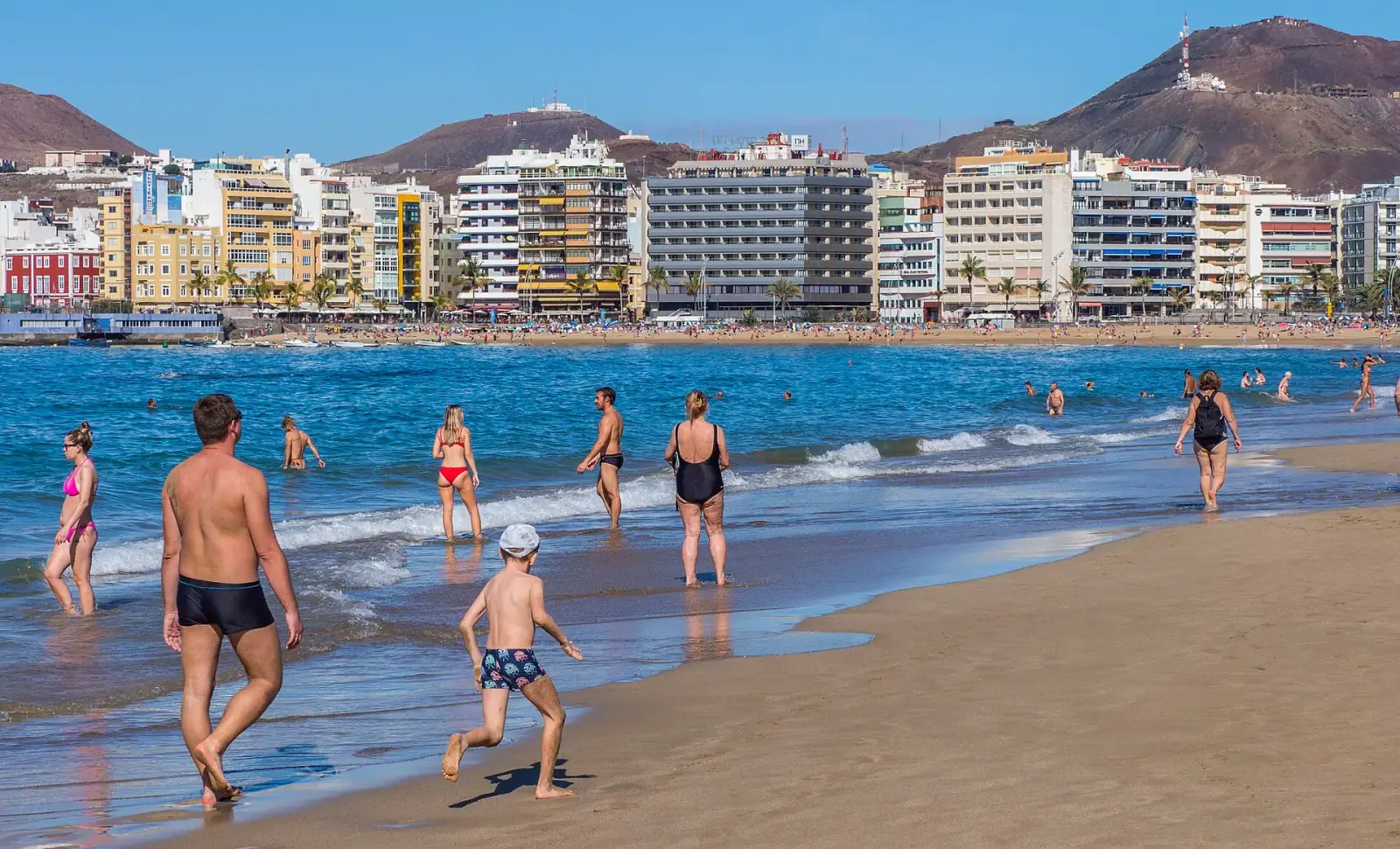
Spain has more climates than most people expect. In January, Madrid can be close to freezing at night and Bilbao is often under steady Atlantic rain, while Las Palmas, a few hours south by plane, sits at around 21°C with people swimming. That is the real attraction of the country for anyone who works remotely: you can stay within one set of rules, one bank and one health system and still choose your weather, season by season. Most people who stay a few years end up doing just that.
The Canary Islands
Las Palmas has one of Europe's strongest remote-work communities, and at around $2,400 a month it gives you a real city and a long urban beach. Tenerife, Lanzarote and Fuerteventura offer variations, from mountains to volcanic landscapes to kitesurf beaches. The islands are an hour behind the mainland, which helps with late calls to the Americas.
The Mediterranean coast
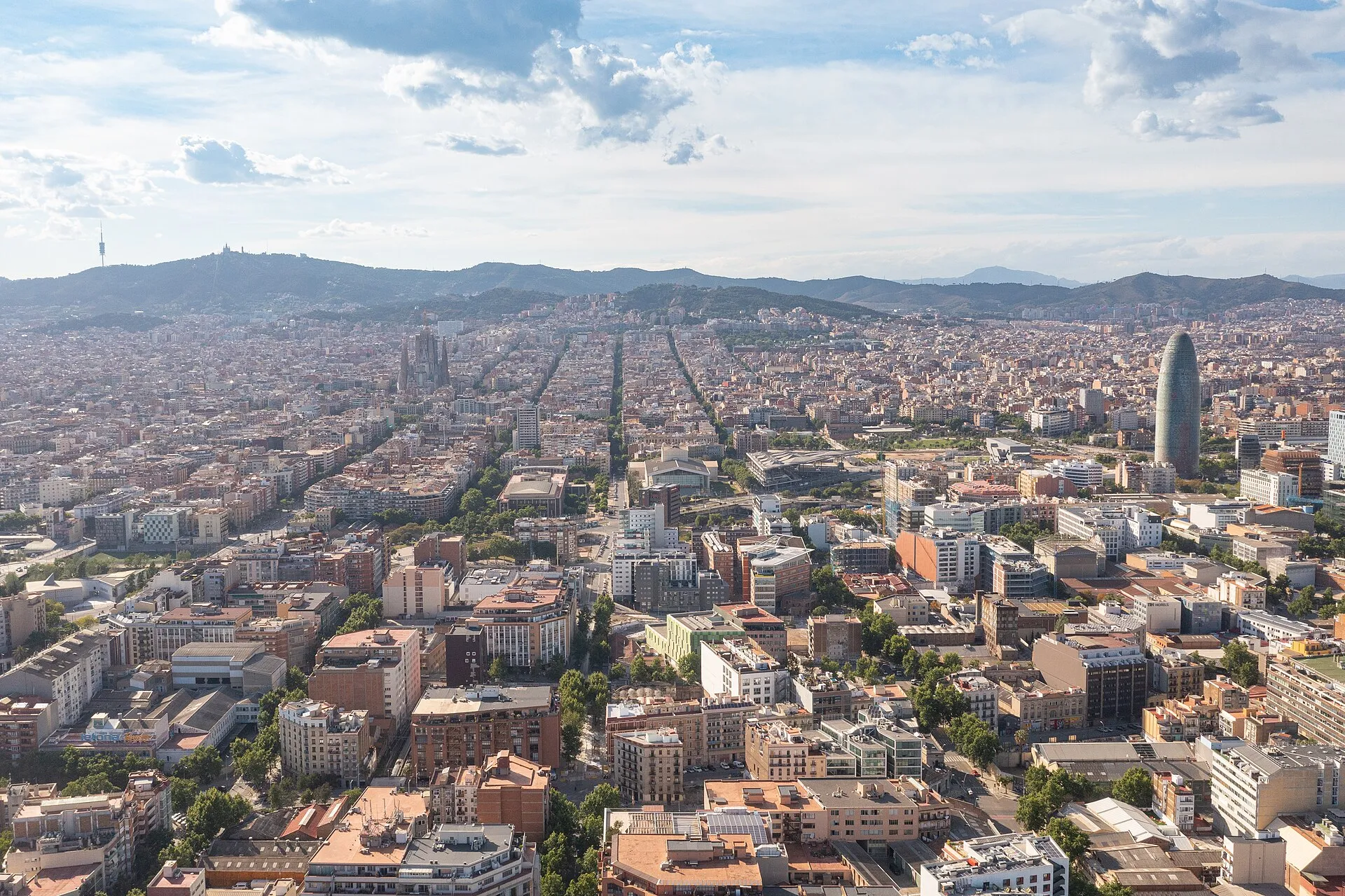
Valencia, at around $2,500, is the choice many people settle on after comparing everything else: flat, bikeable, sunny and still a little cheaper than the big two. Barcelona is the most international city in the country, at around $3,800, with rents that have become a serious political issue. Further south, Alicante and Málaga have year-round mild weather and good airports, and Málaga has lately attracted a tech scene. All of this coast gets very hot and crowded in August, when many locals leave.
The interior
Madrid has no beach and no shortage of anything else: great museums, late nights, the country's main airport and a lot of work, at around $3,200 a month. Seville and Granada have the Moorish heritage, and summer heat that can pass 40°C. Smaller cities are remarkably good value. Salamanca, with its old university, costs around $1,200 a month, and few foreigners live there, which suits people who have come to learn Spanish.
The north
Bilbao and San Sebastián have some of the best food in Europe and cool summers, which is exactly why they are popular with people escaping the south in July. They also have plenty of rain, and Basque is spoken alongside Spanish. Gijón in Asturias and Santiago de Compostela in Galicia are much cheaper and much less discovered.
Visas and practical details
Spain's digital nomad visa is tied to the minimum wage, so its income requirement rises as the wage does. The figure is below. For the paperwork, you will soon meet the people who run Spanish bureaucracy, and our guide to the abogado, the gestor and the notario explains who does what. Daily life starts late: lunch at two, dinner at nine or ten, and many small shops close through the afternoon. Catalan, Basque and Galician are official in their regions, though Spanish will get you through anywhere.
By Yannick Schroth. Updated November 2026.