 Barcelona
Paella was a farmhand's lunch. It took its modern form in the mid-19th century among the rice fields around the Albufera lagoon, about 11 kilometres south of central Valencia, and the word itself is just the Valencian name for the pan. The traditional recipe has rabbit, chicken, sometimes duck, snails, flat green beans and lima beans, cooked over orange and pine wood until a scorched layer called socarrat forms on the bottom. There is no seafood in it, and it was meant to be eaten at midday.
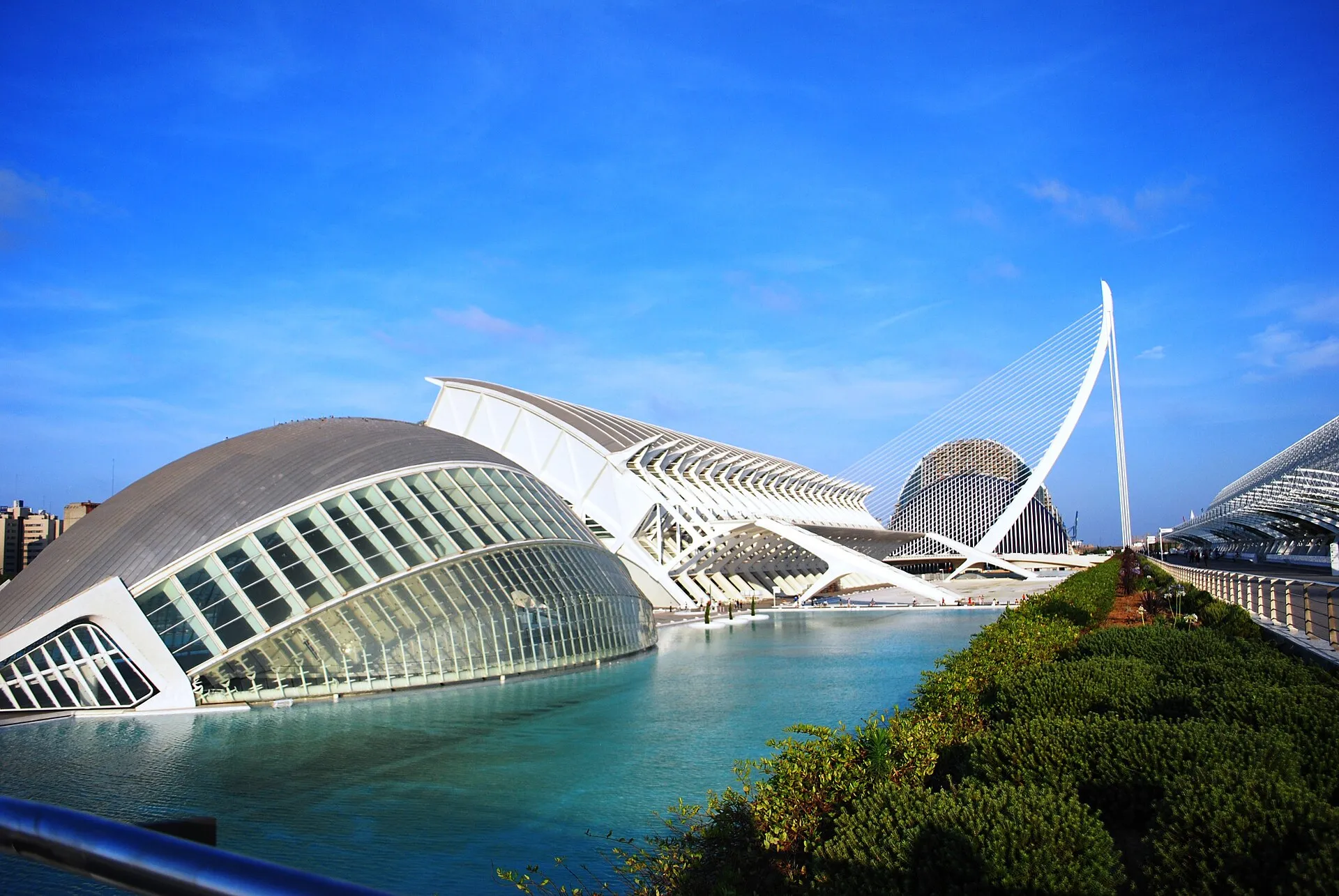
We start here because that plate explains why Valencia suits so many people who first came looking for something else. The farmland is still at the edge of town. You could spend a Sunday at El Palmar, the old fishing settlement on the lagoon, with paddies on every side and birds feeding in them, then be home in the centre by evening. On a weekday you could shop under the tiled domes of the Mercado Central, one of the largest markets in Europe, and stop for a cold orxata, the tiger-nut drink for which nearby Alboraya is the main centre of production. Food here comes from somewhere you can actually go and look at.
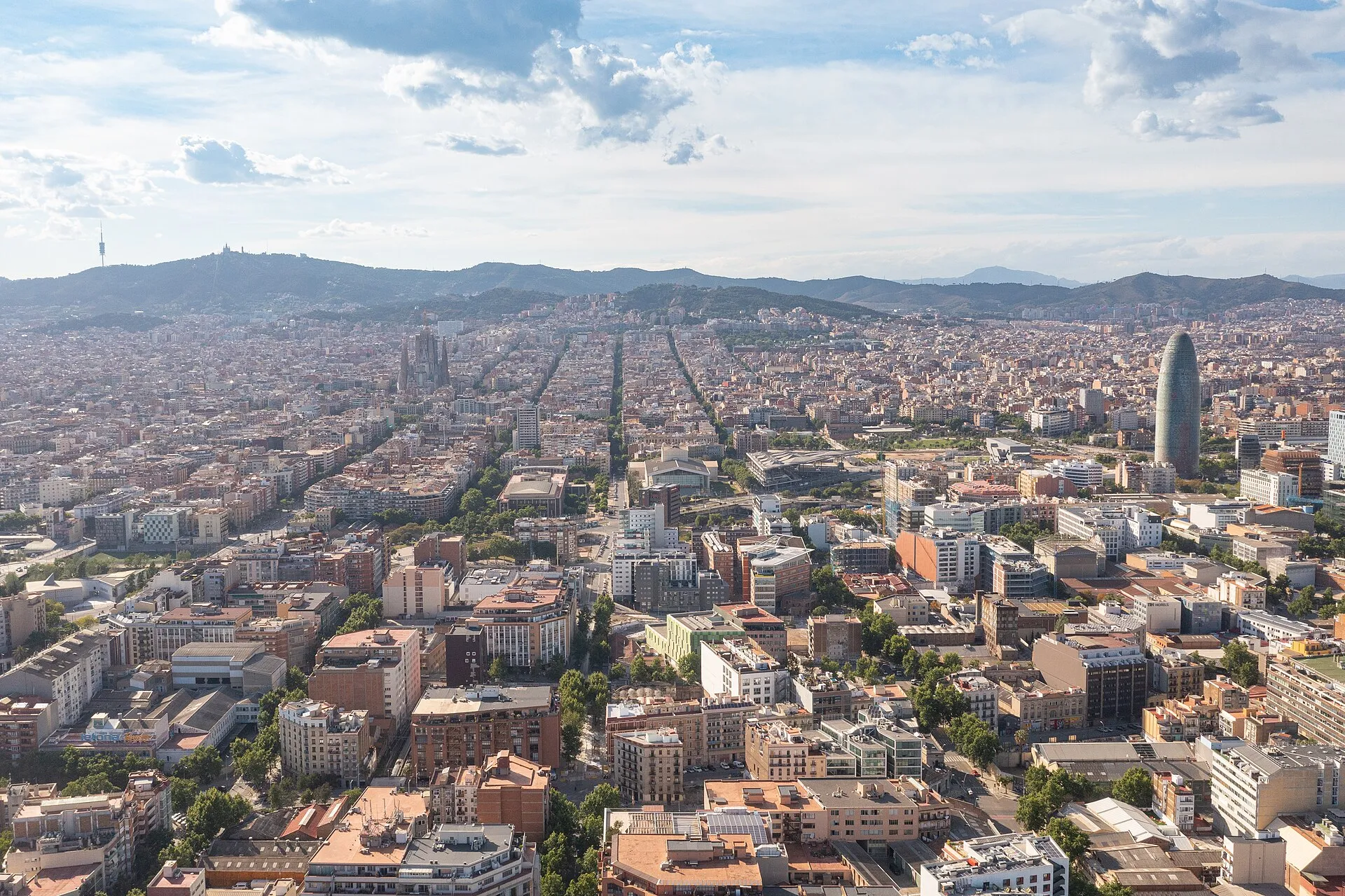
What Barcelona puts on the table
Barcelona eats differently, and it would be a mistake to treat it as the same meal at a higher price. Its founding gesture is much smaller: a slice of bread rubbed with tomato and olive oil, pa amb tomàquet, on the table with everything. Catalan cooking is fond of "sea and mountain" plates that put meat and seafood together, and between November and April it has one of the great messy rituals of Spain, the calçotada. Long green onions from around Valls are charred, wrapped in newspaper to steam and served on terracotta tiles, and you peel them by hand in a bib, then dip them in an almond sauce with red wine or cava within reach.
That is a meal for a big group, and the city is built the same way. As Spain's second city it has more of everything: more people in your field, more languages, more restaurants in Gràcia and El Born than you will ever get through, and far more flights. If your work depends on who you bump into, this is where you will bump into them.
The bill
Living in all that costs real money. We estimate about $3,800 for a comfortable month in Barcelona, and finding the flat is the hard part. The city council has said it will not renew any of its 10,101 tourist flat licences when they expire in November 2028, which tells you how badly short of homes it considers itself to be. Valencia comes in at around $2,500 by our reckoning. Rents there have climbed as well, but that gap of $1,300 is still a lot of lunches, and few people working alone from a laptop will feel they lost that much city.
There is one thing to look at when you hunt for something cheaper around Valencia. In October 2024 catastrophic floods killed more than 230 people in the province. The city proper was largely spared, thanks to the canal that has carried the Turia around it since 1973, but towns just south of that channel, such as Paiporta, Catarroja and Sedaví, were not. Ask the landlord what happened to the building that autumn, and how high the water rose in the street.
Where we would eat first
We lean towards Valencia for almost anyone without a professional reason to be in Barcelona. It is Spain's third city, with about 840,000 people, so you are not moving to a village, and the Turia gardens and the beach will fill the time you would otherwise spend looking for a flat.
If you are unsure, plan your first week around two tables. Have a long Sunday paella at the lagoon. If you are there in the cooler months, take the train up the coast for a calçotada as well. Notice which of those afternoons made you want to stay and which made you glad to have seen it.
 United States
 United Kingdom
 Germany
 Canada
 Australia
 India