Cost of Living in Almeria
Real market data
Source: Numbeo · September 2026
$1,380/moSolo nomad1-bed centre + living costs
$1,900/moCoupleshared 1-bed + costs
$1,210/moLean / localcheaper area + costs
- 1-bed rent, city centre$730€633
- 1-bed rent, outside centre$560€488
- Monthly costs excl. rent (1 person)$650€566
- Meal, inexpensive restaurant$17€15
- Monthly transit pass$32€28
- Buy price, per m² (centre)$2,010€1,750
Prices are from Numbeo (September 2026), converted to USD at $1 = €0.87 (01 Aug 2026). The monthly living-costs figure is our transparent one-person basket, groceries, a few meals out, utilities, phone, internet, transport and essentials, priced from those figures. Solo adds central rent; couple and lean are estimates from the same numbers.
Budget around $1,380 a month as a solo remote worker in Almeria, which is among the cheapest coastal cities in Spain and well below Malaga, Valencia or Barcelona. A one-bedroom apartment runs roughly $450 to $700, with the centre and the seafront at the upper end. Food is inexpensive, helped by the enormous agricultural sector immediately west that supplies much of Europe's winter vegetables. Eating out is good value and the tapa that comes free with a drink is a genuine local custom here. Utilities are low given the mild winters and dry heat. The rental market splits along the season in a way that matters for a long stay: winter lets aimed at northern European visitors run from October to March and are priced by the month, while a twelve-month Spanish contract works out cheaper per month and is harder to get without a local income. Two months' deposit plus an agency fee is the usual ask. Summer electricity climbs once air conditioning is running, and flats out along the coast at Cabo de Gata cost noticeably more than the same space in the city, which is the reverse of what most arrivals assume.
Where to Work in Almeria
Spain has one of the best fibre networks in Europe and Almeria is comprehensively covered, with fast, inexpensive home connections and reliable mobile data. A small coworking scene exists, and the University of Almeria supports a modest professional population. The city has not attracted the nomad numbers that Malaga and Valencia have, which means fewer dedicated spaces but also none of the pressure on housing that those cities now have. Power is reliable. For remote work the infrastructure is a genuine strength at a price well below the rest of the Spanish coast. The working rhythm takes more adjusting to than the connection does. Spanish hours run late, lunch is long and the middle of the afternoon empties out, so a call scheduled at three finds fewer people than the calendar suggests. Central European time gives a comfortable overlap with the rest of Europe, an hour's offset from the United Kingdom and a late-afternoon start against the American east coast. The university has a real research concentration in agronomy and solar energy, which follows directly from what surrounds the city, and it is where most of the local technical work sits.
Getting Around Almeria
Almeria's centre is compact and walkable, running from the port and the seafront promenade up to the Alcazaba on its ridge. Local buses cover the city cheaply and cycling along the flat seafront is practical. Trains and buses connect to Granada, Malaga and Madrid, though the rail links are slower than elsewhere in Spain and the high-speed line has been under construction for years. The airport is fifteen minutes out with European connections. A car matters for Cabo de Gata, the Tabernas desert and the Alpujarras, none of which are well served by bus. The connection people overlook is the sea. Almeria's port runs ferries to Melilla and to Nador and Al Hoceima on the Moroccan coast, which puts North Africa within an overnight crossing and makes the city a jumping-off point rather than a dead end on the map. Parking in the old centre is difficult enough that a car is a liability if you live there and close to a necessity if you do not. For anything within Andalusia the coach network is far better than the trains.
Sorting transport? Book an airport transfer, or compare car rental on Auto Europe and QEEQ.
Visas for Almeria
Spain is in the Schengen area, so most non-EU nationals get ninety days within any 180-day period and EU citizens face no restriction. Spain's digital nomad visa, created under the 2023 startups law, is among the more accessible in Europe: it covers remote workers for foreign companies, has an income threshold tied to the minimum wage, runs for up to three years and can be applied for from inside Spain after entering as a tourist. It also carries a favourable tax regime for qualifying applicants, which is a substantial part of its appeal. Two registrations come first: the NIE, the foreigner identity number that every contract and bank account requires, and the empadronamiento, the town hall registration that proves where you live. Start both early. The favourable tax treatment is not automatic either; it has to be applied for, and it is the part of the package worth taking advice on rather than guessing at, particularly around social security, where whether you pay in Spain or stay covered at home depends on the shape of your employment. The Nador sailing is a true border crossing for anyone outside the EU: the passport hall at Almería's port checks the Entry/Exit System record on the way back, and the days spent in Morocco come off nothing.
Best Time to Visit Almeria
Almeria has the mildest winter in mainland Europe and that is the argument for it: December to February sits around eighteen or nineteen by day with abundant sun, which is why it fills with northern European long-stay visitors. April to June and September to October are close to ideal, warm and dry with swimmable sea from late spring. Summer from July to August is hot, above thirty-two, though the humidity is lower than the Mediterranean average. Rain is almost absent, with an annual total among the lowest in Europe. The lack of rain is also why the region grows so much of the winter produce that reaches northern Europe, which is visible as soon as you drive west. The sea lags the air by a couple of months, so September is the best swimming of the year and June is cooler than the sunshine suggests. August brings the Feria, which takes over the city for a week. Wind matters more than rain here: an easterly can flatten a beach day, and a few times each year the calima carries Saharan dust across the province and turns the sky orange for a day or two.
Pros and Cons of Almeria
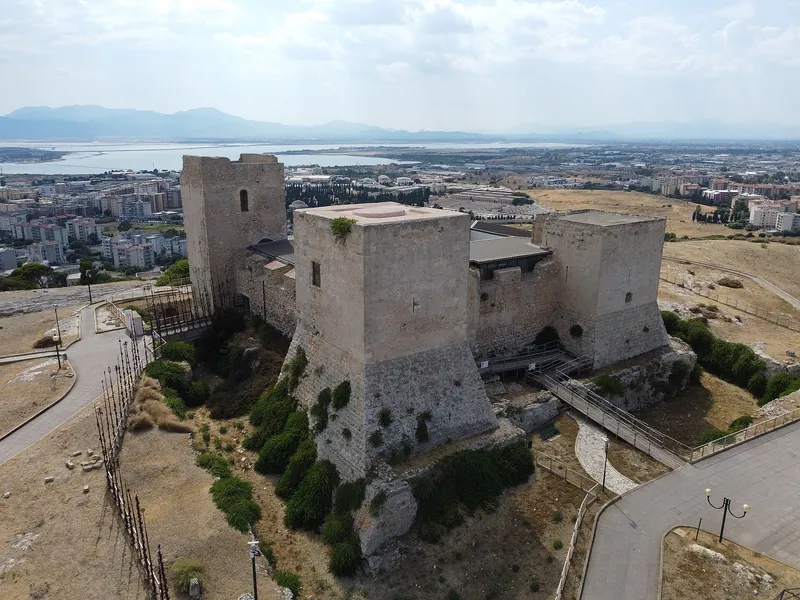
Almeria offers the driest, sunniest and mildest climate in mainland Europe, a hilltop Moorish alcazaba, the empty beaches and volcanic coast of Cabo de Gata half an hour east, and Spanish city living at prices the rest of the coast left behind years ago. The free tapas custom is real. Little English is spoken outside the tourist trade, the pace is slow next to Malaga or Valencia, the rail connections are genuinely poor, and the vast plastic greenhouse sea west of the city is an environmental and social issue worth understanding. The greenhouses are also visible from space and cover a substantial part of the coastal plain, which is worth seeing rather than reading about. Water is the province's underlying problem and the one most likely to shape its future, since this is the driest corner of Europe and the agriculture that supports it draws on aquifers faster than they refill. The airport's schedule is also seasonal, thick with northern European routes in winter and thinner in summer, which is the opposite of most Spanish airports and worth checking before assuming a cheap flight home exists in August.
Who Almeria Is For
Winter sun in the eurozone at a price that makes months rather than weeks affordable, which is what the Spanish nomad visa is for. It works for hikers and divers drawn to Cabo de Gata, and for anyone who wants a working Spanish city rather than an expat coastal strip. Spanish is required rather than helpful, the nomad community is small enough to be counted, and a provincial city of this size runs out of new things somewhere around week five for anybody who needs a steady supply of them. It also suits film enthusiasts, since the Tabernas desert north of the city is where a great many westerns were shot and the sets survive. Choosing this over Malaga or Alicante means trading a scene and an airport for roughly a third off the rent and a city that still behaves like itself. It is one of the better places in Spain to actually learn the language, precisely because getting by in English is not really an option. This works for a family, and it works for the people who winter here and go north for the summer, which is the pattern a good many long-stay residents end up settling into.
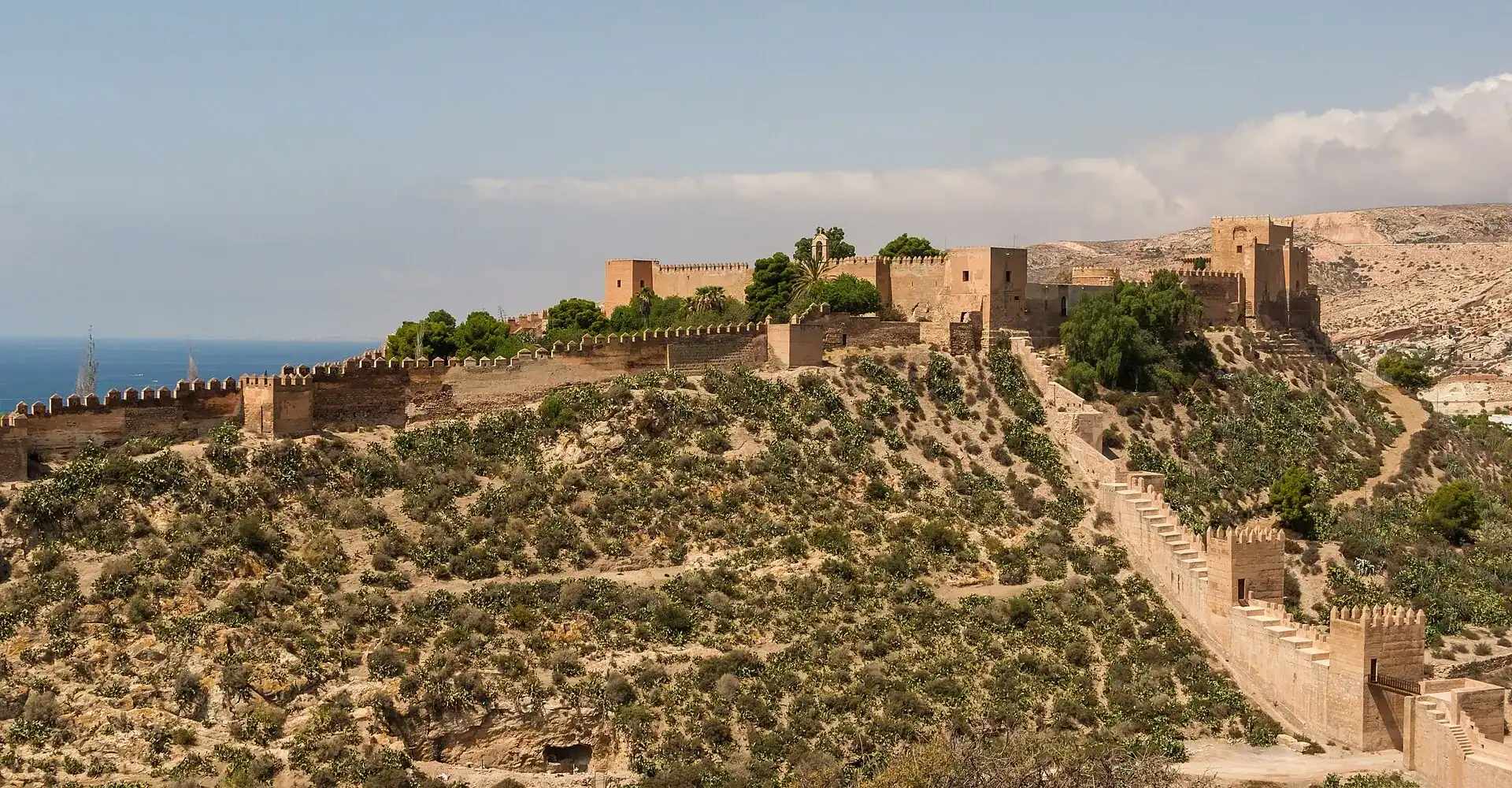 Photo: Jebulon / Wikimedia Commons (CC0)