 Málaga
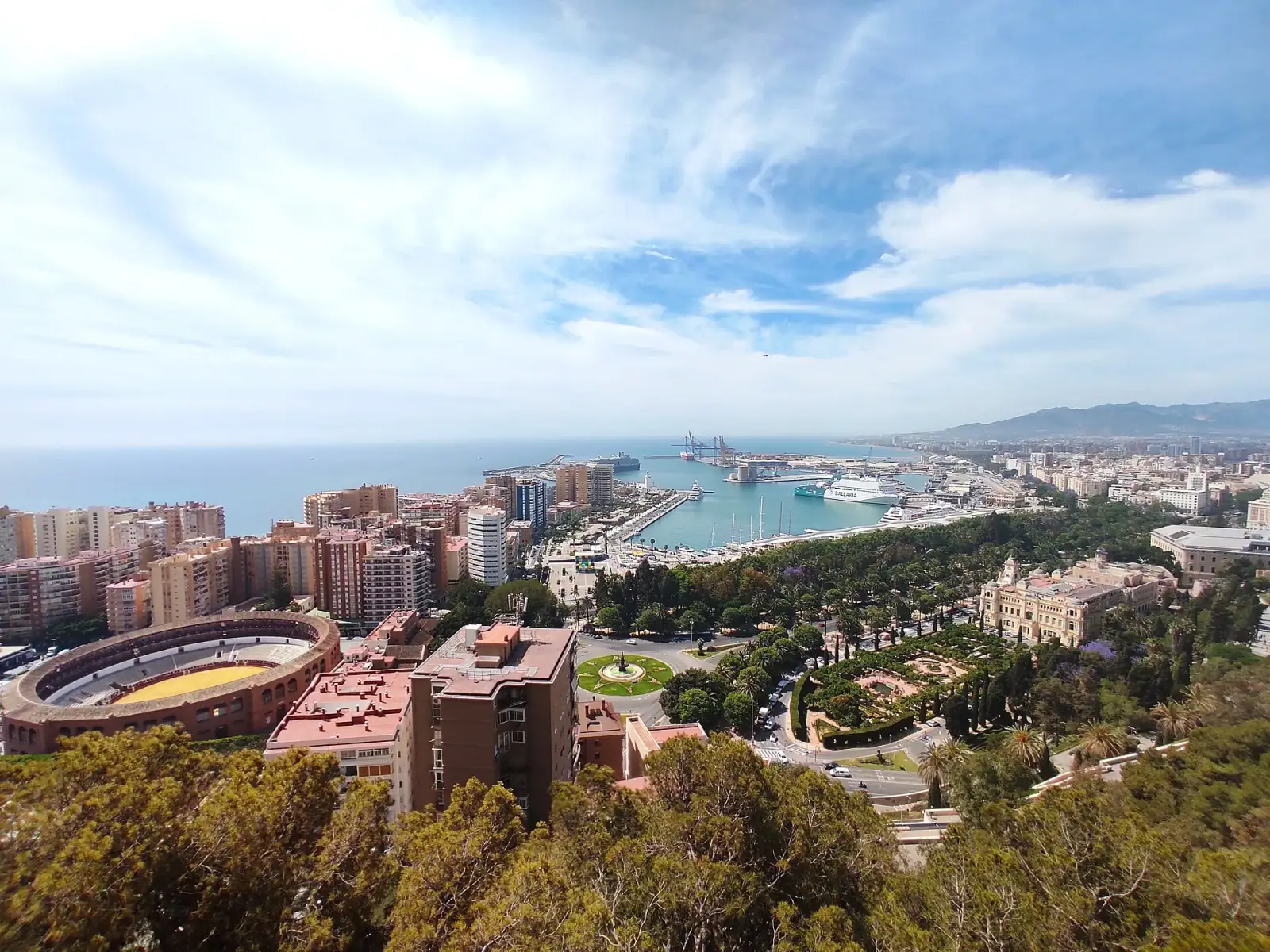
Order a drink at a bar in Granada and a small plate usually follows, free, which the rest of Andalusia mostly does not do. It might be beans with ham, one of the city's most typical dishes, and two rounds later you have more or less had supper. In Málaga you would sit near the water at Pedregalejo, the old fishing district, and pay for sardines threaded on split sugar cane, salted, and held beside an olive-wood fire for about six minutes in a boat filled with sand.
One meal is built for people with little money and a long evening. The other is built around a sea view and a coastline full of visitors with cash. That is the choice in small.
Who the free plate feeds
Granada has about 233,000 residents and around 47,000 undergraduates, which explains a great deal: the crowded bars, the cheap lunch menus at $12 to $17, the sense that a whole city is arranged around people on a budget. Our estimate for a remote worker's month is around $1,800. Local tenants pay about $410 for a one-bedroom on a new lease.
Málaga's sardines come with a bigger bill. We put a month there at around $2,600, and asking rents in the city hit a record of about $19 per square metre in 2026, the fifth highest of any Spanish city. Part of the reason is work: Málaga TechPark closed 2025 with 29,018 employees, and those salaries compete with you for flats. The upside is that you can find colleagues and coworking communities in Soho, where Granada's scene is modest and runs largely in Spanish.
Where you can eat outdoors in January
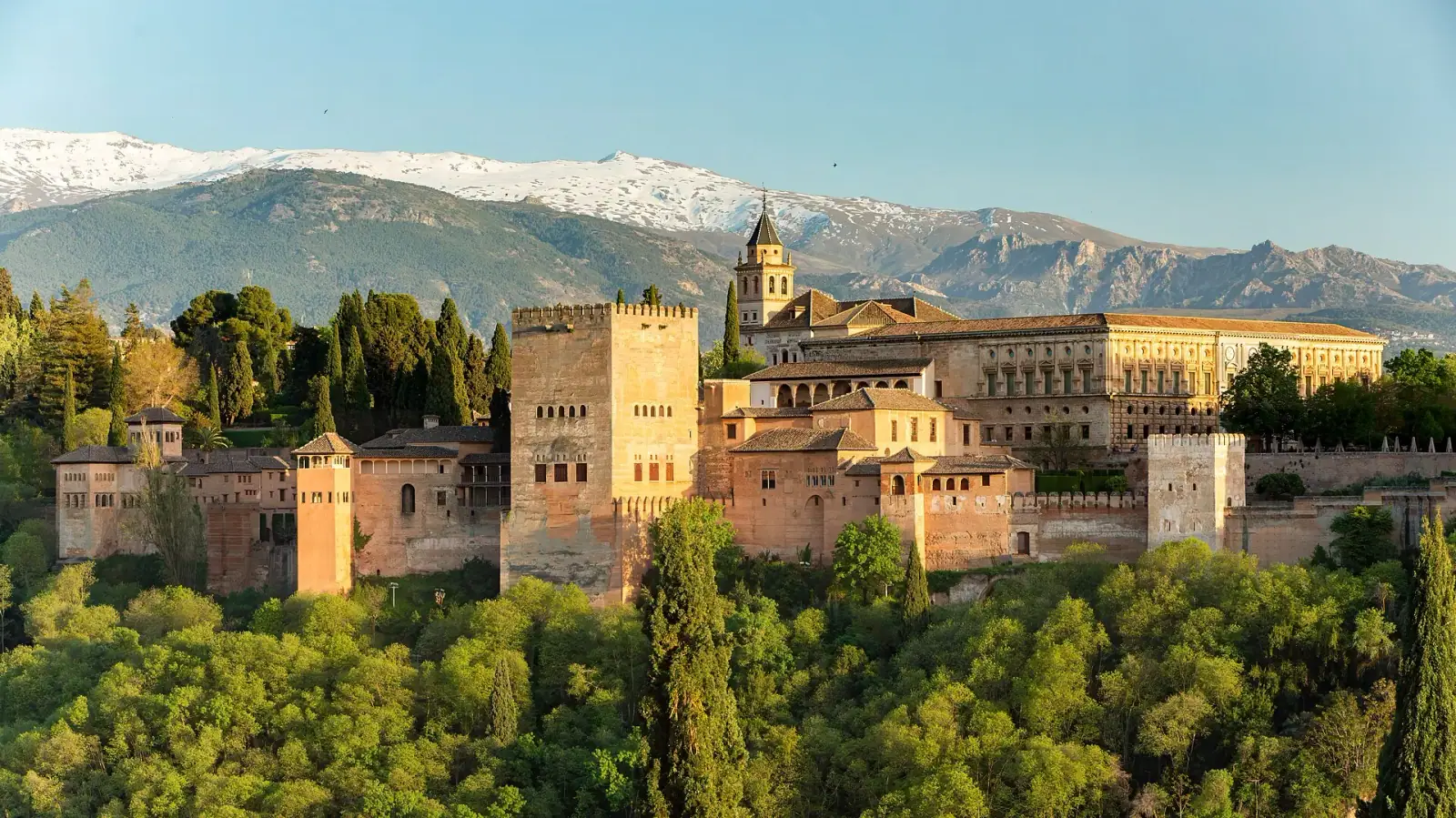
This is where Granada loses the argument for some people. It sits at 738 metres under the Sierra Nevada, with average January days of 13°C and nights close to freezing, and the flats in the old Albaicín climb steep lanes. In July it reaches 35°C. Málaga has 17°C in January and 31°C in July, with about 2,975 hours of sun a year and nights that stay mild. You could eat that sardine on the beach in February. Nobody is having a long evening on a Granada terrace then, although the snow on the mountain above town is its own reward.
Getting out, this winter especially
High-speed trains from Madrid to Andalusia have been suspended since the Urda crash of 28 October 2026, which hurts both cities and makes the airports matter more. Málaga's handled nearly 27 million passengers in 2025, fourth in Spain, and a commuter train gets you there from the centre every 20 minutes. Granada's airport has a short list: Madrid, Barcelona, the islands, and a few international routes such as London Luton, Amsterdam and Paris Orly. On the timetable, the fast train between the two cities takes a little over an hour, so Málaga's airport can serve as Granada's back door.
Our pick
Take Granada for a semester of cheap evenings, good Spanish practice and the Alhambra above your walk home, and accept the cold. For a year-round base with work and flights, Málaga justifies its extra $800, though only just. Count how many flights you expect to take before spring: three or fewer, and we would keep the money and go to the bar in Granada.
 United States
 United Kingdom
 Germany
 Canada
 Australia
 India