Cost of Living in Toledo
Real market data
Source: Numbeo · August 2026
$2,030/moSolo nomad1-bed centre + living costs
$2,830/moCoupleshared 1-bed + costs
$1,780/moLean / localcheaper area + costs
- 1-bed rent, city centre$1,020€883
- 1-bed rent, outside centre$770€671
- Monthly costs excl. rent (1 person)$1,010€877
- Meal, inexpensive restaurant$23€20
- Monthly transit pass$66€58
- Buy price, per m² (centre)$1,780€1,550
Prices are from Numbeo (August 2026), converted to USD at $1 = €0.87 (01 Aug 2026). The monthly living-costs figure is our transparent one-person basket, groceries, a few meals out, utilities, phone, internet, transport and essentials, priced from those figures. Solo adds central rent; couple and lean are estimates from the same numbers.
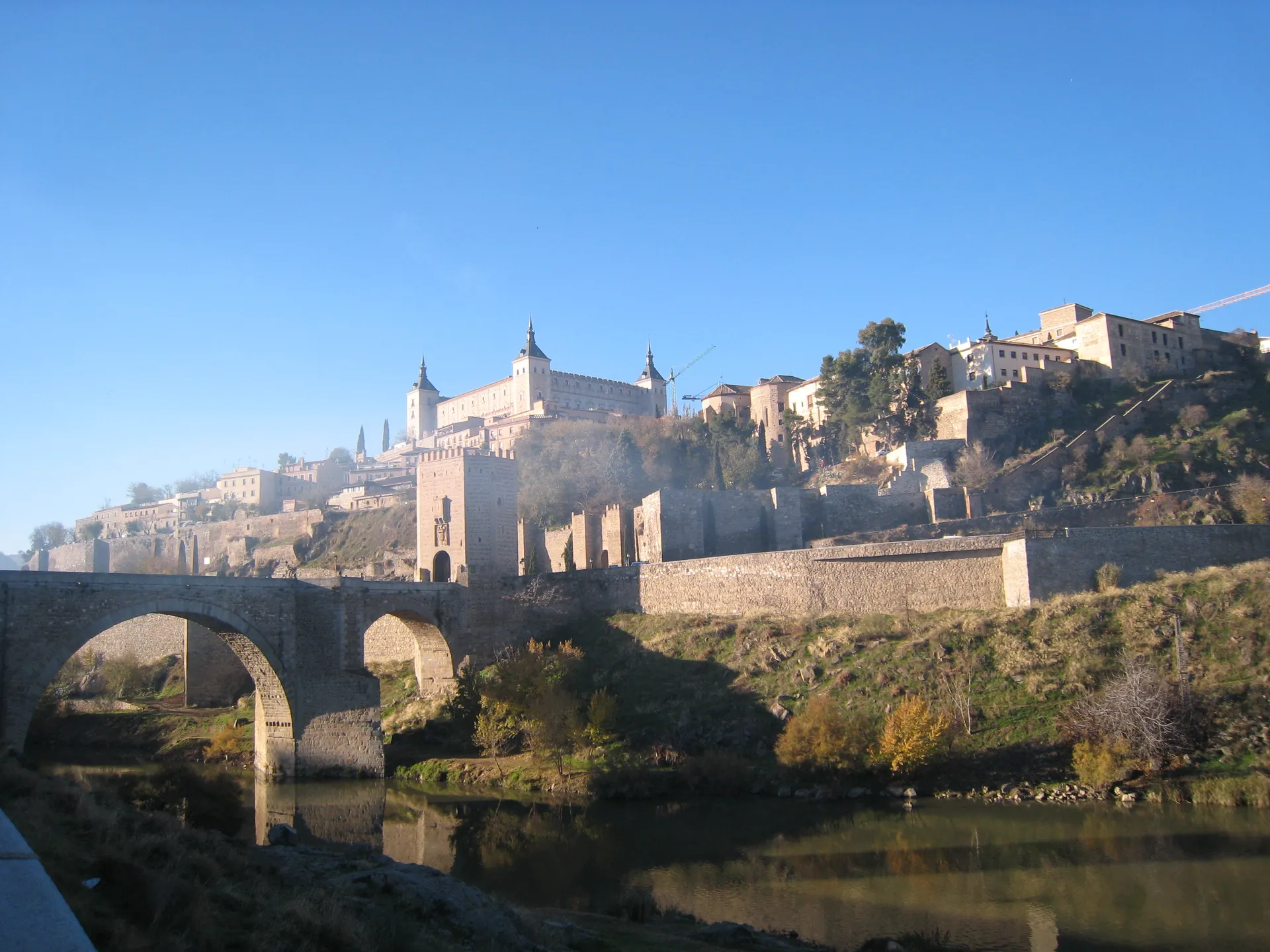
Toledo sits at the affordable end of Spanish city living, cheaper than Madrid while keeping you within easy reach of the capital. The measured basket for one person, rent included, runs about $1,780 to $2,030 a month, the low end a one-bedroom outside the walls and the high end one inside them, and that is the figure at the top of this page. A frugal month nearer $1,100 to $1,600 is achievable on home cooking and the weekday menu del dia, but the measured range is the safer planning number. Rent is the main variable: a small flat outside the medieval walls costs far less than a restored place in the old town. Groceries, local wine and menu del dia lunches are gentle on the wallet, though tourist-facing cafes near the cathedral charge a premium. These are editorial estimates rather than fixed quotes, so treat them as a planning guide. The cost that catches people is inside versus outside the walls. The historic core has almost no supermarkets, deliveries are restricted, and its flats are old, stone-built and costly to heat, so a beautiful address carries a running cost the rent hides. The newer districts across the river hold the supermarkets, the gyms and the parking, ten minutes away by bus. Nearly everyone staying past a season ends up there.
- Rent: a one-bedroom flat outside the walls is noticeably cheaper than a central old-town apartment.
- Food: a weekday menu del dia is a cheap, filling way to eat well at lunch.
- Transport: the compact centre means most days cost nothing to get around on foot.
- Extras: budget a little more for the frequent Madrid train and weekend day trips.
Where to Work in Toledo
Toledo is a small historic city rather than a coworking hub, so expect a modest but workable scene. A handful of cafes around Zocodover and the newer districts offer reliable tables and coffee, and some serviced offices and shared desks exist outside the walls where space is easier to come by. Many nomads simply work from their apartment and step out for lunch. If you need a dependable connection, choose accommodation with a tested fibre line, since thick stone walls in the old town can weaken signals. For serious coworking or fast-changing meeting needs, Madrid is only around thirty minutes away by high-speed train, making a day trip north entirely practical. The high-speed line is the real argument for living here, and it is worth stating precisely. Trains reach the capital in about half an hour, which is quicker than crossing that city by metro, so an address here puts you inside Madrid's commuter belt while paying provincial rent. The catch is the timetable rather than the journey. This is a branch line with a limited number of services a day rather than a turn-up-and-go metro, the last train back is earlier than you would like, and a missed connection is a taxi fare of real size. Check the return before committing to an evening.
Getting Around Toledo
Toledo is built for walking, and walking is really the only sensible way to explore the historic core. The old town is a steep maze of narrow cobbled lanes, staircases and sudden gradients, so wear proper shoes and expect a workout. A series of outdoor escalators helps you climb from the lower car parks up into the centre. City buses connect the walled town with outlying neighbourhoods and the train station, and taxis are easy to find. Cars are impractical inside the walls, so most visitors park below and walk up. For Madrid, the frequent high-speed train covers the trip in roughly half an hour from the handsome Toledo station. The station is worth a look in its own right rather than a hurried exit. It was built in 1919 in a deliberately neo-Mudejar style, with horseshoe arches, tilework and a clock tower, and it is one of the handsomest small stations anywhere in the country. It also stands on the far bank, which is what to plan around, since arriving by train means a bridge and a climb or a short bus ride. The river explains most of the city's shape: it loops around three sides of the rock, leaving only the north to be walled.
Sorting transport? Book an airport transfer, or compare car rental on Auto Europe and QEEQ.
Visas for Toledo
Toledo is in Spain, part of the Schengen Area, so entry rules follow national and EU policy. Many visitors from countries such as the United States, the United Kingdom, Canada and Australia can enter Schengen visa-free for up to ninety days in any one-hundred-and-eighty-day period, which suits shorter stays. For longer, Spain offers a digital nomad visa aimed at remote workers employed by companies outside the country, alongside other long-stay routes. Requirements typically cover proof of income, health cover and a clean record. Published figures for Spain's remote-work visa disagree with one another, and the reason is arithmetic rather than policy. The threshold is set at double the minimum wage, but that wage is legally expressed in fourteen annual instalments rather than twelve, so the yearly floor is not the monthly figure multiplied by twelve; work from the annual number the immigration unit itself uses. In today's terms it lands near $3,280 a month and it shifts every time the wage is raised. Nearly every non-EU visitor reaches Toledo through Madrid-Barajas, and that passport hall is where the EU Entry/Exit System opens its biometric file on the first crossing into the bloc; since April 2026 the file, not a stamp, keeps the running total of days, and the half-hour train down from Atocha adds nothing to it.
Best Time to Visit Toledo
Spring and autumn are the sweet spots for Toledo. April to June and September into October bring warm, comfortable days, softer light on the honey-coloured stone and thinner crowds than high summer. July and August turn hot, with the hilltop city baking under strong central-Spanish sun, though evenings cool pleasantly. Winter is quiet, crisp and occasionally cold, but the lanes feel wonderfully calm once the day trippers thin out. Whenever you come, try to linger past late afternoon: most bus tours leave by evening, and Toledo reveals its quieter, more atmospheric self once the day visitors from Madrid head home for the night. Some numbers make the seasons concrete. This is a continental summer rather than a Mediterranean one: the city sits on a rock in the middle of the peninsula with no sea to moderate it, and July and August routinely pass forty degrees in the afternoon before the nights drop away sharply. The visitor arithmetic is just as stark, with over two million people a year passing through a walled town of far fewer residents, almost all of them between ten and six. Corpus Christi in late spring is the exception worth planning around, when the streets are awned and strewn and the town belongs to itself.
Pros and Cons of Toledo
Toledo rewards anyone drawn to history, atmosphere and a slower pace, but it is not a fit for everyone. The extraordinary layered heritage, walkable scale and proximity to Madrid are genuine strengths, while the small size, hilly terrain and heavy day-trip traffic are real trade-offs. Weigh what you want from a base: deep culture and calm, or a big-city nomad network. Here is a quick summary to help you decide whether this hilltop city suits your working life and your temperament over a stay of several weeks or a few months. The building that dominates every view of this city is also its most uncomfortable. The Alcazar was besieged in 1936, when a Nationalist garrison held it against Republican forces for two months, and the relief of that siege became one of the founding myths of the Franco regime, complete with a telephone call in which the commander reportedly told his captured son to die well. It was rebuilt as a shrine to that story, and although it houses the army museum today and the interpretation has been revised, the building standing there is the version the regime put back. The three-cultures story the city sells is worth holding lightly too: coexistence here ended in expulsion, and the synagogues survive because they were taken rather than because they were shared.
- Pros: staggering Three Cultures heritage and a UNESCO old town; highly walkable and compact; fast, frequent train to Madrid; relatively affordable; safe and calm in the evenings.
- Cons: steep, tiring streets; very busy with day trippers; small nomad and coworking scene; limited nightlife; hot summers and patchy old-town wifi.
Who Toledo Is For
Toledo suits the culturally curious remote worker who values atmosphere over buzz. If you love history, art, quiet mornings in ancient lanes and long lunches of Manchego, marzipan and game dishes, you will feel at home. It works well for writers, researchers and independent workers who need focus and charm rather than a large social scene, and for anyone who wants Madrid within reach without paying capital prices. It is less ideal if you crave a big nomad community, lively nightlife or flat, easy walking. Think of Toledo as a beautiful, low-key base: perfect for a few weeks of deep work wrapped in living history and unhurried Spanish rhythm. Live outside the walls and treat the old town as somewhere you walk into, which is what residents do and which roughly halves the rent. Six months from September works best: the autumn is the finest season here, the winter is quiet and cheap, and you are gone before July. Buy the monthly rail pass if the capital is going to be a weekly trip, because the walk-up fare is not priced for commuters. And find out where the residents eat, because the restaurants on the cathedral square are priced for people who will never come back.