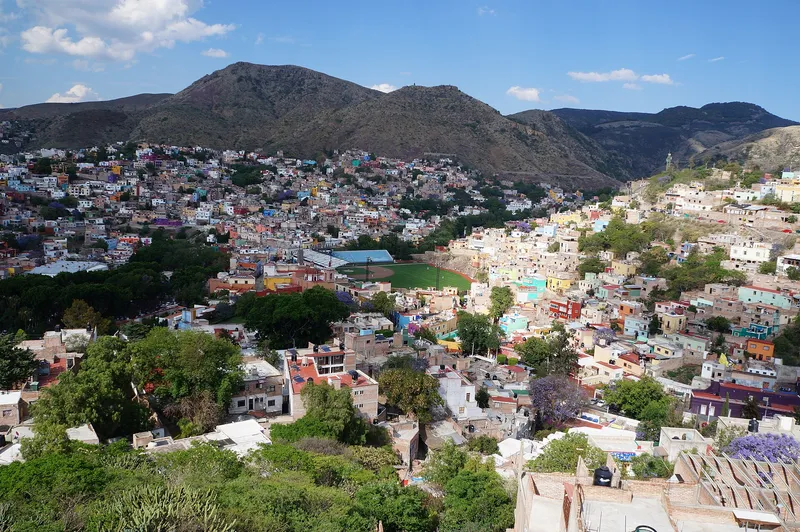
Cost of Living in Granada
Where this figure comes from. No cost survey covers Granada, so the $1,800 a month above is our own estimate rather than a measurement. On 416 of our 999 city guides the figure is built from a published Numbeo basket, a one-bedroom rent in the centre plus one person's monthly costs without rent, converted to USD; this city is not one of them. How we source everything.
Granada is one of the most affordable cities in Spain, which makes it a genuine bargain compared to Barcelona or Madrid. Expect to spend less here than almost anywhere else in the country with a city of its size and quality of life.
- Rent, central areas (Centro, Realejo): $600-920/month for a one-bedroom furnished apartment (roughly $570-880)
- Rent, cheaper areas (further from centre, outer districts): $405-575/month for a one-bedroom
- Groceries: $175-290/month if you shop at Mercadona or Lidl and cook regularly
- Eating out: $12-17 for a full menu del dia (three courses plus drink); tapas bars are even cheaper since most serve a free tapa with every drink
- Coworking hot-desk: $81-140/month for a monthly pass; day rates around $9-17
- Local transport (bus): $5 for a day pass; a rechargeable card brings single trips down to under $1
- Total comfortable monthly budget: $1,380-2,070 including rent, food, coworking, and leisure
Granada's free tapa culture is a real financial perk: order a beer or glass of wine and you receive a small plate of food at no extra charge. This meaningfully cuts your food spending if you eat out regularly.
Where to Work
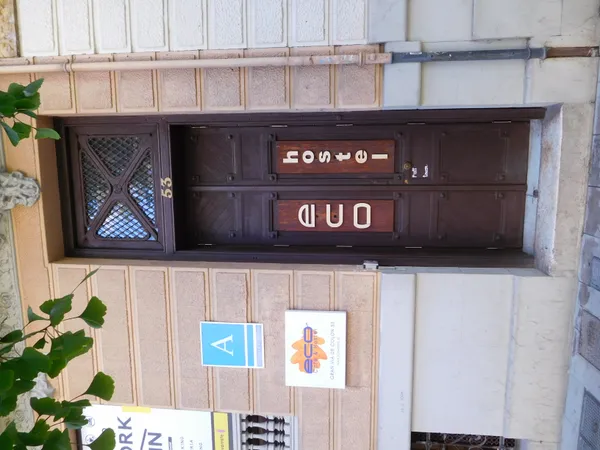
Granada has a growing but still modest coworking scene. The most established dedicated spaces are Coworking Catedral, directly opposite the cathedral with over 200 square metres of air-conditioned workspace; Gran Via Coworking, in a rooftop attic with a panoramic terrace and views of the Alhambra; and WorkInn by ECO Hostel near Gran Via de Colon, which charges as little as $2.50 per hour and offers 1Gb fibre per station. Triskele Cafe + Coworking in the Ronda area combines a buffet cafe with 16 dedicated coworking desks and reliable 1Gb WiFi.
Cafe work culture exists but is less developed than in cities like Lisbon or Berlin. Many traditional bars and cafes expect you to consume regularly and will not welcome laptop marathons during busy hours. Your best cafe-work options are places that have explicitly set up for remote workers. WiFi quality in coworking spaces is genuinely good: fast fibre connections are standard. In ordinary cafes, quality is inconsistent, so treat it as a bonus rather than a reliable primary connection. Mobile data via a Spanish SIM (Vodafone, Orange, or budget MVNOs) is an affordable backup at roughly $17-29/month for a solid data plan.
Getting Around
The city centre is compact and you can walk between most key areas in 20-30 minutes. However, Granada is not flat: the Albaicin and Sacromonte neighbourhoods climb steeply, and hill fatigue is real after a few days. Many historic lanes are pedestrian-only, which is pleasant but means taxis and rideshares cannot always reach your door.
City buses cover the main districts and run from 06:00 to 23:00 with frequencies of 4-10 minutes on busy lines. A day pass costs $5; a rechargeable Credibono card lowers per-ride cost substantially. There is no metro. Taxis are affordable by western European standards.
The airport (Federico Garcia Lorca Granada-Jaen, GRX) sits about 17km from the city. An Alsa bus runs roughly 10 times daily for $3.50 each way and takes around 45 minutes. A taxi costs approximately $35 one way. Flight connections are limited: you will often connect through Madrid or Barcelona for international routes, which adds travel time on trip days.
Sorting transport? Book an airport transfer, or compare car rental on Auto Europe and QEEQ.
Visas and Staying Long-Term
Citizens of the EU, EEA, and Switzerland can live and work in Spain without a visa. Citizens of the US, Canada, UK, Australia, and most other Western countries can enter Spain visa-free for up to 90 days within any 180-day period under Schengen rules. There are no straightforward legal extensions beyond 90 days for most non-EU nationals without a formal residency permit.
Spain operates a Digital Nomad Visa (Telework Visa) aimed at remote workers and freelancers. To qualify you must earn at least 200% of Spain's minimum wage (approximately $3,280/month net as of 2026), work primarily for clients or employers outside Spain, hold a relevant degree or three years of professional experience, and pass a background and health insurance check. The visa is initially issued for one year when applied from abroad, or up to three years when applied from within Spain. It can lead to longer-term residency.
Best Time to Visit
Spring (April to mid-June) and autumn (mid-September to October) are the best windows for remote work. Temperatures sit in the 18-25C range, the city is lively but not overwhelmingly crowded, and outdoor work on a terrace is genuinely pleasant. These periods also have the most active cultural calendar.
Summer (July and August) is harsh: daytime highs regularly reach 38-42C, which makes midday movement uncomfortable and can affect focus even in air-conditioned spaces if you need to be out at all. The city empties of locals in August and some businesses close. Winter (November to February) brings cold nights, occasional frost, and more rain than the rest of the year, though daytime temperatures are mild enough at 10-15C and crowds are minimal. If you want skiing in the Sierra Nevada and a quiet city, winter works well.
Pros and Cons
- Pro: One of the cheapest cities in Spain with a genuinely high quality of life
- Pro: Free tapas culture meaningfully reduces food costs
- Pro: Rich history, walkable old town, Sierra Nevada ski resort 30 minutes away
- Pro: Good fibre internet in coworking spaces; mobile data is cheap
- Pro: Warm, sunny climate for most of the year
- Pro: Strong university presence keeps the city young and socially active
- Con: Brutal summer heat makes July and August difficult for productivity and comfort
- Con: Coworking scene is smaller than in Madrid, Barcelona, or Lisbon
- Con: English is less widely spoken than in larger Spanish cities; daily life requires some Spanish
- Con: Airport connections are limited; travel days often involve a connecting flight
- Con: Hilly terrain with steep climbs in historic neighbourhoods
- Con: 90-day Schengen limit applies for most non-EU nationals without a visa
Who Granada Is Best For
Granada suits you well if you want to stretch a modest income without sacrificing culture or social life. It is a strong fit for solo nomads who enjoy a student-city atmosphere, people who want to use Spain as a base for exploring Andalusia, and anyone who values history, architecture, and outdoor access over a polished digital nomad infrastructure. The free tapas culture and low rents make it particularly attractive for those keeping monthly costs under $1,730.
You should look elsewhere if you need a large, active coworking community with frequent networking events, cannot tolerate summer heat, rely on frequent direct international flights, or prefer a city where English is widely spoken in daily situations. Nomads who need fast-paced startup energy or co-living options at scale will find Madrid or Lisbon a better match.