Cost of Living in Lanzarote
Where this figure comes from. The $1,900 monthly budget above is our own estimate rather than a measurement. How we source everything.
Lanzarote is a good-value Canary Island, and a comfortable month for one person comes to about $1,900. A one-bedroom apartment in Arrecife or Costa Teguise rents for roughly $700 to $1,000, while Playa Blanca and Puerto del Carmen cost a little more in high season. Food is about $450 if you shop at Mercadona, Hiperdino and the local markets and eat out a few times a week, with a menu of the day often under $15. Transport is about $100 to $150, mostly fuel for a rental or second-hand car, since public buses are limited. A coworking desk in Arrecife costs around $100 to $150. The Canary tax system, with a lower sales tax than mainland Spain, keeps many goods cheaper, though imported products and electronics cost more.
Where to Work in Lanzarote
Lanzarote is a place to work from your terrace, not to join a big coworking scene. Arrecife has a few spaces including The Square Coworking and Coworking Digital Lanzarote, and Pitaya Coliving offers desks and a small community there. Coworking Guru in Teguise is another option. Cafes in Costa Teguise, Puerto del Carmen and Arrecife tolerate laptops, and wifi in rented apartments is generally strong on fibre. The nomad crowd is much smaller than in Gran Canaria or Tenerife, so you will meet people through coliving, surf spots and local meetups rather than a big event calendar. Outside the main towns, check the connection before you commit to a villa, because the interior and some villages are patchier.
Getting Around Lanzarote
A car is close to essential on Lanzarote. The island is only about 60 km long, so everything is within an hour, but the bus network of Arrecife Bus and Intercity Lanzarote is slow and thin outside Arrecife, Puerto del Carmen and Costa Teguise. Rental cars are cheap and the roads are good, though winds can be strong and the northern roads curve around volcanic hills. Taxis work between resorts but get costly. Lanzarote airport, César Manrique, sits near Arrecife and has flights to Madrid, Barcelona, London and many European cities, and ferries run from Playa Blanca to Fuerteventura. In Costa Teguise and Puerto del Carmen you can walk and cycle along the seafront paths.
Visas for Lanzarote
Lanzarote is part of Spain and the Schengen area, so the usual Schengen rules apply: citizens of the UK, United States, Canada, Australia and many other countries can stay up to 90 days in any 180-day period without a visa. For longer stays, Spain created a digital nomad visa through its 2022 startup law, available to non-EU remote workers who meet the income and employment conditions. Check the Spanish consulate site or the Ministry of Foreign Affairs for the current income requirement before applying. EU citizens can live and work freely and register their residence locally. Many nomads choose Lanzarote for the Canary Islands base while the paperwork is handled through the Spanish mainland system.
Best Time to Visit Lanzarote
Lanzarote has one of the most stable climates in Europe, with warm weather year-round and very little rain. Winters from December to March sit around 21 degrees Celsius in the day, ideal for working in a T-shirt. Summers are warmer at about 28 degrees but cooled by the trade winds, so they feel pleasant rather than harsh. The wind, the calima dust from the Sahara and the occasional cloudy day are the weather problems. November to April is popular with Northern Europeans escaping winter, so prices rise, while May to June and September to October offer calmer beaches and lower rents. The San Ginés fiesta in Arrecife in August and the Carnival in February are the big local events.
Pros and Cons of Lanzarote
Lanzarote offers an unusual setting: black lava fields at Timanfaya, the vineyards of La Geria, whitewashed villages and clean beaches such as Famara and Papagayo. It is safe, sunny, easy to reach from Europe and cheaper than the mainland holiday resorts. The island also has a strong surf and kitesurf culture. On the other side, the nomad community is small, the wind can be relentless, and car dependence means you need to budget for it. The resort towns can feel touristy and outside Arrecife there is little urban life. Coworking spaces are few, and high-season rentals are hard to find. It is a place for quiet and nature rather than a busy social life.
Who Lanzarote Is For
Lanzarote suits remote workers who value sun, clean air and open landscapes over big city life. Surfers, kitesurfers, runners, cyclists and photographers will love it, as will writers and developers who want a quiet routine whose clients are in the UK or Europe, since the Canaries run on UK time. It also works well for couples and for people escaping a northern winter for a few months. It is less suited to anyone who needs a big coworking community, nightlife or a dense food scene. If you want that, Las Palmas on Gran Canaria is a better fit, and many people combine the two with a short flight.
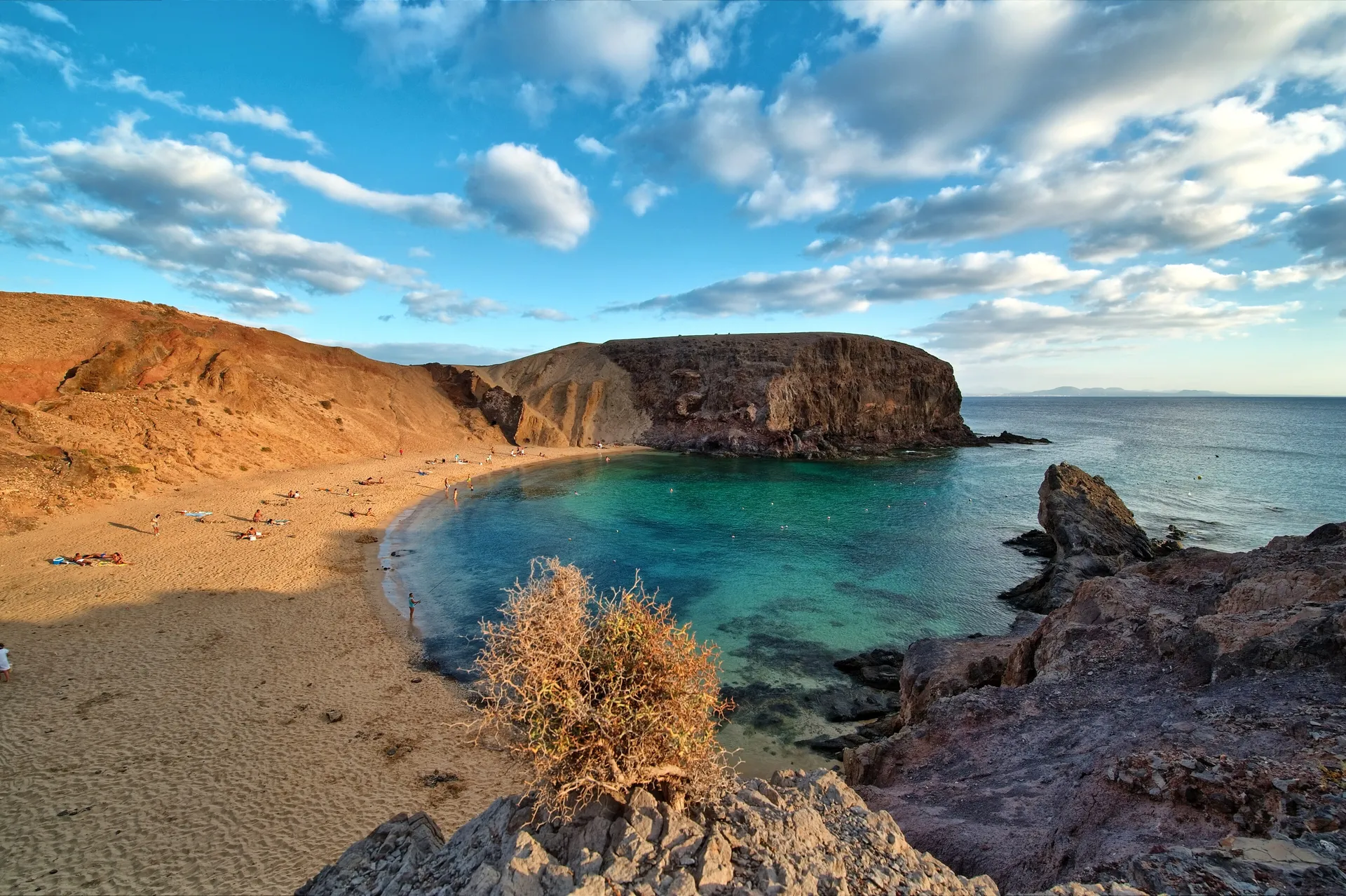 Photo: Luc Viatour / Wikimedia Commons (CC BY-SA 3.0)