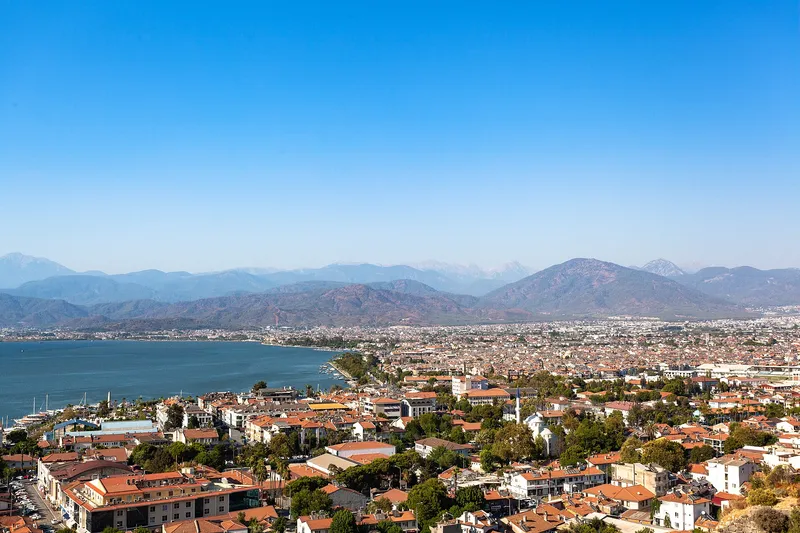
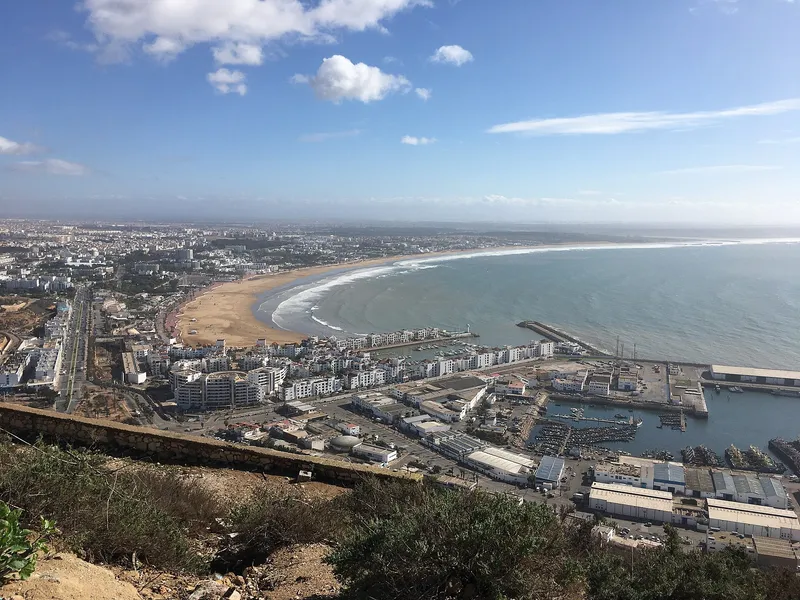
Aerial view of Jandia Beach and Playa del Matorral, Fuerteventura, with turquoise Atlantic water and the Morro Jable lighthouse
Photo: dronepicr / Wikimedia Commons (CC BY 2.0)
Spain flag

Fuerteventura

Spain

Experience canary Island paradise with endless beaches and volcanic landscapes.

€1.700
Monthly Budget
--
Current Weather
Arid
Climate Type
50 Mbps
Avg. WiFi Speed
9/10
Safety Score
2,000+
Active Nomads
--
Time Difference
Scroll
0
Nomad Score

Fuerteventura for Digital Nomads: The Honest Take

Experience canary Island paradise with endless beaches and volcanic landscapes. For remote workers, Fuerteventura leans on climate and safety, with a typical budget near $1,700 a month. The main trade-off is the culture scene.

Compare Fuerteventura vs Las Palmas →

Category Breakdown

How Fuerteventura scores across all 13 factors

Weather in Fuerteventura

Monthly averages from 2019-2023 (Open-Meteo), and the best time to visit

20°
13°
Jan
22°
13°
Feb
22°
14°
Mar
22°
15°
Apr
24°
16°
May
25°
18°
Jun
28°
19°
Jul
29°
20°
Aug
27°
19°
Sep
27°
18°
Oct
24°
16°
Nov
21°
14°
Dec
Daily high & low (°C)Rainfall (mm/month)Best months to visit

The best time to visit Fuerteventura for comfortable weather is Jul, Aug, Sep. The warmest month is Aug (around 29°C by day), and the wettest is Dec (about 17mm of rain).

Chasing good weather? See other cities that are warm in Jul, or plan a multi-city route around the seasons. Staying a while in Fuerteventura? Check visa options, your time-zone overlap and how far your budget stretches, or find it on the world map.

Historical monthly averages, not a forecast. Source: Open-Meteo.

Things to do in Fuerteventura: it is one of our top nomad spots for surfing. See more things to do off the clock.

Best Neighborhoods in Fuerteventura

Where to base yourself for the perfect nomad experience

Corralejo

$$
Surf & International

Surf town with Saharan dunes

Corralejo is Fuerteventura's hub - surf schools, international restaurants, and the spectacular dune park. The island's most developed yet still relaxed town.

Best for: Surfers, water sports enthusiasts, and social travelers
✓ Pros
  • Great waves
  • Dune beaches
  • Good restaurants
  • Social scene
✗ Cons
  • Windy
  • Touristy
  • Can be busy

El Cotillo

$$
Relaxed & Authentic

Lagoon beaches and fishing village charm

El Cotillo preserves fishing village authenticity - famous lagoon beaches, excellent seafood, laid-back surfer community. Fuerteventura's chilled-out soul.

Best for: Beach lovers, surfers, and those wanting authenticity
✓ Pros
  • Amazing lagoons
  • Fresh fish
  • Relaxed vibe
  • Kitesurfing
✗ Cons
  • Limited amenities
  • Very windy
  • Basic nightlife

Costa Calma

$$
Resort & Beach

Resort relaxation on endless beach

Costa Calma offers resort-style beach tourism - long sandy beach, windsurfing conditions, all-inclusive hotels. Where package tourists find Canarian sun.

Best for: Resort seekers, windsurfers, and relaxation focused travelers
✓ Pros
  • Long beach
  • Windsurfing
  • Resort facilities
  • Safe swimming
✗ Cons
  • Resort-heavy
  • Limited authenticity
  • Package tourist feel

Betancuria

$$
Historic & Peaceful

Historic capital in volcanic mountains

Betancuria was Fuerteventura's capital - now a peaceful village in volcanic mountains, with historic church, traditional restaurants, and escape from coastal tourism.

Best for: History lovers, nature seekers, and those wanting tranquility
✓ Pros
  • Historic atmosphere
  • Mountain scenery
  • Traditional food
  • Peaceful
✗ Cons
  • Isolated
  • Limited activities
  • Car essential

Puerto del Rosario

$
Local & Practical

Island capital with local character

Puerto del Rosario is the working capital - ferry port, local shops, genuine Canarian life. Not beautiful but authentic and practical for island exploration.

Best for: Authentic seekers, ferry travelers, and budget visitors
✓ Pros
  • Authentic vibes
  • Ferry access
  • Affordable
  • Local shops
✗ Cons
  • Not scenic
  • Limited beach
  • Basic tourism

Cost of Living in Fuerteventura

Fuerteventura sits in a comfortable middle ground for remote workers. The Canary Islands benefit from lower import taxes than mainland Spain, which keeps most day-to-day costs reasonable. Here is a realistic monthly breakdown for a solo nomad:

  • Rent, 1-bedroom in Corralejo or Puerto del Rosario: €900-1,200 (~$975-1,300 USD). Cheaper areas like Morro Jable or Gran Tarajal can come in at €650-900.
  • Groceries: €200-300/month at Mercadona, Lidl, or Aldi. Local produce, fish, and goat cheese are affordable; imported specialty foods carry a 20-50% premium.
  • Eating out: A sit-down dinner costs €9-20 per person at mid-range restaurants. Coffee runs about €1-2. Budget €150-300/month if you eat out a few times a week.
  • Coworking hot desk: €125-350/month (~$135-380 USD) depending on the space and location.
  • Local transport (buses): €20-40/month using the Tiadhe network; add €30-50/month for occasional taxis or rideshares. Car rental is a practical choice if you want island flexibility.
  • Mobile data (10 GB plan): ~€20/month.

Total monthly range: €1,500-2,500 (~$1,625-2,700 USD) covers a comfortable nomad lifestyle. Budget closer to €2,000-2,500 if you are based in Corralejo and eat out regularly.

Where to Work

Fuerteventura has a small but genuine coworking scene concentrated in Corralejo, with outposts in Lajares, Morro Jable, and El Cotillo. The options vary considerably in quality and vibe.

Coworking spaces worth knowing:

  • Surfescape (Lajares): The standout option with 150 Mbps fiber, 50+ desks spread across indoor and outdoor garden areas, an on-site cafe, and a strong community. Open Monday-Friday 8am-10pm. Pricing from €7.50/day.
  • CoNomad (Corralejo): Private office cabins with excellent air conditioning and 700 Mbps WiFi. Good for call-heavy work. About €30/day or €125/week.
  • Co:working Fuerte (Morro Jable): Quieter south-island option with 500-700 Mbps speeds and a cafe-bar on site. Monthly rates around €380.
  • Cofete Coworking and Surfing Colors (Corralejo): More social, surf-community oriented, solid WiFi in the 100-600 Mbps range.

Cafe working is popular in Lajares, which is full of small cafes that tolerate laptops. In Corralejo, a handful of spots work fine for a few hours. The honest reality is that general cafe WiFi outside dedicated coworking spaces is inconsistent and sometimes slow; Nomads.com rates the island's average internet as sluggish at around 29 Mbps in non-coworking settings. If stable connectivity is non-negotiable for your work, book a coworking space rather than relying on cafes or Airbnb broadband.

Getting Around

Fuerteventura is a long, narrow island and most of it is not walkable between towns. Within Corralejo or Puerto del Rosario you can manage most daily errands on foot, but getting from one area to another requires transport.

Buses (Tiadhe): The public bus network covers the main towns and is cheap (€1-10 per trip). A Bono Card costs €2 and gives 5% off fares. Route 3 links the airport to Caleta del Fuste and Puerto del Rosario every 15-30 minutes during the day. Buses to Morro Jable or El Cotillo are infrequent, especially on weekends, so plan ahead.

Car rental: The most practical option if you want to explore beaches or work from multiple towns. Rentals start around €200-350/month for a basic car. Parking is generally free and easy outside tourist areas.

From the airport: Fuerteventura Airport (FUE) is just south of Puerto del Rosario. Bus Route 3 connects it to Corralejo in about 40-50 minutes for under €4. Taxis to Corralejo cost roughly €40-50.

Taxis and apps: Taxis are available but limited outside peak tourist zones. No major rideshare apps operate on the island.

Visas and Staying Long-Term

Fuerteventura is Spanish territory, so EU and Schengen rules apply. If you hold a US, UK, Canadian, or Australian passport, you can enter visa-free and stay up to 90 days in any 180-day period within the Schengen Area.

For longer stays, Spain's Digital Nomad Visa (introduced under the Startup Act) is the clearest legal path. Key facts as of 2026:

  • Income requirement: approximately €2,850/month for a single applicant.
  • Initial visa is valid for one year (if applied from abroad) or up to three years (if applied in-country during a legal stay).
  • Renewable up to five years total, after which long-term residency may apply.
  • Access to Spain's Special Expat Tax Regime (Beckham Law): a flat 24% tax on Spanish-sourced income up to €600,000/year for up to six years.
  • Processing time: 15-45 business days.

Always confirm current requirements with the Spanish consulate in your country or an immigration attorney before applying.

Best Time to Visit

Fuerteventura earns its reputation as an island of eternal spring. Temperatures stay between 21°C (70°F) in winter and 28°C (82°F) in peak summer, and the island averages over 3,000 sunshine hours per year with less than 100mm of annual rainfall.

For remote work, the sweet spot is October through May. Crowds are thinner, prices drop noticeably, and the weather stays mild and sunny without summer's intense heat. July and August bring peak tourist traffic, particularly in Corralejo, which can make finding affordable short-term accommodation harder and coworking spaces busier.

Note that wind is a year-round feature of the island. Trade winds are near-constant and can be strong, which is great for kitesurfing but means outdoor working from a beach is often impractical.

Pros and Cons

Pros:
  • Excellent year-round climate with very little rain
  • Lower cost of living than mainland Spain or other Canary Island hubs
  • Safe, relaxed, and LGBTQ+ friendly environment
  • Strong surf, kite, and wind sports community around you
  • Fast coworking options with reliable fiber in dedicated spaces
  • Direct flights from many European cities via Ryanair, EasyJet, and others
Cons:
  • General (non-coworking) WiFi is often slow and unreliable
  • Weak nightlife and limited cultural events outside beach activities
  • A car is effectively essential to explore beyond one town
  • Remote worker community is small (~600 nomads estimated) and transient
  • Strong wind almost every day can be tiresome if you are not a watersport enthusiast
  • Restaurant and grocery variety is narrower than a major city

Who Fuerteventura Is Best For

You will thrive here if you combine remote work with an active outdoor lifestyle, especially surfing, kitesurfing, or windsurfing. The island suits people who want a warm, safe, affordable base in Europe with minimal bureaucratic friction for shorter stays, and who are happy to slow down the social pace in exchange for nature, sun, and water.

It also works well for anyone who finds bigger nomad hubs like Lisbon or Barcelona too expensive or overstimulating, and who just needs a reliable desk, fast internet, and a beach within walking distance.

Skip Fuerteventura if you need a dense remote-work community, a thriving nightlife scene, reliable public transport, or strong cultural programming. It is also not the right fit if consistent broadband outside a dedicated coworking space is critical and you are unwilling to commit to a coworking membership.
Where to Stay in Fuerteventura

Top neighborhoods and accommodations for digital nomads

Banama Surfhouse - Coliving Coworking & Yoga

Guesthouse
Corralejo

Purpose-built coliving with 24/7 coworking, nine external monitors, high-speed WiFi, free daily yoga and a strong remote-worker community.

Check availability →

Nomad Surf House

Hostel
Corralejo

Adults-only hostel with private rooms, studios and apartments, rooftop terrace, free WiFi, and a social vibe steps from Corralejo beach.

Check availability →

AVANTI Lifestyle Hotel

Boutique hotel
Corralejo Old Town

Intimate 14-room adults-only boutique hotel on the seafront promenade with everything in central Corralejo walkable within minutes.

Check availability →

Fuentepark Apartamentos

Aparthotel
Corralejo

Self-catering aparthotel in the heart of Corralejo with kitchenettes, free WiFi rated 8.5, and a 9.7 location score close to shops and restaurants.

Check availability →

Casa Kasam

Guesthouse
Lajares

Quiet village guesthouse with four private studios, shared kitchen, and free WiFi between Corralejo and El Cotillo, ideal for longer focused stays.

Check availability →

Browse apartments, aparthotels and hotels across Fuerteventura. Compare prices and book a base that suits a remote-work stay.

See available stays in Fuerteventura →

Affiliate link. See our disclosure.

Best Coworking Spaces

Where nomads get work done in Fuerteventura

Surfescape Fuerteventura

Coworking and coliving
Lajares

Garden coworking with 150 Mbps fiber, 50+ desks, on-site cafe, and a strong nomad community.

Visit website →

CoNomad

Private office coworking
Corralejo

Private office cabins with 700 Mbps WiFi, great for call-heavy work in a focused environment.

Visit website →

Co:working Fuerte

Coworking with cafe
Morro Jable

Quiet south-island coworking with 500-700 Mbps speeds and the Cha Cha cafeteria on site.

Visit website →

Coworking Fuerteventura by FreshSurf

Surf coworking
El Cotillo

Steps from a surf break with 1,000 Mbps WiFi, personal workspaces, and meeting booths.

Visit website →

Surfing Colors Coworking

Shared coworking
Corralejo

Standing desks, calling booths, shared pool, and coffee in a social surf-oriented workspace.

Visit website →

Cofete Coworking

Laptop-friendly cafe-coworking
Corralejo

Relaxed hybrid space with 600 Mbps WiFi, welcoming to drop-in workers and monthly members.

Visit website →

Where to Eat & Drink

Best food and drink spots in Fuerteventura

D Vales Bay

Japanese-Spanish fusion
Playa Corralejo

Glassed-in waterfront terrace serving Japanese-Spanish bistronomic cuisine with bay views.

Visit website →

Mar.Ni

Seafood bistro
Corralejo

Fresh Mediterranean seafood with a Canarian twist, locally sourced and seasonally driven.

Visit website →

13 Bistrot

Tapas bar
Playa Corralejo

Popular tapas spot known for Cantabrian anchovies, crispy Panko prawns, and generous portions.

View on Maps →

Casa Manolo

Traditional Canarian
Corralejo Viejo

Family-run spot famous for paella that sells out nightly, with honest home-style Canarian cooking.

View on Maps →

Land of Freedom

Gourmet brasserie
Corralejo Natural Park

Slow-food brasserie between the dunes with Mediterranean dishes, tasting trays, and gluten-free options.

View on Maps →

Kiwi Bar

Surf bar
Corralejo

Corralejo institution since 1986 with salsa nights, cold beers, and a loyal surf-crowd following.

View on Maps →

What Do Nomads Say?

Vote on how accurate these scores are based on your experience

Cities with a Similar Vibe to Fuerteventura

Different places that score alike across our 13 categories, if you like Fuerteventura, these tend to feel similar.

In the rankings

Where Fuerteventura ranks

Fuerteventura features in 1 of our 32 city rankings.

  1. 13Best year-round weather
  2. Best cities in Europe
  3. Best cities in Spain

Frequently Asked Questions About Fuerteventura

How much does it cost to live in Fuerteventura as a digital nomad?

A comfortable nomad budget in Fuerteventura is around $1,700 a month: a furnished rental, food, coworking, and getting around. Live a little outside the center or eat local to spend less.

Is the internet fast enough for remote work in Fuerteventura?

With a WiFi score of 5/10, connectivity in Fuerteventura is workable for calls and focused work. A prepaid local SIM keeps you online when you are away from the apartment.

Is Fuerteventura safe for digital nomads?

Fuerteventura scores 9 out of 10 for safety in our ratings, which is excellent for solo travel and long stays. Use normal precautions at night and with valuables, and choose well-reviewed areas.

Is Fuerteventura a good city for digital nomads overall?

For nomads, Fuerteventura is worth a look if you value climate and safety. Costs sit near $1,700 a month and the community keeps growing, though, like anywhere, it will not match every checklist.