 Madrid
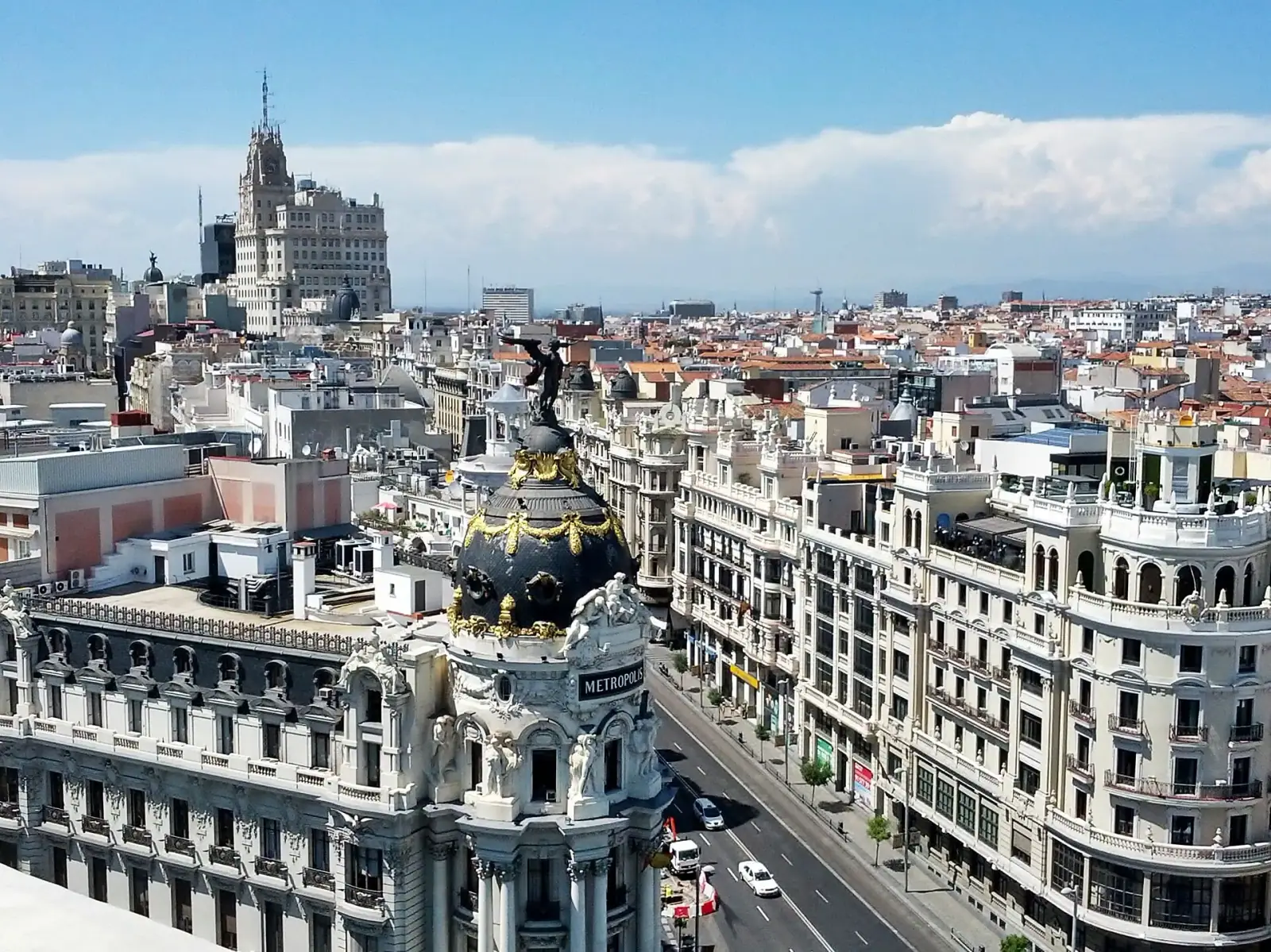
People from Madrid are called gatos, cats. The usual story goes back to the late 11th century, when Alfonso VI's soldiers are said to have climbed the walls to take the town. It is only a legend, but it is a fitting one, because the city's own nickname is about getting in from outside. Nearly 30 percent of people living in Madrid today were born abroad, most of them in Venezuela, Colombia, Peru, Ecuador and the Dominican Republic. Arriving is the normal way to be a madrileño.
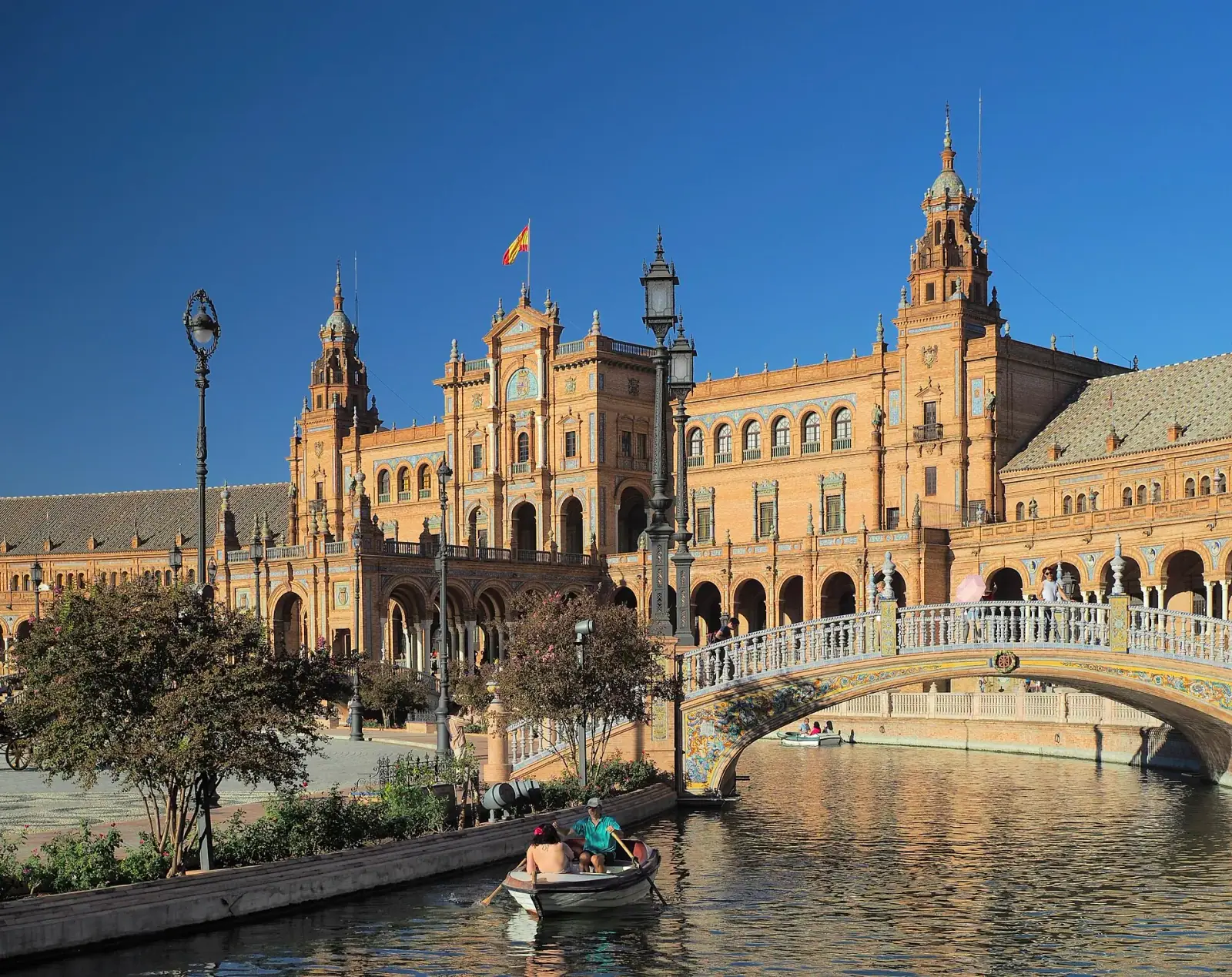
Seville's word is hermandad, brotherhood. Nearly 70 of them carry their images through the streets in Holy Week, a single procession can run to almost 3,000 hooded nazarenos, and under each float 24 to 54 costaleros walk unseen behind a curtain. Two weeks later comes the April Fair, more than a thousand marquees that usually belong to families, clubs and trade associations. You can watch all of it from the pavement, and it will move you. It was simply not built with you in mind. That difference will shape your year more than the size of the two cities does.
A working week
Madrid runs on its metro: 13 lines, about 297 kilometres, trains until 1:30 in the morning. You could live in Malasaña, among the four and five-storey painted buildings around Plaza del Dos de Mayo, and reach most of what you need in half an hour on foot. Barajas, the fourth-largest airport in Europe, is close by. All of that costs you: we put a month at $3,200, and a local tenant signing for a one-bedroom pays about $830.
Seville has one metro line, 18 kilometres of it, with a second due around 2030. It barely matters. Casco Antiguo, the Alameda and Triana are all walkable, green kerb-raised cycle lanes run along most main streets, and you could spend an evening on Calle Betis looking back across the Guadalquivir. The city's Cartuja park employs about 15,000 people, but coworking is small, with a handful of specialty coffee shops such as LATE and Jester filling the gap. The bill is lower, at around $2,400 on our estimate, with about $550 for that same one-bedroom. English is less common, and you will need Spanish sooner.
The months that decide it
From June to September the question answers itself. Seville's July and August average 36°C by day, with about 60 days a year above 35°C, and the airport once recorded 46.6°C. In 2022 Seville became the first city in the world to give a heat wave a name, Zoe. Madrid is hot too, at 33°C in July, but it sits about 660 metres up, and it has nights that cool off a little more and mountains close by.
Then come the months that make people stay. A January day in Seville reaches about 16°C, against 10°C in Madrid, and bitter oranges hang over the streets, many of them on their way to British marmalade. Spring in Seville, with the processions and then the fair, is one of the great spectacles of Europe. So Seville from October to May is an easy recommendation. A full year there asks more of you.
The train between them
The standard advice has been to live in one and spend long weekends in the other, since the high-speed line built for Expo '92 cut the trip to about two and a half hours. For the moment, do not plan around it. On 28 October 2026 an AVE ran into a stationary Iryo train near Urda, in Toledo province, killing more than 60 people, and that came nine months after 46 died in the derailment at Adamuz on the same line. High-speed services between Madrid and Andalusia were suspended, and Renfe has stopped selling tickets until 13 December, though trains may return sooner. Until they do, the two cities are further apart than any map suggests, and you should treat this as a choice of one.
Which one we would pick
Spain's nomad visa asks about $3,280 a month in both, so paperwork will not separate them; our Spain page covers the rest. We would take Madrid for a first year in the country. It asks nothing of you except that you turn up, and you will meet people who arrived last month. Seville is the better second stop, once your Spanish can carry a conversation in Triana. Rent there for one winter and leave before June.
 United States
 United Kingdom
 Germany
 Canada
 Australia
 India