Cost of Living in Ibiza
Where this figure comes from. No cost survey covers Ibiza, so the $4,000 a month above is our own estimate rather than a measurement. On 416 of our 999 city guides the figure is built from a published Numbeo basket, a one-bedroom rent in the centre plus one person's monthly costs without rent, converted to USD; this city is not one of them. How we source everything.
Ibiza is the most expensive of Spain's Balearic Islands and sits well above the mainland average. Expect to spend more here than in Lisbon, Valencia, or even Barcelona. That said, if you visit outside peak season (October to May), costs drop significantly.
- Rent, central Ibiza Town or Santa Eulalia: $1,610-2,530/month for a one-bedroom apartment
- Rent, cheaper areas (Es Canar, Portinatx): $1,040-1,730/month
- Groceries (self-catering weekly shop): $92-150/month
- Eating out (mid-range restaurant, one meal): $16-25 per person
- Coworking hot-desk: $175-335/month
- Local transport (bus passes + occasional taxi): $69-140/month if you rely on buses; add $690-1,150/month if you rent a scooter or car
Realistic monthly total: $2,530-4,030 in the low season. In peak summer (June to September) rents spike 2-3 times and that same lifestyle can cost $4,600-6,910+. Budget nomads will struggle here year-round compared to mainland Spain.
Where to Work
Ibiza has a small but functional set of dedicated coworking spaces, concentrated in Ibiza Town and the surrounding area. Cafe culture is more geared toward brunch and evening socialising than laptop sessions, but a handful of spots are consistently nomad-friendly.
Coworking Spaces
theHUB Ibiza (Santa Eulalia des Riu) is the largest purpose-built option: private offices, meeting rooms, music studios, and a coworking floor with reliable fibre internet. Day and monthly passes are available. Origen Ibiza (Carrer de s'Illa Plana, near Talamanca Beach) offers 24/7 access with a monthly fibre subscription, private offices, and a tight-knit community. The Business Space Ibiza (Ibiza Town, where its own site now advertises day passes at an office on Ignasi Wallis) is a central option with daily and 10-day passes. Cowork Group Ibiza (Carrer de Sant Cristofol, Ibiza Town) has fibre, individual lockers, and a relaxed aesthetic with wooden furniture and a green feel.
Cafes for Laptop Work
Passion Cafe (multiple Ibiza Town locations) has reliable WiFi and a healthy menu built around smoothies, bowls, and organic coffee. It is welcoming to laptops during quieter morning hours. Croissant Show, near Dalt Vila, is an institution locals and long-term visitors use for morning sessions. Bring your own patience: it gets busy, and the vibe is more social than hushed-office.
The Real WiFi Situation
Fibre connections are available in all main towns. Coworking spaces are reliable. Short-term apartments vary widely in speed. Rural and northern zones can drop to slow or mobile-only connections. A local SIM from Movistar or Orange (4G/5G coverage is solid across most of the island) makes a reliable backup for video calls.
Getting Around
Ibiza is a small island: about 45 km north to south, and you can reach any corner within 45 minutes by car. But the public bus network is not fast or frequent enough for most nomad needs.
Bus: ALSA operates 17 metropolitan and 33 interurban lines. Year-round routes connect Ibiza Town to Sant Antoni (L3), Santa Eulalia (L13), and several villages. Fares are inexpensive ($2.50-4.50 per trip). The bus from the airport to Ibiza Town (Line 10) runs all year, takes roughly 20 minutes, and costs around $4-4.50.
Car and scooter rental: A car costs $29-46/day. For a long stay, a small scooter rental ($230-405/month) is the most practical and affordable way to get around. Parking in Ibiza Town in summer is difficult.
Taxis: Available via app (TaxiClick is widely used) or ranks. Airport to Ibiza Town costs roughly $23-29. Taxis are reliable but pricey over time.
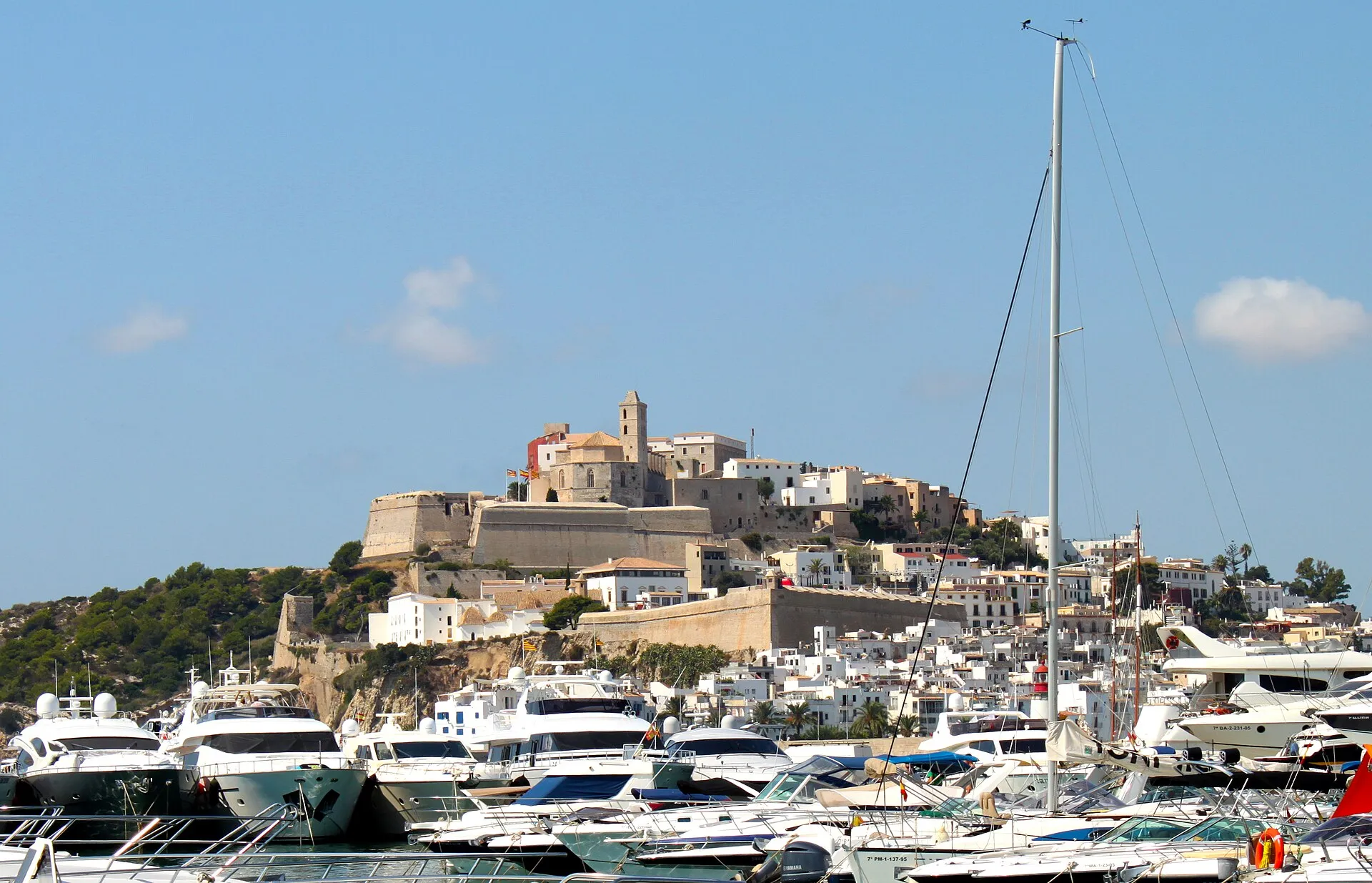
Walkability: Ibiza Town's old quarter (Dalt Vila) and the marina area are very walkable. Every other destination requires transport. Santa Eulalia town centre is also walkable within itself.
Sorting transport? Book an airport transfer, or compare car rental on Auto Europe and QEEQ.
Visas and Staying Long-Term
EU and EEA citizens can live and work in Ibiza indefinitely with no visa. US, Canadian, UK, and Australian passport holders can enter Spain visa-free and stay up to 90 days within any 180-day period under the Schengen rules. Beyond 90 days, you need a visa.
Spain's Digital Nomad Visa (launched 2023) lets non-EU remote workers live in Spain on a visa of up to 1 year issued by a consulate abroad, or a residence permit of up to 3 years if applied for from inside Spain, renewable. You must earn at least $3,280/month, which is 200% of Spain's minimum wage over 12 payments (some consulates state the same yearly floor as about $2,810 a month over 14 payments), prove you work remotely for clients or employers outside Spain, and hold valid health insurance. Holders can opt into the Beckham Law flat 24% income tax rate on earnings up to $690,690.
Best Time to Visit
For remote work, the sweet spot is October through May. Autumn (September to November) offers warm days (20-26C), clear skies, and a quieter island once the clubs close for the season. Rents drop sharply, restaurants revert to local pricing, and you can actually get a table without a reservation.
Spring (April to June) is equally good: mild temperatures (18-25C), long days, and the island coming back to life without peak-season chaos.
July and August are genuinely difficult for focused work. Accommodation costs 2-3 times more, noise from clubs and bars continues until dawn in tourist areas, and basic errands take longer due to crowds. If you must come in summer, stay in the quieter north (around San Juan / Sant Joan) to escape the worst of it.
Winter (December to February) is peaceful and very affordable, with temperatures around 10-15C. Many beach restaurants and some amenities close. It suits those who want solitude and don't mind a quiet island.
Pros and Cons
Pros
- Over 300 sunny days a year and genuine natural beauty
- Spain's Digital Nomad Visa with a favourable flat tax rate
- Compact island: beaches, pine forests, and villages all within 45 minutes
- Good fibre internet in coworking spaces and most urban apartments
- Strong international community with English widely spoken
- Ferry connections to Formentera and affordable flights to European hubs
Cons
- High cost of living by Spanish and European standards, especially in summer
- Limited coworking infrastructure compared to Lisbon, Barcelona, or Madrid
- Seasonal closures: some cafes, gyms, and services shut November to March
- A car or scooter is effectively required for most people
- Summer noise and party culture can make focus difficult in tourist zones
- Rental market is tight and short-term leases are hard to find year-round
Who Ibiza Is Best For
Ibiza works best for remote workers who earn well and want a Mediterranean lifestyle outside of peak season. If you enjoy combining productive mornings with afternoon hikes, swimming in clear coves, and a genuinely beautiful setting, the off-season island (October to May) delivers that at a cost that is high but manageable on a solid remote income. It also suits EU and non-EU nomads exploring Spain's Digital Nomad Visa, since Ibiza has a sizeable international community who are already navigating the same process.
It is a poor fit for budget-conscious nomads, people who need a dense coworking scene or regular networking events, and anyone planning to work full-time through June, July, or August in a tourist-facing neighbourhood. If community and cost-efficiency matter more to you than scenery and lifestyle, consider Malaga, Las Palmas de Gran Canaria, or Valencia instead.