Cost of Living in San Sebastián
Real market data
Source: Numbeo · August 2026
$2,160/moSolo nomad1-bed centre + living costs
$2,730/moCoupleshared 1-bed + costs
$1,710/moLean / localcheaper area + costs
- 1-bed rent, city centre$1,440€1,254
- 1-bed rent, outside centre$1,000€870
- Monthly costs excl. rent (1 person)$710€619
- Meal, inexpensive restaurant$20€17
- Monthly transit pass$35€30
- Buy price, per m² (centre)$9,830€8,538
Prices are from Numbeo (August 2026), converted to USD at $1 = €0.87 (01 Aug 2026). The monthly living-costs figure is our transparent one-person basket, groceries, a few meals out, utilities, phone, internet, transport and essentials, priced from those figures. Solo adds central rent; couple and lean are estimates from the same numbers.
San Sebastián is small, but it is also widely considered Spain's most expensive city, so budget accordingly. As a solo remote worker you'll typically spend somewhere in the range of $2,190 to $3,450 per month, with rent as the swing factor. Here is a rough monthly breakdown:
- Rent, one-bedroom in a central area (Centro, Gros): $1,150 to $1,730. Long-term supply is tight and short-term rentals cost more.
- Rent, cheaper area or studio further out (Amara, Egia, Intxaurrondo): $865 to $1,210.
- Groceries: $290 to $405 for one person.
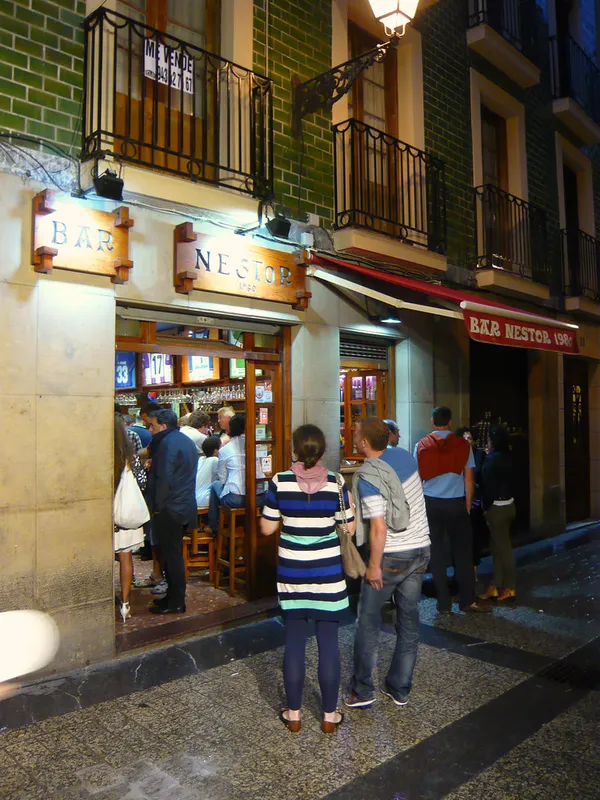
- Eating out: pintxos crawls add up fast. Budget $345 to $575 if you eat out often. A pintxo runs $2.50 to $4.50, a menu del día around $17 to $23.
- Coworking hot-desk: roughly $175 to $230 per month, or about $23 for a day pass.
- Local transport: around $35 to $46, and less if you mostly walk.
Sharing a flat is the single biggest saving. A room in a shared apartment can bring your housing cost well under $805.
Where to Work
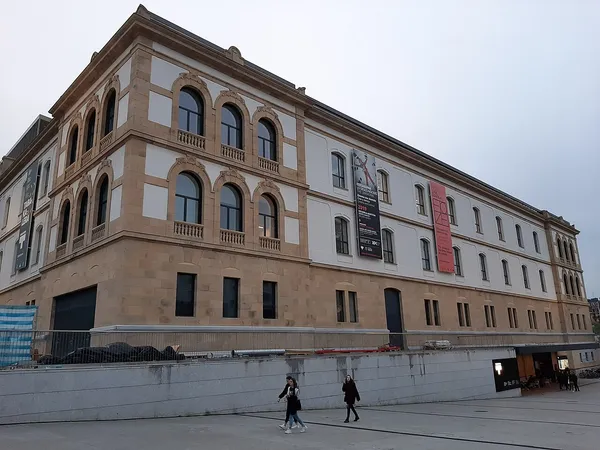
For a city this size the coworking options are solid. Impact Hub Donostia sits inside the Tabakalera cultural centre, right next to the train and bus stations, and is a natural hub for the local startup and creative crowd. The Social Hub combines a hotel, accommodation and coworking under one roof, which is convenient if you want to live and work in the same building. Coworking Donostia advertises 600 Mb fibre and runs across several floors, with monthly desks around $900 for a dedicated spot or cheaper hot-desk rates.
Cafe-work culture exists but is low-key: Basque cafes are more about a quick coffee and a pintxo than camping out for hours with a laptop, so read the room and buy something regularly. WiFi in cafes, apartments and coworking spaces is generally fast and reliable, and Spanish mobile data (Vodafone, Movistar, Orange, plus cheaper resellers) gives you a dependable 4G and 5G backup across the city.
Getting Around
San Sebastián is built on a human scale and is one of the most walkable cities in Spain. Most of the centre is pedestrianised, the bay-front promenades are flat, and you can cross the core on foot in 20 to 30 minutes. The city is a designated Low-Emission Zone that actively encourages walking, cycling and public transport. The local Dbus network covers everywhere else, with cheap single fares (a few dollars, less with a card) and subscription discounts introduced in 2025.
Flying in takes a little planning. The nearest airport, San Sebastián (EAS) in Hondarribia, is about 20 km out and connected by the E20 and E21 buses in roughly 40 minutes, but it has limited routes. Most travellers use Bilbao Airport (BIO), about 100 km away, with a direct PESA bus to San Sebastián's bus station in about 75 minutes. Biarritz Airport (BIQ) in France is around 45 km away, reachable by FlixBus or ALSA in about an hour to 80 minutes, and often the best option for other European cities.
Sorting transport? Book an airport transfer, or compare car rental on Auto Europe and QEEQ.
Visas and Staying Long-Term
Spain is in the Schengen Area, so citizens of the US, UK, Canada, Australia and many other countries can enter visa-free and stay up to 90 days within any rolling 180-day period. That pool is shared across all Schengen countries, not just Spain, and overstaying carries fines and possible entry bans.
To stay longer, the main route is Spain's digital nomad visa, aimed at remote workers and freelancers whose income comes mainly from outside Spain (up to 20 percent may come from Spanish clients). As of 2026 you generally need to show income of $3,280 per month (200 percent of the Spanish minimum wage), a degree or three years of relevant experience, private health insurance and a clean criminal record. Applied for abroad it is usually issued for one year; applied for from within Spain it can come as a residence permit valid for up to three years, and it is renewable.
Best Time to Visit
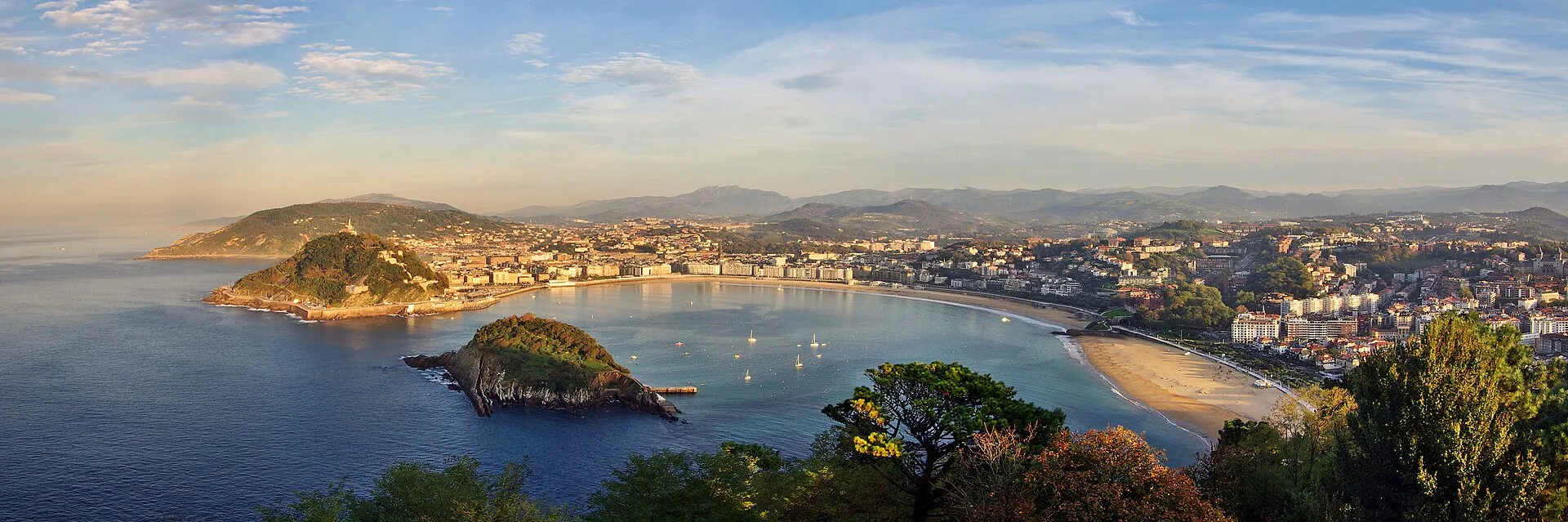
San Sebastián has a mild, wet Atlantic climate, closer to northern France than to the sunny Mediterranean stereotype of Spain. It rains on roughly half the days of the year, and grey drizzle is common outside summer. The clear best window is June to mid-September, the mildest and driest stretch, with daytime highs around 20 to 25 C. September is arguably the sweet spot for remote work: reliable sun, warm water, and the summer crowds thinning out. Spring and early autumn are workable if you accept some rain, while November through February is mild but genuinely damp and grey.
Pros and Cons
- Pros: stunning bay and beaches in the middle of the city; world-class food and pintxo culture; very walkable and safe; fast, reliable internet; easy access to the wider Basque Country, French coast and mountains.
- Pros: relaxed, high quality of life with a genuine local character rather than a tourist bubble.
- Cons: expensive for its size, especially rent and eating out, with tight long-term housing supply.
- Cons: a lot of rain and grey days outside summer; a small nomad and English-speaking expat scene, so it can feel quiet if you want a big community; limited direct flights mean relying on Bilbao or Biarritz.
Who San Sebastián Is Best For
San Sebastián suits remote workers who value quality of life over hustle: people who want great food, ocean walks, safety and a calm, walkable base, and who have the income to absorb higher costs. It is ideal if you enjoy nature, surfing and slow living, and are happy in a smaller city with a modest nomad scene.
Skip it if you are on a tight budget, need a large, ready-made nomad community and constant networking events, or want guaranteed sunshine. In those cases a bigger, cheaper or sunnier Spanish city like Valencia or Málaga will serve you better.