Cost of Living in Salamanca
Real market data
Source: Numbeo · August 2026
$1,350/moSolo nomad1-bed centre + living costs
$1,810/moCoupleshared 1-bed + costs
$1,150/moLean / localcheaper area + costs
- 1-bed rent, city centre$780€678
- 1-bed rent, outside centre$580€500
- Monthly costs excl. rent (1 person)$570€499
- Meal, inexpensive restaurant$15€13
- Monthly transit pass$23€20
- Buy price, per m² (centre)$3,570€3,100
Prices are from Numbeo (August 2026), converted to USD at $1 = €0.87 (01 Aug 2026). The monthly living-costs figure is our transparent one-person basket, groceries, a few meals out, utilities, phone, internet, transport and essentials, priced from those figures. Solo adds central rent; couple and lean are estimates from the same numbers.
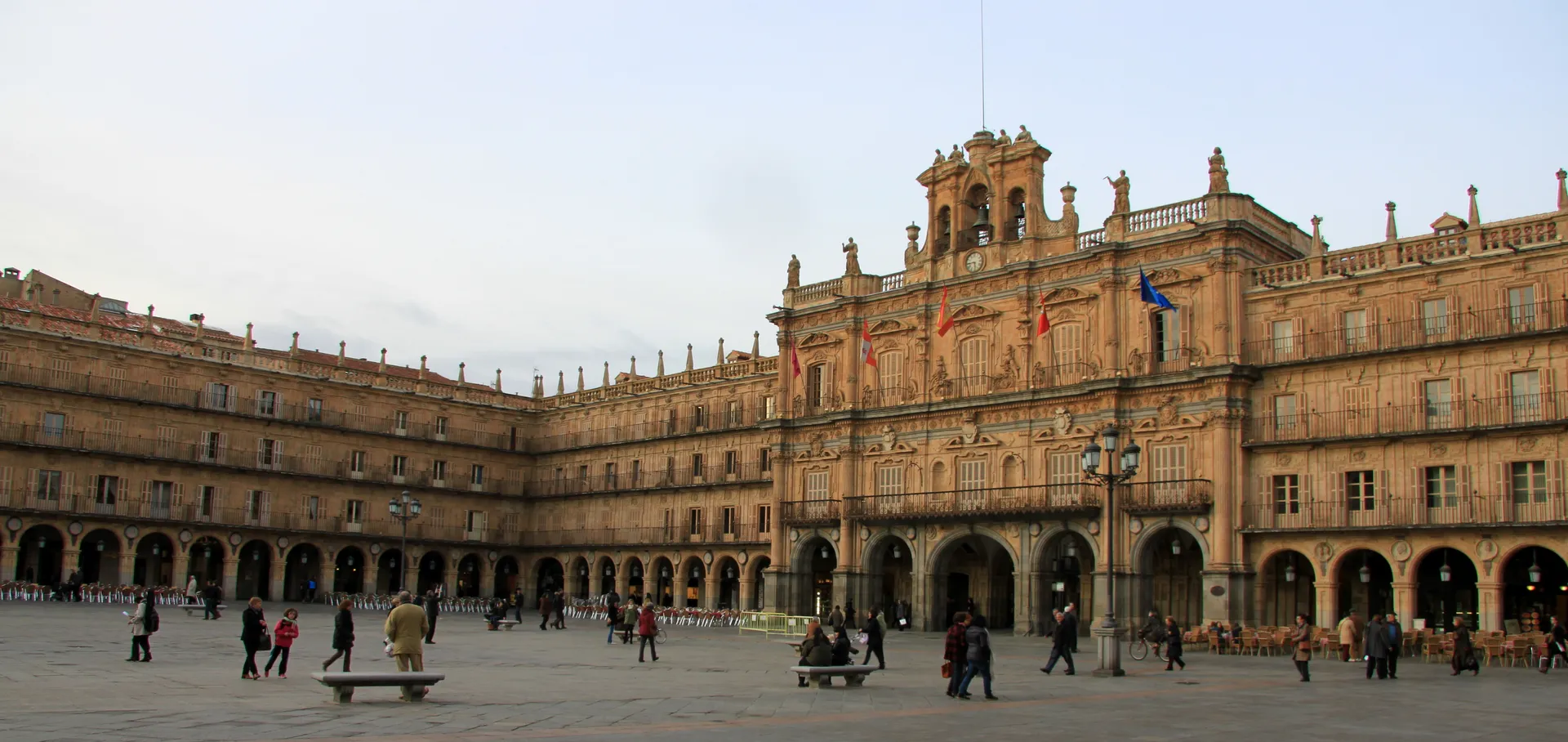
Salamanca is one of Spain's better-value cities, kept affordable by its huge student population. A remote worker can live comfortably on roughly $1,000 to $1,400 a month, with rent being the largest slice. Because the city is compact and walkable, you can happily skip a car and save further. Groceries at local markets, cheap set-lunch menus (the menu del dia), and student-priced bars stretch a budget a long way. These figures are editorial estimates and shift with season and lifestyle: term-time demand pushes rents up, while summer sublets can be cheaper. Utilities and heating add up in the cold winter months. The language schools shape the housing market here more than the university does. A large share of the short-term stock is let as rooms with host families or in student residences, packaged by the schools and priced accordingly, which means the cheap independent flats turn up on a noticeboard or through somebody you have met rather than online. Ask in person. Heating is the other winter line: the plateau gets genuinely cold, most buildings run on gas or on a shared boiler with a fixed season, and a January bill in an old flat can double what you expected to pay.
- Room in a shared flat: roughly $300 to $450 a month
- Small one-bedroom flat: roughly $550 to $800 a month
- Menu del dia (three-course set lunch): roughly $12 to $16
- Monthly groceries for one: roughly $200 to $280
Where to Work in Salamanca
Salamanca is small, so most remote work happens in cafes, the odd coworking space, and flats rather than a big hub of dedicated offices. A handful of coworking spots and student-friendly cafes near the Plaza Mayor and the university offer solid wifi, plentiful power sockets, and a steady stream of caffeine. The university libraries and cultural centres provide quiet, handsome study rooms if you value calm over chatter. Because the historic centre is dense, you are rarely more than a ten-minute walk from a workable seat. Fibre broadband is widely available in flats, so a home setup is often the most reliable option for video calls. The rhythm of a working week here is set by the academic calendar and by the noise it makes. Term nights in the streets around the old quarter run late and loud, because this is a city of students and the drinking happens outdoors; a flat facing one of those squares is a mistake you make once. Two streets back is silent. On timing, the country keeps central European time despite sitting on the same meridian as Britain, so the clock runs an hour later than the sun all year, which is exactly why dinner is at ten.
Getting Around Salamanca
Salamanca is a walker's city. The golden-stone historic centre is compact and almost entirely flat, so nearly everything worth reaching sits within a twenty-minute stroll of the Plaza Mayor. A local bus network fills in the gaps to outer neighbourhoods and the university campuses, and fares are cheap. Cycling works well on the quieter streets and along the river Tormes. For longer trips, regular trains and buses connect Salamanca to Madrid in about 1.5 to 2.5 hours, making weekend escapes to the capital easy. You will rarely need a taxi or a car within the city itself, which keeps monthly transport costs pleasingly low. Beyond the obvious there are a couple of points worth knowing. The nearest airport with useful international connections is the capital's, which makes the train the arrival route for almost everyone, and the fast services are worth the difference over the slow ones in both time and comfort. And Portugal begins ninety minutes down the road west, which means a day in another country is genuinely casual from here and the cheapest flights out of the peninsula sometimes leave from that side. In town, the cold is the thing to plan for: the stone squares hold ice and the plateau wind cuts through anything not designed for it.
Sorting transport? Book an airport transfer, or compare car rental on Auto Europe and QEEQ.
Visas for Salamanca
Salamanca sits in Spain, inside the Schengen Area, so many visitors can enter for up to 90 days in any 180-day period without a visa. For longer stays, Spain offers a digital nomad visa aimed at remote workers employed by or contracting with companies outside Spain, letting you live legally while working online. Applicants generally need to show sufficient income, health insurance, and proof of remote employment. EU and EEA citizens can live and work freely with a simple registration. Under that ninety-day allowance sit two mechanical points, both newer than most advice about it. Since April 2026 the EU's Entry/Exit System has kept that count instead of stamps, running automatically across every member state from the first external crossing, and it covers the students on short language courses who fill this city, while anyone here on a long-stay study visa sits outside it. And anyone thinking years ahead should know that the route to citizenship here runs through a language exam and a culture test, and that this city sits more of them than almost any other.
Best Time to Visit Salamanca
Salamanca has a continental climate: hot, dry summers and genuinely cold winters, with crisp blue skies for much of the year. Late spring and early autumn are the sweet spots, when days are warm and pleasant, the light turns the sandstone honey-gold, and the terraces buzz. Summer can be very hot at midday, though the dry air and cool evenings make it bearable, and the city empties a little as students leave. Winter brings frost and the occasional snow, but also atmospheric, uncrowded streets and cosy tapas bars. If you want the fullest, liveliest version of the city, arrive during term time when the student energy peaks. The student calendar produces one date found nowhere else. In mid-December the city holds a rehearsal new year, with tens of thousands of students filling the great square at midnight in fancy dress to eat their grapes a fortnight early, because they will be home with their families on the real one. It is chaotic, entirely local in origin and now large enough to fill every bed in town. Beyond that, be warned that the plateau winter is genuinely cold and the stone squares hold the chill; the honey-gold light everyone photographs is a low winter sun rather than a summer one.
Pros and Cons of Salamanca
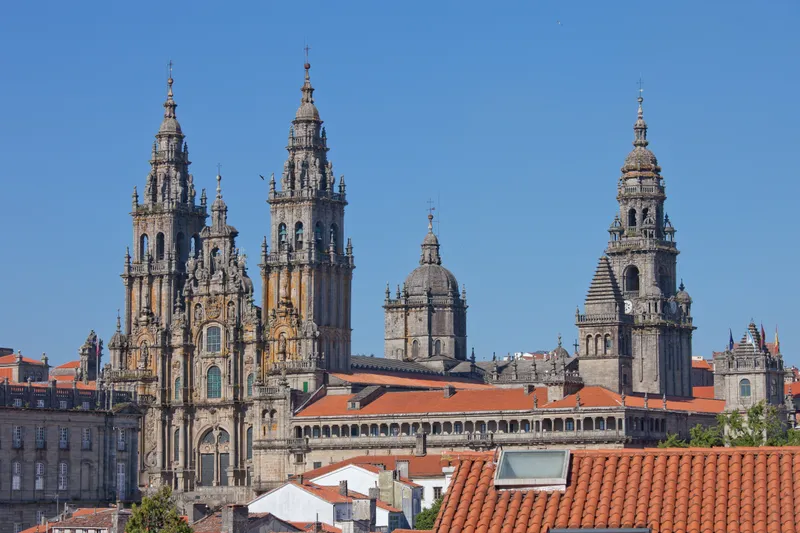
Salamanca punches far above its weight. For a small city it offers world-class architecture, a proper student buzz, low prices, and an easy, safe, walkable lifestyle steeped in history. The trade-offs are its size and its rhythm: the nomad community is thin, the winters are cold, and anyone craving a big-city job market or beach weekends will feel the limits. It is a place to immerse in Spanish culture and language rather than plug into a large expat network. Weigh what you want from a base before you settle in for the long haul. The thing that makes this city different from other pretty Spanish towns is the proportion. About thirty thousand students sit in a city of a hundred and forty thousand, which is roughly one in five, and a large share of them are foreigners here to learn the language. The effect is that a foreigner speaking bad Spanish is completely unremarkable here, which removes the single biggest barrier to actually learning it. Nobody switches to English to help you. The corresponding cost is that the population is transient by design, the city empties in July and August, and the friendships you make have terms attached to them in the literal sense.
- Pros: stunning UNESCO architecture and golden-stone streets
- Pros: very affordable, walkable, and notably safe
- Pros: lively student atmosphere and rich Castilian food and culture
- Cons: small and thin nomad community with few coworking hubs
- Cons: cold winters and hot midsummers, plus limited direct transport links
Who Salamanca Is For
Salamanca suits the remote worker who wants to live inside a beautiful, human-scaled Spanish city rather than chase a bustling digital-nomad scene. It is ideal if you are learning Spanish, since the university draws foreign students from across the world and immersion is unavoidable in the best way. History lovers, students at heart, and anyone who values a slow, walkable, affordable base will thrive here. It is a weaker fit for those who need a large expat network, warm winters, coastal access, or a deep pool of coworking spaces. Come for culture, calm, and value; stay for the golden light and the ever-present hum of student life. On length, an academic year from September is the natural unit here and six months the sensible minimum, because the city runs on a calendar rather than a season and arriving mid-term leaves you waiting on the next intake. Anyone here to learn the language should take a course with locals in it rather than one sold to foreigners; the first is half the price and ten times the immersion. And walk out to the far bank of the river at dusk at least once a week; the view back at the cathedral and the old bridge is the single thing residents point at when asked why they stayed.