Cost of Living in Barcelona
Real market data
Source: Numbeo · August 2026
$2,440/moSolo nomad1-bed centre + living costs
$3,030/moCoupleshared 1-bed + costs
$2,040/moLean / localcheaper area + costs
- 1-bed rent, city centre$1,700€1,474
- 1-bed rent, outside centre$1,300€1,125
- Monthly costs excl. rent (1 person)$740€645
- Meal, inexpensive restaurant$18€16
- Monthly transit pass$26€23
- Buy price, per m² (centre)$7,610€6,609
Prices are from Numbeo (August 2026), converted to USD at $1 = €0.87 (01 Aug 2026). The monthly living-costs figure is our transparent one-person basket, groceries, a few meals out, utilities, phone, internet, transport and essentials, priced from those figures. Solo adds central rent; couple and lean are estimates from the same numbers.
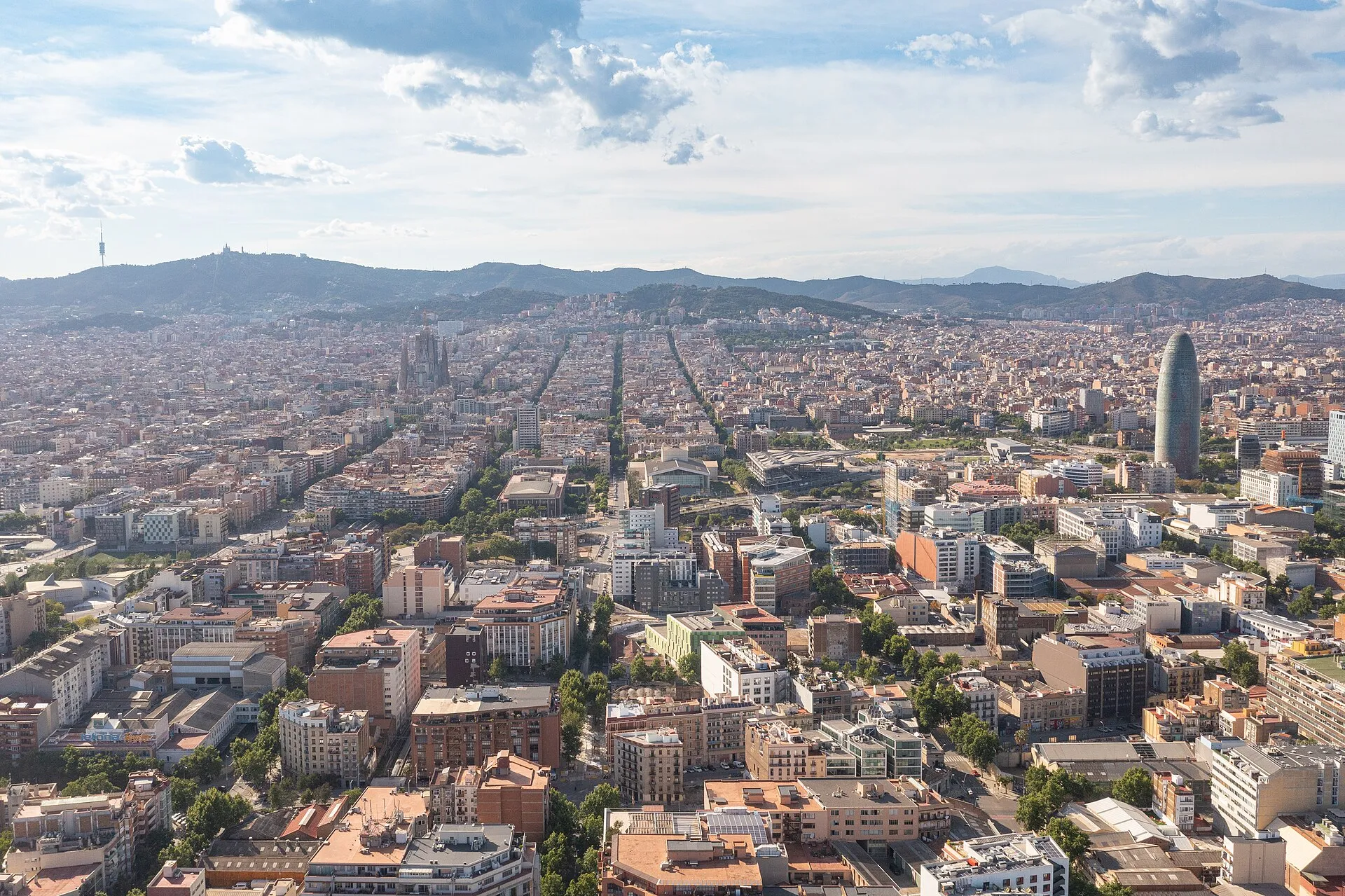
Barcelona is not the bargain it was a decade ago, but it still costs less than Paris, London, or Amsterdam. Rent is the big variable, and it has climbed hard in recent years. Here is a realistic monthly picture for one remote worker (EUR values converted at roughly $1 to 1.10).
- Rent, one-bedroom in a central area (Eixample, Gracia, Sant Antoni): about $1,500 to $2,070 per month. Furnished short-term rentals aimed at foreigners run higher.
- Rent, one-bedroom in a cheaper area (Sants, Poblenou edges, Sant Andreu, Nou Barris): roughly $1,040 to $1,380. Sharing a flat drops your share to $575 to $865.
- Groceries: around $290 to $405 if you cook most meals and shop at Mercadona, Lidl, or local markets.
- Eating out: a weekday menu del dia (three courses with a drink) runs $15 to $21. Tapas are $4.50 to $8 a plate. Budget $230 to $460 depending on how often you go out.
- Coworking hot desk: $175 to $345 per month for a flexible membership.
- Local transport: the T-usual unlimited monthly pass is $26, and the T-casual 10-ride ticket is around $15.
- Utilities and mobile: $115 to $195 for electricity, water, and internet, plus $12 to $23 for a mobile plan.
All in, a comfortable single-person budget lands around $2,190 to $3,220 per month. Living frugally in a shared flat outside the center, you can get under $1,730. Wanting a central one-bedroom and a social life, plan for $2,880 and up.
Where to Work
Barcelona has one of Europe's densest coworking scenes, concentrated in Poblenou (the tech district) and around the Eixample. Well-known spaces include OneCoWork, Aticco, Betahaus, Utopicus, and Norrsken House, plus international chains like WeWork. Hot-desk memberships typically run $175 to $345 per month, and most offer day passes if you want to try before committing.
Cafe-work culture exists but is more relaxed than in Lisbon or Berlin. Plenty of specialty coffee spots (especially in Gracia and Sant Antoni) welcome laptops, though it is polite to keep ordering and to avoid camping during the lunch rush. Spain runs late, so mornings are the calmest window in cafes.
Connectivity is solid. Fiber internet is widespread and cheap, home connections are fast, and 4G and 5G coverage across the city is reliable. If you work on video calls all day, splurge on a coworking desk or confirm your flat's actual speed rather than relying on cafe WiFi.
Getting Around
Barcelona is genuinely walkable, and its grid layout in the Eixample makes navigation easy. The metro is clean, frequent, and covers almost everywhere you will want to go, backed by buses, trams, and a bike-share system (Bicing) for residents. Most daily trips take under 30 minutes.
From El Prat airport, you have several options. The Aerobus runs to Placa Catalunya in about 35 minutes for $8.50 one-way. The metro (Line L9 Sud) reaches the city but carries a $7 airport surcharge, and a standard T-casual ticket is not valid at the airport stations. A taxi to the center costs roughly $35 to $46. If you buy a monthly T-usual pass, it already includes airport metro access.
Sorting transport? Book an airport transfer, or compare car rental on Auto Europe and QEEQ.
Visas and Staying Long-Term
Citizens of the US, UK, Canada, Australia, and many other countries can enter Spain visa-free under the Schengen 90/180 rule: you may stay up to 90 days within any rolling 180-day period across the whole Schengen Area combined. Leaving for a weekend does not reset the clock. Visa-exempt travelers will also need an ETIAS authorization (a short online form and a small fee) before arriving once it starts, and the European Commission has scheduled it for the last quarter of 2026.
To stay longer, Spain offers a digital nomad visa for non-EU remote workers employed by or contracting with companies outside Spain. You generally need to show a stable remote arrangement of at least a year and income around 200% of Spain's minimum wage ($3,280 per month for a single applicant, with more required if you bring dependents). Applied for from abroad it is typically valid for one year; applied for from inside Spain it can run up to three years, and it is renewable. It also grants Schengen travel rights.
Best Time to Visit
Barcelona has a Mediterranean climate: hot summers, mild winters, and plenty of sun year-round. July and August are hot, humid, and crowded, with daytime temperatures near 29C and tourist density at its peak, which makes focused work harder. Winters are mild (daytime highs around 13 to 15C) and quiet, with occasional rain.
For remote work, the sweet spots are May to June and September to October. You get warm, dry weather, comfortable sea temperatures, thinner crowds, and easier housing than in high summer. Spring in particular is when the city feels most livable.
Pros and Cons
- Pro: excellent weather, beach and mountains within reach, and a walkable, well-connected city.
- Pro: strong coworking scene, fast internet, and a large international community.
- Pro: great food, culture, and nightlife, with cheaper costs than most of Northern Europe.
- Con: rents have risen sharply and finding a good long-term flat is competitive.
- Con: summer heat, crowds, and pickpocketing in tourist zones are real annoyances.
- Con: local pushback against mass tourism and short-term rentals is growing, and bureaucracy can be slow.
Who Barcelona Is Best For
Barcelona suits remote workers who want a big-city lifestyle with sun, sea, and an established nomad community, and who value culture, food, and easy travel across Europe. It rewards people ready to commit to a proper flat and settle in for a few months rather than passing through.
You might skip it if you want somewhere ultra-cheap, crave quiet, or dislike crowds and tourist-heavy streets. Digital nomads on a tight budget or those who need total calm to focus may find smaller Spanish cities like Valencia or Granada a better fit.