 Valencia
If the pictures from October 2024 are why you are reading this, here is the short answer. The floods should not rule out Valencia, but they should change where in Valencia you look. Nor should they send you to Alicante in the belief that it is safe from all that, because Alicante sits under the same autumn storms.
Where the water went
On 29 October 2024 the Poyo ravine burst its banks at Torrent in the early evening and ran through the towns south of the city: Paiporta, Picanya, Catarroja, Benetússer, Alfafar. In Valencia province 234 people died, 62 of them in Paiporta alone.
The city itself came through largely undamaged, because of an earlier disaster. After the flood of 1957, Spain moved the Turia into a new channel around Valencia's southern edge. In 2024 that channel filled to capacity and held. A 2008 plan to give the southern towns similar protection, at about $230 million, was barely carried out.
So a flat in Ruzafa, Benimaclet or beachside Cabanyal is on the protected side of that line. A cheaper flat in one of the towns beyond it is a different decision, and we would not sign for one without entering the address on SNCZI, Spain's national flood map, which anyone can use.
What Alicante does when it rains
Alicante gets far less water overall, about 285 millimetres a year across some 35 rainy days. It tends to arrive in September and October, and it can arrive all at once, as the city's own plumbing shows. Out at Playa de San Juan is La Marjal, a public park opened in 2015 that doubles as a storm tank for 45 million litres. When the drains saturate, the gates close to visitors and the park fills up. It has never come close to full, peaking at about 25 million litres in 2021. Under a football pitch in San Gabriel is another tank, for 60 million litres, and that one filled completely in the rains of October 2024. Four more were already planned or under way at the time.
That is reassuring, and it is also a city telling you what it expects. Treat the flood question as settled for both, as long as you check your street.
How much city you need
That leaves the difference people normally come here to ask about, which is size. Valencia has about 840,000 people and Alicante about 360,000, and you will feel that gap by your fourth month.
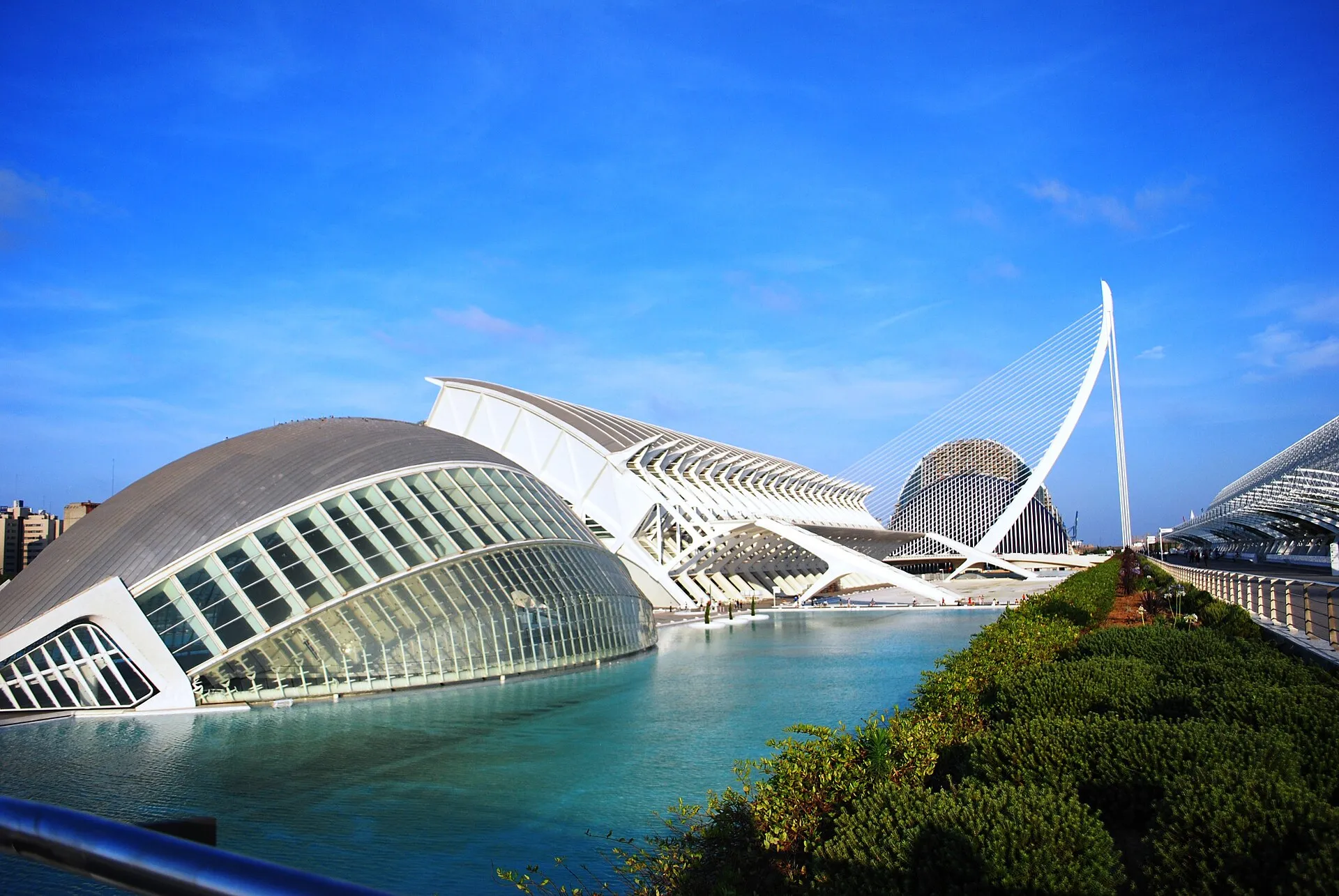
In Valencia, you can ride the 8.5 kilometres of the Turia gardens on a Valenbisi bike, work from Wayco's Ruzafa branch with its rooftop and its events, buy lunch at the Central Market, and take tram line 4 to Malva-rosa beach. Madrid is under two hours away by fast train. In March the Fallas take over the streets for days on end, and you will learn quickly how you feel about gunpowder at breakfast.
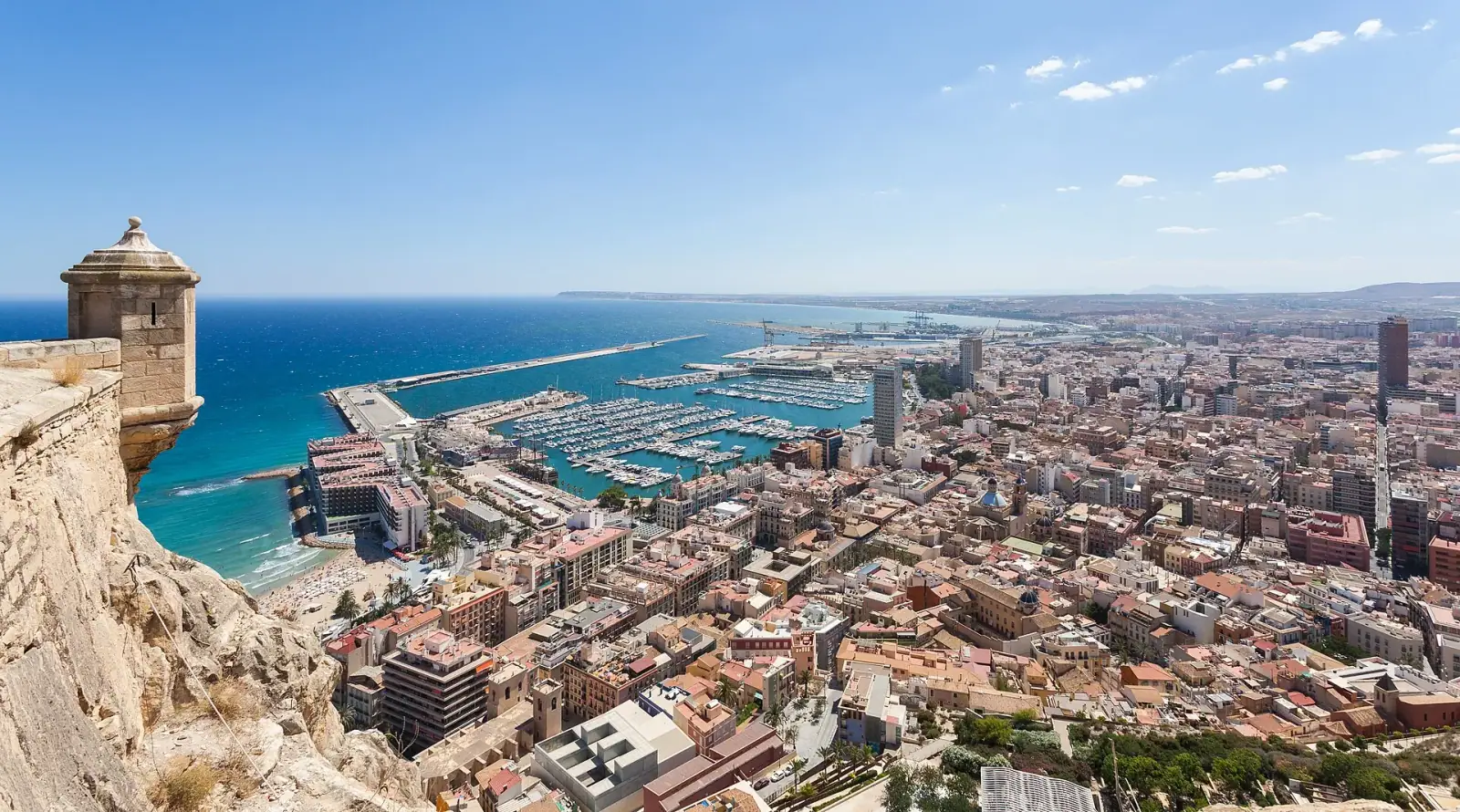
Alicante is simpler, and much of it is lovely. Your day could be a swim at Postiguet, a desk at ULab or TerretUp, and an evening walk on the marble waves of the Explanada with Santa Bárbara castle above you. The tram runs up the coast to Benidorm and Dénia for weekends. But the coworking scene is small, the foreign community leans older, and by January you may have used up the restaurants you like.
It does beat Valencia in one way that matters to people who travel often. Its airport is the busiest in the region, with budget flights across Western Europe and the C6 bus running around the clock.
By our reckoning a month in Valencia comes to about $2,500, while Alicante asks about $2,200. We think that $300 is the best-spent money on this page, unless you are flying somewhere most months and only need a pleasant place to land in between.
The train between them takes a little over two hours. If you are still unsure, start with a month in Alicante, go up to Valencia one Friday, and notice whether you start looking for reasons to stay on Sunday night.
 United States
 United Kingdom
 Germany
 Canada
 Australia
 India