Cost of Living in Seville
Where this figure comes from. No cost survey covers Seville, so the $2,400 a month above is our own estimate rather than a measurement. On 416 of our 999 city guides the figure is built from a published Numbeo basket, a one-bedroom rent in the centre plus one person's monthly costs without rent, converted to USD; this city is not one of them. How we source everything.
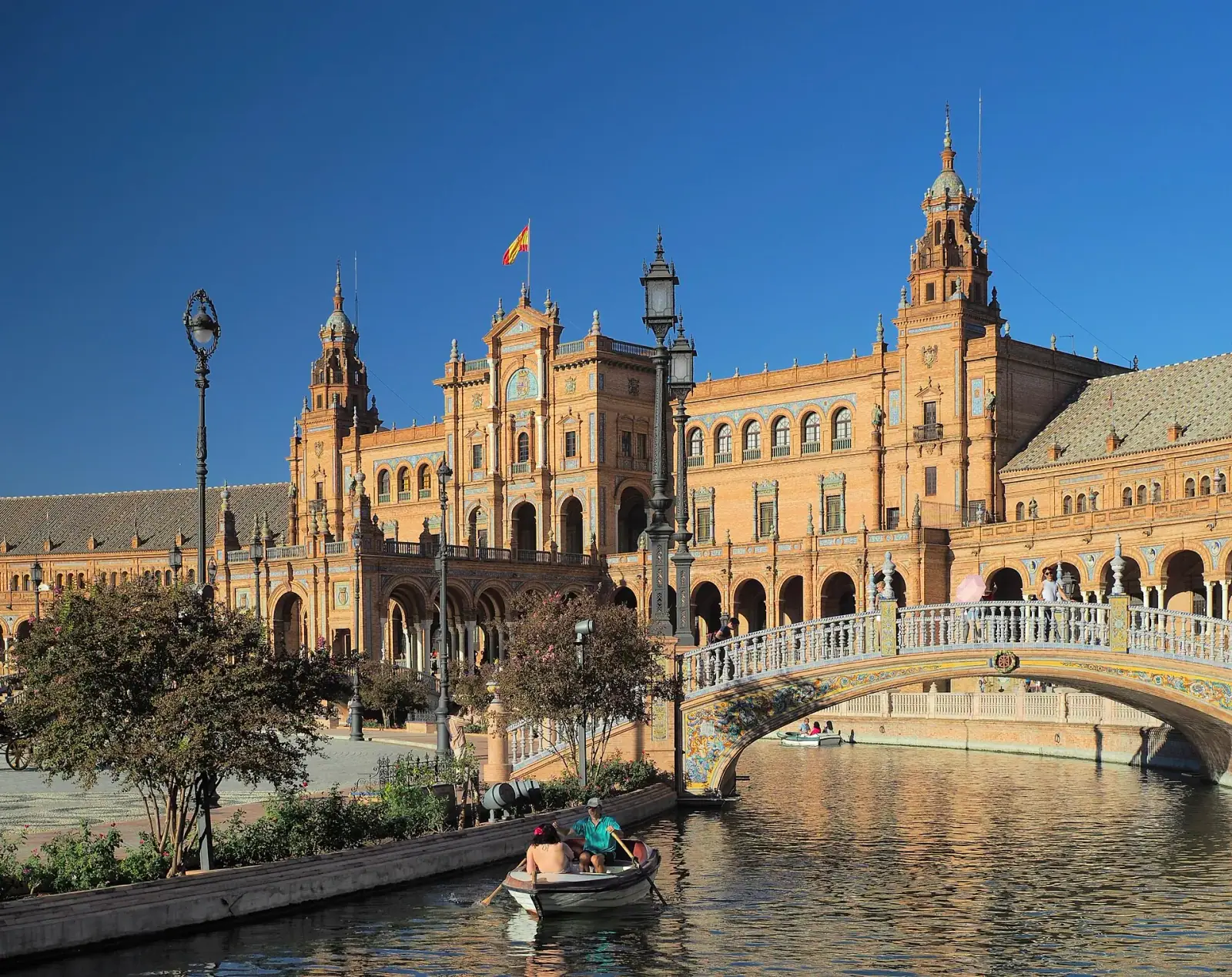
Seville is one of the most affordable major cities in Western Europe, which makes it genuinely attractive for remote workers on a modest budget. Rent in central areas like Santa Cruz or El Centro runs roughly $805-1,270 per month for a furnished one-bedroom. Move out to neighborhoods like Macarena or Bellavista and you can bring that down to $575-865.
- Rent (central, 1BR furnished): $805-1,270/month
- Rent (outer neighborhoods, 1BR furnished): $575-865/month
- Groceries: $230-345/month at Mercadona or Lidl
- Eating out: $175-405/month; tapas and a drink often under $12
- Coworking hot desk: $150-290/month
- Local transport (bus/tram): $29-46/month
- Utilities (electricity, water, internet at home): $115-175/month
Realistic monthly total: $1,610-2,530 for a comfortable solo lifestyle. Budget travelers who cook at home and use a coworking space part-time can get closer to $1,380.
Where to Work
Seville has a small but solid coworking scene. workINcompany (Calle Rioja 13, Casco Antiguo) is the longest-running space in Andalusia, with 37 hot desks, meeting rooms, and a rooftop terrace. Arcadia Coworking (Calle Cuna 16) is rated 4.9 on Google and sits in the historic center. Sierpes 48 on Calle Sierpes is run by Regus and offers flexible day passes if you need a professional address occasionally. Hot-desk memberships across these spaces run $150-290/month.
Cafe work culture exists but comes with caveats. Seville does not have Barcelona-level laptop-friendly cafe density. The standouts are LATE Specialty Coffee (Calle Regina 1, Casco Antiguo), which has a dedicated coworking zone and fast WiFi, and Jester Specialty Coffee (Calle Albareda 24), which has a designated laptop area. Most traditional tapas bars do not want you camping with a laptop for hours.
Home internet is generally reliable in central apartments, with fiber connections common. Mobile coverage (Movistar, Vodafone, Orange) is strong throughout the city center.
Getting Around
The historic core is compact and very walkable. You can cover most of Casco Antiguo, Triana, and Alameda on foot without any issue. Seville also has one of Spain's best urban cycling networks: the Sevici public bike-share has 260+ stations, and the city has dedicated lanes covering much of the center. An annual Sevici pass costs around $40.
The city has trams, buses, and cercanias commuter trains for longer trips. A monthly public transport card runs $29-46. Taxis and Cabify (the dominant rideshare here) are inexpensive by northern European standards.
Airport: Seville Airport (SVQ) is about 10 km from the center. A taxi costs roughly $29-35 and takes 15-20 minutes. Bus line EA connects the airport to the Santa Justa train station and the city center for about $4.50 and runs frequently.
Sorting transport? Book an airport transfer, or compare car rental on Auto Europe and QEEQ.
Visas and Staying Long-Term
EU and EEA citizens can stay indefinitely with no visa required. Most non-EU passport holders including Americans, Canadians, Australians, and British citizens get 90 visa-free days within any 180-day period under Schengen rules. You cannot extend this without a legal status change.
Spain offers a Digital Nomad Visa (Telework Visa) introduced in 2023. To qualify you need to earn at least $2,730/month (200% of Spain's minimum wage), have a degree or three years of relevant experience, and be working for a company based outside Spain (self-employed working less than 20% for Spanish clients is permitted). Apply from your home country's Spanish consulate for a one-year visa, or from within Spain during your first 90 days for a three-year residence card. Approved applicants also get access to Spain's Beckham Law for favorable tax treatment.
Best Time to Visit
Seville has extreme summers. July and August regularly hit 40-45 C (104-113 F), and working productively without strong air conditioning is miserable. Outdoor life largely shuts down between 2pm and 7pm. This is not the time to visit if you want to enjoy the city alongside your work.
The best windows for remote workers are mid-March through May and October through November. Temperatures in these months sit between 15-28 C (59-82 F), the city is at its most beautiful, and you can actually sit outside. Spring also coincides with Semana Santa (Holy Week) and the Feria de Abril, which are spectacular culturally but bring crowded streets and higher short-term rental prices, so book well ahead.
December through February is mild (8-17 C / 46-63 F) and uncrowded, with occasional rain. It is a reasonable off-season option if you can handle a quieter city.
Pros and Cons
- Low cost of living compared to Madrid, Barcelona, Lisbon, or most of northern Europe
- Beautiful, walkable historic center with genuine character
- Outstanding food culture at very low prices
- Excellent cycling infrastructure within the city
- Strong fiber internet in central apartments
- Spanish Digital Nomad Visa available for longer stays
- Brutal summers: near-unlivable heat July-August without full AC
- Limited English: daily life, admin, and landlord dealings often require Spanish
- Smaller nomad community than Madrid or Barcelona
- Few dedicated coworking spaces relative to city size
- Late hours: dinner before 9pm and early bedtimes feel out of sync with local rhythm
- Housing market is tightening; short-term furnished rentals book up fast in spring
Who Seville Is Best For
Seville rewards people who genuinely want to immerse in Spanish culture rather than treat it as a backdrop. If you are comfortable with basic Spanish, enjoy slow mornings, long lunches, and late evenings, and prefer a city that feels authentically local over one optimized for expats, Seville delivers.
It is a strong fit for solo nomads and couples on a mid-range budget who want a beautiful southern European base in spring or autumn. It works well for anyone interested in history, architecture, flamenco, and food who also needs reliable internet and a functional coworking option.
It is less well suited for people who need a large English-speaking community around them, anyone visiting in high summer without a strong preference for staying indoors, or those who want a buzzing tech-nomad scene with regular meetups and networking events. If you need to be on video calls at 9am US Eastern time, note that Seville is UTC+1 (UTC+2 in summer), which means very late nights syncing with West Coast clients.