 Málaga
Who lives there in February
In August, these two cities look alike: a hot Spanish seafront, full flights from Manchester and Copenhagen, sunburn on the promenade. To tell them apart, go in February, when the visitors have thinned out and you can see what a place does for a living.
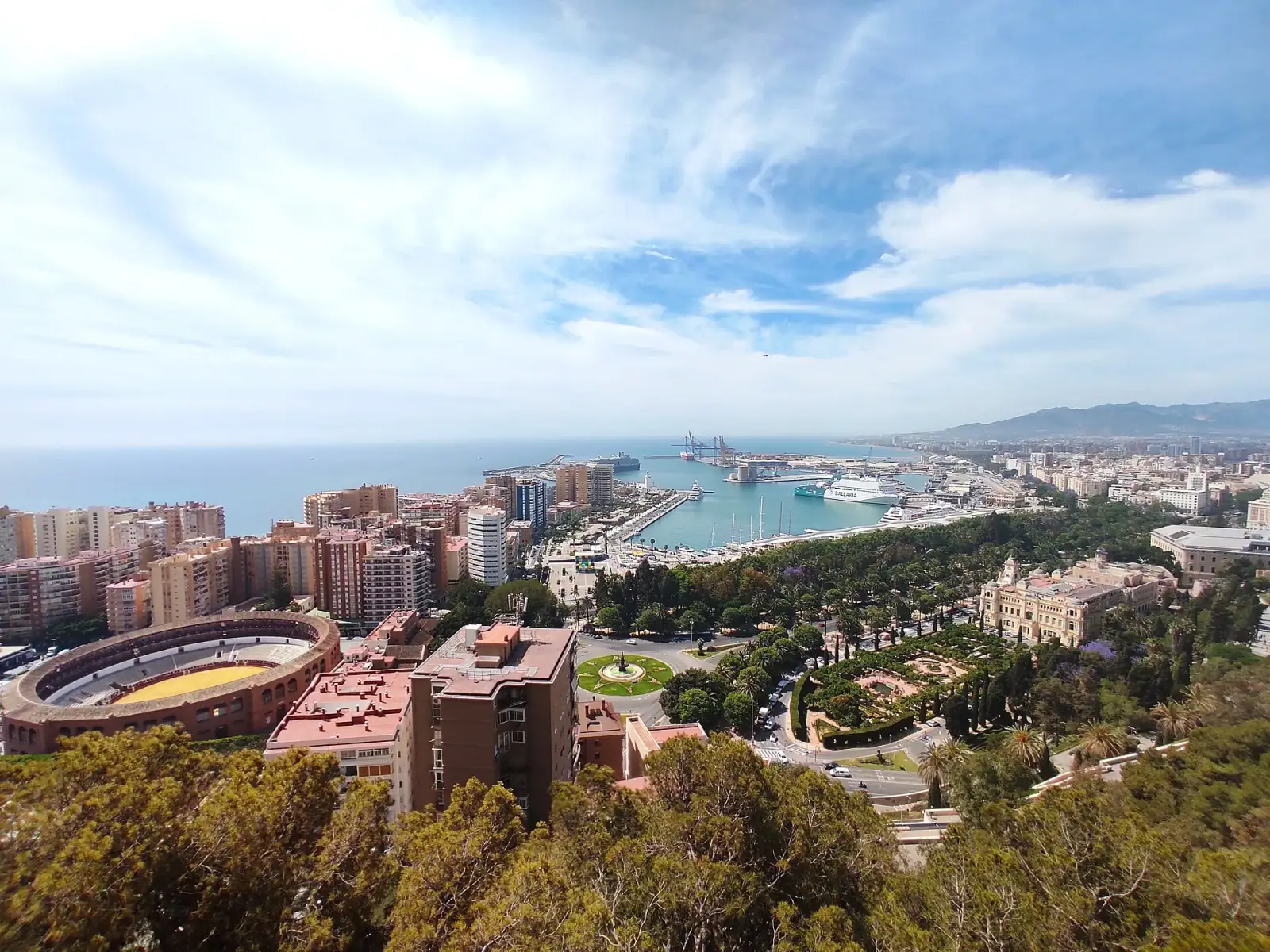
In Málaga, you will find people at laptops. The city spent two decades turning itself from the place you landed on the way to the Costa del Sol into somewhere worth stopping: the Picasso Museum in the house-lined streets where he was born, the coloured glass cube of the Pompidou down at the port, then a tech park and, more recently, a Google cybersecurity centre. Young foreign engineers now share the pavement with the tapas crowd in Soho and around Calle Larios.
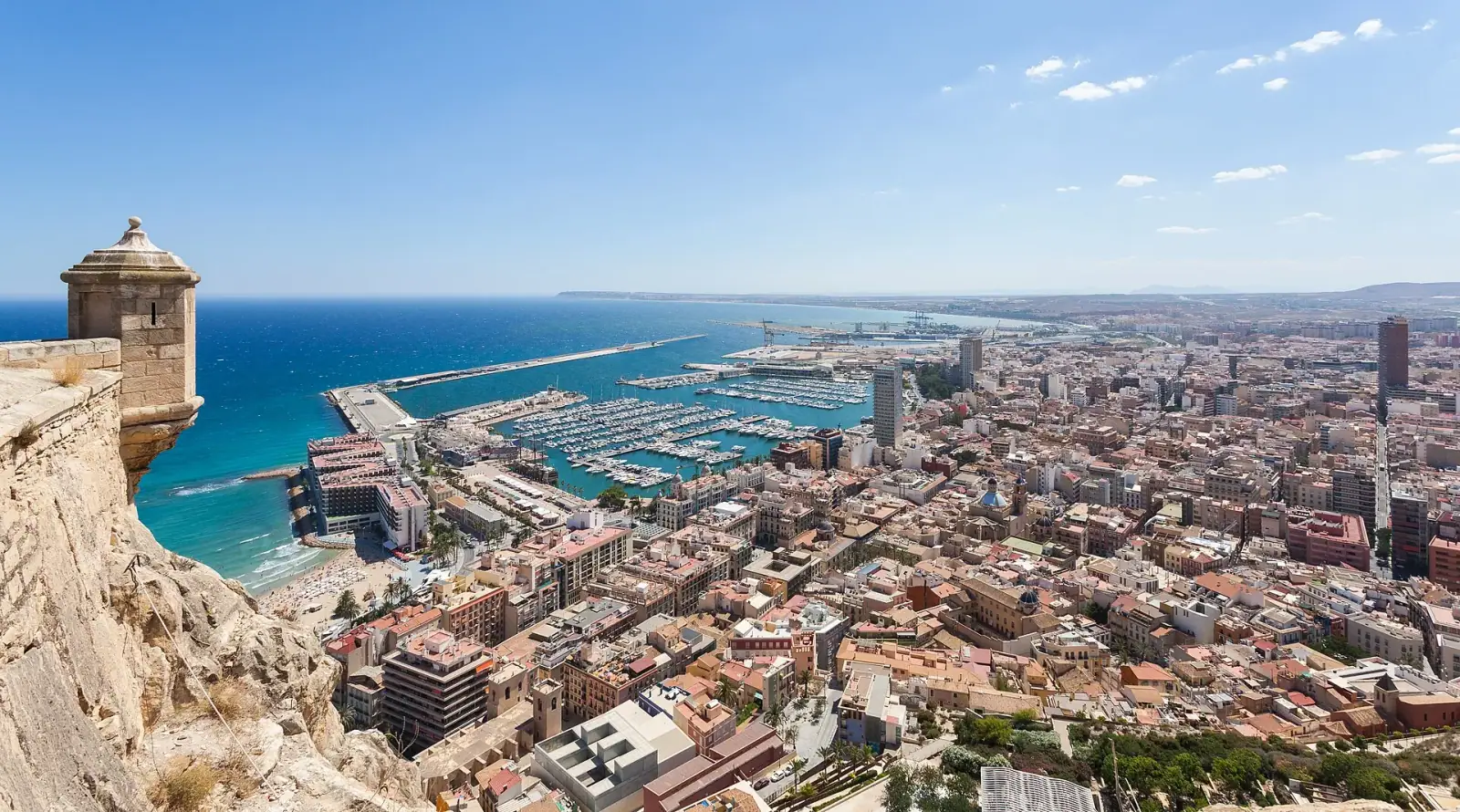
In Alicante, you will find something odder. The European Union's intellectual property office is based here, so there is a long-settled community of well-paid officials and their families out towards Playa de San Juan, along with a great many retired northern Europeans who came for the climate. It is a calmer, older crowd. The palm-lined Explanada, with its millions of wave-patterned marble tiles, is where the whole city walks in the evening, and Santa Bárbara castle looks down on it from the rock behind Postiguet beach. You reach the castle by a lift cut through the rock from opposite the beach, which sums the place up: everything is easy.
The weather is closer than people claim
Both cities advertise winter sun, and both deliver it. Málaga's mountains shelter it from the north, which gives it some of the warmest winter days on the mainland. Alicante is drier, among the driest cities in Spain, though when rain does come to this coast, usually in autumn, it can arrive all at once. For most people deciding between them, this is a tie, and it should not be what settles it.
Where the money goes
Money is the sharper difference. On our estimate, a comfortable month costs around $2,600 in Málaga and around $2,200 in Alicante, and the gap has been widening, because Málaga's success has been hard on its renters. Flats in the centre have been lost to short-term lets, and locals have marched about it. You can still find something reasonable, but you will probably look outside the old town, around Teatinos or Huelin, and take the bus.
What the extra $400 buys you is a bigger and younger city, with about 600,000 people against about 350,000. There is more to do on a Thursday night, more coworking, more chance of meeting someone in your line of work, and, once the line reopens after the Urda crash of 28 October, high-speed trains to Madrid. Alicante has good trains too, and an airport just as useful for most of Europe, but after a few months you may find you have seen most of it.
So this comes down to your age and your plans more than to the sea. If you are under 40 and want a scene, Málaga is worth the rent. If you want a quiet flat, a morning swim and a city that asks nothing of you, Alicante is the better deal, and the one fewer people have already discovered.
 United States
 United Kingdom
 Germany
 Canada
 Australia
 India