Cost of Living in Valencia
Real market data
Source: Numbeo · Jul 2026
$2,280/moSolo nomad1-bed centre + living costs
$2,950/moCoupleshared 1-bed + costs
$1,900/moLean / localcheaper area + costs
- 1-bed rent, city centre$1,450€1,256
- 1-bed rent, outside centre$1,070€930
- Monthly costs excl. rent (1 person)$830€725
- Meal, inexpensive restaurant$17€15
- Monthly transit pass$40€35
- Buy price, per m² (centre)$5,670€4,924
Prices are from Numbeo (Jul 2026), converted to USD at $1 = €0.87 (01 Aug 2026). The monthly living-costs figure is our transparent one-person basket, groceries, a few meals out, utilities, phone, internet, transport and essentials, priced from those figures. Solo adds central rent; couple and lean are estimates from the same numbers.
Valencia is one of the strongest value plays on the Mediterranean, noticeably cheaper than Barcelona or Madrid while offering the same beaches, food, and fast trains. Rents have climbed hard, roughly 12 to 15 percent in popular expat areas between 2024 and 2025, so the days of bargain apartments are fading. Prices below are current for 2025 to 2026 (USD figures are approximate and move with the exchange rate).
Here is a realistic monthly budget for one person:
- Rent, central one bedroom (Ruzafa, Eixample): roughly $1,040 to $1,500. Furnished short-term rentals sit at the top of that range.
- Rent, cheaper area (further out, or a room in a shared flat): roughly $635 to $980.
- Utilities (electricity, water, internet): $92 to $150.
- Groceries (mostly Mercadona): $290 to $405.
- Eating out: a menu del dia lunch runs $14 to $18; budget $230 to $460 monthly for cafes and dinners out.
- Coworking hot desk: around $195 a month, or about $25 for a day pass.
- Local transport: $115 to $175 if you buy passes, or close to zero if you cycle.
All in, plan on roughly $1,610 to $2,530 per month for a comfortable single-person lifestyle. You can go lower with a shared flat and a bike, higher if you want a central one bedroom and eat out often. As a rough benchmark, Valencia tends to run 25 to 35 percent cheaper than Madrid and Barcelona on rent.
Where to Work
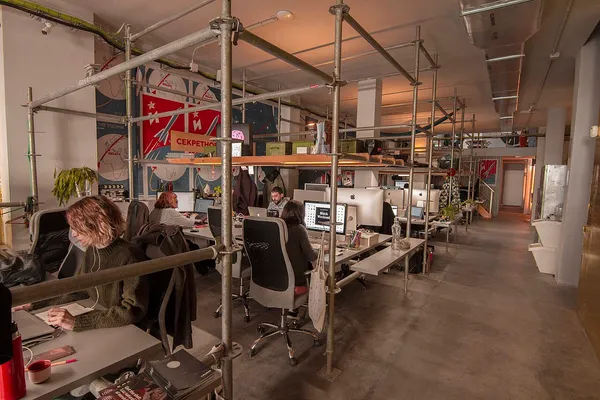
Valencia has a mature coworking scene that has grown alongside its nomad population. Wayco is the best-known operator, with locations in Ruzafa, Abastos, and near the beach at Cabanyal. Hot desks run about $195 a month or $25 a day, and the Ruzafa site is the social hub, with events, a rooftop, and a steady flow of members. Vortex Coworking has a central spot and a beachside one at Vortex Playa. Botanico Coworking, next to the botanical gardens, is the quieter, heads-down option, and Llum Coworking in the center offers 24/7 access, soundproof booths, and a kitchen.
Cafe-work culture exists but is more relaxed than in northern Europe. Plenty of specialty cafes in Ruzafa and El Carmen welcome laptops, though it is polite to keep ordering and to avoid camping during the lunch rush. Home WiFi is generally fast and reliable, and mobile data is cheap, so a local SIM makes a solid backup for calls. If your work depends on guaranteed uptime and video calls, a coworking membership is worth the money.
Getting Around
Valencia is flat, compact, and very walkable, so many nomads barely use public transport day to day. When you do, Metrovalencia runs metro and tram lines across the city with contactless SUMA cards, and fares are reasonable. Cycling is where Valencia shines: the city is genuinely bike-friendly, with a large network of dedicated lanes and the drained Turia riverbed park cutting green through the center. The Valenbisi public bike share has more than 270 stations, with short-term and annual passes and the first 30 minutes of each ride free.
Getting to and from Valencia Airport (VLC) is easy. Metro lines 3 and 5 connect the airport directly to the center in about 20 to 25 minutes, running every 15 to 20 minutes, and a single fare to the center is only a few dollars. A taxi is faster but costs more. VLC has good low-cost connections across Europe, and high-speed trains reach Madrid in under two hours.
Sorting transport? Book an airport transfer, or compare car rental on Auto Europe and QEEQ.
Visas and Staying Long-Term
Spain is in the Schengen Area, so many visitors (including US, UK, Canadian, and Australian passport holders) can enter visa-free for up to 90 days in any rolling 180-day period. That window is per Schengen zone, not per country, so time spent elsewhere in Schengen counts against it.
To stay longer, the most relevant route for remote workers is Spain's digital nomad visa, aimed at people employed by or contracting with companies outside Spain. It carries an income requirement tied to Spain's minimum wage (broadly around 200 percent of it, so the exact euro figure updates each year), plus proof of remote work, health coverage, and a clean record. Applying from a Spanish consulate abroad typically grants an initial year, while applying in-country can lead to a multi-year residence permit that is renewable, and the permit lets you travel within Schengen.
Best Time to Visit
Valencia has a mild Mediterranean climate with over 300 days of sunshine a year, which is a big part of the draw. Spring and autumn are the sweet spot for remote work: warm, comfortable, and ideal for cycling and beach afternoons between calls. Summers get genuinely hot and humid in July and August, when the city empties somewhat and air conditioning becomes essential. Winters are mild by European standards, cool but rarely cold, making Valencia a solid off-season base.
If you want the spectacle, time a visit around Las Fallas in March, the city's famous festival of giant sculptures, fireworks, and near-constant noise. It is unforgettable, but accommodation is scarce and pricey, and getting focused work done that week is close to impossible. For a productive stint, target April to June or September to October.
Pros and Cons
What works well:
- Strong value versus Barcelona and Madrid, with the same coast and cuisine.
- Beaches, the Turia park, and a walkable, bike-first layout.
- A growing, welcoming nomad scene and solid coworking options.
- Great food, mild winters, and easy flights and fast trains across Spain and Europe.
What to weigh honestly:
- Rents have risen sharply and central apartments are no longer cheap.
- Summer heat and humidity can make July and August tough.
- Some Spanish helps a lot outside tourist zones and for admin and paperwork.
- The relaxed pace and long lunches can frustrate anyone expecting fast bureaucracy.
Who Valencia Is Best For
Valencia suits remote workers who want a real city with beaches, good food, and a laid-back Mediterranean rhythm, without Barcelona or Madrid prices. It is a strong fit if you like cycling, value sunshine and walkability, and want an established nomad community and coworking scene to plug into. It also works well for those planning a longer stay who intend to pursue the digital nomad visa.
You should probably skip it if you need a high-intensity, fast-moving business hub, if you cannot tolerate hot and humid summers, or if you expect everything to run in English at a brisk pace. If your priority is the absolute cheapest base in Europe, other cities now undercut Valencia on rent, though few match its overall quality of life.