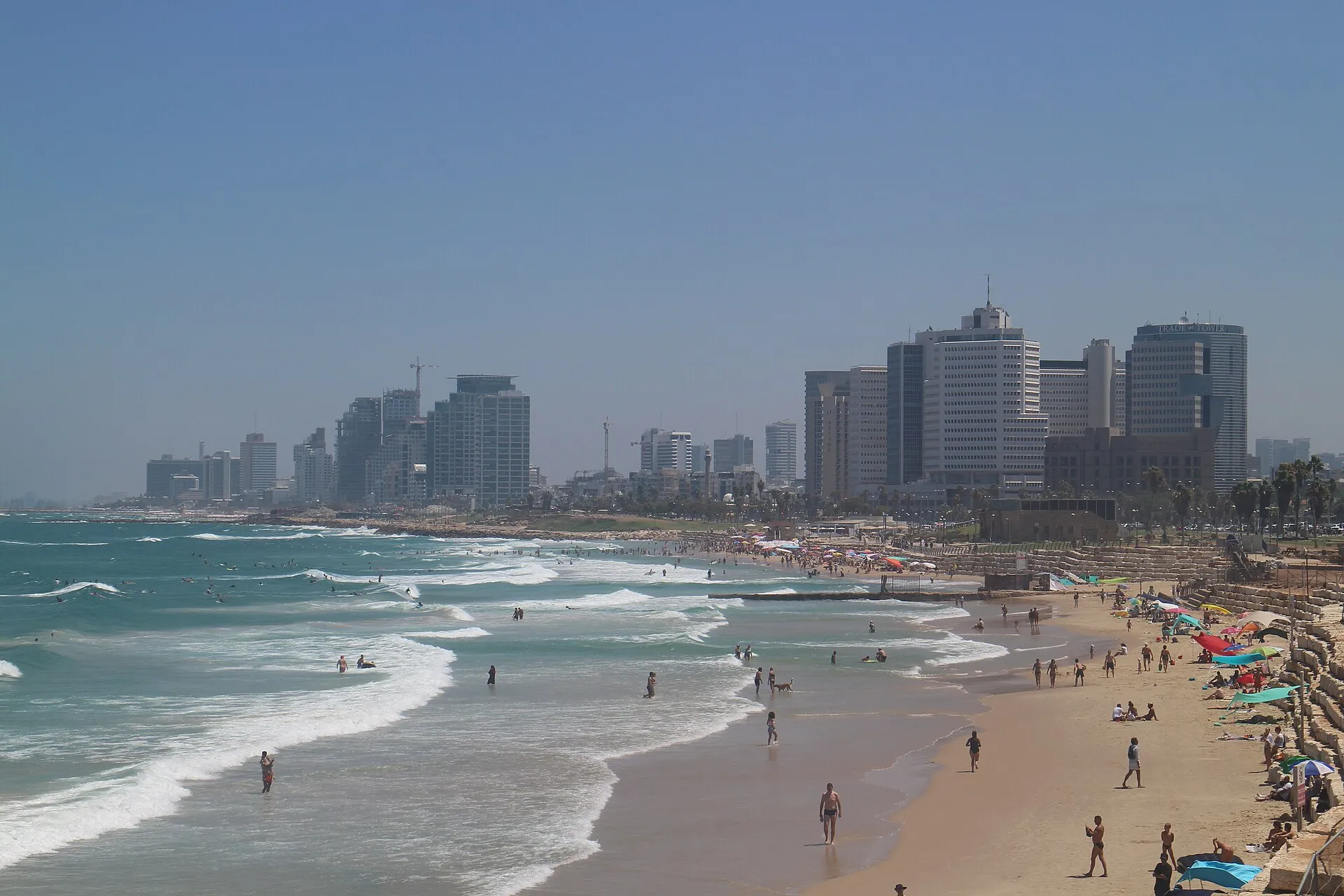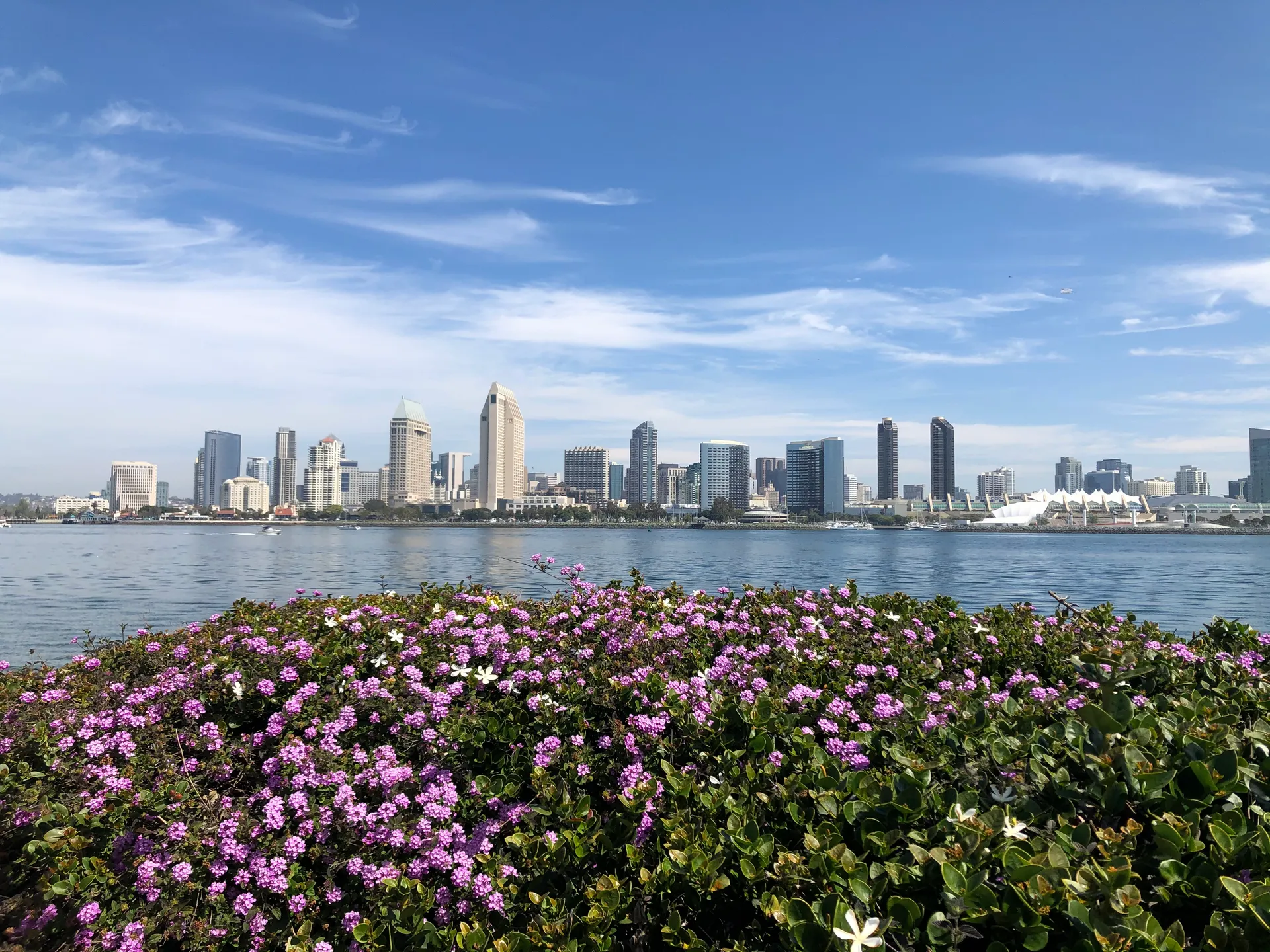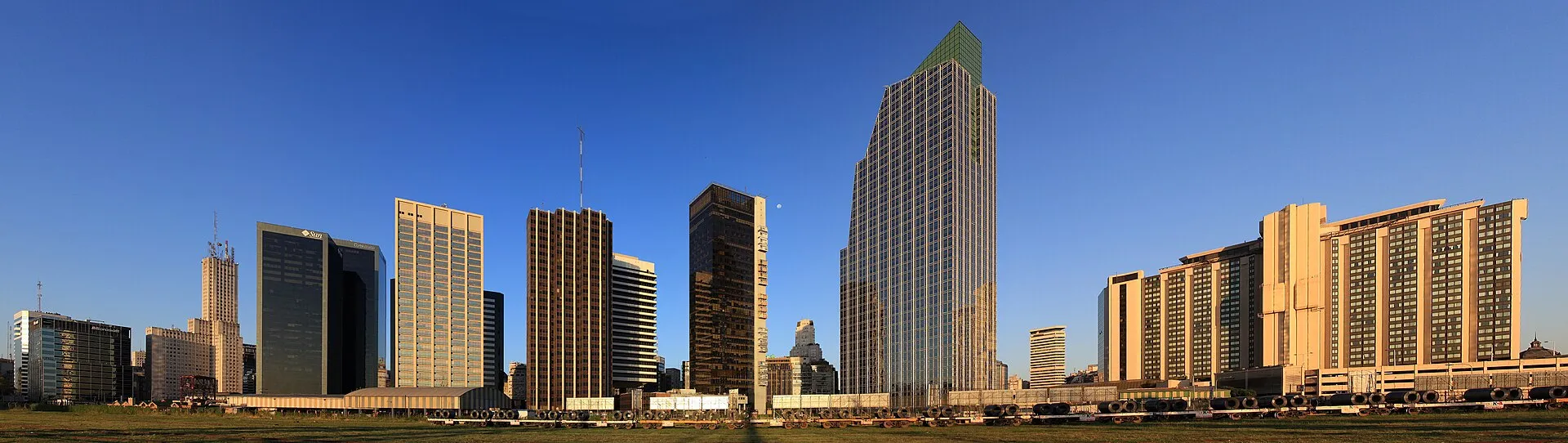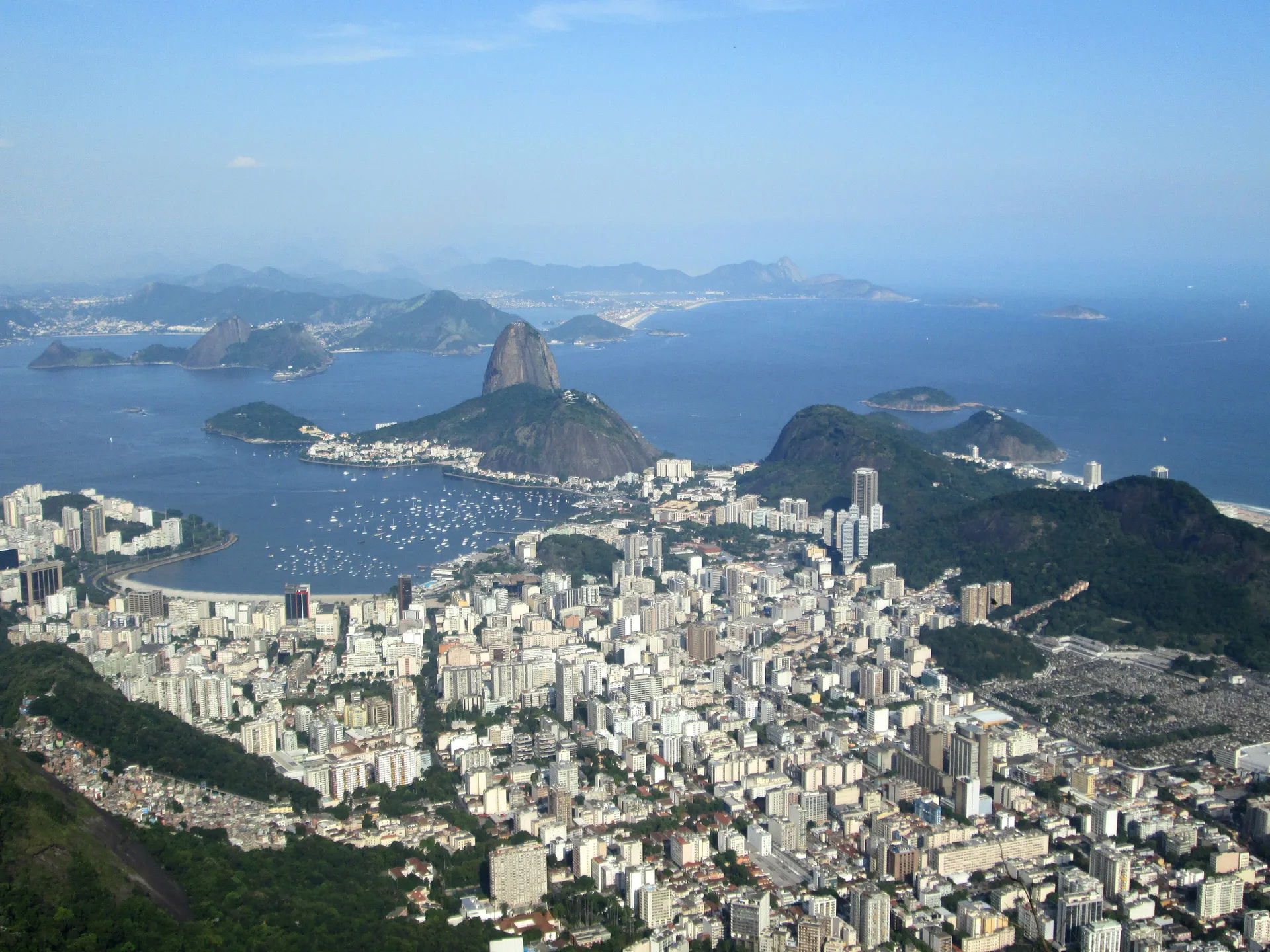
Cleanliness is one of those qualities you only register when it is missing. After a few months somewhere with overflowing bins, broken pavements and grim public toilets, a city where the metro is cleaned between rush hours and the river is fit to swim in feels like a different kind of rest. For a remote worker it shapes small daily choices too: whether you eat from a street stall without thinking twice, work from a park bench, or walk home at night through streets that look cared for.
The cities here get clean in different ways. Japan does it through habit: Tokyo, Osaka, Kyoto, Fukuoka and Hiroshima have hardly any public bins, and people simply carry their rubbish home. Singapore backs civic habit with fines that are enforced. Switzerland, Liechtenstein and Monaco do it with money, thorough waste sorting and crews that wash the streets, while small places like Torshavn, Dunedin and Queenstown get help from a low population, wind and rain. Six of these cities also sit in our ranking of the safest cities for digital nomads, and the two qualities tend to travel together.
Clean rarely comes cheap in Europe. Monaco costs $5,200 a month and Zurich $4,500, while in Japan Hiroshima comes in at $900 and Fukuoka at $1,100. Each entry below explains how the city keeps itself tidy and what else you sign up for by living there.
Cities are ranked by the cleanliness category of our 13-category city score, an editorial rating of how well streets, transport, parks and public toilets are kept, with ties broken by the overall Nomad Score. Seven cities share the top rating and the other eight the next one down, so within each group the order reflects overall livability rather than which place is tidier. Explore the numbers yourself on the comparison tool or browse all 999 city guides.
At a glance
 Tokyo
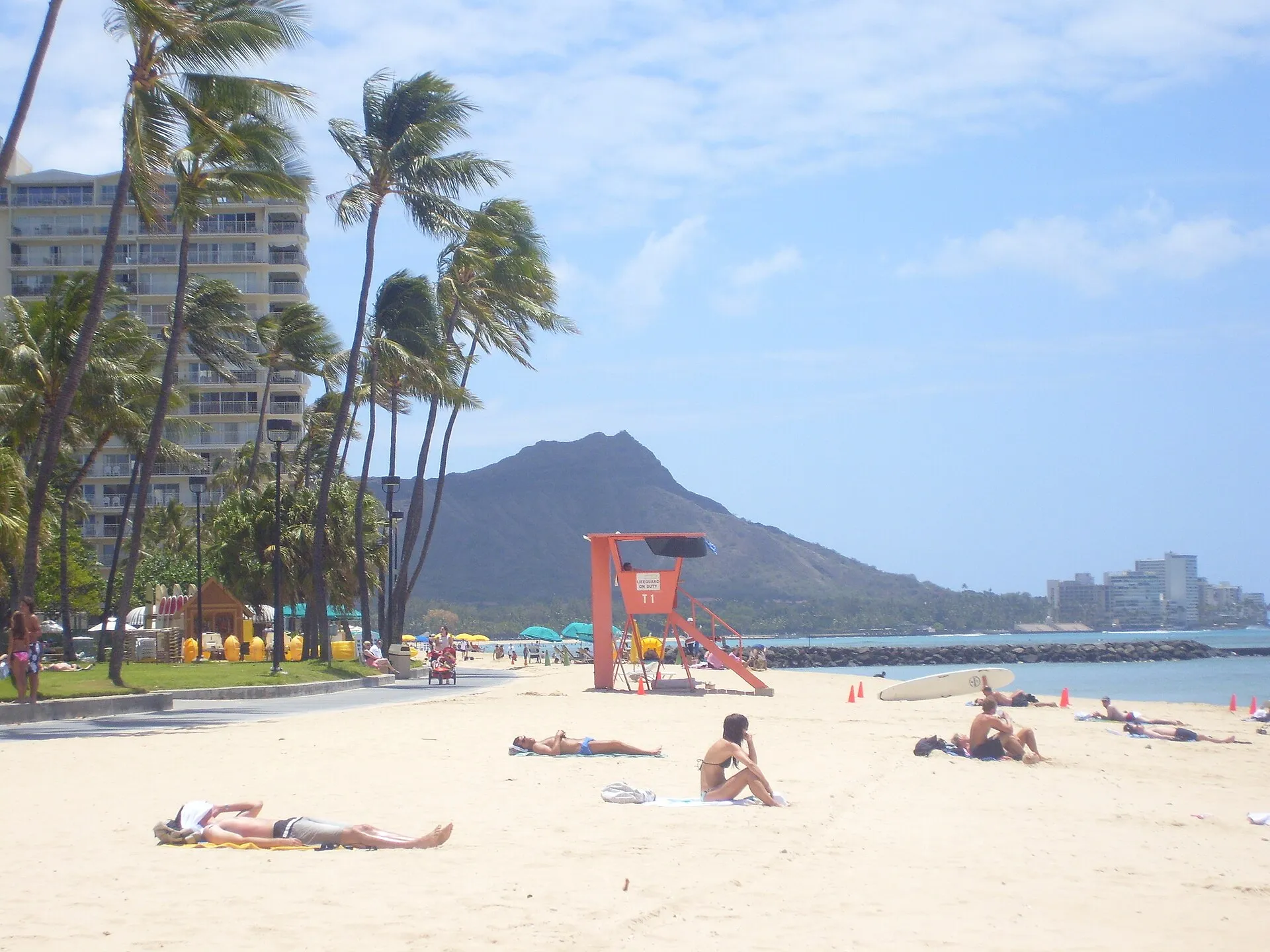
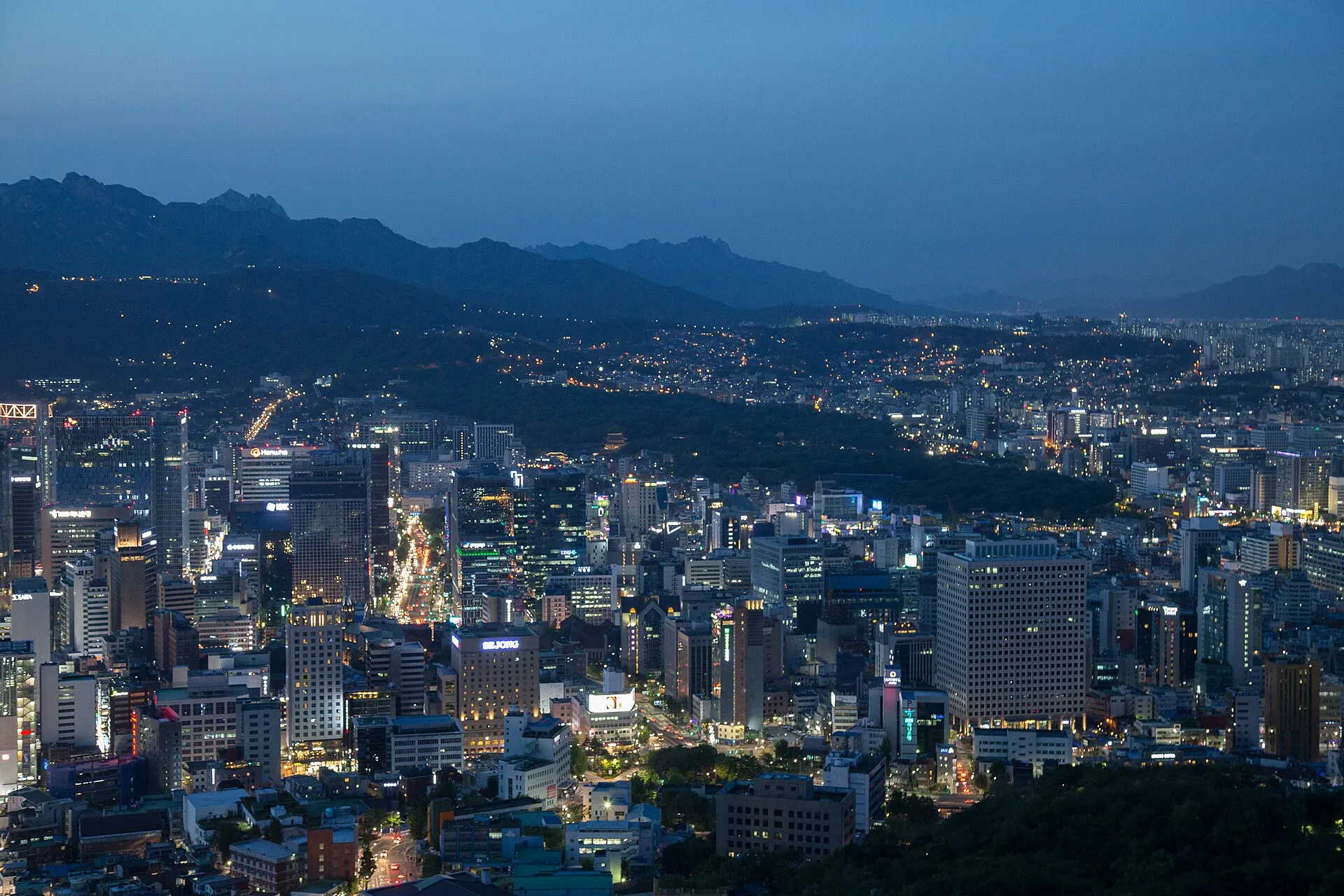
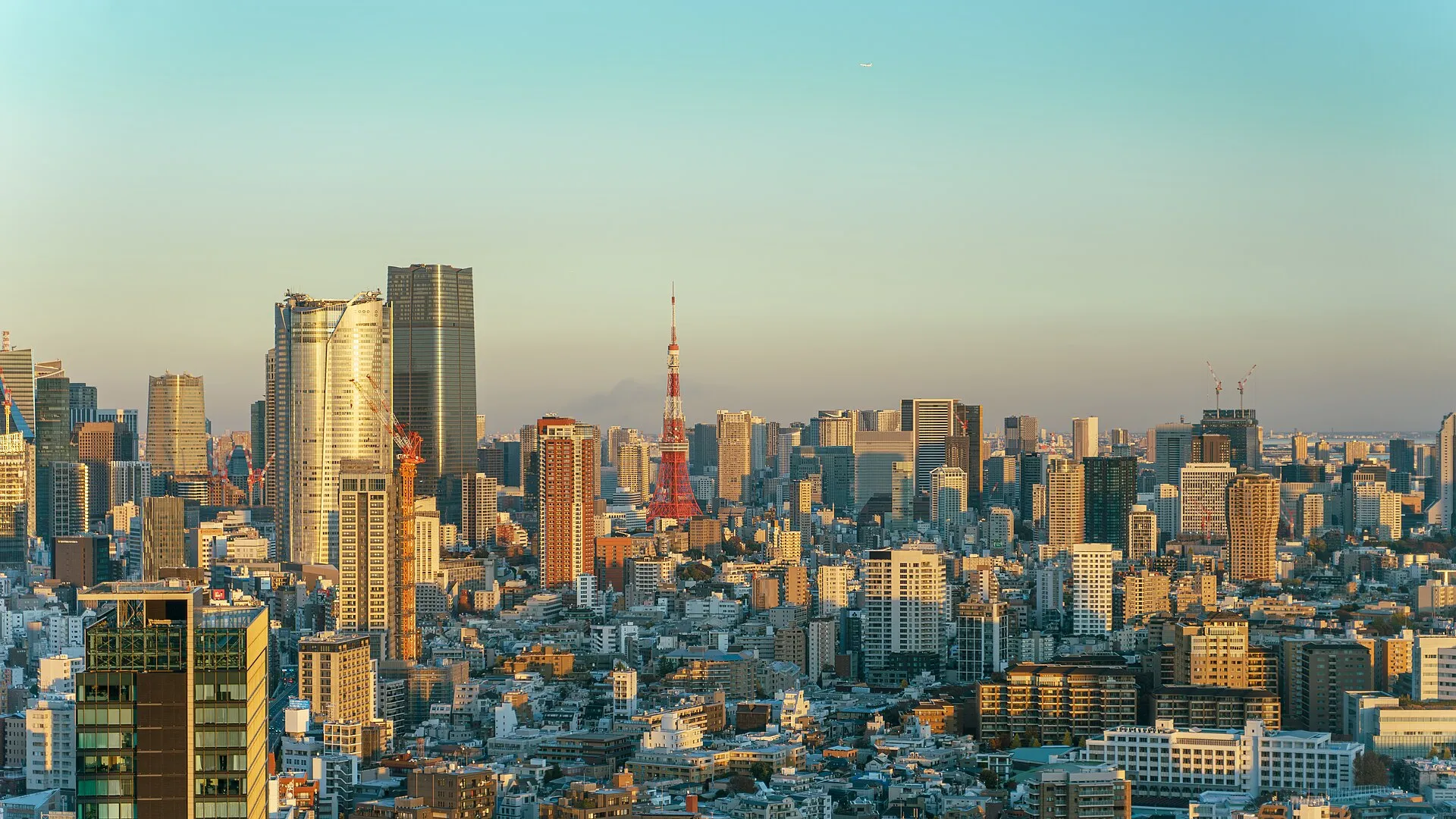
TokyoHardly any street bins and hardly any litter, in a metropolis where trains and stations are cleaned between peak hours. It costs $1,920 a month.
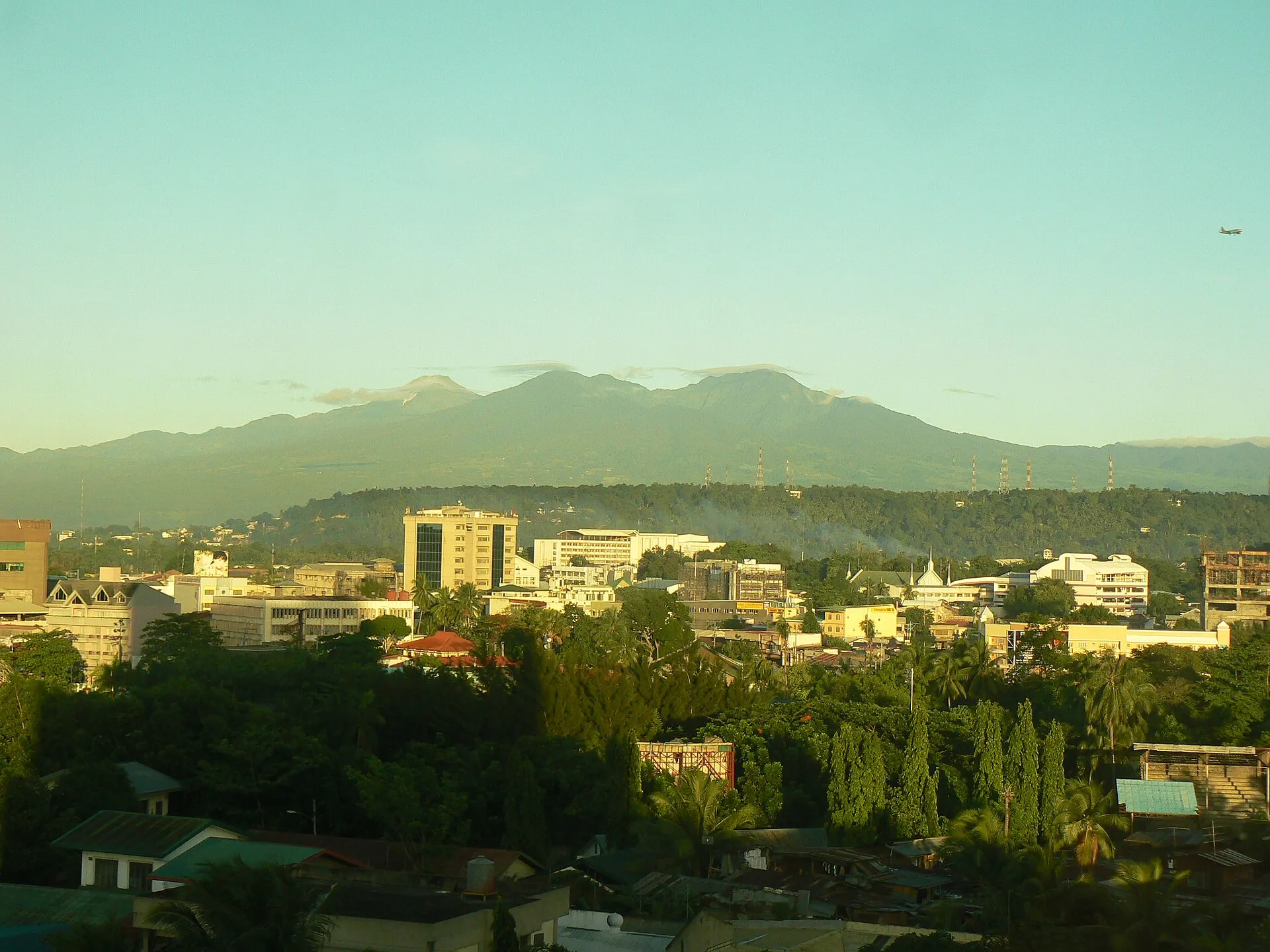
Cheapest clean baseHiroshimaJapanese standards of order and safe tap water throughout, for $900 a month, the lowest cost on this list.
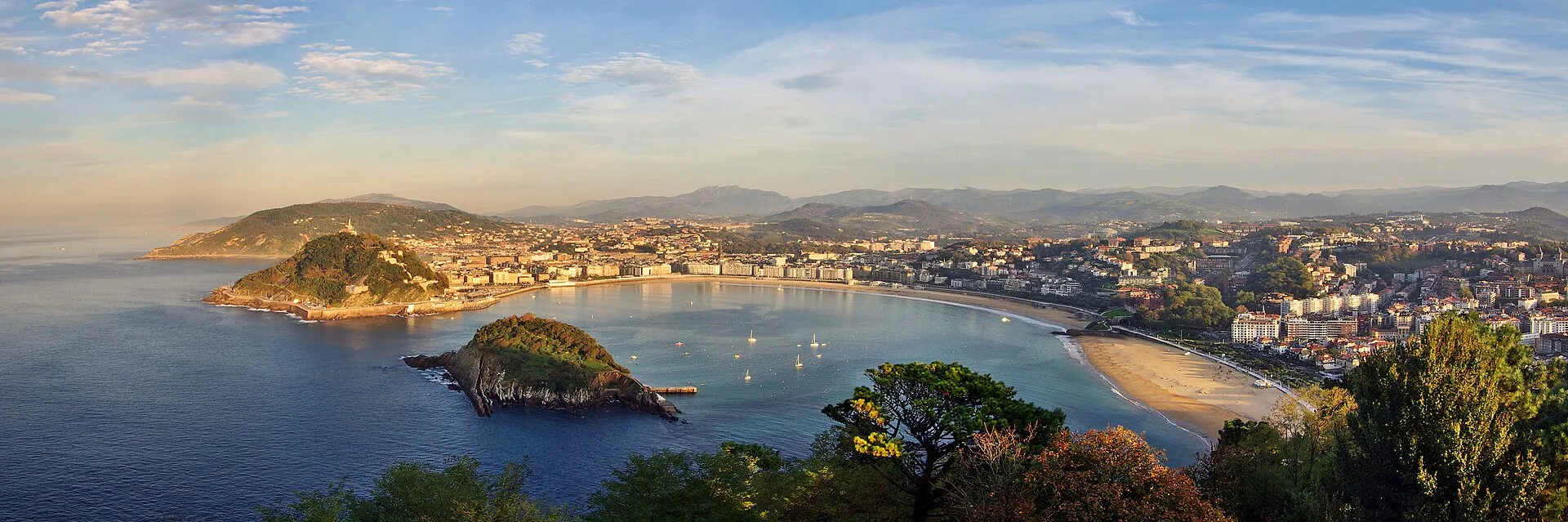
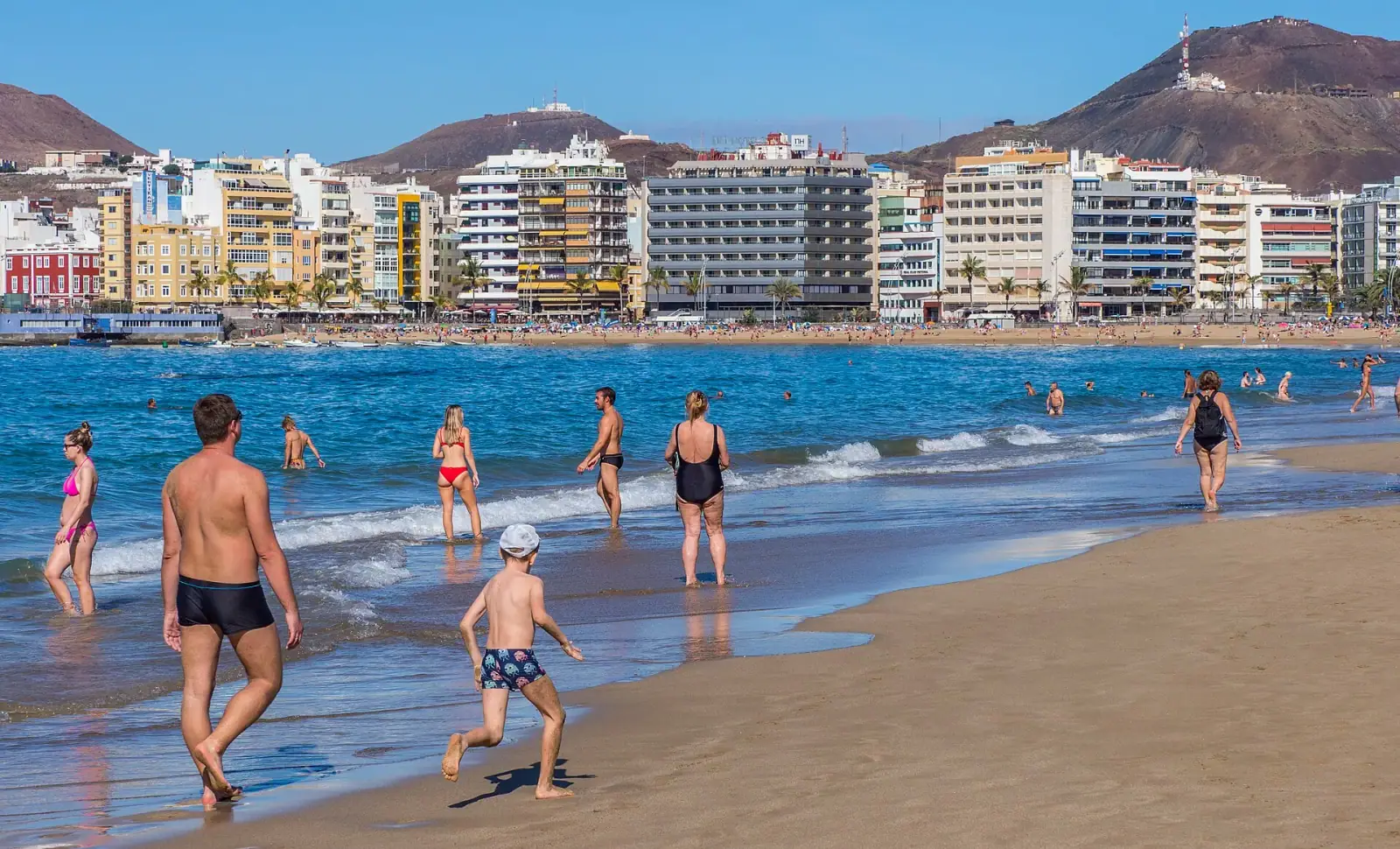
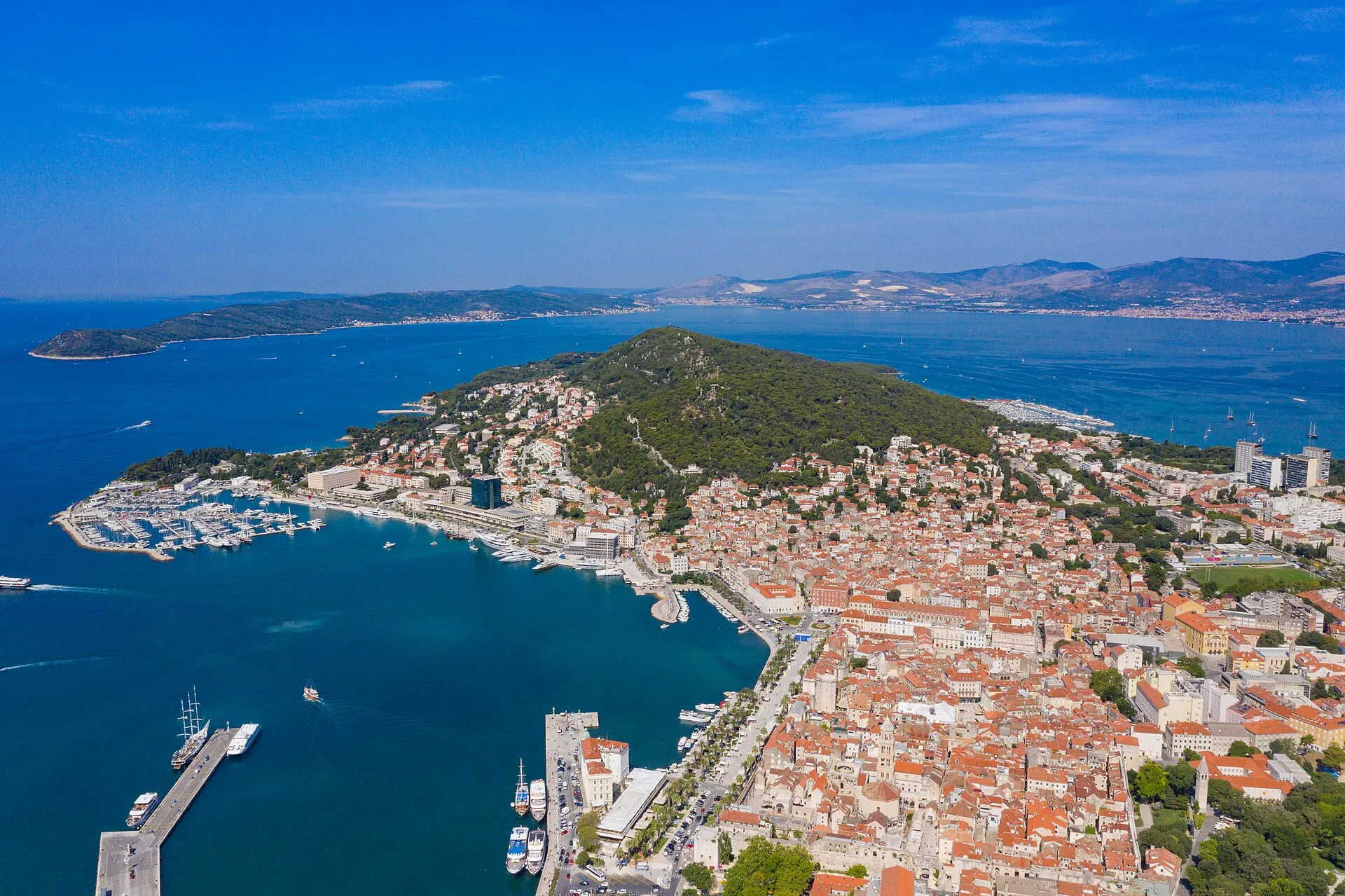
Cleanest beach city San Sebastián
An Old Town swept daily, Blue Flag beaches and an immaculate seafront promenade, with pintxo bars a short walk from the sand.
What to weigh before you book
A cleanliness rating describes public space, and that is only half of what you will live with. It says nothing about your flat: Dunedin's streets are tidy but much of its housing is cold and damp, and Tokyo's spotless stations sit beside apartments that are tiny by Western standards. It also flattens different kinds of clean. Japan's bin-free streets depend on you carrying your rubbish home, waste separation in Liechtenstein is comprehensive and enforced, and Singapore fines what other cities let slide. If those rules sound like friction, count them in. Seasons matter as well: the spring thaw in Quebec City, the student quarter in Dunedin after big events and the summer tour crowds in Lucerne all change how a place looks for a few weeks.
The ranking
-
1
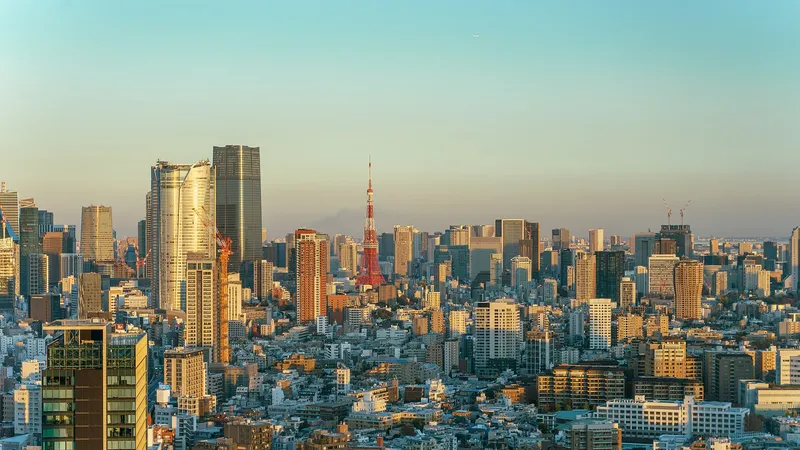 Cleanliness 10/10Nomad Score 8.7$1,920/moSafety 10WiFi 7Value 3
Tokyo manages something that sounds impossible at its size: almost no public bins on the streets, and almost no litter either. Residents carry their rubbish home, street-sweeping crews cover the busiest districts, and trains, subway stations and public toilets are cleaned between peak hours. The effect on daily life is a vast city that still feels calm and cared for. At $1,920 a month it undercuts most Western capitals. The costs sit elsewhere: apartments are tiny, summers are brutally humid, and securing a long lease as a foreigner means bureaucracy.
-
2
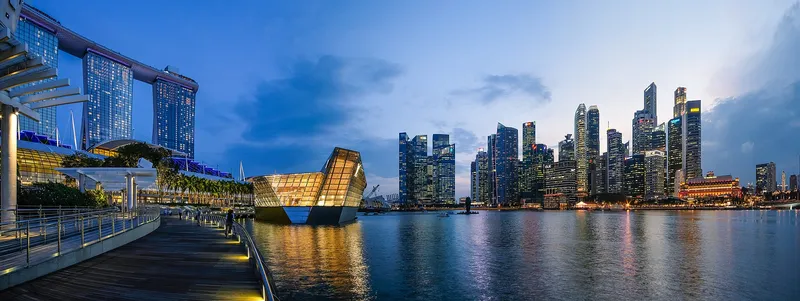 Cleanliness 10/10Nomad Score 8.5$3,840/moSafety 10WiFi 10Value 2
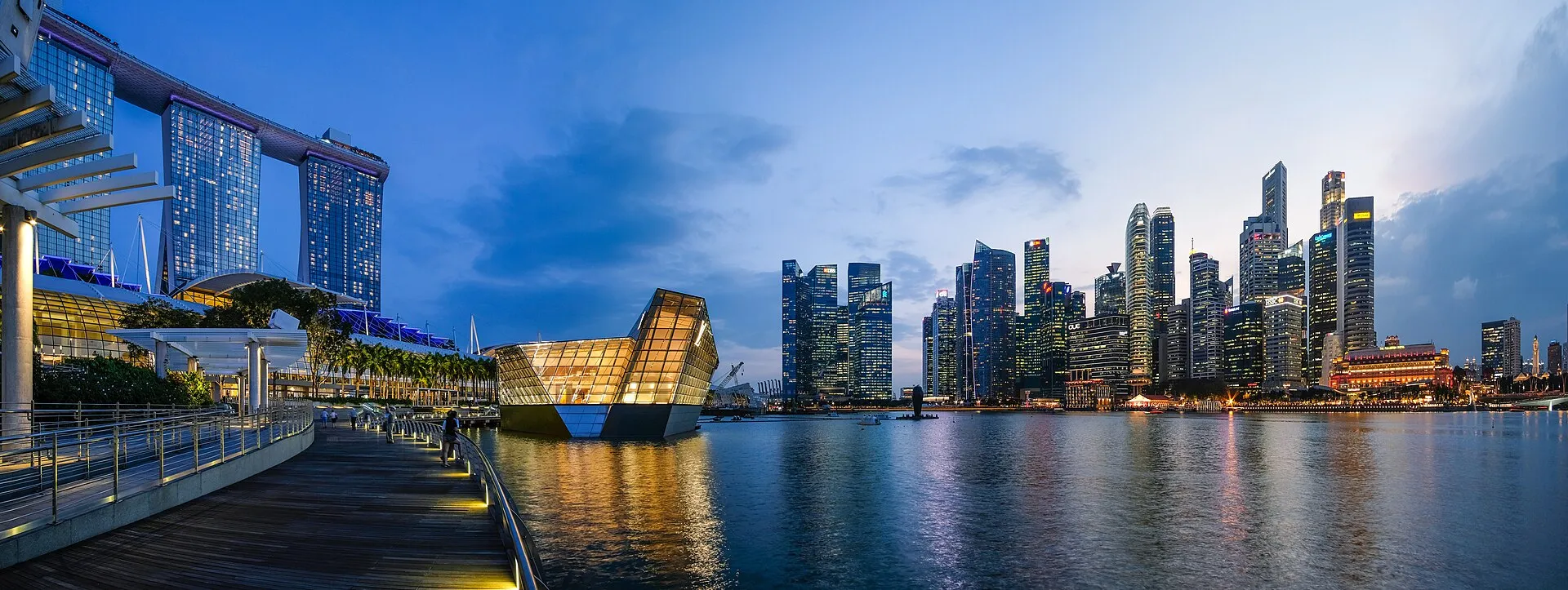
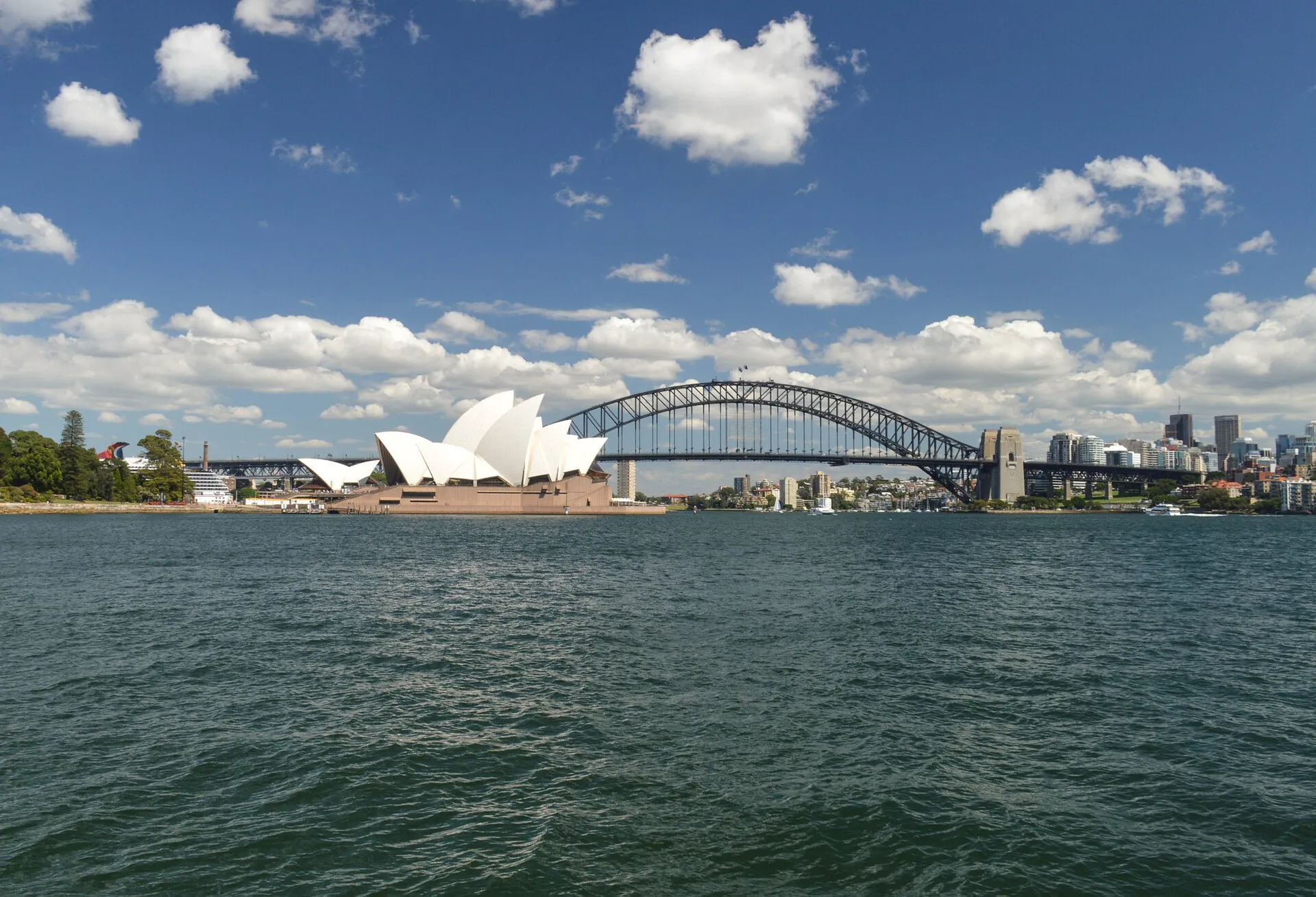
Fines that are actually enforced back up a strong civic culture in Singapore, and the result is streets, MRT stations and hawker centres that stay spotless in a hot, crowded city. Waste management is efficient, and construction sites are regulated to keep dust and debris down. The air-conditioned MRT is clean enough that you stop noticing it. The contrast with other Southeast Asian capitals is immediate. You pay for it: $3,840 a month, driven by rent, with no nomad visa and humidity that never lets up. It works best as a well-run base for a few weeks.
-
3
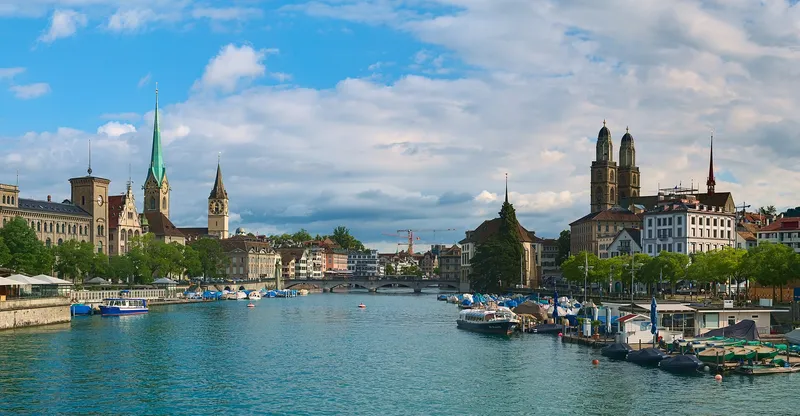 Cleanliness 10/10Nomad Score 8$4,500/moSafety 10WiFi 8Value 1
Zurich treats clean public space as civic pride, and the proof is that people swim in the Limmat and the lake all summer. Trams, parks and public toilets are kept immaculate, a thorough recycling and waste-sorting system keeps litter rare, and graffiti is mostly confined to designated walls. Daily life is orderly, punctual and quiet, with mountains a short train ride away. Living here runs to $4,500 a month. Only one city on this list costs more, and Switzerland has no nomad visa, so Zurich suits a polished few weeks rather than a long stay.
-
4
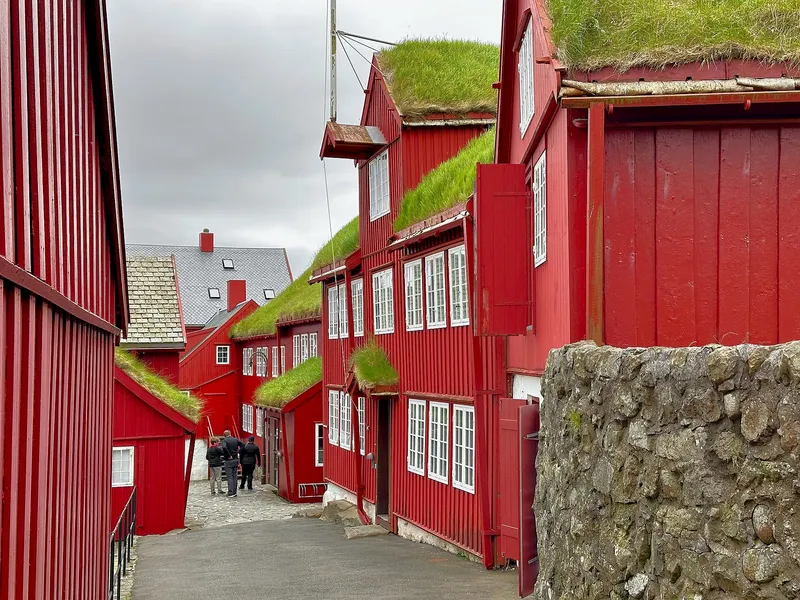 Cleanliness 10/10Nomad Score 7.6$2,400/moSafety 10WiFi 9Value 3
Torshavn stays clean partly by design and partly by weather. A small, careful population, constant wind and frequent rain mean nothing lingers, and waste is handled carefully because an island has nowhere to hide it. Tap water comes straight off the hills. Grass-roofed houses and working harbours make the town feel lived in rather than polished. For $2,400 a month you get excellent connectivity in an exceptionally quiet place, but the winter darkness, the wind and the absence of any real social scene decide whether you stay beyond a few weeks.
-
5
 Cleanliness 10/10Nomad Score 7.4$3,450/moSafety 10WiFi 8Value 1
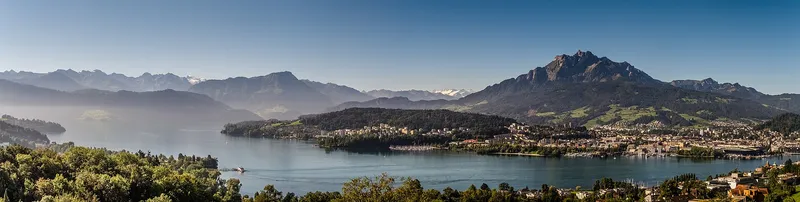
Walk Lucerne's lake promenade at lunchtime and the standard of upkeep is obvious: streets, parks and public transport are kept in excellent condition, bins are emptied often, and littering is socially unacceptable. The lake water meets high bathing standards and is clear enough to swim in from May to September. The city is compact, safe at any hour and linked by reliable trains to the rest of Switzerland. Plan on $3,450 a month, a hard 90-day Schengen limit for most non-Europeans, a thin coworking scene and summer tour crowds around the old town.
-
6
 Cleanliness 10/10Nomad Score 7.4$5,200/moSafety 10WiFi 9Value 1
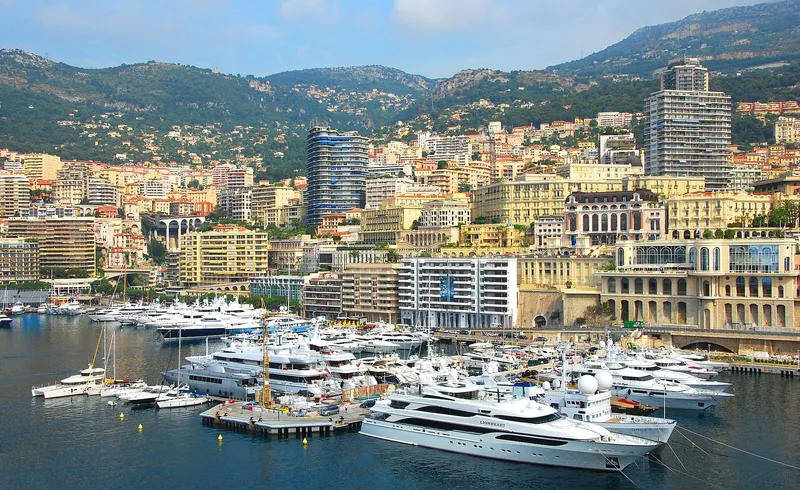
Monaco spends serious money on very little ground, and it shows: streets are washed, public lifts and escalators are immaculate, and much of the waste system runs underground. It is also a permanent building site, since the principality can only grow upward or out into the sea, so hoardings and construction noise are always somewhere in view. At $5,200 a month it is the most expensive base on our site, with a narrow social life weighted towards wealth. Most remote workers get the same coast for far less in Nice or Menton, minutes away.
-
7
 Cleanliness 10/10Nomad Score 6.3$3,400/moSafety 10WiFi 9Value 2
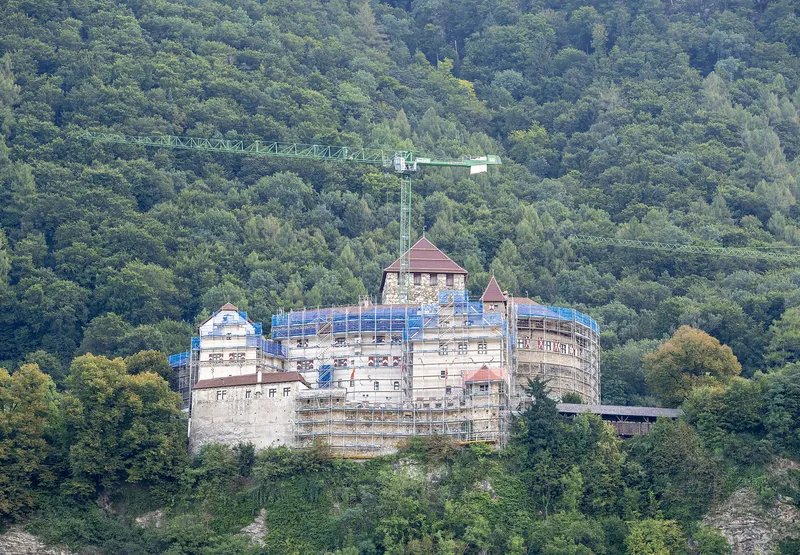
Vaduz feels like Switzerland at village scale. Waste separation is comprehensive and enforced, litter is absent, and the marked mountain paths that start at the edge of the capital are kept as tidily as its streets. Tap water comes from the mountains. The Kunstmuseum holds a serious modern collection, but evenings are quiet in a town of five thousand people, so most socialising happens across the border in Feldkirch or Sargans. Budget $3,400 a month. Residence permits are allocated by lottery in tiny numbers, which makes this a place for weeks, not years.
-
8
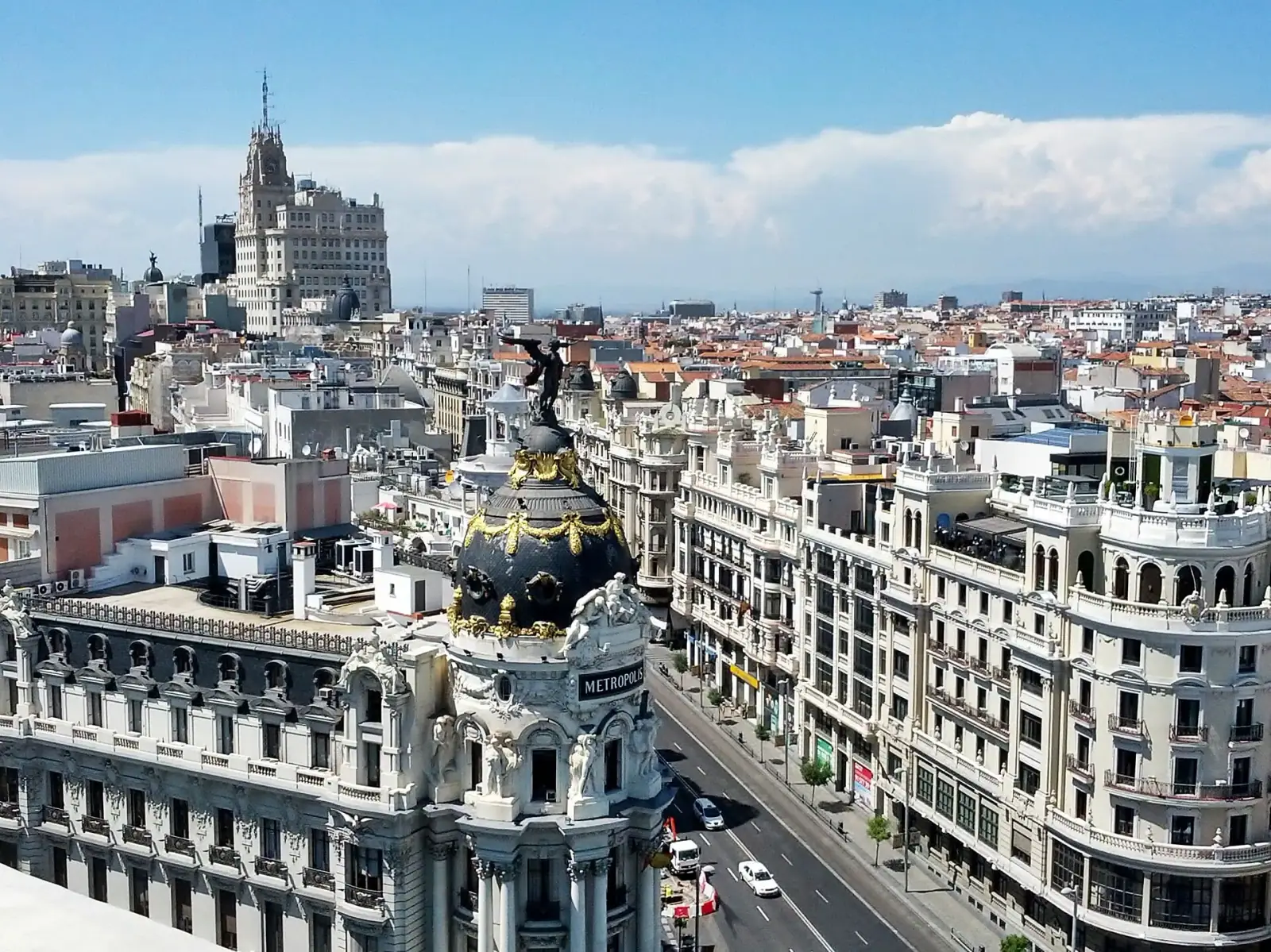
 Cleanliness 9/10Nomad Score 8.9$2,160/moSafety 9WiFi 8Value 4
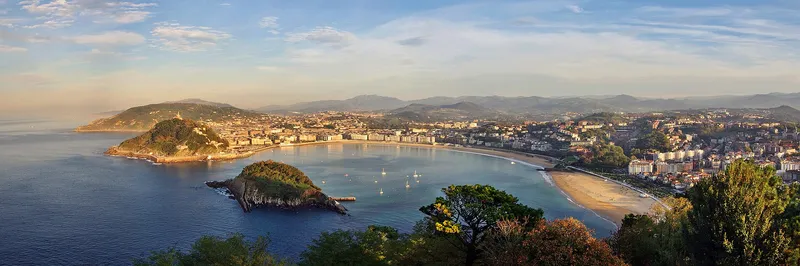
San Sebastián shows that a Spanish city can be spotless without Swiss money. The Old Town is swept daily, the beaches regularly earn Blue Flag status, and the seafront promenade and parks are kept immaculate by a council that invests in public space and locals who take visible pride in it. Add pintxo bars and a bay in the middle of town, and quality of life is the whole point. The cost is $2,160 a month, a tight rental market, a small nomad scene, and rain on roughly half the days of the year.
-
9
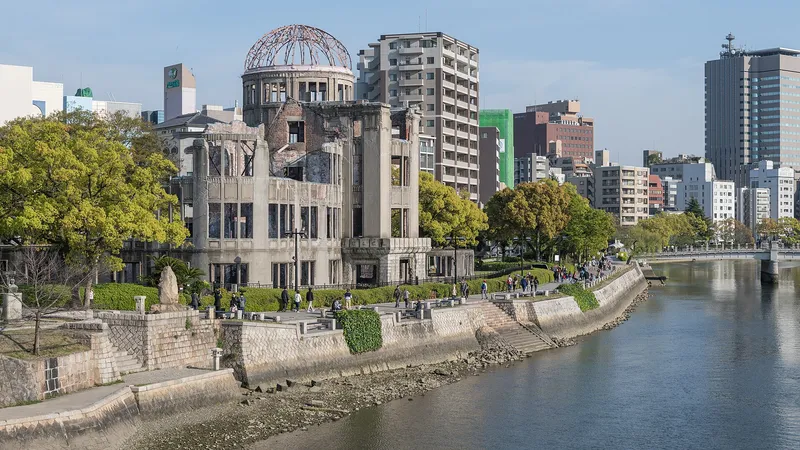 Cleanliness 9/10Nomad Score 8.5$900/moSafety 10WiFi 8Value 7
At $900 a month, Hiroshima is the cheapest city in this ranking, and its standards of order are fully Japanese. Public bins are scarce but litter is culturally off-limits, restaurants keep rigorous hygiene, and the rivers threading the centre are clean enough to line with cycle paths and waterfront recreation. Tap water is safe throughout. The city is calm and compact, okonomiyaki is a local institution, and Miyajima makes an easy day trip. The trade-off is a quieter life than the big metros: a small nomad scene, limited English and fewer international flights than Tokyo or Osaka.
-
10
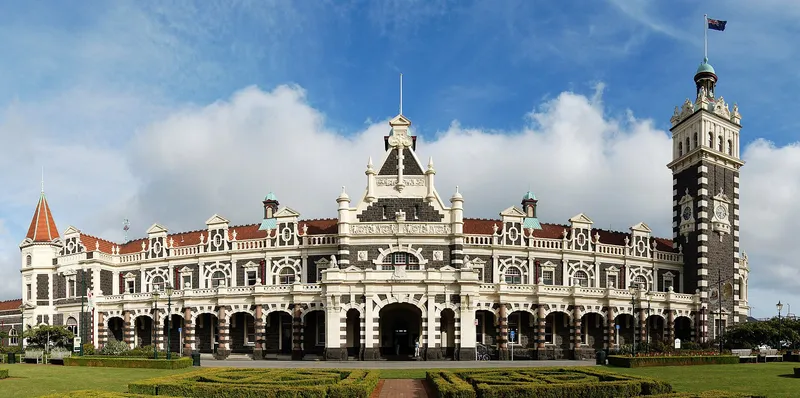 Cleanliness 9/10Nomad Score 8.5$1,900/moSafety 9WiFi 8Value 5
High New Zealand municipal standards, a small population and no heavy industry keep Dunedin tidy, and constant wind and rain wash the streets the rest of the way. The one exception is the student quarter after big events, which has a local reputation. Victorian and Edwardian streets, gigabit fibre, and albatrosses and penguins on the Otago Peninsula make it an unusual small city. Living costs are the lowest of New Zealand's main centres, about $1,900 a month. The housing, though, is often cold, damp and poorly insulated, and grey, wind-lashed winters run long.
-
11
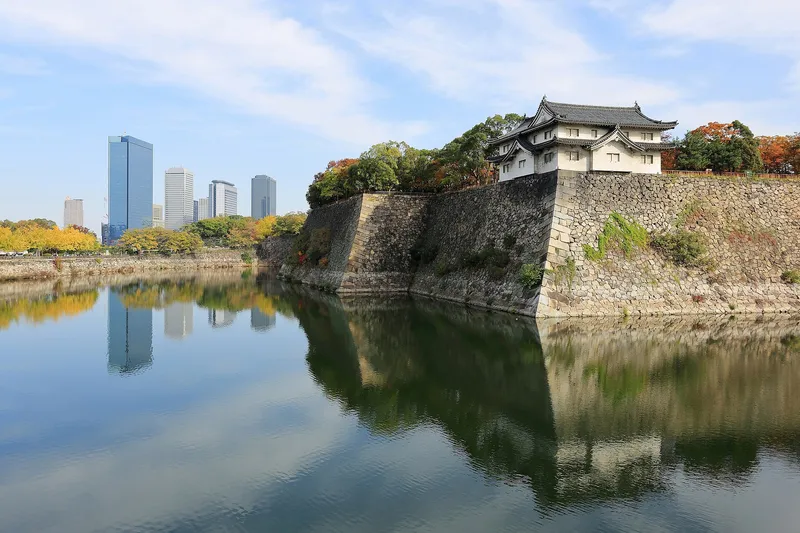 Cleanliness 9/10Nomad Score 8.3$1,460/moSafety 9WiFi 7Value 5
Osaka proves that clean and noisy can coexist. The neon-soaked Dotonbori strip is scrubbed regularly, stations and trains are meticulously kept, and food stalls hold strict hygiene standards, all with hardly a public bin in sight. The mood is louder and friendlier than Tokyo's, and eating out cheaply is normal rather than a compromise. At $1,460 a month the weak yen makes life very comfortable. The hard parts are summers around 35C with typhoon risk, landlords often reluctant to rent to foreigners, and a cash habit that still turns some cards away.
-
12
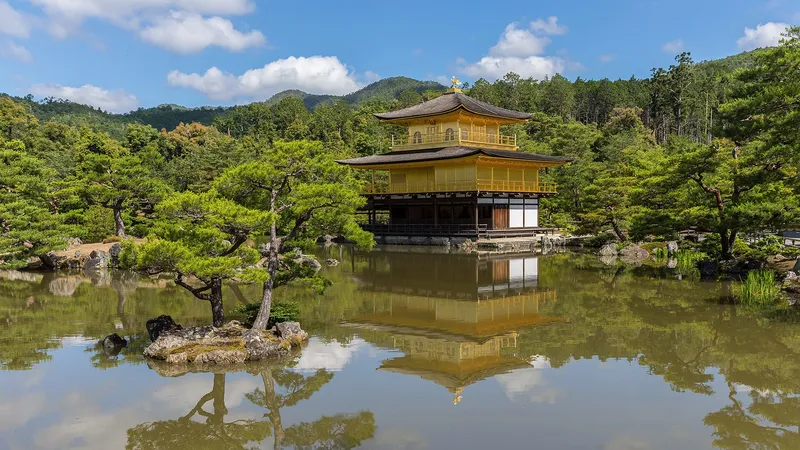 Cleanliness 9/10Nomad Score 8.3$1,140/moSafety 10WiFi 7Value 6
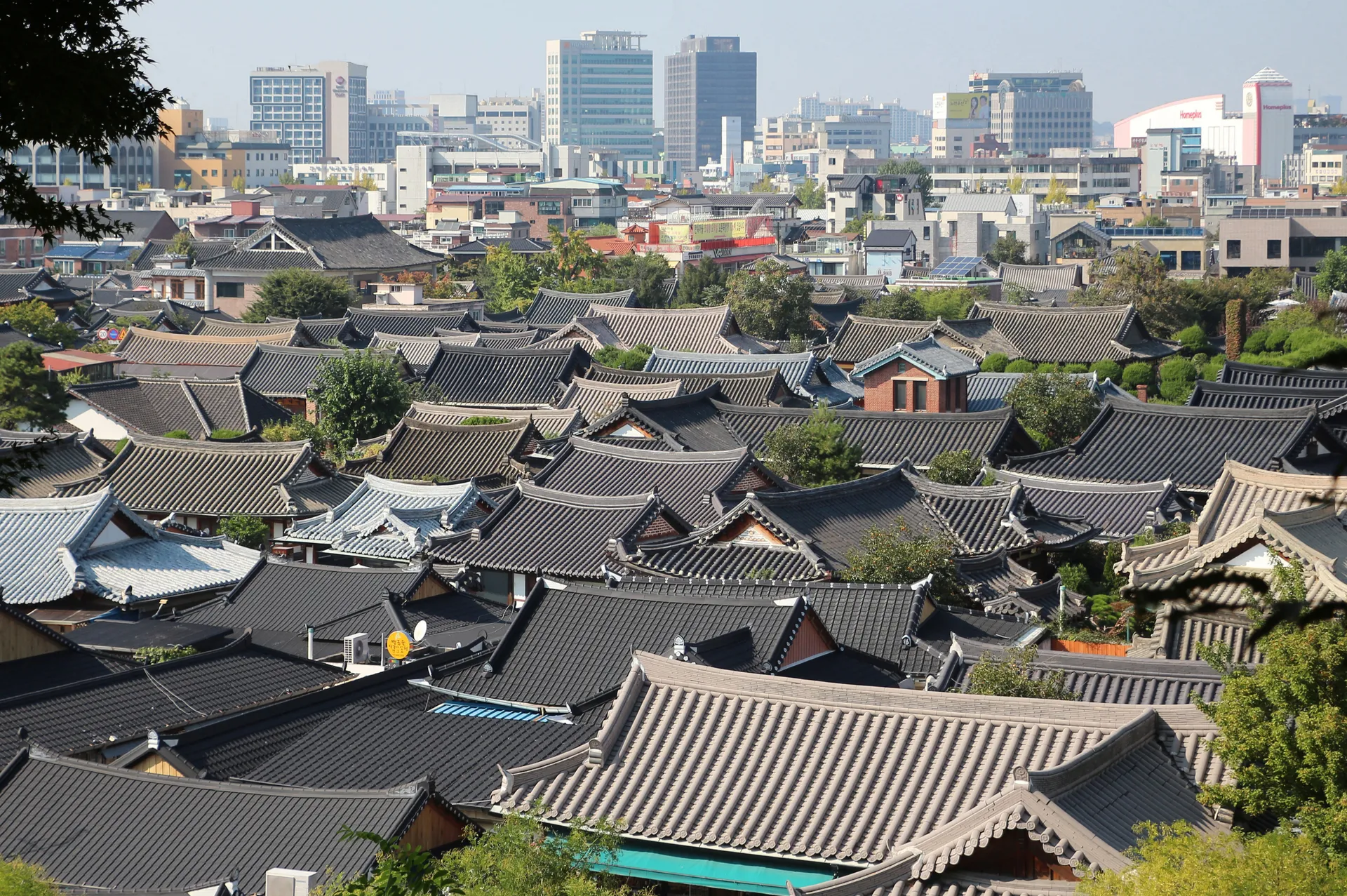
Kyoto's tidiness is a social norm rather than a rule anyone enforces. There are hardly any public bins, yet the streets carry almost no litter, the Kamo River path is maintained year-round, and public toilets are spotless and often high-tech. Residential lanes are quiet and orderly, and the flat grid makes cycling the easiest way around. Life costs about $1,140 a month. Crowds are the main pressure on that calm: cherry blossom and foliage seasons fill the streets, and furnished short-term rentals now cost as much as in many Western European cities.
-
13
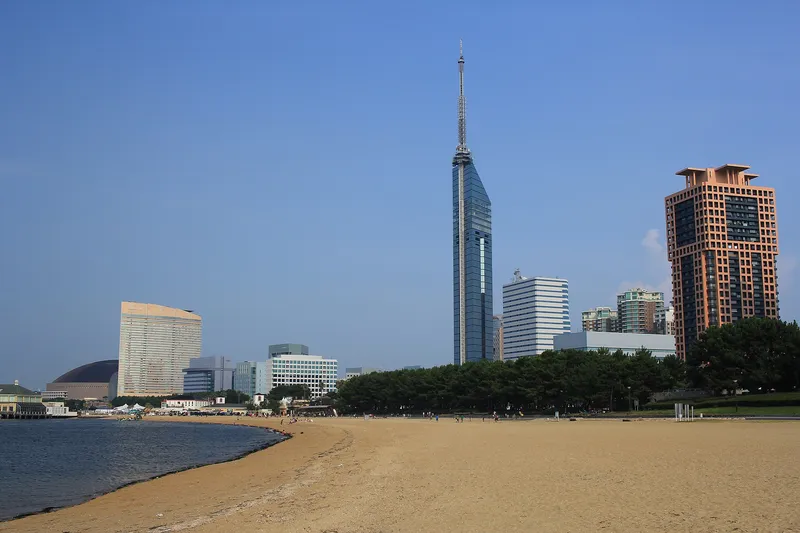 Cleanliness 9/10Nomad Score 8.3$1,100/moSafety 9WiFi 8Value 6
Fukuoka adds a detail the other Japanese cities share but rarely get credit for: smoking rules that keep cafés, offices and transport fresh indoors. Streets, parks, subway stations and toilets are well kept, construction zones are tidy and signposted, and residents take their rubbish home. The city is compact and flat, its airport sits unusually close to the centre, and the yatai food stalls give evenings real character. At $1,100 a month it pairs well with free government coworking for startups. English is limited, and long leases usually need a guarantor or a foreigner-friendly agency.
-
14
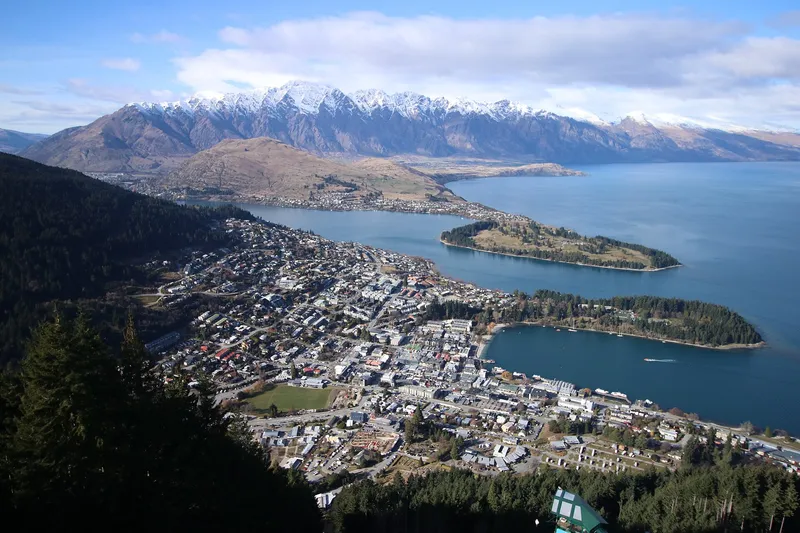 Cleanliness 9/10Nomad Score 8.3$2,390/moSafety 9WiFi 7Value 3
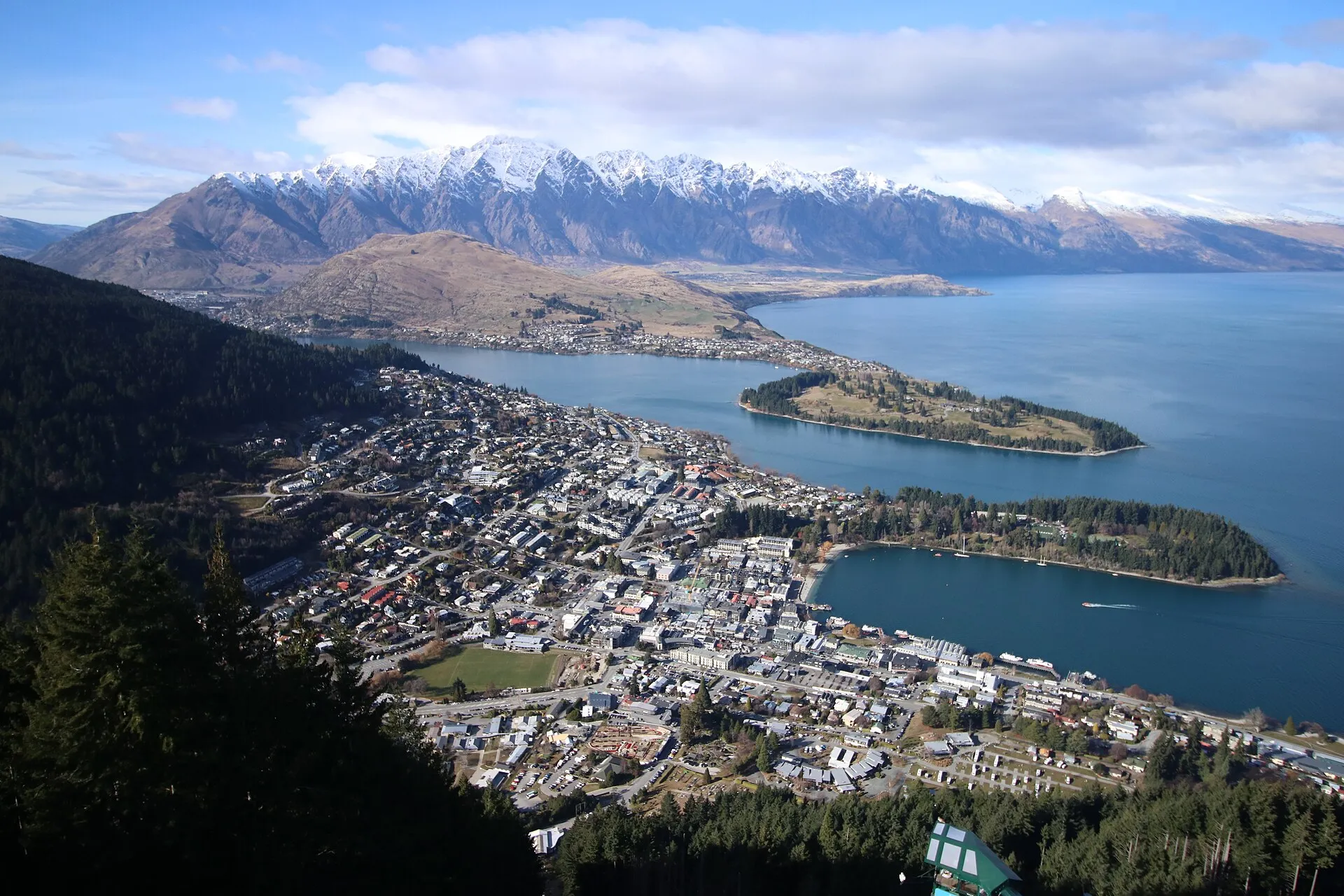
Queenstown keeps itself immaculate because its tourism economy depends on it. Streets are well maintained, public toilets are plentiful and clean, and a local conservation culture discourages littering along the lakeshore and the trails. For an outdoorsy remote worker the appeal is obvious: a compact centre with a cheap local bus, reliable fibre and the mountains a few minutes away. It costs $2,390 a month, and the rental market is unforgiving, squeezed by short-stay demand. Heavy tourism also brings crowds and peak-season pricing for much of the year.
-
15
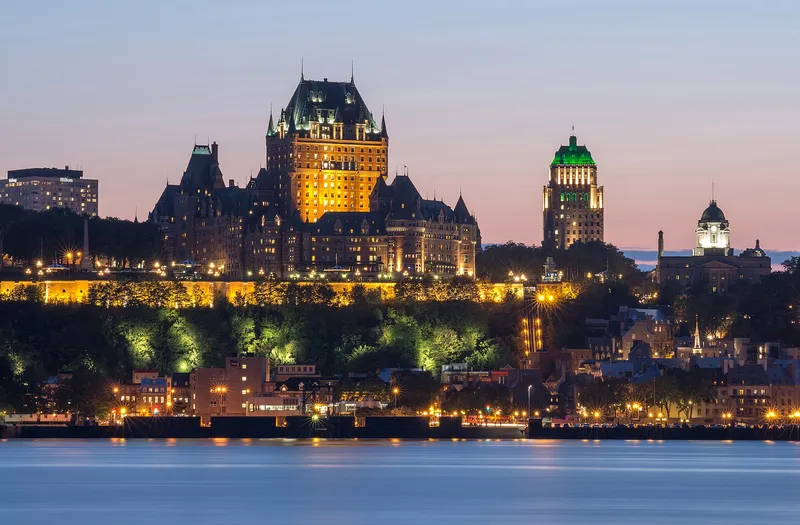 Cleanliness 9/10Nomad Score 8.3$2,600/moSafety 9WiFi 8Value 5
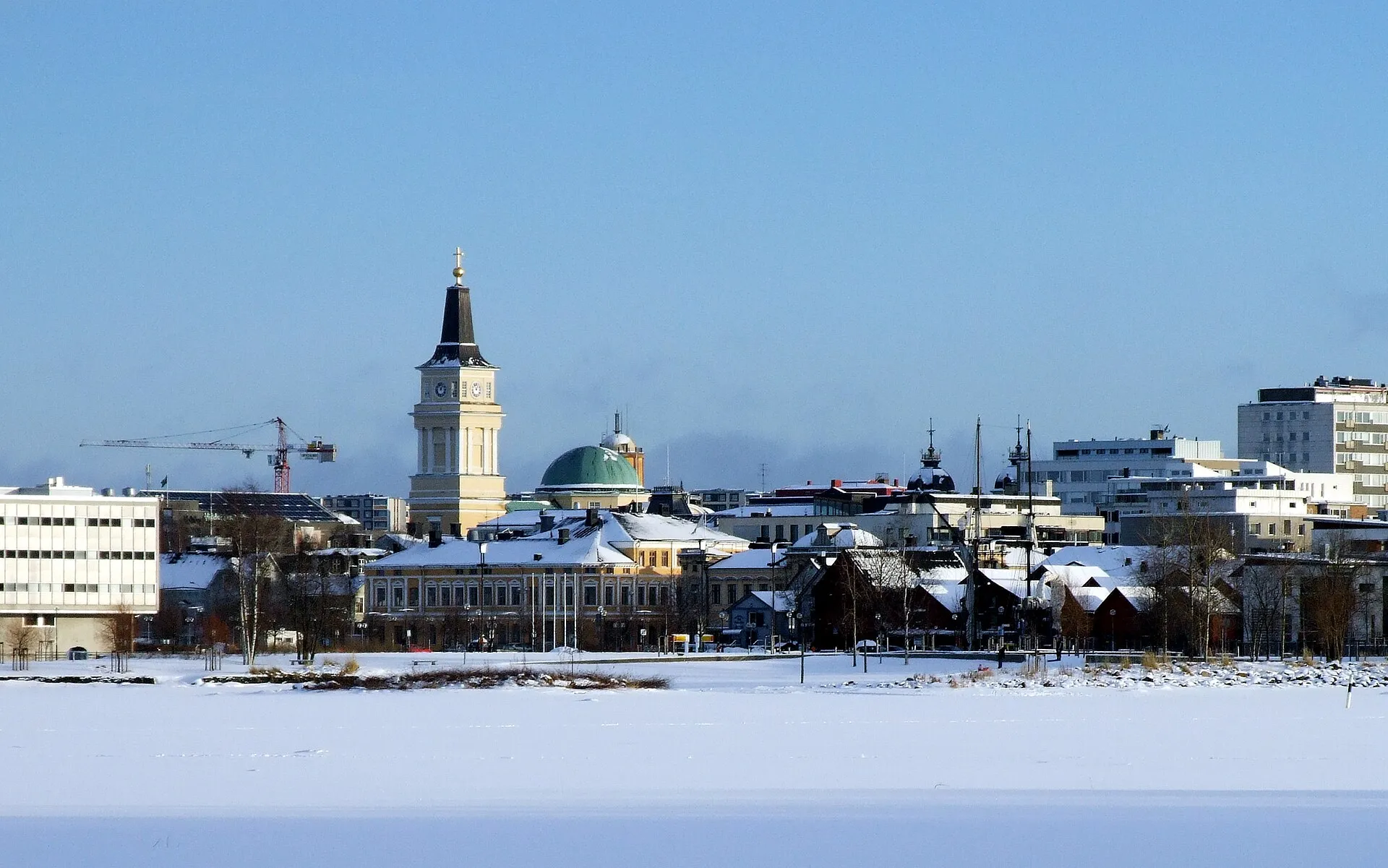
Old Quebec is maintained to heritage standards, because the walled town is what visitors come for, and municipal services across the rest of the city are good. Snow clearance runs continuously through a long winter; the one messy stretch is the spring thaw, when grit and salt linger for a few weeks before crews clear them. Cobbled lanes, copper roofs and a compact core where you will not need a car make daily life easy. It costs about $2,600 a month. Life runs in French first, and winters are long, dark and severely cold.

The cheapest way to live somewhere spotless is Japan: Hiroshima, Fukuoka, Kyoto and Osaka all cost $1,460 a month or less with transport and services that simply work. If you want Europe, San Sebastián is the clean city that does not demand Swiss money, while Zurich, Lucerne and Monaco justify their prices only for a short, well-funded stay. Wherever you land, look at the specific street and building as closely as the city's reputation, because that is where your days will actually be spent.
Frequently asked questions
What is the cleanest city for digital nomads?
Tokyo heads our list: it has almost no public bins yet hardly any litter, and trains, stations and public toilets are cleaned between peak hours. Singapore and Zurich follow. Seven cities share our top cleanliness rating, so their order reflects overall livability rather than which is tidier.
How do Japanese cities stay so clean without street bins?
Residents carry their rubbish home, and keeping public space tidy is a social norm rather than something enforced by fines. Street-sweeping crews and regular cleaning of stations and trains do the rest. Five Japanese cities make this list: Tokyo, Hiroshima, Osaka, Kyoto and Fukuoka.
What is the cheapest clean city on the list?
Hiroshima, at $900 a month, followed by Fukuoka at $1,100 and Kyoto at $1,140. In Europe, San Sebastián is the most affordable at $2,160, well below Zurich, Lucerne, Vaduz or Monaco.
Is Singapore clean only because of the fines?
The fines matter, but they back a strong culture of civic responsibility rather than replace it. Waste management is efficient, public toilets are generally well maintained, and construction sites are regulated to keep dust and debris down. The difference from other Southeast Asian capitals is noticeable the moment you arrive.
How did you decide which cities are cleanest?
Cities are ranked by the cleanliness category of our 13-category city score, which is our editorial judgement of how well streets, transport, parks and public toilets are kept. Ties are broken by the overall Nomad Score, which weighs cost, wifi, safety, community and the other categories.