Cost of Living in Lucerne
Real market data
Source: Numbeo · September 2026
$3,450/moSolo nomad1-bed centre + living costs
$4,480/moCoupleshared 1-bed + costs
$3,080/moLean / localcheaper area + costs
- 1-bed rent, city centre$2,160CHF 1,748
- 1-bed rent, outside centre$1,790CHF 1,450
- Monthly costs excl. rent (1 person)$1,290CHF 1,039
- Meal, inexpensive restaurant$31CHF 25
- Monthly transit pass$99CHF 80
- Buy price, per m² (centre)$21,910CHF 17,703
Prices are from Numbeo (September 2026), converted to USD at $1 = CHF0.81 (01 Aug 2026). The monthly living-costs figure is our transparent one-person basket, groceries, a few meals out, utilities, phone, internet, transport and essentials, priced from those figures. Solo adds central rent; couple and lean are estimates from the same numbers. The guide below quotes its own monthly range, which is a different measurement rather than a competing one: this table prices a defined basket at the figures above, while that range is a judgement about how somebody actually lives here.
Lucerne is one of Europe's most expensive cities. Budget accordingly before you commit to a stay here.
Monthly rent for a one-bedroom apartment in the city centre runs around $2,600-2,850. In quieter residential areas like Littau, Reussbühl, or along the outskirts of Kriens, you can find similar apartments for $2,100-2,350. These outer areas still have good bus connections into the centre.
A rough monthly breakdown for a single person:
- Rent (central 1BR): $2,600-2,850
- Rent (outer area 1BR): $2,100-2,350
- Groceries (Coop, Migros; budget Aldi/Lidl helps): $495-680
- Eating out (lunch menus around $27-35, sit-down dinner for two $125-160): $370-620 depending on frequency
- Coworking hot desk: $180-335 per month
- Local transport (monthly zone pass): $110-135
- Utilities (if not included): $150-200
Total realistic monthly range: $3,960-4,950 living centrally; $3,340-4,210 in an outer area. This is before any entertainment, day trips, or the inevitable Swiss chocolate habit. Shopping at Aldi or Lidl instead of Migros or Coop can save $125-185 per month on groceries.
Where to Work
Lucerne has a small but functional coworking scene. The most established dedicated space is Coworking Hub Luzern on Hirschmattstrasse, which operates on a pay-what-you-want model and has around ten desks, a meeting room, and reliable fiber internet. It is well-suited for focused solo work. Nearby, Coworking Luzern (coworking-luzern.ch) in the Neustadt quarter offers a more conventional desk-rental setup with monthly passes available from around $315.
Neubad, a former indoor swimming pool converted into a cultural hub in the Neustadt area, hosts a coworking box alongside its cafe and event spaces. The atmosphere is creative and occasionally noisy during events, so check the calendar before planning a focused day there.
Cafe-working culture in Lucerne is more reserved than in southern Europe. Staff at most cafes tolerate laptop users during off-peak hours if you order regularly, but do not expect to occupy a table for four hours on one coffee. Cafe Tacuba (specialty coffee, Neustadt) and Mill'Feuille (riverside in Old Town) are two of the more laptop-tolerant options. Avoid tourist-heavy spots around Kapellbrucke during summer.
WiFi at dedicated coworking spaces in Lucerne is fast. Public WiFi at cafes is generally adequate for calls and async work but inconsistent. For reliable daily connectivity, a Swiss SIM with a data plan (Sunrise or Salt) is worth considering for longer stays.
Getting Around
The city centre is small and very walkable. Most of Old Town, the lakefront, and the main train station are within a 15-20 minute walk of each other. You can realistically go days without using public transport if you live centrally.
Lucerne's bus network covers the city and surrounding areas well, with routes running from around 5am to 12:30am. A single zone ticket costs $5 and a monthly zone pass (Zone 10) costs around $110-135. The Luzern Visitor Card, offered free to overnight guests, covers unlimited public transport in Zone 10 for the duration of your stay (up to 14 days), which is useful for short-term visits.
Cycling is popular along the lake but the city is hilly in parts, and wet weather makes it less practical in autumn and winter.
Lucerne has no international airport. You fly into Zurich Airport (ZRH), which has a direct train to Lucerne's central station roughly every hour. The journey takes about 70 minutes and costs around $37-43 second class. The train station sits right in the city centre, making the airport transfer unusually convenient. Basel and Bern airports are secondary alternatives, each requiring a train connection of around 90 minutes.
Sorting transport? Book an airport transfer, or compare car rental on Auto Europe and QEEQ.
Visas and Staying Long-Term
Switzerland is part of the Schengen Area. Citizens of the US, Canada, Australia, UK, and most EU countries can enter visa-free and stay up to 90 days within any 180-day period. Your Swiss days count toward your total Schengen quota, so time spent in other Schengen countries reduces your remaining allowance.
Switzerland does not offer a dedicated digital nomad visa. Working remotely while on a tourist entry is technically prohibited under Swiss law, though enforcement against short-stay remote workers is rare. For stays beyond 90 days, you would need to apply for a long-stay national visa (Type D), which requires demonstrating ties to Switzerland, financial self-sufficiency, and typically a specific purpose such as employment or study. There is no straightforward freelancer or nomad pathway for longer stays.
The EU/Schengen Entry/Exit System (EES), fully operational since 10 April 2026, has replaced passport stamping with biometric registration on first entry.
Best Time to Visit
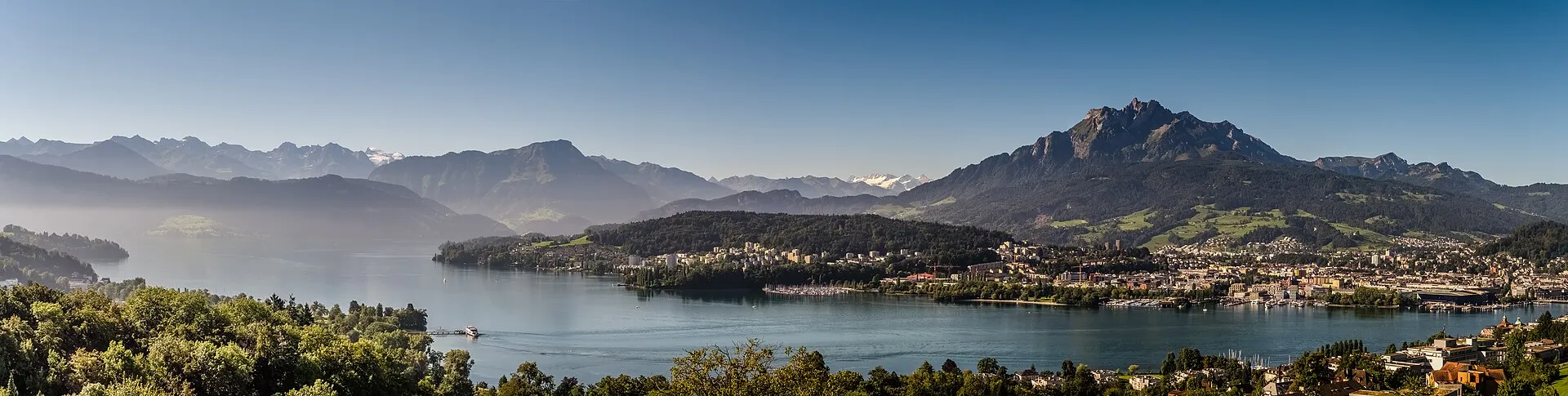
Lucerne sits in a valley between Lake Lucerne and surrounding Alps, giving it a mild but rainy climate. The city averages around 1,200mm of rainfall per year, with August being the wettest month.
May and early June are the best months for a remote work stay: the weather is pleasant (15-22°C), the mountains are still snow-capped and visually dramatic, crowds are manageable, and daylight hours are long. September into early October is an equally good window: temperatures remain comfortable (12-18°C), rainfall eases after August, and the tourist crowds thin out considerably.
Summer (July and August) is warm and bright but brings heavy tourist traffic to the Old Town and lake area, higher accommodation prices, and the most rainfall of the year. If you need focused work time, the noise and crowds can be distracting.
Winter (November through February) is cold (2-8°C), grey, and quiet. The city is less expensive to visit and genuinely atmospheric around Christmas, but short daylight hours and persistent fog over the valley can affect your mood over a long stay. Spring (March and April) is variable: expect rain and temperature swings.
Pros and Cons
- Exceptional natural setting: lake, Alps, and green hills are all immediately accessible
- Very safe with low crime rates; safe to walk at any hour
- Excellent infrastructure: fast internet, reliable trains, clean public spaces
- Compact and walkable city centre with high quality of life
- Strong cafe and restaurant scene with good Swiss, Italian, and international options
- Easy access to the rest of Switzerland and Europe by train
- Very high cost of living by any European standard, including rent, food, and eating out
- No nomad visa and a hard 90-day Schengen cap for most non-European passports
- Small coworking scene with few options compared to larger cities
- Limited nightlife for a city of its profile; quiet after midnight
- Tourism saturation in summer around key sites makes daily errands more effortful
- German-speaking city: English is widely spoken but daily life is conducted in Swiss German
Who Lucerne Is Best For
Lucerne suits remote workers who earn in a strong currency (USD, GBP, EUR) and want a short, high-quality stay in the Alps rather than a budget long-haul base. It is a strong fit for people on sabbatical, professionals on project-based contracts who want an inspiring environment for a few weeks, or those pairing a work stint with serious hiking, skiing, or exploring the Swiss interior.
It works particularly well as a one to three month base in May, June, or September for those with Schengen flexibility: arrive fresh, focus on work in the mornings, and use the afternoons for the lake and mountains.
Skip Lucerne if you are on a tight budget, need a large coworking community or regular nomad meetups, plan to stay longer than 90 days, or want to be in a city with active nightlife. Lisbon, Tbilisi, or Chiang Mai will serve those needs far better at a fraction of the cost.