Cost of Living in Quebec City
Where this figure comes from. No cost survey covers Quebec City, so the $2,600 a month above is our own estimate rather than a measurement. On 416 of our 999 city guides the figure is built from a published Numbeo basket, a one-bedroom rent in the centre plus one person's monthly costs without rent, converted to USD; this city is not one of them. How we source everything.
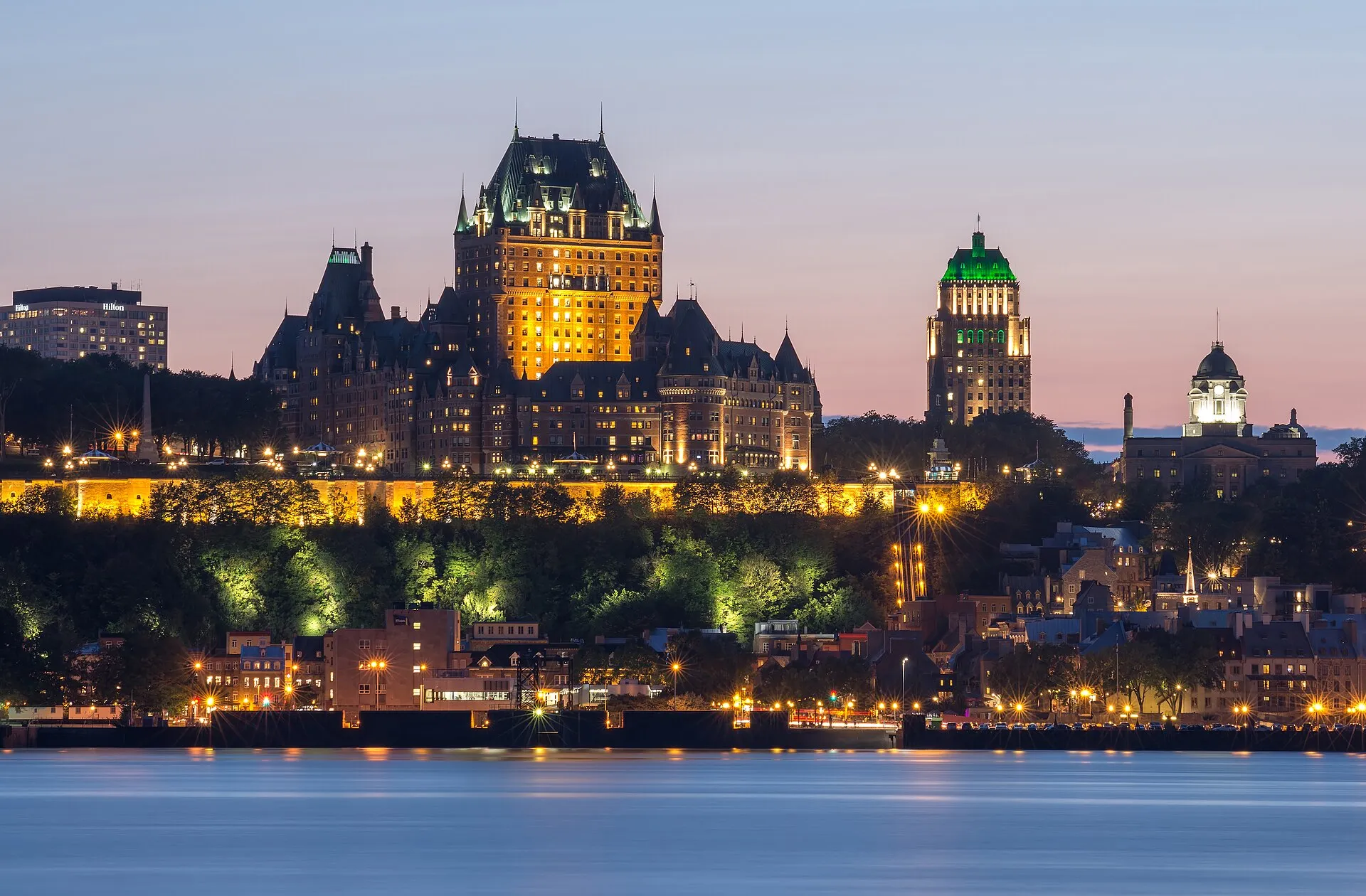
Quebec City is one of Canada's more affordable urban centres. Figures below are editorial estimates in USD. A one-bedroom in the walkable core (Old Quebec, Saint-Roch) runs roughly $1,050 to $1,300 a month, dropping to around $850 to $1,000 further out in Sainte-Foy or Limoilou. Budget about $350 for groceries, since imported goods carry a premium and Quebec sales taxes add close to 15 percent at the till. Eating out costs $18 to $30 for a casual meal, and a monthly RTC transit pass is roughly $70. A coworking hot desk sits near $180 to $250 monthly. Add utilities, a phone plan and the odd trip, and a comfortable solo month lands close to $2,600. You can trim it by cooking at home and living outside the tourist district, or push higher if you want a central heritage apartment.
Where to Work in Quebec City
Quebec City has a small but real coworking scene concentrated in Saint-Roch, the city's tech and startup quarter, where you will find flexible hot desks and private offices alongside agencies and studios. Wifi is dependable: fibre is widely available through the major national providers, and speeds in apartments and cafes are generally strong. Cafe-work culture is relaxed and common in Saint-Roch and Saint-Jean-Baptiste, with independent roasters happy to let you linger over a laptop, though the tourist-heavy Old Quebec cafes are busier and less suited to long sessions. A practical caveat is language: most coworking and cafe staff speak French first, and while English is understood in many places, day-to-day work life leans heavily French. Winter also shapes habits, as many nomads settle into one reliable indoor base rather than cafe-hopping across icy streets. The province tightened its language law in recent years, and the practical effect is that business, signage and dealings with the state all run in French by requirement rather than by preference, and the room left for any other language is narrower than it was. Anybody planning more than a few months should treat the language as the first task rather than a project for later.
Getting Around Quebec City
Quebec City is genuinely walkable, especially the compact Old Town, Saint-Roch and Saint-Jean-Baptiste, where most daily needs sit within a short stroll. The RTC bus network covers the wider city reasonably well, and a monthly pass is about $70, though service thins in outer suburbs and evenings. The terrain matters: the Upper and Lower Towns are linked by steep hills and staircases, plus a funicular, so expect a workout. Uber operates alongside regular taxis. Jean Lesage International Airport lies about 20 minutes west by car and connects mainly to other Canadian cities, Toronto and Montreal being the usual hubs, with limited direct international routes. You do not need a car if you stay central, but one helps for exploring the Île d'Orléans, Charlevoix and ski country. Winter driving demands snow tires and confidence on ice. A ferry crosses the river to the south shore all winter, pushing through the ice floes, and the ten-minute ride is both the cheapest sightseeing in the city and a genuine commuter service. The train upriver to the big city takes three hours and runs a few times a day, slower than the bus and a great deal more comfortable.
Sorting transport? Book an airport transfer, or compare car rental on Auto Europe and QEEQ.
Visas for Quebec City
Canada has no dedicated digital nomad visa. Most Western passport holders, including US, UK, EU and Australian citizens, are visa-exempt and can enter as visitors for up to six months, typically needing an eTA (electronic travel authorization) for air arrivals. As a visitor you are admitted for tourism, and Canada's rules technically frame work narrowly. In practice, working remotely for a foreign employer while visiting sits in a tolerated grey area: you are not entering the Canadian labour market or being paid by a Canadian company, which is the main concern. Do not take local employment or clients. Canada also runs skilled and tech-worker immigration streams, including a tech talent pathway, if you want a formal long-term route. Be honest at the border about your plans.
Best Time to Visit Quebec City
Quebec City has four sharp seasons and a famously long, cold winter. From December through March, temperatures routinely sit well below freezing, heavy snow is normal, and daylight is short, though the city leans into it with Winter Carnival and a storybook snowy Old Town. If you dislike deep cold, avoid January and February. The sweet spot is late spring through early autumn: June to September brings warm, pleasant days, long evenings and the city's terraces and festivals in full swing, with July and August the busiest and priciest. September and early October add crisp air and spectacular fall foliage in the surrounding hills, arguably the most beautiful time to visit. April and November are muddy shoulder months with unpredictable weather. Pack seriously for winter if you come then, including proper boots, a heavy coat and layers. As the thaw begins, the sugar shacks in the woods outside the city open for a few weeks and serve enormous meals built around maple syrup, which is a regional institution rather than a tourist item and worth arranging a place at. During the winter festival, teams race canoes across a river full of ice floes, pushing the boats over the pans on foot.
Pros and Cons of Quebec City
Pros: Quebec City is strikingly beautiful, safe and highly walkable, with a distinctive French-North American character you will not find elsewhere on the continent. Rents and daily costs are lower than Toronto, Vancouver or Montreal, fibre internet is solid, and the compact core makes car-free living easy. The food scene, festivals and nearby nature are genuine draws. Cons: the language barrier is real, and functioning comfortably long-term is much easier with some French, since daily life runs in French first. Winters are long, dark and severely cold, which can wear on newcomers. The city is small, so nightlife, the nomad community and international flight options are limited compared with bigger hubs, and you will often route through Montreal. Sales taxes push everyday prices up at checkout. It suits people who value charm and calm over big-city buzz.
Who Quebec City Is For
Come for the European atmosphere, the cobblestone charm and four proper seasons without ever leaving North America, and stay if you value safety, walkability and a slower pace over a big scene. Some French, or a genuine intention to acquire it, changes everything about a stay here, because the city gives back to anybody making the effort and stays closed to anybody who is not. Outdoors-minded remote workers will love the easy access to skiing, hiking, the Saint Lawrence and Charlevoix. Solo focus and long uninterrupted stretches of work are what the place is set up for, between the calm and the fibre. Nobody has built an international nomad community here, the warmth is seasonal at best, and direct global flights are not what this airport does. Living day to day mostly in French is the condition sitting on top of all three. Winter lovers will thrive here; those who wilt in cold and darkness should time visits for late spring through autumn, or look at a milder base instead.