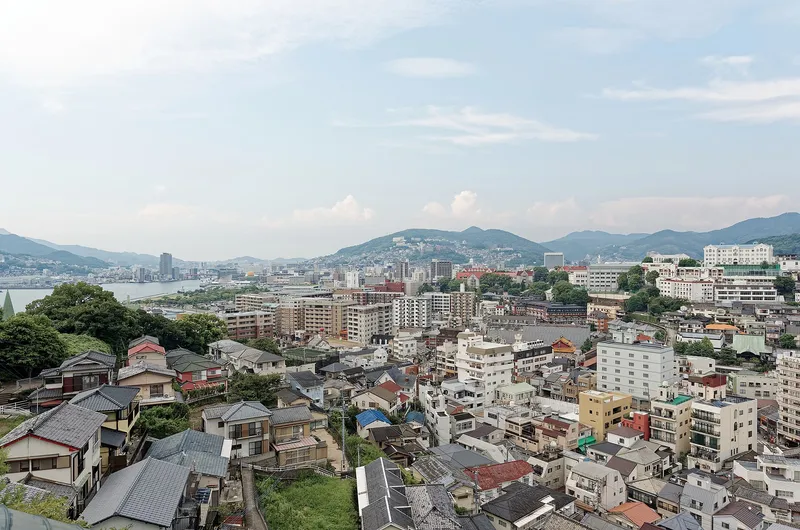
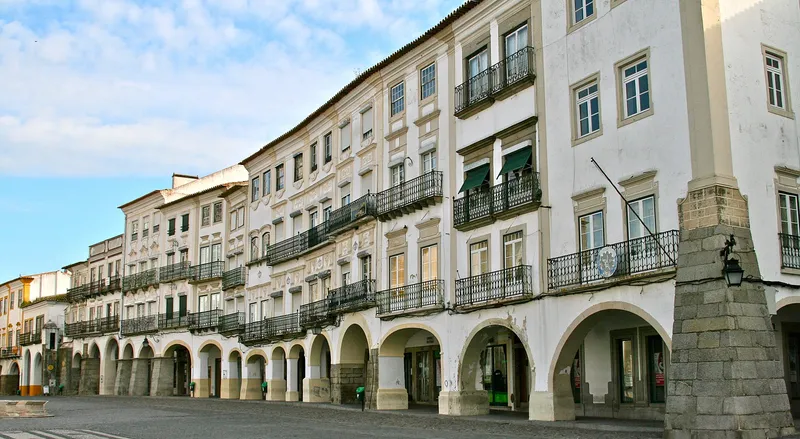
Atomic Bomb Dome and Motoyasu River with Hiroshima skyline
Photo: DXR / Wikimedia Commons (CC BY-SA 4.0)
Japan flag

Hiroshima

Japan

City of peace with powerful history.

¥2.700
Monthly Budget
--
Current Weather
Humid Subtropical
Climate Type
90 Mbps
Avg. WiFi Speed
10/10
Safety Score
500+
Active Nomads
--
Time Difference
Scroll
0
Nomad Score

Hiroshima for Digital Nomads: The Honest Take

City of peace with powerful history. For remote workers, Hiroshima leans on safety and fast WiFi, with a typical budget near $2,700 a month. The main trade-off is the size of the nomad scene.

Compare Hiroshima vs Fukuoka →

Category Breakdown

How Hiroshima scores across all 13 factors

Weather in Hiroshima

Monthly averages from 2019-2023 (Open-Meteo), and the best time to visit

Jan
10°
Feb
14°
Mar
17°
Apr
22°
13°
May
25°
18°
Jun
28°
22°
Jul
30°
24°
Aug
28°
21°
Sep
22°
13°
Oct
17°
Nov
11°
Dec
Daily high & low (°C)Rainfall (mm/month)Best months to visit

The best time to visit Hiroshima for comfortable weather is Jul, Sep, Oct. The warmest month is Aug (around 30°C by day), and the wettest is Jul (about 329mm of rain).

Chasing good weather? See other cities that are warm in Jul, or plan a multi-city route around the seasons. Staying a while in Hiroshima? Check visa options, your time-zone overlap and how far your budget stretches, or find it on the world map.

Historical monthly averages, not a forecast. Source: Open-Meteo.

Best Neighborhoods in Hiroshima

Where to base yourself for the perfect nomad experience

Peace Memorial Park Area

$$
Historic & Reflective

Where history demands reflection

The Peace Park is Hiroshima's soul - A-Bomb Dome, Memorial Museum, eternal flame. Where humanity confronts its capacity for destruction and hope for peace.

Best for: History seekers, peace advocates, and thoughtful travelers
✓ Pros
  • Powerful history
  • Beautiful park
  • Museums
  • Central location
✗ Cons
  • Emotionally heavy
  • Tourist crowds
  • Limited nightlife

Hondori

$$
Shopping & Culinary

Covered arcade shopping and okonomiyaki

Hondori is Hiroshima's main shopping arcade - covered streets, okonomiyaki restaurants, urban energy. Where daily life continues in Japan's resilient city.

Best for: Shoppers, food lovers, and urban explorers
✓ Pros
  • Great shopping
  • Okonomiyaki paradise
  • Covered from weather
  • Central
✗ Cons
  • Crowded
  • Tourist-oriented
  • Chain stores

Nagarekawa

$$
Nightlife & Social

Entertainment district after dark

Nagarekawa is Hiroshima's nightlife center - bars, clubs, izakayas, and late-night energy. Where Hiroshima unwinds after the day's solemnity.

Best for: Nightlife seekers, bar hoppers, and social travelers
✓ Pros
  • Great nightlife
  • Many bars
  • Izakayas
  • Late hours
✗ Cons
  • Noisy
  • Can be seedy
  • Tourist traps

Miyajima (Day Trip)

$$
Sacred & Natural

Floating torii and sacred island

Miyajima is Hiroshima's sacred island - famous floating torii gate, deer, temples. Essential day trip combining natural beauty with spiritual significance.

Best for: Temple seekers, photographers, and nature lovers
✓ Pros
  • Iconic torii
  • Beautiful island
  • Temples
  • Deer
✗ Cons
  • Day trip crowds
  • Limited accommodation
  • Tide-dependent views

Hiroshima Station Area

$$
Transit & Modern

Transport hub with modern amenities

Hiroshima Station offers practical base - shinkansen access, hotels, shopping malls. Where transit convenience meets modern Hiroshima.

Best for: Transit travelers, practical visitors, and business trips
✓ Pros
  • Shinkansen access
  • Good hotels
  • Shopping
  • Convenient
✗ Cons
  • Less character
  • Generic feel
  • Far from sights

Cost of Living in Hiroshima

Hiroshima is one of Japan's more affordable major cities, noticeably cheaper than Tokyo or Osaka, and the weak yen of the mid-2020s stretches a foreign income further than it did a decade ago. Prices below are approximate 2025-2026 figures, and the USD equivalents assume roughly 150 yen to the dollar, so they shift with the exchange rate.

  • Rent, central 1-bedroom (Naka Ward, near Hondori or Kamiyacho): around 60,000 to 90,000 yen ($400-600) per month.
  • Rent, cheaper area (outer wards like Asaminami or Nishi): around 40,000 to 60,000 yen ($265-400).
  • Utilities (electricity, gas, water, internet): roughly 18,000 to 25,000 yen ($120-165), with summer air conditioning pushing the top end.
  • Groceries for one person: around 40,000 to 55,000 yen ($265-365).
  • Eating out: a bowl of ramen or okonomiyaki runs 800 to 1,200 yen ($5-8), and a mid-range dinner for two lands around 5,000 to 7,000 yen ($33-47).
  • Coworking hot desk: monthly memberships commonly start near 15,000 to 30,000 yen ($100-200), with serviced providers charging more.
  • Local transport: streetcar rides are 190 to 240 yen ($1.30-1.60) a trip, and a realistic monthly transport budget is 5,000 to 8,000 yen ($33-53).

A single remote worker can live comfortably on roughly 180,000 to 280,000 yen ($1,200-1,850) per month, depending on rent and how often you eat out. Short-stay furnished apartments and hotels cost more per night than a long lease, so budget higher if you are staying only a few weeks.

Where to Work

Hiroshima's coworking scene is small but real, clustered around the central Hondori and Kamiyacho districts and near Hiroshima Station. Named options include WeBase Hiroshima (a hostel with work-friendly space), iiOffice Seeds near Hiroshima Station, port.cloud, and international operator Regus for serviced desks and private offices. Availability and day-pass policies change, so confirm current hours and drop-in rates before you rely on a specific space.

Cafe-work culture exists but is more reserved than in Bali or Lisbon. Chains like Doutor, Tully's, and Starbucks are laptop-friendly and have reliable WiFi, while many independent cafes prefer you keep sessions short at busy times. WiFi across Japan is fast and stable, though free public networks can be patchy, so most nomads buy a local SIM or eSIM and tether when needed.

Getting Around

Hiroshima runs Japan's longest and busiest streetcar network, the Hiroden trams, which cover most of the central grid and are the easiest way to move around. Buses fill in the gaps, and the compact city center is genuinely walkable, so you can often reach shops, food, and coworking on foot. Pick up an ICOCA IC card to tap on and off trams, buses, and JR trains without fumbling for cash. Note that the old PASPY card was retired in spring 2025 and replaced by a QR-based system called MOBIRY DAYS, so ICOCA is now the most reliable everyday card.

Hiroshima Airport (HIJ) sits well outside the city, so the practical link is the airport limousine bus, which runs to Hiroshima Station and the central bus center in roughly 50 minutes for about 1,370 yen ($9) each way. Times and fares can change, so check the current timetable when you book.

Visas and Staying Long-Term

Citizens of the United States, the United Kingdom, Canada, Australia, and most EU countries can enter Japan visa-free for stays of up to 90 days as a temporary visitor, which covers a lot of short remote stints. This status is for tourism and short business, not formal work, so treat it accordingly.

For longer stays, Japan launched a digital nomad visa in 2024 that allows a stay of up to six months. It requires a high annual income (around 10 million yen, roughly $67,000) from sources outside Japan, plus private health insurance covering your time in the country. It is not renewable in place, and you generally must spend six months outside Japan before reapplying. Rules and thresholds change, so confirm the current requirements with the Ministry of Foreign Affairs or a Japanese embassy before you plan around it.

Best Time to Visit

Hiroshima has four distinct seasons and high year-round humidity from its coastal setting. Summers (June to August) are hot and sticky, with August highs around 33 C (91 F) and peak humidity in July, which makes long workdays outdoors or in a poorly cooled apartment unpleasant. Winters are mild and fairly dry, with January lows near 2 C (36 F).

The best windows for a remote-work stay are spring (late March to mid-May), when cherry blossoms arrive and temperatures are comfortable, and autumn (late October to mid-November), when the foliage turns and the air is crisp. Both offer pleasant days for balancing work with getting outside.

Pros and Cons

  • Pro: Noticeably cheaper than Tokyo or Osaka, with the weak yen helping foreign incomes go further.
  • Pro: Excellent, easy public transport and a walkable, compact center.
  • Pro: Clean, safe, and calm, with strong food (okonomiyaki is a local institution) and easy day trips to Miyajima.
  • Con: The nomad and coworking scene is small, so expect fewer ready-made communities and events.
  • Con: The language barrier is real outside tourist zones, and English is less common than in Tokyo.
  • Con: Fewer direct international flight connections, so getting in and out often means routing through Tokyo, Osaka, or a connection.

Who Hiroshima Is Best For

Hiroshima suits remote workers who want an authentic, lower-cost slice of Japan without the crowds and expense of the big metros. It rewards independent, self-directed people who are comfortable with a smaller expat scene, happy to navigate some Japanese, and drawn to a clean, safe, walkable base with good food and easy access to the Seto Inland Sea. It also works well for a focused month or two of deep work between livelier hubs.

You should probably skip it if you rely on a large, active nomad community for your social life, need constant networking events, or want a wide range of cheap direct flights on your doorstep. In those cases Tokyo, Osaka, or Fukuoka will serve you better, with Hiroshima making more sense as a quieter change of pace than a long-term home base.
Where to Stay in Hiroshima

Top neighborhoods and accommodations for digital nomads

Mercure Tokyu Stay Hiroshima

Aparthotel
Hatchobori

Dual-brand aparthotel with in-room washer-dryer and microwave, ideal for extended stays in central Hiroshima near the streetcar hub.

Check availability →
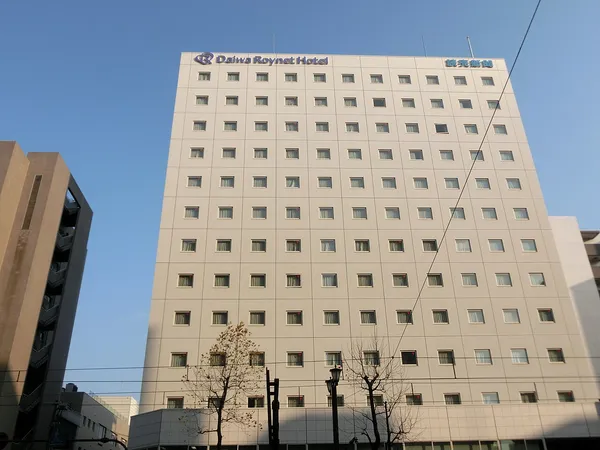
Exterior of Daiwa Roynet Hotel Hiroshima showing the hotel tower with signage

Photo: Abasaa (Public Domain)

Daiwa Roynet Hotel Hiroshima

Hotel
Hatchobori

Well-rated business hotel steps from the Hatchobori streetcar stop, with reliable WiFi and desk setup in a walkable downtown location.

Check availability →

Candeo Hotels Hiroshima Hatchobori

Boutique hotel
Hatchobori

Boutique hotel with rooftop sky bath, free WiFi, and a quiet room setup well-suited for remote workers staying in the city center.

Check availability →

WeBase Hiroshima

Hostel
Nakamachi

Modern hostel-hotel hybrid in central Hiroshima, under 1km from the Peace Memorial Park with fast WiFi and social common spaces.

Check availability →
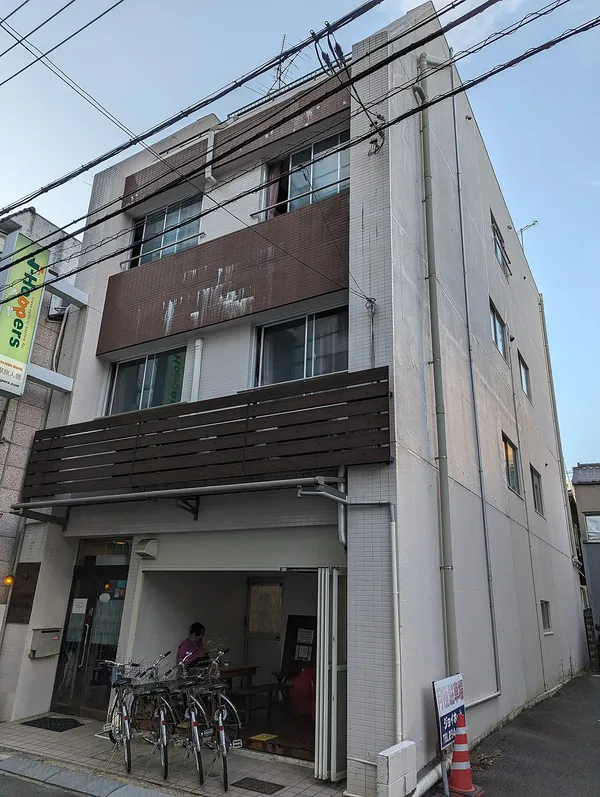
Exterior of J-Hoppers Hiroshima Guesthouse showing the green J-Hoppers sign on a multi-storey building

Photo: Syced (CC0)

J-Hoppers Hiroshima Guesthouse

Guesthouse
Dobashi

Long-running nomad-friendly guesthouse near the Peace Park with free fast WiFi throughout, a shared kitchen, and a welcoming community vibe.

Check availability →

Browse apartments, aparthotels and hotels across Hiroshima. Compare prices and book a base that suits a remote-work stay.

See available stays in Hiroshima →

Affiliate link. See our disclosure.

Best Coworking Spaces

Where nomads get work done in Hiroshima

ShakeHands Kamiyacho

Coworking space
Kamiyacho Naka Ward

Central coworking with natural light, complimentary drinks, a library corner, and solid fast Wi-Fi open 7am to 11pm daily.

Visit website →

fabbit Hiroshima Ekimae

Coworking space
Hiroshima Station

Startup-focused coworking next to Hiroshima Station with 24/7 access, free drinks, phone booths, and meeting room rentals.

Visit website →

co-ba hiroshima

Coworking space
Kamiyacho Naka Ward

Community-oriented shared office one minute from Kamiyacho-Higashi tram stop, hosting regular networking and startup events.

Visit website →

SO@R Business Port

Coworking space
Naka Ward Central Park

Affordable coworking near Central Park with hourly pricing, free bicycle sharing, a relaxation lobby, and weekday access.

Visit website →

Good Office Hiroshima (iioffice)

Laptop-friendly cafe
Higashisenda Naka Ward

Quiet, spacious workspace surrounded by greenery near Higashisenda Park, with excellent Wi-Fi and complimentary coffee and tea.

Visit website →

Soraniwa

Laptop-friendly cafe
Tatemachi Naka Ward

Airy 14th-floor workspace inside Hiroshima Kokusai Hotel with city views, drop-in access, and a pleasant cafe setting for focused work.

Visit website →

Where to Eat & Drink

Best food and drink spots in Hiroshima

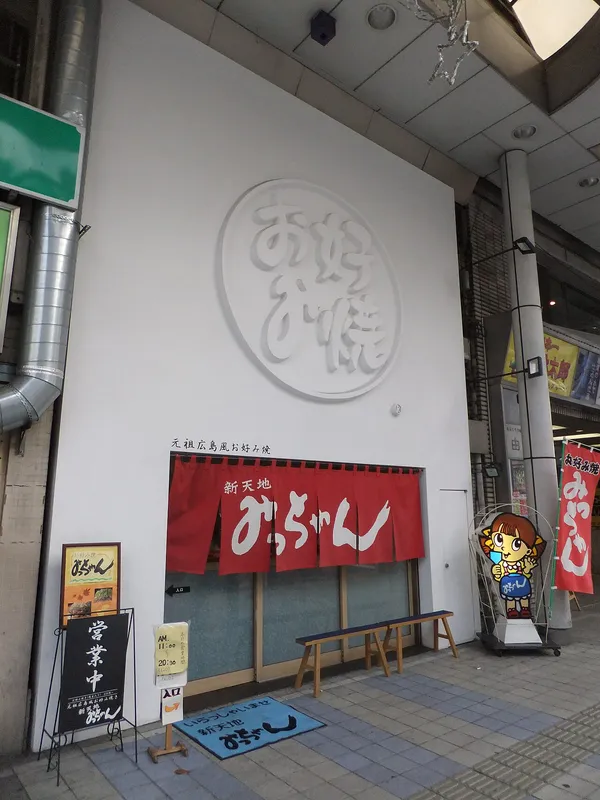
Exterior of Micchan Shintenchi okonomiyaki restaurant in Hiroshima, with red noren curtain

Photo: Taisyo (CC BY 3.0)

Okonomiyaki Shintenchi Micchan

Okonomiyaki
Shintenchi Naka Ward

A Hiroshima institution credited with pioneering the city's layered noodle-style okonomiyaki, still popular with locals and visitors alike.

View on Maps →

Oyster Bar Mabui Namiki

Oyster bar
Mikawacho Naka Ward

Intimate 16-seat oyster bar serving Hiroshima, Mie, and Hokkaido oysters prepared raw, grilled, or in creative Italian-influenced dishes.

View on Maps →

Denkosekka Ekimae Hiroba

Okonomiyaki
Hiroshima Station

Three-minute walk from Hiroshima Station, known for the fluffy egg-wrapped Denkosekka-style okonomiyaki cooked without pressing.

View on Maps →

KeMBY's Brew Pub

Craft beer pub
Otemachi Naka Ward

Hiroshima's first micro-brewery near Peace Park, pouring 12 taps of house and seasonal craft beers alongside burgers, ribs, and deep-dish pizza.

View on Maps →

Molly Malone's

Irish pub
Shintenchi Naka Ward

Long-running Irish pub with weekly live acoustic sessions, a full food menu, and a welcoming mixed crowd of expats and locals.

View on Maps →

Sushi Hiroshima Ajirouya

Sushi
Hiroshima Station

Counter sushi restaurant a short walk from Hiroshima Station where a chef with 30-plus years of experience uses fish from the Seto Inland Sea.

View on Maps →

What Do Nomads Say?

Vote on how accurate these scores are based on your experience

Cities with a Similar Vibe to Hiroshima

Different places that score alike across our 13 categories, if you like Hiroshima, these tend to feel similar.

In the rankings

Where Hiroshima ranks

Hiroshima features in 3 of our 32 city rankings.

  1. 6Safest cities
  2. 7Best cities in Asia
  3. 13Best cities for WiFi

Frequently Asked Questions About Hiroshima

How much does it cost to live in Hiroshima as a digital nomad?

A comfortable nomad budget in Hiroshima is around $2,700 a month: a furnished rental, food, coworking, and getting around. Live a little outside the center or eat local to spend less.

Is the internet fast enough for remote work in Hiroshima?

With a WiFi score of 9/10, connectivity in Hiroshima is excellent for calls and focused work. A prepaid local SIM keeps you online when you are away from the apartment.

Is Hiroshima safe for digital nomads?

Hiroshima scores 10 out of 10 for safety in our ratings, which is excellent for solo travel and long stays. Use normal precautions at night and with valuables, and choose well-reviewed areas.

Is Hiroshima a good city for digital nomads overall?

For nomads, Hiroshima is worth a look if you value safety and fast WiFi. Costs sit near $2,700 a month and the community keeps growing, though, like anywhere, it will not match every checklist.