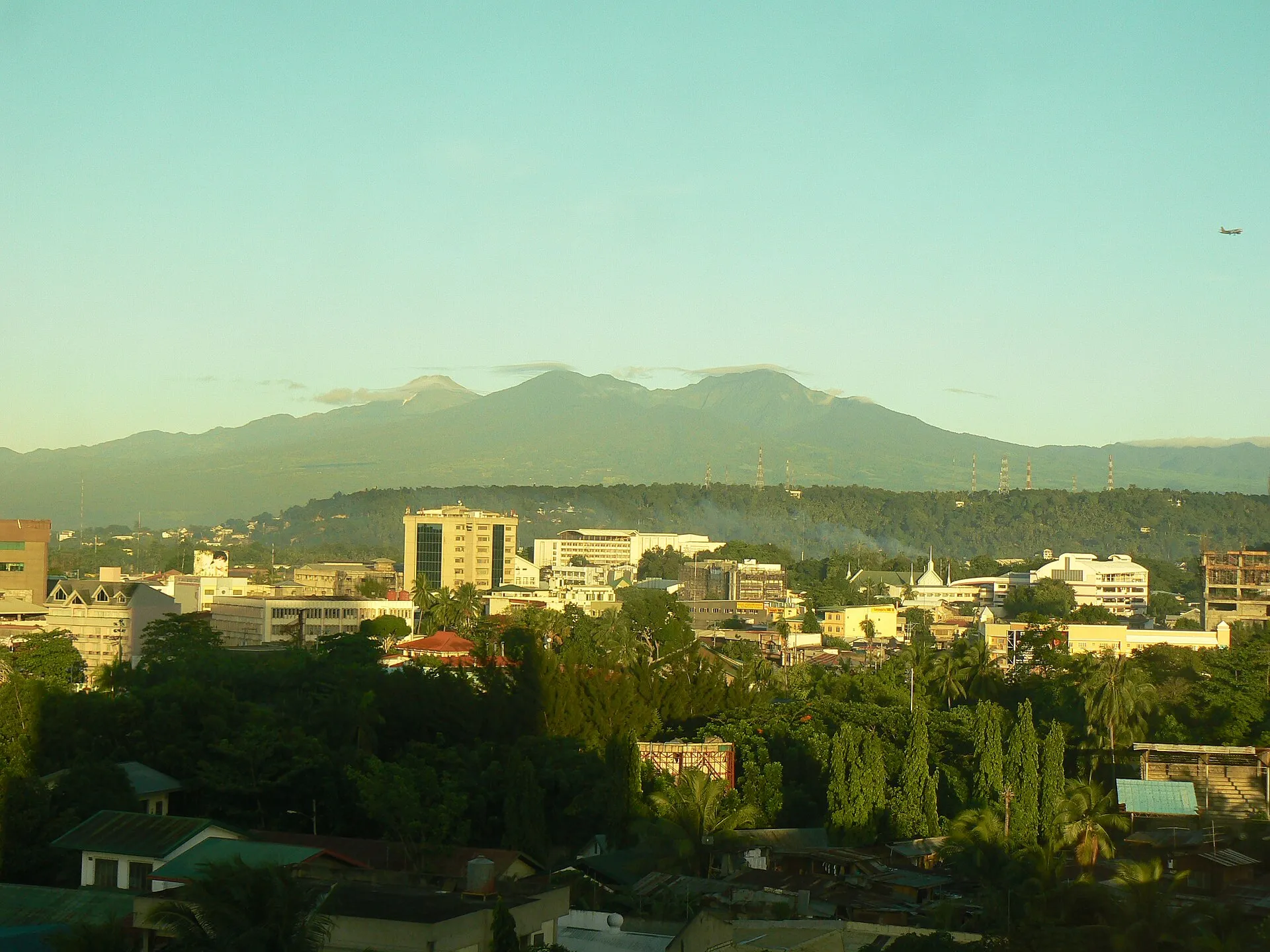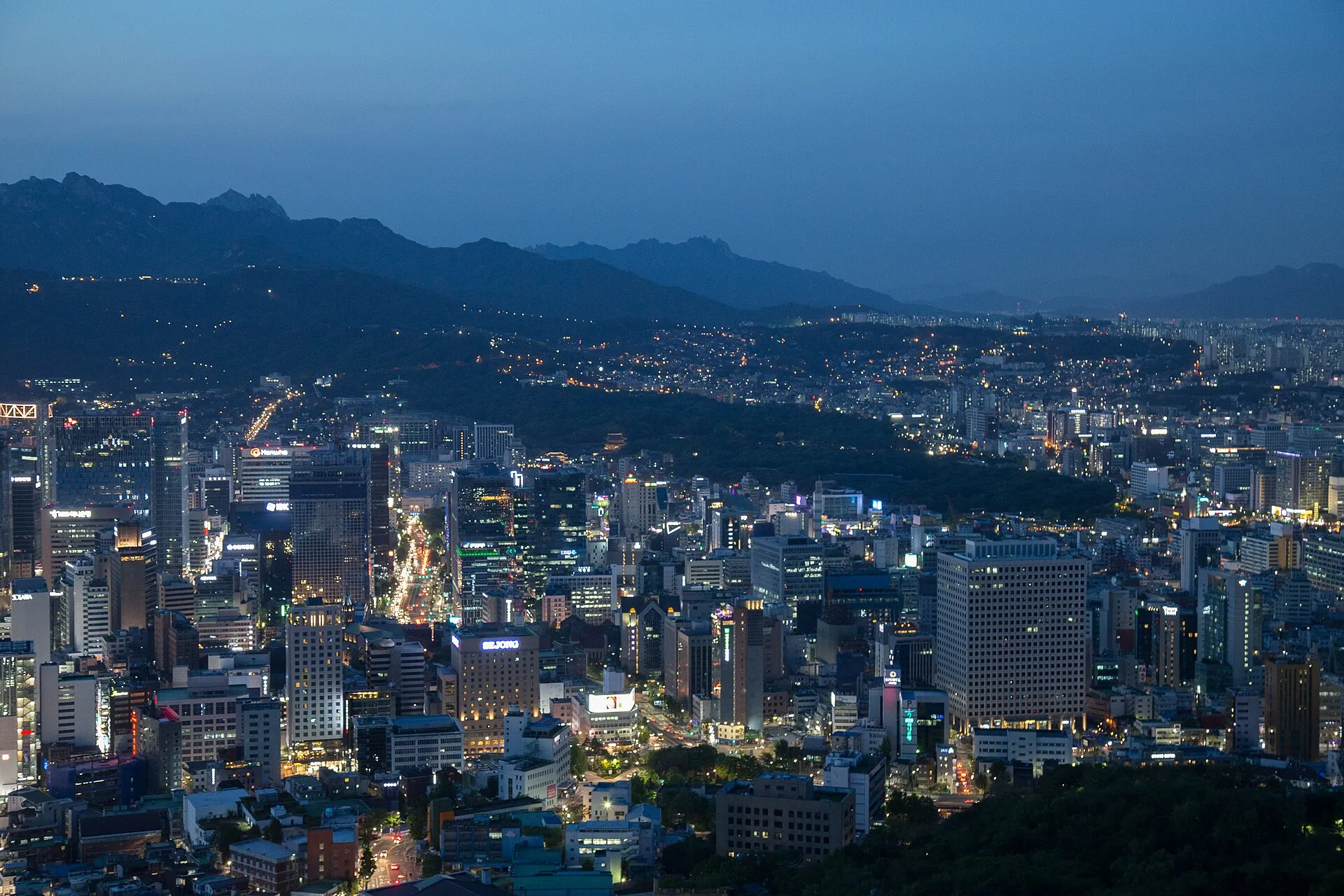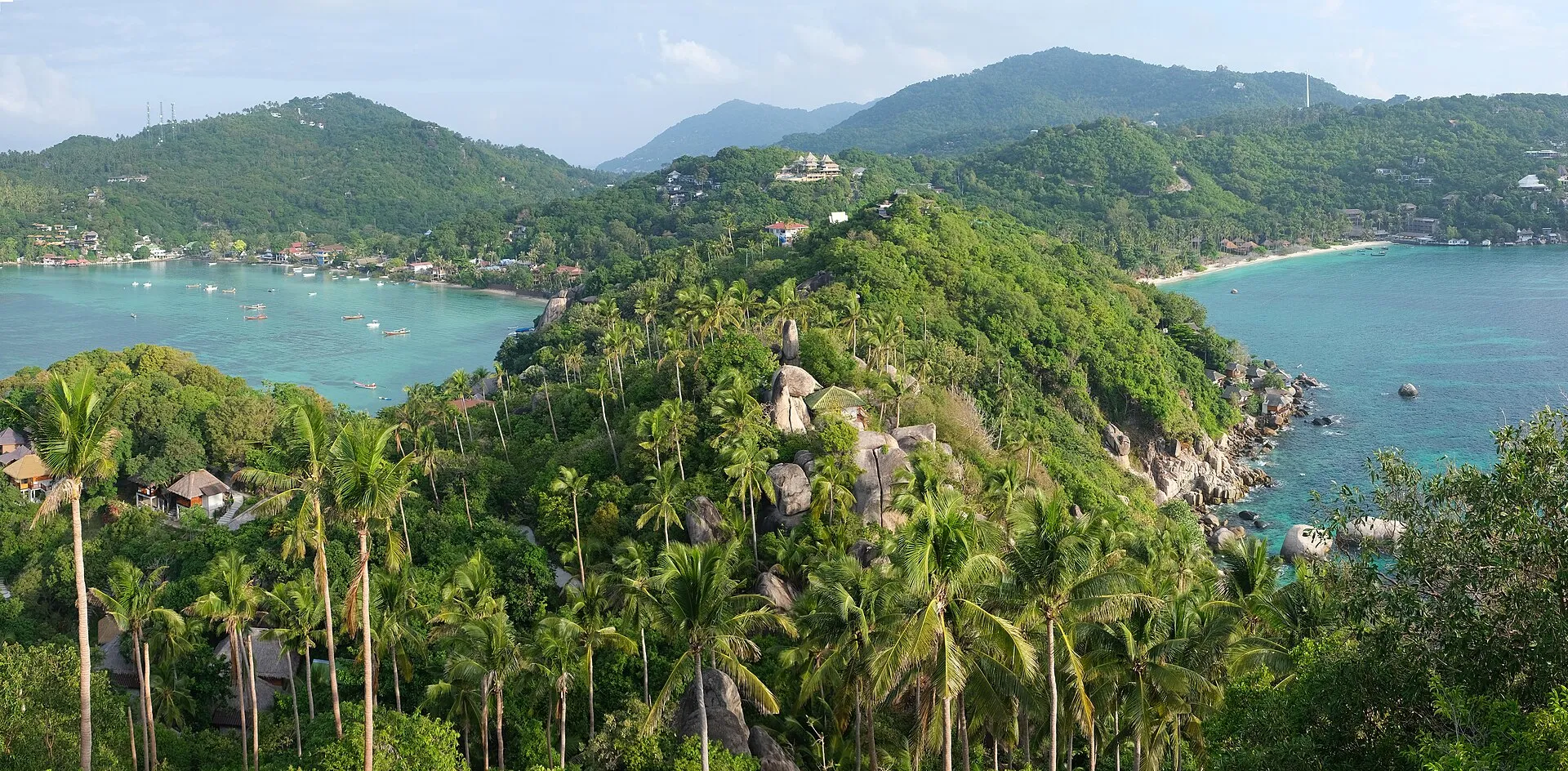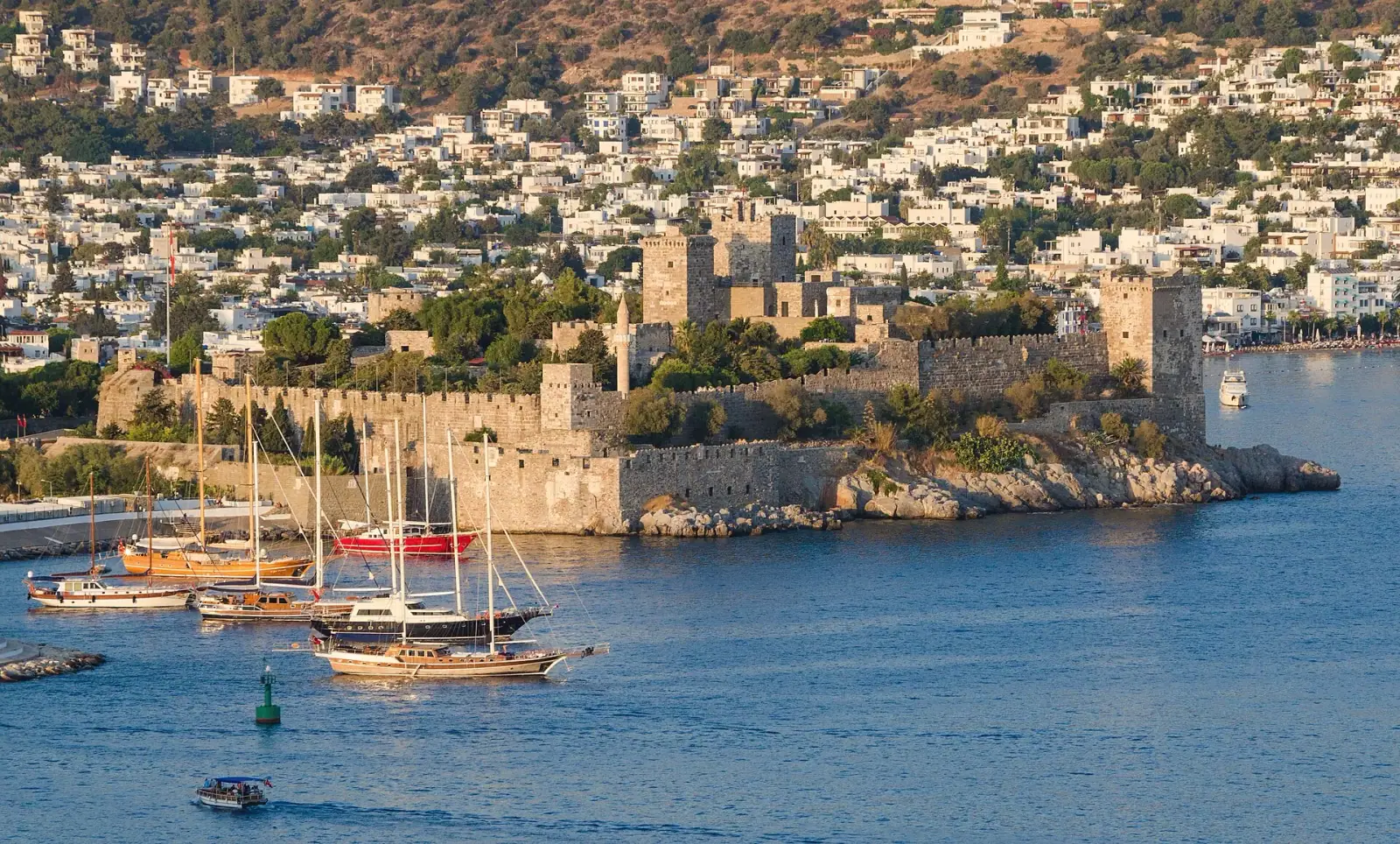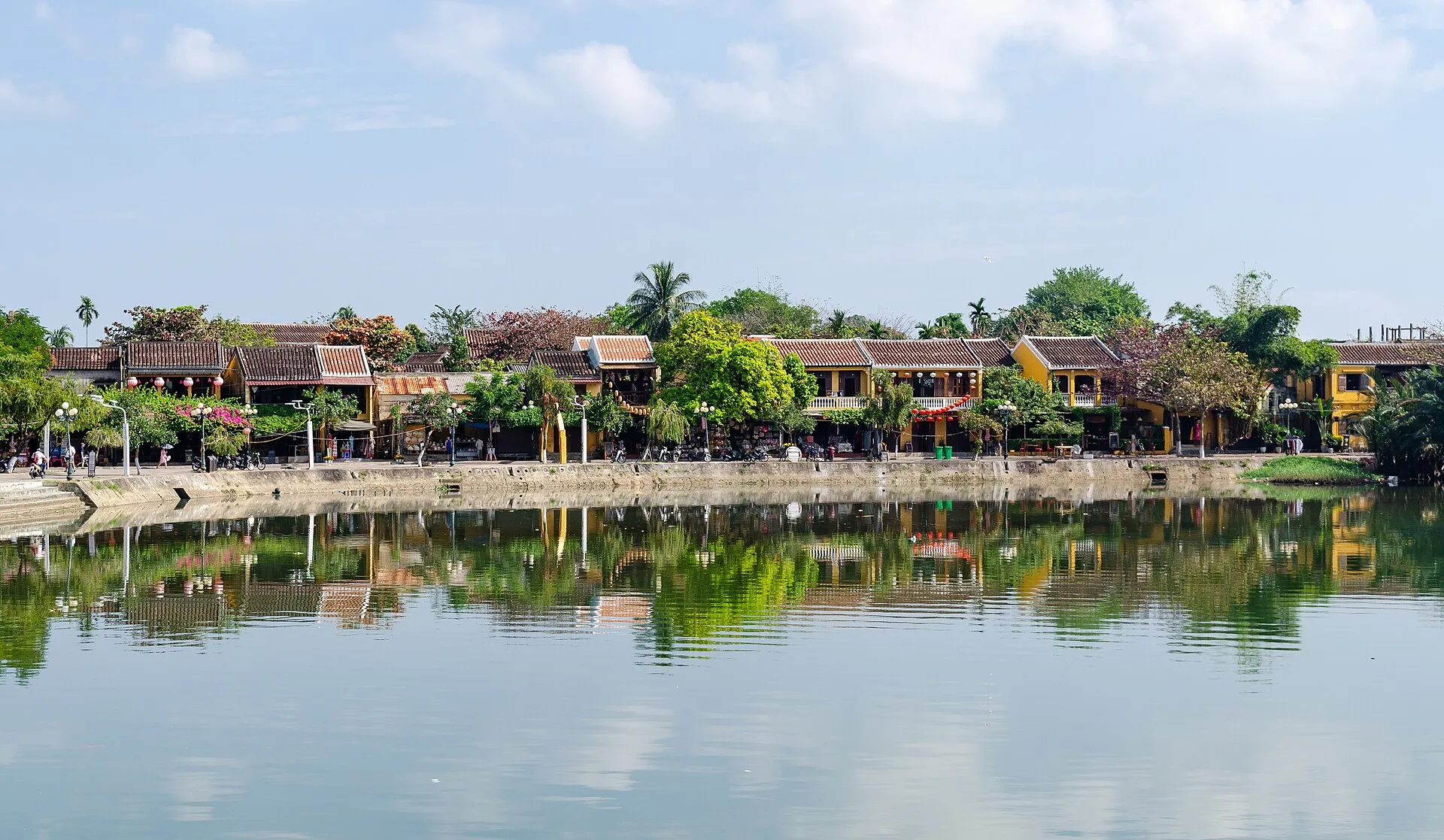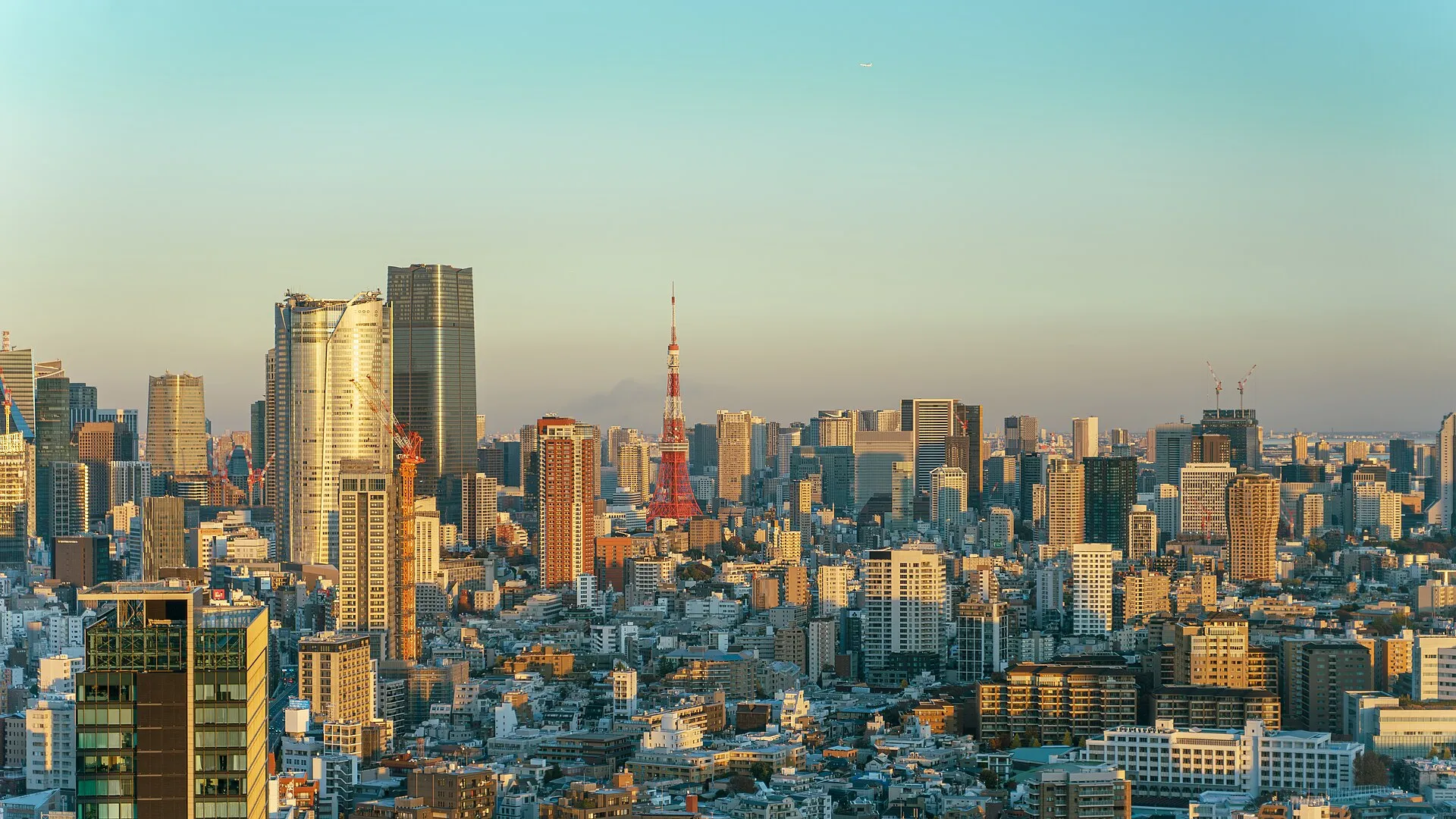
Japan dominates this list. Seven of the fifteen cities are Japanese, and they are not all the obvious ones: next to Tokyo, Osaka and Kyoto sit Hiroshima, Fukuoka, Naha on Okinawa and Kumamoto in the south of Kyushu. What they share is the thing remote workers end up valuing most after a few months on the road, a city that simply works. Trains leave on time, streets are safe at 2am, and the convenience store downstairs sells a decent lunch.
The rest of the list is spread thin and wide. Taiwan places two cities, Taipei and Kaohsiung. Thailand places two very different ones, Chiang Mai, the hill town that built the nomad scene, and Koh Tao, a dive island. Bali carries Indonesia, Kuching carries Malaysia from the Borneo side, Seoul carries South Korea, and Singapore stands alone as the most expensive base here at $4,500 a month.
So the honest answer to "which country" is Japan if you can afford it and can live inside its visa rules, and Thailand or Taiwan if you want to stay longer on less. The country-by-country answer is in the questions further down, and our Japan ranking goes deeper on the Japanese cities.
Ordered by overall Nomad Score among the Asian cities we cover. Monthly costs are our own estimates for one person living comfortably. Explore the numbers yourself on the comparison tool or browse all 1017 city guides.
At a glance
 Tokyo
 Chiang Mai
What to weigh before you book
Money splits this list in two. On one side are Koh Tao at $1,000, Kuching at $1,300 and Kumamoto at $1,400; on the other, Singapore at $4,500 and Tokyo at $4,000. The surprise is how much of Japan sits in the cheap half once you leave the big three: Naha and Kumamoto cost less than Chiang Mai or Bali. Outside Tokyo, Japan is no longer the expensive option it was a decade ago, helped along by a weak yen.
The visa is the other deciding factor, and it cuts the other way. Japan lets remote workers stay six months on its nomad visa, with a high income bar, while Thailand, Malaysia and Indonesia offer routes that run for a year or more. Climate is the last compromise: Seoul has real winters and spring dust, Chiang Mai has a smoky season each spring, and the tropical cities trade year-round warmth for humidity.
The ranking
-
1
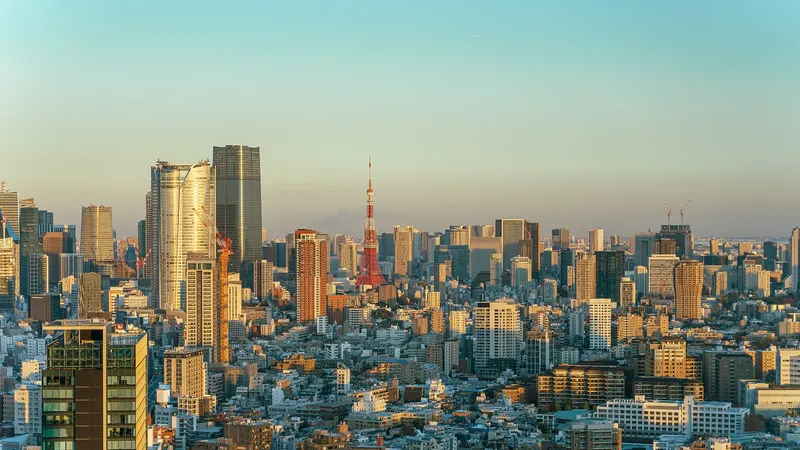 Nomad Score 8.7$4,000/moSafety 10WiFi 7Value 3
Tokyo is less one city than dozens of neighbourhoods stitched together by one of the best rail networks in the world, and that is what makes it work for a long stay. You can live in quiet Kichijoji, work from a cafe in Shimokitazawa and eat in Shinjuku without ever owning a car. Everything is safe, clean and on time. The catch is money and paperwork: about $4,000 a month, and Japan's nomad visa stops at six months. English gets you by in central areas, though a translation app earns its keep.
-
2
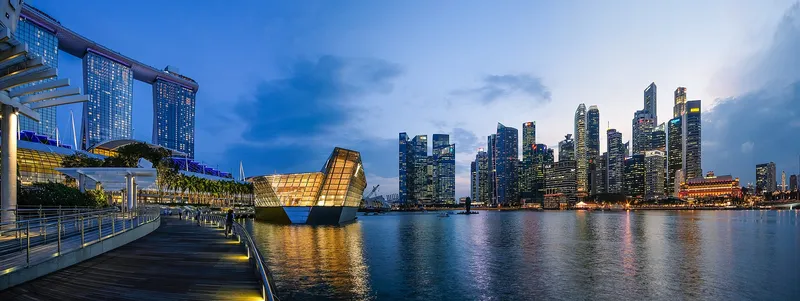 Nomad Score 8.5$4,500/moSafety 10WiFi 10Value 2
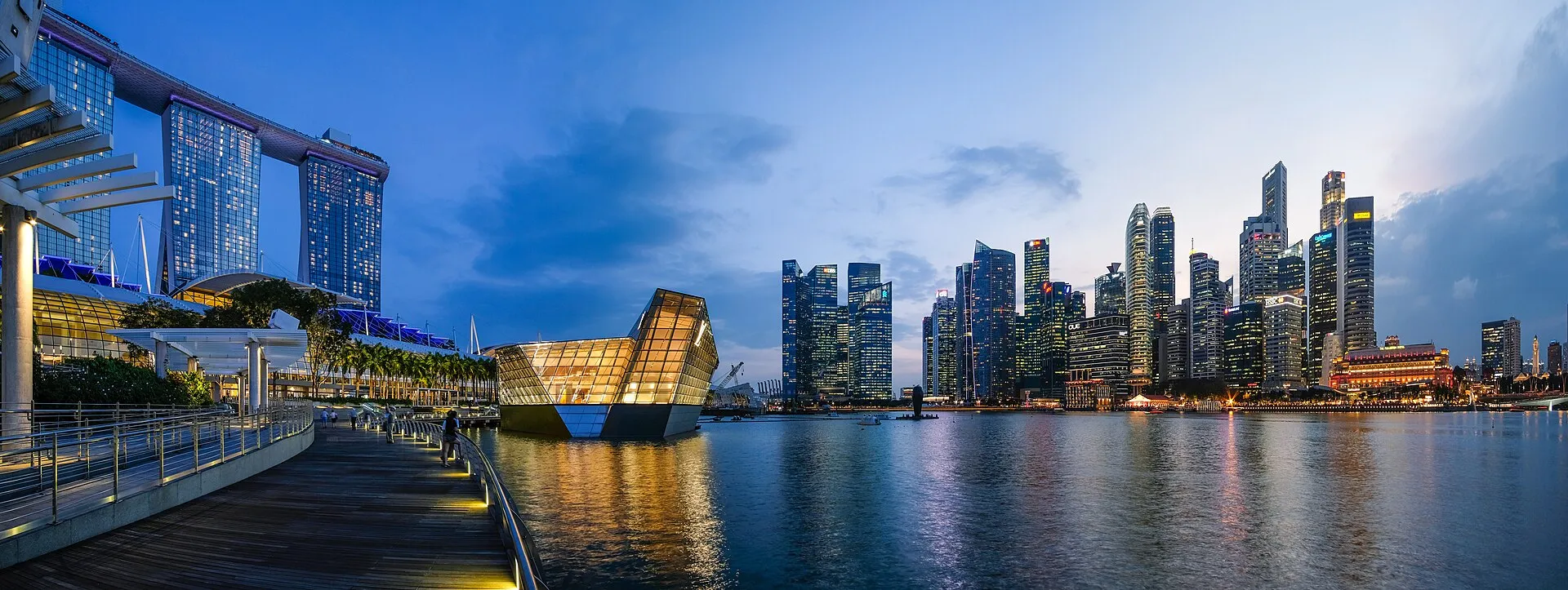
Singapore is the easiest city in Asia for an English speaker. English is an official language, the hawker centres feed you well for a few dollars, and Changi puts most of the region within a few hours' flight. Everything works. You pay for that at about $4,500 a month, the most expensive base on this list, with much of it going on rent. The heat and humidity never break, so life moves between air-conditioned rooms. Treat it as a productive hub for a few months rather than a place to stretch a budget.
-
3
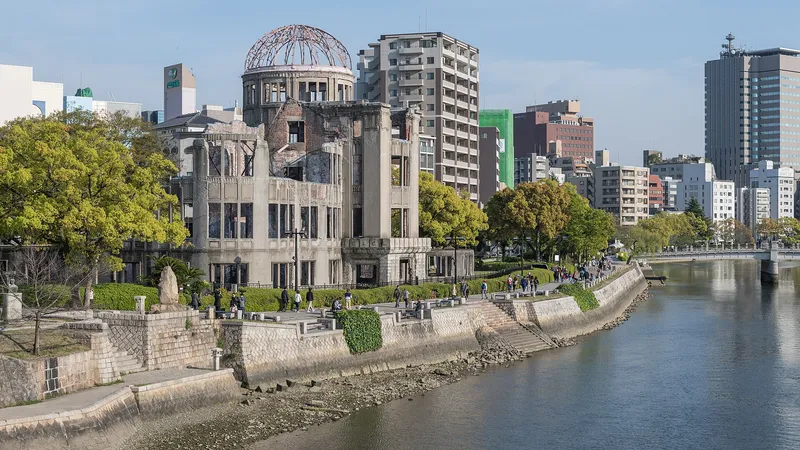 Nomad Score 8.5$2,700/moSafety 10WiFi 8Value 7
Hiroshima rebuilt itself into one of Japan's most liveable cities, green, flat and laced with rivers, with trams that still run past the Peace Memorial Park. Life here is calmer than in Osaka or Tokyo, and at about $2,700 a month noticeably cheaper. Weekends take care of themselves: the ferry to Miyajima and its floating shrine gate is a short trip away, and the city's layered okonomiyaki is worth the queue. English is limited, so it suits nomads who are happy to live independently.
-
4
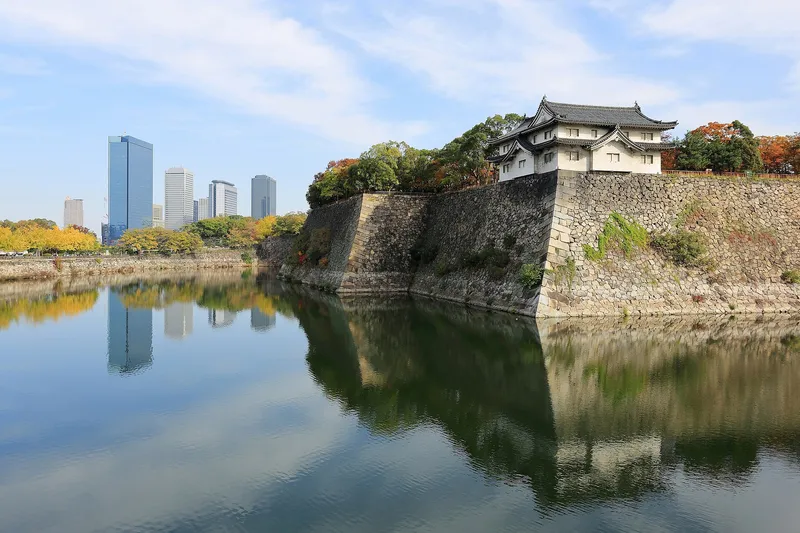 Nomad Score 8.3$3,200/moSafety 9WiFi 7Value 5
Osaka is where Japan relaxes. The city's old nickname is the nation's kitchen, and an evening along the canal in Dotonbori explains it. People are louder and friendlier than in Tokyo, the neighbourhoods are cheaper, and the shinkansen still gets you to the capital in under three hours. At about $3,200 a month it gives you most of Tokyo's convenience for less. Kyoto and Nara are day trips. Like everywhere in Japan, long stays run up against the six-month nomad visa.
-
5
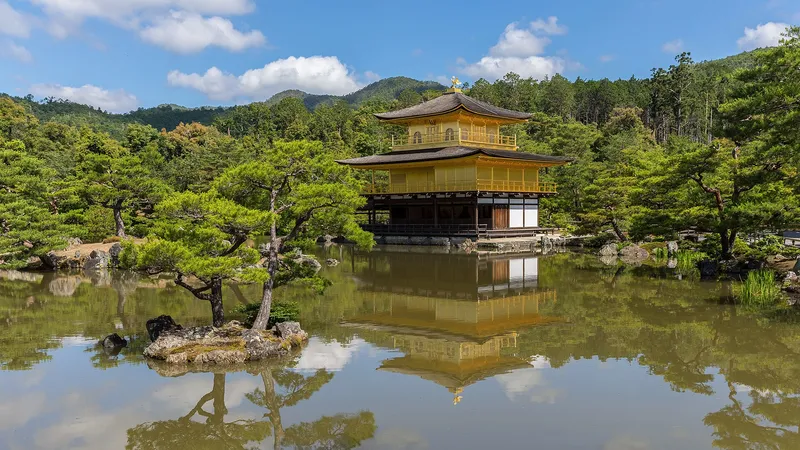 Nomad Score 8.3$3,000/moSafety 10WiFi 7Value 6
Kyoto was Japan's capital for more than a thousand years, and it still has more than a thousand temples to show for it. Living here means early morning walks through shrine gates before the tour buses arrive, and evenings in Gion when the crowds thin. That crowding is the real downside, along with a quieter cafe and coworking scene than Osaka half an hour away. At about $3,000 a month it suits a slower, more reflective stay, ideally in spring or autumn.
-
6
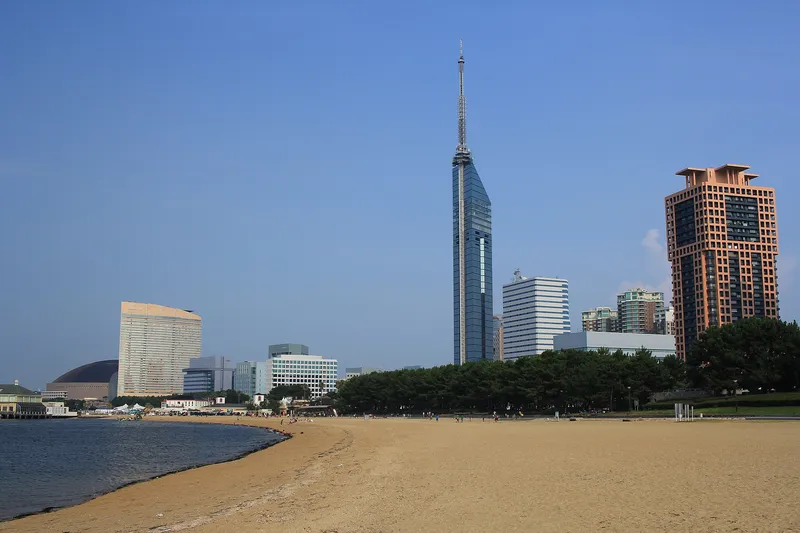 Nomad Score 8.3$2,800/moSafety 9WiFi 8Value 6
Fukuoka is Japan's most relaxed big city, a compact coastal place known for tonkotsu ramen and the open-air yatai food stalls that line the river at night. The airport is a few subway stops from the centre, which makes Seoul and Busan easy weekends. The city has courted startups and foreign founders for years, so remote workers fit in. At about $2,800 a month it costs well under Tokyo. Summers are hot and humid, but city beaches are a short ride from the centre.
-
7
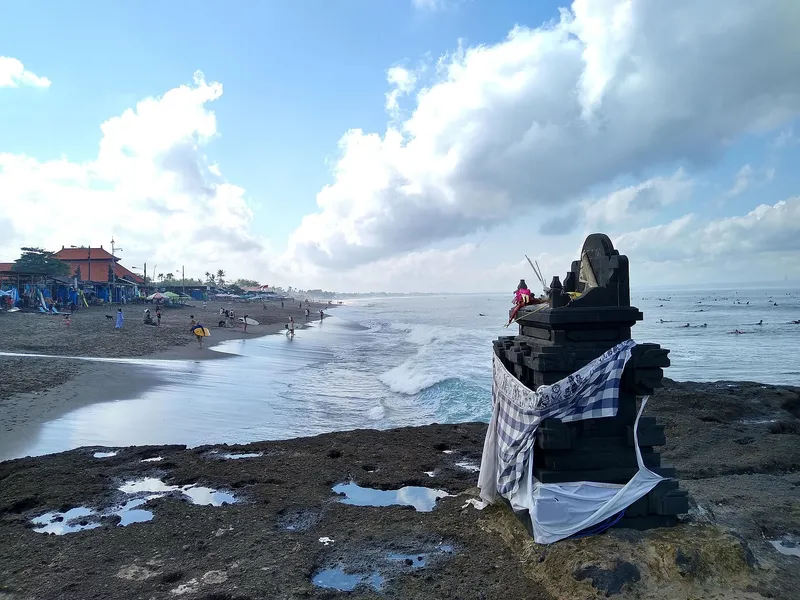 Nomad Score 8.2$2,000/moSafety 7WiFi 6Value 6
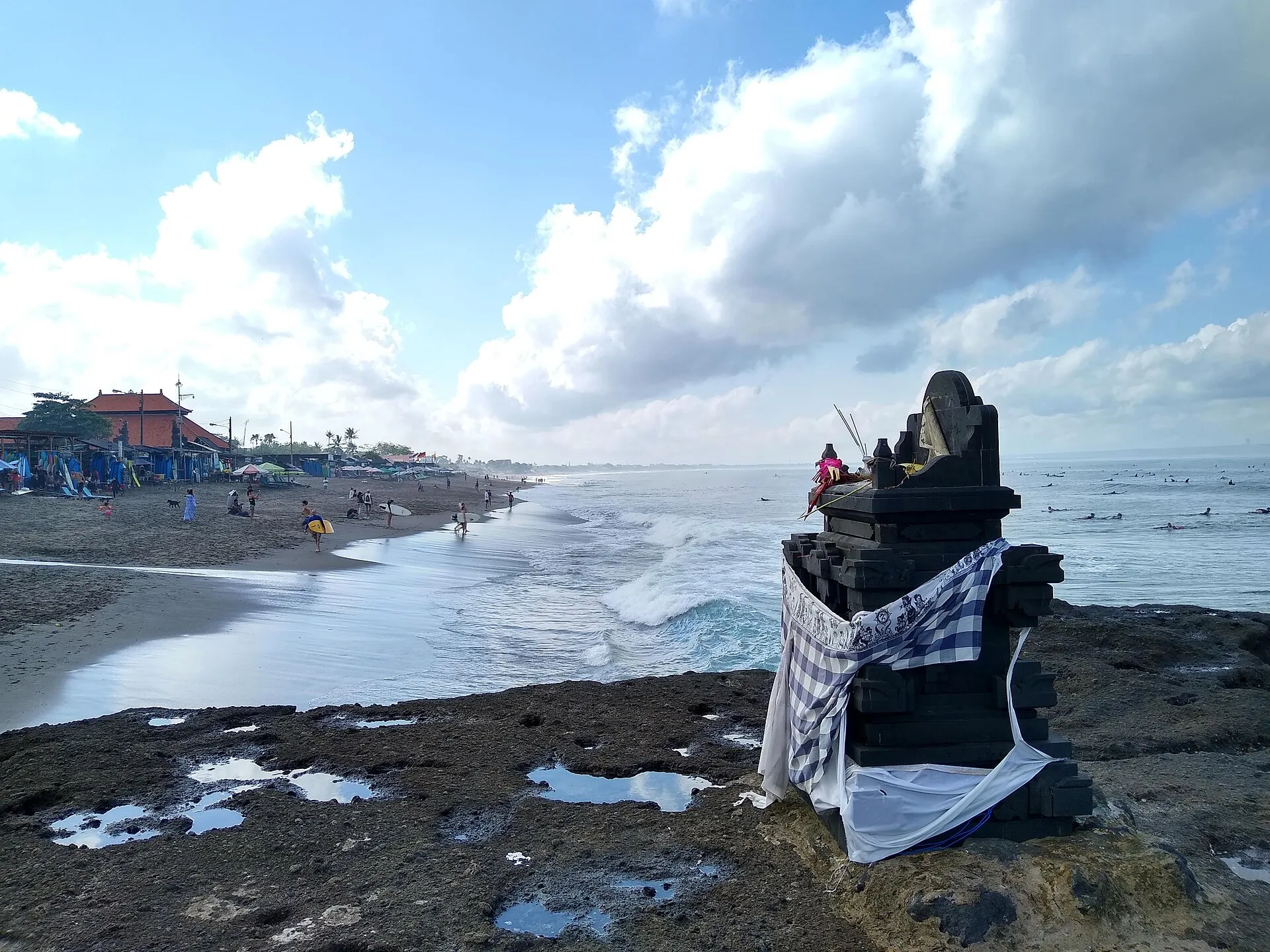
Bali is still the place most people picture when they hear "digital nomad", and around Canggu that picture is accurate: surf in the morning, laptops in a cafe by ten, and a social scene that makes it easy to arrive alone. Ubud offers rice terraces and yoga instead. About $2,000 a month covers a comfortable life. The traffic is bad and the internet depends on where you sit, so pick a coworking space early. For a year, Indonesia's remote worker visa is the route.
-
8
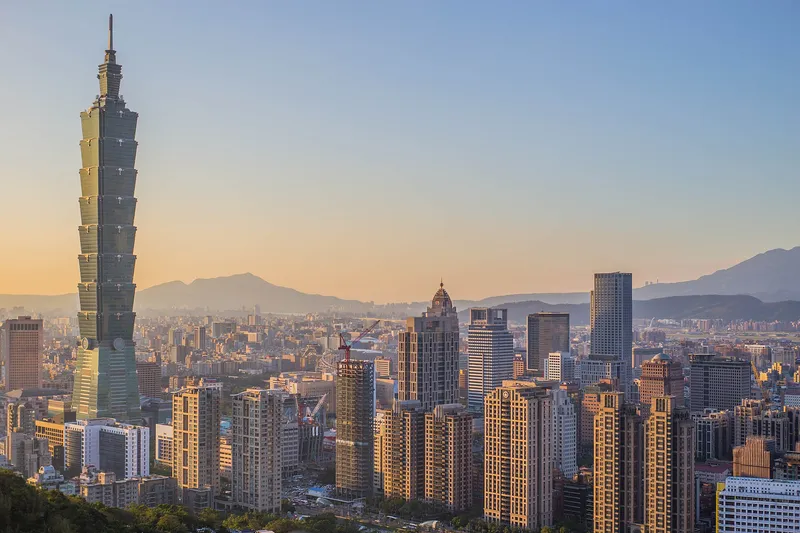 Nomad Score 8.2$2,400/moSafety 9WiFi 8Value 5
Taipei is the easy city in East Asia: safe, efficient and friendly, with an MRT that reaches almost everywhere and night markets that make cooking optional. Mountains and hot springs at Beitou are a metro ride away. At about $2,400 a month it costs far less than Tokyo or Seoul for a similar quality of daily life. Summers are humid and typhoons arrive some years. Taiwan's digital nomad visitor visa makes a longer stay possible for those who qualify.
-
9
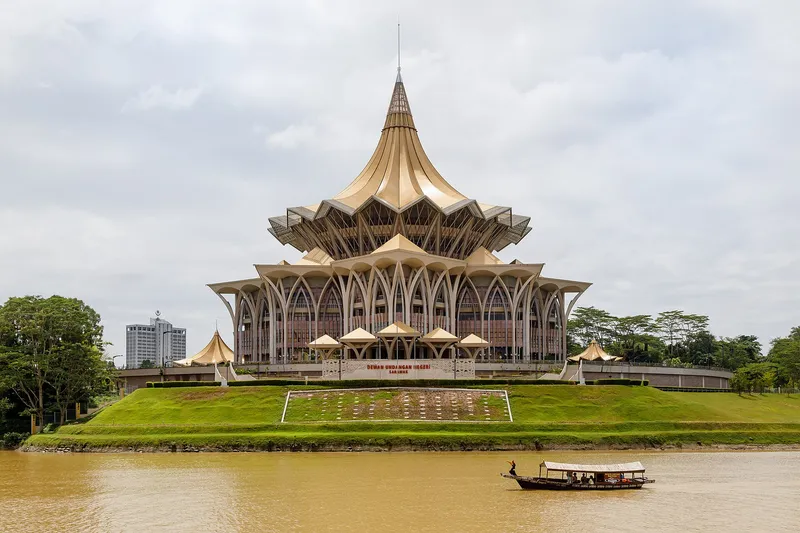 Nomad Score 8.2$1,300/moSafety 8WiFi 7Value 8
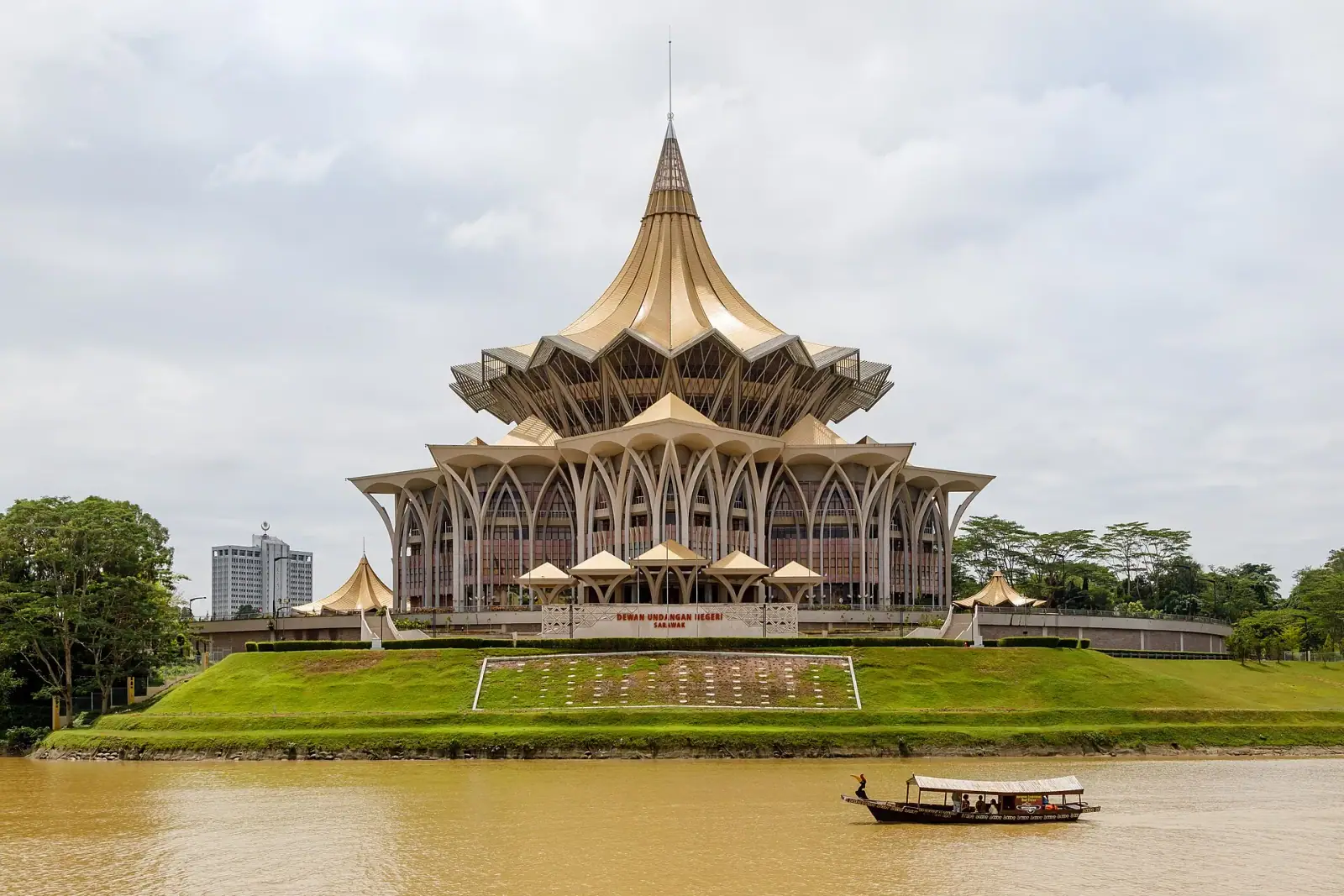
Kuching is Borneo at its gentlest, a riverside capital where you can watch orangutans at Semenggoh in the morning and eat Sarawak laksa for lunch. Bako National Park, with its proboscis monkeys, is under an hour by road and a short boat ride. At about $1,300 a month it is one of the cheapest bases here. The nomad scene is small, so expect to make friends with locals rather than other remote workers. Malaysia's DE Rantau pass does not cover Sarawak, so stays here run on a visitor pass.
-
10
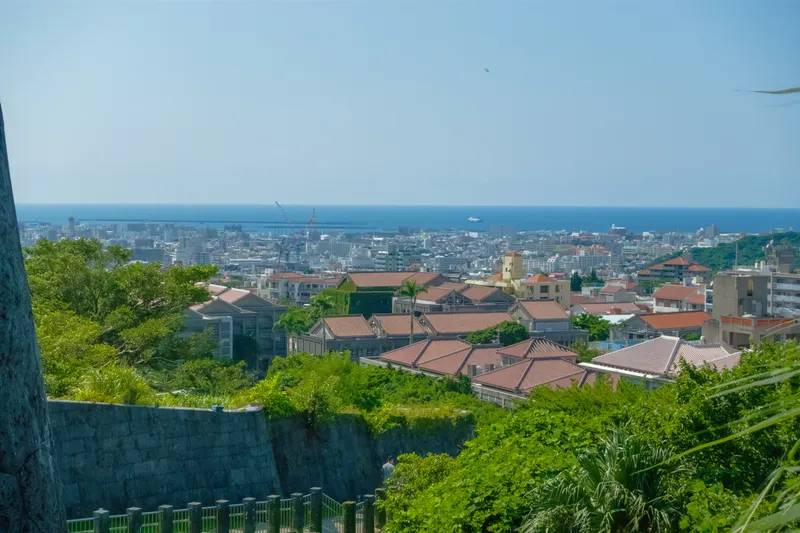 Nomad Score 8.2$1,600/moSafety 9WiFi 8Value 5
Naha is the capital of Okinawa, closer to Taipei than to Tokyo and noticeably different from mainland Japan: subtropical, slower and proud of its Ryukyu heritage. Beaches and island ferries are close, the monorail links the airport to the centre, and the food runs to goya and Okinawa soba. At about $1,600 a month it is one of the cheapest ways to live in Japan. Summer brings typhoon season, and the six-month nomad visa still applies.
-
11
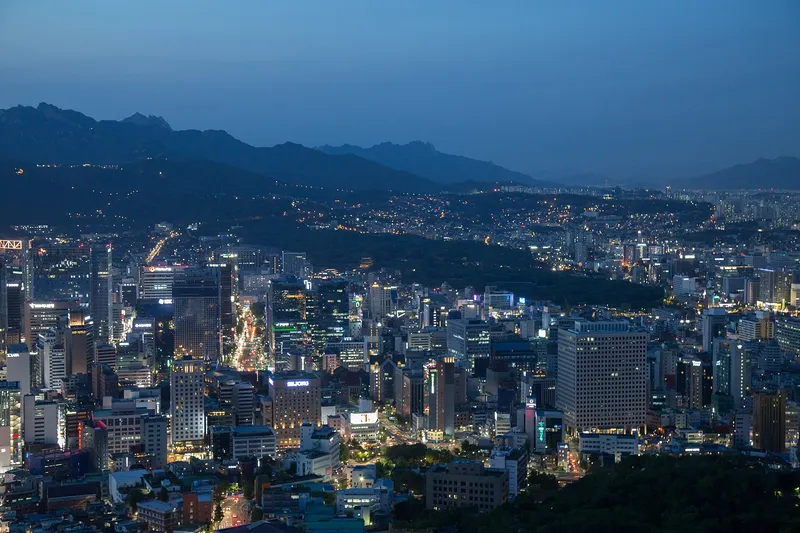 Nomad Score 8$3,000/moSafety 9WiFi 9Value 4
Seoul runs fast. The subway is excellent, the cafes stay open late and the internet is among the quickest anywhere, which suits anyone whose work depends on it. Neighbourhoods like Mangwon and Seongsu feel almost village-like, and the Han River parks fill up on summer evenings. About $3,000 a month covers a good life. Winters are properly cold and spring brings fine dust, so time a stay for autumn if you can. Long stays run through Korea's workation visa.
-
12
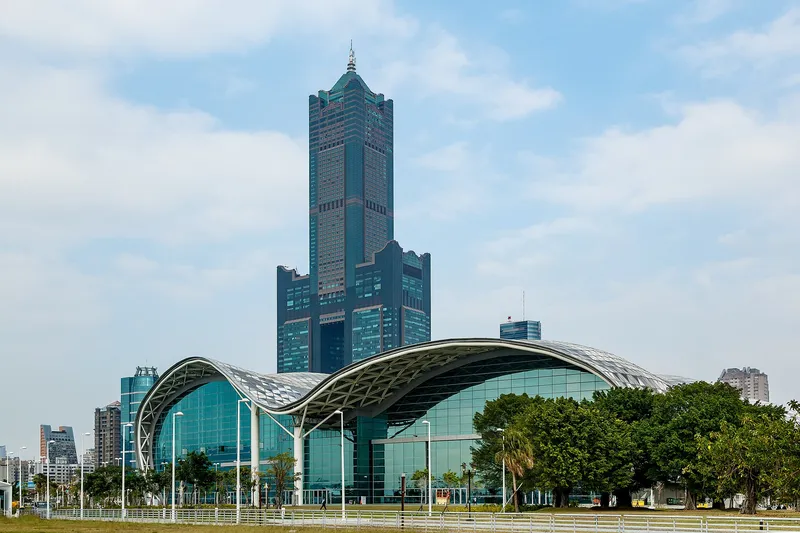 Nomad Score 8$2,000/moSafety 9WiFi 8Value 6
Kaohsiung is Taiwan's sunny southern port, warmer and more laid-back than Taipei. The old harbour warehouses at Pier-2 are now galleries and cafes, the Love River is lined with bike paths, and the high-speed rail reaches the capital in under two hours. In the north, the Dragon and Tiger Pagodas stand over Lotus Pond. At about $2,000 a month it is cheaper than Taipei too. The trade-off is a smaller foreign community and less English, so it suits nomads who like a bit of independence.
-
13
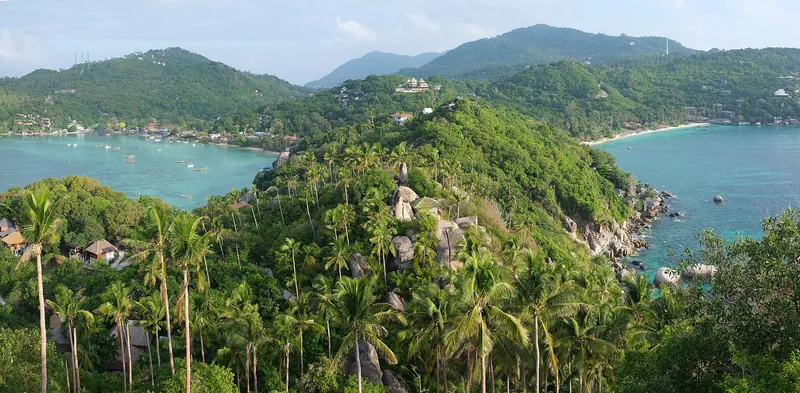 Nomad Score 8$1,000/moSafety 7WiFi 6Value 7
Koh Tao is a small island in the Gulf of Thailand built around diving: dive schools line Sairee Beach and the reefs start a short boat ride offshore. You can circle it by scooter in an afternoon. It is the cheapest base on this list at about $1,000 a month. Island life has limits: ferries depend on the weather, and a small island can feel smaller after a few months. Thailand's DTV makes a long stay straightforward.
-
14
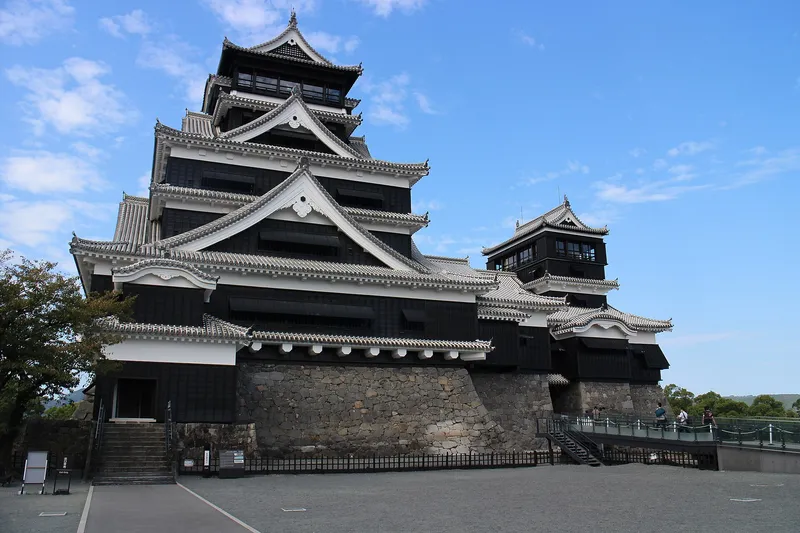 Nomad Score 8$1,400/moSafety 10WiFi 8Value 6
Kumamoto is Japan without the crowds. The black castle at its centre was badly damaged in the 2016 earthquakes, and its main keep reopened in 2021; Mount Aso, one of the largest active calderas in the world, is an easy day trip. The city is pleasant and walkable, with natural spring water from the tap. At about $1,400 a month it is the cheapest Japanese city here. English is scarce and there is little nomad scene, so it suits independent people.
-
15
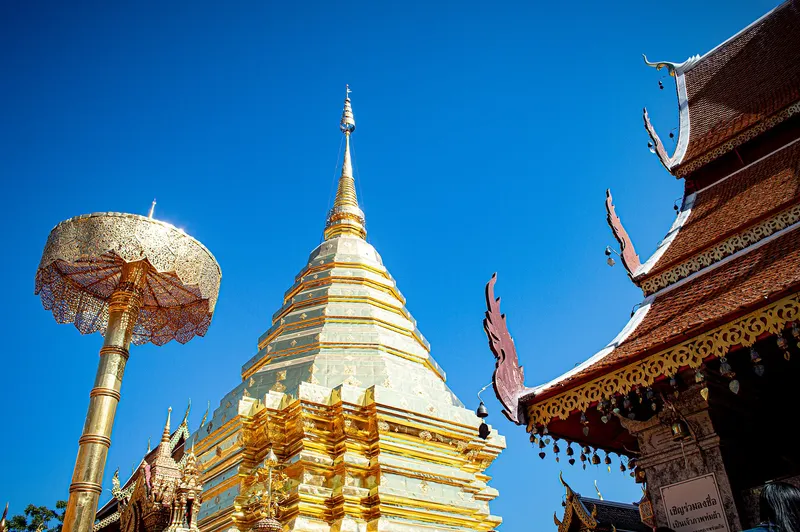 Nomad Score 7.8$1,600/moSafety 8WiFi 7Value 7
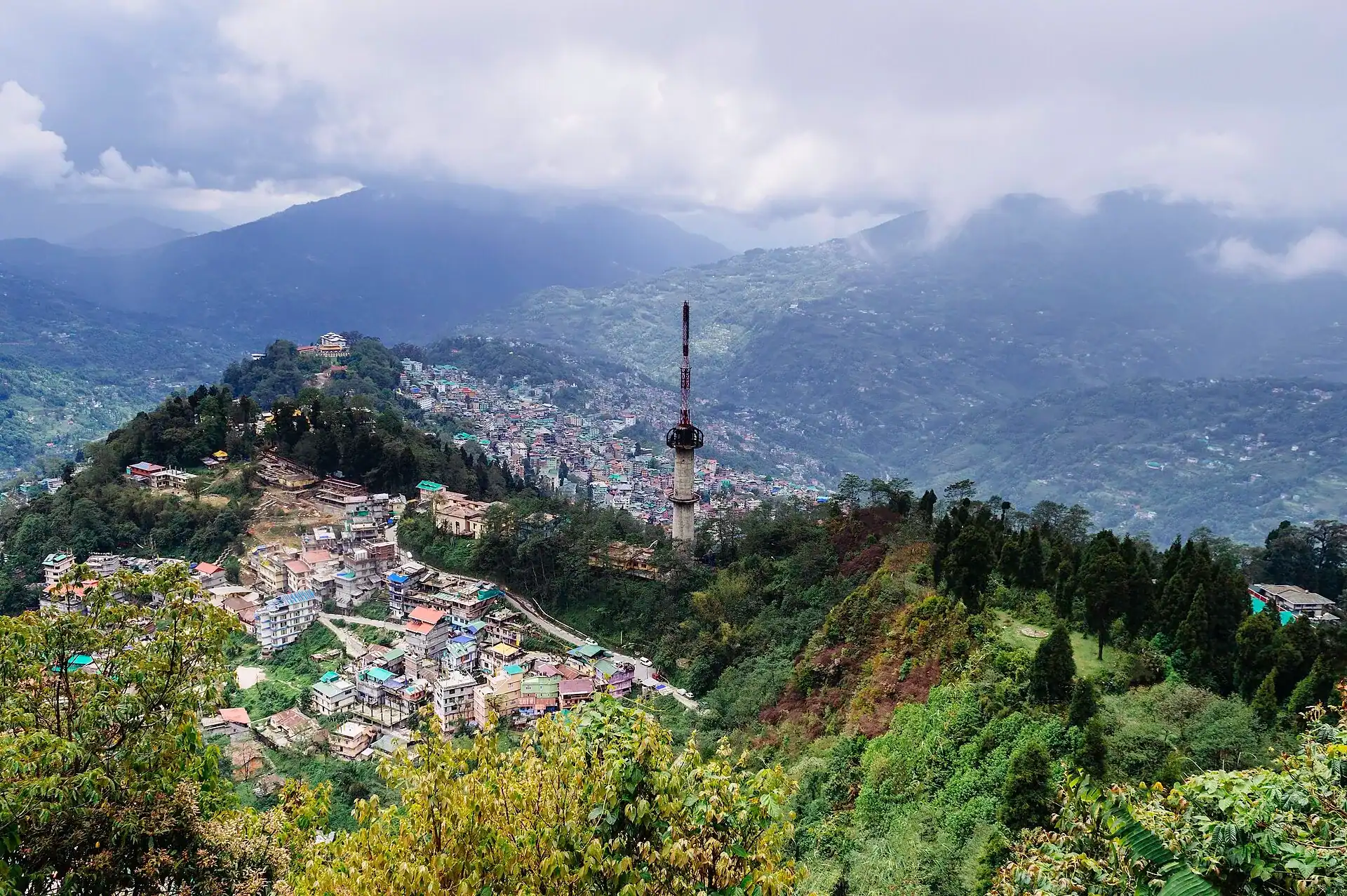
Chiang Mai is where much of the nomad world learned the trade, and the infrastructure shows: coworking spaces, cheap furnished flats around Nimman and cafes built for long laptop days. The old city, ringed by a moat and full of temples, is lovely to walk, and Doi Suthep rises behind it. About $1,600 a month goes a long way. The weakness is the smoky burning season each spring, when many people leave for a few weeks. Thailand's DTV covers a long stay.

If you want order and depth and the budget allows it, start in Japan, and use the six months to try two cities rather than one. If you want the longest stay for the least paperwork, Chiang Mai and Bali are the proven bases, with Koh Tao for anyone who would rather spend lunch breaks underwater. Taipei sits neatly between the two worlds.
To put two or three of these side by side on cost, weather and visas, use the compare tool. If you are not sure yet what kind of base fits you, the Nomad Taste Wheel matches cities to what you actually care about.
Frequently asked questions
What is the best digital nomad city in Asia?
Tokyo leads this ranking. Nothing else in the region combines its transport, safety, food and sheer range of neighbourhoods. It costs about $4,000 a month, though, so many people choose a smaller Japanese city instead: Hiroshima at $2,700 and Fukuoka at $2,800 keep most of the quality for a good deal less.
Which Asian country is best for digital nomads?
Japan, if you can meet its terms: seven of the fifteen cities here are Japanese, and its digital nomad visa allows six months with no extension for people earning about $63,000 a year or more, a bar Japan sets in yen. Thailand is the easiest place to stay long, because its Destination Thailand Visa is valid for five years with stays of up to 180 days per entry, against proof of about $15,000 in savings. Malaysia's DE Rantau pass runs 3 to 12 months and can be renewed once for 12 more, for tech workers earning $24,000 a year and others earning $60,000, but it covers Peninsular Malaysia and Labuan, not Sarawak, so Kuching is a visitor-pass base. Indonesia's remote worker visa gives a year in Bali for people earning $60,000 a year from abroad. Taiwan has a digital nomad visitor visa for nationals who can already enter visa-free, with an income bar of $20,000 a year under 30 and $40,000 from 30. South Korea's workation visa ties its income bar to the country's national income per head. Our nomad visa finder compares them by income.
Which Asian nomad city is cheapest?
Koh Tao in Thailand, at about $1,000 a month, then Kuching in Malaysian Borneo at $1,300 and Kumamoto in Japan at $1,400. Naha and Chiang Mai follow at $1,600 each.
Is Japan too expensive for a digital nomad?
Only Tokyo really is. Of the seven Japanese cities here, Kumamoto costs about $1,400 a month and Naha $1,600, less than Bali at $2,000. Hiroshima at $2,700, Fukuoka at $2,800, Kyoto at $3,000 and Osaka at $3,200 fill the middle, and Tokyo tops out at $4,000. The harder limit is time: six months on the nomad visa, then you have to leave. The Japan ranking compares them in more detail.
Where in Asia can I live near a beach and still work?
Bali is the obvious answer, with surf and a large nomad crowd around Canggu for $2,000 a month. Koh Tao is smaller and cheaper at $1,000 and built around diving. Naha gives you Okinawa's beaches with Japanese infrastructure for $1,600, and Kaohsiung is Taiwan's sunny harbour city at $2,000.
How is this Asia ranking calculated?
Cities are ordered by our Nomad Score, which weighs thirteen categories including cost, internet, safety, climate, visas, food and community. The costs are our own monthly estimates for one person. The full method is on our methodology page.