Oceania is the rare region where nearly everything works and almost nothing is cheap. Across Australia and New Zealand you get native English, some of the safest cities on earth, clean air, and outdoor life that ranges from harbor swims to alpine trails, all wrapped in reliable infrastructure and fast wifi.
The honest catch is the price of entry. Monthly budgets here run as high as $3,490 in Sydney and $3,500 in Byron Bay, well above most of Asia or Latin America. You also sit on the far side of the planet: the time-zone gap with Europe and the Americas is brutal for synchronous work, and flights anywhere are long and costly.
This ranking sorts the cities we rate in Oceania by overall Nomad Score, weighing cost, safety, nature, wifi, community and more. Australian and New Zealand cities fill the whole list.
Cities are ranked by overall Nomad Score among the destinations we rate in Oceania. Explore the numbers yourself on the comparison tool or browse all 999 city guides.
At a glance
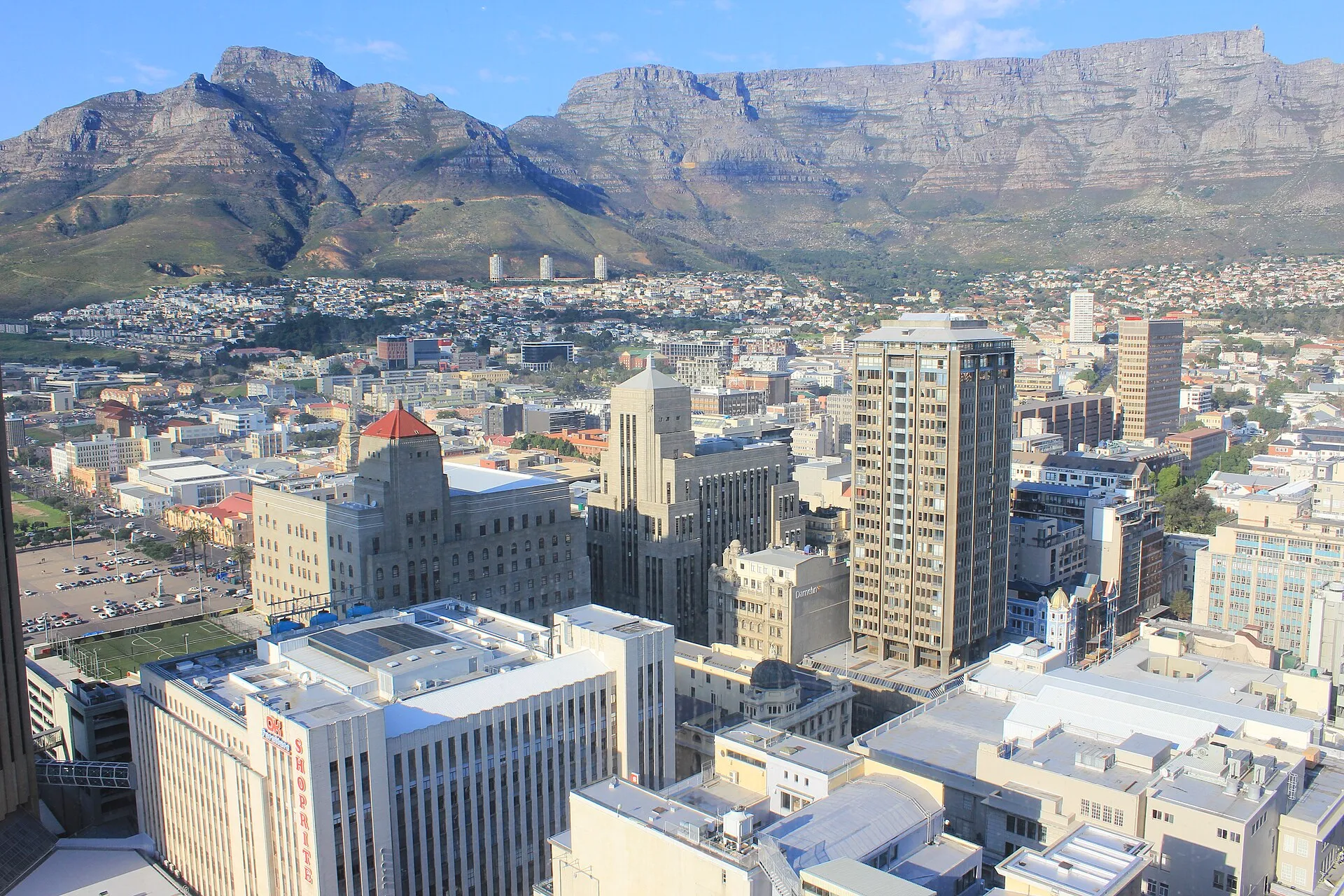
 Sydney
 Queenstown
What to weigh before you book
Cost is the defining constraint. Even the more affordable Australian and New Zealand bases sit near $1,800 to $2,400 a month, and the marquee cities push $3,400 to $3,500. Elsewhere, working-holiday visas are the usual entry route for eligible under-30s or under-35s from partner countries, while pure remote workers often lean on tourist entry, which limits how long you can legally stay.
Distance and time zones are the second reality check. Sitting UTC+8 to UTC+13, Oceania overlaps well with Asia but sits nearly opposite Europe and the Americas, so teams there mean very early or very late calls. Flights out are long and expensive, which makes the region better suited to slower, longer stays than to fast hopping. Air quality, cleanliness and safety, by contrast, are consistently excellent, so the tradeoffs are financial and logistical rather than about daily quality of life.
The ranking
-
1
 Nomad Score 8.9$3,490/moSafety 8WiFi 7Value 2
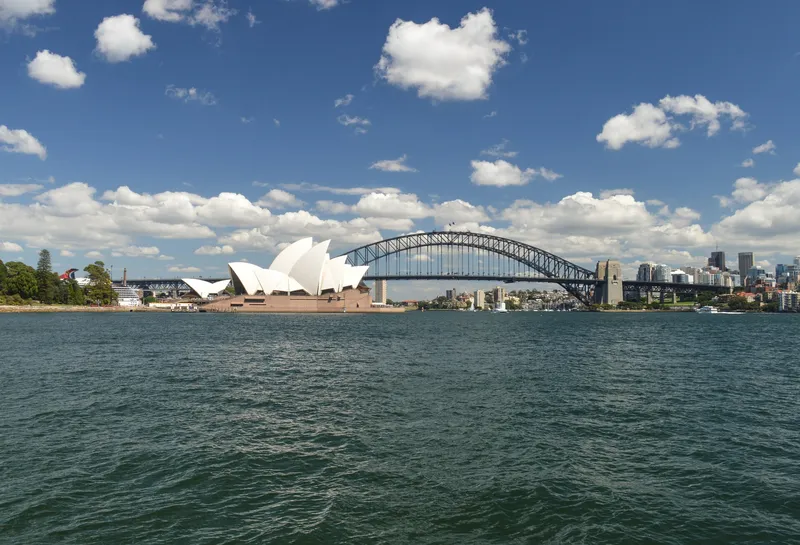
Australia's headline city tops the region with a Nomad Score of 9.1. It pairs a perfect 10 for English with strong 8s across climate, wifi, safety, food, nightlife and nature, so almost every practical box is ticked. The harbor, ocean pools and beaches give it outdoor life few global cities match. The single hard tradeoff is cost: at roughly $3,490 a month it is within $10 of Byron Bay at the top of the Oceania table, and its cost score of 2 is the lowest here. If your income is strong, little else holds you back.
-
2
 Nomad Score 8.9$2,740/moSafety 8WiFi 7Value 3
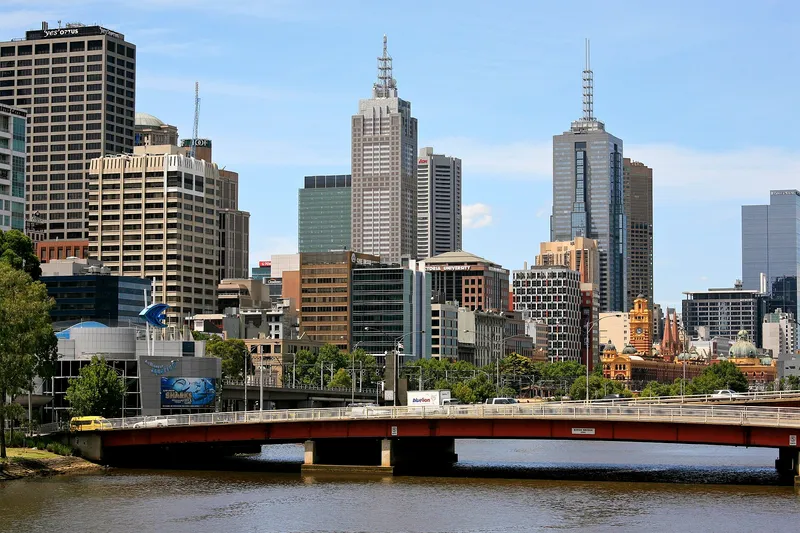
Melbourne ties Sydney on 9.1 but trades beaches for culture. It posts the region's best food score at 9 and a 9 for culture, reflecting the coffee scene, laneways, live music and street art that define the city. Wifi, safety and cleanliness all sit at 8, and English is a perfect 10. Climate is the softer spot at 6, with grey, changeable weather that locals joke covers four seasons in a day. At around $2,740 a month it remains pricey, though noticeably cheaper than Sydney, making it the creative capital pick.
-
3
 Nomad Score 8.9$2,140/moSafety 9WiFi 8Value 4
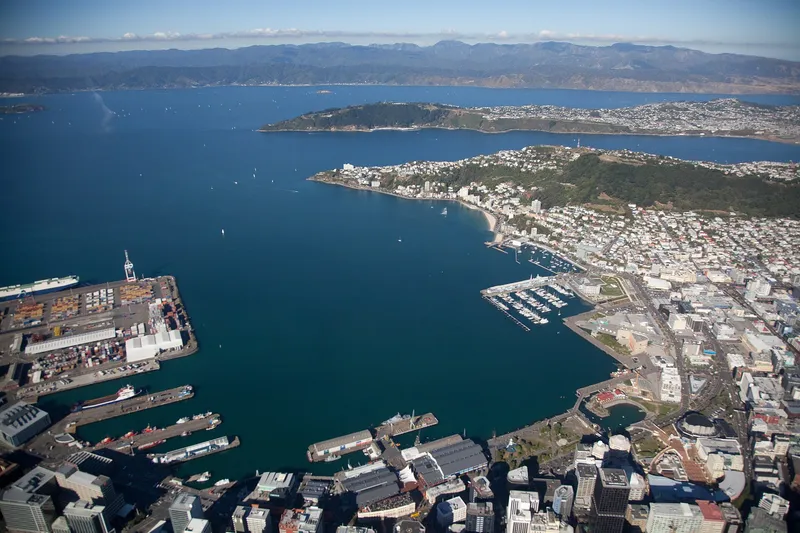
New Zealand's capital leads the country's entries with an 8.9. It stands out on the things that matter for daily calm: a 9 for safety and a 9 for air quality, plus 8s for wifi, nature, culture and cleanliness. The compact, walkable center packs craft coffee, film industry energy and quick access to the harbor and hills. At roughly $2,140 a month it is notably cheaper than the big Australian cities. The honest downside is the climate score of 5: Wellington is famously windy and cool, so warm-weather nomads may find it a hard sell.
-
4
 Nomad Score 8.5$1,900/moSafety 9WiFi 8Value 5
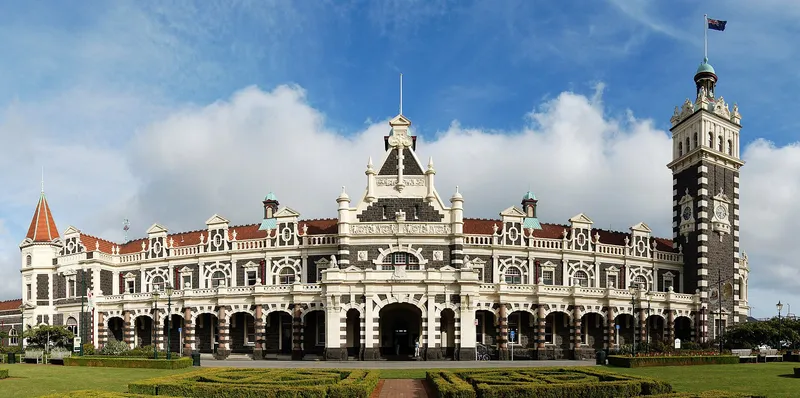
New Zealand's Scottish-founded university city, all Victorian bluestone and steep streets, with albatross and penguin colonies out on the Otago Peninsula.
-
5
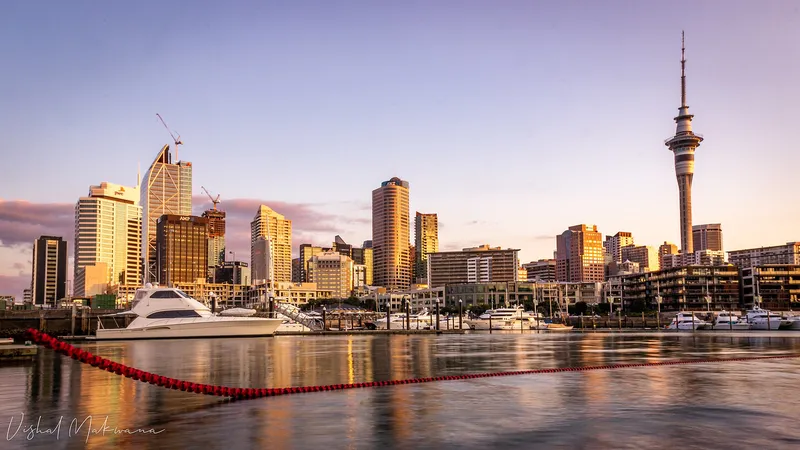 Nomad Score 8.3$2,160/moSafety 9WiFi 8Value 3
New Zealand's largest city blends urban scale with strong nature, scoring an 8.3 overall. Nature and air quality both hit high marks around 8 to 9, wifi and cleanliness sit at 8 and safety at 9, with English a perfect 10. Set across two harbors and dotted with volcanic cones, it also carries genuine Polynesian cultural character. Community scores a modest 5 and nightlife a 6, so social traction can take effort. At roughly $2,160 a month it is not cheap, but it undercuts Sydney while keeping big-city convenience.
-
6
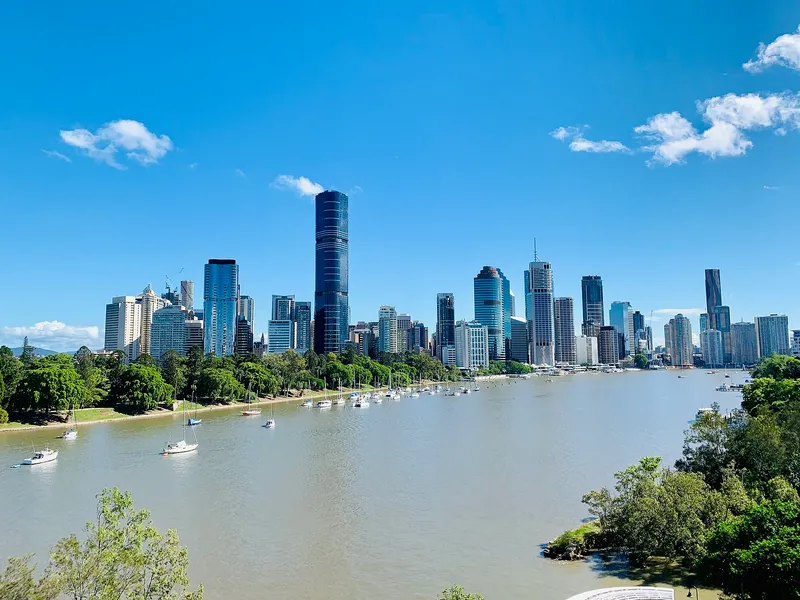 Nomad Score 8.3$2,800/moSafety 8WiFi 8Value 3
Brisbane sits in the 8.3 tier as a warmer, more relaxed Australian option. It scores a solid 7 for climate on the back of a subtropical, sunny outlook, with 8s for wifi, safety and cleanliness and the usual perfect 10 for English. River culture, an easy pace and gateway access to the Sunshine Coast and tropics are the draw. Food and nightlife sit at 7, a step below Sydney and Melbourne. At about $2,800 a month it is meaningfully more affordable than the two headline cities, making it a sensible value-plus-weather compromise within Australia.
-
7
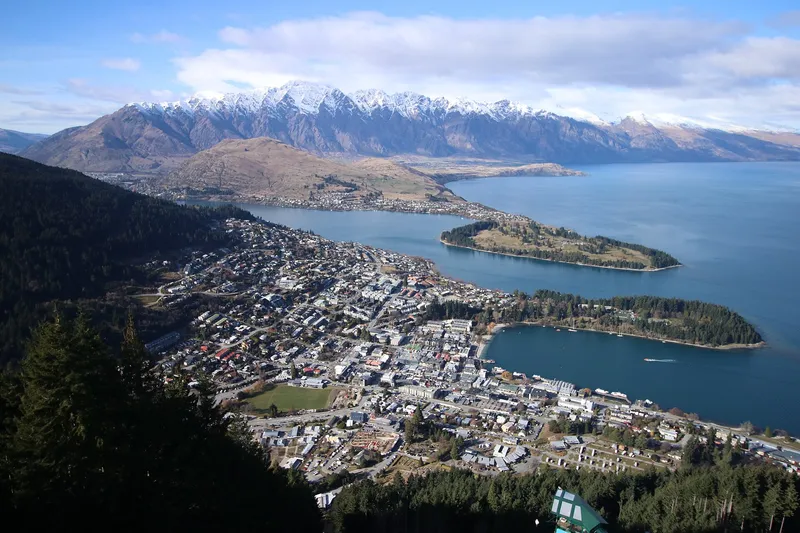 Nomad Score 8.3$2,390/moSafety 9WiFi 7Value 3
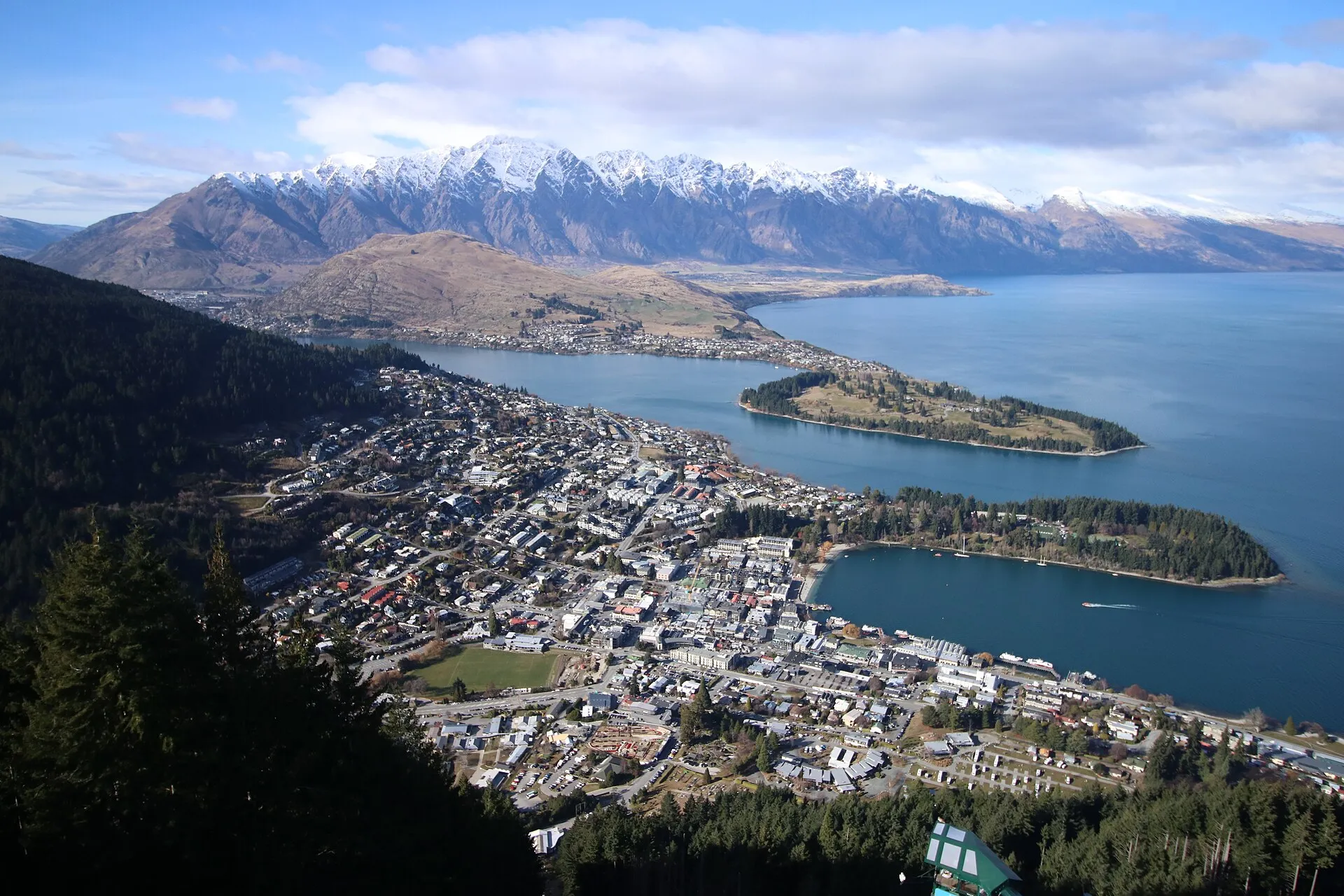
Queenstown is the region's outdoor extreme, with a perfect 10 for nature and a perfect 10 for air quality, plus a 9 for safety and cleanliness. Set among mountains and lakes, it is New Zealand's adventure capital, built around skiing, hiking, biking and every extreme sport going. The tradeoffs are urban: culture, nightlife and food all sit at 5 or 6, and this small resort town runs pricey at roughly $2,390 a month. It suits nomads who structure life around the landscape rather than city amenities, and who can absorb the resort-town premium.
-
8
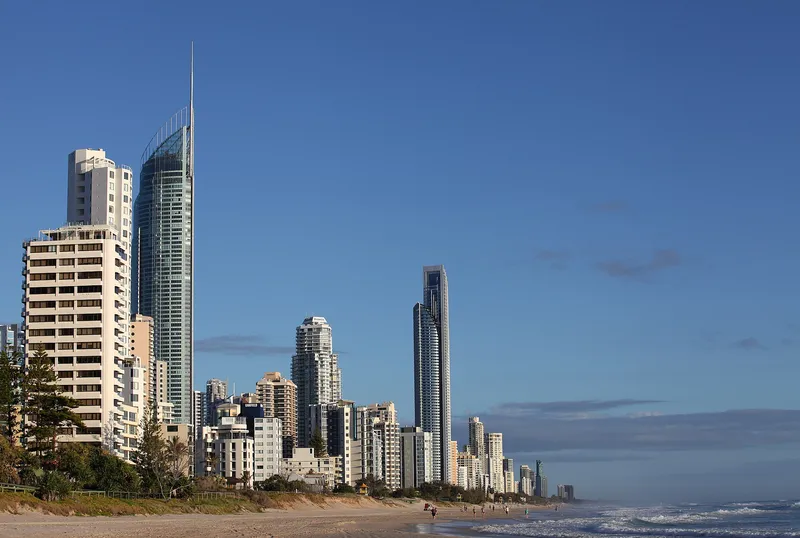 Nomad Score 8.3$3,360/moSafety 8WiFi 7Value 3
The Gold Coast trades city depth for endless summer. It earns an 8 for climate and nightlife and a 9 for nature, thanks to surf beaches, high-rises and a hinterland of rainforest and waterfalls just inland. Safety is an 8 and English a perfect 10. Culture and food are the weak points at 5 and 6, so this is more lifestyle strip than cultural capital. At around $3,360 a month it runs well above Brisbane's budget. Choose it if your ideal working day ends with a surf, not a gallery visit.
-
9
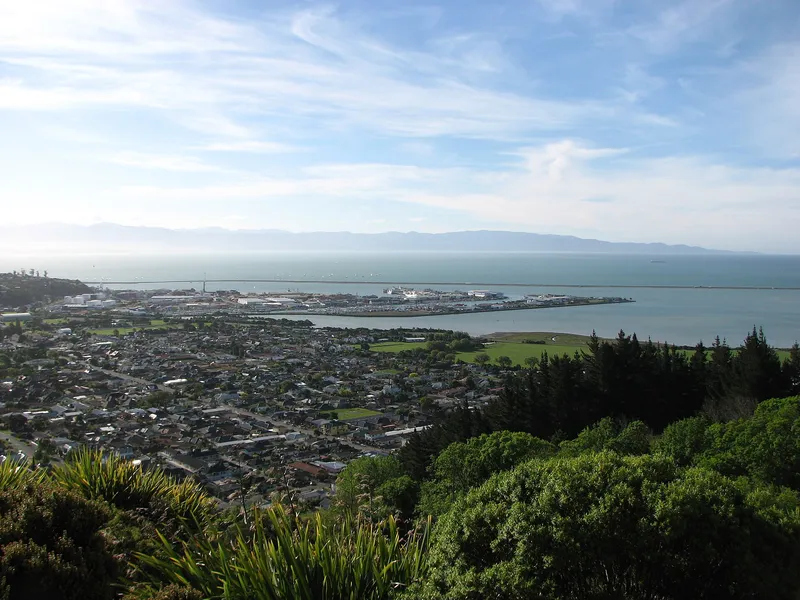 Nomad Score 8.3$1,800/moSafety 9WiFi 7Value 5
One of New Zealand's sunniest towns, with Abel Tasman's golden beaches up the coast.
-
10
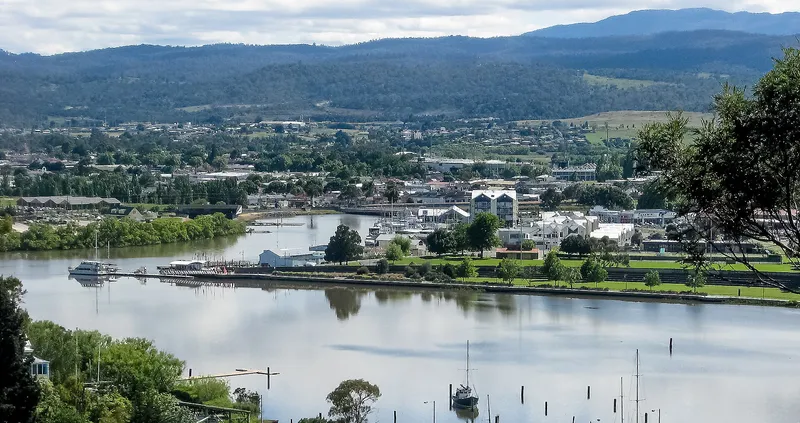 Nomad Score 8.3$1,850/moSafety 8WiFi 8Value 5
A Georgian town at the head of a gorge, in the coolest corner of Australia.
-
11
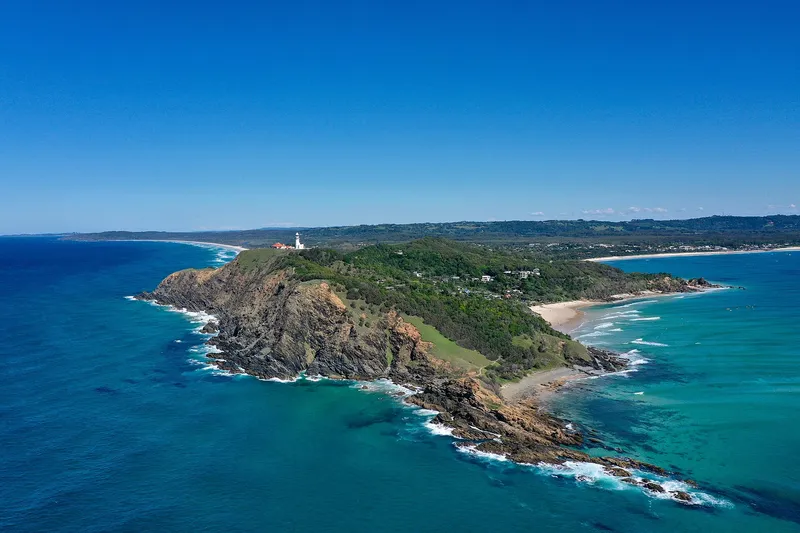 Nomad Score 8.2$3,500/moSafety 8WiFi 6Value 3
Byron Bay is the region's wellness and community pick. It posts a strong 8 for community, well above most Australian cities here, alongside a 9 for nature and air quality and an 8 for climate. This bohemian beach town at Australia's easternmost point draws a steady creative, health-focused crowd. The practical caveat is infrastructure: wifi scores just 6, the lowest among the Australian entries, which matters for video-heavy work. At around $3,500 a month it is not budget, but for surf, yoga and a ready-made social scene it is hard to beat.
-
12
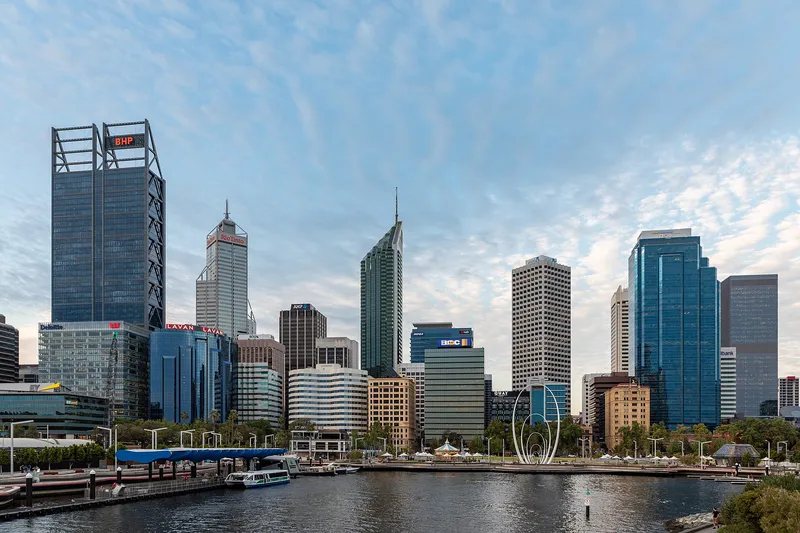 Nomad Score 8$2,870/moSafety 8WiFi 7Value 3
Perth rewards nomads who do not mind isolation. Australia's west-coast capital posts an 8 for climate, safety, nature and air quality alike, backed by long sunny stretches and excellent Indian Ocean beaches. English is a perfect 10 and wifi a reliable 7. The catch is baked into its reputation as one of the world's most remote cities: community sits at 5 and nightlife at 6, and getting anywhere else takes a long flight. At about $2,870 a month it is a calm, clean, sun-soaked base for the self-sufficient.
-
13
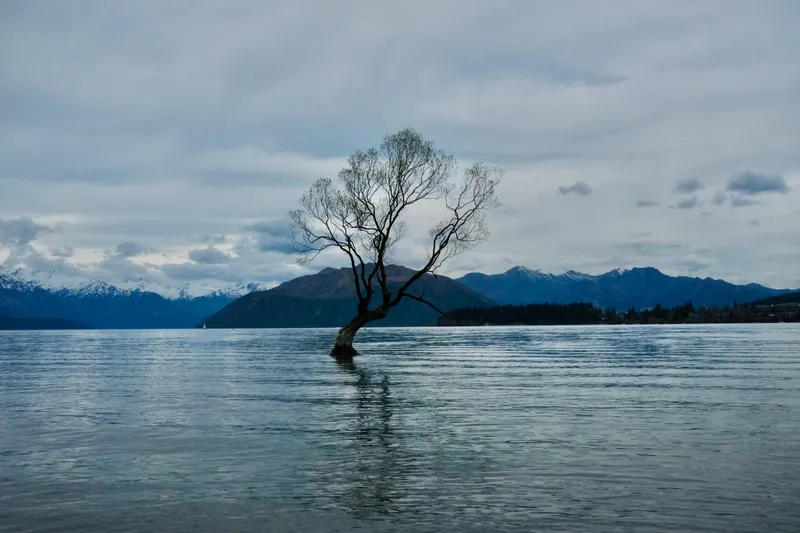 Nomad Score 8$2,360/moSafety 9WiFi 7Value 5
A relaxed lakeside town beneath the Southern Alps, famous for That Wanaka Tree, alpine hikes, and Mount Aspiring beyond.
-
14
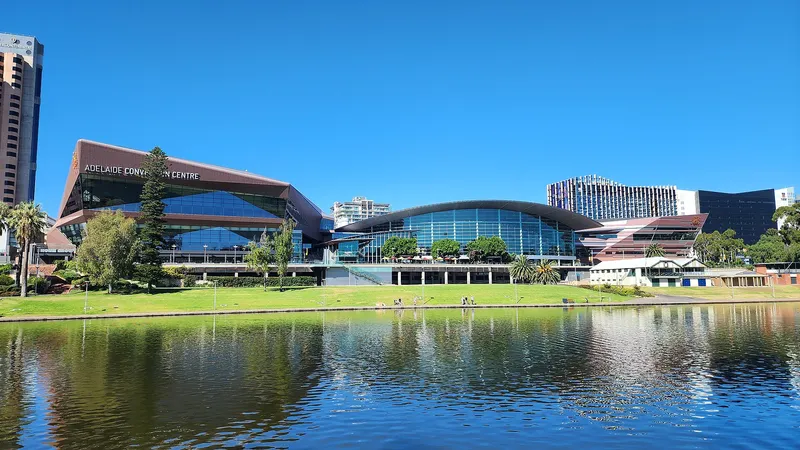 Nomad Score 7.8$2,690/moSafety 8WiFi 7Value 4
Adelaide is one of the region's better-value Australian cities, scoring 7.8 with a cost rating of 4, among the highest here. It earns 8s for safety and cleanliness, with a 7 for climate, culture and food reflecting its festival calendar and surrounding wine country. English is a perfect 10. Nightlife and community sit at 6 and 5, so it reads as calm and livable rather than buzzing. For nomads who want Australian standards, festivals and vineyards without Sydney or Melbourne prices, it is a quietly compelling choice.
-
15
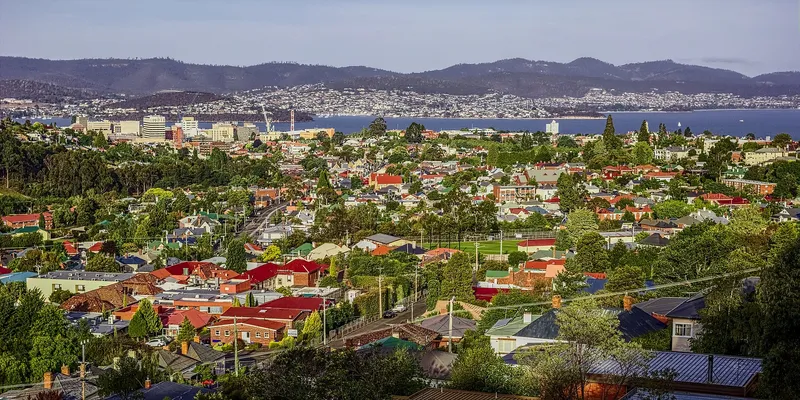 Nomad Score 7.8$2,780/moSafety 9WiFi 7Value 4
Tasmania's capital scores 7.6 and leans hard into nature and art. Nature hits 9 and air quality 9, with a 9 for safety, set against wilderness, fresh produce and the striking MONA museum. At around $2,780 a month it is among the cheaper Australian entries, with a cost rating of 4. The tradeoffs are climate and buzz: the climate score of 5 reflects cool southern weather, and nightlife sits at 5. For nomads who value quiet, clean air and a distinctive creative streak over warmth and pace, Hobart delivers.
The right Oceania base comes down to how you weigh cost against everything the region does well. Sydney and Melbourne offer the fullest all-round packages if your income covers the premium, the smaller New Zealand towns and Launceston cost the least, and cities like Wellington, Brisbane and Adelaide sit in the sensible middle. Use our /compare tool to line up any two or three of these cities side by side on Nomad Score, budget and all thirteen categories, so the tradeoffs are explicit rather than guessed.
If you are still weighing warmth against wilderness, or nightlife against clean air and safety, the /wheel matches your priorities to the destinations that fit them best. Given how far Oceania sits from most of the world and how high the budgets run, it pays to choose deliberately and stay longer once you arrive.
Frequently asked questions
What is the best digital nomad city in Oceania?
By overall Nomad Score, Sydney tops the region at 9.1, level with Melbourne, also 9.1, and ahead of Wellington at 8.9. Sydney combines a perfect English rating, strong safety, fast wifi and world-class beaches, though at around $3,490 a month only Byron Bay costs more.
Which is the cheapest digital nomad city in Oceania?
The cheapest bases on this list are Nelson at $1,800 a month, Launceston at $1,850 and Dunedin at $1,900. Among the Australian cities, Launceston is followed by Adelaide at $2,690, then Melbourne and Canberra at $2,740.
How do Oceania cities work for remote work across time zones?
Wifi and infrastructure are excellent, with most cities scoring 7 to 9. The challenge is time zones: sitting UTC+8 to UTC+13, Oceania overlaps well with Asia but sits nearly opposite Europe and the Americas, so teams there mean very early or very late calls. It suits asynchronous work better than synchronous.
What visa options do digital nomads have in Oceania?
Australia and New Zealand have no true digital nomad visa, so eligible younger travelers typically use working-holiday visas, while pure remote workers often rely on tourist entry, which caps how long they can legally stay.
How is this ranking of Oceania cities calculated?
Cities are ranked by their overall Nomad Score among the destinations we rate in Oceania. The score blends thirteen categories, including cost, safety, wifi, nature, climate, food, community and air quality, into a single figure, so the order reflects all-round suitability rather than any single metric.