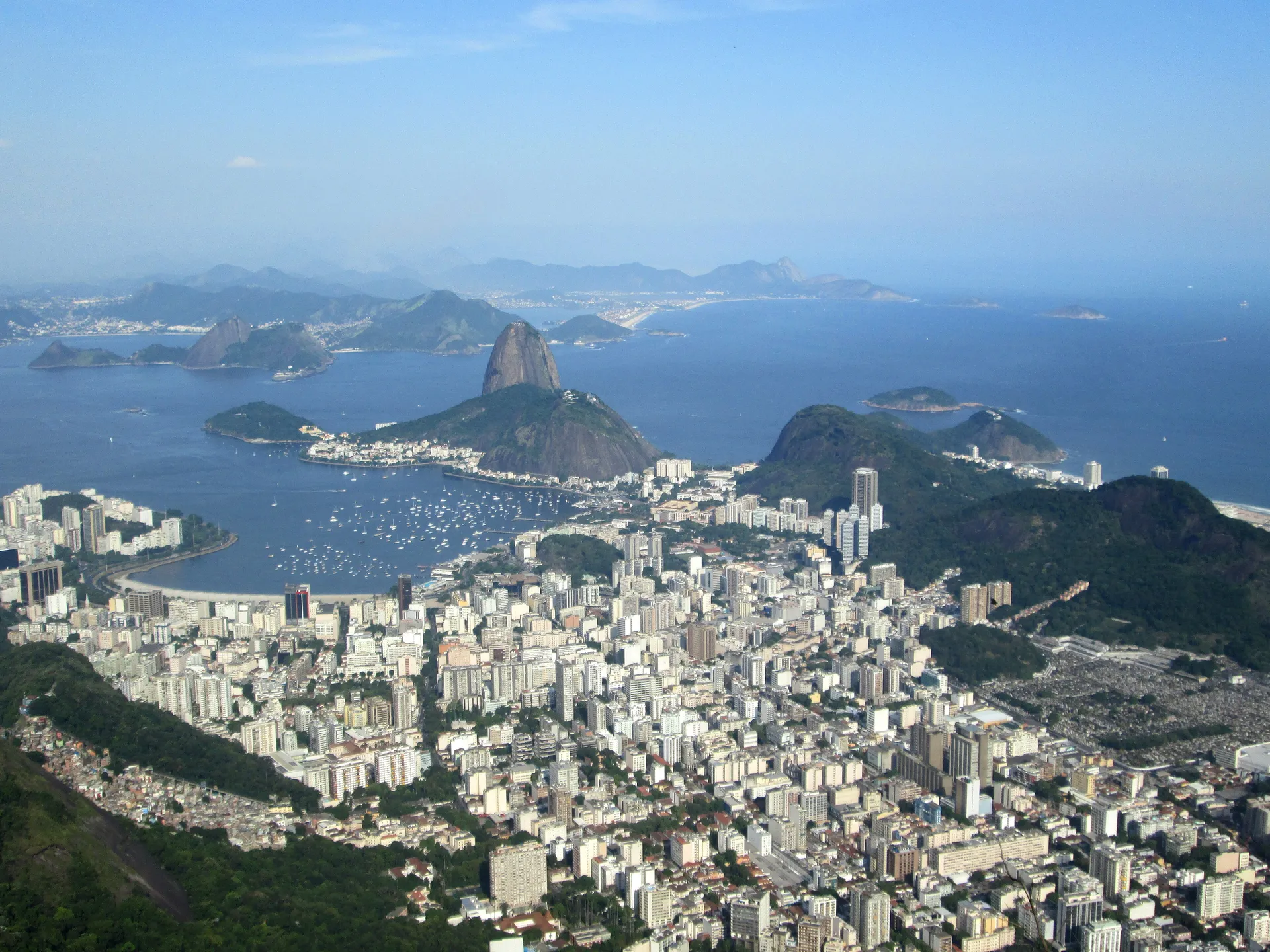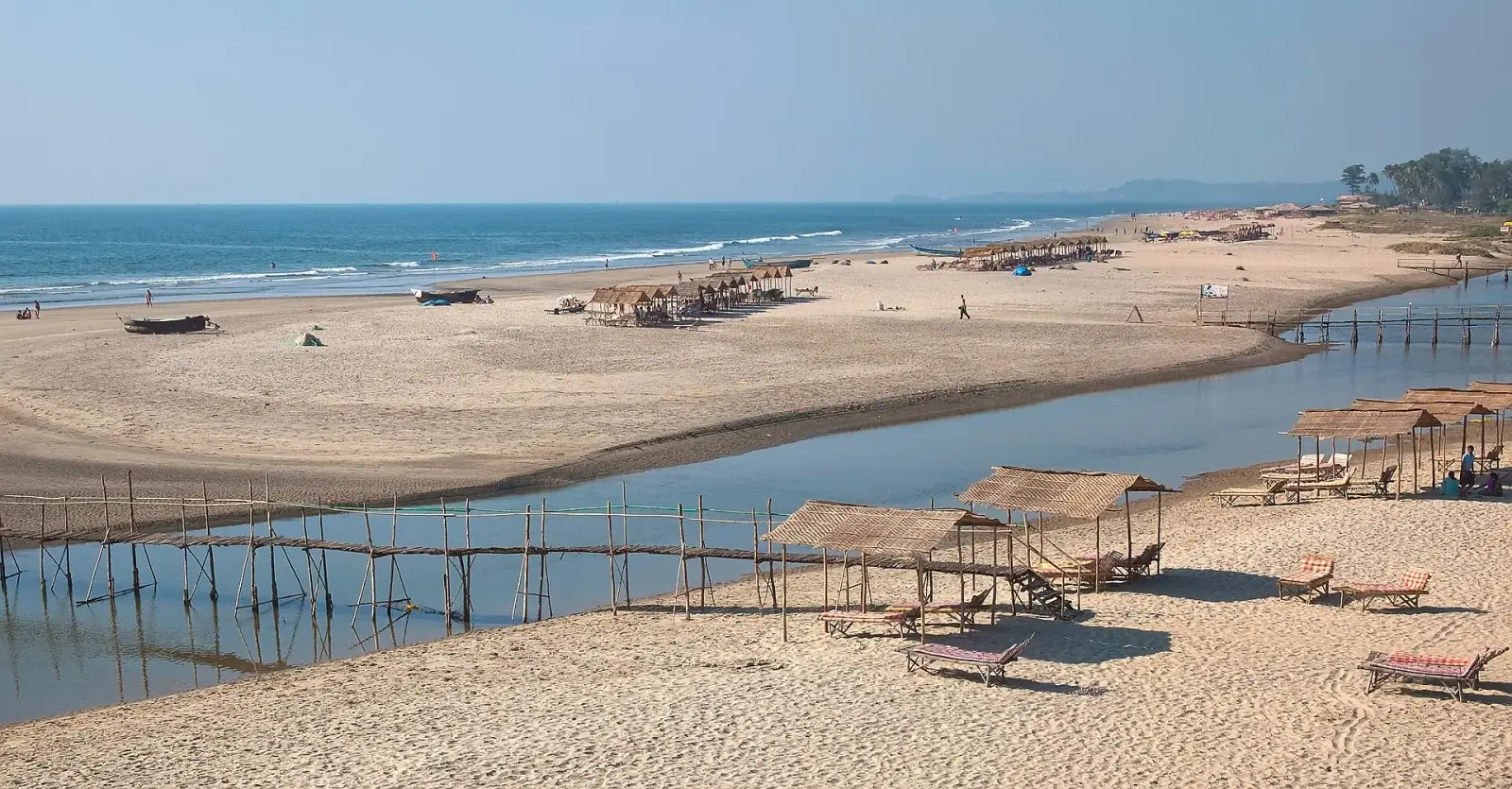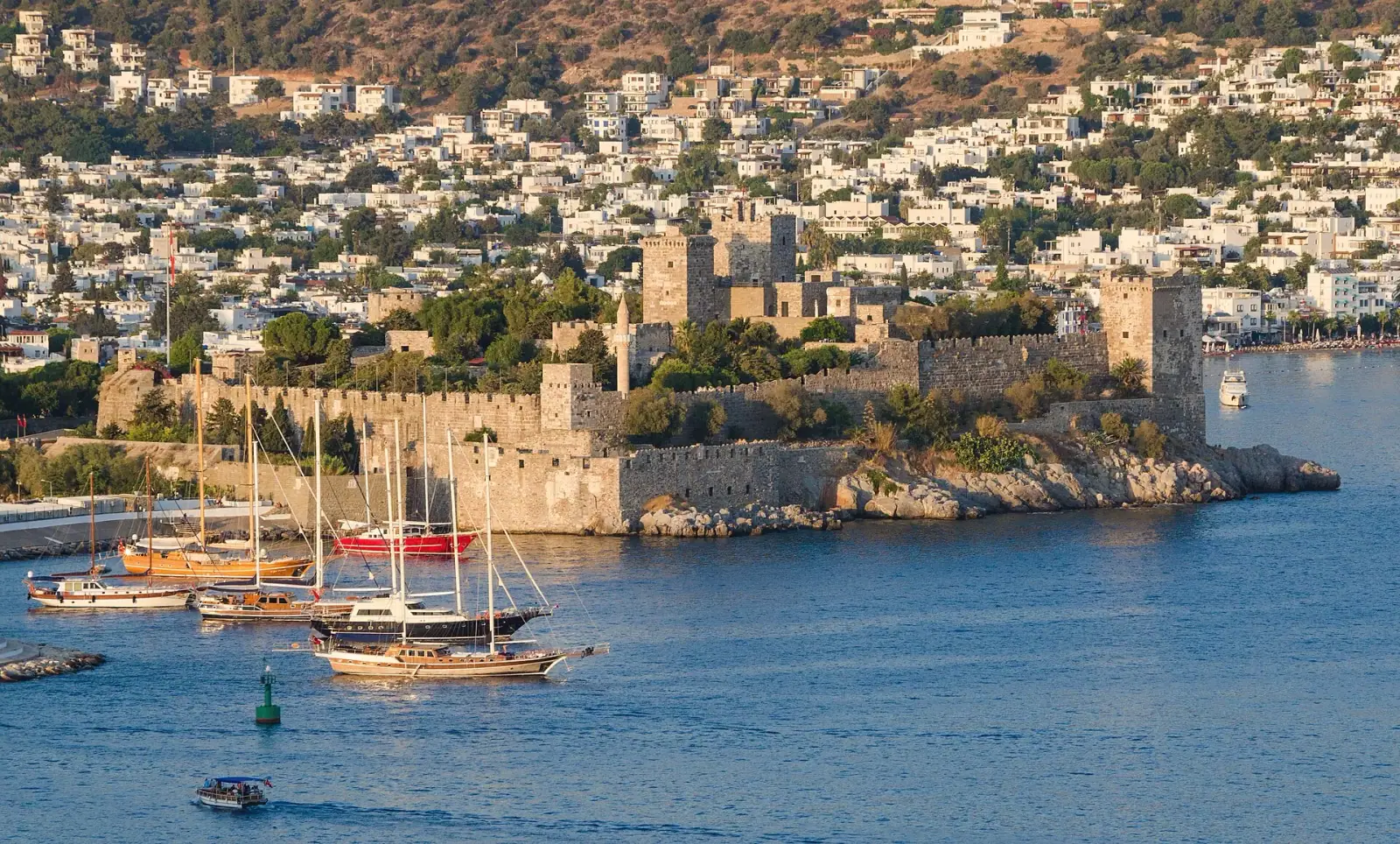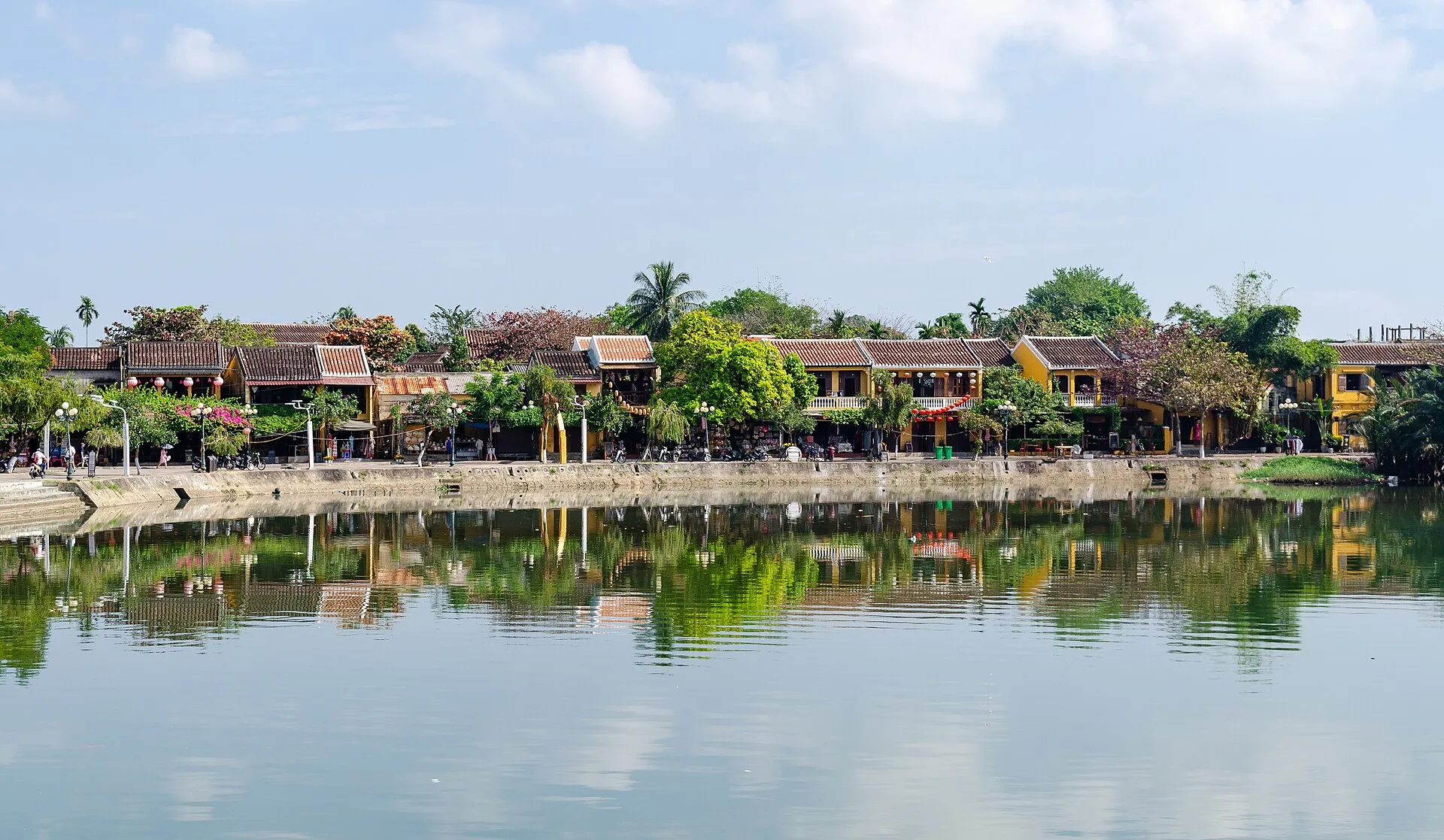
Every city on this list sits on the sea. Nobody set that as a rule; it is simply where the ranking keeps landing once cost, internet, safety, weather, community and the rest are weighed together. Coastal cities tend to have the mild winters, the airports and the kind of ordinary daily pleasures, a swim, a promenade, a ferry, that keep a remote worker content for months rather than weeks.
Look closer and the list splits in two. Nine of the fifteen are Spanish, Portuguese, Greek or Croatian, and they include the cheapest bases here: Naxos at about $1,400 a month and Paros at $1,450, with Split, Lanzarote and Las Palmas not far behind. The other six are in Australia, New Zealand, Japan and North America, and they start at about $3,200 a month in Wellington and climb to $4,500 in Sydney and San Diego.
So the first decision is less which city than which half. Southern Europe gives you lower costs and short, cheap flights between your next few bases. The six further afield give you an exceptionally smooth daily life and, everywhere except Tokyo, English as the language of every errand, at a price and with time zones that make calls to Europe or the Americas awkward.
Cities are ranked by their overall Nomad Score, our calibrated composite of all 13 category scores (cost, wifi, safety, climate, community, food, culture and more) across our 1,000-city index. Explore the numbers yourself on the comparison tool or browse all 1017 city guides.
At a glance
 Lisbon
Fast internet, a large and long-established nomad community and mild winters in one walkable city, with rent the thing to plan around.
Cheapest overall Naxos
About $1,400 a month for the largest of the Cyclades, an island that grows its own food and does not shut down in October.
Best for safety Tokyo
Streets you can walk at any hour and trains that run to the minute, for anyone who values order over low prices or easy English.
What to weigh before you book
A place near the top of this list has no single weakness bad enough to end a stay. It does not tell you which weakness you are signing up for, and here they could hardly be more different. Barcelona's is pickpockets and a competitive rental market. Wellington's is the wind. Naxos and Paros are islands, which means ferries that weather can cancel, internet that varies by address and a very quiet February. Tokyo asks you to work around the language. Find the trade you can live with before you look at anything else.
Then check the things a ranking cannot see. How long your passport lets you stay decides whether a base is viable at all. The overlap between your working day and your clients' shapes daily life more than the weather does. And seasons change these places completely: Split in August and Split in February are different cities, and the same goes for every island on the list.
The ranking
-
1
 Nomad Score 9.6$3,500/moSafety 8WiFi 8Value 3
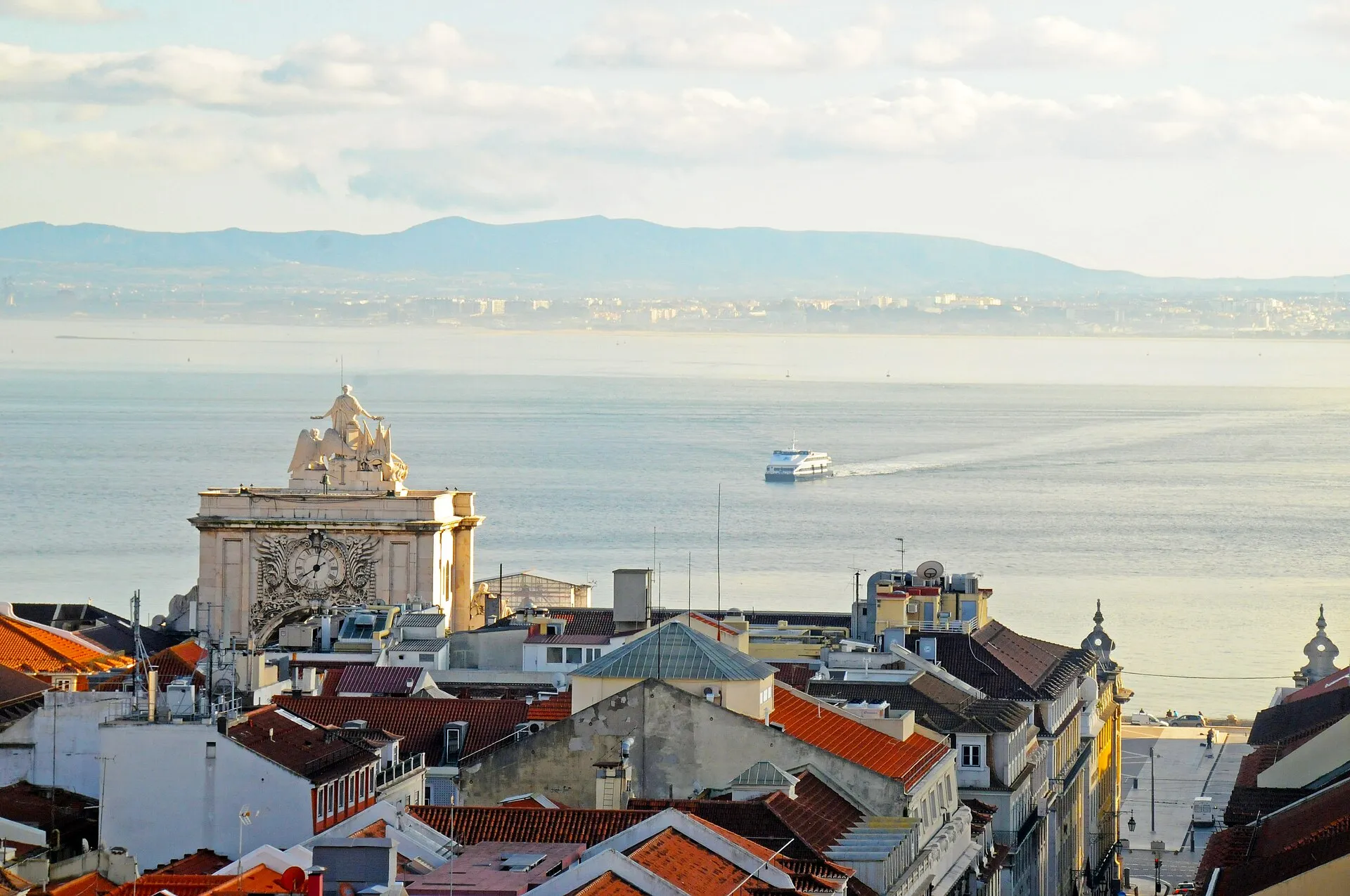
Yellow trams grind up the hills of Lisbon, and much of the city's charm is in the climbing: alleys in Alfama, the garden squares of Príncipe Real, the miradouros where the evening light goes off the Tagus. You could work in the morning at a coworking space near Rossio, eat lunch in Cais do Sodré and still catch the sunset from a viewpoint. Internet is fast and cheap, English is widely spoken and the nomad community is large and long-established. Rent is the catch, pushing the budget to about $3,500 a month, and old flats are damp and cold in winter.
-
2
 Nomad Score 9.3$3,800/moSafety 6WiFi 8Value 3
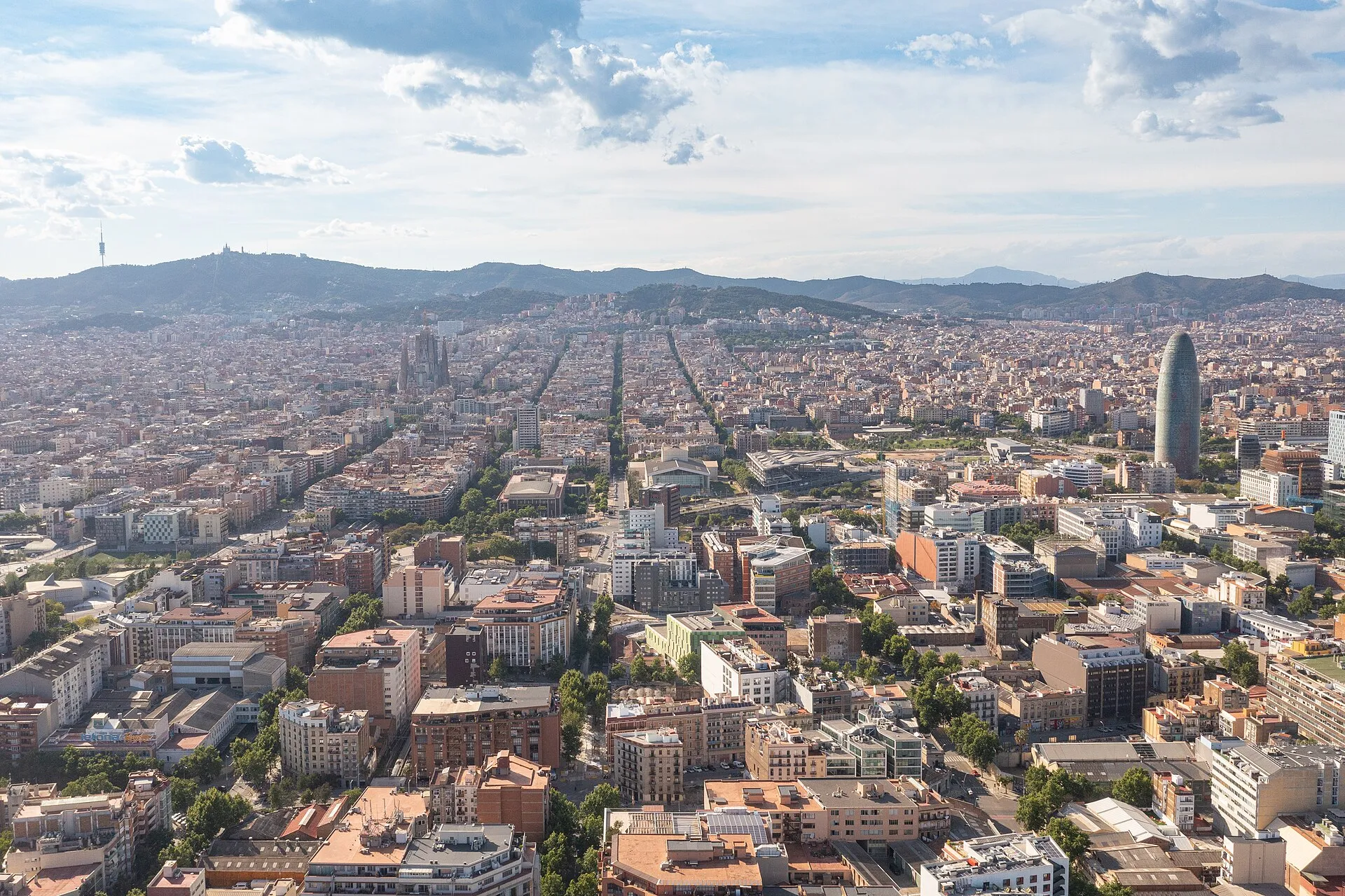
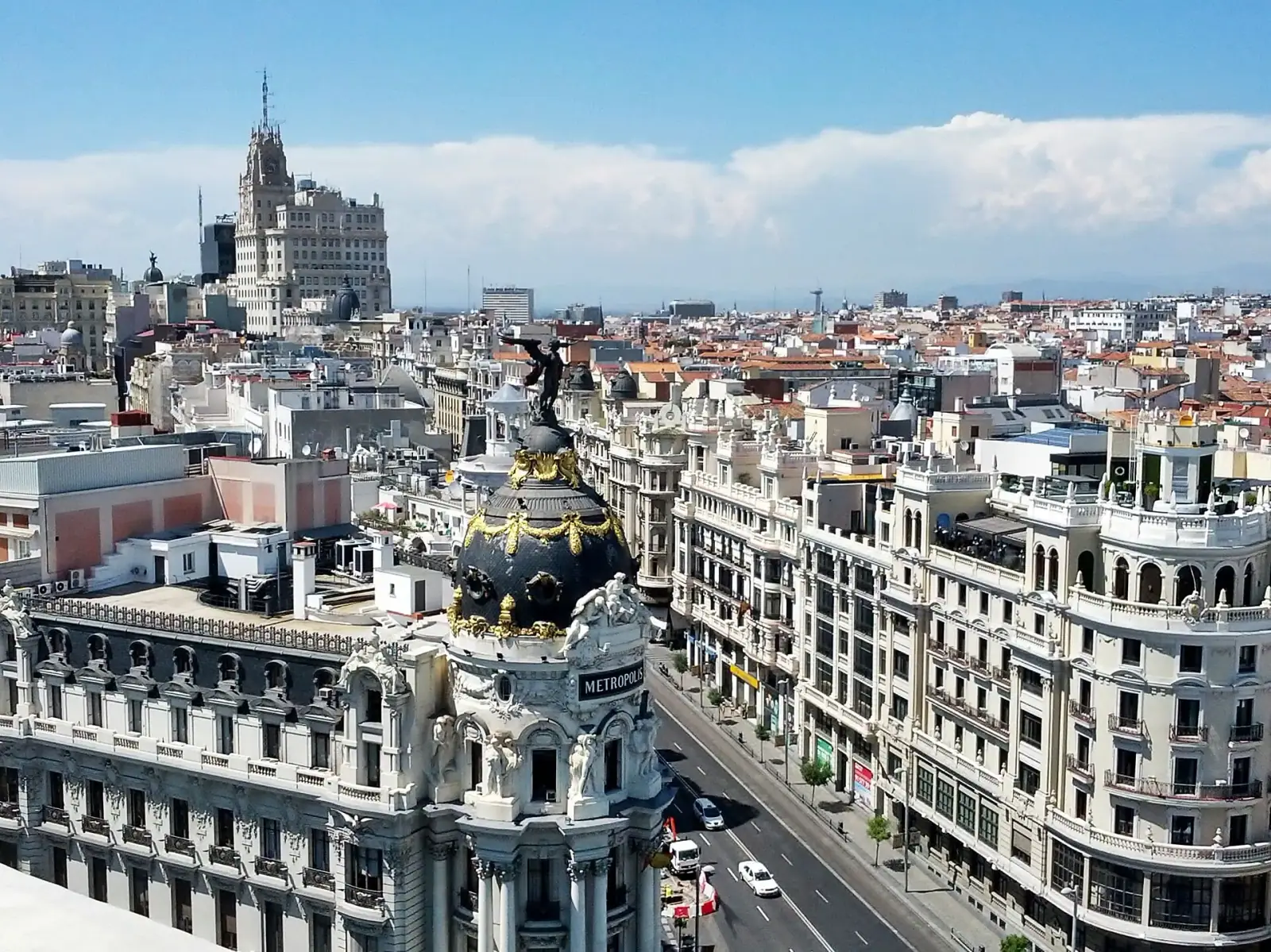
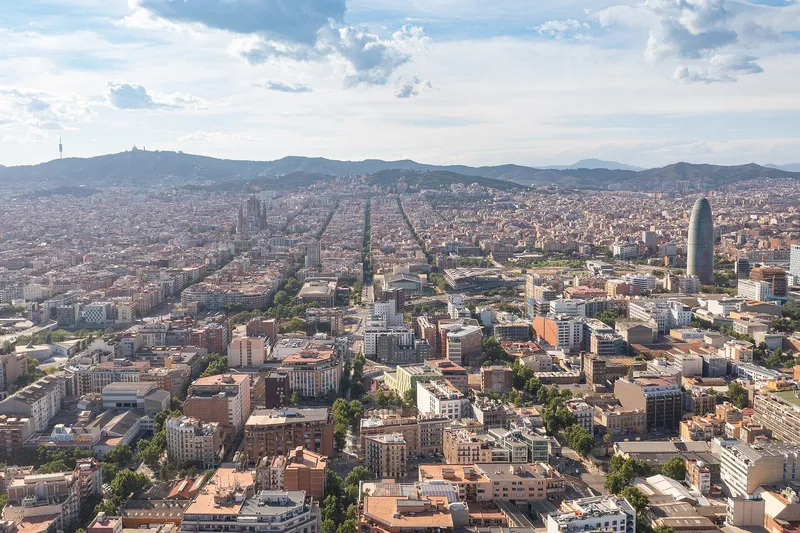
Few cities fit a beach, a mountain and a medieval quarter into one metro network. In Barcelona many people rent in the Eixample, whose grid of wide blocks was planned in the 1800s; Gràcia has the small squares and village feel; and Poblenou, the old industrial district by the sea, is where tech offices and coworking spaces have gathered. Food, culture and nightlife come with a big international crowd. So do the problems: rents have climbed fast, the hunt for a long-term flat is competitive, and pickpockets work the tourist zones. Plan on about $3,800 a month.
-
3
 Nomad Score 9.1$2,800/moSafety 8WiFi 8Value 4
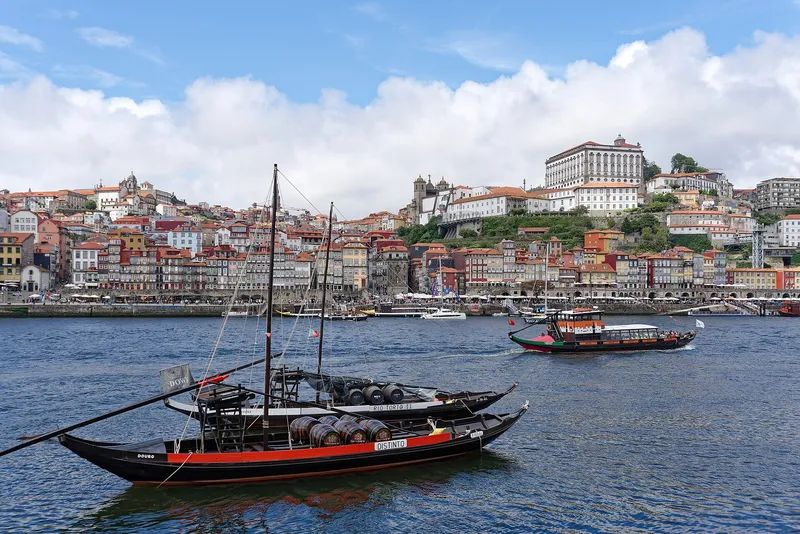
Porto is built on a granite slope above the Douro, with the port wine lodges of Vila Nova de Gaia facing it across the river. It is smaller, calmer and cheaper than Lisbon, at about $2,800 a month, with fast fibre, a metro line that runs straight to the airport and a remote-worker community that has grown without taking the city over. The hills are steep, and from November to March winters are wet and grey. In exchange, the Atlantic promenade at Foz do Douro is a short ride from the centre, and the food and wine are excellent for the price.
-
4
 Nomad Score 9.1$1,450/moSafety 9WiFi 7Value 6
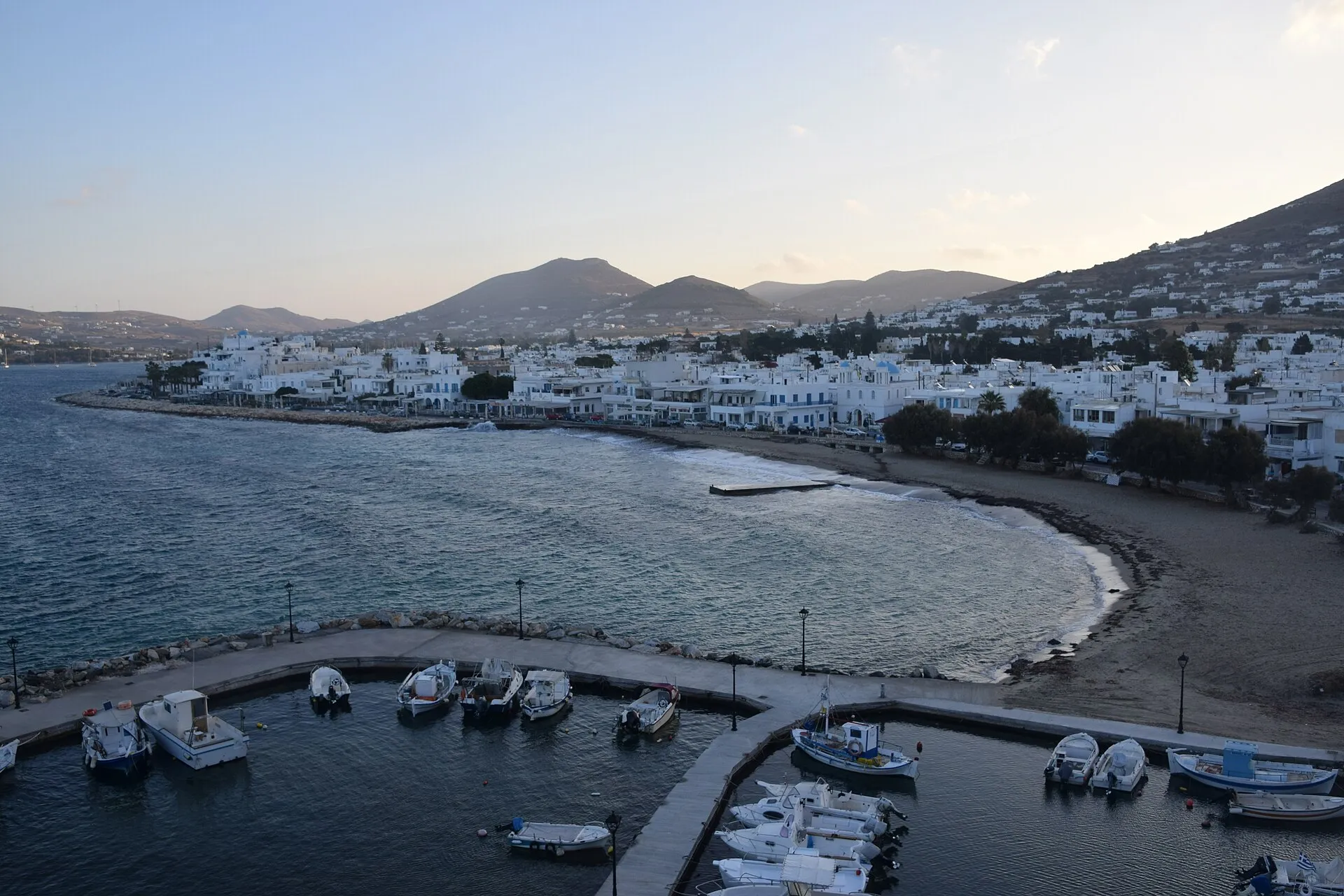
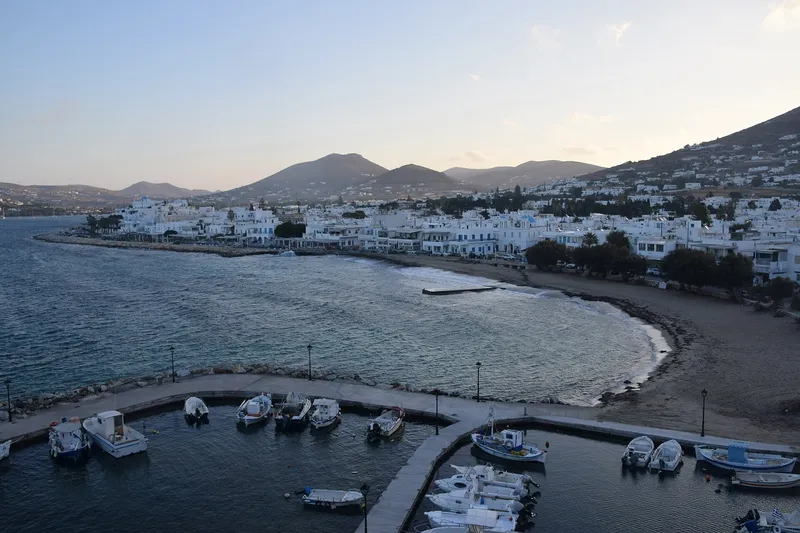
October is the test of a Greek island, and Paros passes it. Parikia, the port town, keeps its supermarkets, banks and health centre open through the winter, while Naoussa's old fishing harbour is the pretty side of the island. There are marble villages, beaches on every coast, good windsurfing and a small remote-work community. At about $1,450 a month it is one of the cheapest bases on this list, but island rules apply: ferries are the lifeline and bad weather cancels them, internet depends on the address, and a year-round lease is best signed before summer prices return.
-
5
 Nomad Score 8.9$4,500/moSafety 8WiFi 7Value 2
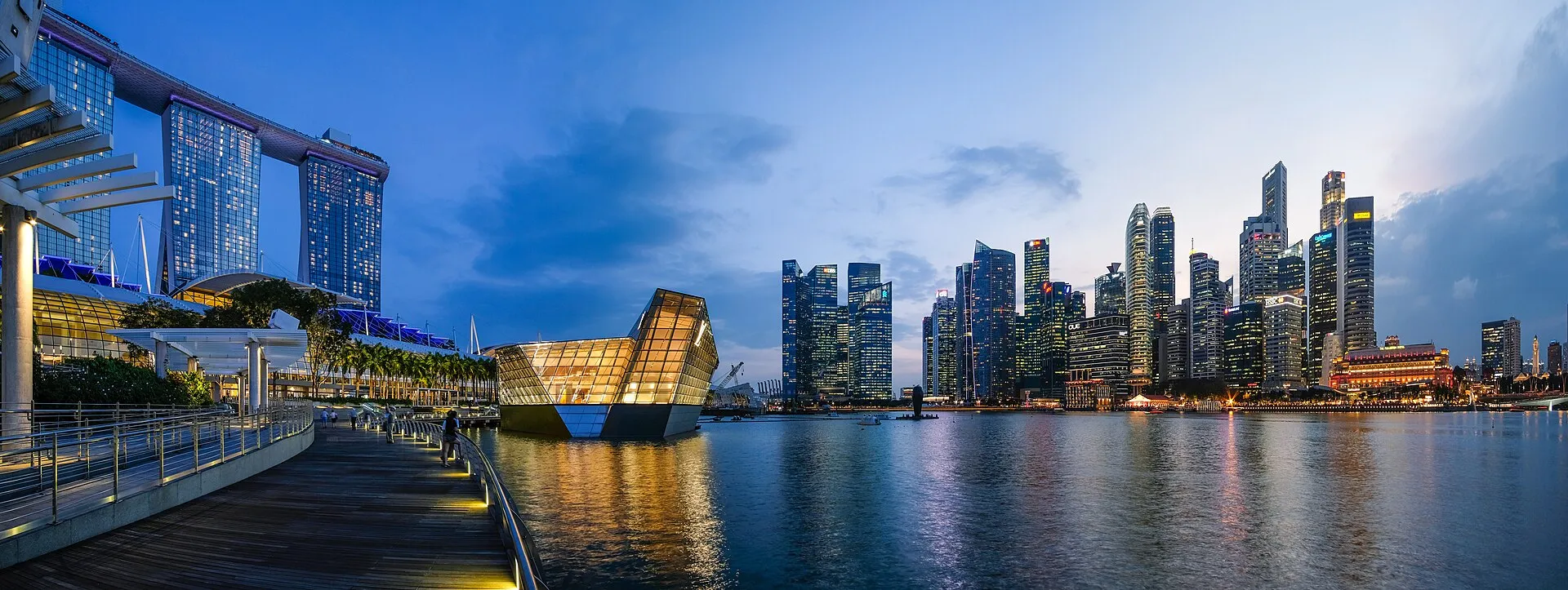
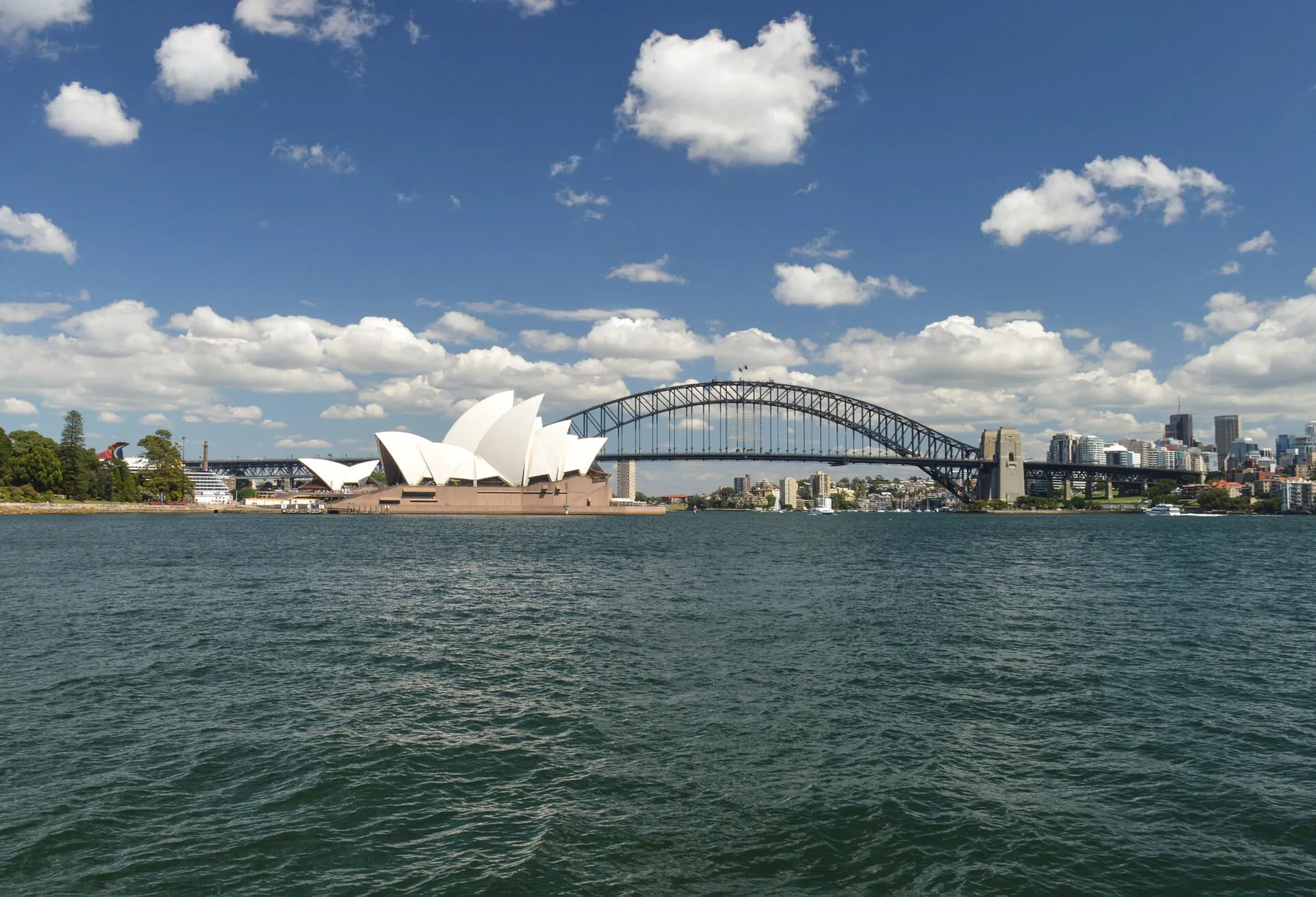
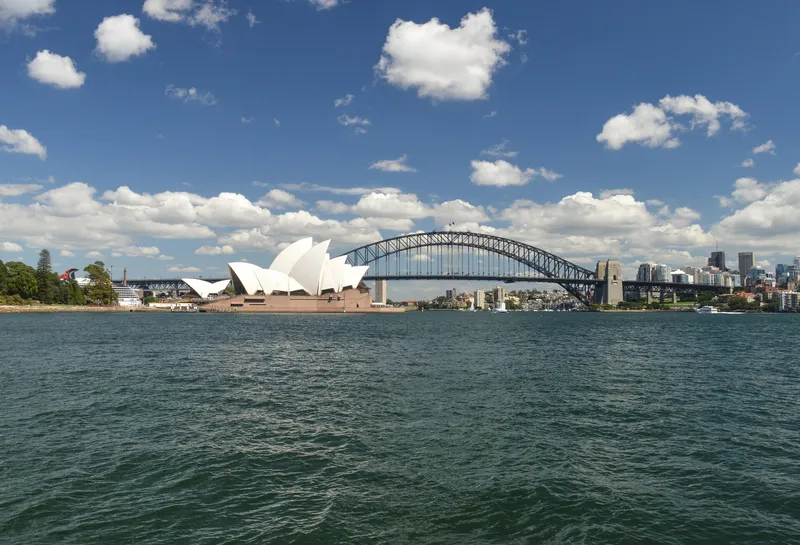
Sydney's commute can be a ferry. From Manly, the boat across the harbour to Circular Quay passes the Opera House on the way in, and national parks begin at the edge of the city, with Royal National Park to the south and Ku-ring-gai Chase to the north. Surry Hills and Newtown are full of cafés, the internet is reliable and the streets are safe. Two things count against it. Rent pushes the budget to about $4,500 a month, and the time zone turns calls with Europe or the Americas into early-morning or late-evening affairs.
-
6
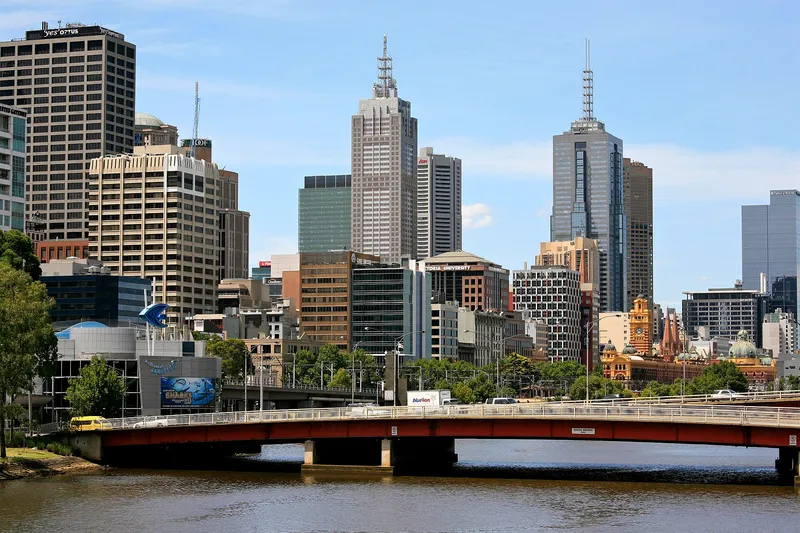 Nomad Score 8.9$4,000/moSafety 8WiFi 7Value 3
Start in the laneways. Central Melbourne hides much of its life in narrow lanes such as Degraves Street, lined with espresso bars, and Hosier Lane, covered in street art. Trams are free inside the central zone, and suburbs like Fitzroy and St Kilda give you either a dense café strip or a seaside promenade. Coffee is taken seriously, the food scene is excellent and there is a large community of remote workers. The weather can run through several seasons in one day and winters are grey. Budget about $4,000 a month, a little less than Sydney.
-
7
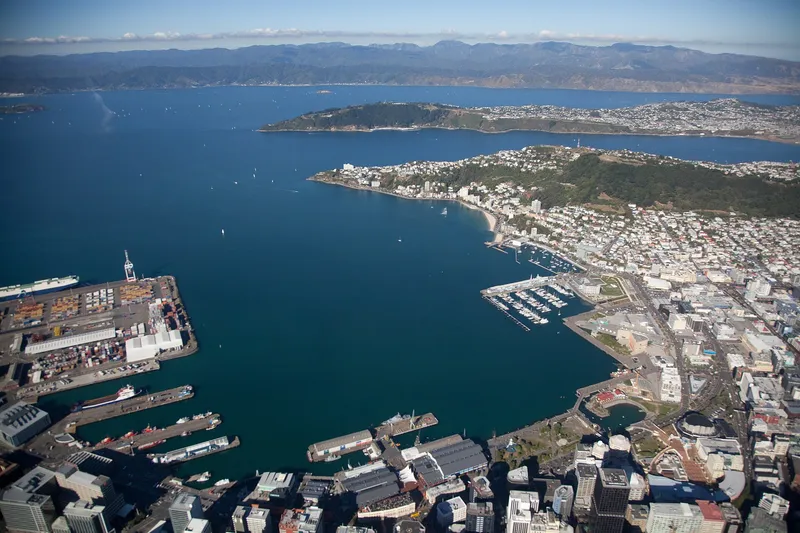 Nomad Score 8.9$3,200/moSafety 9WiFi 8Value 4
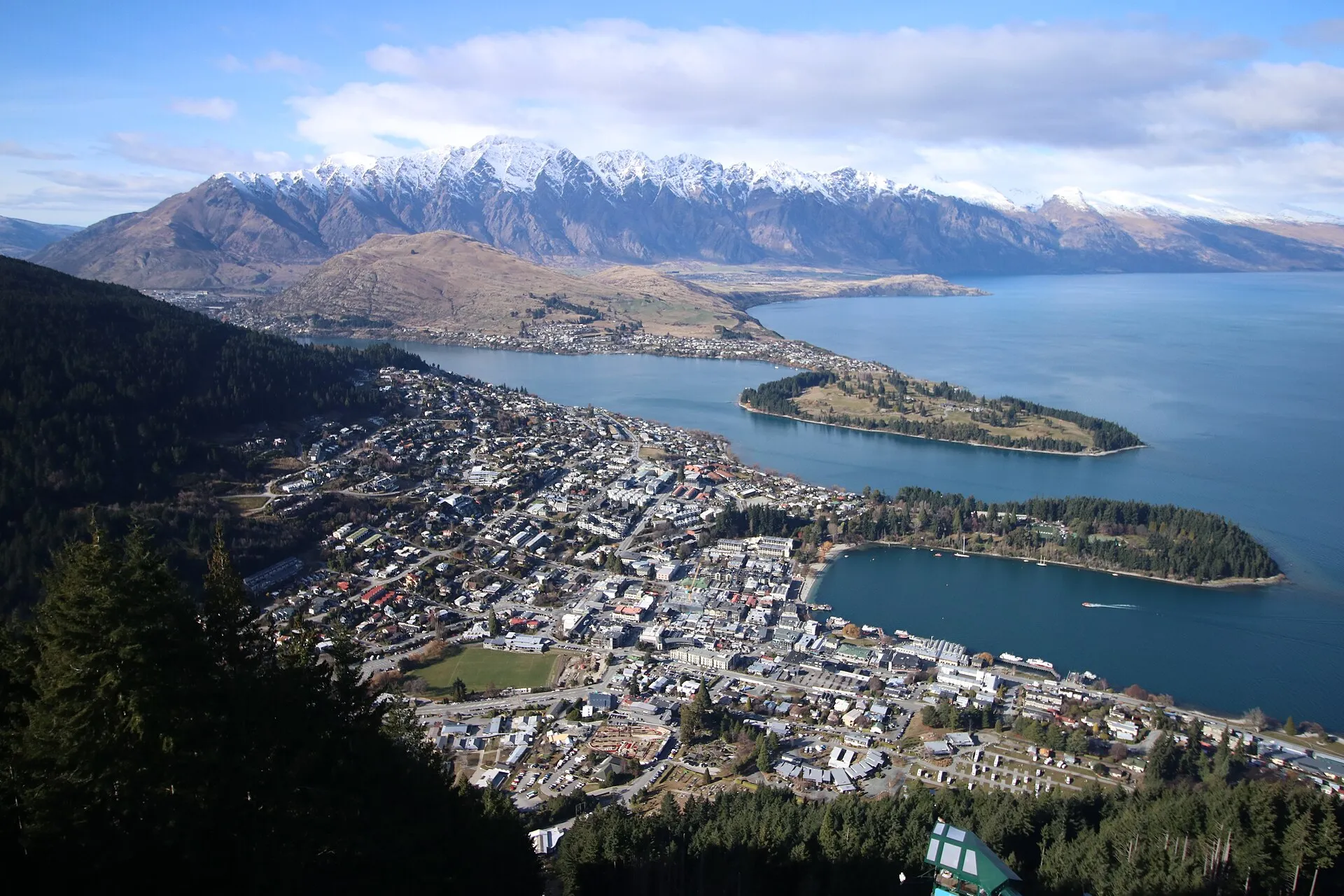
Take the cable car up from Lambton Quay to the Botanic Garden and Wellington lays itself out below you: a capital squeezed between a harbour and steep green hills. The centre is compact enough to walk, Cuba Street is lined with cafés and bars, and Te Papa, the national museum, sits on the waterfront. Fibre is fast, the streets are safe and the coffee is excellent. The wind is the price of admission; it is constant and some people never get used to it. At about $3,200 a month it costs less than the Australian cities here, though every flight out is long.
-
8
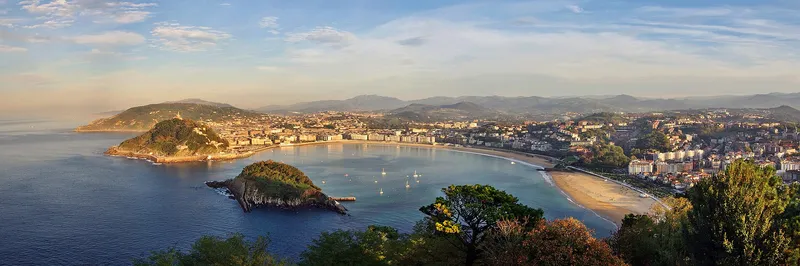 Nomad Score 8.9$3,300/moSafety 9WiFi 8Value 4
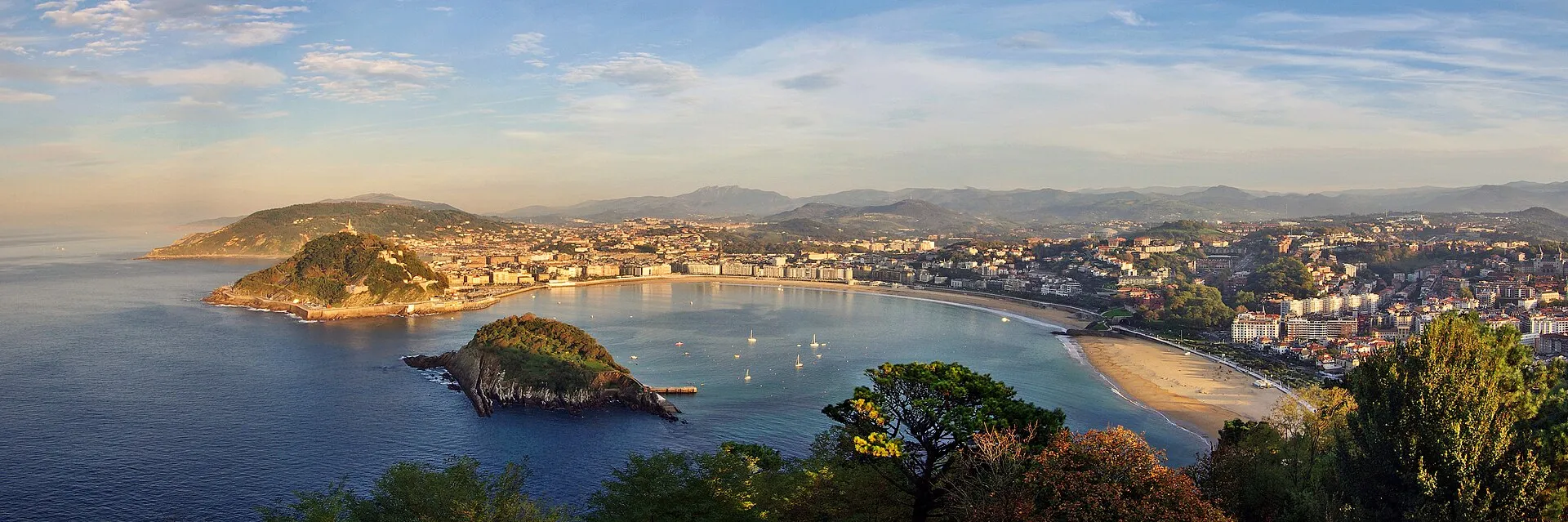
Dinner in San Sebastián is assembled one small plate at a time, standing at the counters of pintxos bars in the Parte Vieja, the old quarter. The city wraps around La Concha, a shell-shaped bay with a beach in the middle of town, and the Basque countryside, the French coast and the mountains are all close. Streets are safe, walkable and calm. It is a small city, though, with a modest English-speaking scene, frequent rain outside summer and tight long-term housing, and most international flights go through Bilbao or Biarritz. Expect about $3,300 a month, and expect to use Spanish.
-
9
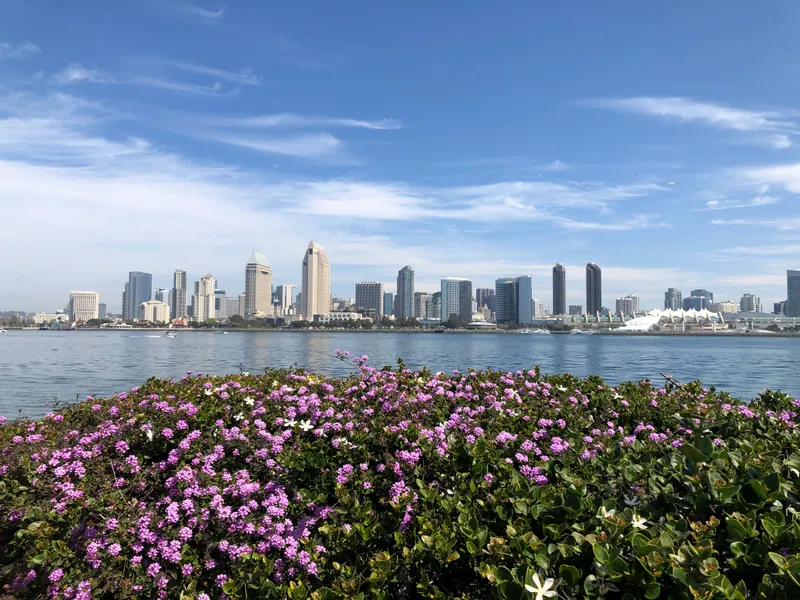 Nomad Score 8.9$4,500/moSafety 7WiFi 9Value 2
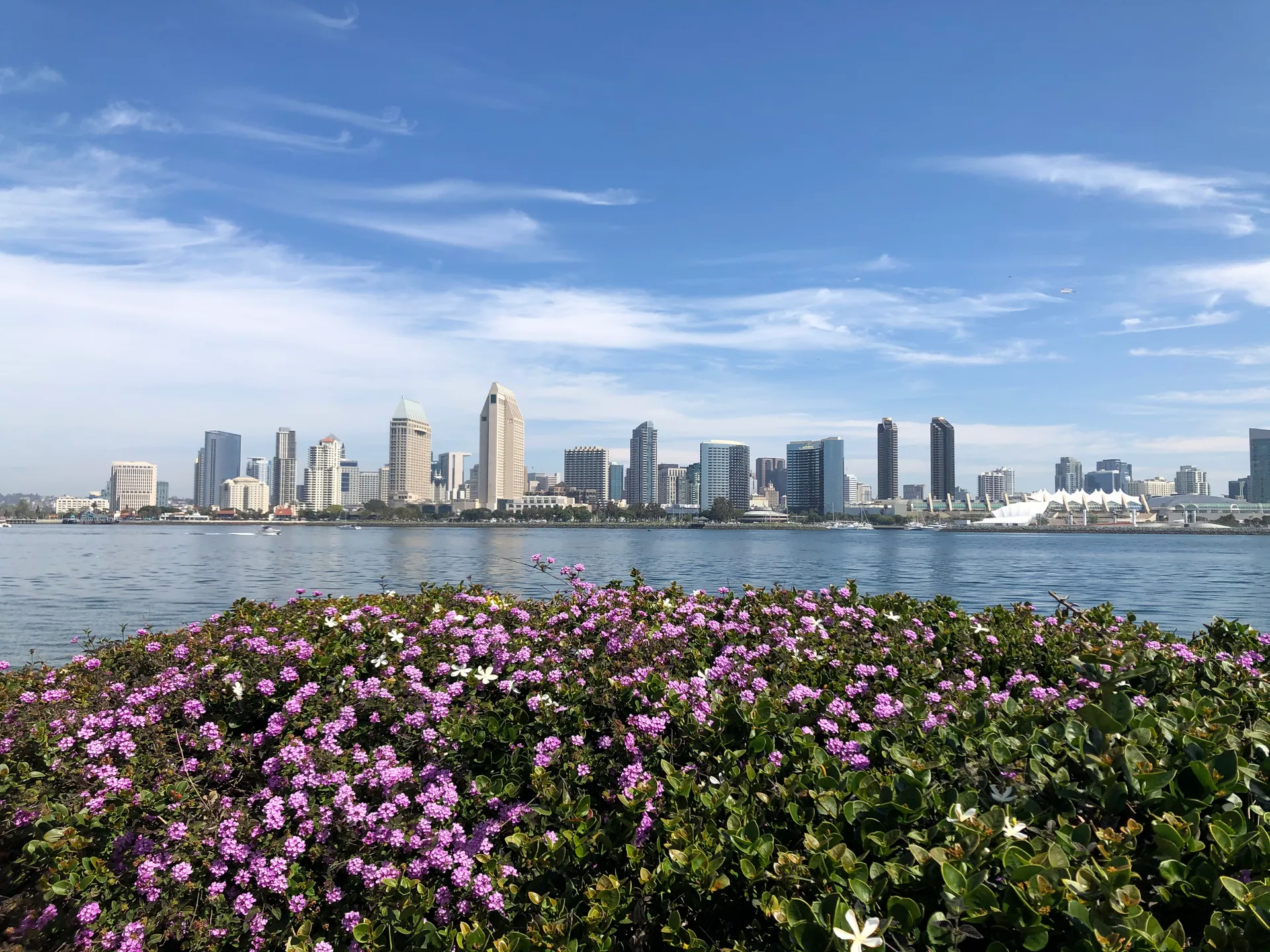
Almost everything people love about San Diego happens outdoors. Balboa Park, with its museums and gardens, is a short trip from downtown; sea lions haul out on the rocks at La Jolla Cove; surf breaks run up the coast from Pacific Beach; and the weather allows all of it nearly every day of the year, apart from the grey marine layer of May and June. North Park has the cafés and breweries, the internet is dependable and the airport is close to the centre. Outside a few walkable districts you will want a car, and rent sets the budget at about $4,500 a month.
-
10
 Nomad Score 8.7$2,300/moSafety 8WiFi 6Value 6
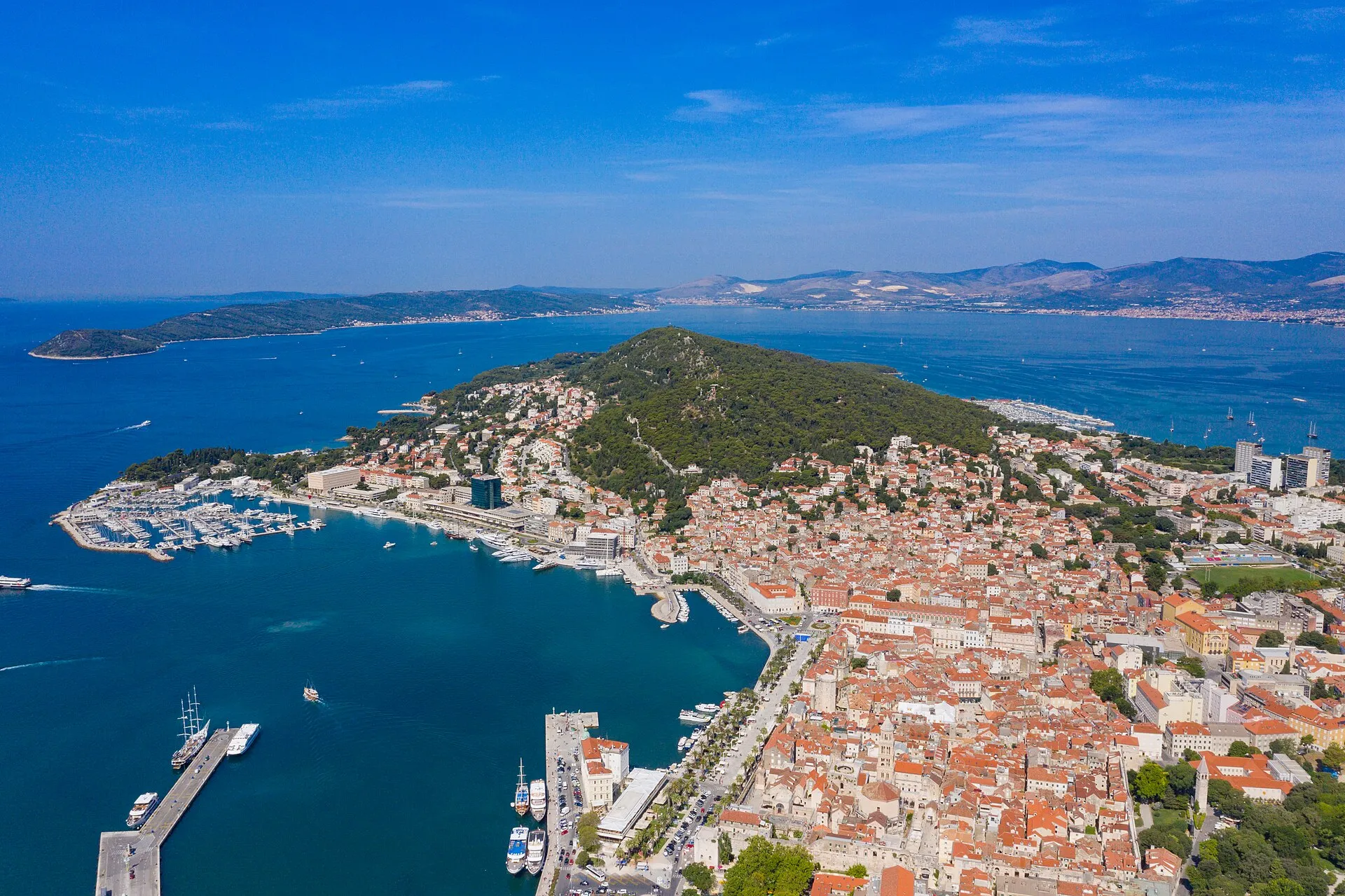
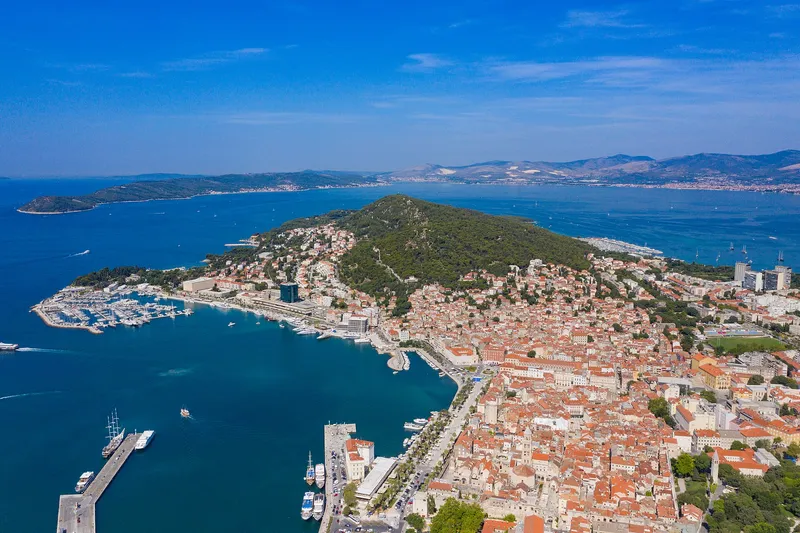
People live inside Split's Roman palace. The walls Diocletian built for his retirement now hold apartments, cafés and shops, and the Riva promenade runs along their seaward side. From the harbour, ferries leave for Brač, Hvar and the rest of the Adriatic. Internet and mobile data are fast and cheap, and the budget, at about $2,300 a month, is gentle for a Mediterranean coast. Timing decides everything: summer brings crowds, noise and landlords who prefer tourists, while winter is quiet to the point of closures. Spring and autumn are when Split works best as a base.
-
11
 Nomad Score 8.7$4,000/moSafety 10WiFi 7Value 3
Nobody lives in all of Tokyo. Most people pick a corner of it: Shimokitazawa with its vintage shops and small theatres, Koenji and its bars, or Nakameguro, where cherry trees line the Meguro River. Trains tie it together with a punctuality that makes owning a car pointless, the food is superb at every price and the streets are safe at any hour. Living here takes patience with the language outside central areas, with apartments that are tiny by Western standards and with a cash habit that still turns some cards away. Budget about $4,000 a month, and avoid the humid summer if you can.
-
12
 Nomad Score 8.7$4,000/moSafety 8WiFi 8Value 3
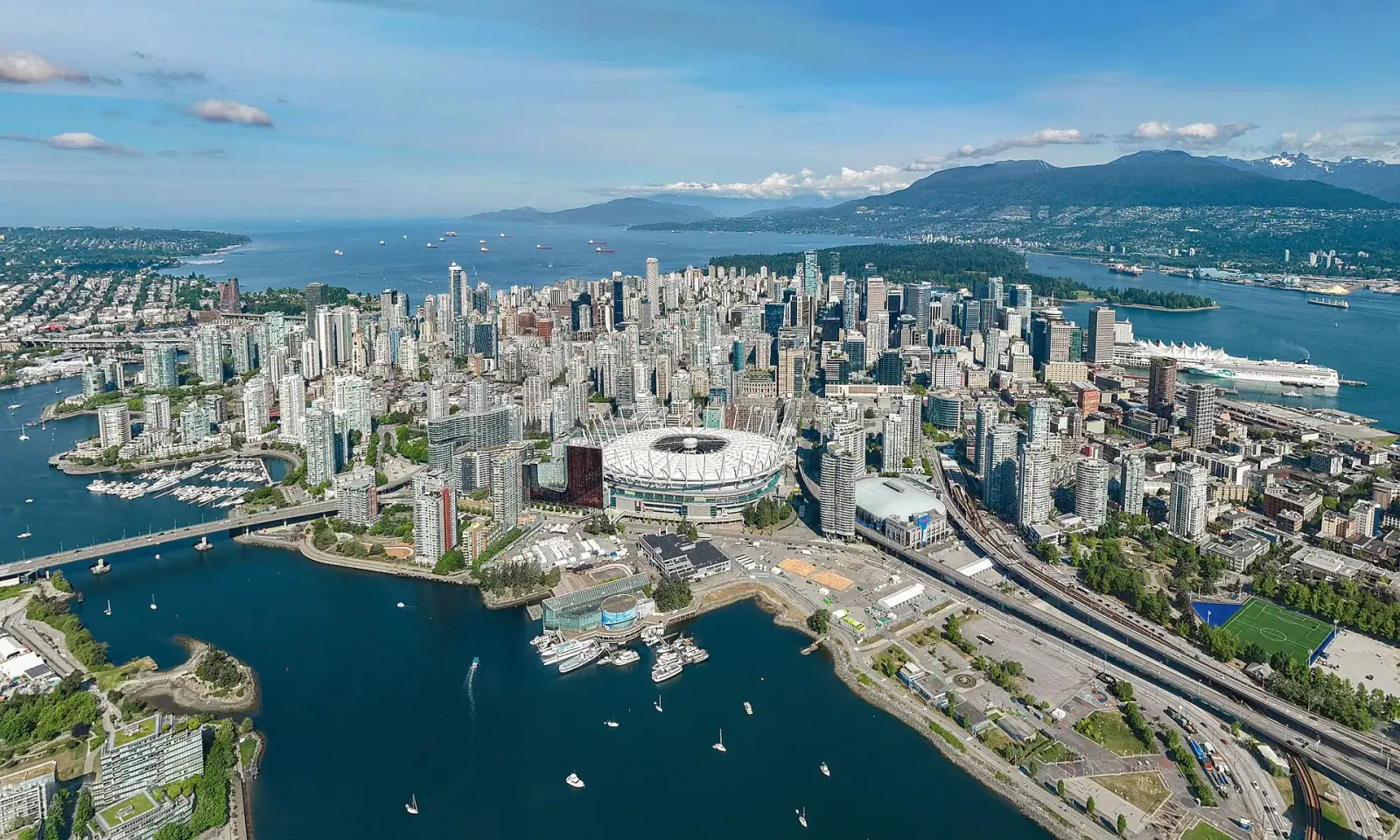
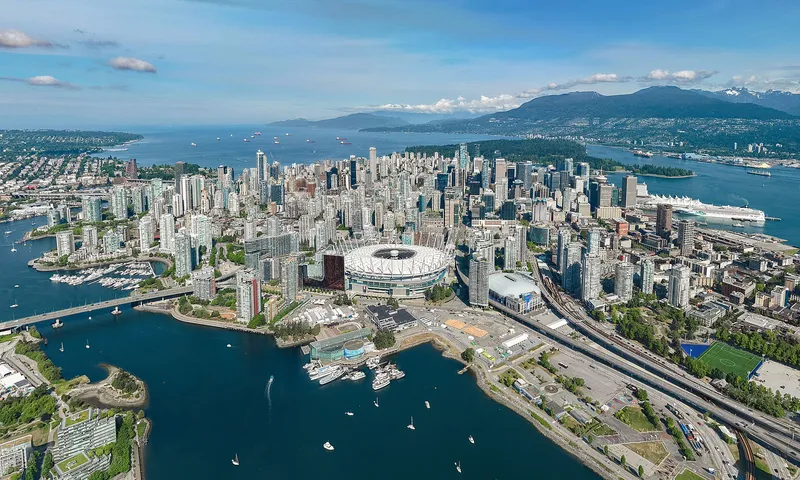
Downtown in the morning, a mountain trail on the North Shore by mid-afternoon: that is the Vancouver pitch, and it holds up. The seawall loops around Stanley Park at the tip of the downtown peninsula, Kitsilano has the beaches and Commercial Drive the cafés and Italian delis. Transit is good, the core is bikeable and the internet is reliable. Two things decide whether you love it. Rent is among the steepest in North America, which pushes the budget to about $4,000 a month, and the winters are long, grey and wet. The dry, bright summers are the compensation.
-
13
 Nomad Score 8.7$1,400/moSafety 9WiFi 6Value 6
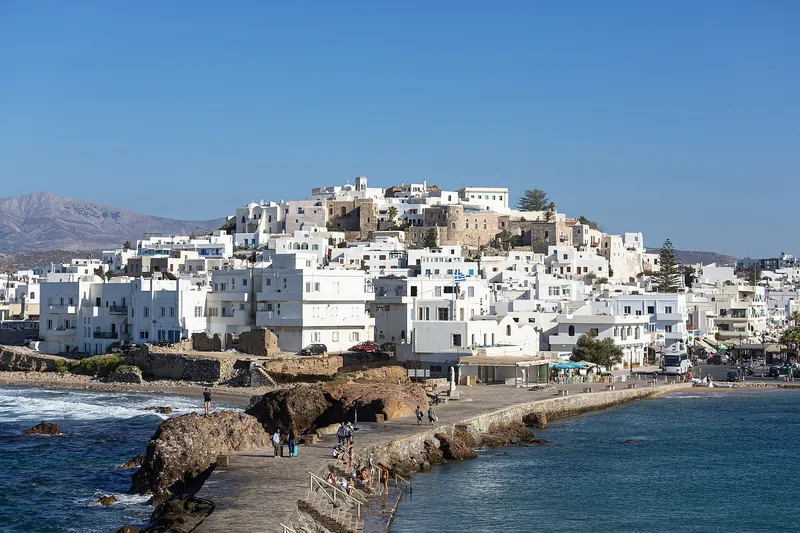
Naxos feeds itself. The largest of the Cyclades has farms and mountain villages, its own potatoes, cheese and citron liqueur, and the food on the island is better for it. Chora, the port town, climbs to a Venetian castle, and the marble Portara gateway stands on an islet at the harbour mouth. West coast beaches run for kilometres and are rarely crowded. At about $1,400 a month it is the cheapest base on this list. In return you accept ferries that weather can cancel, internet that varies by address, a quiet February and a flight to Athens for anything beyond the health centre.
-
14
 Nomad Score 8.7$1,900/moSafety 9WiFi 8Value 6
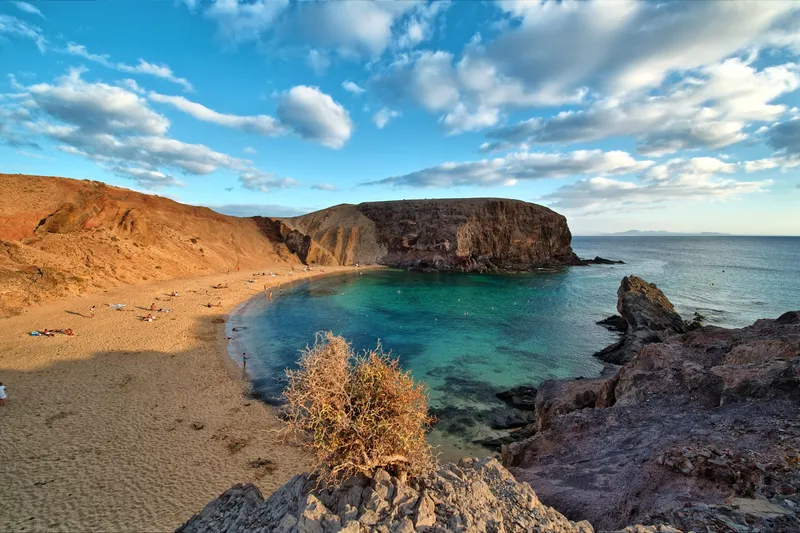
Lanzarote looks like nowhere else in Europe. Lava fields cover Timanfaya, vines grow in black ash pits at La Geria, and the artist César Manrique, who campaigned to keep the island's buildings low and white, left his work everywhere from the Jameos del Agua caves to the Mirador del Río. It is sunny, safe and easy to reach from Europe, and the Canaries run on UK time, which suits British and European clients. You will need a car, the wind can be relentless and the nomad community is small. At about $1,900 a month, it rewards quiet routines and surfing at Famara.
-
15
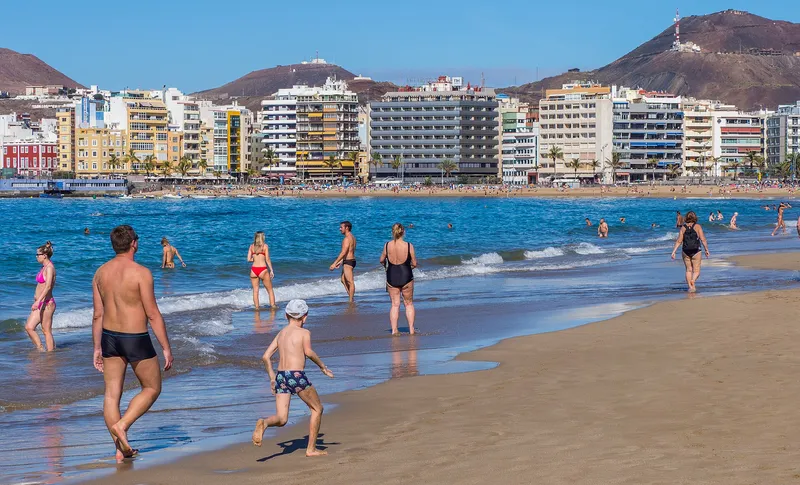 Nomad Score 8.5$2,400/moSafety 7WiFi 7Value 5
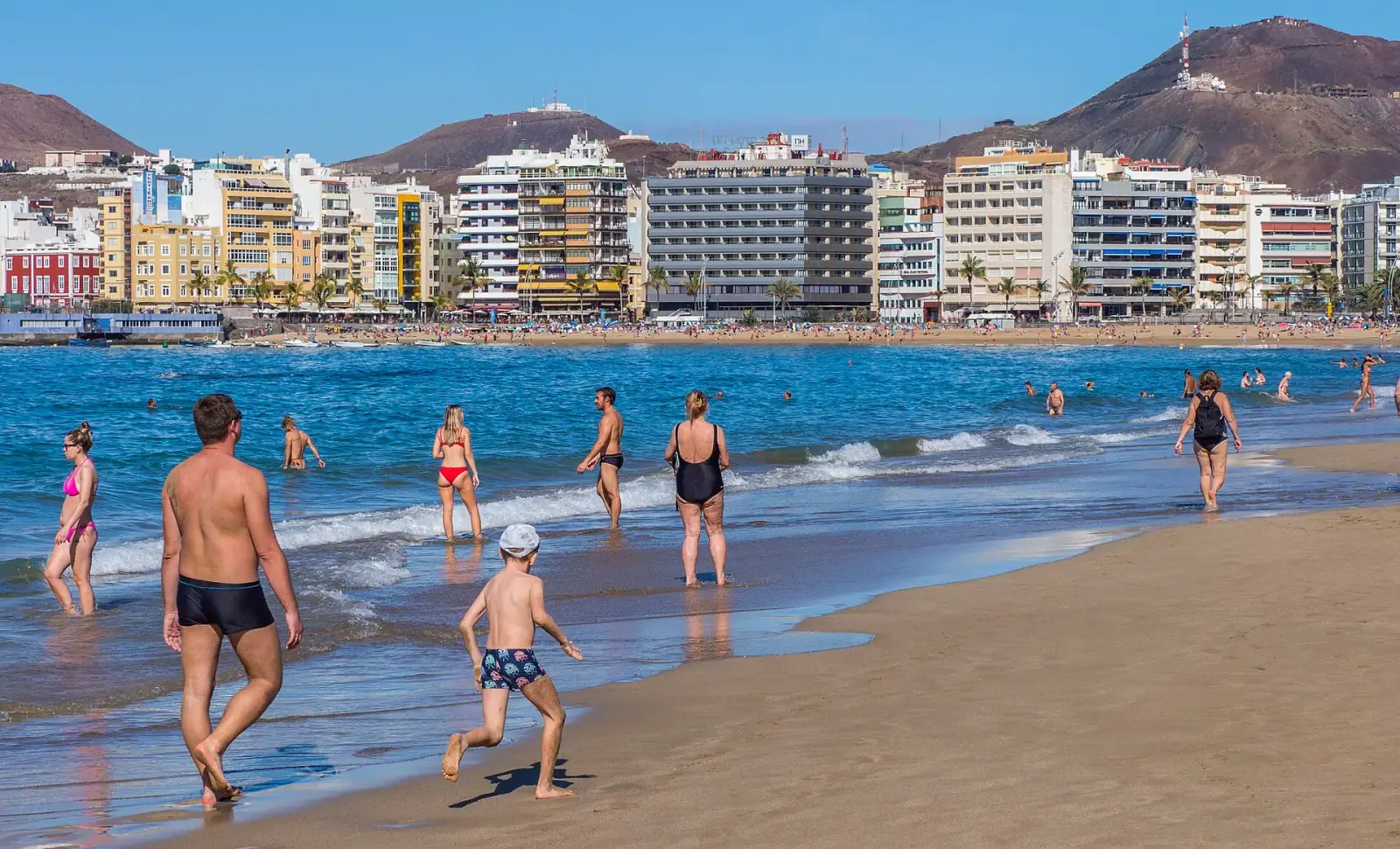
Las Canteras is the difference. In Las Palmas, a long, calm city beach sheltered by a natural reef runs right past apartment blocks, cafés and coworking spaces, so a swim fits between two calls. Behind it is a real Spanish port city rather than a resort: Vegueta, the old colonial quarter, has the cathedral and cobbled lanes, and Triana the shops. Fibre is fast, the nomad community is established and the weather is spring-like nearly all year. The wind blows, and leaving the island always means a flight. At about $2,400 a month, it is the easiest year-round base in the Canaries.



Lisbon and Barcelona lead because their weak spots are narrow and well known: rent in both, pickpockets in one. Below them the list offers two quite different lives. One is southern European, from Porto's river to the Greek islands and the Canaries, where money goes further and the next base is a short flight away. The other runs from Tokyo to Sydney and San Diego, where daily life is about as smooth as it gets and the budget has to match.
Pick the half that fits your income and your clients' hours, then open the guides for the two or three cities left and read their neighbourhoods and seasons before you book anything. The compare tool puts up to three of them side by side.
Frequently asked questions
What makes a city a good all-round nomad base?
Doing most things well rather than one thing brilliantly. A good all-round base has dependable internet, streets you feel safe on, weather you can work through and enough people around that you are not eating alone every night, so no single weak spot cuts your stay short. Over a few months, that balance matters more than any one standout feature.
Why does Lisbon rank first for all-around quality?
Because it does most things well at once: fast, cheap internet, a large and long-established nomad community, mild winters, an airport close to the centre and a walkable old city with plenty of English spoken. Its weakness is cost, mainly rent, which takes the budget to about $3,500 a month. One clear trade-off is easier to plan around than several.
Are cheaper cities worse for all-round quality?
Not on this list. Naxos at about $1,400 a month and Paros at $1,450 rank alongside cities that cost three times as much, and Split comes in at $2,300. What the cheaper bases usually trade is infrastructure rather than quality of life: island internet that depends on the address, ferries that weather can cancel, and winters when much of the place goes quiet.
How should I use this ranking to choose a base?
As a shortlist, not a verdict. Name the two or three things you cannot compromise on, then read each city's guide to see how it handles them. Test your top few against how long you can legally stay, your clients' time zones and the season you plan to arrive in before signing any lease.
Do the top-ranked cities have downsides?
Every one of them does. Barcelona has pickpockets and a tough rental market, Tokyo a language barrier and tiny apartments, Sydney and San Diego high rents, Wellington its wind, and the Greek islands a winter when ferries and services thin out. Ranking well means the weakness is contained, not absent. The question is whether it is one you care about.