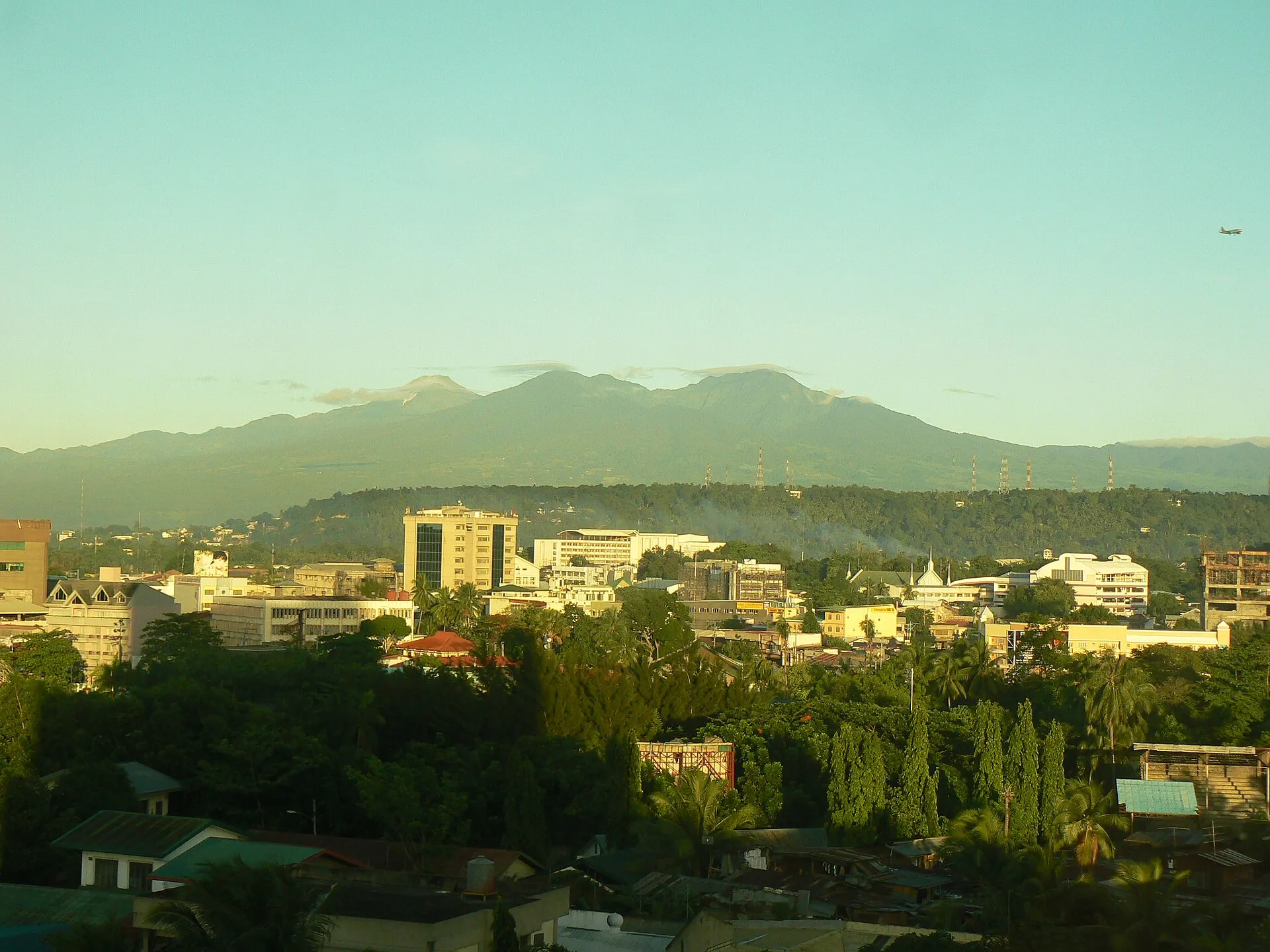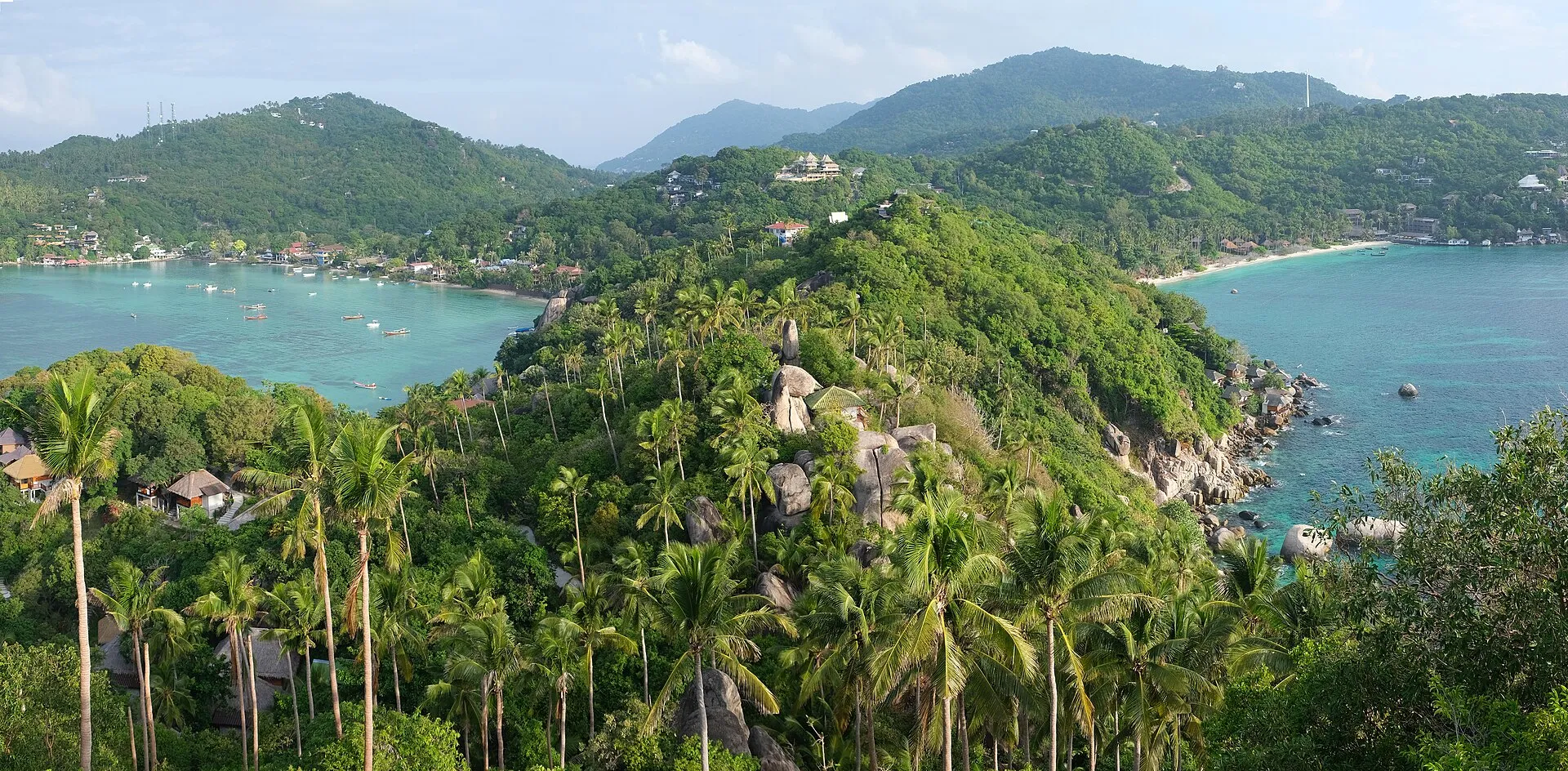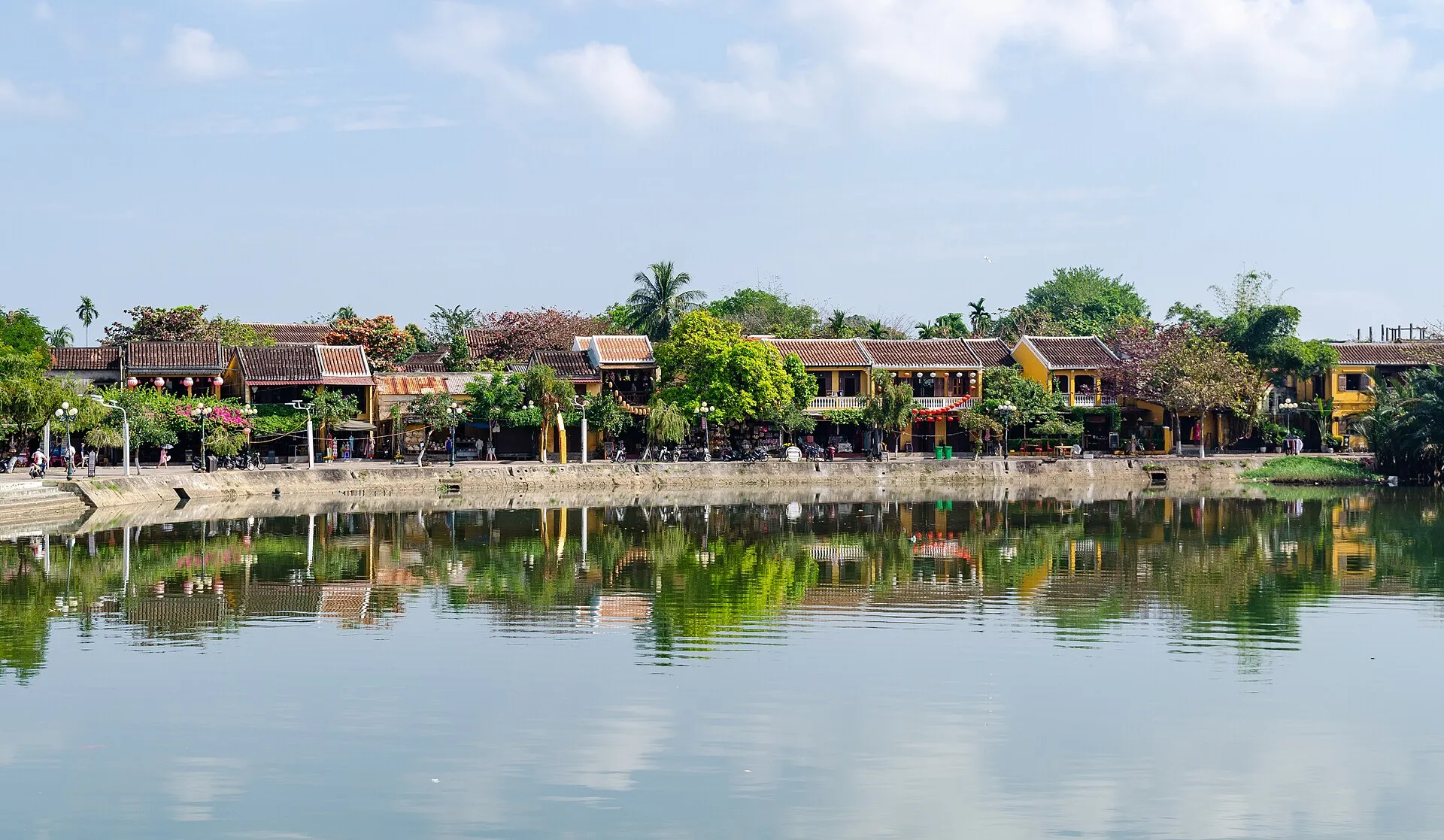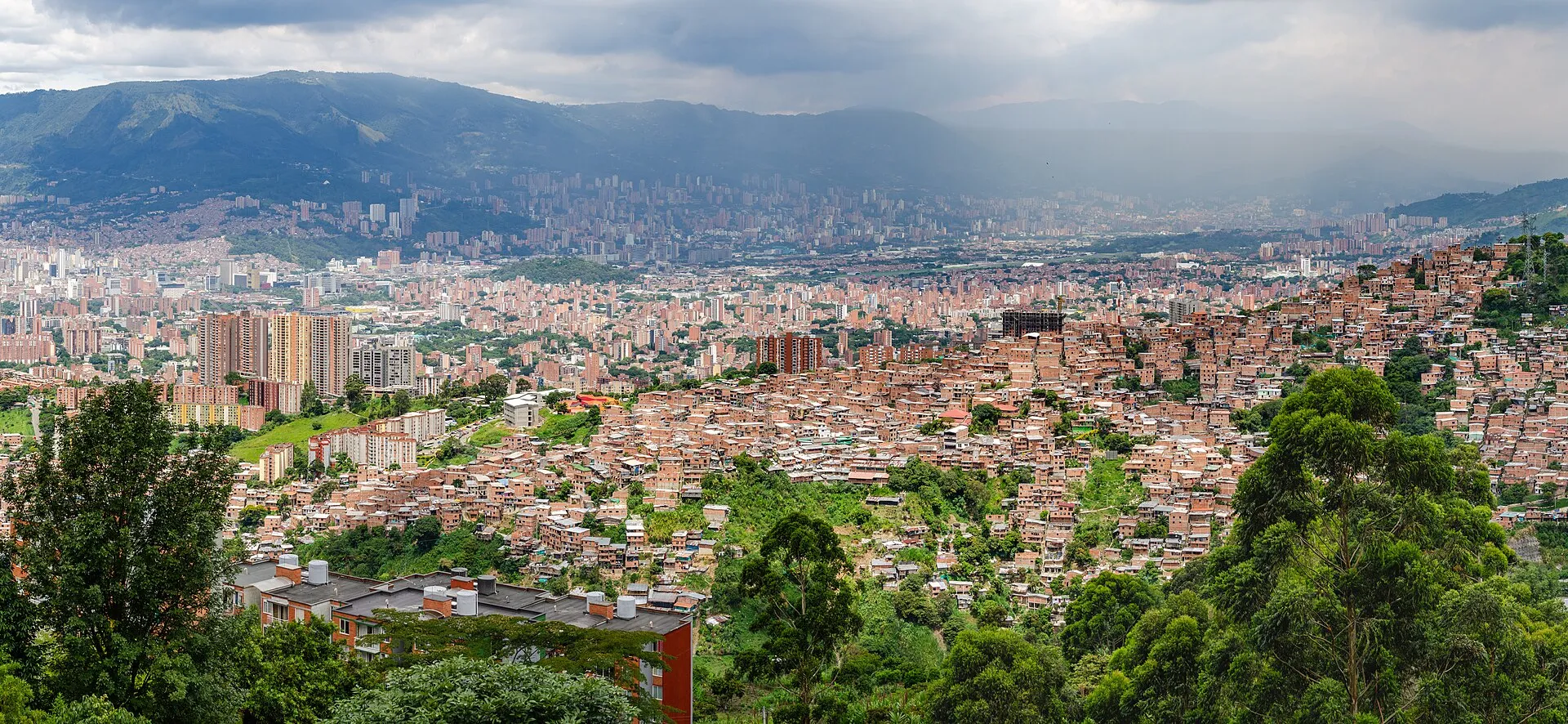
Latin America has become one of the strongest regions for remote workers who want warmth, affordability and a working day that lines up with the Americas. The cities here sit within a few hours of United States and Canadian time zones, so calls with a New York or Chicago team rarely mean waking at dawn. Monthly costs run from $630 to $1,900, and the pace of the scene is set by fast-growing hubs like Medellin and Buenos Aires.
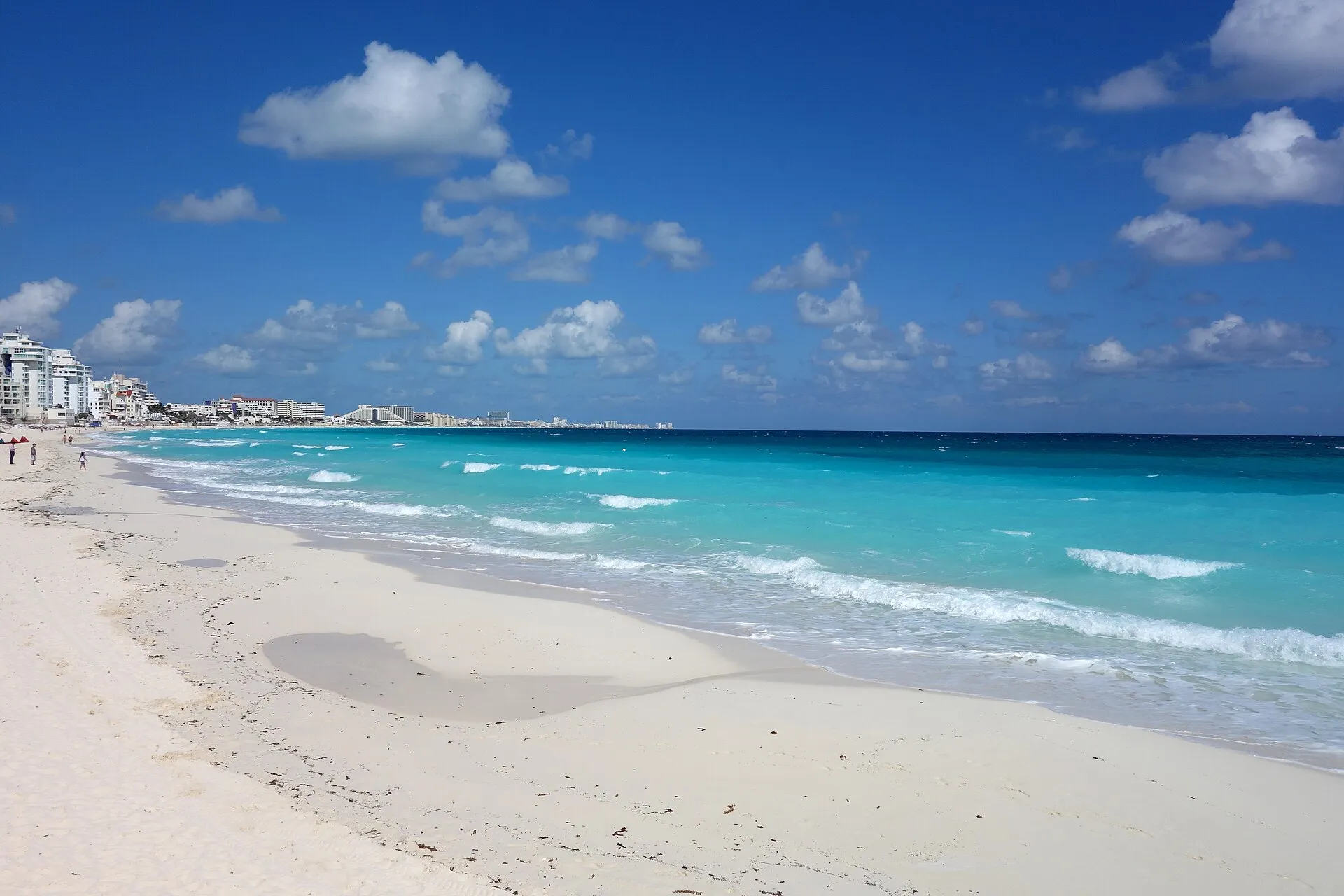
This list covers Central and South America: Colombia, Argentina, Brazil, Peru, Guatemala, Costa Rica and Belize, plus Xalapa, the one Mexican city our index groups with Latin America. Mexico's main hubs and the Caribbean sit on our separate North America and the Caribbean page, so if you came looking for Cancun or Playa del Carmen you will find them there. What remains is a spread of Andean cities, Brazilian coastline, wine country, island dive towns and colonial highland towns.
Spanish and Portuguese immersion is part of the appeal and part of the deal. English scores across the region are modest, so a working grasp of the local language changes daily life from transactional to genuinely social. The reward is a region where value is high, communities are welcoming and the landscapes range from volcanic lakes to island surf breaks.
Cities are ranked by overall Nomad Score among the Latin American cities we rate. Explore the numbers yourself on the comparison tool or browse all 999 city guides.
At a glance
 Medellín
An 8.3 Nomad Score built on spring-like weather, a community rating of 9 and a mature coworking scene, at $1,440 a month.
BEST VALUE Florianópolis
A 7.6 score at $1,140 a month, with nature at 9 and community at 8 on an island in southern Brazil.
BEST FOR ENGLISH San Pedro
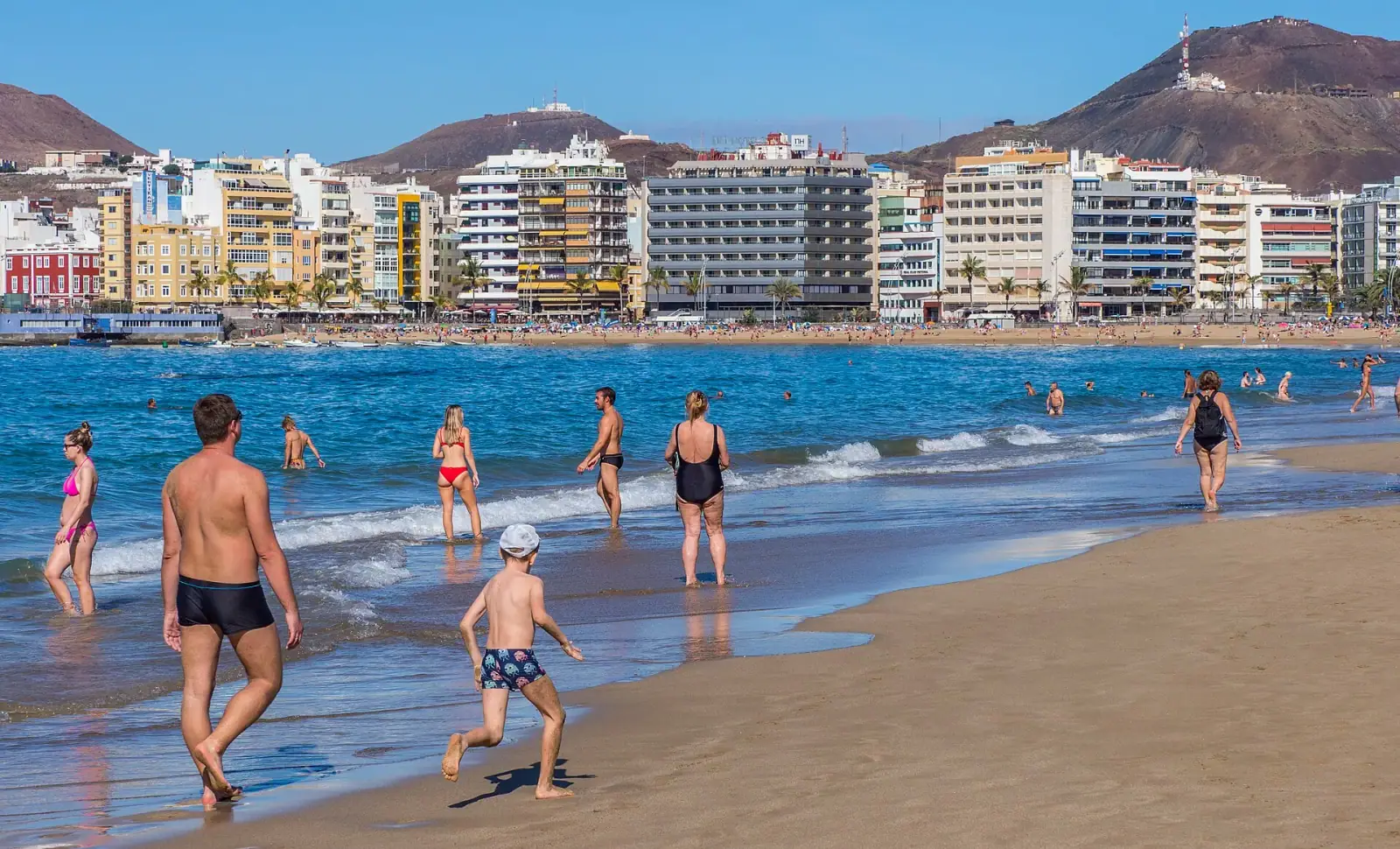
The only city here with a perfect 10 for English, on Ambergris Caye off Belize's coast, at $1,900 a month.
What to weigh before you book
Safety varies more by neighbourhood than by country, and the numbers reflect that: Medellin and Buenos Aires both score a 5 and Rio and Bogota a 4, while La Fortuna reaches 8 and Mendoza sits at 7. The practical takeaway is to choose your barrio carefully, keep your phone out of sight on the street, use registered taxis or rideshare at night, and lean on local advice about which areas to skip after dark. Street smarts count for more here than in most regions, and travellers who apply them tend to have an easy time.
Language is the other big variable. English ratings hover around 5 and drop to 4 in Rio, Curitiba, Mendoza and Cordoba, so daily errands, leases and doctor visits often happen entirely in Spanish or Portuguese. The exceptions are San Pedro in Belize, at 10, and Puerto Viejo and La Fortuna, at 8. A few months of study before arrival pays off quickly. Infrastructure is the third: wifi is solid in the big hubs but thins out beyond them, scoring 5 in Cusco, Mendoza, Antigua and San Pedro, so a local SIM with a strong data plan and a backup hotspot are worth arranging for smaller towns.
The ranking
-
1
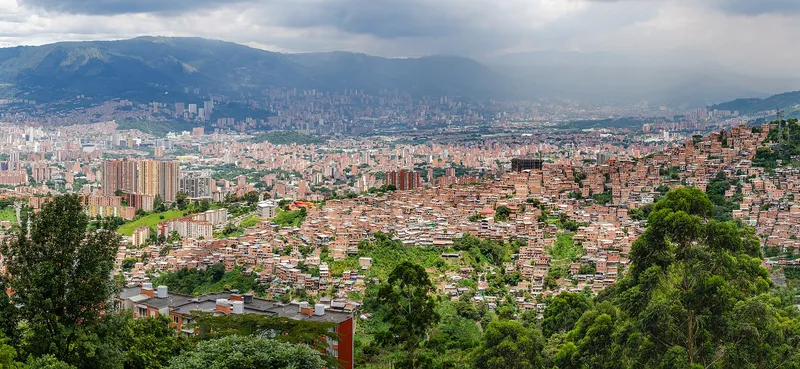 Nomad Score 8.3$1,440/moSafety 5WiFi 7Value 7
Medellin tops the region with a Nomad Score of 8.3, and it earns the spot on balance rather than any single number. The Aburra Valley delivers a climate rating of 9, spring-like all year at altitude, while a community score of 9 reflects one of the densest nomad and startup scenes in Latin America. Wifi lands at 7, Colombia's nomad visa runs up to two years, and monthly costs sit near $1,440. The honest caveat is safety, rated 5: Poblado and Laureles feel comfortable, but street awareness matters citywide, especially at night.
-
2
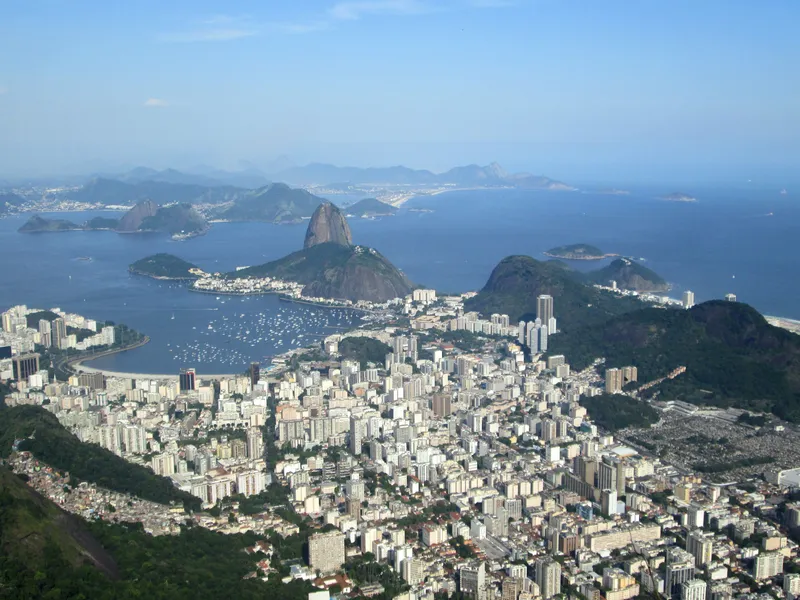 Nomad Score 7.8$1,350/moSafety 4WiFi 9Value 6
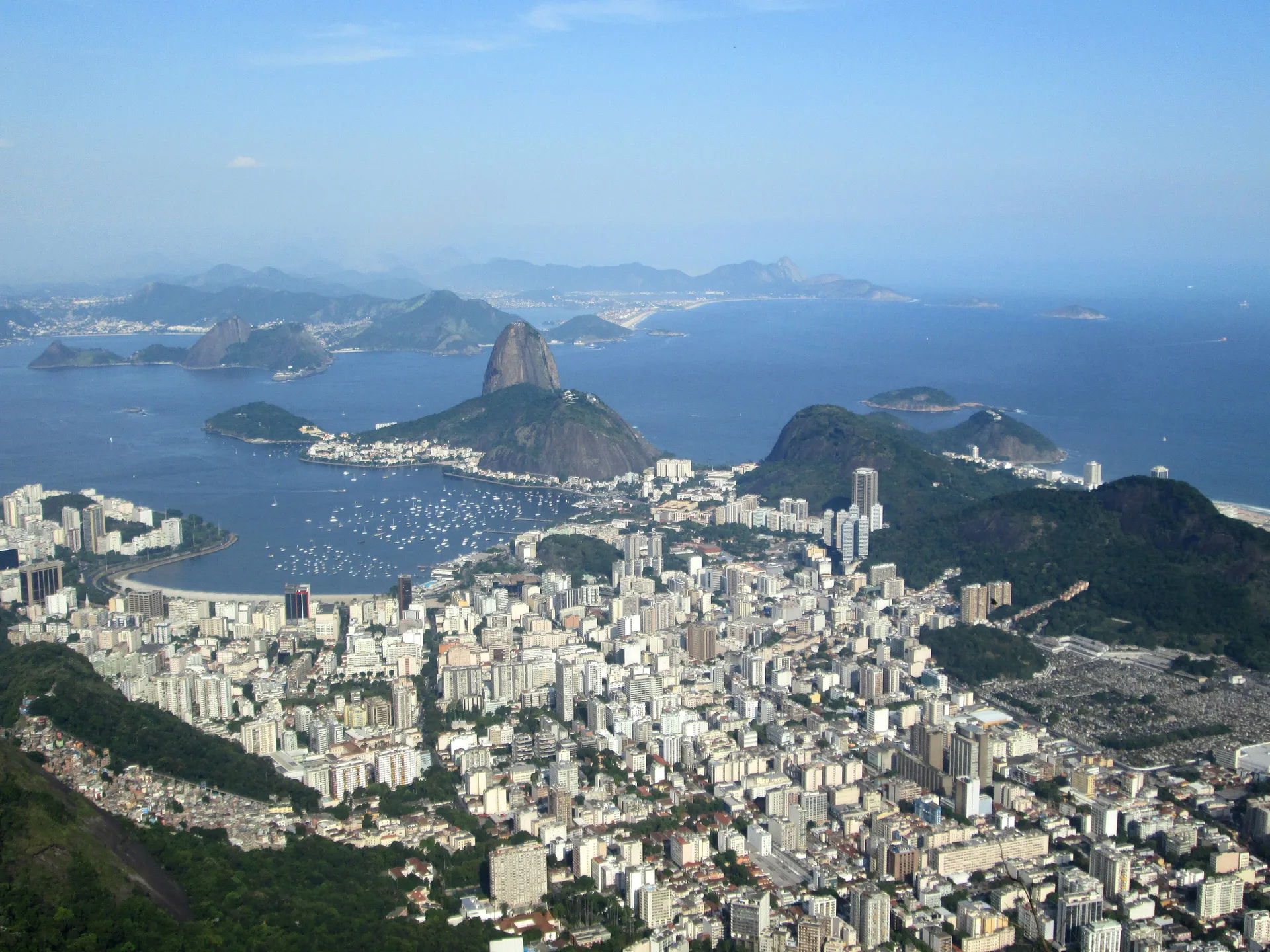
Brazil's beach-and-mountain metropolis of Copacabana sands, samba nights, and Sugarloaf views.
-
3
 Nomad Score 7.6$1,490/moSafety 5WiFi 7Value 7
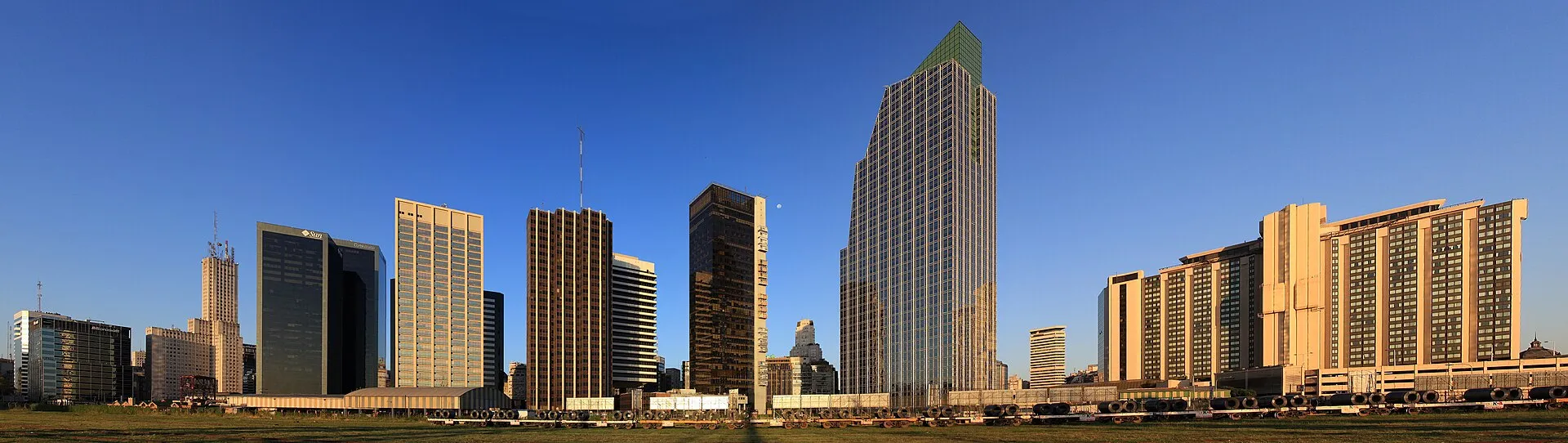
Buenos Aires is the cultural heavyweight of the list, scoring 7.6 overall with standout marks for nightlife, food and culture, all at 9. This is a city of late dinners, tango halls, bookshops and cafe culture, often called the Paris of South America, and $1,490 a month goes a long way. Wifi and visa access are dependable at 7 to 8. The tradeoff is safety at 5: petty theft is common in busy districts, so keep valuables discreet and stay alert on crowded subte lines and tourist streets.
-
4
 Nomad Score 7.6$1,140/moSafety 6WiFi 6Value 6
Florianopolis pairs surf culture with startup energy on an island in southern Brazil, earning a 7.6 with nature at 9 and community at 8. Beaches, lagoons and a growing tech crowd make it a favourite for remote workers who want the ocean close, and Portuguese immersion comes built in. Budget about $1,140 a month, among the cheaper bases here. The catch shows in the cost score of 6 and wifi at 6: prices climb in the summer high season and connections can wobble in the more remote beach neighbourhoods away from the centre.
-
5
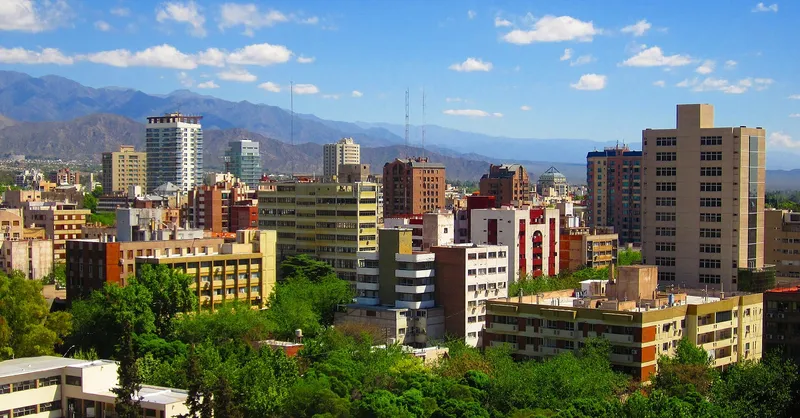 Nomad Score 7.4$1,400/moSafety 7WiFi 5Value 8
Mendoza sits beneath the Andes in Argentina's wine country, scoring 7.4 with nature at 9 and strong marks for cost and food at 8. Days here mean vineyard visits, Malbec, big steaks and mountain air, all for $1,400 a month, among the best value on the list. Safety is comfortable at 7. The limitations are connectivity and community: wifi rates 5 and the nomad scene, at a community score of 5, is thinner than in the big hubs, and with English at 4 you will lean heavily on Spanish.
-
6
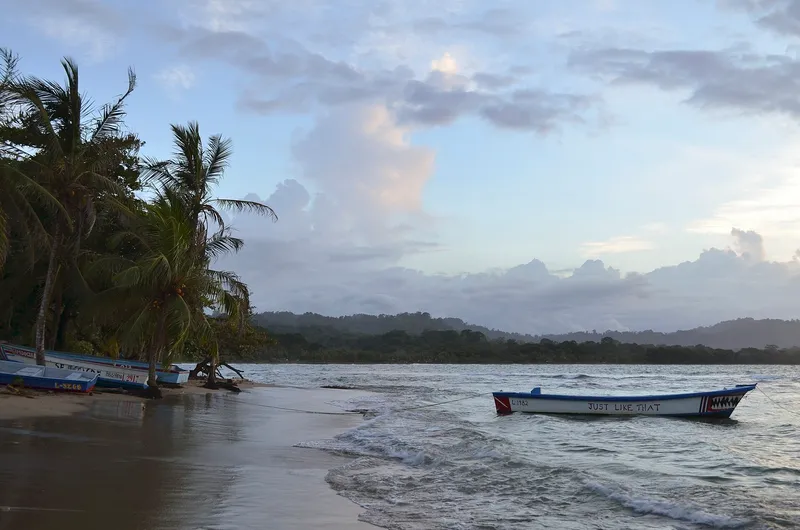 Nomad Score 7.4$1,700/moSafety 6WiFi 6Value 4
Caribbean Costa Rica: Afro-Caribbean food, surf breaks and jungle that reaches the sand.
-
7
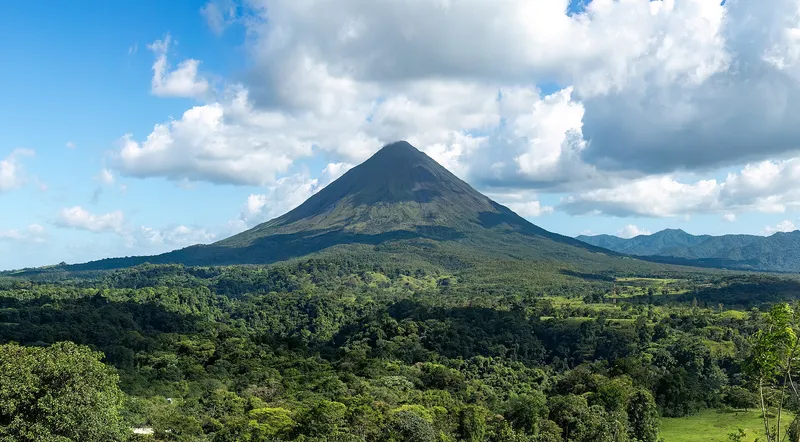 Nomad Score 7.4$1,750/moSafety 8WiFi 7Value 4
A small town under Arenal volcano, built around hot springs and rainforest.
-
8
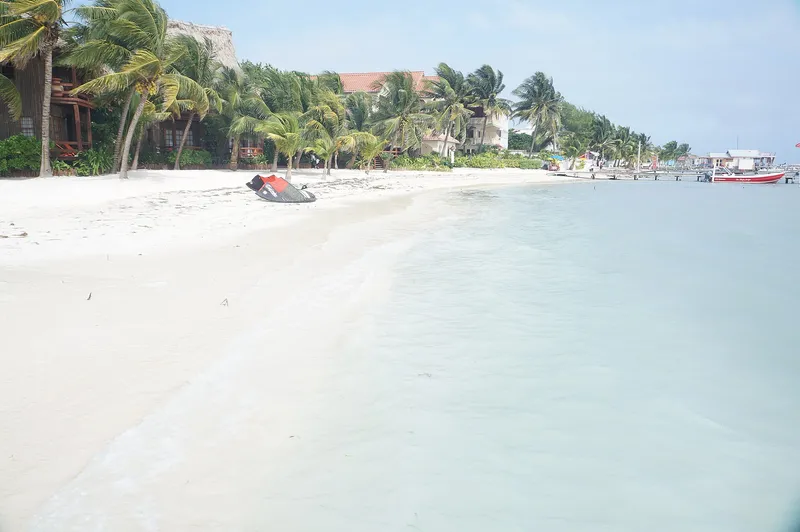 Nomad Score 7.4$1,900/moSafety 6WiFi 5Value 4
Golf carts instead of cars, the Blue Hole offshore, and English as the official language.
-
9
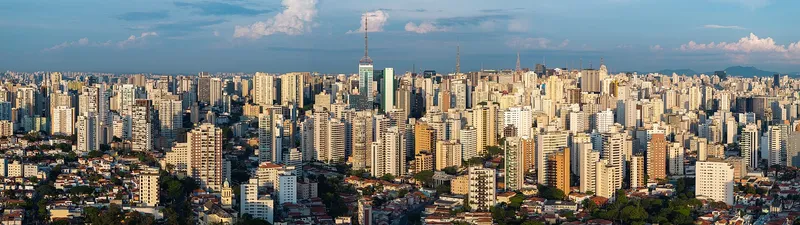 Nomad Score 7.2$1,180/moSafety 4WiFi 9Value 6
South America's business capital that never sleeps.
-
10
 Nomad Score 7.2$1,130/moSafety 6WiFi 6Value 8
Cordoba is Argentina's spirited university city, scoring 7.2 with nightlife at 8 and cost at 8. A young student population fuels bars, fernet culture and live music, while the Sierras sit an easy trip from the centre, all for $1,130 a month, one of the cheaper bases here. Visa access rates 8 and wifi is workable at 6. The main friction is language: English scores just 4, so without functional Spanish everyday tasks from renting a flat to ordering lunch become noticeably harder to manage.
-
11
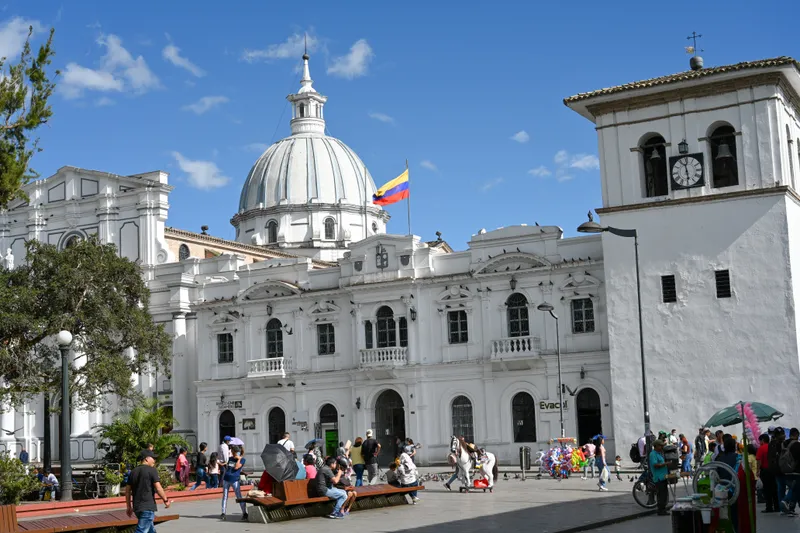 Nomad Score 7.2$900/moSafety 6WiFi 6Value 8
Colombia's whitewashed colonial 'White City' in the Andes, a UNESCO city of gastronomy with a mild, spring-like climate.
-
12
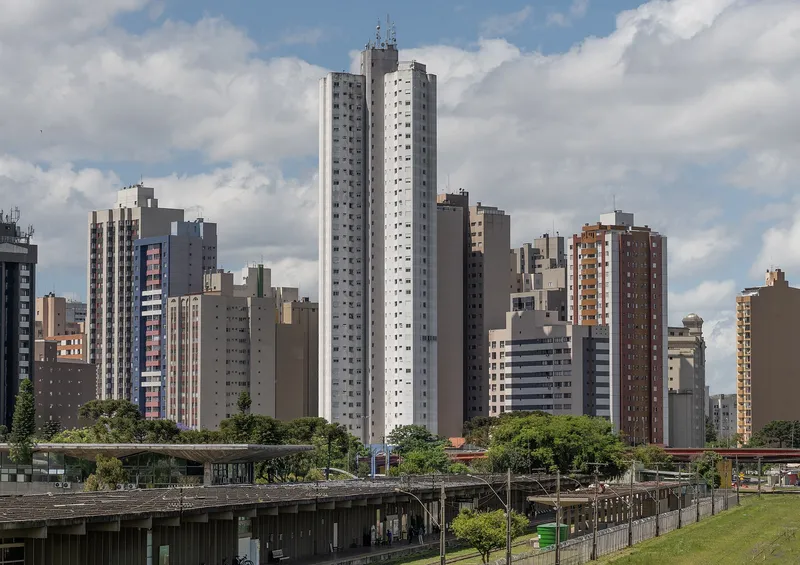 Nomad Score 7.2$960/moSafety 6WiFi 7Value 7
Brazil's model green city, known worldwide for smart urban planning, sprawling parks and a cooler, orderly southern feel.
-
13
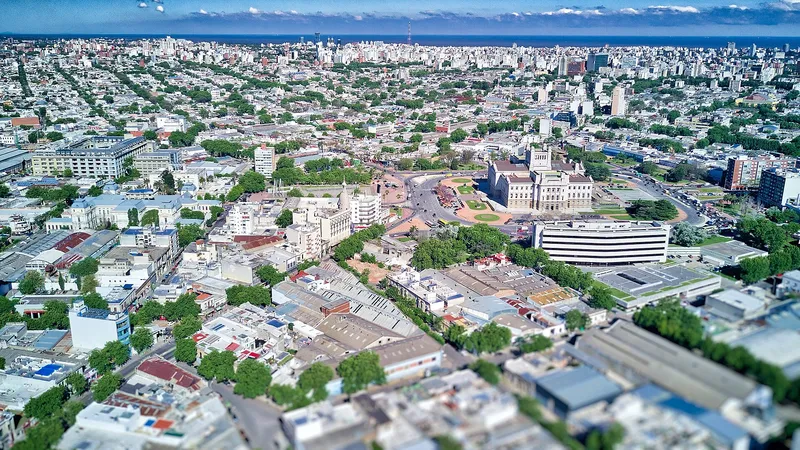 Nomad Score 7.1$1,540/moSafety 7WiFi 8Value 6
Montevideo rewards nomads who prioritise stability, scoring 6.9 in the capital of South America's steadiest country. Safety rates 7, cleanliness 7 and air quality 8, and the mate-sipping, riverside pace feels relaxed and low-stress. Wifi is dependable at 7. Expect to pay $1,540 a month, on the pricier side of this list, reflected in a cost score of 6. The clearest drawback is the community score of 4: the nomad scene is small and quiet, so this fits people who value calm and safety over a buzzing coworking network.
-
14
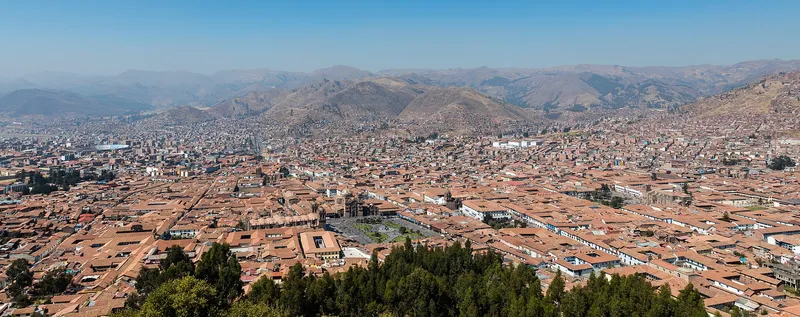 Nomad Score 7.1$1,020/moSafety 6WiFi 5Value 8
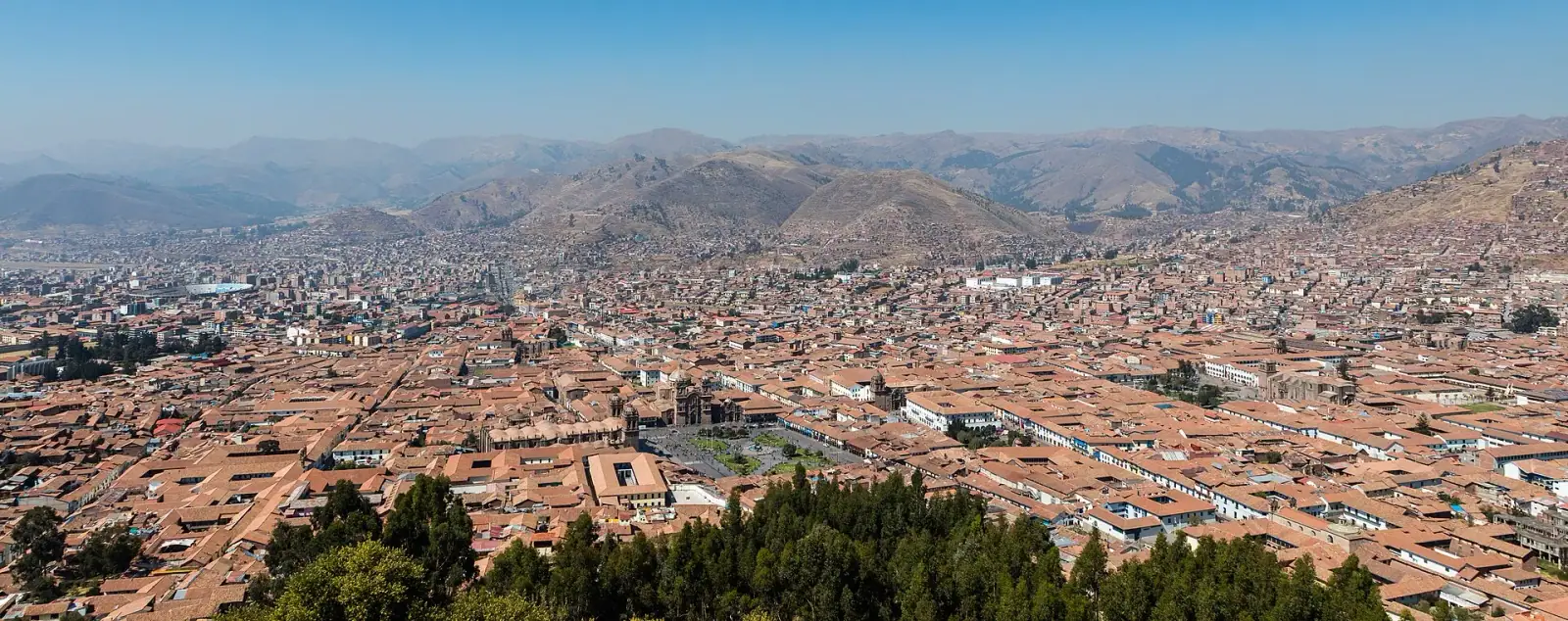
Cusco trades convenience for wonder, landing a 7.1 on the strength of a perfect culture score of 10 and nature at 9. The former Inca capital is the gateway to Machu Picchu and the Sacred Valley, with cobbled streets, ruins and Andean markets at every turn, all for about $1,020 a month. Cost rates 8, and most passports get 90 days visa-free. The real drawback is practical: wifi sits at 5 and the city rests above 3,300 metres, so altitude and patchy connectivity both take adjustment before you settle into a working rhythm.
-
15
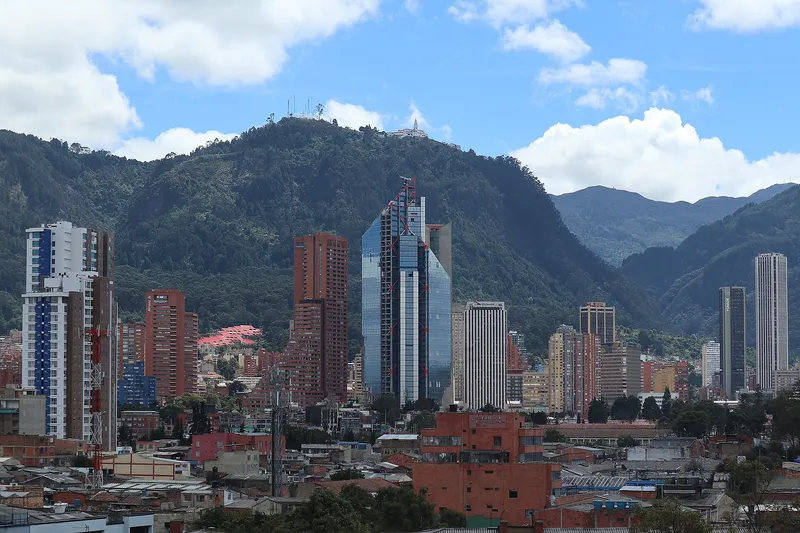 Nomad Score 7.1$1,240/moSafety 4WiFi 7Value 7
Bogota is Colombia's high-altitude culture hub, landing a 7.1 with nightlife and culture both at 8 and reliable wifi at 7. World-class museums, a serious food scene and neighbourhoods like Chapinero give the capital real depth, and at about $1,240 a month it stays affordable. Colombia keeps one time offset year round, ideal for United States calls. The caveats come as a pair: safety rates 4 and air quality 5, so choose your area with care and expect the traffic-heavy centre to feel less fresh than the Andean towns.

Latin America rewards nomads who arrive prepared. The strongest all-round bases, Medellin and Buenos Aires, pair genuine urban energy with US-friendly hours and real value, while Andean towns like Cusco, the Brazilian coast at Florianopolis and Rio, and Central American gems like Antigua trade some infrastructure for scenery, culture and lower costs. There is no single best city, only the best fit for your priorities on cost, safety, connectivity and pace, and the honest tradeoffs above are the ones worth weighing before you book a flight or sign a lease.
To narrow it down, use our /compare tool to put two or three of these cities side by side across cost, safety, wifi and all thirteen scoring categories, or take the /wheel to match your own priorities against every city we rate. If Mexico or the Caribbean is what you had in mind, those destinations now live on our separate North America and the Caribbean page.
Frequently asked questions
What is the best digital nomad city in Latin America?
Medellin, Colombia, ranks first with a Nomad Score of 8.3. It combines a spring-like climate rated 9, one of the region's largest nomad communities at a score of 9, dependable wifi and monthly costs near $1,440. Buenos Aires follows at 7.6 for those who want a bigger cultural scene. The right pick depends on your priorities, so compare a shortlist across cost, safety and connectivity before committing.
Which is the cheapest digital nomad city in Latin America?
Xalapa, in Mexico's Veracruz state, is the most affordable base on this list at $630 a month, followed by Popayan in Colombia at $900 and Curitiba in Brazil at $960. Cusco ($1,020), Cordoba ($1,130) and Florianopolis ($1,140) come next. Argentine prices can shift quickly with inflation, so treat any monthly figure there as a moving target rather than a fixed number.
Is Latin America safe for digital nomads?
Safety varies sharply by city and neighbourhood. La Fortuna rates 8 and Mendoza reaches 7, while larger cities like Medellin and Buenos Aires score 5 and Rio and Bogota rate 4. The practical approach is to choose your neighbourhood carefully, keep valuables out of sight in public, use registered taxis or rideshare at night and follow local advice on areas to avoid. Applied consistently, street smarts make a real difference here.
Why are Mexico's big hubs not on this Latin America list?
We group Mexico's main hubs and the Caribbean into a separate North America and the Caribbean region, so cities like Mexico City, Playa del Carmen and Cancun appear on that page rather than here. Xalapa, in Veracruz, is the one Mexican city our index files under Latin America; the rest of this ranking is Central and South America. If you were looking for a Mexican base, head to our North America and the Caribbean page instead.
How are these Latin America cities ranked?
Cities are ordered by overall Nomad Score, a composite that blends thirteen weighted categories including cost, wifi, safety, climate, community, food and visa access, scored from 0 to 10. Every figure in these profiles, from the scores to the monthly cost estimates, comes from that same dataset, so rankings stay consistent and comparable across the whole region rather than reflecting any single metric in isolation.