Japan sells itself on things you notice within a day: trains that leave on the minute, streets that feel safe at any hour, fast fibre in almost every flat and a ramen lunch for a few dollars. The weak yen has done the rest. Across the fifteen cities below, a solo month runs from about $890 in Kanazawa to $1,920 in Tokyo, which leaves even Tokyo cheaper than a mid-tier European capital.
The visa is the limit, not the cost. Most Western passports get 90 days visa-free, and since 2024 Japan has offered a digital nomad status filed under Designated Activities. It lasts six months and cannot be renewed, and you then spend six months outside the country before applying again. Applicants must earn ten million yen a year, about $63,080, from employers or clients abroad, and need private health insurance and a passport from a visa-exempt country that has a tax treaty with Japan. In practice that makes Japan a season rather than a home, and it is worth comparing against the other nomad visa schemes before you plan around it.
The bigger choice is between the three cities with an international crowd, Tokyo, Osaka and Fukuoka, and the regional cities that cost less and ask more of you. Outside those three, English thins out fast, the remote-work community can be a handful of people, and a standard lease asks for key money, an agency fee and a guarantor before you get the keys.
These are the Japanese cities in our index ordered by their overall Nomad Score, our composite of 13 categories including cost, climate, internet, safety, food, English and visa access. We cover 29 cities in Japan and show the fifteen highest. Where two cities share a score, the order between them means nothing. Monthly costs come from Numbeo survey data where a city is covered and are our own estimate where it is not, and the blurbs below flag every estimate. Explore the numbers yourself on the comparison tool or browse all 999 city guides.
At a glance
 Tokyo
TokyoThe deepest coworking scene in the country and a rail network that reaches everything. At $1,920 a month it is also the most expensive city here.
EASIEST LANDINGFukuokaFree desks at Engineer Cafe and an airport two subway stops from Hakata Station, for about $1,100 a month.
LOWEST COSTKanazawaAn estimated $890 a month buys a castle town with superb seafood and a real creative scene, if you can live with a wet winter.
What to weigh before you book
Housing decides more stays than the visa does. A conventional Japanese lease bundles a deposit, non-refundable key money, a fee to the agent and another to a guarantor company, which can add up to several months' rent paid up front, and many landlords would rather not rent to a foreigner at all. Furnished monthly apartments and share houses cost more per month but skip the lump sum, and they are how most short stays actually work. The ranking also cannot weigh what matters most to you. A city like Hiroshima sits high because it is safe, clean and cheap, not because you will find other remote workers there, and Kumamoto or Okayama will feel isolating without some Japanese. Then there is the clock: at GMT plus nine, a working day here overlaps with Europe only in your evening. Summers from June to September are humid nearly everywhere, with typhoons late in the season, and only Sapporo stays cool. To weigh two or three of these against each other, put them side by side in the city comparison tool.
The ranking
-
1
 Nomad Score 8.7$1,920/moSafety 10WiFi 7Value 3
Everything works, and that is the whole case for Tokyo. The rail network reaches every corner, Haneda is 30 to 45 minutes from the centre, and coworking runs from a dozen WeWork sites to small independents like CASE Shinjuku near Takadanobaba. The weak yen has made $1,920 a month a realistic solo budget, though it buys a small studio rather than a flat. The friction is administrative: landlords favour residents, some shops still take only cash, and small independent cafes frown on laptops parked for hours. Autumn, with low humidity and thinner crowds, is the season to arrive.
-
2
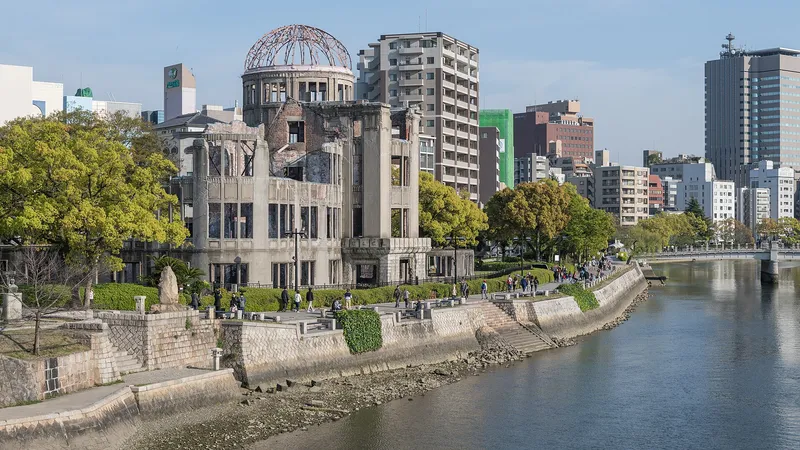 Nomad Score 8.5$900/moSafety 10WiFi 8Value 7
Cheap by Japanese standards and calm by any, Hiroshima runs to about $900 a month on our estimate, since no cost survey covers it. The Hiroden streetcars, the longest tram network in the country, cover the central grid, and an okonomiyaki lunch costs a few dollars. Miyajima makes an easy afternoon out. Coworking is a short list, including iiOffice Seeds near the station and WeBase, and English is rarer than in Tokyo. The airport bus takes about 50 minutes, and most long-haul trips route through Tokyo or Osaka. Come for focus rather than company.
-
3
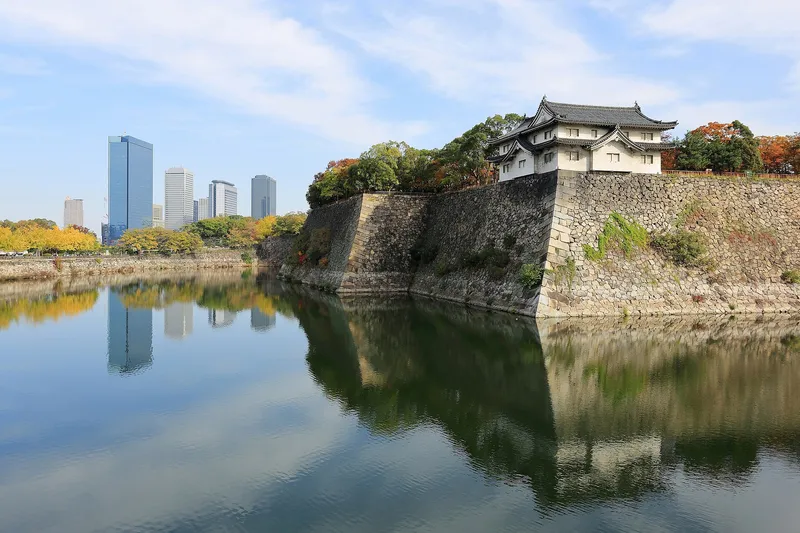 Nomad Score 8.3$1,460/moSafety 9WiFi 7Value 5
Eating out stops being a treat in Osaka and becomes the routine: a ramen or udon bowl runs about $4.50 to $6.50, and an izakaya dinner with drinks is not much more. At $1,460 a month the city undercuts Tokyo on rent while keeping the same density of trains. Coworking clusters in Umeda, Honmachi and Namba, and Osakan Space even sells a digital nomad plan, payable in cash. Summer is the bill that comes due, with August highs of 34C and typhoon risk late in the season, and many landlords still hesitate to rent to foreigners.
-
4
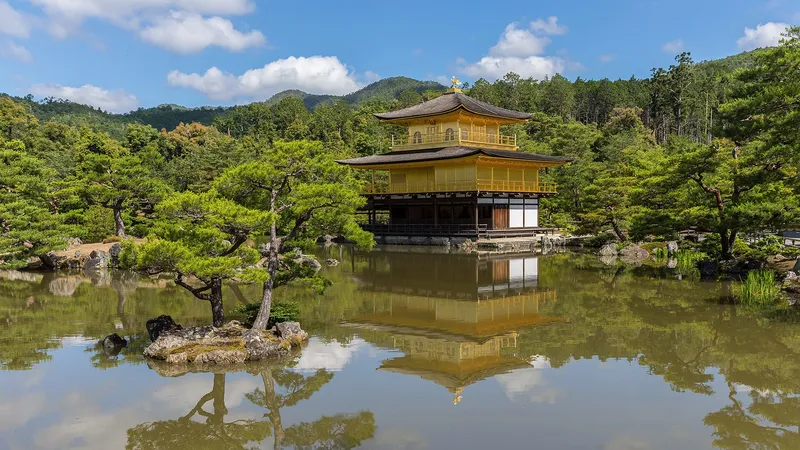 Nomad Score 8.3$1,140/moSafety 10WiFi 7Value 6
Rent a bicycle before anything else. Kyoto is a flat grid, monthly bike hire runs about $61 to $92, and two wheels beat the buses that crawl through blossom and foliage season. A solo life costs about $1,140 a month, more than Fukuoka but well under Tokyo. Plan to work from coworking spaces such as Impact Hub, set in a converted Nishijin townhouse, because many independent coffee shops ban laptops outright. The basin traps summer heat, with August highs of 32C, while April and November crowds slow every errand. May and October are the months to be here.
-
5
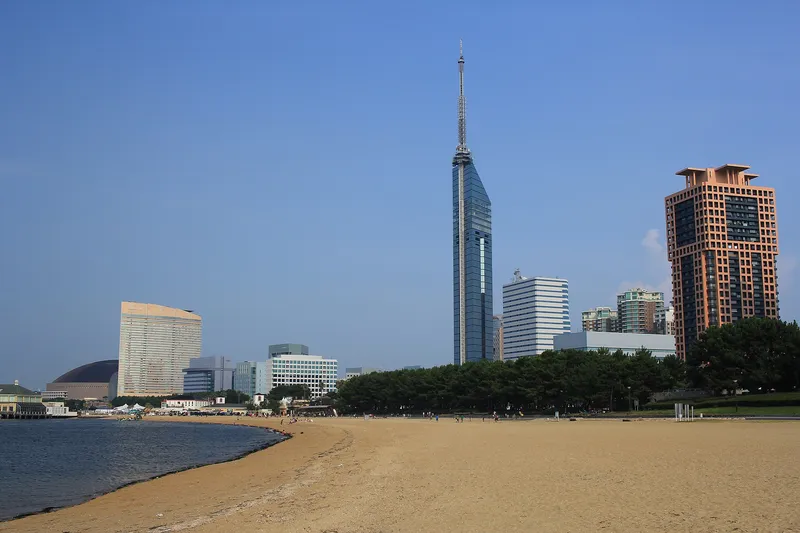 Nomad Score 8.3$1,100/moSafety 9WiFi 8Value 6
Few Japanese cities try as hard to attract people who work for themselves. Fukuoka's government has courted startups since the mid-2010s, Engineer Cafe in the old Red Brick building lends desks and monitors for free, and the airport is five minutes by subway from Hakata Station. Living costs about $1,100 a month on our Numbeo-based figure, and the yatai food stalls turn dinner into the social life the small nomad scene cannot. Seoul is a 90-minute flight and Busan a ferry away. The catches: long-haul routes usually connect elsewhere, and a flat without a guarantor takes a specialist agency.
-
6
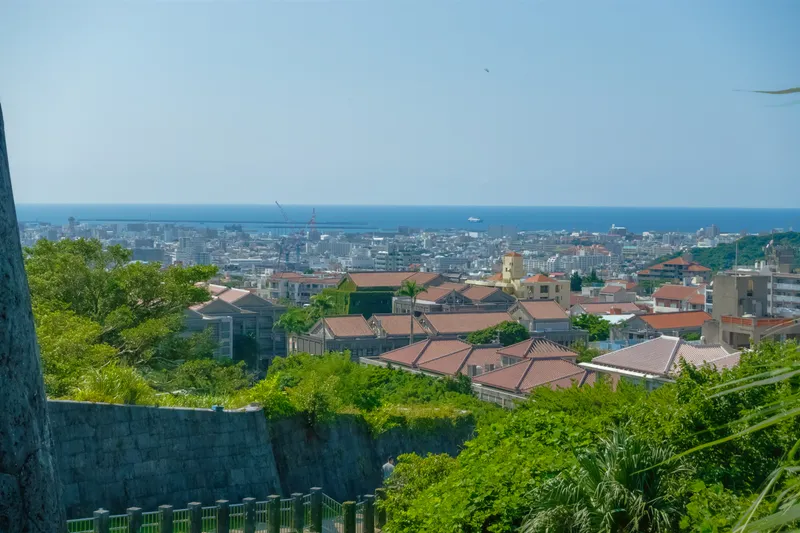 Nomad Score 8.2$1,600/moSafety 9WiFi 8Value 5
If winter sun matters to you, Naha settles it: January highs average 20C, while most of Japan is wrapped in coats. The Yui Rail monorail runs from the airport to Kokusai-dori and Shuri, and ferries reach the Kerama islands for snorkelling. Budget about $1,600 a month, our estimate, and more for electricity once the humid summer arrives. Typhoon warnings can shut buses, shops and offices for a day or two between summer and autumn, so leave slack in deadlines. A rental car opens up the north, though drivers from Germany or Switzerland need a Japanese licence translation instead of an international permit.
-
7
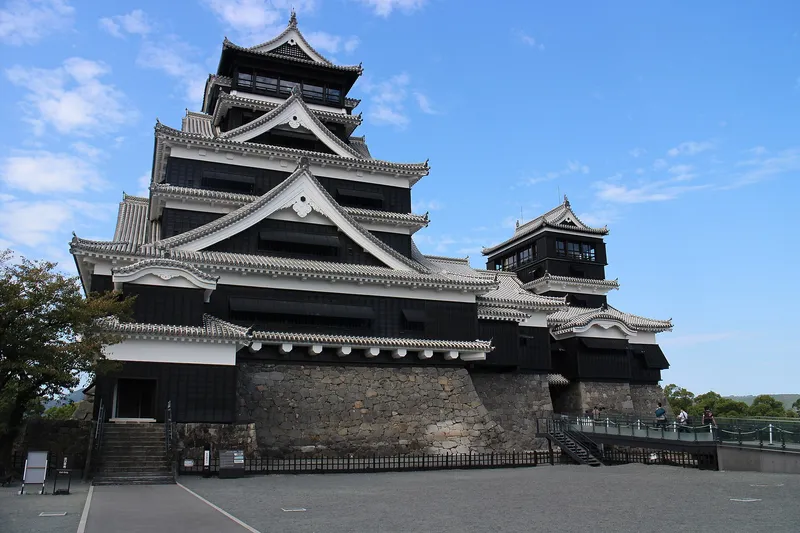 Nomad Score 8$1,400/moSafety 10WiFi 8Value 6
Rain is the first thing to plan around in Kumamoto: July averages 463mm, and Kyushu takes more typhoons than most of Japan. The rest of the year pays you back. Trams run past a castle still being rebuilt after the 2016 earthquakes, the Aso caldera is about 90 minutes east, and Fukuoka is 40 minutes away by Shinkansen. We estimate $1,400 a month, though the TSMC chip plant near Kikuyo has pushed some rents up. Expect no foreign community to speak of, little English, and leases with key money and a guarantor that make short lets hard to arrange.
-
8
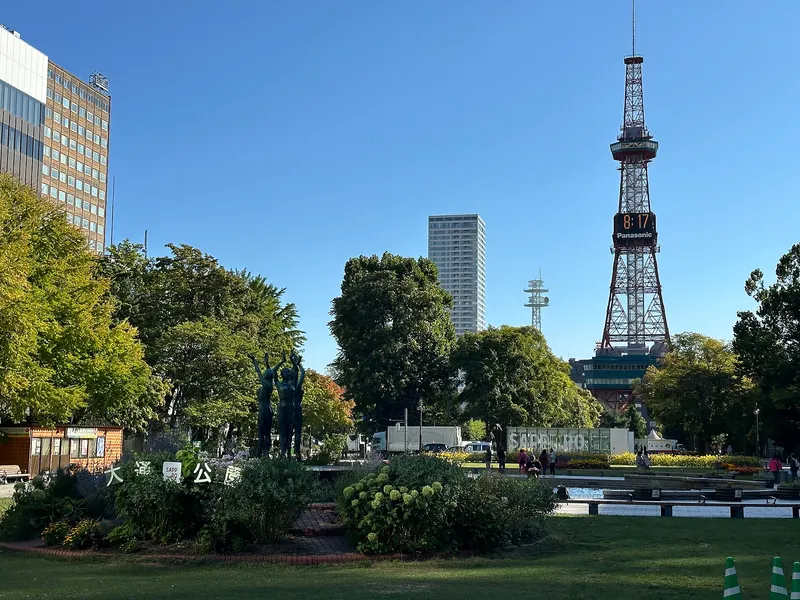 Nomad Score 7.8$1,230/moSafety 10WiFi 7Value 5
When the rest of Japan swelters, Sapporo is where to be: August highs of 26C against 34C in Osaka. The price is winter, with January highs of 0C and heavy snow, though heated underground walkways link the downtown stations and Niseko is about 90 minutes away by bus. Life costs about $1,230 a month, and miso ramen and Hokkaido seafood stay cheap. BYYARD, north of the station, is the coworking space with phone booths and English-speaking staff. Every long-haul flight connects through Tokyo, and free wifi is patchy enough that a local SIM is essential.
-
9
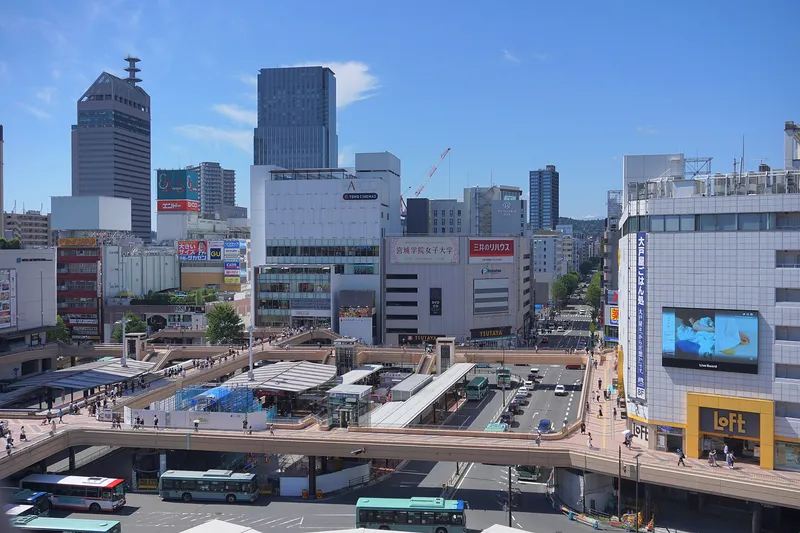 Nomad Score 7.8$1,600/moSafety 9WiFi 8Value 5
Ninety minutes from Tokyo by bullet train, Sendai keeps the capital within reach without charging its rents. The centre is compact, covered shopping arcades make wet days easy, two subway lines run through it, and a direct rail line reaches the airport in about 25 minutes. Tohoku University gives the place a studious, quiet tone that suits long sessions in its many cafes. We estimate $1,600 a month, with heating bills climbing in winter, which is colder and snowier than in the cities further south. The international crowd is small, but the city's famous Tanabata festival fills the streets in early August.
-
10
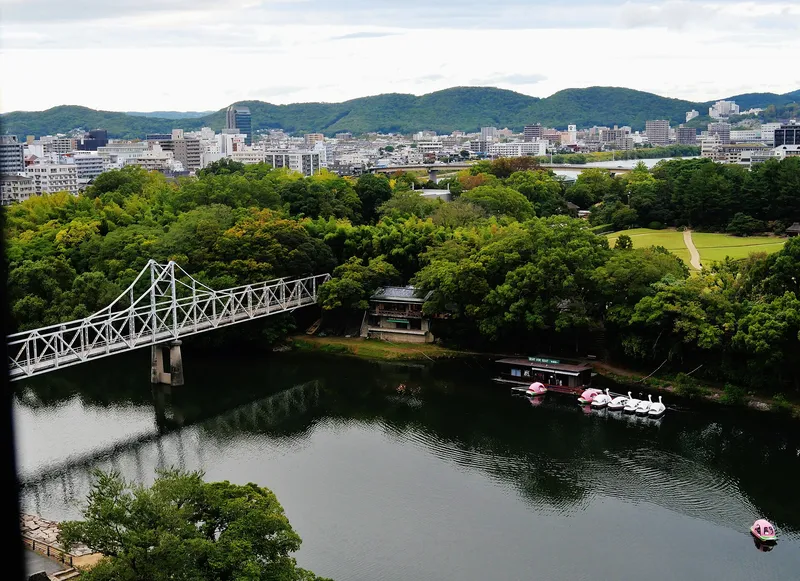 Nomad Score 7.8$1,550/moSafety 10WiFi 8Value 5
Okayama's nickname, the Land of Sunshine, rests on a record: the prefecture logs the fewest rainy days in Japan. The rail map is the other draw. As a Shinkansen hub it puts Hiroshima 35 minutes away and Osaka 45, with Takamatsu under an hour across the bridge, so western Japan becomes weekend range. Our estimate is $1,550 a month. Korakuen garden is ten minutes from the station, and the art island of Naoshima is close. What is missing is company: there is no nomad scene, little English, and a flat usually needs a guarantor. Treat it as a base for exploring rather than a destination.
-
11
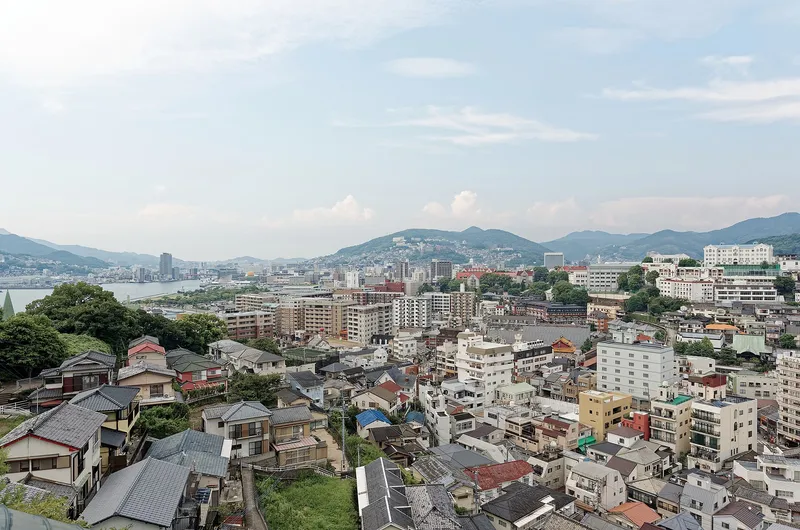 Nomad Score 7.8$1,500/moSafety 10WiFi 8Value 5
Portuguese sponge cake, a Dutch trading post at Dejima and a Chinatown tell you how long Nagasaki has faced outward. Add the Peace Park and the hidden Christian churches on nearby islands, and few Japanese cities carry this much history. Four tram lines run along the harbour for about a dollar a ride whatever the distance, and public slope elevators help with the hills. We estimate $1,500 a month, and flats on the slopes are cheaper because no car reaches them. June averages 336mm of rain and September is peak typhoon month. Fukuoka, two hours away, is the nearest international hub.
-
12
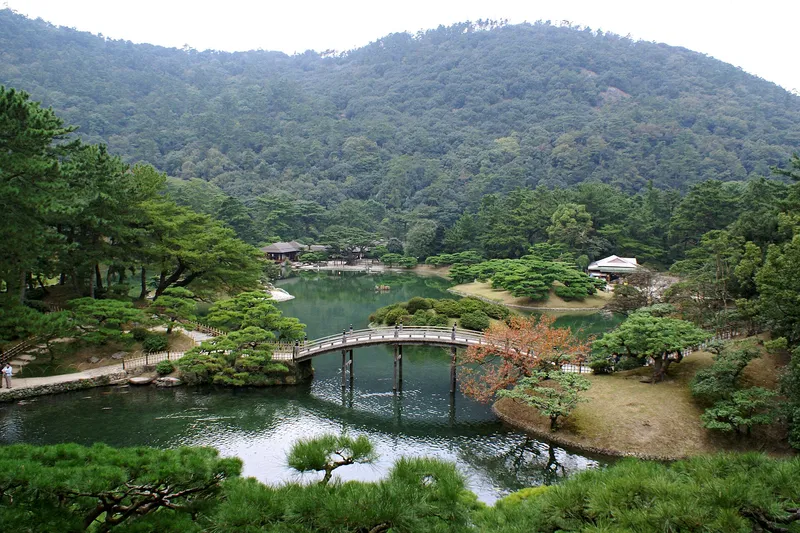 Nomad Score 7.8$1,350/moSafety 10WiFi 8Value 6
A bowl of udon at a self-service counter costs a couple of dollars in Takamatsu, so eating out can undercut cooking for one. Expect around $1,350 a month by our estimate. The city is flat and easy to cycle, Ritsurin Garden sits inside it, and ferries leave the port all day for Naoshima and Teshima. Okayama is about an hour away by rail over the Seto Ohashi bridge. Every third year the Setouchi Triennale fills ferries and rooms for months; between festivals the islands are nearly empty. Nightlife is thin, English is rare, and a home internet line needs a residence card.
-
13
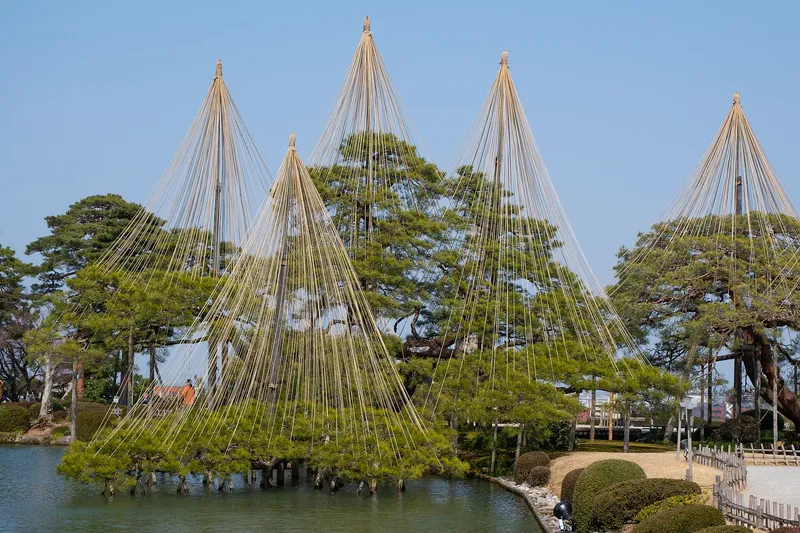 Nomad Score 7.6$890/moSafety 10WiFi 8Value 7
The cheapest city on this list, at an estimated $890 a month, is also one of its wettest. Kanazawa faces the Sea of Japan, and December alone averages 301mm of rain, so winter means weeks of grey. In return you get Kenrokuien garden, Omicho Market seafood, the 21st Century Museum of Contemporary Art and a creative community unusual for a city of 450,000. LINNAS Kanazawa hosts nomad meetups in its coworking lounge. Tokyo is about two and a half hours by Shinkansen, but Komatsu airport has no rail link and few direct routes.
-
14
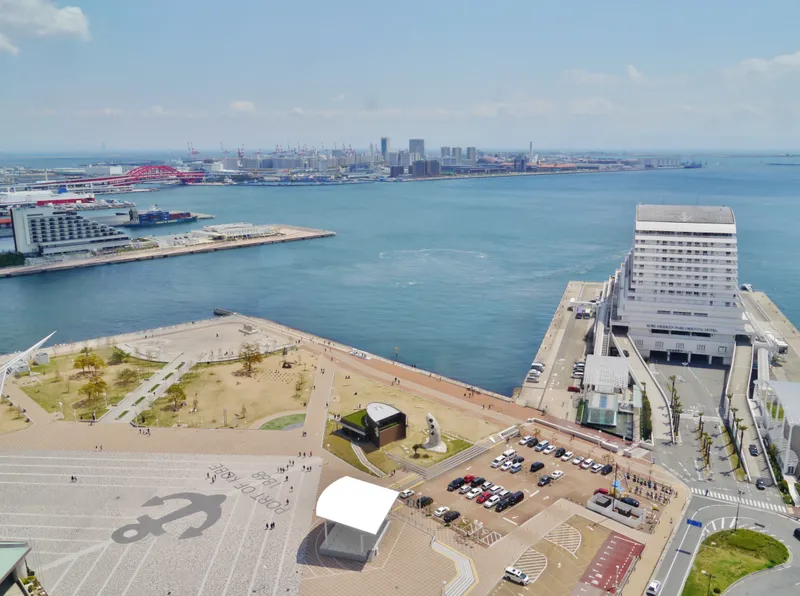 Nomad Score 7.6$1,410/moSafety 9WiFi 8Value 5
Mountains behind, harbour in front: Kobe's layout means you rarely lose your bearings, and Osaka is about 30 minutes away by train. That makes it the calmer place to sleep while borrowing the bigger neighbour's energy. Living costs about $1,410 a month, and rents fall as the streets climb into the hills. Ask any landlord when the building went up, because the code was tightened after the 1995 earthquake. Coworking spaces and laptop-friendly cafes cluster around Sannomiya and Motomachi. The dedicated nomad crowd is thin, English fades outside the centre, and summers are hot and sticky.
-
15
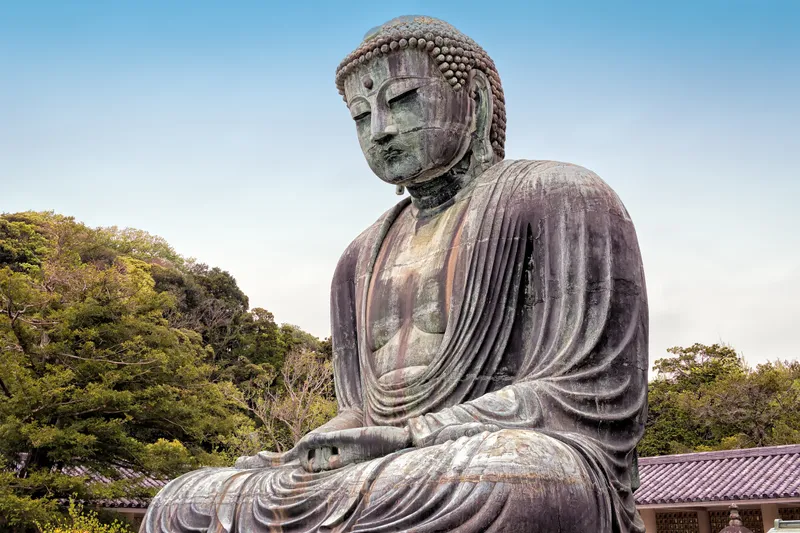 Nomad Score 7.6$1,600/moSafety 9WiFi 8Value 6
Weekdays and weekends are two different towns in Kamakura. From Monday to Friday you get temples that date from its century and a half as the seat of government, quiet beaches, surf, and Tokyo about an hour away on the JR Yokosuka Line. On Saturday the day-trippers arrive, and by mid-morning every cafe seat near a plug is gone, so you will want a proper desk at home. Our estimate for living here is $1,600 a month, plus a rail pass if you go into Tokyo four times a week. Coworking is sparse. November, clear and quiet, is the month to come.
Because the nomad status runs out at six months, the smart use of it is often two cities rather than one. Spring in Fukuoka or Kyoto, then the humid months in Sapporo, where August highs sit at 26C, is a split the weather supports. Anyone without the income for the status still has a 90-day visa-free stay, which suits one season in one city: Tokyo in autumn, Naha in winter or Hiroshima in spring. If Japan's rules or rents rule it out, the wider ranking of Asian cities for remote work shows what the rest of the region offers.
Frequently asked questions
Does Japan have a digital nomad visa?
Yes. Since 2024 Japan has offered a digital nomad status under its Designated Activities category, lasting up to six months. It requires about ten million yen, roughly $63,080, a year in income from outside Japan, private health insurance, and a passport from a visa-exempt country with a tax treaty with Japan. It cannot be renewed, and you must spend six months abroad before applying again.
Which Japanese city is cheapest for digital nomads?
Kanazawa, at an estimated $890 a month, followed by Hiroshima at about $900. Among the cities with Numbeo survey data, Fukuoka is the cheapest at $1,100 a month. Tokyo is the most expensive on this list at $1,920 a month.
When is the best time to work remotely in Japan?
Spring and autumn suit almost every city, with April to May and October to November the usual windows. Summer is hot and humid from June to September, with typhoons possible late in the season. Sapporo is the summer exception, with August highs of 26C, and Naha is the winter one, with January highs of 20C.
Can a foreigner rent an apartment in Japan for a few months?
A standard lease is hard on a short stay, because it usually asks for key money, a deposit, an agency fee and a guarantor, which together can come to several months' rent. Most remote workers use furnished monthly apartments or share houses instead, which cost more per month but take nothing up front.
How were these Japanese cities ranked?
By overall Nomad Score, our composite of 13 categories including cost, climate, internet, safety, food and English. We cover 29 Japanese cities and list the top fifteen. Cities with the same score are not ordered between themselves.