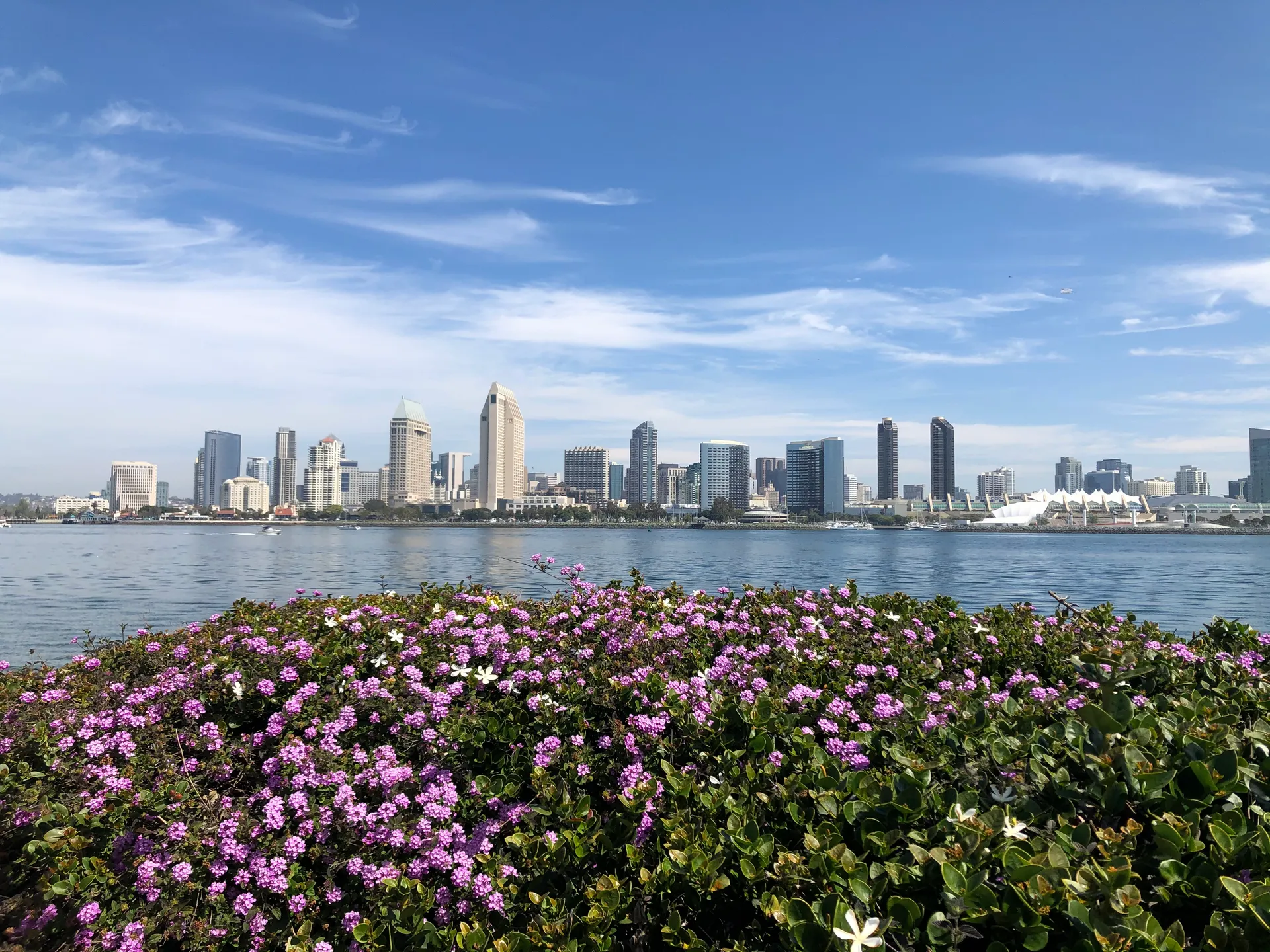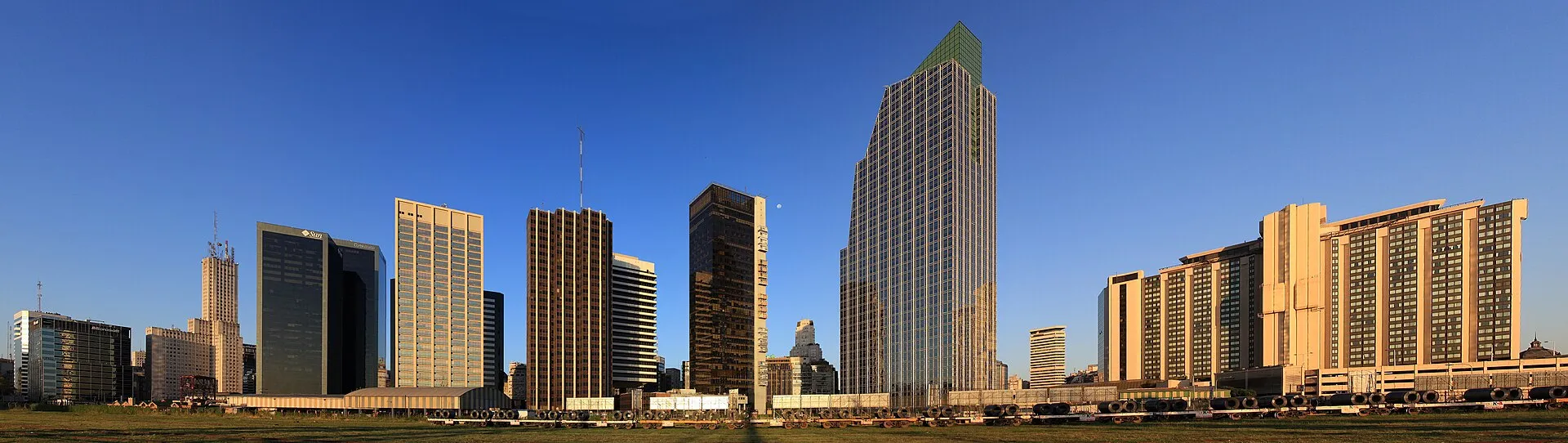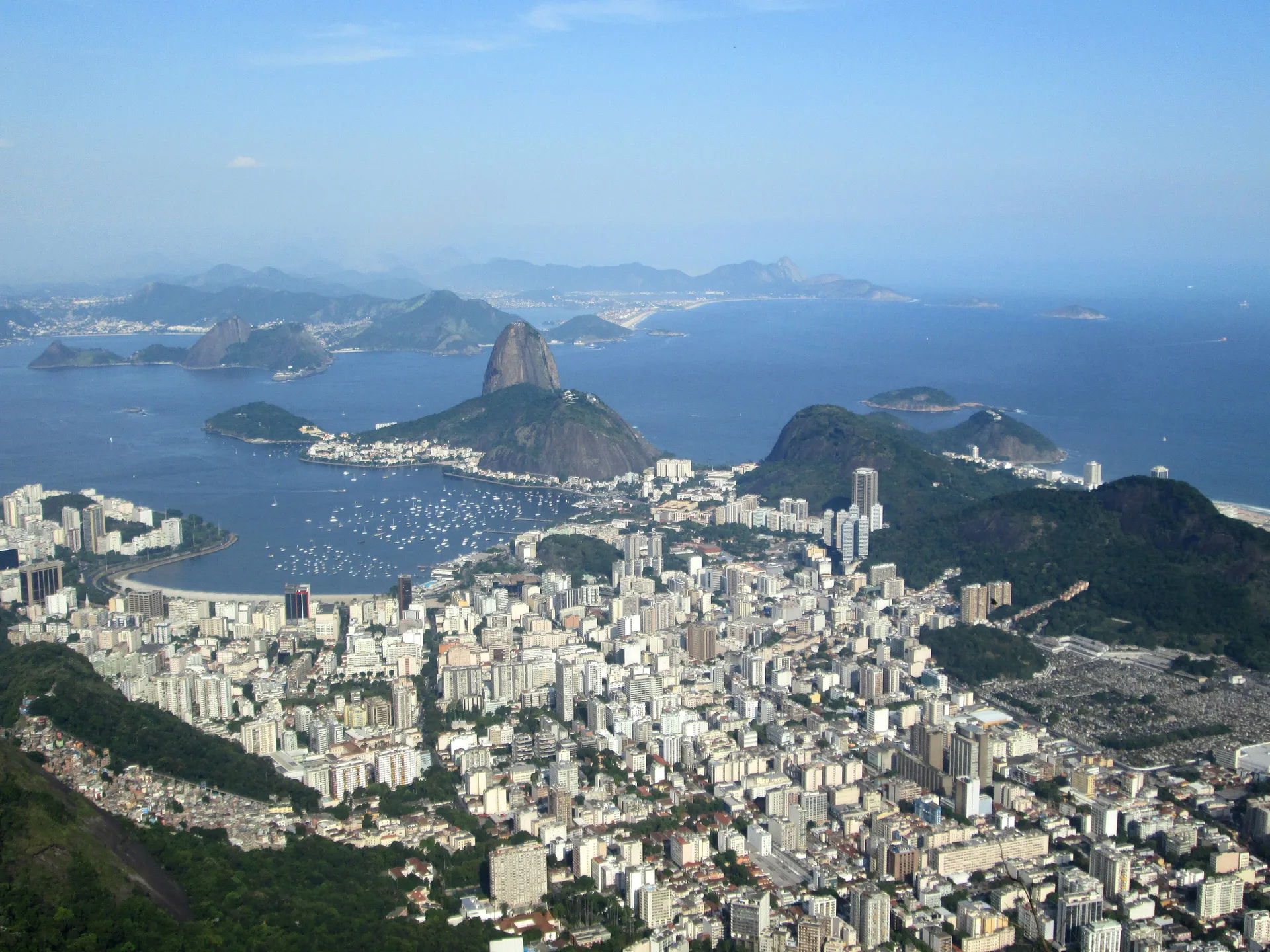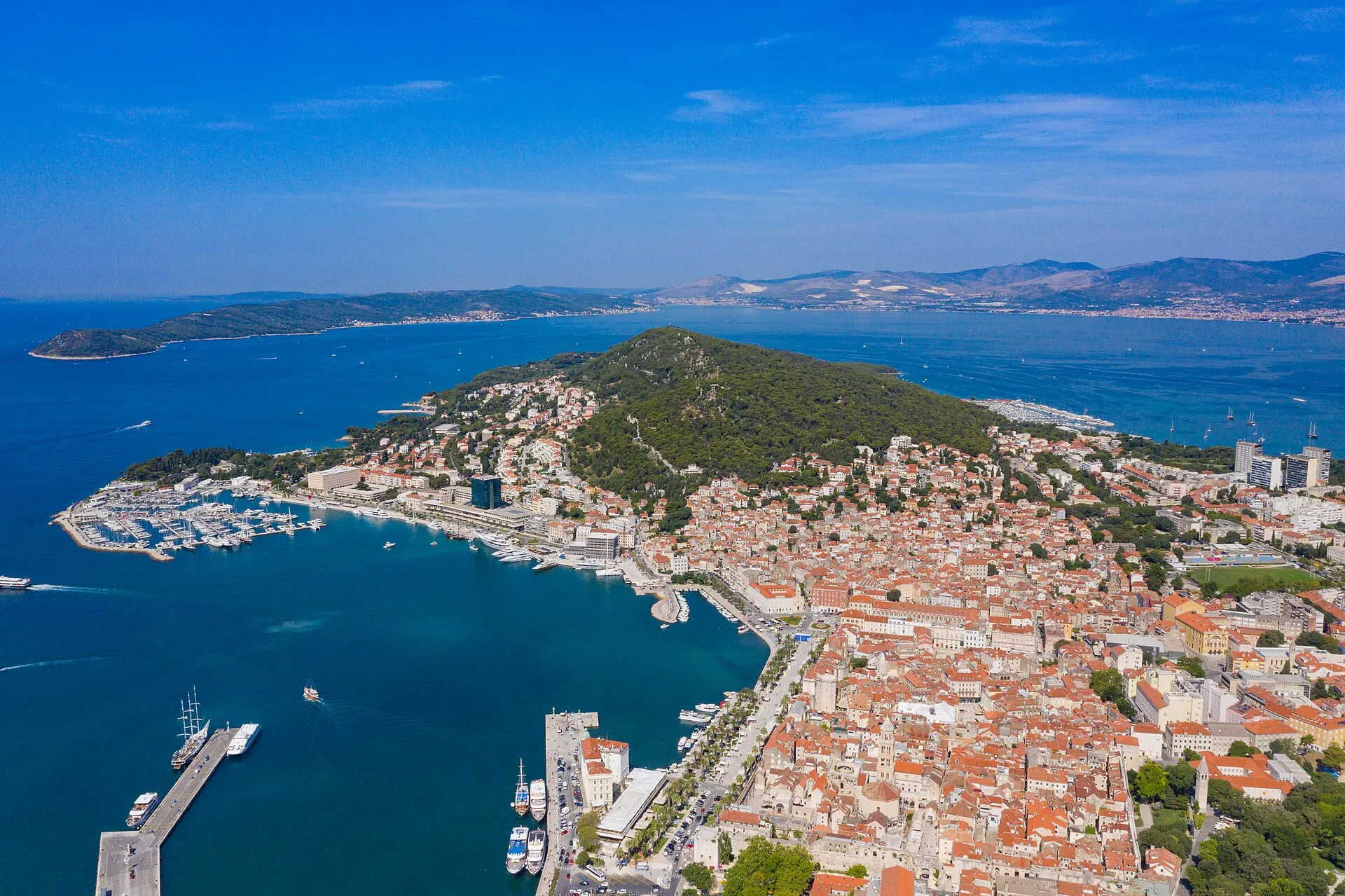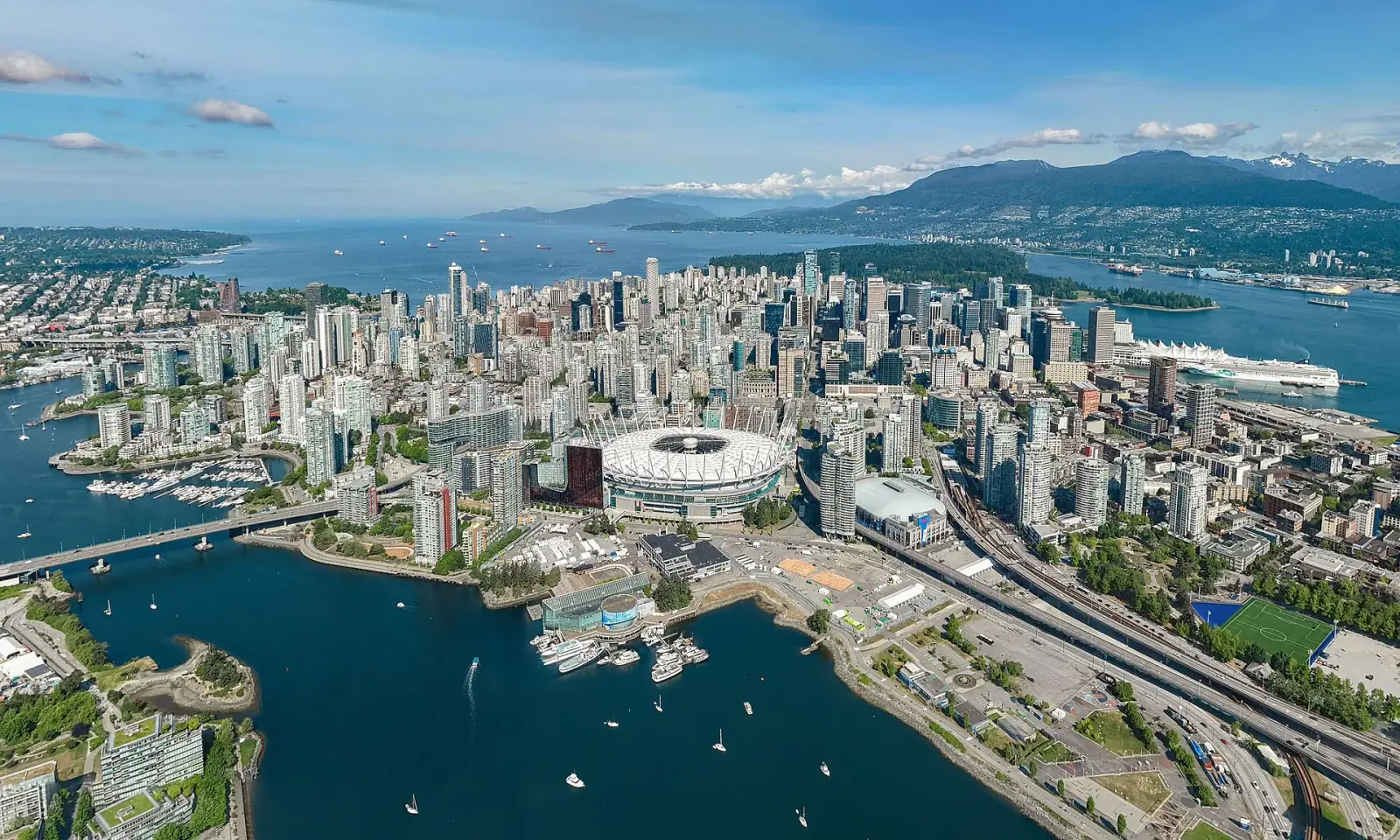
For a certain kind of remote worker, the view out the window matters as much as the download speed. If your idea of a good week ends with a trail underfoot or a swim in cold water, then a city's proximity to real wilderness is not a bonus, it is the whole point. A strong outdoor base lets you close the laptop at five and be at a trailhead, a beach, or a lake by six, which changes how sustainable long stays feel.
The tradeoff is rarely subtle. Places wrapped in dramatic landscape tend to be expensive, cold, or remote, and sometimes all three. Fjords and alpine peaks come with short summers and long dark winters. Reef towns and volcanic islands trade nightlife and career networks for reef dives and cloud forest. A city that scores a perfect ten for nature can still test your patience on cost, weather, or the practicalities of getting anywhere without a car. Reading this list well means holding those tensions in view rather than chasing scenery alone.
Every city here earns the top mark for nature access, so the order is really about everything else: safety, cost, connectivity, and how livable the place stays across a full month rather than a photogenic weekend. Use the ranking as a shortlist, not a verdict. The right base depends on whether you want mountains or ocean, whether you can absorb a high cost of living, and how much daylight you need to stay sane and productive.
Cities are ranked by their nature and outdoor-access score across our 1,000-city index, with ties broken by overall Nomad Score. Explore the numbers yourself on the comparison tool or browse all 999 city guides.
At a glance
 Cape Town
Table Mountain, two oceans, and vineyards on the city's edge, paired with a real creative economy and English fluency. Weigh the safety score before committing to a base.
Best for adventure sports Queenstown
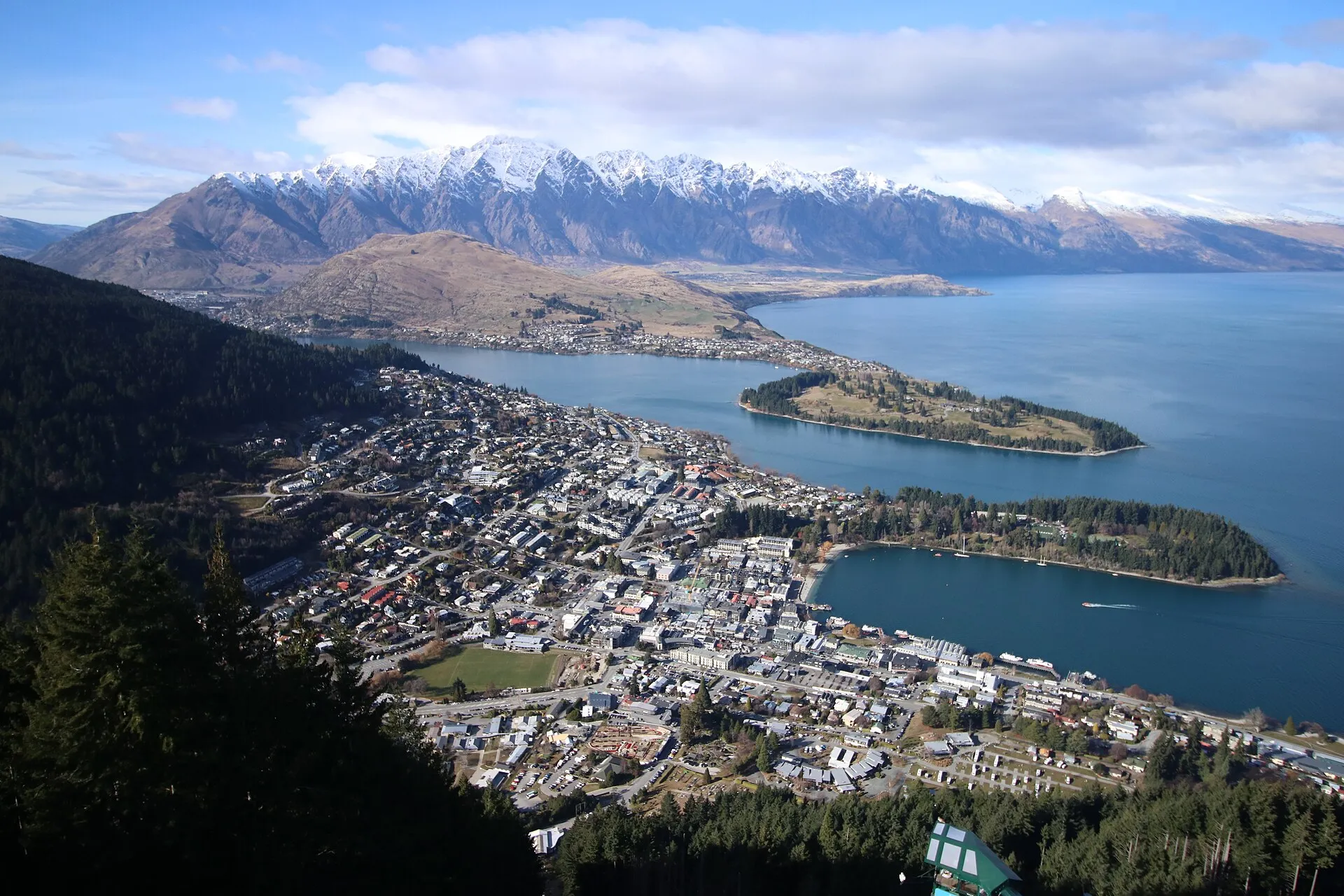
Bungee, skiing, alpine trails, and lake days sit minutes apart in New Zealand's outdoor capital, backed by top marks for safety and clean air. It is remote and pricey.
What to weigh before you book
A nature score measures how much wild country sits within reach, not how easy it is to enjoy it. Seasonality is the biggest gap the number hides. Reykjavik and Longyearbyen are transcendent in July and brutal by January, when daylight collapses and trails ice over. Alpine bases like Trento and Queenstown split cleanly into ski months and hiking months, so the season you arrive in shapes your whole stay. Ask what the place is actually like during the weeks you plan to be there.
Access is the other quiet catch. Many of these landscapes assume a car, and a city like Calgary rewards a rental far more than public transit does. Factor in cost too: several top picks are genuinely expensive, with Honolulu at $4,600 a month and Reykjavik at $3,570 the priciest on this list. Wilderness on your doorstep is worth a lot, but only if the monthly math and the commute to the trailhead both actually work for you.
The ranking
-
1
 Nature 10/10Nomad Score 8.7$2,640/moSafety 8WiFi 8Value 3
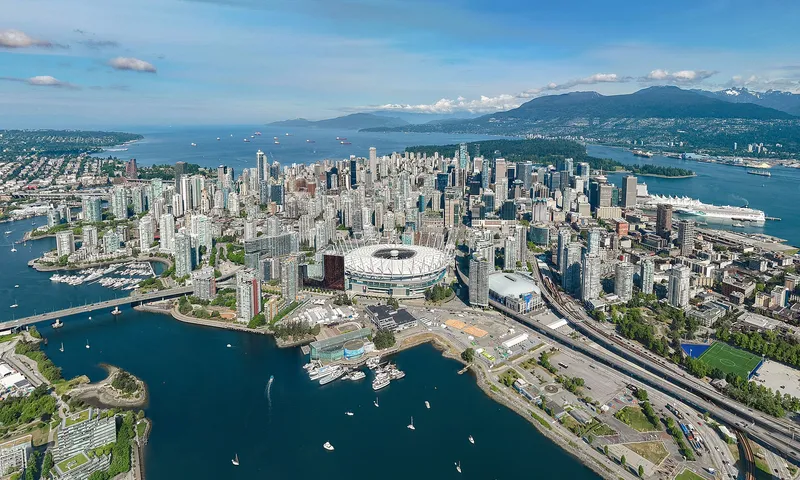
Mountains and ocean press in on Vancouver from both sides, and the city is built for it. Grouse and Cypress put ski runs and forest trails a short drive from downtown, Stanley Park wraps the core in seawall and old growth, and the Sea to Sky corridor opens Whistler and Squamish within a couple of hours. Strong wifi and clean streets make it a genuinely functional base, not just a scenic one. The obstacle is cost: at $2,640 a month it is among the most expensive picks here, and rain defines much of the year.
-
2
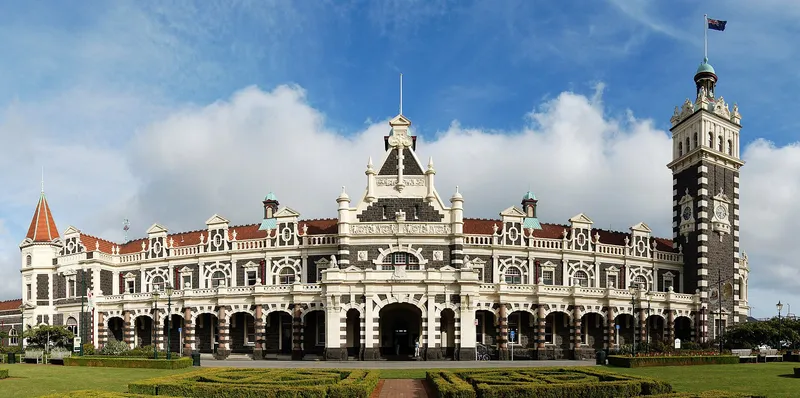 Nature 10/10Nomad Score 8.5$1,900/moSafety 9WiFi 8Value 5
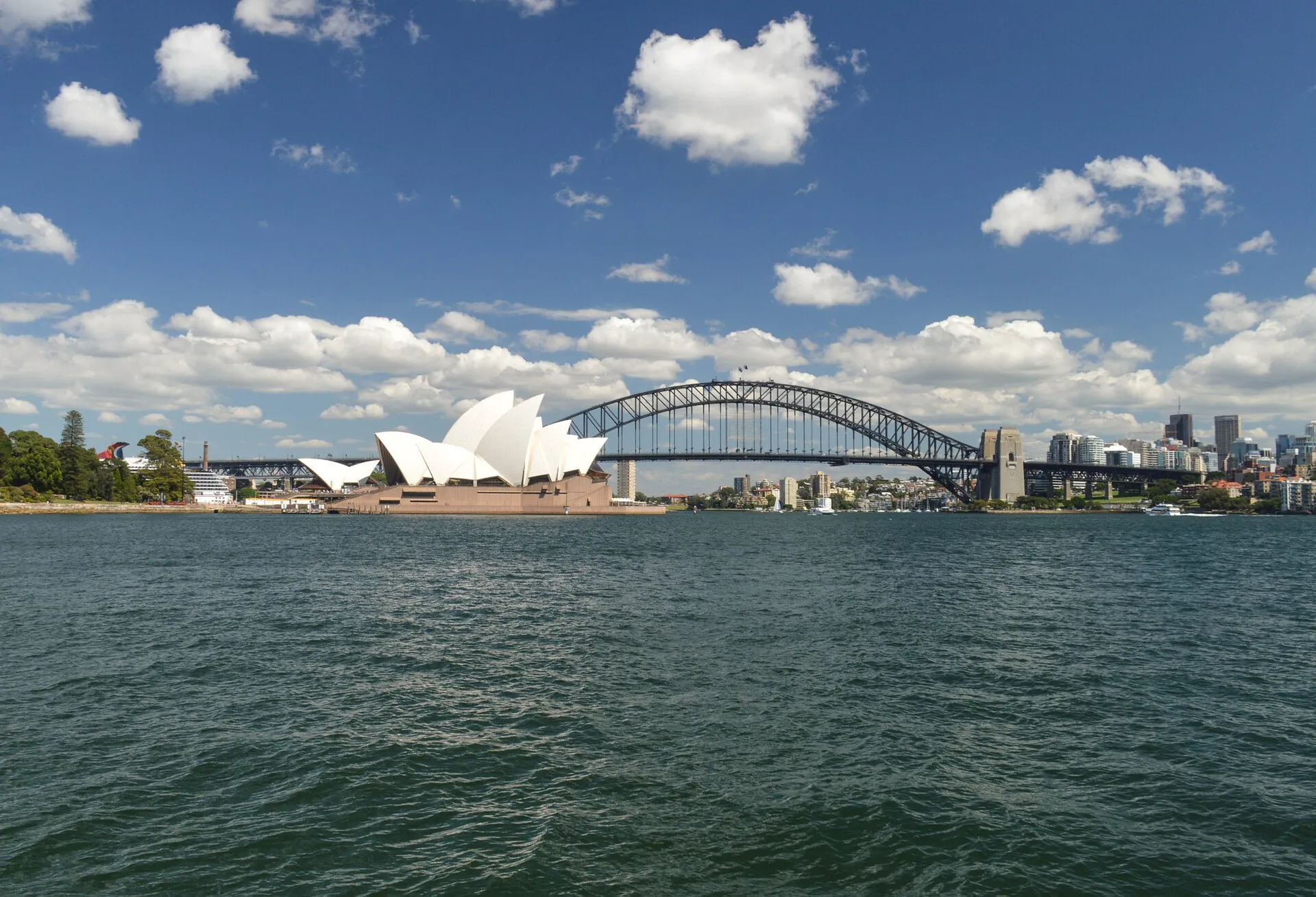
New Zealand's Scottish-founded university city, all Victorian bluestone and steep streets, with albatross and penguin colonies out on the Otago Peninsula.
-
3
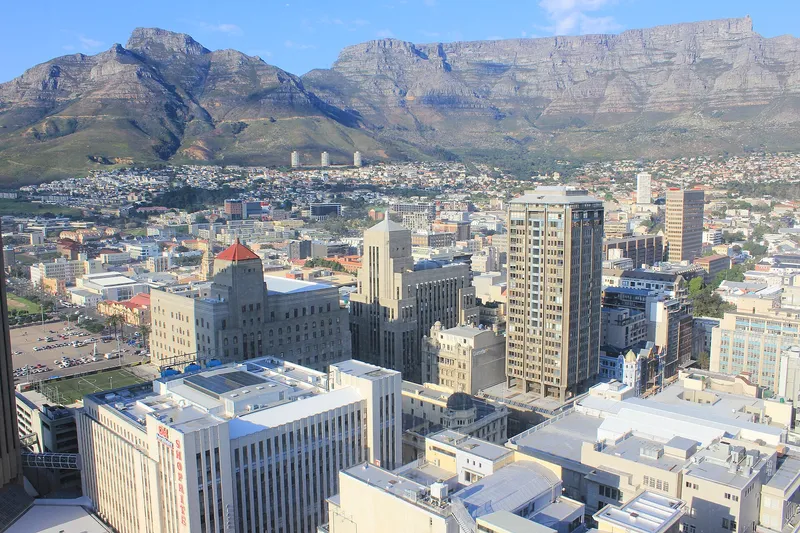 Nature 10/10Nomad Score 8.3$1,630/moSafety 3WiFi 5Value 6
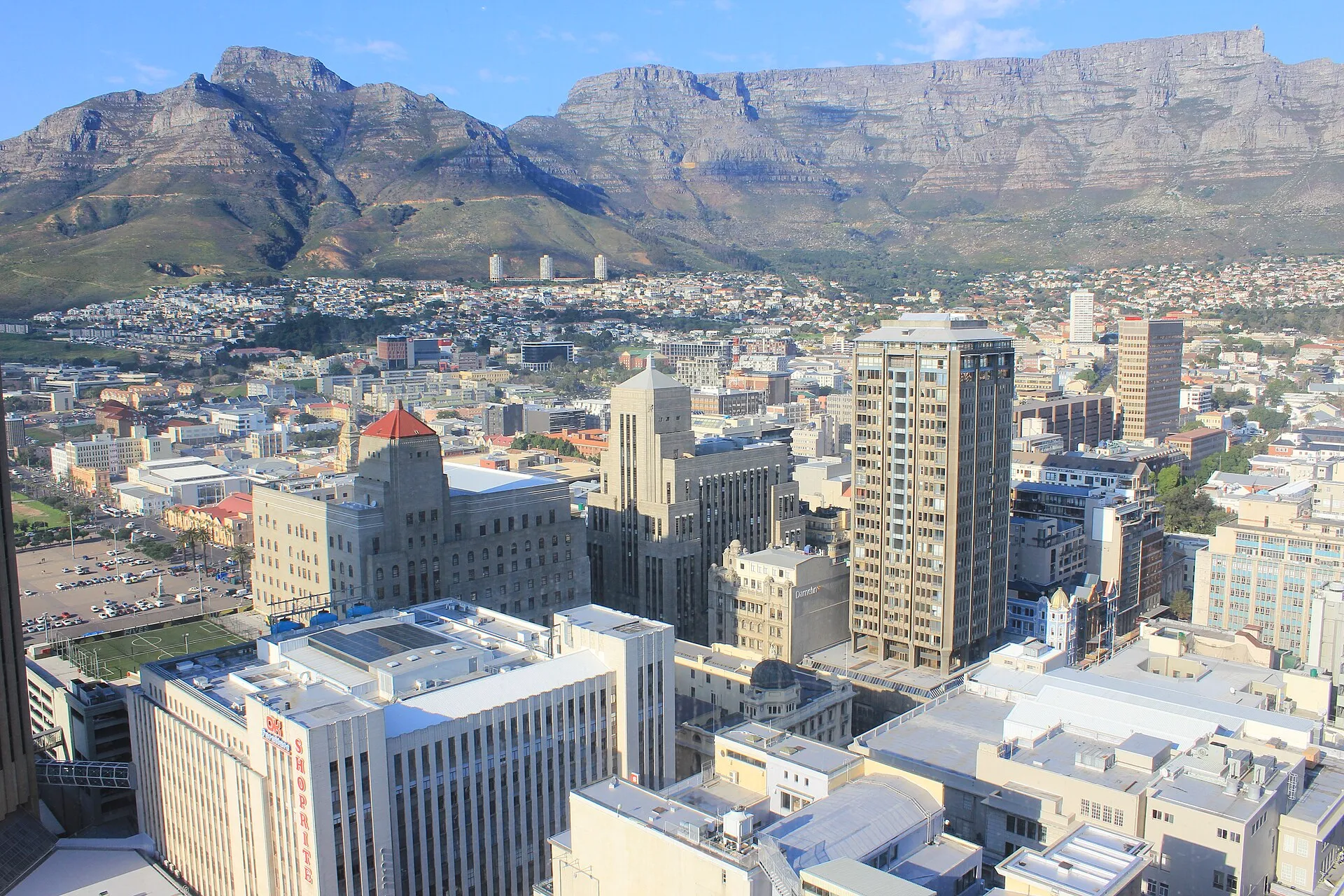
Few cities put this much landscape at the foot of a downtown. Table Mountain rises straight out of the neighborhoods, with the trail-webbed slopes of the Twelve Apostles, the beaches of Camps Bay and Muizenberg, and the Cape Point reserve all inside a day trip. Winelands and the Cederberg fill out weekend range, and English fluency makes it easy to plug in. The honest catch is safety, which scores low here, so where you live and how you move around at night takes real planning. On nature alone, little competes.
-
4
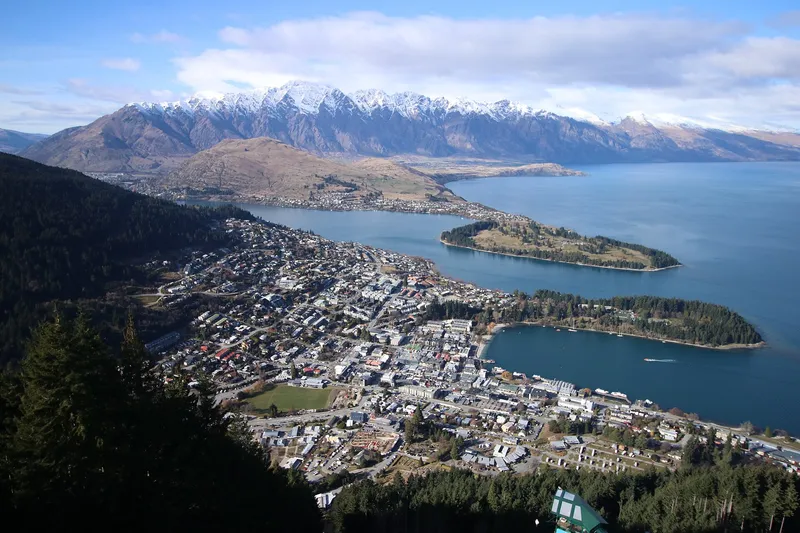 Nature 10/10Nomad Score 8.3$2,390/moSafety 9WiFi 7Value 3
Built around a glacial lake and hemmed by the Remarkables, Queenstown treats the outdoors as its entire identity. Skiing, mountain biking, alpine hikes like the Ben Lomond track, and the bungee and jet-boat circuit all sit within minutes, and the air quality and safety scores here are close to flawless. Fiordland and the Routeburn are a manageable drive for bigger ambitions. The tradeoffs are real: it is remote, costs $2,390 a month, and the small-town scale means a thin professional community and quiet nightlife once the adrenaline fades.
-
5
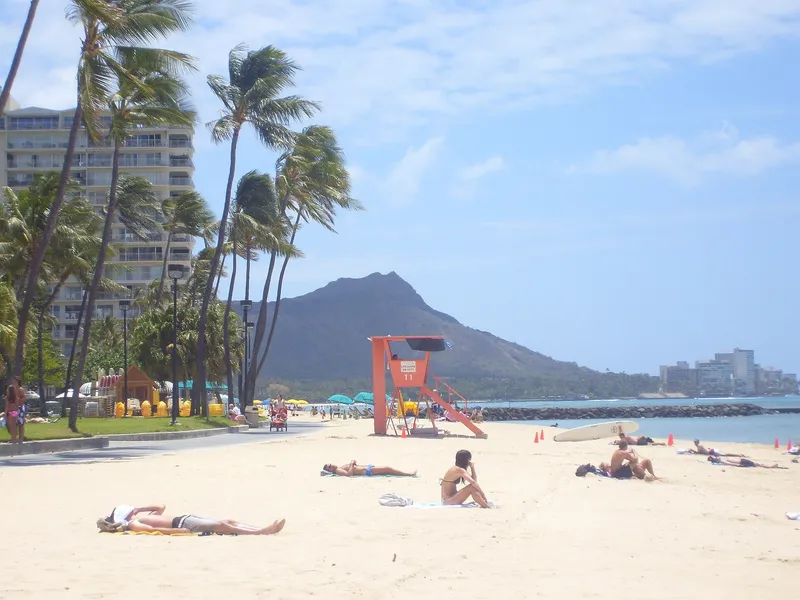 Nature 10/10Nomad Score 8.3$4,600/moSafety 7WiFi 7Value 1
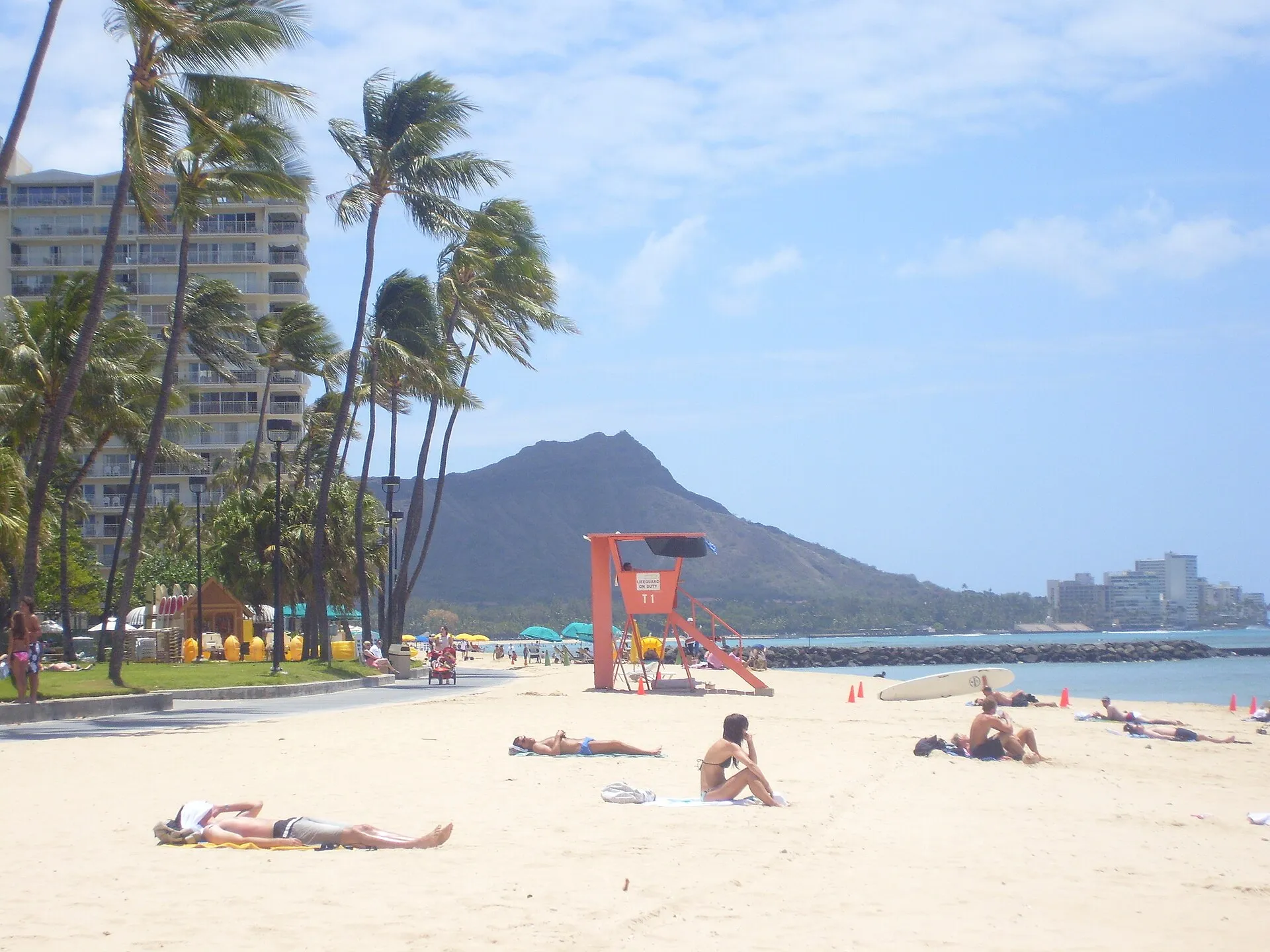
A Pacific paradise capital where Waikiki surf, volcanic ridges and aloha culture meet American convenience, at a suitably paradise-level price.
-
6
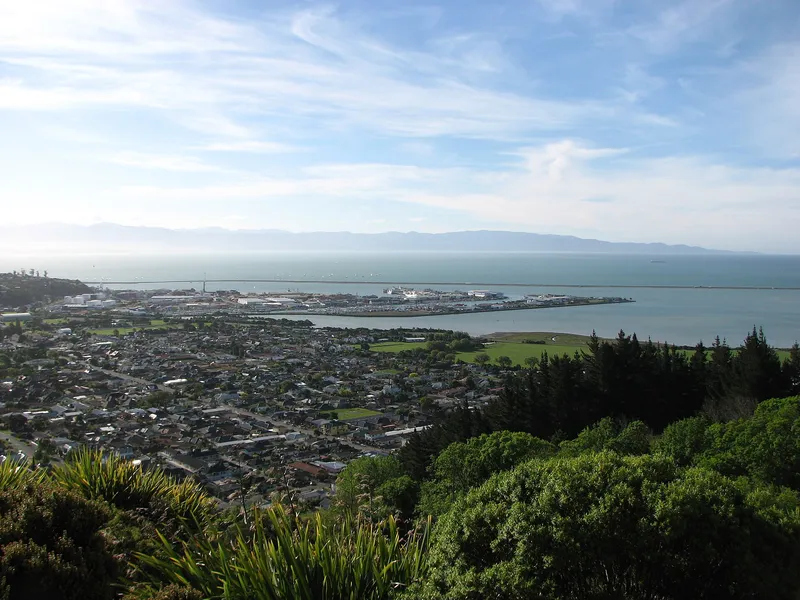 Nature 10/10Nomad Score 8.3$1,800/moSafety 9WiFi 7Value 5
One of New Zealand's sunniest towns, with Abel Tasman's golden beaches up the coast.
-
7
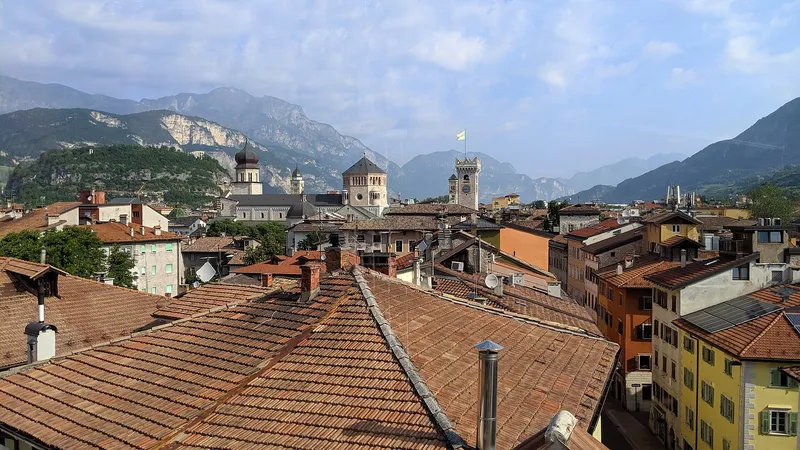 Nature 10/10Nomad Score 8.2$1,900/moSafety 9WiFi 7Value 4
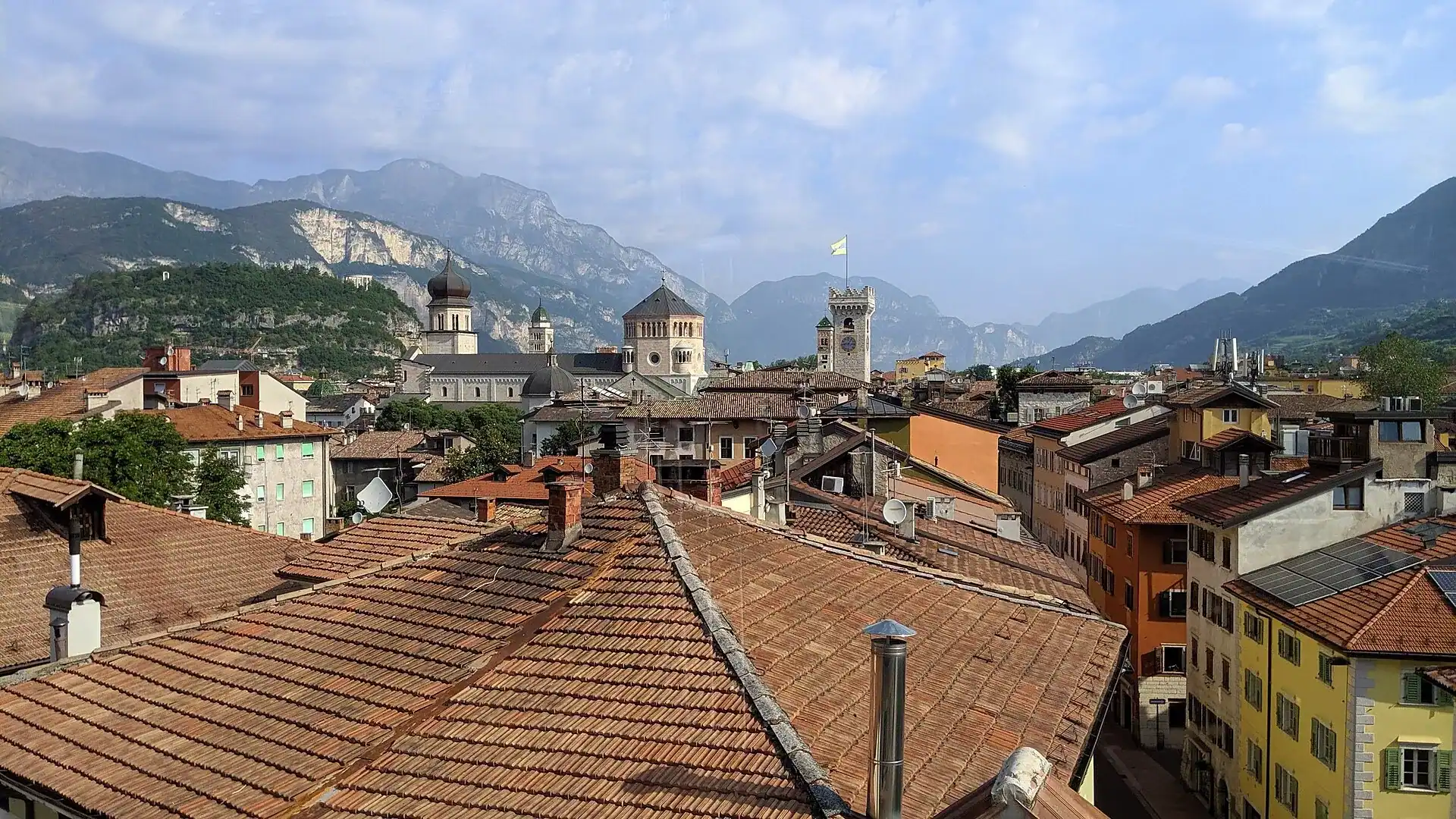
An Alpine city with Venetian frescoes, Dolomite trailheads and Italy's best air.
-
8
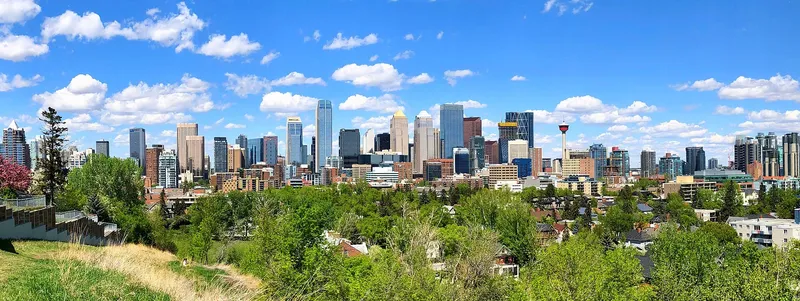 Nature 10/10Nomad Score 8$2,250/moSafety 9WiFi 8Value 3
Calgary itself is flat prairie, but it is the doorstep to the Canadian Rockies, and that proximity is the draw. Banff, Kananaskis, and Canmore are roughly an hour west, opening a lifetime of hiking, paddling, and skiing on weekend terms. The city rewards you with fast, reliable connectivity, high marks for safety and cleanliness, and space that keeps costs below Vancouver's. The sticking point is winter: the climate score is among the lowest here for a reason, with long, hard cold, and you will effectively need a car to reach the mountains that make the place worthwhile.
-
9
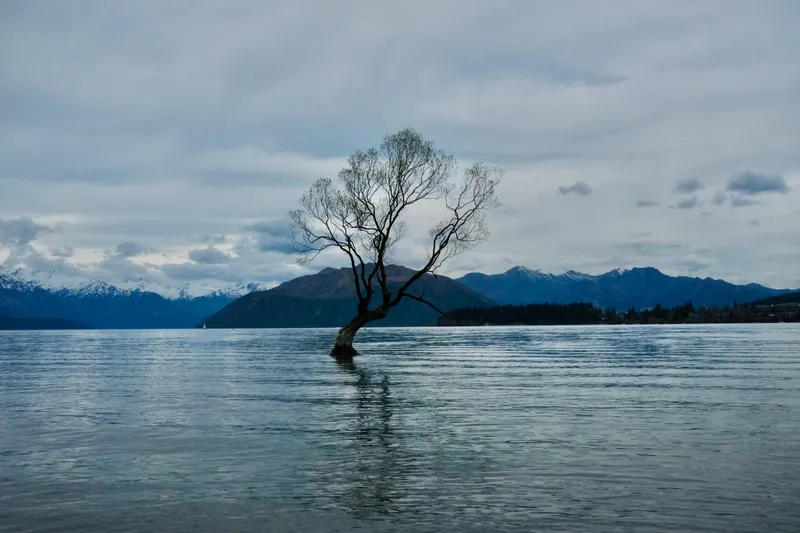 Nature 10/10Nomad Score 8$2,360/moSafety 9WiFi 7Value 5
A relaxed lakeside town beneath the Southern Alps, famous for That Wanaka Tree, alpine hikes, and Mount Aspiring beyond.
-
10
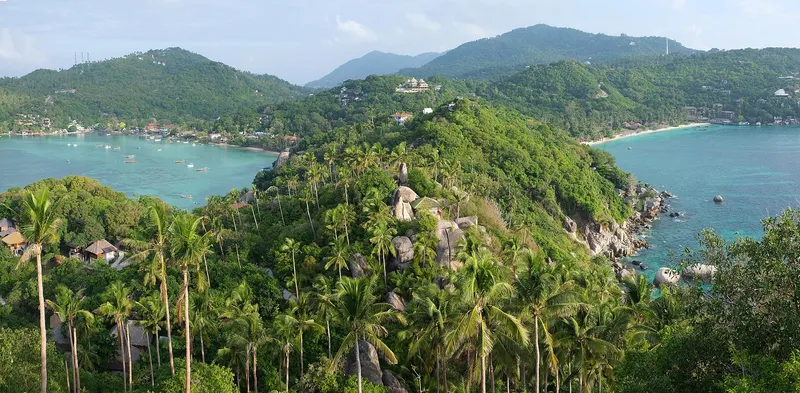 Nature 10/10Nomad Score 8$1,000/moSafety 7WiFi 6Value 7
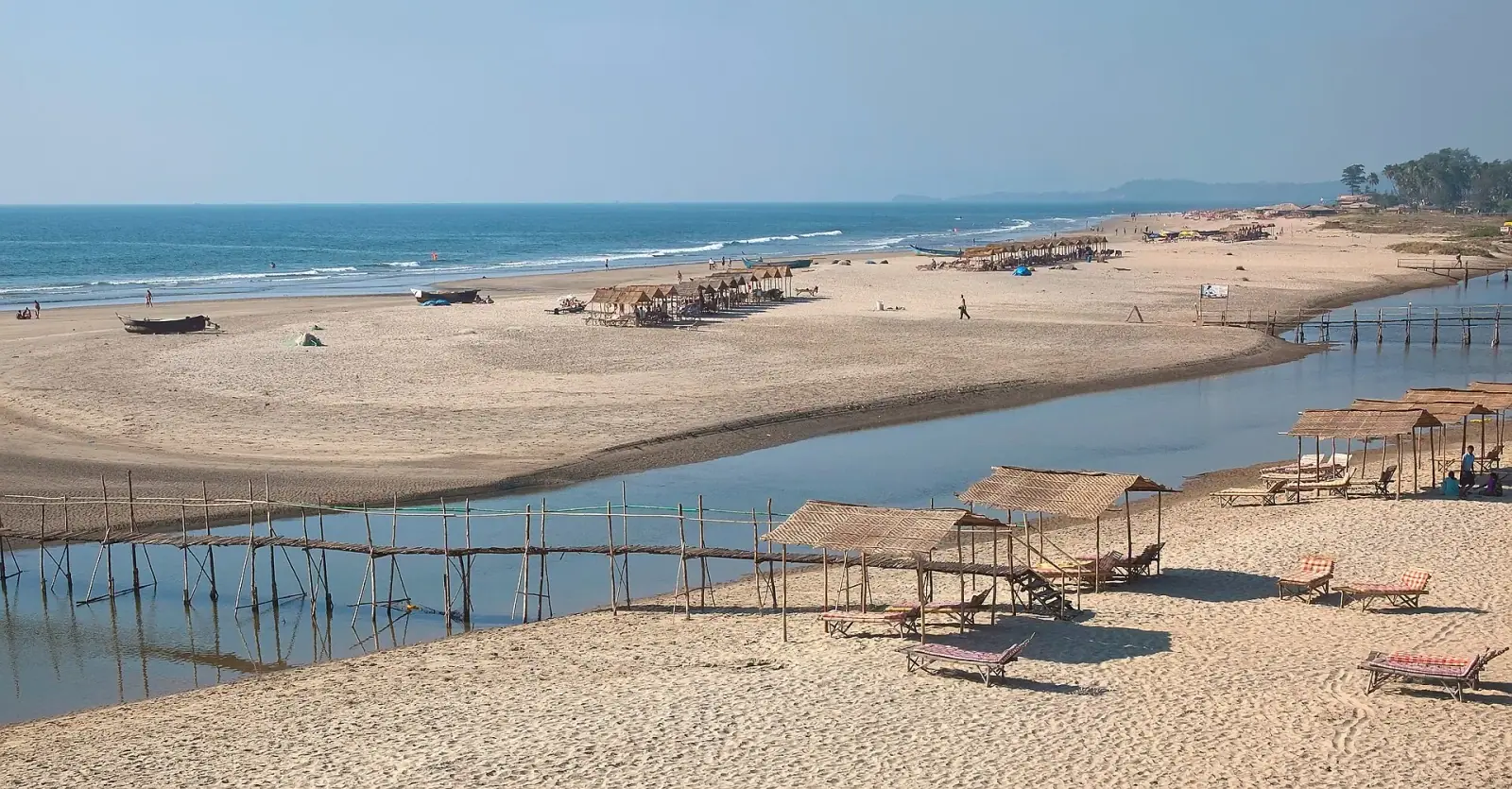
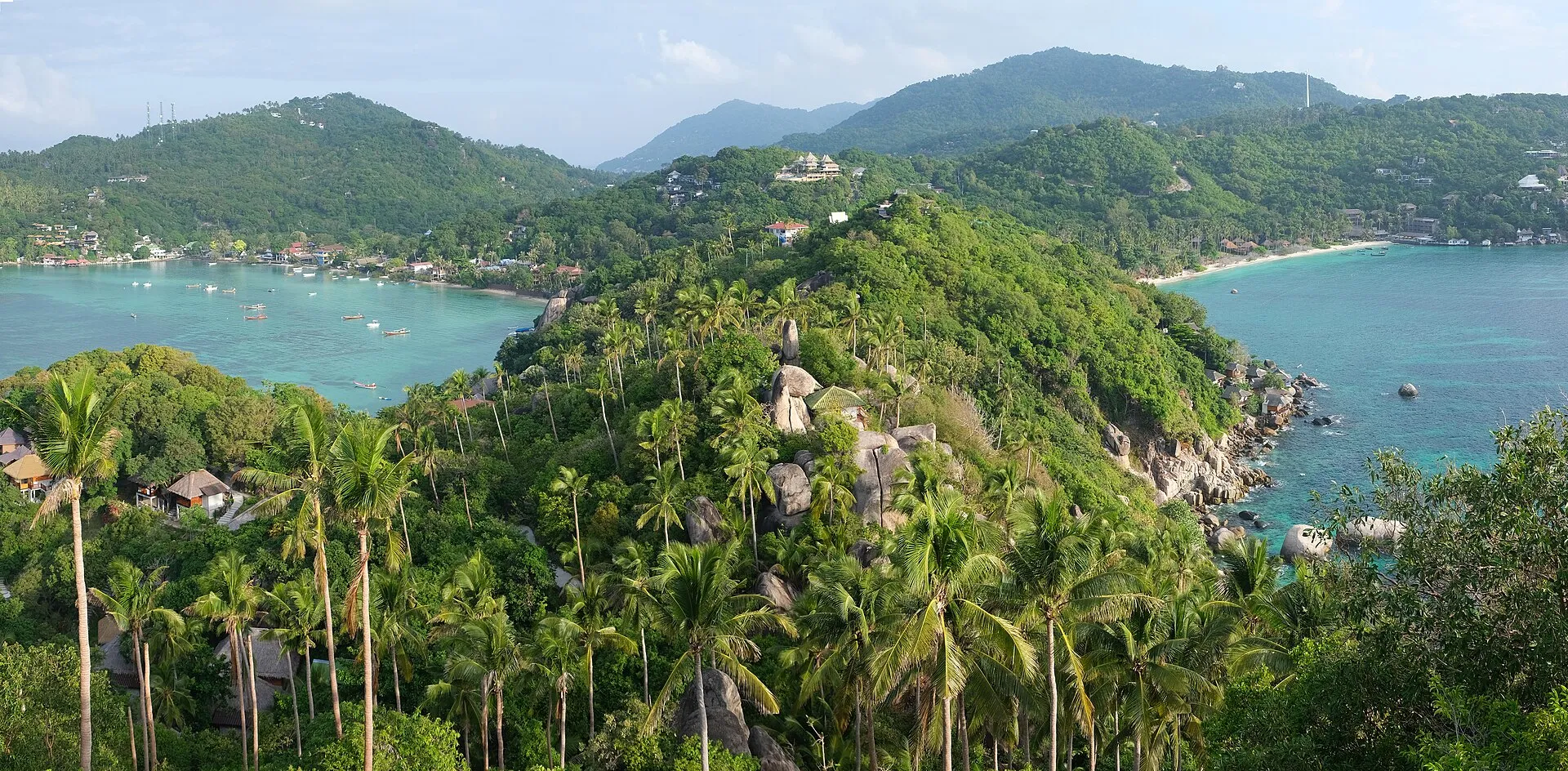
The world's busiest dive-certification island, small enough to circle by scooter and stacked with beach cafes that tolerate all-day laptops.
-
11
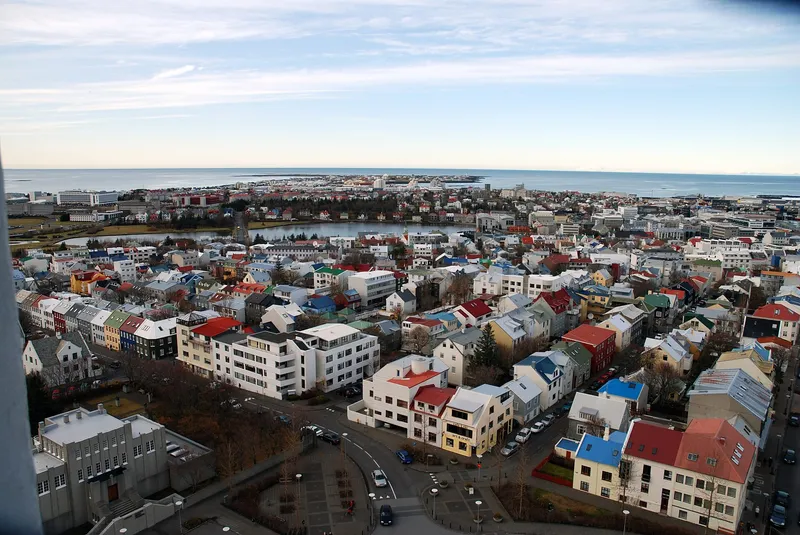 Nature 10/10Nomad Score 7.8$3,570/moSafety 10WiFi 8Value 2
No capital anywhere feels closer to raw geology than Reykjavik. Geothermal pools, lava fields, waterfalls, and the aurora are woven into ordinary life, and the Golden Circle, Reykjanes, and the highlands open up from a compact, exceptionally safe city with clean air and strong wifi. It is a base that makes even a short walk feel elemental. The barriers are steep, though: at $3,570 a month it is the second-priciest pick on this list, after Honolulu, the food scene is limited, and the winter climate and darkness demand a real tolerance for cold and gloom.
-
12
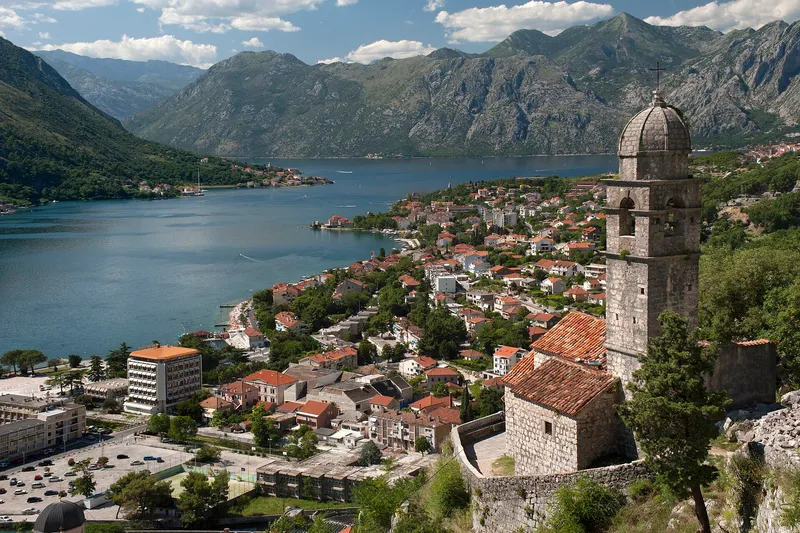 Nature 10/10Nomad Score 7.8$1,250/moSafety 8WiFi 5Value 6
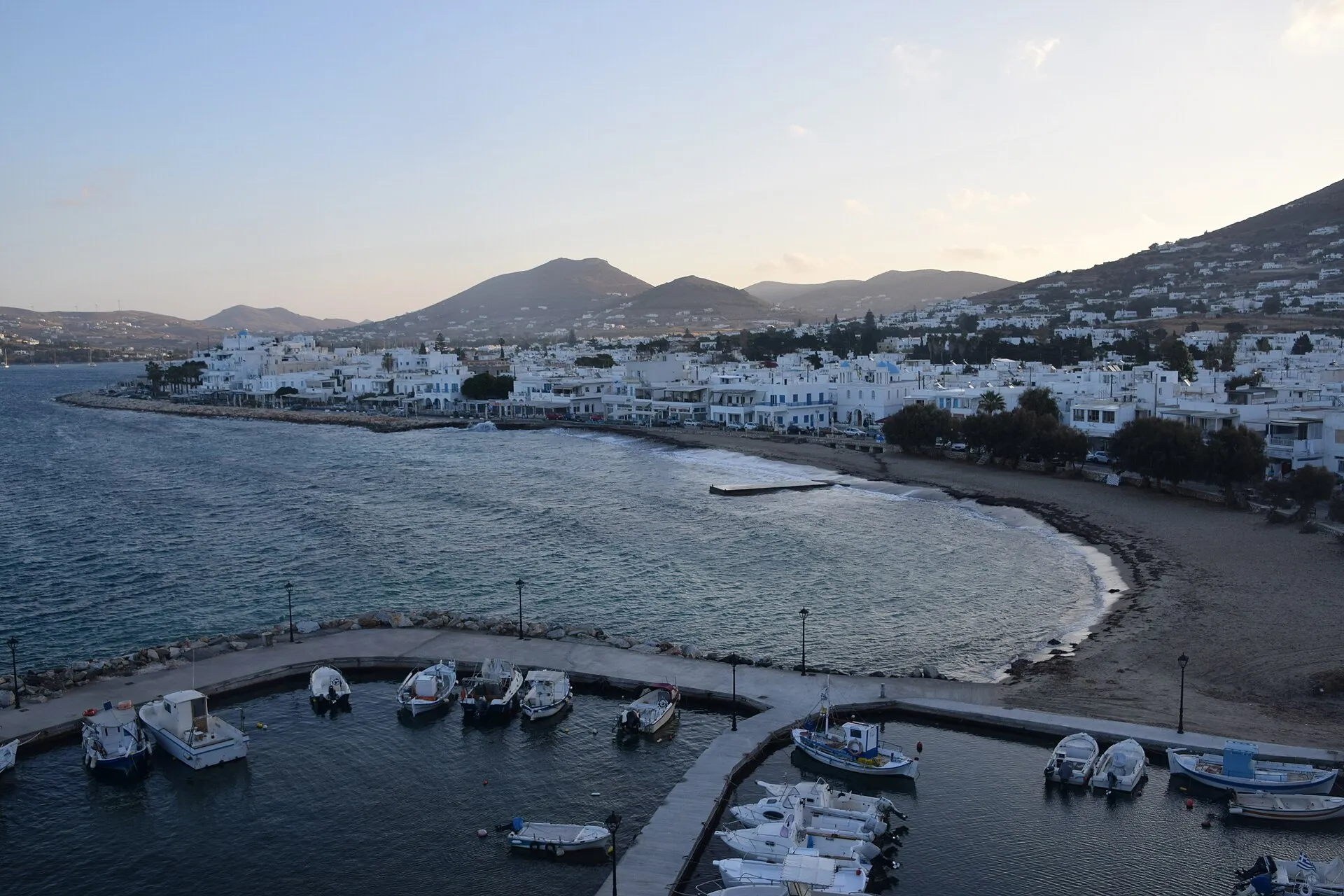
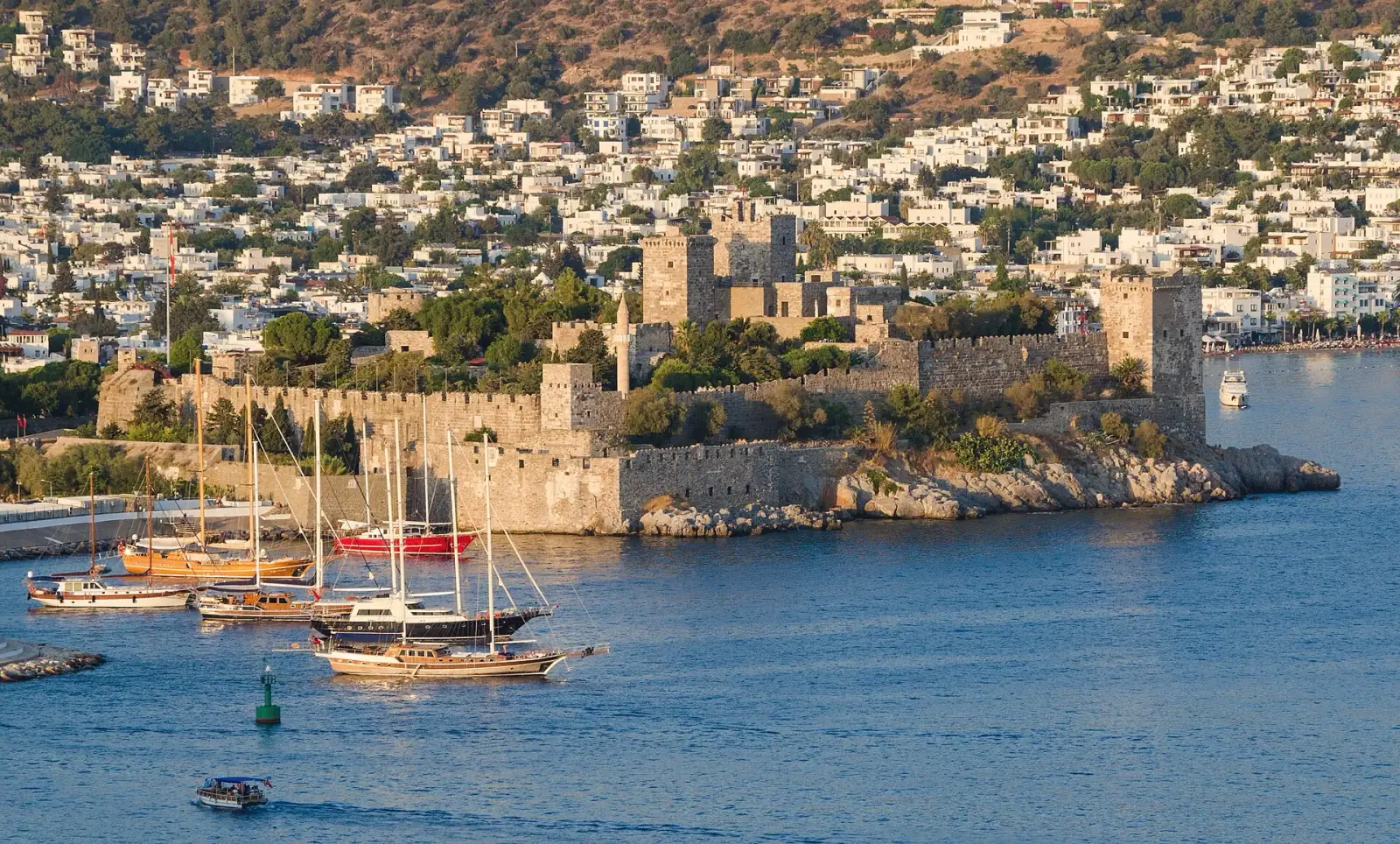
Kotor sits at the head of a bay so steep and enclosed it reads like a fjord, with medieval walls climbing the slope behind the old town. The Ladder of Kotor switchbacks straight up the mountainside, Lovcen and Durmitor national parks lie within reach, and the Adriatic is right there for swimming and kayaking. At $1,250 a month it is one of the more affordable dramatic bases in Europe. The compromise is infrastructure: wifi is middling, English is patchier than in the Nordics, and summer brings heavy cruise-ship crowds.
-
13
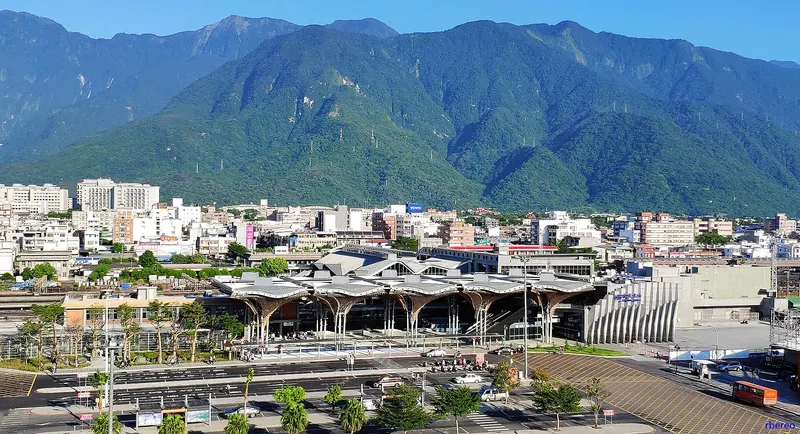 Nature 10/10Nomad Score 7.8$1,150/moSafety 9WiFi 8Value 7
The Pacific on one side, Taroko Gorge on the other, and a slow town in between.
-
14
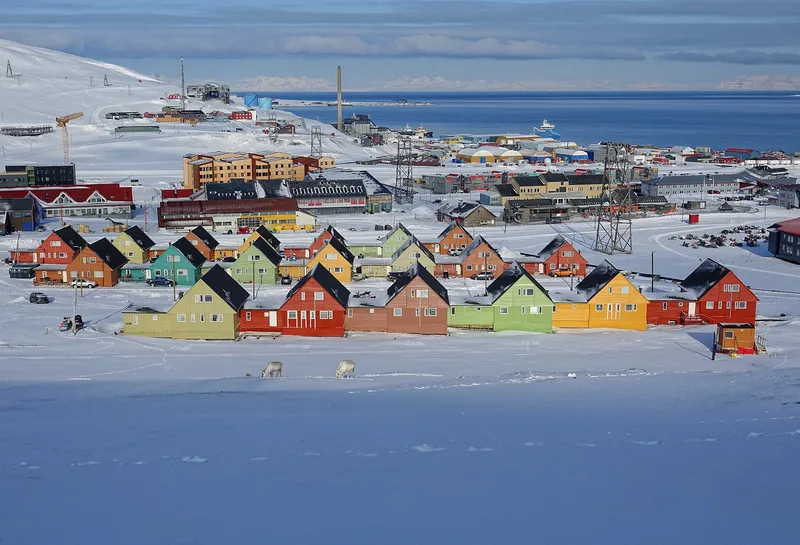 Nature 10/10Nomad Score 7.8$2,400/moSafety 8WiFi 8Value 3
The northernmost town on earth, where anyone may live and nobody may leave the town unarmed.
-
15
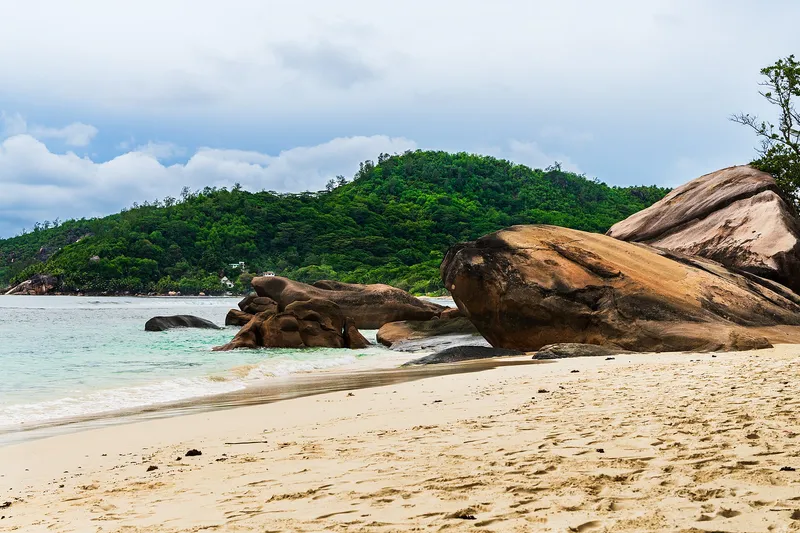 Nature 10/10Nomad Score 7.6$2,200/moSafety 8WiFi 6Value 3
Granite boulders on white sand, and the only country on earth that asks no nationality for a visa.


Choosing an outdoor base comes down to matching landscape, budget, and season to how you actually live. If you want it all in one city and can manage the safety tradeoff, Cape Town is hard to beat. If cost drives the decision, Koh Tao at $1,000 and Hualien at $1,150 deliver real wilderness for a fraction of Honolulu's $4,600. And if you are chasing pure adventure and can absorb the remoteness, Queenstown and the Nordic north reward you tenfold.
Whatever pulls you, read past the scenery to the practical fit: the season you will arrive in, whether you will need a car, and how the monthly numbers hold up over a full stay rather than a weekend. Compare these cities side by side, or browse the full city guides to see how each one handles work, cost, and daily life once the trail ends and the laptop opens.
Frequently asked questions
Which nomad city has the best outdoor access overall?
Vancouver tops this ranking with a Nomad Score of 8.7, pairing a perfect nature score with mountains, ocean and old-growth forest on the edge of downtown at $2,640 a month. For the most variety in one city, Cape Town is second: mountain, coast, and winelands sit inside the city limits, with English fluency and a real creative economy. Its one serious caveat is safety, which scores low, so choosing your neighborhood and managing night movement matters more than in other picks here.
What is the cheapest city on this list for nature lovers?
Koh Tao in Thailand, at $1,000 a month, is the most affordable, with reefs and dive schools on a small island. Hualien in Taiwan follows at $1,150, with Taroko Gorge on its doorstep, then Kotor in Montenegro at $1,250. In return for Koh Tao's price you accept middling wifi and island logistics that suit flexible slow travelers more than deadline-driven work.
Which outdoor cities are the most expensive?
Honolulu leads on cost at $4,600 a month, followed by Reykjavik at $3,570 and Vancouver at $2,640. Their scenery is world class, but the monthly math reshapes any budget, so weigh a shorter high-intensity stay against a longer one.
Do I need a car to enjoy these nature bases?
It depends heavily on the city. Trento reaches the mountains by rail and cable car, so a car is optional. Calgary effectively requires a rental to reach the Rockies that justify choosing it, since public transit reaches only the city edge. Check the transit situation before assuming you can go car-free.
How much does winter darkness affect the Nordic picks?
Significantly. Longyearbyen sits far above the Arctic Circle and endures months of polar night, while Reykjavik sees very short winter days. The aurora payoff is real, but the darkness and cold test your mood and routine. If daylight matters to your productivity, plan a summer stay or look at the alpine cities instead.